
Walk into your basement or peek behind furniture, and you will probably spot a spider or two. These eight legged creatures share our living spaces whether we like it or not. There are a variety of house spiders present right now. In fact, as per numbers, humans have discovered 40,000 species of spiders, and about 3,000 of them call North America home. Turns out, it’d be better to know what species of house spider is actually threatening and what’s not.
Although most spiders are harmless and actually beneficial, having a good knowledge of the identification of common house spiders in your home would help you respond appropriately sooner. Keep scrolling, and you’ll figure out the 11 most common house spiders, their size, habitat, what their bites look like, and how you could get rid of them.
Table of Contents
Why Do Spiders Enter Homes?
In the first place, you should be aware of the fact that spiders do not actively seek out human company. They pretty much wander inside by accident or follow food sources through cracks and gaps. House spiders hunt pesky insects like mosquitoes and flies.
They also seek shelter from extreme weather, particularly during cold months or heavy rains. Darkness, moisture, and quiet corners provide ideal conditions for web building and solitude. Cluttered spaces, basements, attics, and garages offer perfect hiding spots where spiders can live undisturbed. Once they get in, they often stay if they find adequate food and shelter.
11 Most Common House Spiders (With Identification Guide)
1. American House Spider
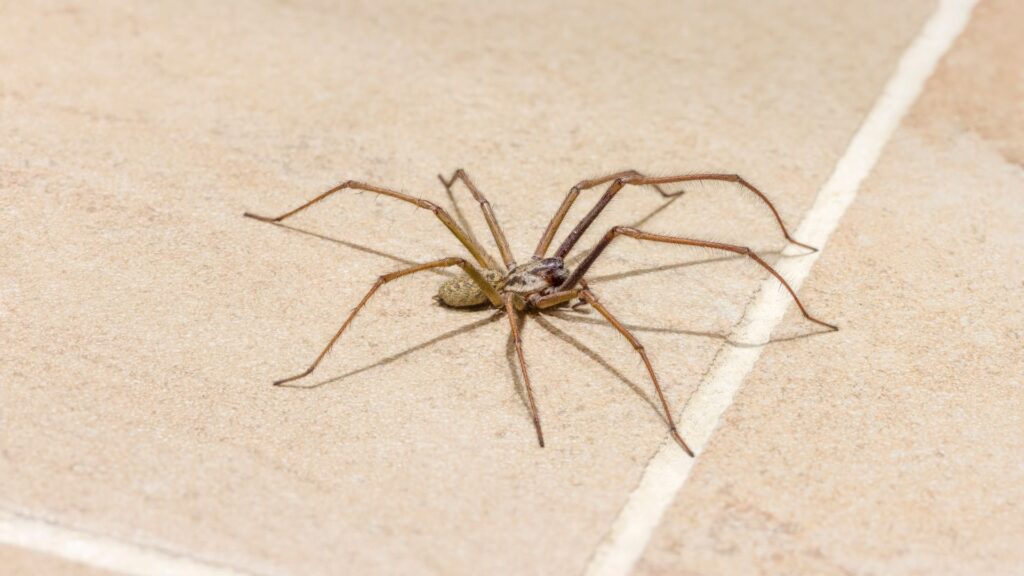
American house spiders, scientifically known as Achaearanea tepidariorum, are the most common type of arachnid found in homes across North America. These small spiders build messy, tangled webs in corners and undisturbed areas. If you have noticed dirty cobwebs in the corners of your walls or ceiling, they could have been left by a common house spider. Their round abdomens feature various shades of brown and tan with darker patterns. Males have yellow legs while females have orange legs.
Size: 1/8 to 5/16 inches
Bite: American house spiders can bite when threatened, but their venom is minimal and not poisonous
Habitat: Choose web locations at random, favoring corners, closets, and quiet areas
2. Cellar Spider (Daddy Long Legs)
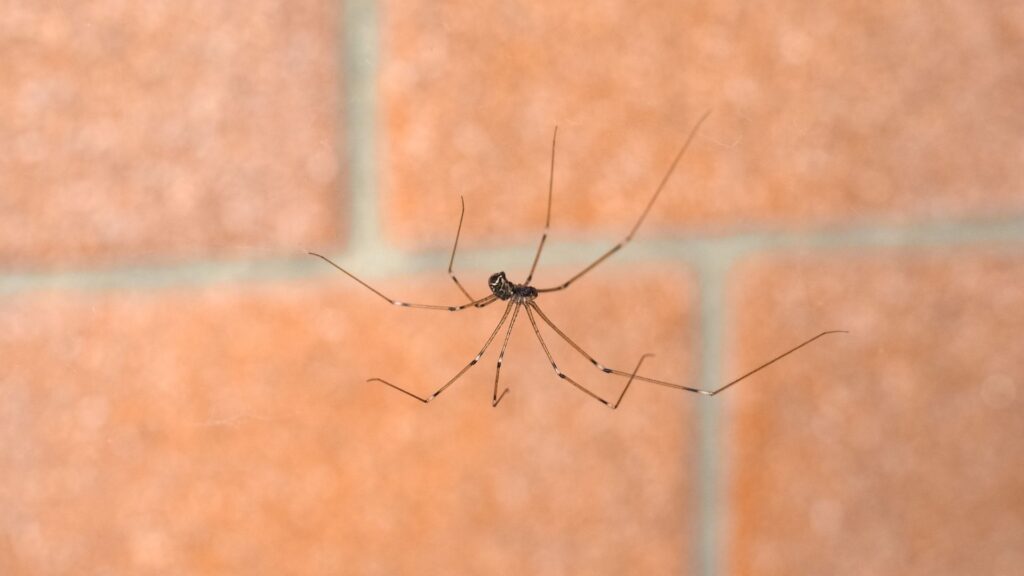
These household spiders get their nickname from their extremely long, thin legs that extend far beyond their tiny bodies. Cellar spiders hang upside down in loose, irregular webs and vibrate rapidly when disturbed. This shaking motion makes them appear blurry and confuses predators. Despite myths about their venom potency, cellar spiders pose no threat to humans. They actually help control other spider populations by catching and eating them.
Size: 1 3/4 to 1 15/16 inches including legs
Bite: No
Habitat: Cellars, warehouses, barns, garages, and dark corners
3. Wolf Spider
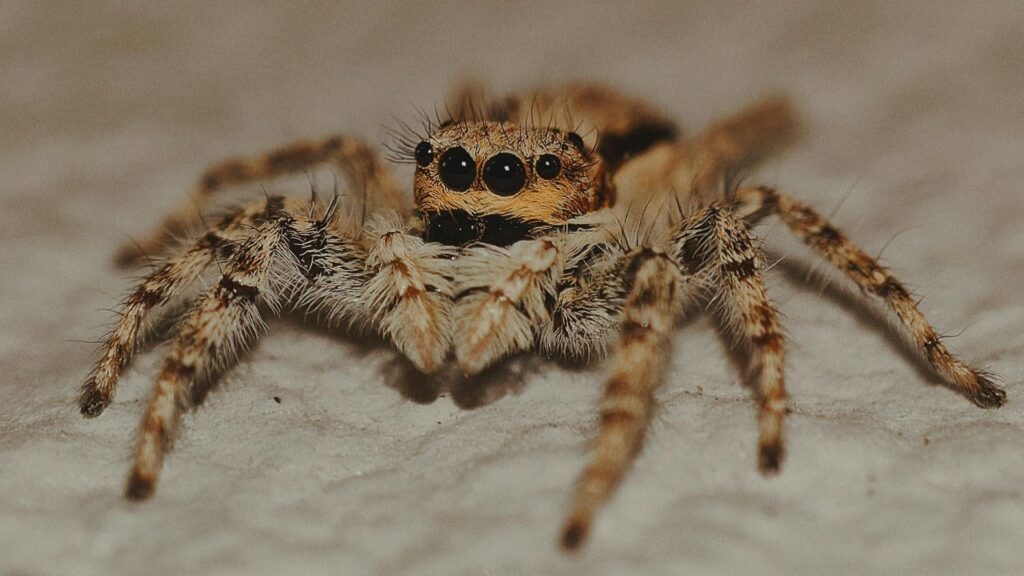
Wolf spiders are robust hunters that do not build webs. Instead, they actively chase down prey on the ground. Their hairy bodies and excellent eyesight set them apart from web building species. These brown house spider relatives vary from light tan to dark brown with distinctive stripe patterns. Females carry egg sacs attached to their spinnerets and later transport dozens of baby spiders on their backs. Their size and speed often startle homeowners, but wolf spiders generally avoid humans.
Size: 1/10 to 1/3 inches
Bite: Wolf spiders bite only when provoked, causing temporary pain and swelling similar to a bee sting
Habitat: Outside in wooded areas, gardens, rocks, and indoors in crawlspaces, basements, and garages
4. Jumping Spider
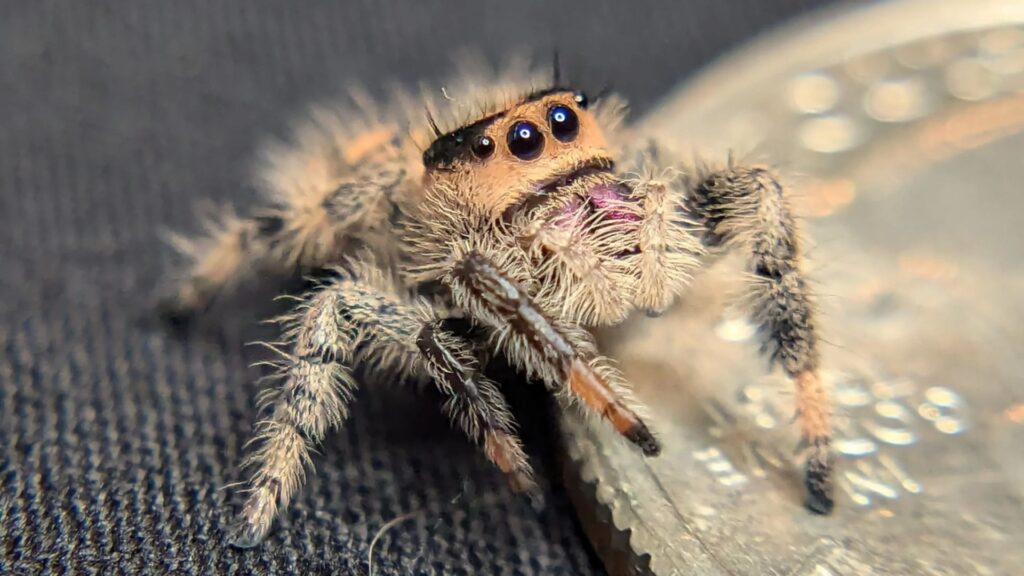
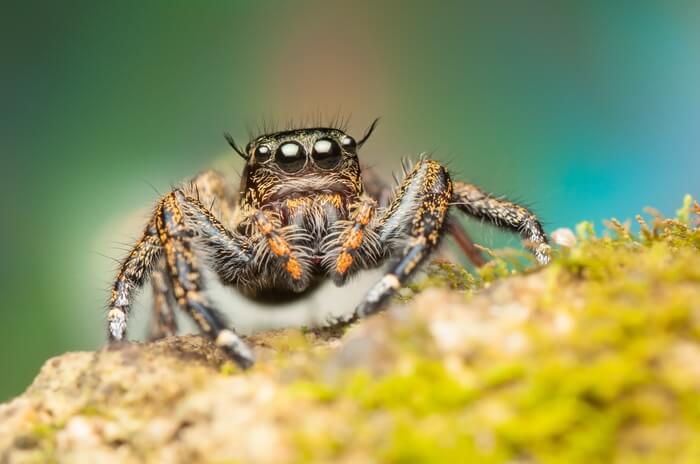
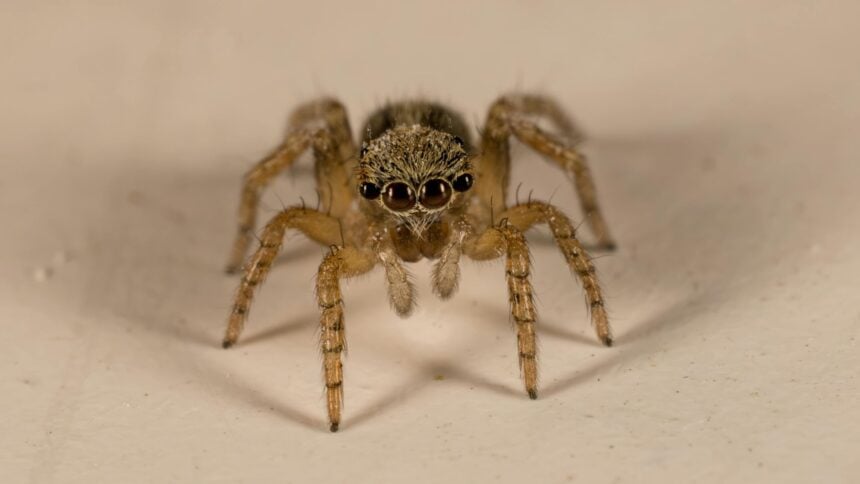
The most adorable of common house spiders, jumping spiders have large forward facing eyes that give them an almost curious expression. These tiny hunters stalk prey and pounce with remarkable accuracy. They can jump up to 50 times their body length. Jumping spiders come in various colors and patterns, often with iridescent or metallic markings. Unlike most spiders, they have excellent vision and will actually watch you as you move. Their hunting method and compact build make them easy to identify.
Size: 1/8 to 3/4 of an inch
Bite: Bites from a jumping spider are uncommon, but if they do bite and may when threatened, and they are similar in pain to mosquito bites
Habitat: Forests, woodpiles, grassy areas, near windows
5. Black Widow Spider
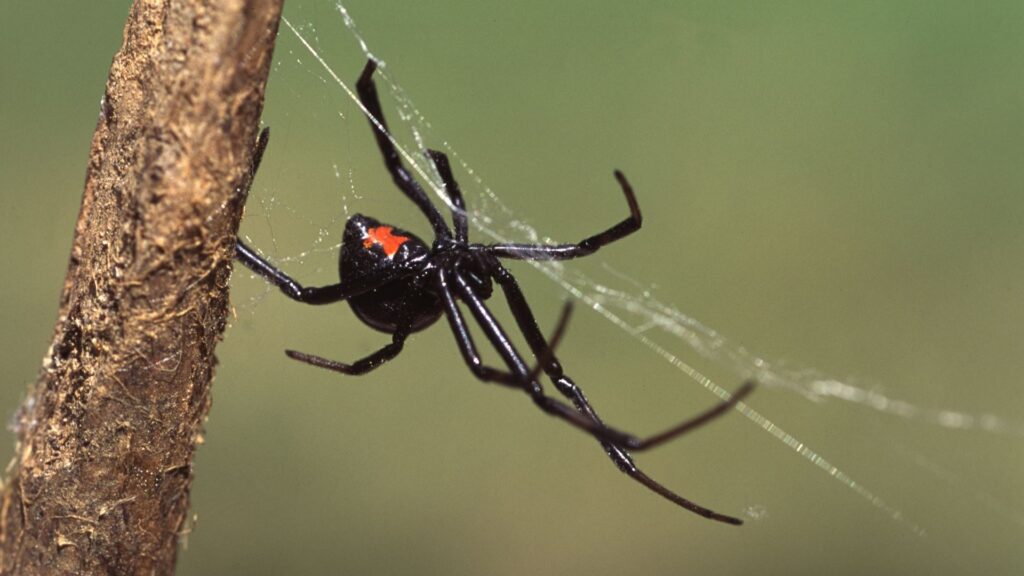
The black widow spider ranks among the few potentially dangerous house spiders in North America. Females display shiny black bodies with distinctive red hourglass markings on their undersides. Males are much smaller and harmless. Black widows build messy, tangled webs in dark, undisturbed locations. They avoid human contact and bite only when trapped or threatened. Despite their fearsome reputation, black widow bites rarely result in serious complications with modern medical treatment.
Size: Females 1/2 inch body, males much smaller
Bite: Venomous, causes muscle pain and cramping, requires medical attention
Habitat: Dark corners, cluttered areas, garages, sheds, woodpiles
6. Brown Recluse Spider
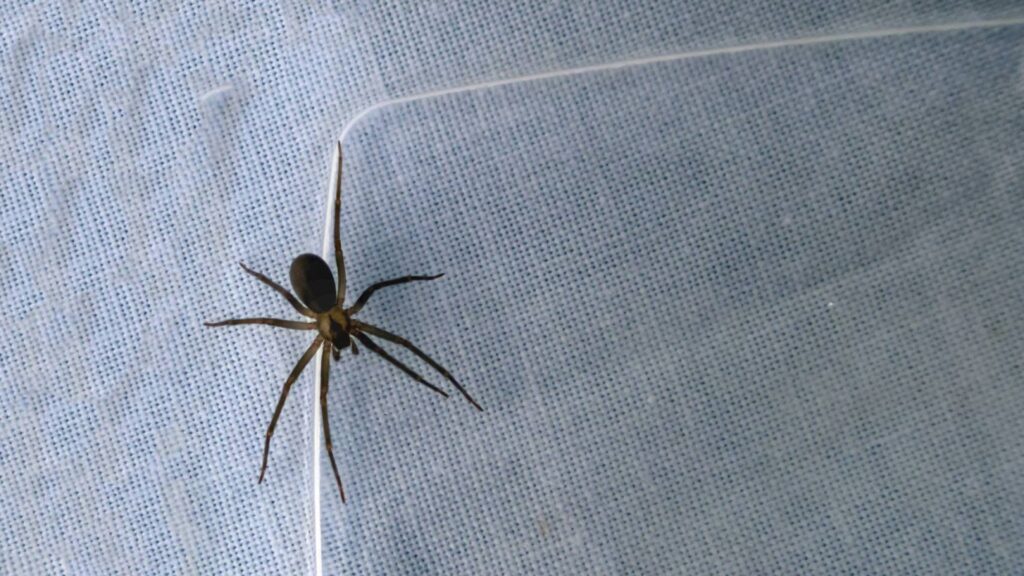
The brown recluse spider is another venomous house spider that demands respect. A tiny brown spider with a violin shaped marking on its back, the brown recluse prefers to hide rather than confront. These house spiders avoid light and human activity. Their bites can cause necrotic wounds in some cases, though severe reactions are less common than media reports suggest. Brown recluses are not aggressive and bite only when pressed against skin. They live primarily in the south central United States.
Size: 1/4 to 1/2 inch
Bite: Venom can cause tissue damage, medical evaluation recommended
Habitat: Closets, attics, storage boxes, behind furniture, in shoes
7. Yellow Sac Spider
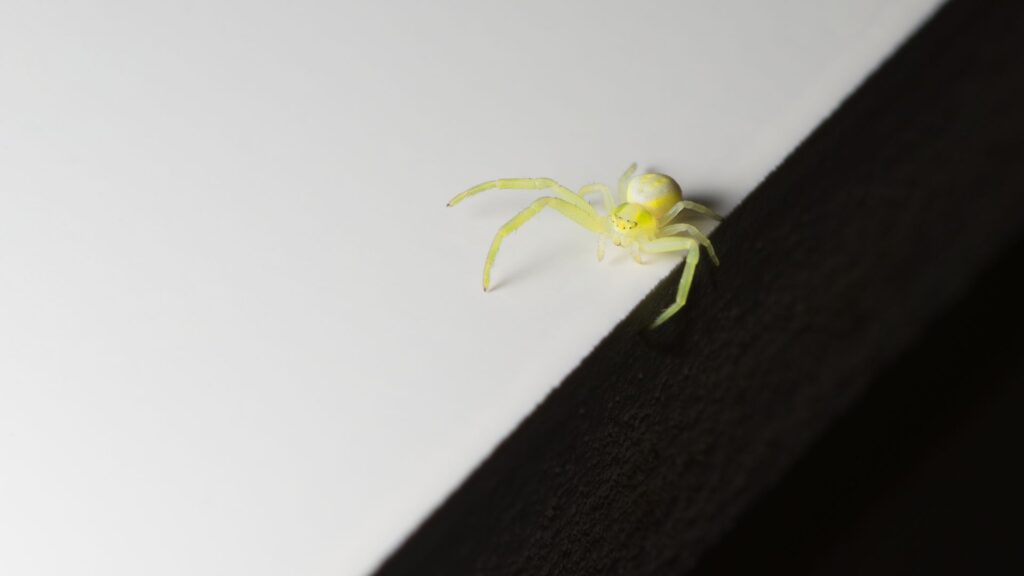
Sac spiders are part of the family Cheiracanthiidae and are normally found inside or outside homes. These pale spiders vary drastically in coloring and are sometimes confused with other spiders due to shades ranging from yellow to beige. They build small silk sacs in corners or along ceiling edges where walls meet. Yellow sac spiders hunt at night and often bite when trapped in bedding or clothing. It is a good idea to keep your distance as their venom contains cytotoxin and is toxic to humans. Bites cause localized pain and redness.
Size: 1/4 to 3/8 inches
Bite: Painful with burning sensation, causes redness and swelling
Habitat: Upper wall corners, behind picture frames, in curtains
8. House Funnel Spider
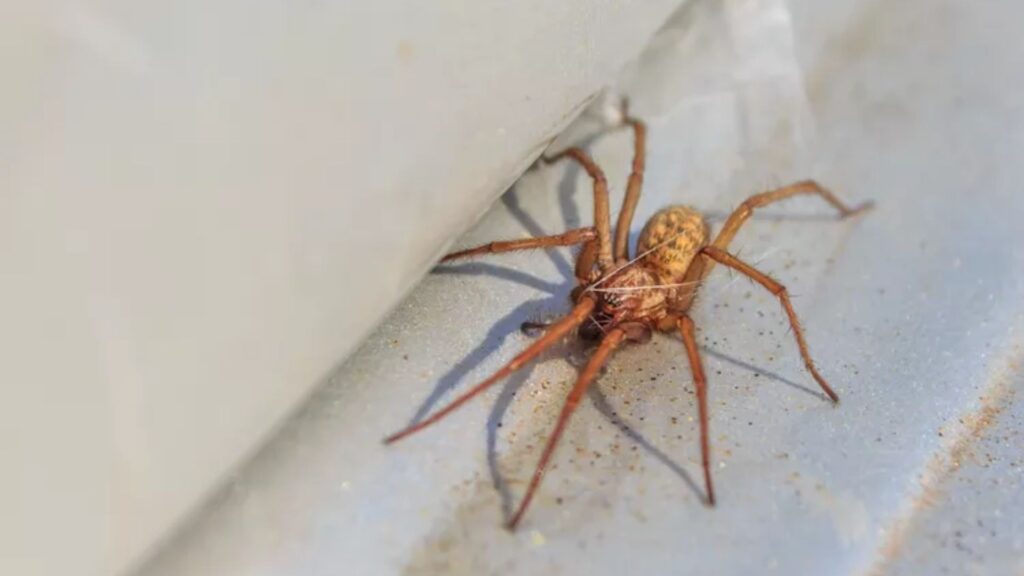
These common house spiders spin flat, sheet like webs with funnel shaped retreats at one end. The spider waits inside the funnel for prey to land on the web. House funnel spiders move incredibly fast when catching prey or fleeing threats. Their brown bodies blend well with wood and soil. These spiders are completely harmless despite their quick movements and aggressive web defense. They help control indoor insect populations effectively.
Size: 1/2 to 3/4 inches
Bite: Harmless, rarely bite humans
Habitat: Corners, window frames, basement ceilings, ground level areas
9. Orb Weaver Spider
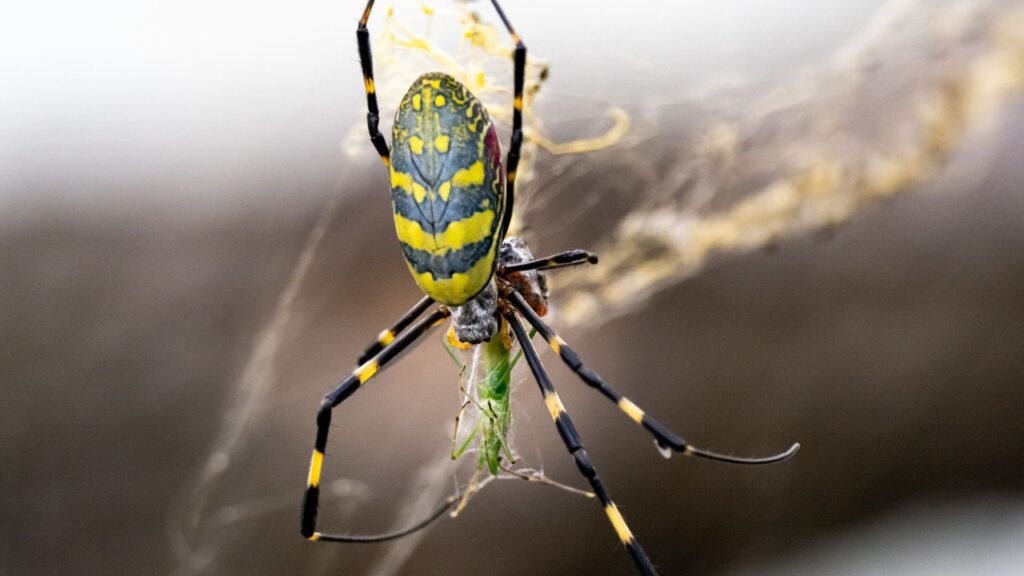
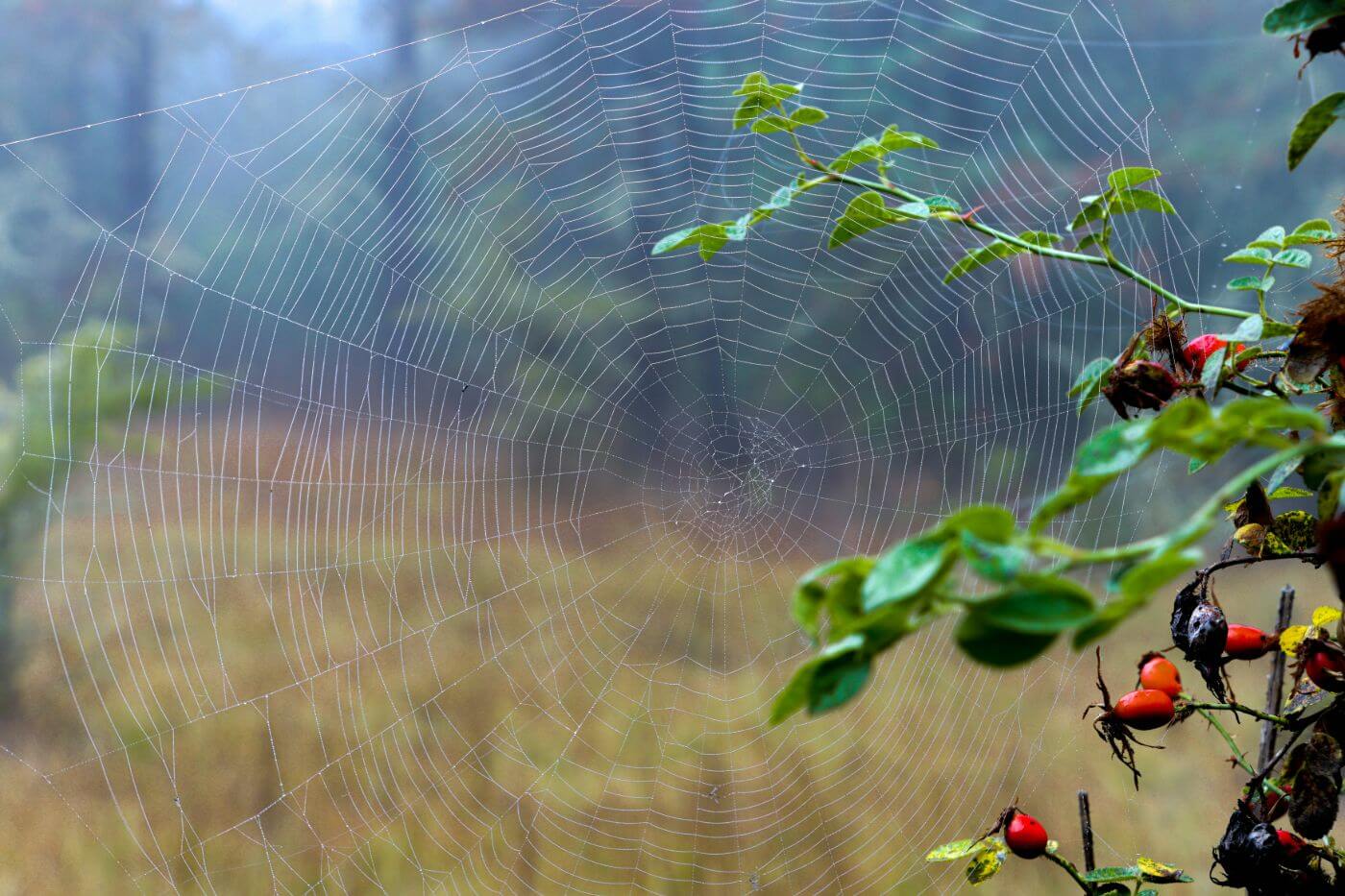
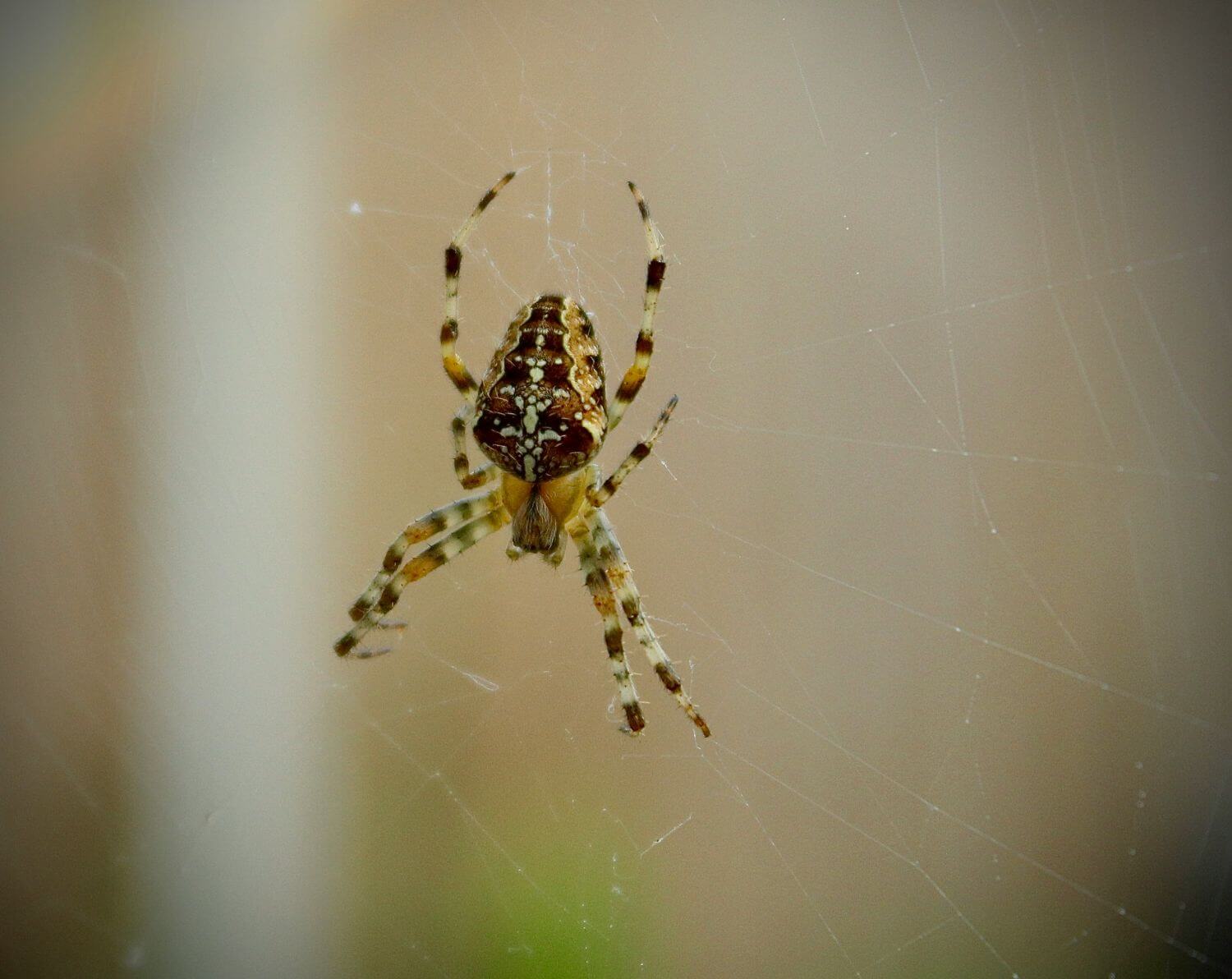
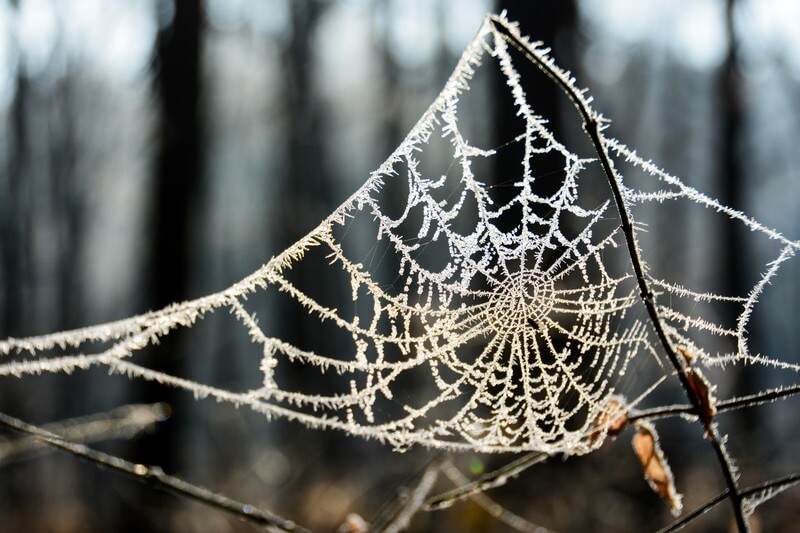
Orb weavers create the classic circular spider webs we all recognize. While most live outdoors, some species occasionally set up webs near windows or porch lights where flying insects gather. These spiders come in numerous colors and sizes. Many have distinctive patterns on their round abdomens. Orb weavers rebuild their entire web daily, consuming the old silk for protein. They pose no threat to humans and prefer to stay in their webs.
Size: 1/4 to 1 inch depending on species
Bite: Extremely rare, harmless if it occurs
Habitat: Near outdoor lights, windows, eaves, between plants
10. Hobo Spider
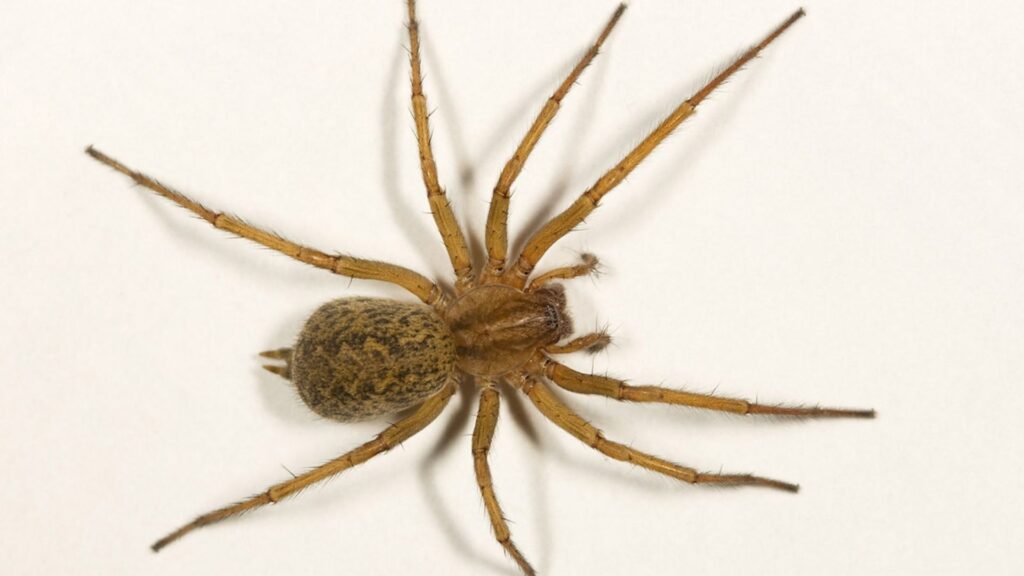
Hobo spiders build funnel webs similar to other funnel weavers. These brown spiders have a chevron pattern on their abdomens. Originally from Europe, they spread across the Pacific Northwest. Controversy exists about whether hobo spider bites cause necrotic wounds. Recent studies suggest they are less dangerous than previously believed. These indoor spiders run quickly but have poor vision and may not notice humans until very close.
Size: 1/3 to 2/3 inches
Bite: Debated toxicity, causes localized pain and redness
Habitat: Ground level, basements, window wells, crawl spaces
11. Southern House Spider
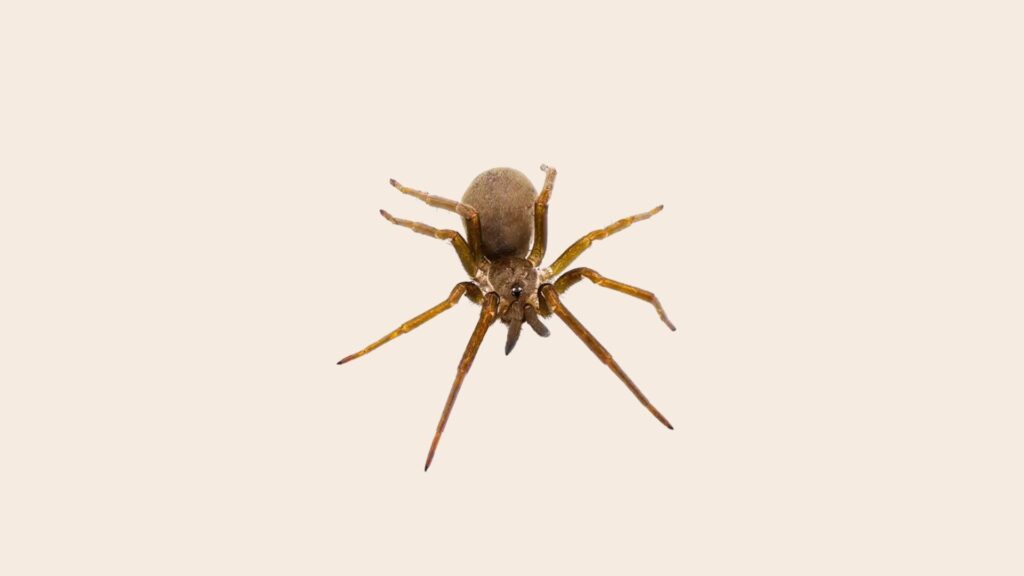
The southern house spider is a large brown spider that often gets mistaken for a brown recluse. Males have elongated bodies and long legs, while females appear stockier. These spiders are completely harmless despite their intimidating size. They build messy webs in corners and dark areas. Southern house spiders are shy and retreat when discovered. Their presence actually helps control other pest populations including roaches and crickets.
Size: Males 3/4 to 1 inch, females slightly smaller
Bite: Harmless, rarely bite
Habitat: Garages, sheds, barns, closets, storage areas
How to Identify House Spiders Correctly
Body Shape and Size
Common house spiders vary dramatically in size from barely visible to nearly an inch long. Look at the body proportions first. Some have round, bulbous abdomens while others appear elongated. Leg length compared to body size helps narrow down species. Count the legs to confirm you are looking at a spider rather than another arthropod. All spiders have eight legs.
Web Structure
Web design reveals much about spider identity. Tangled, messy cobwebs suggest American house spiders or black widows. Sheet webs with funnels indicate funnel weavers or hobo spiders. Perfect circular webs mean orb weavers. No web at all points toward hunting spiders like wolves or jumpers. Check where the spider positions itself in relation to the web.
Color and Markings
Color patterns help identify potentially dangerous species. Look for the black widow’s red hourglass or the brown recluse’s violin marking. Most household spiders display various shades of brown, tan, or gray. Metallic or iridescent colors often indicate jumping spiders.
Location in the Home
Where you find a spider offers identification clues. Cellar spiders prefer damp basements. Yellow sac spiders cluster near ceilings. Wolf spiders hunt on floors. Brown recluses hide in storage areas. Ground level webs suggest funnel spiders while upper corner webs indicate house spiders or sac spiders.
How to Get Rid of House Spiders
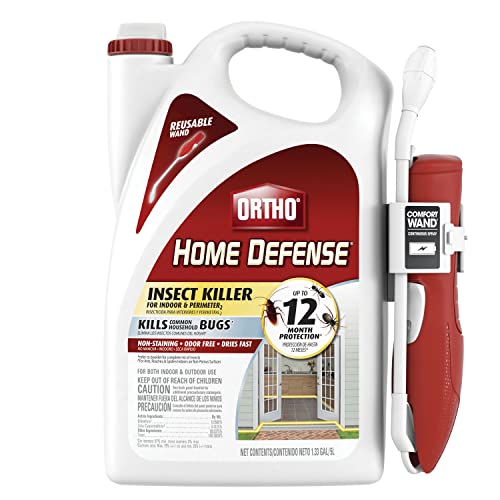
- Ortho Home Defense Insect Killer for Indoor & Perimeter2 kills the toughest home-invading insects, including ants, cockroaches, spiders, fleas, ticks, scorpions, earwigs, silverfish and periodical cicadas (as listed)
- This insect killer spray provides a long-lasting bug barrier of up to 12 month protection against ants, roaches and spiders indoors on non-porous surfaces
- Use this pest control spray indoors in kitchens and bathrooms or around doors and windows, and outdoors to the perimeter of foundations, patios, decks, garages or wherever insects are a recurring problem
- Apply this bug killer anytime as a preventative treatment or after you see evidence of insect activity

Natural Prevention Methods
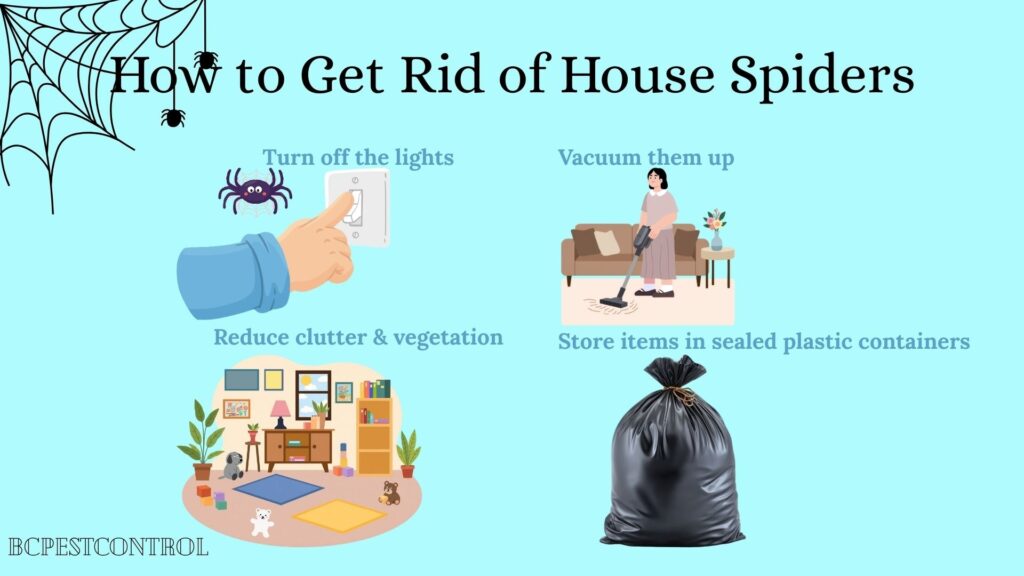
Seal cracks around windows, doors, and foundations to block spider entry. Remove outdoor debris like woodpiles and leaf litter from near your home. Plant peppermint or eucalyptus near entrances as spiders dislike these scents. Use door sweeps and weather stripping. Keep firewood away from the house. Turn off outdoor lights at night to reduce insect prey that attracts spiders.
Cleaning and Maintenance
Regular vacuuming removes spiders, webs, and egg sacs before populations grow. Clean corners, baseboards, and under furniture weekly. Reduce clutter in storage areas where spiders hide. Wipe down window sills and door frames. Store items in sealed plastic containers rather than cardboard boxes. Keep garages and sheds organized. Remove webs immediately when you spot them.
Professional Pest Control
Severe spider infestations may require professional treatment. Exterminators identify species and target problem areas. They use appropriate pesticides for dangerous species like brown recluses or black widows. Professional services work best when combined with prevention methods. Schedule treatments before spider breeding seasons for maximum effectiveness.
Final Thoughts on the Most Common House Spiders
Understanding the common house spiders in your home removes much of the fear surrounding these creatures. Most species are completely harmless and actually helpful. Only a tiny fraction pose any real threat, and even dangerous species avoid humans when possible. Learning to identify the difference between a harmless brown house spider and a potentially dangerous brown recluse gives you confidence. Small spiders working quietly in corners rarely deserve the panic they receive. Next time you spot house spiders, take a moment to observe rather than react. You might find these eight legged housemates more interesting than intimidating.
Frequently Asked Questions
Should I kill house spiders or leave them?
Most common house spiders benefit your home by eating pest insects. Leaving harmless species alone makes sense unless their numbers become excessive. Relocate spiders outdoors if you cannot tolerate them inside. Kill only genuinely dangerous species like black widows or brown recluses in living areas. Consider that one spider eats dozens of insects weekly, providing free pest control.
What attracts house spiders?
House spiders follow food sources into homes. Insects like flies, mosquitoes, ants, and moths attract hunting spiders. Darkness, moisture, and quiet areas provide ideal living conditions. Cracks in foundations, gaps around pipes, and open windows allow easy entry. Cluttered spaces offer hiding spots where spiders can live undisturbed. Outdoor lighting attracts insects which in turn attract spiders.
Do house spiders bite humans?
Are house spiders dangerous? Most house spiders bite only when threatened or trapped against skin. The vast majority of bites cause nothing more than minor irritation. Black widows and brown recluses are exceptions that require medical attention. Wolf spider and yellow sac spider bites cause temporary pain. Jumping spiders rarely bite. Cellar spiders and American house spiders have weak venom that barely affects humans.
How long do house spiders live?
Lifespan varies dramatically by species. Common house spiders live about one year. Cellar spiders can survive two to three years. Female black widows may live three years while males die shortly after mating. Wolf spiders typically live one to two years. Indoor spiders generally live longer than outdoor species because they face fewer predators and weather extremes.