
Ever spotted a tiny bug crawling on your pet and wondered if it’s a flea or a tick? These two parasites get confused all the time, but they’re actually very different creatures. Knowing the difference between a flea and a tick matters because they need different treatments, and ticks carry more serious diseases.
This guide breaks down everything needed to tell these pests apart. From how they look to how they move, understanding flea vs. tick differences helps protect pets and family members from these bloodsucking bugs.
Table of Contents
What Are Fleas?
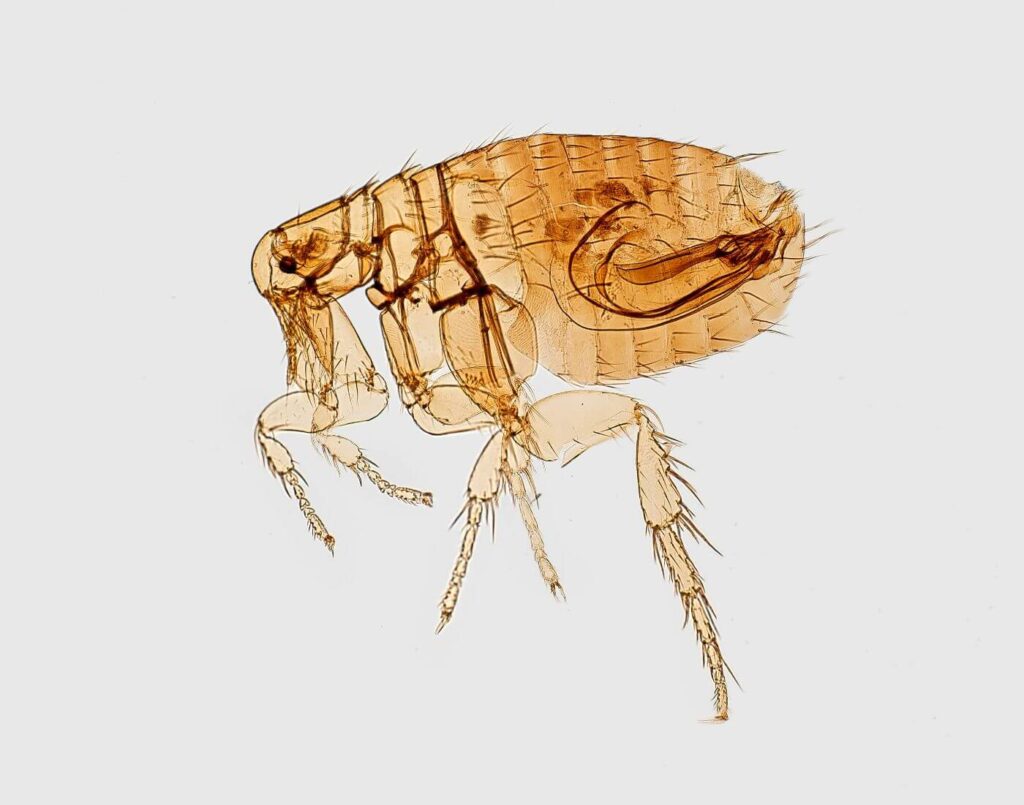
Fleas are tiny wingless insects that survive by drinking blood from animals and sometimes people. These little pests belong to the scientific order Siphonaptera, and their most amazing feature is their incredible jumping ability. A flea can launch itself up to 150 times its own body length, which would be like a person jumping over a 30-story building.
Adult fleas spend most of their time on a host animal, usually a dog or cat. Once they hop on, they tend to stay put for their entire adult life, which can last two to three months. During that time, they’re constantly biting and feeding on blood.
What Are Ticks?

Ticks are blood-sucking arachnids, which means they’re actually related to spiders, not insects. This is one of the biggest differences between a flea and a tick right from the start. While fleas are insects, ticks belong to a completely different group of creatures.
Unlike their flea cousins, ticks can’t jump or fly at all. Instead, they use a clever hunting method called “questing.” They climb onto grass or plants, stretch out their front legs, and wait for an animal or person to brush past them. Then they grab on and hitch a ride to their next meal.
Physical Appearance Differences
The easiest way to tell a flea vs. tick apart is by looking at their physical features. These bugs look quite different once someone knows what to look for.
Flea Appearance
Fleas are incredibly small, measuring just 1 to 4 millimeters long. That’s about the size of a sesame seed or a grain of sand. Their color ranges from dark reddish-brown to black, and their bodies are flat and narrow, compressed from side to side like a pancake standing on its edge.
A flea has six legs total, with the back pair being extra powerful for jumping. Their bodies are covered with a hard exoskeleton that has tiny backward-pointing hairs. These hairs help them grip onto fur and make them difficult to catch or crush.
When looking for fleas on a pet, they appear as tiny dark specks that move incredibly fast through the fur. Blink and they’re gone. Many times, people spot “flea dirt” before they see the actual fleas. This dark, grainy stuff looks like ground black pepper and is actually flea poop made of digested blood.
Tick Appearance
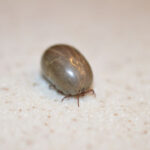
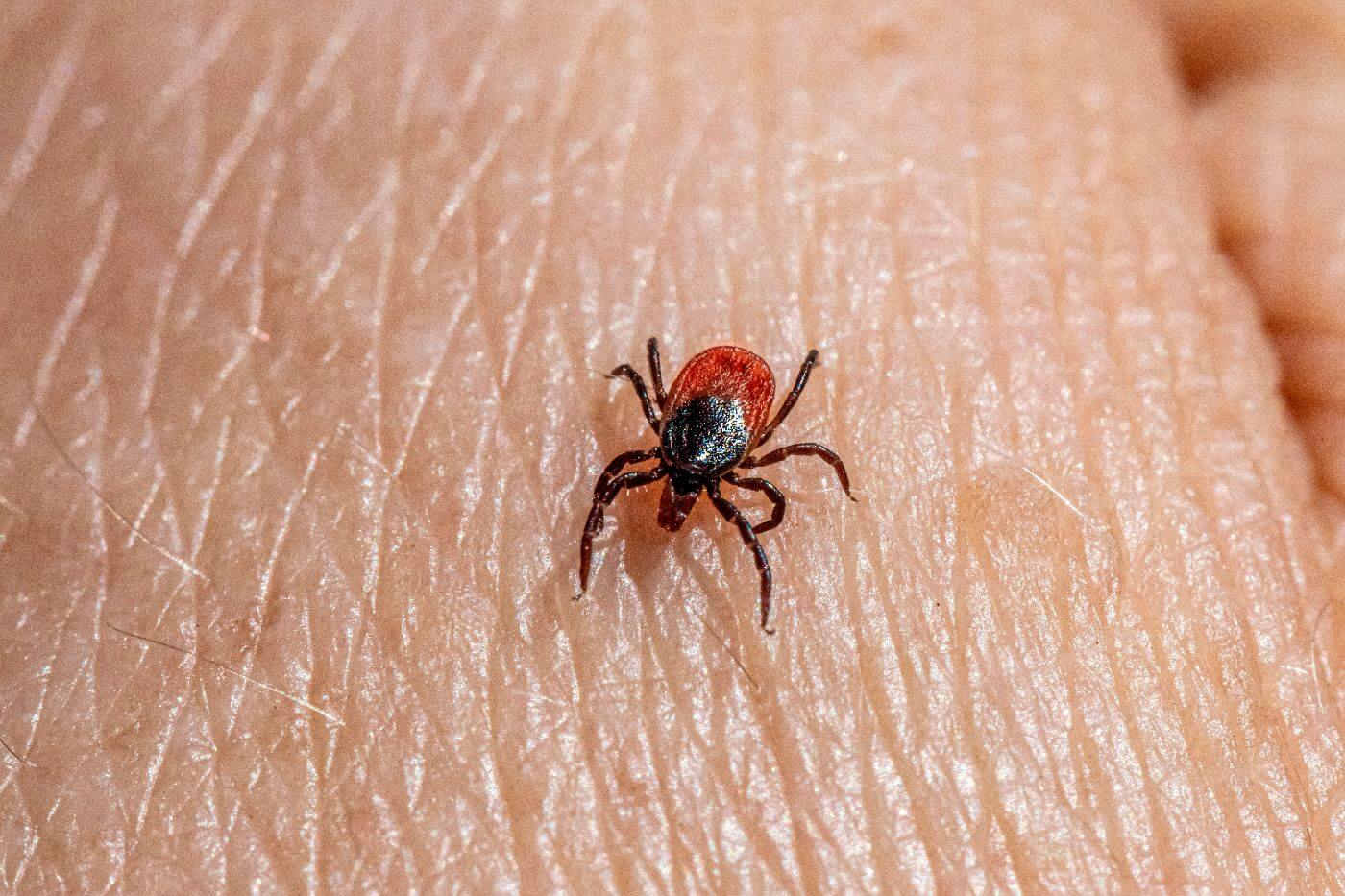
Ticks vary much more in size depending on whether they’ve fed recently. An unfed adult tick measures anywhere from 1/16 to 1/4 inch long, roughly the size of a sesame seed. After feeding, though, they can swell up to the size of a small grape.
The color of ticks varies widely by species. Some are brown, black, gray, red, or reddish-brown. Many tick species have distinctive markings or patterns on their backs. The American dog tick, for example, has white markings, while the female lone star tick has a white dot in the center of her back.
Tick bodies are flat and oval-shaped, kind of like a teardrop. They have eight legs in their adult and nymph stages (six legs as larvae). One of the most noticeable features is their visible mouthparts that stick out from their head area. They also have a hard shield called a dorsal shield covering part of their back.
When someone finds a tick, it usually looks like a small flat seed. Unlike fleas that zoom around, ticks move slowly or stay completely still once they’ve latched on.
Quick Visual Comparison
Here’s a simple way to remember the difference between a flea and a tick:
Fleas look like tiny dark specks that vanish instantly when disturbed. They’re always on the move, jumping from place to place. Ticks look like small flat or swollen seeds that barely move. Once they attach to skin, they stay put for days.
Fleas have six legs and a narrow body. Ticks have eight legs and a rounder, wider body. Fleas are always dark colored. Ticks come in many colors and often have patterns or markings.
Movement and Behavior Differences
The way these parasites move around is another major difference between a flea and a tick. Their movement styles are completely opposite.
How Fleas Move
Fleas are champion jumpers of the insect world. They can leap 8 to 13 inches straight up and up to 18 inches horizontally. That might not sound impressive until you remember they’re only a few millimeters long.
This jumping power comes from a special protein in their legs called resilin. It works like a biological spring, storing energy and releasing it explosively. The whole takeoff happens in just one millisecond, which is faster than the blink of an eye. This spring-loaded mechanism lets fleas jump so fast they seem to simply disappear and reappear somewhere else.
Fleas can’t fly because they don’t have wings. All their travel happens through jumping and crawling. They jump onto hosts, crawl through fur, and jump away from danger. Their speed makes them incredibly hard to catch.
How Ticks Move
Ticks have a much slower approach to finding food. They definitely cannot jump or fly. Instead, they crawl very slowly and use their questing behavior to ambush passing hosts.
During questing, a tick climbs up onto a blade of grass, a plant stem, or a low tree branch. It holds on with its back legs and stretches its front legs out into the air, waving them around. The tick can detect heat, carbon dioxide from breathing, and movement. When something brushes against the plant, the tick grabs on.
Most tick species don’t move very far on their own. Studies show that many ticks travel less than a few meters from where they hatched. The exception is the lone star tick, known as “the questing tick” because it actually runs toward potential hosts more aggressively than other species.
Once a tick gets onto a host, it crawls around looking for a good spot to bite. This can take hours. They prefer warm, protected areas with thinner skin.
Where to Find Them
Understanding flea vs. tick habitats helps explain where encounters with each pest are most likely.
Flea Habitats
Fleas thrive both on animals and in indoor environments. On pets, they live in the fur, especially around the neck, base of the tail, belly, and inner thighs. These warm, protected areas give them easy access to skin for feeding.
Indoors, flea eggs and larvae hide in carpets, rugs, pet bedding, furniture cushions, and cracks in hardwood floors. About 95% of a flea infestation actually lives in the environment, not on the pet. The eggs fall off the animal and hatch into tiny worm-like larvae that burrow into carpet fibers and other cozy spots.
Outside, fleas prefer shady, humid areas with organic matter where they can stay moist. They don’t survive well in direct sunlight or very dry conditions. However, fleas are much more likely to cause indoor infestations than outdoor problems. Once they get inside a home, they reproduce like crazy. A single female can lay 20 to 50 eggs per day.
Tick Habitats
Ticks are primarily outdoor creatures. They live in tall grass, weeds, wooded areas, leaf litter, and brush. The edges where lawns meet wild areas are prime tick territory. These “transition zones” give ticks access to the many different animals that pass through.
Different tick species quest at different heights. Some stay low to the ground to catch small mammals, while others climb higher to catch deer or humans. Ticks can survive for months without feeding, just waiting on their perch for the next meal to walk by.
Most tick species rarely infest homes. The one exception is the brown dog tick, which can complete its entire life cycle indoors. But even this species is uncommon inside houses. Usually, ticks only get indoors when they’re carried in on pets, people, or clothing. They don’t reproduce inside homes the way fleas do.
How They Feed
The feeding styles of these parasites show another clear difference between a flea and a tick.
Flea Feeding
Fleas bite quickly using their piercing mouthparts to access blood vessels under the skin. They feed for relatively short periods, often just a few minutes at a time. Then they might take a break and bite again later. Fleas can feed multiple times throughout the day.
These bites are usually quite itchy because flea saliva causes an immune reaction in the skin. Fleas will jump on and off their host, though adult fleas prefer to stay on the same animal for their entire life span of two to three months.
As fleas feed, they produce waste that falls off into the environment. This “flea dirt” is actually digested blood that comes out as dark, crumbly specks. If someone finds black or dark brown grains in pet bedding or fur, putting them on a wet paper towel will make them turn reddish-brown, proving they’re flea dirt.
Tick Feeding
Ticks take a completely different approach. When a tick finds a good feeding spot, it cuts into the skin with special mouthparts and inserts a barbed feeding tube. The tick secretes a cement-like substance that glues its mouth firmly to the skin.
Most people and animals don’t feel tick bites because tick saliva contains numbing agents. The tick then feeds continuously for several days to over a week, slowly drinking blood the whole time. As it feeds, its body swells dramatically. An engorged tick can be 100 times heavier than when it started feeding.
This long feeding period is why tick-borne diseases are so concerning. The longer a tick stays attached, the higher the chance of disease transmission. Fortunately, most tick diseases require at least 24 hours of attachment before the bacteria can spread.
Unlike fleas that might stay on one host for months, ticks feed on multiple hosts throughout their life. After feeding until full, they drop off, digest their meal, molt to the next life stage, and eventually quest for a new host.
Life Cycle Differences
Both parasites go through distinct life stages, but their timelines and development patterns differ significantly.
Flea Life Cycle
Fleas have four life stages: egg, larva, pupa, and adult. The complete life cycle can happen in as little as two to three weeks under ideal conditions (warm and humid).
Female fleas are egg-laying machines. After their first blood meal, they can produce 20 to 50 eggs every single day. Over a lifetime, one female might lay up to 2,000 eggs. These smooth, white eggs are laid on the host but don’t stick to fur. They fall off into the environment within a few hours.
The eggs hatch into tiny larvae that look like small white worms. These larvae avoid light and burrow deep into carpets, under furniture, or into cracks. They feed on organic debris and flea dirt for about a week before spinning cocoons and becoming pupae.
The pupal stage is the trickiest part. Pupae can stay dormant in their cocoons for days or even months, waiting for the right conditions. Vibrations, warmth, and carbon dioxide from a nearby host signal them to emerge. This is why homes can seem flea-free for weeks, then suddenly have an outbreak when someone comes home from vacation.
When adult fleas emerge, they immediately start looking for a host. They need a blood meal within a few days to survive. After their first feeding, they start the cycle all over again by mating and laying eggs.
Tick Life Cycle
Ticks also have four life stages: egg, larva, nymph, and adult. However, their life cycle takes much longer, usually two to three years from start to finish.
Female ticks lay thousands of eggs at once, usually in protected areas like leaf litter. When the eggs hatch, tiny six-legged larvae emerge. These larvae quest for their first host, usually a small mammal or bird. They feed for several days, drop off, and molt into eight-legged nymphs.
Nymphs are particularly dangerous to humans. They’re about the size of a poppy seed, making them incredibly hard to spot, but they can still transmit diseases. Nymphs quest for a second host (often a larger animal), feed for several more days, drop off, and molt into adults.
Adult ticks are the largest and most visible stage. They quest for a final host, and females need a large blood meal to produce eggs. After feeding, females drop off and lay their thousands of eggs before dying. Males typically die shortly after mating.
This three-host system means ticks need to successfully find food three times to complete their life cycle. It’s a risky process, which is why ticks can wait months between meals if necessary.
Bite Marks and Symptoms
The bites from these parasites look and feel quite different, which helps with identification.
Flea Bites
Flea bites on humans usually appear as multiple small red bumps grouped together in clusters or arranged in lines. The bites are intensely itchy, often more so than mosquito bites. Each bump might have a tiny red dot in the center where the flea’s mouthparts punctured the skin.
On people, flea bites most commonly show up on the ankles, feet, and lower legs because fleas jump from the ground or carpet onto these areas. On pets, flea bites concentrate around the neck, base of the tail, belly, and inner thighs.
Scratching can turn these bumps into small scabs or cause skin infections. Some people and pets have flea allergy dermatitis, a condition where even one or two flea bites cause intense itching, rashes, and hair loss.
Tick Bites
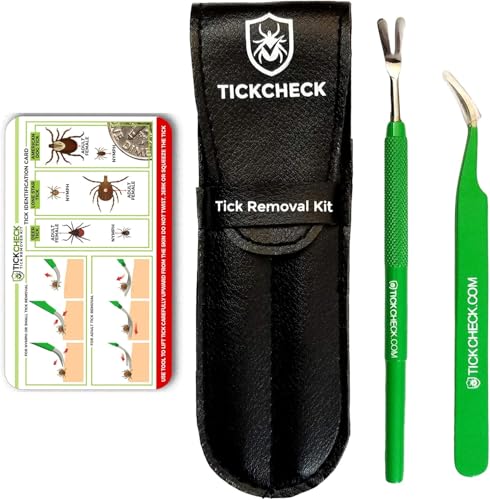
- ✔️ BEST TICK REMOVERS FOR PEOPLE OR PETS – Kit includes stainless steel tick remover for safely removing larger embedded ticks, and a specially shaped super-fine-tip tweezer for removing nymphs and small deer ticks, in a leatherette pouch
- ✔️ UNIVERSITY TESTED – The tools in this tick removal kit have been field-tested and designed for easily and safely removing embedded adult and nymph ticks from humans, dogs, cats, or other pets
- ✔️ FREE TICK IDENTIFICATION CARD to easily identify the most common species of ticks in the United States
- ✔️ SUPPORT LYME RESEARCH – A portion of the proceeds of this tick remover kit helps fund university research on ticks and Lyme
Tick bites are often painless and may go completely unnoticed at first. They typically appear as a single red spot or small bump on the skin. Unlike flea bites that show up in groups, tick bites are usually alone.
The tick itself might still be attached and visible, looking like a small brown or black bump on the skin. If the tick has been feeding for a while, it will be swollen and easier to spot.
A few days after the tick is removed, some bites develop a distinctive bull’s-eye pattern with a red ring around a clear center. This rash is a warning sign of Lyme disease and requires immediate medical attention.
On humans, ticks tend to bite in warm, hidden areas like behind the ears, along the hairline, in the armpits, behind the knees, or in the groin. On pets, check the ears, neck, between the toes, and under the collar.
Many people don’t realize they’ve been bitten by a tick until they happen to see it attached or notice the bite mark later. This is why doing tick checks after being outdoors is so important.
Health Risks and Diseases
Both parasites can transmit diseases, but ticks pose more serious health threats overall.
Diseases from Fleas
Fleas can spread several diseases, though most are relatively rare in modern times. The most common problem is tapeworm infection. When a pet grooms itself and accidentally swallows a flea, any tapeworm eggs inside the flea can infect the animal. These worm segments eventually show up in pet feces, looking like small grains of rice.
Flea allergy dermatitis affects many cats and dogs. Just one or two flea bites can trigger an allergic reaction that causes severe itching, rashes, hair loss, and skin infections. Pets with this allergy need strict flea control year-round.
In severe infestations, especially in young puppies or kittens, fleas can cause anemia by drinking so much blood that the animal’s red blood cell count drops dangerously low. This condition can be life-threatening without treatment.
Other flea-borne diseases include cat scratch disease (caused by Bartonella bacteria), murine typhus, and even plague. However, these diseases are very rare in the United States. For most people and pets, fleas are more of a nuisance than a serious health threat.
Diseases from Ticks
Ticks are responsible for more dangerous diseases than fleas. In the United States, tick-borne illnesses have more than doubled in recent years and account for over 60% of all diseases spread by biting insects.
Lyme disease is the most common tick-borne illness. It’s transmitted by blacklegged ticks (also called deer ticks) and causes fever, fatigue, joint pain, and sometimes a bull’s-eye rash. Without treatment, Lyme disease can lead to serious long-term problems with joints, the heart, and the nervous system.
Rocky Mountain spotted fever comes from American dog ticks and causes fever, headache, and a distinctive spotted rash. This disease can be fatal if not treated quickly with antibiotics.
Ehrlichiosis and anaplasmosis are bacterial infections spread by various tick species. Both cause flu-like symptoms including fever, muscle aches, and fatigue. These diseases can become severe, especially in people with weakened immune systems.
Other tick-borne diseases include babesiosis (a parasite that infects red blood cells), Powassan virus (a rare but serious brain infection), and even alpha-gal syndrome. This last condition is particularly strange because lone star tick bites can trigger a meat allergy that develops suddenly in people who previously had no problems eating beef or pork.
The good news is that most tick-borne diseases require the tick to be attached for at least 24 hours before transmission occurs. Finding and removing ticks quickly dramatically reduces disease risk.
Quick Identification Guide
When trying to figure out flea vs. tick, here’s a simple checklist:
Count the legs. Six legs means it’s definitely a flea. Eight legs means it’s a tick. This is the easiest and most reliable way to tell them apart.
Watch how it moves. Does it jump or disappear in a flash? That’s a flea. Does it crawl slowly or stay attached in one spot? That’s a tick.
Check the color. Dark brown or black with no patterns usually indicates a flea. Multiple colors, especially with white markings or patterns, point to a tick.
Note where it’s found. Indoors on carpet, furniture, or pet bedding suggests fleas. Outdoors in grass, woods, or brush indicate ticks.
Consider the speed. Extremely fast and hard to catch means flea. Slow-moving and easy to grab means tick.
The Bottom Line
Understanding the difference between a flea and a tick helps with quick identification and proper response. These parasites may both be tiny bloodsuckers, but they’re very different creatures that require different approaches.
Fleas are jumping insects with six legs that infest homes and stay on pets for months. They reproduce incredibly fast indoors and cause itchy bites and allergic reactions. While annoying, they’re usually less dangerous than ticks.
Ticks are crawling arachnids with eight legs that wait in outdoor vegetation for passing hosts. They attach firmly for days-long feeding sessions and can transmit serious diseases like Lyme disease and Rocky Mountain spotted fever.
The flea vs. tick question comes down to these key points: legs (six versus eight), movement (jumping versus crawling), habitat (indoors versus outdoors), and health risks (mostly nuisance versus potentially serious disease).
Knowing these differences helps anyone quickly identify which pest they’re dealing with and take the right steps to protect their family and pets. When in doubt about the difference between a flea and a tick, count the legs, watch how it moves, and consider where it was found. These simple observations usually provide the answer.
For persistent problems with either parasite, consulting a veterinarian for pets or a pest control professional for home infestations provides expert help. Both fleas and ticks are manageable with the right knowledge and treatment approach.