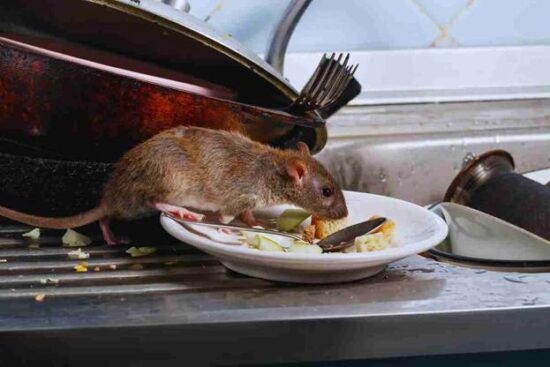
More than just an inconvenience, pests endanger your comfort, health, and the structure of your house. If overlooked, insect issues may swiftly worsen, from rats in the attic to small ants in the pantry. You can effectively handle and avoid infestations with the help of our pest control guide.
You’ll discover how to recognize bugs, comprehend the health hazards associated with them, investigate home pest prevention techniques, and choose when to use do-it-yourself pest treatment techniques. Let’s go over what everyone needs to know about long-term, successful pest management.
Table of Contents
How to Identify the Most Common Household Pests
The first step in managing a pest is identifying its kind. Depending on your region and temperature, common household pests might vary, but there are a few common culprits nearly everywhere. Cockroaches, ants, mosquitoes, and other pests are common in warm, humid climates. Rats and mice are prevalent in colder climates, particularly as the temperature drops. Additionally, termites, stink bugs, bed bugs, silverfish, and spiders are typical pests that can appear anywhere under the right environment.
The initial indicators of a pest infestation usually are not overwhelming. Symptoms include droppings, gnaw marks on food packaging or wires, and odd odors. Also, you might notice shed wings, particularly from termites or ants, or hear scratching in the walls. While bed bugs leave little bloodstains or dark patches on bedding, insect pests like cockroaches frequently leave oily trails or exoskeletons behind. These are some typical indicators of a pest infestation.
Warm, dark, and untouched areas are common hiding places. Consider the insulation in your attic, behind sinks, behind your refrigerator, and inside wall gaps. These locations are preferred by pests because they provide food and water, safety, and shelter. You have enough time to get your house ready for pest control treatments if you routinely check these locations. It also helps in identifying an issue before it worsens, which is an important home pest control tip.
Pest-Proofing Your Space
Interior Space
Make sure the interior of your house is tidy, devoid of food that isn’t kept in a sealed container, and clear of crumbs. Make sure there are no leaks in your plumbing, since this might provide thirsty pests with an easy way to obtain water. Since many pests like to construct their nests in dim, gloomy areas, get rid of any clutter, including piles of clothes and newspapers. Make sure your house is as clean as possible overall and clean up pet food on a regular basis.
When you’re not home, keep your windows closed and check your attic to make sure pests can’t easily enter. Use a pest control barrier spray for an additional layer of defense, but be sure it is safe for children and pets.
Exterior Space
Seal all of your home’s windows and doors to keep pests out, and keep an eye out for any openings where they could enter. During the warmer months, shut off fires near the roofline. Make sure there are no access spots by closely inspecting your roof and flashing. Additionally, you should take a detailed check at the foundation of your house and fix any fractures or damaged bricks. Make sure there is no standing water and clear the area around your house of any leaves and trash. Static water attracts pests, especially mosquitoes and tiny creatures.
Effective Pest Control Measures
Prevention is the Key
In addition to addressing existing infestations, a successful pest management approach emphasizes prevention. Melbourne is a desirable location for pests looking for food and refuge due to its mild temperature and large number of green areas. You should take proactive steps to safeguard your house in order to deter these intruders.
Pests may enter your home through even the smallest holes, so start by caulking any cracks or gaps in the structure. Check the foundation, windows, and doors for possible access points on a regular basis. Additionally, keep your living areas tidy and orderly to minimize bugs’ possible hiding places and food sources.
For instance, keeping food containers well sealed helps prevent ants and cockroaches from entering your pantry, and clearing clutter from your garden can prevent spiders from settling there. These kinds of easy practices can drastically lower the likelihood of a pest invasion.
Chemical Methods
Chemical pesticides are still one of the best methods for controlling pest infestations, including exotic plants and insect pests, but their strength necessitates careful application. To reduce hazards and achieve successful outcomes, modern pest management frequently mixes chemical pest control with other techniques, such as integrated pest management (IPM). When chemical pesticides are used responsibly, they reduce toxicity and safeguard consumers as well as the environment.
Always check the label, make sure you can handle the chemical pesticide properly, and make sure it works well with your usual maintenance. In addition to providing dependable results, proper application methods and respect to Environmental Protection Agency (EPA) guidelines safeguard both people and pets.
Biological Pest Control
In order to control pest populations, biological pest control makes use of microbes, parasites, and natural predators. These environmentally friendly techniques include applying nematodes that target soil-dwelling larvae and releasing ladybugs to manage aphids. Biological pest management is a key tactic for pest control services that aim to minimize chemical pesticides and promote a healthy ecology.
Vacuum Regularly
Insect pests, especially bed bugs, fleas, and cockroaches, can be effectively controlled by vacuuming. Additionally, suction tools can minimize the discharge of allergens while collecting droppings or larvae for identification. Vacuum upholstery, carpets, and high-traffic areas to decrease insect infestations and keep your home tidy. You can make your home safer and more sustainable by vacuuming on a regular basis.
Get Professional Help
Even if do-it-yourself techniques might be beneficial, nothing compares to the knowledge of a certified pest control business, particularly when handling recurrent infestations or high-risk seasons. For serious or ongoing infestations, hiring a professional pest control service is frequently the best course of action. Professionals have access to more sophisticated treatments, technology, and knowledge that the average public does not. In order to prevent pests from returning, they can also offer routine maintenance and monitoring schedules.
DIY: Do It Yourself
For mild insect issues, a number of do-it-yourself techniques can be explored, but professional pest control services are required for serious infestations. But it’s crucial to recognize their limitations and make sure they’re handled safely. Pests can be controlled with a variety of baits and traps that are available for purchase. Insects can be captured using sticky traps, while rodents can be successfully captured via snap traps and bait cages. For safe and efficient usage, always adhere to the manufacturer’s instructions.
Handling every product is essential when employing do-it-yourself pest control techniques. Keep goods out of children’s and pets’ reach and use masks and gloves if needed. Be advised that professional assistance may be necessary for big infestations or certain pests, as do-it-yourself techniques may not be enough.
When to Call for An Expert Help
Standard techniques can be used to get rid of the weird bug. But if your property has significant damage or an infestation, it’s time to hire experts. These are some indicators that your pest problem needs to be handled by a professional.
- A pest treatment firm should be notified right away if you notice visible excrement or little waste mounds, as these are classic indicators of an infestation.
- It is nearly hard to eradicate bed bugs without expert assistance. To get rid of bed bugs as quickly as possible, call the professionals as soon as you notice any symptoms.
- A professional is needed to properly catch and remove larger pests from your house, such as bats or raccoons. If you attempt to remove them yourself, you run the danger of being bitten or having rabies.
- Termite swarms are hard to get rid of without expert assistance. To save more significant damage to your house, contact the professionals as soon as possible.
- The aforementioned smells suggest that you have several pests and that a significant infestation is very likely.
- It’s time to get in touch with a pest control firm immediately if you hear scuttling, squeaking, or chewing sounds and are unable to locate the cause.
Call a professional to assist you permanently eradicate termites, cockroaches, spiders, scorpions, or mosquitoes from your home if you’ve tried using any of the above pest-proofing techniques and they keep coming back.
Effective insect protection requires knowledge. Spend some time learning about the habits and preferred habitats of common home pests. Learn how to properly apply preventive measures and recognize the warning signs of infestations with BC Pest Control.
The Bottom Line
In your house and yard, pests may be a major issue. They pose a serious risk to your health by consuming your priceless plants and damaging the wiring and construction of your house. You can get rid of them and enjoy your house without worrying about bothersome insects and other similar critters with the right pest prevention and some do-it-yourself pest management. You may continue to enjoy a safe and healthy pest-free environment by keeping these pest-repelling strategies in mind.