Have you ever noticed how one home seems calm and problem free, while another nearby struggles again and again? Same street. Same weather. Same season. Yet the experience feels completely different.
This is more common than people realize. It also leads to a lot of confusion. Many homeowners assume pests show up randomly. Others blame cleanliness alone. The truth sits somewhere in between.
Pests are drawn to patterns. Homes create patterns too. Some patterns attract trouble. Others quietly push it away.
Once you understand those patterns, a lot starts to make sense.
So, let’s take a look at them one by one!
Table of Contents
1. It Often Starts With the Structure
The structure of a home plays a big role. Even small design details can change how attractive a space becomes.
Older homes often have more gaps. Wood shifts over time. Foundations settle. Tiny cracks appear around doors, pipes, and windows. These openings may seem harmless, but they add up.
Newer homes are tighter, but not immune. Poor sealing or rushed construction can leave hidden entry points behind walls or under siding.
Homes with crawl spaces, basements, or attached garages also face more risk. These areas tend to hold moisture and stay darker. That combination attracts unwanted activity.
2. Moisture Is a Major Factor Too
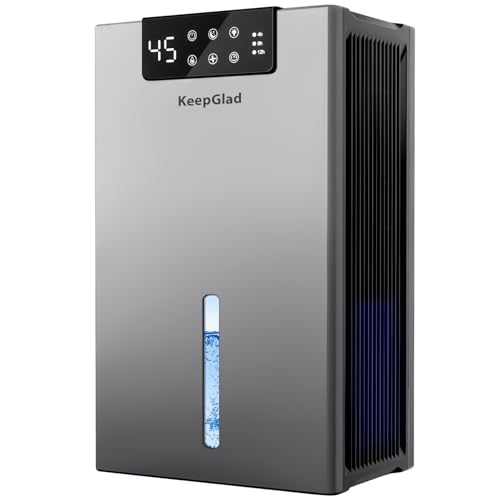
- 【High Efficient Dehumidification & Digital Controls】Equipped with dual semiconductor design, KeepGlad dehumidifier removes up to 40 OZ of moisture. With the power of 90W, enabled dehumidifier offer convenience and powerful performance makeing humidity from 80% to 40%. The dehumidifiers for home features advanced smart sensors that you can easy to set the ideal operation mode in digital controls
- 【Humidity Monitoring & Timer Setting】KeepGlad dehumidifier has precise humidity display, you can monitor the humidity in real time, just enjoy comfort in any room. What’s more, dehumidifiers for home designed with timer, runs only when needed to reduce electricity costs! Just set specific run times for 4-8-12 hours to avoid peak electricity rates and dehumidifier will auto stop when finishes running
- 【Continuous Drain & Auto Shut-Off】Dehumidifier with drain hose and easy remove water tank. Hose connection for hands-free operation, just connect drain hose to the hole—no need to manually empty the tank, dehumidifier for basement also ideal for laundry rooms or anywhere is a concern. Dehumidifier for bedroom with intelligent system powers down when tank is full, also prevent water overflow
- 【Ultra-Quiet Operation & 7-Color Ambient Light】Bedroom dehumidifiers are upgraded with a noise reduction system. Under the quiet sleep mode, lights automatically turn off and noise reduces to whisper-quiet levels for undisturbed rest at just 28db. In addition, dehumidifier for bedroom also designed with soft lighting, 7 colors of lights creating a romantic and peaceful sleeping atmosphere for you

Moisture is one of the biggest reasons some homes struggle more than others.
Leaky pipes. Damp basements. Poor drainage. Humid bathrooms. These conditions make a home far more appealing.
Many insects and rodents rely on water just as much as food. Even a small drip under a sink can support activity for a long time.
Homes that manage moisture well usually see fewer issues. Proper ventilation helps. So does good drainage around the foundation.
Water does not always show itself clearly. Hidden moisture behind walls or under floors often causes problems before anyone notices.
3. Landscaping Makes a Bigger Difference Than People Think
What happens outside the home matters just as much as what happens inside.
Bushes pressed against walls create cover. Mulch holds moisture. Wood piles sit quietly near foundations. Overgrown plants hide entry points.
Yards that slope toward the house can direct water right where it does not belong. Standing water attracts insects quickly.
Homes with clear space between plants and walls tend to do better. Proper trimming and drainage reduce hiding spots and moisture at the same time.
4. Food Sources Are Not Always Obvious
Most people think of open food on counters. That is only part of the picture.
Pet food left out overnight. Crumbs under appliances. Trash cans without tight lids. Bird feeders near the house. These all count.
Some homes also have food sources that owners never consider. Grease buildup behind stoves. Spilled drinks in couches. Storage areas with forgotten boxes.
Pests follow scent trails. Once a reliable source exists, they return again and again.
5. Clutter Creates Shelter
Clutter does more than look messy. It creates shelter.
Stacked boxes. Stored bags. Piles of paper. These items give pests places to hide and move unseen.
Garages and basements are common trouble spots. Items sit undisturbed for long periods. This allows activity to grow quietly.
Homes that stay organized make detection easier. Clear spaces leave fewer places to hide.
6. Human Habits Play a Quiet Role
Daily habits shape the environment more than people realize.
Leaving doors open often. Forgetting to seal food containers. Delaying small repairs. All of these actions add up.
Some households generate more moisture. Long hot showers. Frequent laundry. Poor ventilation habits. These things matter over time.
Even travel habits can influence things. Luggage brought home and set down without inspection can introduce problems.
Homes do not exist in isolation. People bring patterns with them.
7. Temperature and Comfort Levels Affect Activity
Pests prefer stable environments. Homes provide that comfort.
Warm interiors during cold months. Cool interiors during hot months. This consistency attracts activity.
Homes with good insulation hold temperature better. That also holds moisture and scent longer.
This does not mean comfort causes problems. It explains why homes become appealing shelters when outdoor conditions change.
8. Neighborhood Effects Are Real
Sometimes the reason has nothing to do with the home itself.
Nearby construction can disturb existing habitats. Activity spreads outward as animals and insects search for new shelter.
Shared walls in apartments and townhomes allow problems to travel. One untreated space can affect many units.
Trash collection schedules. Community landscaping. Nearby water sources. These shared factors influence outcomes.
9. Timing and Season Matter Too
Some homes appear fine for long periods. Then suddenly something changes.
Seasonal shifts drive movement. Rain pushes insects indoors. Cold sends rodents searching for warmth. Heat increases breeding cycles.
Homes already set up with moisture, gaps, and shelter see activity first.
This is why timing feels unpredictable. The conditions existed long before the problem appeared.
Do You Know Clean Homes Can Still Have Issues
This catches a lot of people off guard. Many homeowners assume that staying clean is enough to keep problems away.
Cleaning does help. It reduces food sources and makes signs easier to spot. But it does not close gaps, stop moisture, or seal hidden entry points.
A home can look spotless and still have damp areas under sinks, small cracks near doors, or gaps around pipes. These conditions can quietly support activity over time.
At the same time, a home that is not perfectly organized but stays dry and well sealed may see fewer issues overall.
Cleanliness is part of the picture. Moisture control and proper sealing often play a bigger role. Paying attention to all three creates better long term results.
Why Problems Keep Returning to Certain Homes
Repeating issues usually mean the same conditions are still in place. The surface problem gets treated, but the cause remains.
Treatments can remove active pests. They do not always remove what first attracted them to the home.
Common reasons problems come back include:
- Moisture that never fully dries or gets repaired
- Small gaps or cracks that stay open
- Food sources that remain easy to access
- Outdoor areas that continue to provide shelter
- Cluttered storage spaces that go undisturbed
- Repairs that address damage but not entry points
Homes that focus on fixing these conditions tend to see better results. When the cause is addressed, repeat issues become far less likely.
How Catching Pest Issues Early Makes a Difference
Small signs often appear first, but they are easy to miss. Paying attention early helps you stay ahead instead of reacting late.
● Early Sounds Are Often the First Clue
Light scratching, tapping, or movement noises can show up before any visible damage. These sounds often happen at night when the home is quiet.
● Minor Changes Can Signal a Bigger Issue
Small marks, loose trim, or slight damage around walls and floors can point to a developing problem. These changes tend to spread if ignored.
● Early Action Is Usually Simpler
Problems that are caught early are easier to handle. Access is better, affected areas are smaller, and disruption is limited.
● Delays Allow Issues to Spread
Waiting gives pests time to move into walls, ceilings, and hidden spaces. This makes detection harder and solutions more involved.
● Routine Checks Build Confidence
Regularly checking common areas reduces uncertainty. Knowing what is normal for your home helps you spot changes faster.
Why Some Homes Stay Problem Free
Homes that avoid repeated issues usually have a few key habits in place. These habits reduce attraction and make early signs easier to catch.
They focus on prevention rather than reaction. Small steps taken regularly help keep conditions stable over time.
Common traits problem free homes share include:
- Moisture that is managed and allowed to dry properly
- Entry points that are sealed and checked over time
- Outdoor areas that stay trimmed and well maintained
- Food sources that are stored and cleaned up consistently
- Storage areas that stay organized and easy to inspect
- Small changes that are noticed and addressed early
What Can Homeowners Take From This?
Homes do not attract problems overnight. Conditions build slowly through layout, maintenance choices, and everyday routines. Over time, those conditions either encourage activity or quietly discourage it.
Looking at the bigger picture helps. Instead of focusing only on the visible issue, it becomes easier to see what may be supporting it in the background. Things like moisture, access points, and storage habits often play a larger role than expected.
When homeowners understand how these pieces connect, decisions feel clearer. Small adjustments start to feel worthwhile. That awareness makes prevention more realistic and long term care easier to manage.
Putting the Pieces Together!
Some homes struggle more than others for clear reasons. Those reasons are often hidden in plain sight.
Moisture. Access. Shelter. Food. Human habits. These factors work together quietly over time.
Learning how your home supports or resists these patterns helps you make better choices. Small changes add up.
If you’re curious about what drives pest activity and how inspections help spot issues early, BC Pest Control provides clear resources designed for homeowners.
Knowing what to watch for makes it easier to protect your space and keep problems from returning.
FAQ
Why do some homes get pests more than others?
Because pests follow patterns like moisture, easy entry points, shelter, and reliable food sources. When those stack up, problems repeat.
Can a clean home still get pests?
Yes. Cleaning helps, but it does not fix hidden moisture, gaps around pipes, or entry points near doors and foundations.
What is the biggest hidden reason pests show up indoors?
Moisture. Small leaks, damp basements, and humidity create the conditions many pests need to survive and multiply.
How does landscaping affect pest activity?
Mulch, bushes against walls, wood piles, and poor drainage create shelter and moisture right next to your home, making entry easier.
Why do pest problems keep coming back after treatment?
Treatments remove active pests, but if the attraction remains, like moisture, gaps, or food access, new pests replace them.
What are the earliest signs of a developing pest issue?
Small droppings, odd smells, light scratching at night, new damage near trim, or activity in damp areas like under sinks.
What is the simplest prevention plan that works for most homes?
Dry the home, seal entry points, reduce clutter, and remove food access. Those four steps cover most recurring issues.
When should you consider professional help?
If problems keep returning, you suspect hidden activity in walls, or the infestation is spreading faster than DIY steps can keep up.