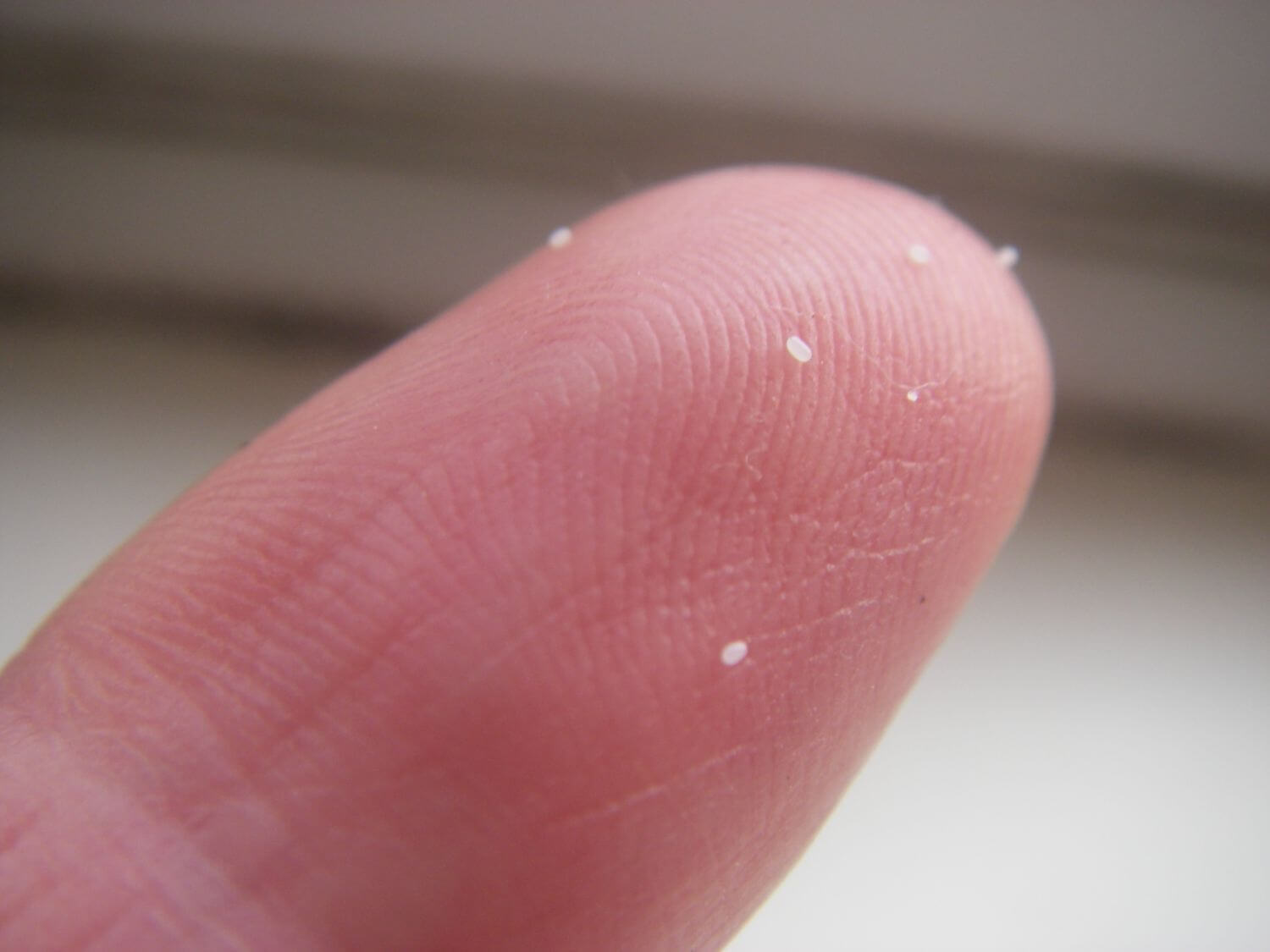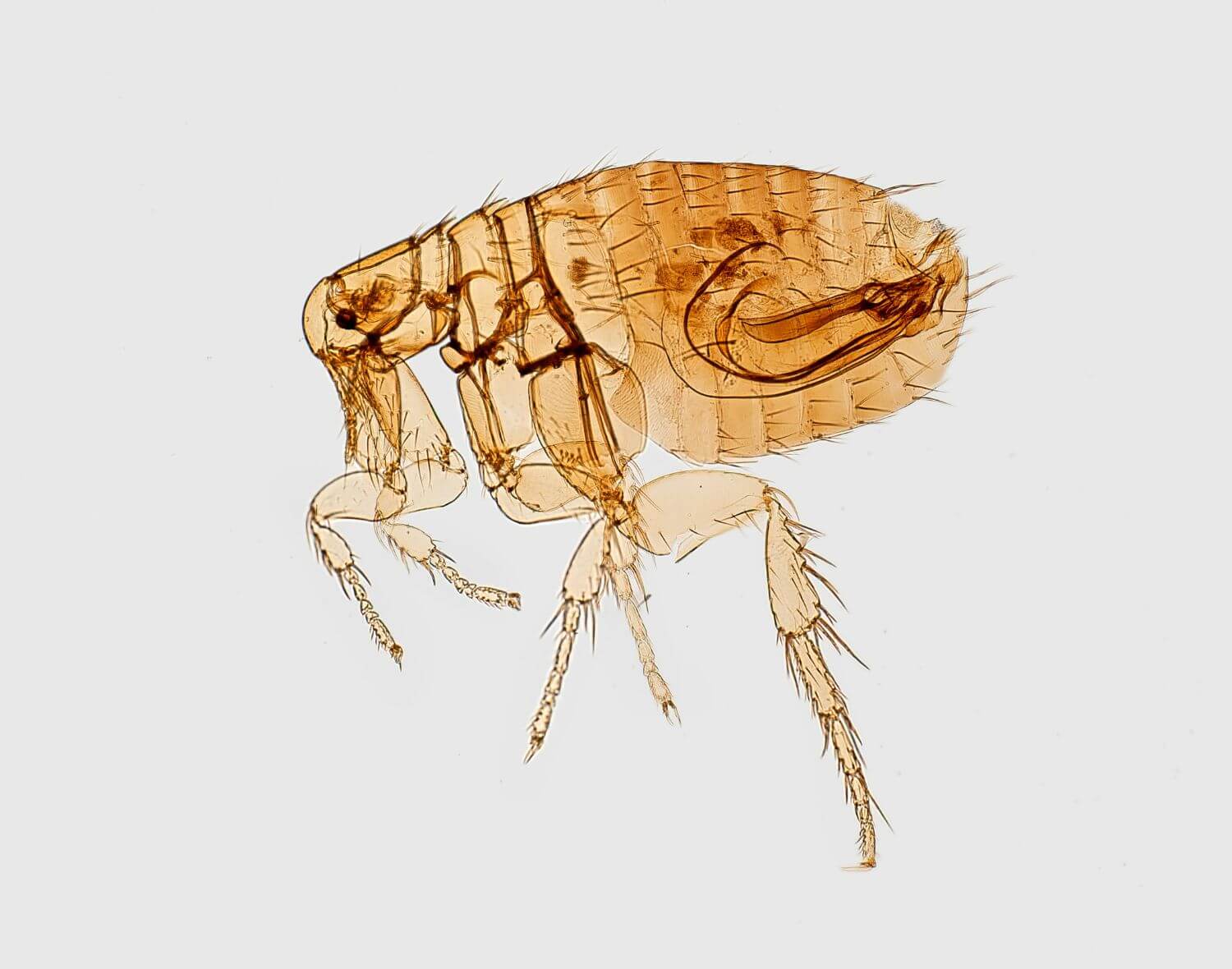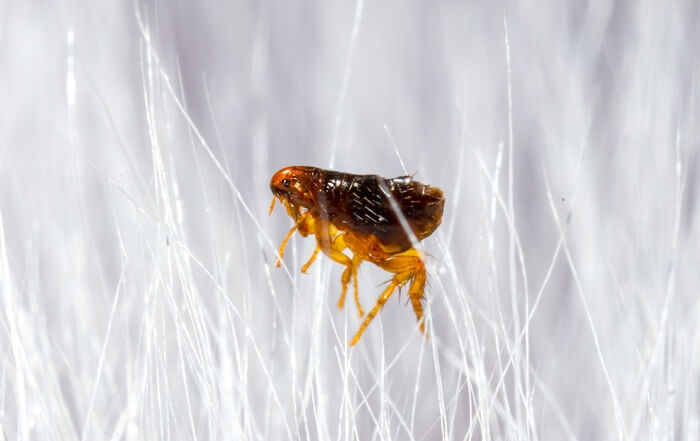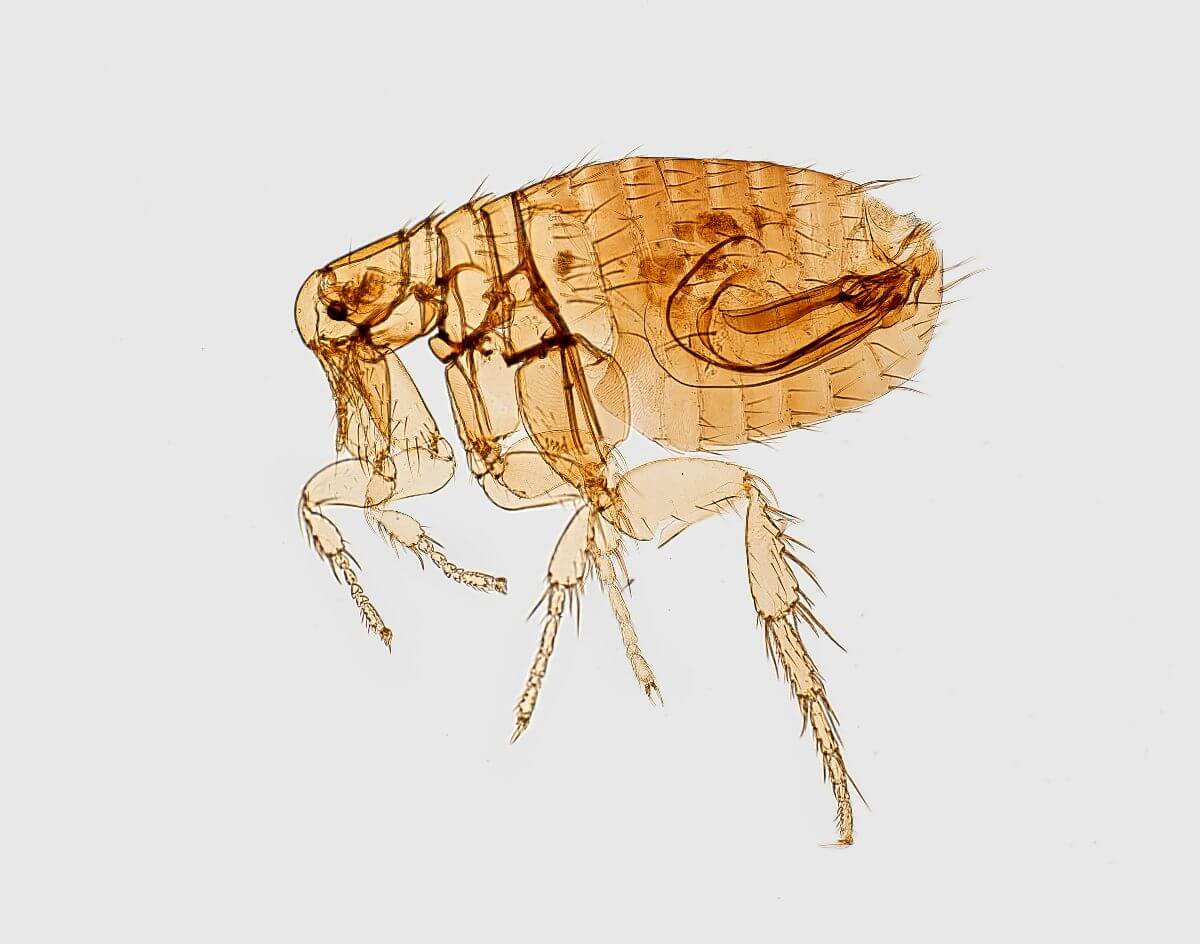

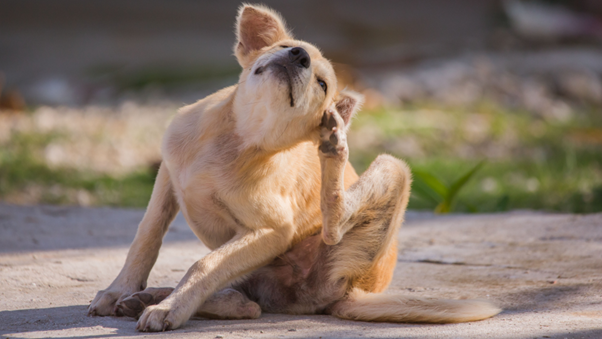
You know that moment when your dog won’t stop scratching, and you finally check their fur? Those tiny black specks moving around make your heart sink. Fleas spread faster than you’d ever expect, and suddenly it’s not just about your dog anymore. They’re in the carpet, the couch, probably your bed. The whole house becomes their breeding ground.
Getting rid of fleas on dogs doesn’t mean spending hundreds on exterminators or using scary chemicals. Most vet-approved flea treatment for dogs involves simple steps that work when you actually follow through. This guide shows what kills fleas instantly on dogs, how to get rid of fleas on dogs room by room, how to find the most effective flea treatment, and the types of flea treatments for dogs that actually work instead of wasting your money.
Table of Contents
9 Vet-Approved Ways to Get Rid of Fleas on Dogs
1. Gather the Right Tools
Starting without proper supplies means stopping halfway through while fleas scatter everywhere. You need specific items, not just whatever’s in the bathroom cabinet.
A flea comb with really tight teeth catches fleas that regular brushes miss. Get a bowl and fill it with water and dish soap for drowning fleas as you catch them. White paper towels help test flea dirt. Take a black speck from your dog’s fur and put it on a damp paper towel. If it turns reddish brown, that’s digested blood from flea droppings. Grab some disposable gloves too.
Do fleas drown in water? Yes, which makes that soapy bowl your best friend during this process. Pick up household flea spray made for homes with pets. Having everything ready before starting prevents those moments where fleas escape while you’re hunting for supplies.
What you need:
- A flea comb
- A bowl of soap and water
- A clean white paper towel (to see flea dirt)
- Gloves
- Household flea spray
- Flea and tick treatment for pets
2. Find a Good Location
Dead fleas and flea droppings will fall off your dog as you treat them, so location matters. Having a drain is helpful. Consider removing fleas on your dog outdoors or in a shower or tub.
Outside works great because natural light helps you see what you’re doing, and fleas that fall off can’t immediately jump into furniture. A bathroom with a tub or shower gives you the same drainage benefit indoors. If working inside, put down old towels or a cheap shower curtain to catch everything.
The spot needs enough space to reach all parts of your dog without cramping up. Your dog also needs to stay calm, which won’t happen if they’re stressed in a tiny space.
3. Remove All Visible Adult Fleas, Flea Eggs, and Flea Dirt with a Flea Comb
Take the flea comb and start at the head, working toward the tail. Go with the direction hair grows. Fleas congregate where it’s warm and protected: around ears, neck, belly, and the tail base.
After each stroke through fur, dip the comb straight into soapy water before fleas can jump away. A proper flea comb catches adult fleas plus eggs and larvae that regular brushing misses. You’re also removing flea dirt, which baby fleas feed on.
This dog flea treatment gives immediate relief. Your dog feels better when bugs stop biting them. But combing alone won’t fix the problem because you’re only getting fleas currently on the dog, not the eggs already in your environment.
4. Groom Your Dog Often
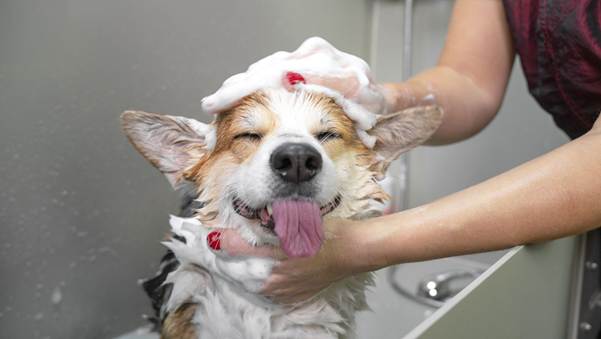
Brushing several times weekly catches flea problems early instead of three weeks later when your house is crawling with them. Brushing removes loose fur where fleas hide and disturbs them enough to make your dog less appealing.
Regular grooming means you spot the first signs of dog flea infestation early. You’ll see flea dirt, catch an adult flea moving, or notice red irritated skin from bites. Dogs with thick or long coats really need this because fleas hide easily in dense fur.
Grooming time also lets you check for ticks, skin issues, lumps, or anything else needing vet attention before it becomes serious.
5. Change Your Dog’s Bedding Regularly
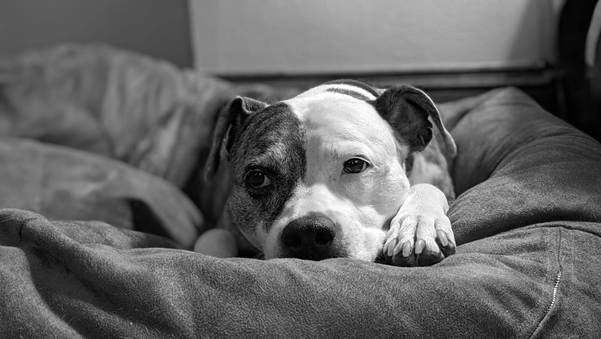
Flea eggs and larvae fall off into places your dog spends time. Bedding becomes flea central. Washing blankets and beds in hot water kills fleas at every life stage. The dryer’s heat finishes off anything the wash cycle missed.
During active infestations, wash bedding twice weekly until fleas are gone. After that, weekly washing prevents new problems from starting. If your dog claimed a furniture spot, wash those cushion covers too. Some dog beds have removable washable covers. For beds that can’t go in the machine or were badly infested, just replace them.
6. Vacuum Carpets and Floors

- 【650W Brushless Motor | 55KPa Suction Power】The 650W brushless motor of this cordless vacuum cleaner provides an amazing 55KPa suction power, which can easily pick up pet hair, remove stubborn stains and hard-to-reach dust in corners. Quiet <62dB operation will not scare pets.
- 【70 Minutes Run Time | 4 Hours Quick Charge】The cordless vacuum cleaner has a powerful removable 8x2500mAh battery that provides 20-70 minutes of cleaning time (Eco mode: 70 minutes, standard mode: 35 mins, boost mode: 20 mins). It can be fully charged in 4-5 hours via the wall-mounted charging station. You can also purchase a second battery separately to double the run time!
- 【3.3Ft Extendable Hose|Reaches Car Seats & Tight Spaces】With a retractable hose (up to 1m), a 2-in-1 brush and a long, flat suction cup, you can clean car seats, under beds and ceiling corners without bending, and the ergonomic operation reduces the strain on your hands, making cleaning more comfortable – at home or in the car!
- 【Self-Standing Design|No Tipping, No Clutter】Take a coffee break mid-clean – your stick vacuum stands securely on its own! Low-center design prevents falls on carpets, hardwood, or even slightly sloped surfaces . Store it upright in closets, behind doors, or beside the couch. Less wrestling with bulky storage, more time enjoying your spotless floors.
Your floors harbor flea eggs, larvae, and pupae that survive for months waiting to hatch. Vacuuming removes developing fleas before they become biting adults. Focus where your dog spends most time, including under furniture, along baseboards, and in corners where eggs accumulate.
Vacuum vibrations actually make flea pupae emerge from their protective cocoons, which makes them easier to remove. Empty the vacuum bag or canister immediately after finishing. Seal contents in a plastic bag and throw it outside, or fleas crawl back out.
Vacuum daily during active infestations and twice weekly for ongoing flea control. Hard floors need vacuuming too since fleas gather in cracks and along edges.
7. Safeguard Your Home with Pet-Friendly Flea Control
- NATURAL & NON-TOXIC FORMULA – Plant-based essential oil blend designed to help protect pets and homes from fleas, ticks, lice, mites, and mosquitoes. A safe alternative to harsh chemical treatments when used as directed.
- GENTLE FOR PETS – Suitable for use on dogs, cats, puppies, kittens, and small animals. Spray directly on coat, bedding, or play areas to support year-round protection.
- STAIN & ODOR FREE – Non-staining, fragrance-free spray for use on pet bedding, carpets, furniture, and kennels. Leaves no sticky residue behind.
- KILLS ON CONTACT – Helps eliminate fleas, ticks, and mites at every life stage, including eggs and larvae. Ideal for both indoor and outdoor use.
Environmental treatment breaks the flea life cycle by killing eggs and larvae before they mature. Pet-friendly flea spray for indoor use treats carpets and furniture without endangering your family. Look for products labeled safe around pets and follow directions about keeping animals away from treated areas.
Some products contain insect growth regulators that prevent eggs from developing instead of just killing adults. This gives longer protection by stopping the next generation before it reproduces. Treat your entire home, not just rooms where you see your dog most, since fleas spread through normal foot traffic.
Professional pest control helps with severe infestations home treatment can’t handle, offering stronger products and thorough application.
8. Keep Your Yard Tidy
A well-kept yard is a great way to keep all types of bugs and critters out. And fleas love dark, moist environments. So remove extra yard waste and standing water to provide more sunshine to your yard.
Wildlife like raccoons and feral cats carry fleas into yards. Removing food sources and shelter that attract these animals reduces flea populations around your home.
Yard maintenance that reduces fleas:
- Remove standing water
- Trim back plants, bushes, shrubs, and trees
- Cut the grass short
- Clear out extra dirt, rocks, or leaves
If your dog has favorite outdoor spots, treat those zones with pet-safe yard spray. Regular maintenance takes effort but dramatically reduces how many fleas your dog picks up outside.
9. Meet with Your Vet for Guidance
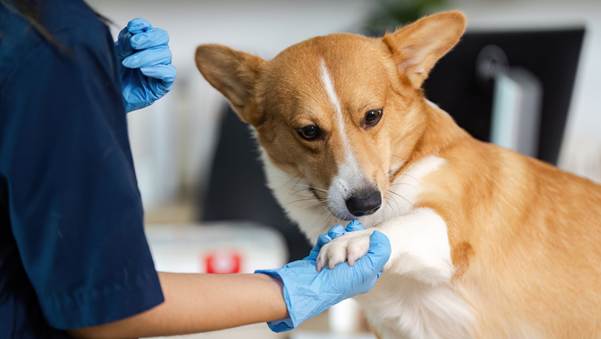
Veterinary advice proves invaluable for persistent flea problems or choosing between treatment options. Your vet examines your dog for flea allergy dermatitis, checks for tapeworms that fleas transmit, and recommends vet-approved flea treatment for dogs based on specific health needs.
Vets stay current on latest flea control developments and warn about products that don’t work or pose safety risks. They can prescribe stronger flea medicine only available through clinics. If your dog suffered from fleas for a while, your vet might prescribe medication for skin infections or allergic reactions from bites.
Ask questions about how to remove fleas from dogs safely, especially with puppies, senior dogs, or pets with chronic health issues.
How to Find the Most Effective Flea Treatment
Selecting the best flea control for dogs means understanding that no single product works perfectly for every situation. The most effective approach combines multiple methods instead of relying on one product.
1. Make Sure They Have Key Active Ingredients
Look for products with proven compounds like fipronil, imidacloprid, selamectin, or spinosad. These ingredients kill adult fleas on contact or disrupt the flea life cycle to prevent reproduction. Natural flea remedies for dogs like essential oils might help with mild prevention but rarely eliminate established infestations. Concentration matters, so follow dosing instructions based on your dog’s weight.
2. Look for Flea Treatments That Last
Monthly protection works better than products requiring daily or weekly application. Consistent coverage stops fleas before they multiply. Once-a-month treatments are also easier to remember than more frequent schedules. Some newer products offer protection lasting up to three months.
3. Be Consistent About Your Treatment
Skipping even one monthly treatment creates gaps where fleas reestablish and restart the cycle. Set phone reminders or mark a calendar for applying flea prevention on schedule. Year-round protection works better than stopping during winter since fleas survive indoors regardless of outdoor temperatures.
4. Find One That Works for Your Dog
Some dogs tolerate topical applications better while others accept oral medications easier. Products can cause side effects in individual dogs even though they work fine for most pets. If your first choice doesn’t work well or causes problems, try different formulations with your vet’s help.
5. Protect Every Pet in Your Home
Fleas infest any warm-blooded animal in your household. Treating only the dog that showed symptoms first lets fleas survive on untreated pets and keep reproducing. Every cat and dog needs appropriate flea prevention for their species and size. Products safe for dogs can kill cats, so never share treatments between different pets.
6. Treat Your Home in Addition to Your Dog
Killing fleas on your dog solves only part of the problem since most of the flea population lives in your environment as eggs, larvae, and pupae. Environmental treatment ensures you eliminate the entire flea life cycle instead of just adults currently on your pet.
Types of Flea Treatments for Dogs
Over-the-Counter Flea Treatments
Many effective dog flea treatment options do not require prescriptions. You can find them at pet stores, vet offices, and online retailers. These products have been tested for safety and effectiveness, though they might have lower concentrations than prescription options. Over-the-counter treatments work well for prevention and mild infestations but may struggle with severe problems.
Topical Flea Treatment
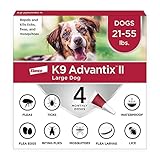
- K9 Advantix II Large Dog 30-day treatment & prevention protects dogs 21-55 lbs. from fleas, ticks, mosquitoes, biting flies and lice
- Kills fleas within 12 hours of application
- Vet-recommended formula kills & repels on contact so fleas don’t have to bite your dog to die
- Easy-to-apply topical treatment is fragrance-free and waterproof after 24 hours

Topical products come in small tubes you apply to your dog’s skin, usually between shoulder blades where they can’t lick it off. Medication spreads through oil glands in skin, giving whole-body protection that kills fleas on contact. Most topical treatments work for 30 days before needing reapplication. They resist washing off during baths once they’ve absorbed, though avoid bathing your dog for 24-48 hours after application.
Flea Shampoo
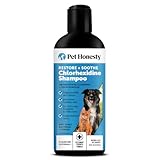
- A HEALING CLEAN : Yes, it’s shampoo for dogs! Yes, it’s shampoo for cats! And yes, it’s shampoo that cleans & heals! It soothes irritated skin, providing itch relief for cats, & dogs. An effective shampoo for dogs with allergies & cats, it promotes a shiny coat, reduces inflammation, & helps heal hot spots. This cat & dog antibacterial shampoo also reduces smelly odors associated with bacteria & fungus. Basically, our cat & dog shampoo for yeast & itching is 16 ounces of a better clean routine.
- FROM THE INSIDE OUT: Made with a veterinary strength formula, our shampoo for dogs with itchy skin & cats is made with soothing aloe & without sulfates, parabens, phthalates, alcohol, & artificial colors. Our shampoo with chlorhexidine & ketoconazole for dogs & cats is a gentle, safe & effective way to help heal skin issues while keeping your pet comfortable & clean.
- THE PET, PET WASH: You know our cat & dog shampoo for sensitive skin provides relief for itchy skin, soothes irritated & inflamed skin, targets smelly odors, & promotes a shiny coat. But did you know that’s it’s the #1 chlorhexidine shampoo on Amazon*? Don’t wait to give your pet the healing wash they deserve. *Based on Stackline Atlas data (had to combine all grooming & other pet health supplies to capture entire market*L52W as of December 2024
- ON THE RIGHT SCENT: Not only does our medicated dog shampoo for itchy skin soothe irritation, promote a health coat & leave your pet feeling fresh & clean, it also has a light cucumber melon scent that helps with unpleasant odors from fungus & bacteria.
Flea shampoo kills adult fleas present during the bath but provides no protection after rinsing. This makes it useful for immediate relief from heavy flea burden but inadequate as your only prevention strategy. Best approach uses flea shampoo as initial treatment to quickly reduce flea population before starting long-term prevention. Choose shampoos made for dogs since human products or cat formulas can contain ingredients toxic to canines.
Wearable Flea Treatments

- Vet-recommended, premium flea and tick protection for dogs and puppies without the price tag
- Long-lasting flea and tick collar kills and repels fleas for 8 continuous months
- Seresto is the #1 veterinarian recommended flea and tick collar* *Elanco Animal Health, data on file
- Starts working after 24 hours to kill and repel fleas through contact so pests don’t have to bite your dog to die
Flea collar technology improved dramatically from ineffective products of past decades. Modern collars release active ingredients continuously over several months, giving long-lasting flea prevention without monthly applications. They work well for dogs who hate oral medications or react badly to topical treatments. Some collars also repel ticks and mosquitoes. Make sure the collar fits with just enough room to slide two fingers underneath, and trim excess length to prevent chewing.
Wrapping Up…
Getting rid of fleas on dogs means attacking them on your pet, in your home, and in your yard all at once. These vet-approved flea treatment for dogs methods work when you follow through consistently. Flea control is ongoing, not a one-time fix, especially in warm climates where fleas breed year-round.
Start with immediate flea removal using a comb and bath. Then set up long-term prevention with monthly treatments your vet recommends. Combine regular grooming, environmental cleaning, and effective fleas on dogs treatment. That keeps your dog comfortable and your home flea-free.
FAQ
What kills fleas on dogs the fastest?
The fastest immediate relief comes from physically removing fleas with a flea comb (dipping it into soapy water) and then using a vet recommended flea treatment that kills adult fleas. A bath can help knock down fleas fast, but it usually does not provide lasting protection by itself.
Do fleas drown in water?
Yes, adult fleas can drown, especially in soapy water because soap breaks surface tension. That is why dipping your flea comb into a bowl of soap and water works so well while you comb.
How do I know if those black specks are flea dirt?
Try the damp paper towel test. Put a speck on a wet white paper towel. If it smears reddish brown, it is usually flea dirt (digested blood). If it stays dark and dry, it may just be regular dirt.
Why are fleas so hard to get rid of once they get inside?
Because most of the flea “population” is not on your dog. Eggs, larvae, and pupae end up in carpets, cracks, bedding, and furniture. If you only treat your dog, new adults keep emerging and the cycle restarts.
How often should I vacuum if my dog has fleas?
During an active infestation, daily vacuuming helps a lot, especially around baseboards, under furniture, and in your dog’s favorite resting spots. Empty the vacuum right away and throw the contents outside so fleas cannot crawl back out.
How often should I wash my dog’s bedding during a flea problem?
Twice a week is a good goal until things calm down. Use hot water when possible, and dry on high heat to kill fleas at different stages. After the infestation is under control, weekly washing helps prevent a comeback.
Is a flea shampoo enough to solve the problem?
Usually no. Flea shampoo can kill adult fleas during the bath, but it does not last. It works best as a first step to reduce the flea load, followed by longer lasting prevention like a monthly topical or oral treatment.
What is the most effective flea treatment for dogs?
The “best” option depends on your dog’s age, weight, health, and lifestyle. Many proven treatments use active ingredients like fipronil, imidacloprid, selamectin, or spinosad, and consistent monthly protection is what prevents repeat outbreaks. Your vet can help you choose the safest fit.
Do I need to treat every pet in my home?
Yes. If one pet stays untreated, fleas can survive on them and keep reproducing. Also, never share dog flea products with cats because some dog treatments can be dangerous for cats.
When should I call a vet about fleas?
If your dog has irritated skin, hair loss, scabs, signs of infection, or symptoms that look like flea allergy dermatitis, a vet visit is worth it. It also helps if infestations keep returning or you are unsure which products are safest for your pet.