
If you’ve ever spotted a reddish-brown spider with huge fangs lurking in your basement, you might have wondered what it was and whether you should be worried. There’s a good chance you were looking at a woodlouse spider.
Woodlouse spiders often get confused with brown recluse spiders, which causes a lot of unnecessary panic. While these spiders do have venom and can bite, their bites are about as serious as a mosquito bite. In this article, we’ll break down everything you need to know about woodlouse spider venom, what happens if you get bitten, and how these spiders compare to actually dangerous species.
Table of Contents
Are Woodlouse Spiders Venomous?
So are woodlouse spiders venomous? Yes, they are. Like most spiders, woodlouse spiders produce venom that they inject through their large fangs. But here’s the important part: their venom is not dangerous to humans.
Woodlouse spiders use their venom to hunt and kill their prey, which is mainly woodlice (those little bugs that roll up into balls, also called pillbugs or roly-polies). The venom works great on small bugs, but it doesn’t cause any serious problems for people or pets.
Scientific research has labeled woodlouse spider bites as “virtually innocuous,” which is just a fancy way of saying they’re harmless. While these spiders do have a reputation for being quick to bite when they feel threatened, their bites don’t cause the kind of serious medical issues that truly dangerous spiders can cause.
The venom of a woodlouse spider is totally different from spiders like brown recluses or black widows. Those spiders have venom that can make people really sick. Woodlouse spider venom, on the other hand, is pretty weak when it comes to affecting humans.
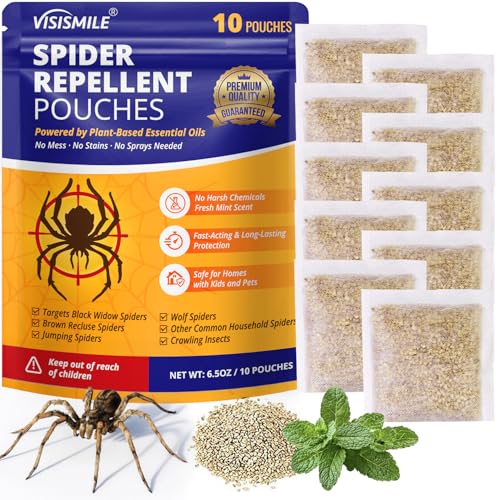
- Natural & Effective Spider Repellent – Formulated with a powerful blend of plant-based essential oils like peppermint oil, clove oil, lemongrass oil, and vinegar extract, these spider repellent pouches naturally deter spiders and crawling insects. Keep your home, garage, basement, and storage areas spider-free without toxic sprays.
- Long-Lasting Protection – Each spider deterrent pouch provides up to 30–60 days of continuous protection. With 10 pouches included, you get full coverage for your entire home, office, RV, car, or cabin. Replace when the scent fades for year-round spider away.
- Safe for Homes and Pets – Our spider repellent indoor is safe to use around children, cats, dogs, and other pets. A natural solution that protects your family and the environment while keeping spiders away.
- Easy to Use – Simply place or hang each pouch in spider-prone areas such as closets, attics, windows, doors, or under sinks. No complicated traps or messy sprays required
Are Woodlouse Spiders Poisonous?
You might see people asking if woodlouse spiders are poisonous, but that’s actually not the right word to use. The correct term is venomous, and there’s an important difference between these two words.
Something is poisonous when it’s harmful if you eat it or touch it. Poison gets into your body passively. For example, poison ivy is poisonous because touching it causes a reaction. Certain mushrooms are poisonous because eating them makes you sick.
Something is venomous when it actively injects toxins into you, usually through a bite or sting. Snakes are venomous because they bite and inject venom through their fangs. Bees are venomous because they sting and inject venom.
Woodlouse spiders are venomous, not poisonous. They inject venom through their fangs when they bite. You could touch a woodlouse spider (though it might bite you in self-defense), but just touching it won’t poison you. The spider has to actively bite and inject venom for anything to happen.
Understanding this difference matters because it helps you know what to expect. A venomous spider isn’t going to hurt you just by being near you or crawling on you. It only becomes an issue if it bites, and even then, woodlouse spider bites are very mild.
What Does Scientific Research Say About Their Venom?
Scientists have actually studied woodlouse spider bites pretty carefully. In 2006, researchers published a study in the journal Toxicon that looked at 16 verified cases of woodlouse spider bites. This study gives us really good information about what actually happens when these spiders bite people.
The main finding was simple: woodlouse spider bites cause minor pain that typically lasts less than one hour. In most cases, the pain people felt was mostly from the mechanical puncture of the skin from those big fangs, not from the venom itself.
The study found no evidence of systemic neurotoxicity or cytotoxicity. Breaking that down into normal language: the venom didn’t affect the nervous system or kill cells in the body. This is really important because dangerous spider venoms do exactly those things. Brown recluse venom kills cells and causes tissue death. Black widow venom attacks the nervous system. Woodlouse spider venom does neither of these things.
Researchers also found that woodlouse spider bites never caused necrotic lesions. Necrotic lesions are areas where the skin and tissue die and turn black, which is what happens with brown recluse bites. Not a single documented case of a woodlouse spider bite has resulted in this kind of tissue damage.
Every single person in the study recovered completely with no lasting problems. No one needed special medical treatment. No one ended up in the hospital. The bites healed on their own without any complications.
This research is especially valuable because it helps doctors and regular people understand that woodlouse spider bites don’t need aggressive treatment. The study was partly done to prevent unnecessary and potentially harmful medical treatments that might happen if someone mistakes a woodlouse spider for a brown recluse.
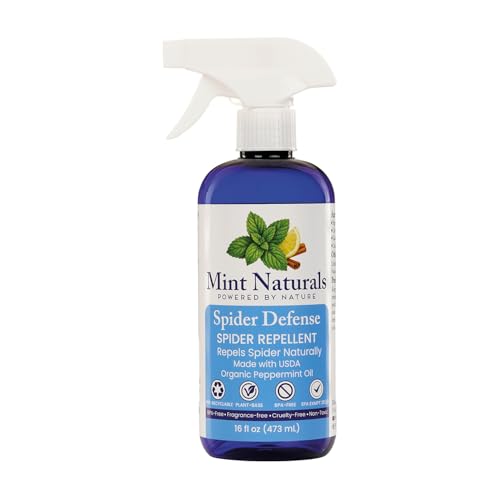
- USDA ORGANIC PEPPERMINT OIL FORMULA, NON-TOXIC SPIDER REPELLENT FORMULA: Made with USDA Organic peppermint oil, this plant-based, non-toxic spider repellent spray helps freshen indoor spaces while making treated areas less appealing to spiders. Ideal for those searching for an organic spider repellent with a clean, mint aroma.
- INDOOR SPIDER REPELLENT FOR COMMON PROBLEM AREAS: Effective spider repellent indoor solution designed for spaces where spiders are commonly noticed, including baseboards, corners, closets, basements, garages, and utility rooms. A natural spider repellent spray option for homes, apartments, cabins, offices, and RV interiors.
- DESIGNED FOR HOMES, OFFICES, GARAGES, CABINS & RVs: Versatile spider-focused home spray suitable for apartments, houses, offices, garages, RV interiors, workspaces, utility rooms, attics, crawl spaces, and cabins. Excellent choice for keeping high-traffic areas mint-scented and comfortable, without heavy aerosol or synthetic fragrances.
- PLANT-BASED ESSENTIAL OIL BLEND: Formulated with peppermint, citronella, cedarwood, eucalyptus, and clove oils in a water-based carrier to create a naturally aromatic spider spray for indoor and sheltered spaces. No artificial dyes or synthetic perfumes added — the mint scent comes directly from essential oils.
What Happens If a Woodlouse Spider Bites You?
Woodlouse spiders don’t go around looking for people to bite. They only bite when they feel threatened or trapped. This usually happens when someone accidentally grabs one, picks it up, or puts on clothing or shoes where a spider is hiding.
If a woodlouse spider does bite you, here’s what you can expect. You’ll feel localized pain right where the bite happened. The pain is often compared to a bee sting or mosquito bite. Some people say it’s a bit sharper because of those large fangs puncturing the skin.
After the initial bite, you might develop a small red mark about 4 to 5 millimeters across (about the size of a pencil eraser). The area might itch, and this itching can last for up to two hours in some cases. Because woodlouse spiders have such large fangs, you can sometimes actually see the puncture marks, which isn’t common with most spider bites.
The good news is that’s pretty much it. You won’t develop severe swelling, blistering, or spreading redness. You won’t get a fever or feel sick. You won’t see the bite area turn dark or develop into an ulcer. The bite might be annoying and a little painful, but it’s not dangerous.
For first aid, just treat it like any minor bite or puncture wound. Wash the area with soap and water to keep it clean. You can apply ice if it helps with the pain or swelling. Keep an eye on it to make sure it’s healing normally.
Most people don’t need to see a doctor for a woodlouse spider bite. However, you should get medical attention if you develop any unusual symptoms like severe pain that gets worse instead of better, spreading redness, significant swelling, signs of infection, or if you have an allergic reaction (though this is extremely rare). Also, if you’re not sure what kind of spider bit you, it’s better to be safe and get it checked out.
No special treatment is needed for woodlouse spider bites. They heal on their own within a day or two at most.
Why Woodlouse Spiders Are Often Mistaken for Brown Recluses
One of the biggest problems with woodlouse spiders is that people constantly mistake them for brown recluse spiders. This mix-up causes a lot of unnecessary panic because brown recluse bites can be serious, while woodlouse spider bites are harmless.
The confusion makes sense at first glance. Both spiders are brownish in color and roughly the same size. Both can be found in similar places inside homes, like basements, closets, and dark corners. Both have six eyes instead of the usual eight that most spiders have. When you spot a brown spider scurrying across your basement floor, it’s easy to jump to the worst conclusion.
But if you look closer, there are several clear differences that can help you tell them apart.
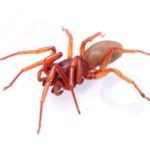
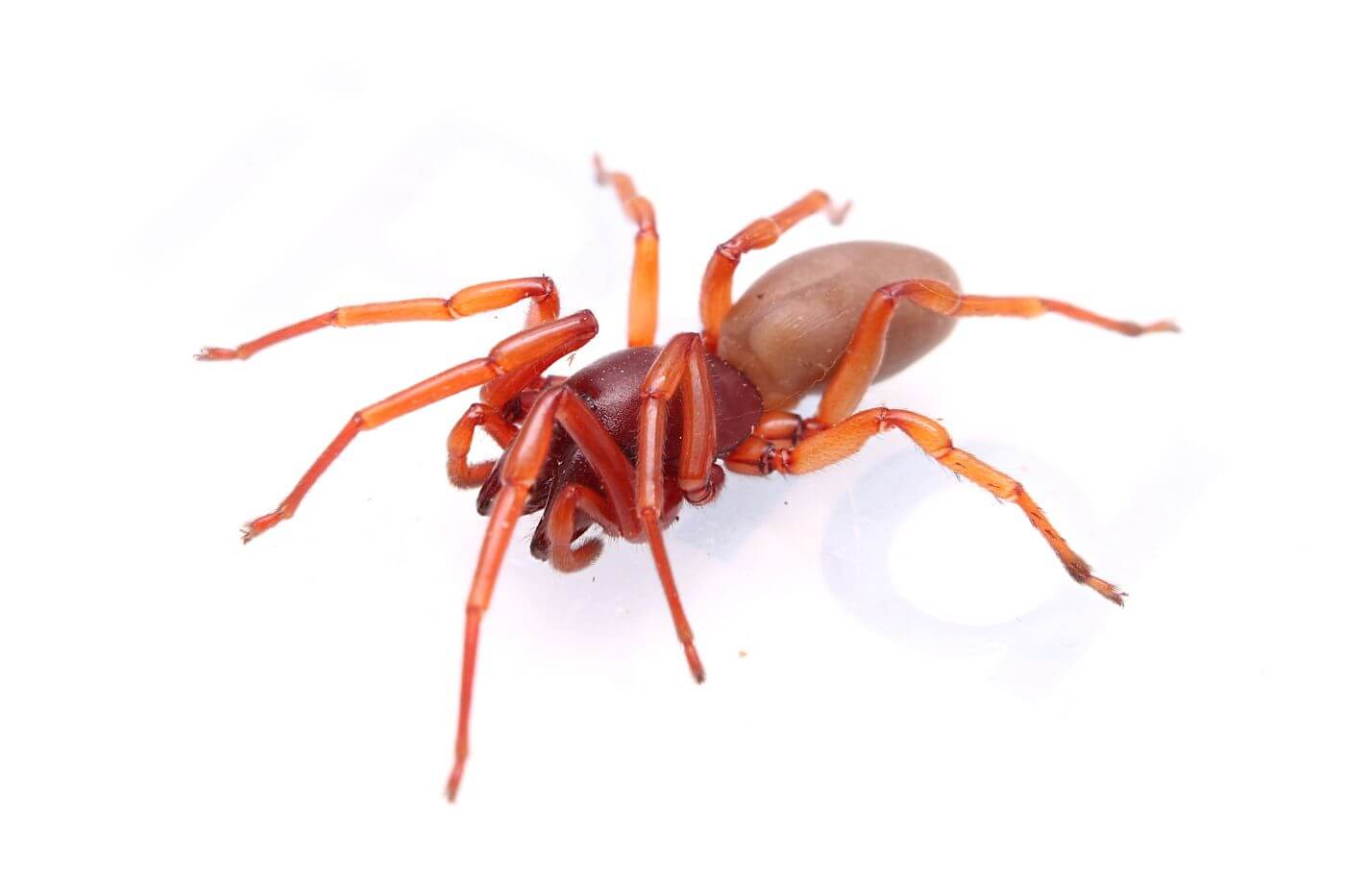
The color is actually different when you really look. Woodlouse spiders have a reddish-orange or dark red head and legs, not plain brown. Their abdomen is pale, shiny, and grayish-white or yellowish, which gives them a two-toned appearance. Brown recluse spiders are uniformly light to medium brown all over with a matte finish, not shiny.
Brown recluse spiders are famous for the violin-shaped marking on their back (which is why they’re sometimes called fiddleback spiders or violin spiders). Woodlouse spiders don’t have this marking at all. They’re solid colored without any distinctive patterns.
The eye arrangement is different too. While both have six eyes, brown recluse spiders have their eyes arranged in three separate pairs (called dyads) spread out across their head. Woodlouse spiders have their six eyes clustered tightly together in the center of their head.
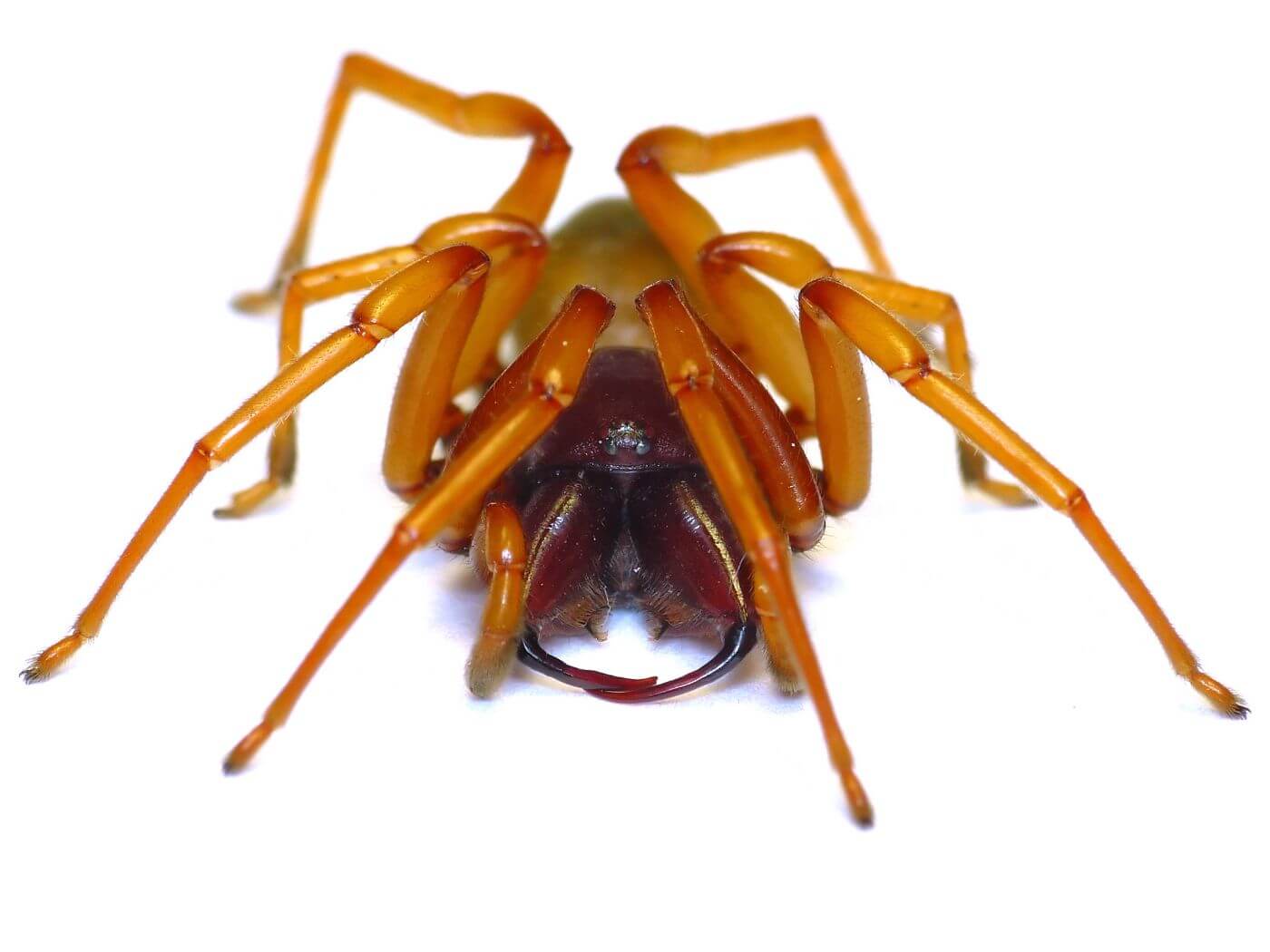
The most obvious difference, if you can see it, is the fangs. Woodlouse spiders have huge, prominent fangs that stick out from the front of their head. These fangs are much larger than what brown recluse spiders have. You can often see woodlouse spider fangs even from a short distance away.
Woodlouse spiders also have a glossy, shiny appearance, especially on their abdomen. Brown recluse spiders look more matte or dull.
Getting the identification right is really important. If someone gets bitten and thinks it was a brown recluse when it was actually a woodlouse spider, they might end up getting aggressive medical treatments they don’t need. Brown recluse bites are sometimes treated with strong medications or even surgery in severe cases. Putting someone through that for a harmless woodlouse spider bite would be a terrible mistake.
On the flip side, if someone gets bitten by an actual brown recluse but assumes it’s just a harmless woodlouse spider, they might not get the medical care they need when they really do need it.
How Dangerous Are Woodlouse Spiders Compared to Other Spiders?
To really understand how harmless woodlouse spiders are, it helps to compare them to spiders that actually are dangerous.
Brown recluse spiders have venom that contains a powerful enzyme that destroys tissue. When a brown recluse bites someone, the venom can kill cells and cause necrosis, which means the skin and tissue around the bite actually dies. The bite often starts as a small red mark but can develop into a large, painful ulcer with a dark center. In severe cases, the wound can take months to heal and might require skin grafts. Some bites cause systemic symptoms like fever, nausea, and muscle pain. Woodlouse spiders cause none of this. Their venom doesn’t destroy tissue or cause necrotic wounds.
Black widow spiders have neurotoxic venom that attacks the nervous system. A black widow bite can cause severe muscle pain and cramping throughout the body, not just at the bite site. People often experience abdominal pain so severe they think something is seriously wrong with their internal organs. Other symptoms can include difficulty breathing, high blood pressure, sweating, and nausea. Black widow bites can be life-threatening, especially for children, elderly people, or those with health problems. Woodlouse spiders don’t have neurotoxic venom. They don’t cause muscle cramping, breathing problems, or any systemic symptoms.
The numbers tell the story too. Woodlouse spider bites rarely require any medical attention at all. Most people who get bitten don’t even bother going to a doctor because the symptoms are so mild and short-lived. Brown recluse and black widow bites, on the other hand, often send people to the emergency room.
Woodlouse spiders are not considered medically important spiders by scientists and doctors. That’s a technical term that means their bites don’t cause significant health problems. Brown recluses and black widows are definitely considered medically important because their bites can cause serious complications.
Here’s something interesting: woodlouse spiders actually have a strong tendency to bite when they feel threatened. They’re more likely to bite than many other spiders if you pick them up or handle them. But because their venom is so weak, this doesn’t really matter much. A spider that bites easily but has harmless venom is way less dangerous than a spider that rarely bites but has powerful venom.
In terms of their role around your home, woodlouse spiders are actually helpful. They eat pest insects and help control populations of woodlice, which can damage plants and gardens. They’re not trying to invade your space or hunt you. They’re just looking for food and shelter like any other creature.
How to Prevent Woodlouse Spiders in Your Home
If you’d rather not share your home with woodlouse spiders, there are several practical steps you can take to keep them out.
The most important thing is to reduce moisture. Woodlouse spiders love damp environments because that’s where their food lives. Fix any leaky pipes, faucets, or water damage in your home. Pay special attention to areas like under sinks, in bathrooms, and in basements where moisture tends to build up.
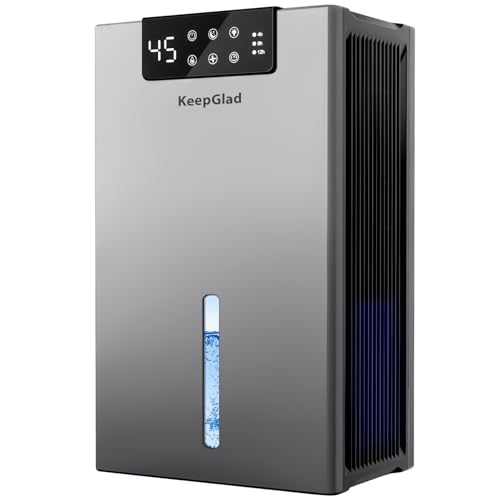
- 【High Efficient Dehumidification & Digital Controls】Equipped with dual semiconductor design, KeepGlad dehumidifier removes up to 40 OZ of moisture. With the power of 90W, enabled dehumidifier offer convenience and powerful performance makeing humidity from 80% to 40%. The dehumidifiers for home features advanced smart sensors that you can easy to set the ideal operation mode in digital controls
- 【Humidity Monitoring & Timer Setting】KeepGlad dehumidifier has precise humidity display, you can monitor the humidity in real time, just enjoy comfort in any room. What’s more, dehumidifiers for home designed with timer, runs only when needed to reduce electricity costs! Just set specific run times for 4-8-12 hours to avoid peak electricity rates and dehumidifier will auto stop when finishes running
- 【Continuous Drain & Auto Shut-Off】Dehumidifier with drain hose and easy remove water tank. Hose connection for hands-free operation, just connect drain hose to the hole—no need to manually empty the tank, dehumidifier for basement also ideal for laundry rooms or anywhere is a concern. Dehumidifier for bedroom with intelligent system powers down when tank is full, also prevent water overflow
- 【Ultra-Quiet Operation & 7-Color Ambient Light】Bedroom dehumidifiers are upgraded with a noise reduction system. Under the quiet sleep mode, lights automatically turn off and noise reduces to whisper-quiet levels for undisturbed rest at just 28db. In addition, dehumidifier for bedroom also designed with soft lighting, 7 colors of lights creating a romantic and peaceful sleeping atmosphere for you
Improve ventilation in damp areas of your home. Basements and crawl spaces often trap moisture, creating perfect conditions for woodlice and the spiders that hunt them. Use a dehumidifier in your basement if it tends to feel damp. Make sure your crawl space has proper ventilation. Even just running a fan occasionally in stuffy areas can help.
Remove woodpiles and debris from around your foundation. Woodlouse spiders live outside under logs, rocks, leaf piles, and wood debris. If you have firewood stacked against your house, move it at least 20 feet away. Clear away leaf litter, grass clippings, and other organic debris from around the base of your home.
Next, seal up entry points. Check for cracks and gaps in your walls, around doors and windows, and in your foundation. Fill these with caulk or weatherstripping. Pay attention to where utility pipes and wires enter your home, as these often create small gaps that spiders can crawl through.
Also, get rid of any rotting wood in or around your home. This includes old lumber, decaying fence posts, or damaged wood on your deck or siding. Rotting wood attracts woodlice, which in turn attracts woodlouse spiders.
The most effective long-term solution is to eliminate woodlice themselves. Without their primary food source, woodlouse spiders have no reason to stick around. You eliminate woodlice the same way you prevent the spiders: reduce moisture, remove debris, and eliminate their hiding spots.
Clear away leaf litter and thick mulch near your home. If you use mulch in your garden beds, keep it a few inches away from your foundation and don’t pile it too deep.
Inside your home, vacuum regularly, especially in areas where you’ve seen spiders. This removes both the spiders and their potential egg sacs. Pay attention to corners, along baseboards, and in storage areas.
If you’re dealing with a larger infestation or if these steps aren’t working, it might be time to call a pest control professional. They can identify where the spiders are coming from, locate their hiding spots, and treat the problem more thoroughly. Professional pest control can also help you address the underlying woodlice problem that’s attracting the spiders in the first place.
Remember that seeing an occasional woodlouse spider doesn’t necessarily mean you have an infestation. These spiders are solitary and don’t live in groups. You might just have one or two that wandered in from outside, especially during fall and winter when they look for warm places to spend the cold months.
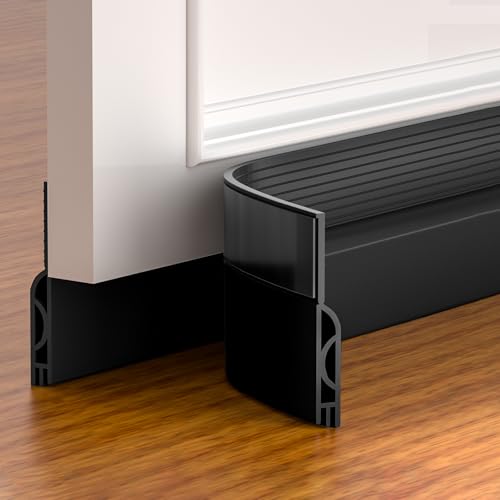
- THICKENED SILICONE MATERIAL – BUILT TO LAST :The Door Draft Stopper is made of pure silicone material that is heat- and cold-resistant, and easy to bend without deforming. This draft stopper for the bottom of the door has no “compression memory,” won’t damage the floor, and is pliable enough to allow you to easily open the door even on crooked floors. Door strip’s sleek finish blends seamlessly with any decor
- SAVE ENERGY AND LOWER BILLS – COMPREHENSIVE PROTECTION:This Door sweep mainly blocks cold or warm air. As a weather stripping door seal, it keeps warmth in during winter and coolness in during summer, helping maintain energy efficiency. It is suitable for covering gaps on exterior and interior doors, RV doors, shower rooms, baseboards, thresholds, windows, garages, basements, and furniture
- HOLLOW ARC CAVITY SOUND INSULATION DESIGN – REDUCE NOISE & BOOST PRIVACY:The under door draft stopper features a triple design. This door bottom seal strip not only blocks cold air but also helps block light, creating a quieter home. It reduces noise from conversations, footsteps, and outdoor sounds for better sleep, focused work.Say goodbye to disruptive drafts and hello to tranquility! Additionally, the under door noise stopper acts as a barrier against unwanted visitors crawling
- UPGRADED WATERPROOF BACKING ADHESIVE:The under door gap filler has a widened waterproof backing adhesive that is 1.5 inches wide with a 1 mm groove. When it encounters resistance and ground friction, the adhesive will not lift up. This draft stopper sticks well and doesn’t make dragging noises when the door is opened or closed. Just in case, you can use tape or thumb tacks as a protective layer
The Bottom Line
Woodlouse spiders are venomous, but they’re not dangerous to humans. While that might sound contradictory, it’s completely accurate. Yes, these spiders produce venom and inject it when they bite. But their venom is weak and causes only minor, temporary discomfort.
Bites from woodlouse spiders are rare because these spiders generally try to avoid people. When bites do happen, they’re defensive. The spider only bites because it feels trapped or threatened. The symptoms are mild: some localized pain, maybe a small red mark, possibly some itching. That’s it. No tissue damage, no necrotic wounds, no systemic effects, no trips to the emergency room.
The biggest danger with woodlouse spiders isn’t the spiders themselves. It’s the confusion with brown recluse spiders. Brown recluses are genuinely dangerous and can cause serious medical problems. Woodlouse spiders look similar enough to cause confusion, but they’re nowhere near as dangerous. Learning to tell the difference can save you a lot of worry and potentially prevent unnecessary medical treatment.
Despite their intimidating appearance with those large fangs and six eyes, woodlouse spiders actually play a helpful role in controlling pest populations. Gardeners appreciate them because they eat woodlice and other small pests that can damage plants.
If you see a woodlouse spider in your home, there’s no need to panic. You can safely catch and release it outside if you want, or just leave it alone and it will probably leave on its own. These spiders aren’t aggressive toward humans. They’re not going to chase you or attack you. They’re just trying to find food and survive.
The key takeaway is this: woodlouse spiders have venom, but that venom poses no real threat to you, your family, or your pets. They’re one of many spider species that share our environment without causing problems. Proper identification is important, but once you know you’re dealing with a woodlouse spider and not a brown recluse, you can relax.
FAQ
Are woodlouse spiders venomous or poisonous?
Woodlouse spiders are venomous, not poisonous. They can inject venom if they bite, but simply touching one does not “poison” you.
Are woodlouse spiders dangerous to humans?
For most healthy adults, they are considered low risk. Research on verified bites found effects were typically mild and people recovered without lasting problems.
What does a woodlouse spider bite feel like?
The post explains it is usually localized pain (often compared to a sting), with possible redness and itching, and it typically improves quickly.
What should I do if a woodlouse spider bites me?
Wash the area with soap and water, use a cold pack if needed, and monitor it. Seek medical care if you get unusual swelling, spreading redness, infection signs, or allergy symptoms.
Why do people confuse woodlouse spiders with brown recluses?
They can look similar at first glance and both have six eyes, but woodlouse spiders usually have a reddish head and legs, a pale shiny abdomen, and very noticeable fangs.
How can I identify a woodlouse spider quickly?
Look for a two tone body (reddish front, pale abdomen) and large forward facing fangs. They are also known as woodlouse hunters because they prey on pillbugs and sowbugs.
Do woodlouse spiders bite often?
They do not seek out humans, but they can bite in self defense if trapped, grabbed, or pressed against skin (for example in shoes or clothing).
Should I remove woodlouse spiders from my home?
Many homeowners choose simple control steps like reducing damp hiding spots and sealing entry gaps. If you want a stronger option, a targeted indoor perimeter treatment can help keep encounters rare.