
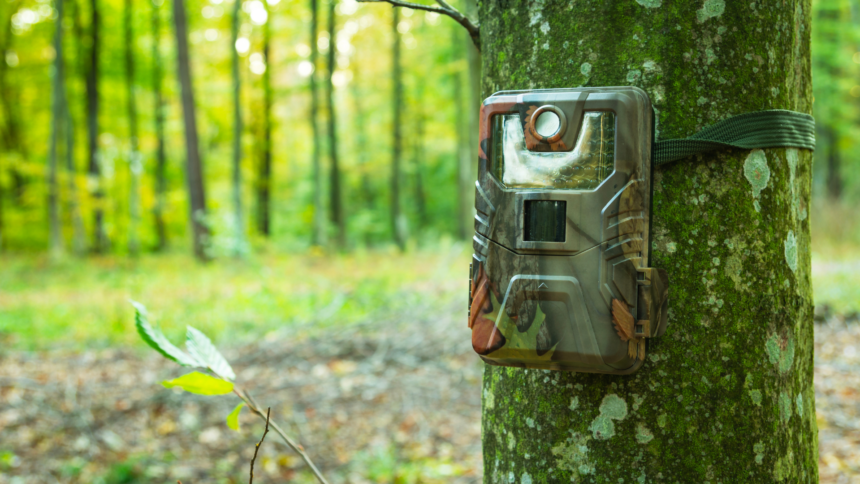
When you spend hours in the field trying to understand wildlife patterns, a reliable deer camera for wildlife monitoring becomes your silent partner. These cameras sit quietly in the woods, and captures every movement that passes by. We researched a stack of trail cameras across every budget, from basic motion and heat triggered units to advanced cellular models.
What we found is that the best deer camera for wildlife monitoring needs to deliver clear footage in any weather condition while standing up to months outdoors. Whether you need a trail camera for deer or want to monitor other wildlife, the right camera makes all the difference. You will find today’s standout picks here, from affordable starters to feature rich cellular models. Keep scrolling and pick the best one as per your needs.
Table of Contents
Types of Deer Cameras for Wildlife Monitoring
Before you pick a deer camera for wildlife monitoring, you should know what types are available. Each style has strengths that work better for certain situations. The market offers several categories, and understanding them helps you make a smarter choice.
Standard Trail Cameras
Standard trail cameras are the workhorses of wildlife monitoring. These cameras store images and videos on SD cards. Turns out, you need to visit the camera site to retrieve your footage. They work great when you can check them regularly and when the location is easy to access. Most hunters and property owners prefer these because they cost pretty less than cellular options. The best trail camera for wildlife in this category offers long battery life and tough, weather sealed construction. You can leave them out for weeks between visits, and they just keep working.
Cellular Trail Cameras
A cellular trail camera sends photos directly to your phone over a cell network. You never need to drive out to check the camera, which saves time and fuel. These deer cameras work well for remote locations or when you want instant alerts about wildlife activity. The tradeoff is that you pay monthly fees for the data plan. Still, many people find the convenience worth the extra cost. They let you monitor multiple locations from anywhere with cell service, and you can adjust settings remotely through an app.
No Glow vs Low Glow Infrared Cameras
Night vision separates into two main types for wildlife cameras. Low glow cameras have a faint red LED visible when they take night photos. Animals sometimes notice this glow, though most deer and other wildlife do not seem bothered by it. A no glow trail camera uses infrared LEDs that produce no visible light at all. Animals cannot detect these cameras working at night, which makes them perfect for shy or wary wildlife. The downside is that no glow cameras usually cost more and have slightly shorter detection ranges in total darkness.
5 Best Deer Cameras For Wildlife Monitoring
1. SPYPOINT Flex-M Twin Pack – Best Overall Pick
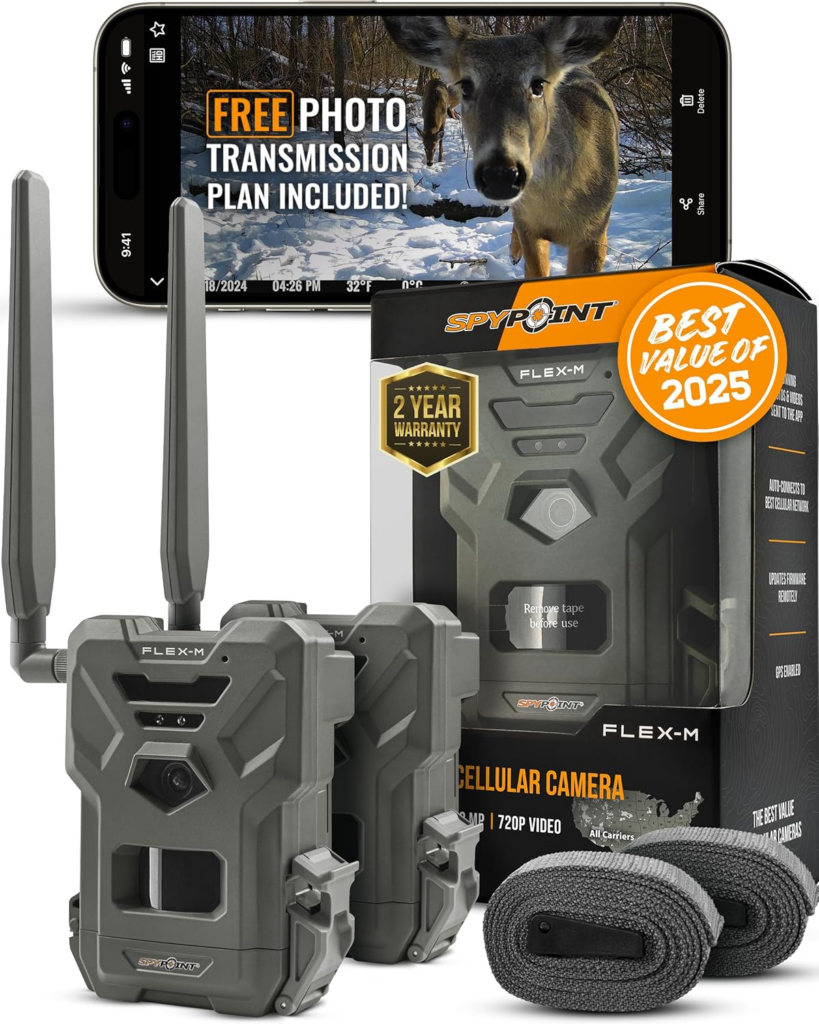

- UNBEATABLE VALUE: Get premium cellular capabilities at an unbeatable price with the SPYPOINT FLEX-M Cellular Trail Camera, offering you the best value in cellular trail cameras and hunting equipment. Setup is a breeze with mobile activation and on-camera buttons for easy formatting of the 𝗺𝗶𝗰𝗿𝗼𝗦𝗗 𝗰𝗮𝗿𝗱 (𝗡𝗢𝗧 𝗜𝗡𝗖𝗟𝗨𝗗𝗘𝗗) and test photo capture. Plus, ensure continuous operation with extended autonomy by pairing with our compatible solar panels (sold separately).
- Enjoy SPYPOINT’s FREE PHOTO TRANSMISSION PLAN! Transmit up to 100 photos per month with no fees and no commitment—it’s the only free plan for cellular cameras. Need more? Paid plans start at $5/month for 250 photos or $15/month for unlimited. Choose monthly or annual billing with no activation fees. One plan per camera. Plus, join the Insiders Club for extra savings!
- CROSS-CARRIER COVERAGE: Enjoy seamless connectivity with the FLEX-M. You don’t need to do anything—no swapping or carrier selection required. This means you can start using your camera right away without worrying about network connectivity. The FLEX-M continuously monitors network performance to ensure you stay connected, even in challenging conditions. Experience the freedom of reliable communication with this cell cam!
- MULTI-FUNCTION CAPTURE: Explore versatile options with the FLEX-M capture modes: Photo, Video, Time-Lapse, and Time-Lapse+. Choose Time-Lapse for interval photos or Time-Lapse+ to trigger the detection sensor alongside interval shots, ideal for extensive outdoor area monitoring during hunting or wildlife observation. Plus, equipped with Constant Capture technology, the FLEX-M can seamlessly send and capture images simultaneously, ensuring you never miss a moment of action in the wilderness.
This twin pack from SPYPOINT gives you two cameras that work right out of the box. Each camera captures 28MP photos and 720p videos with sound. The GPS feature means you always know where each camera is deployed, and the dual SIM LTE affirms reliable connectivity across different carriers.
What really sets this deer camera for wildlife monitoring apart is how fast you can get started. No complicated setup, no WiFi required, just mount them and activate through the app. The IP65 rating means they handle rain, snow, and humidity without issues.
Why It Made Our List?
We picked this model because it offers cellular connectivity without the headache. The setup with the app takes minutes, and you get 100 pics a month free. That gives you a taste of the service before committing to a paid plan.
The trigger speed is fast, so you catch animals as they pass through the frame. Plus, having two cameras in one package means better coverage of your monitoring area. Nice and compact, these cameras blend into the environment well.
Key Specs
Resolution: 28MP photos, 720p video with audio
Connectivity: Dual SIM LTE cellular
Weather Rating: IP65 water resistant
Detection Range: Up to 100 feet
Special Features: GPS tracking, night vision
| What We Like | What We Don’t Like |
| +Records audio along with video | -Slow to trigger recording at night |
| +Deploy in minutes | -Threaded hole is on the back of the camera |
| +Clear images day and night | |
| +Free monthly photo allowance | |
| +Easy to set up |
2. Bushnell Core S-4K – Best Premium Choice

- Top Quality: For over 70 years, Bushnell has led in optics and trail camera innovation, proudly based in the USA and trusted by hunters and wildlife enthusiasts for reliable performance in the field.
- Advanced Performance: The Bushnell CORE S-4K No Glow Trail Camera delivers stunning 4K video and up to 30MP images, featuring 3 preset menus, Advanced Mode, Pro Image Tuning, and Dynamic Video for professional-grade clarity.
- Tech Specs: Capture every moment with a 4K single sensor, 110 ft no-glow night range, 0.2s trigger speed, and 1s recovery rate. Includes a bright 1.5″ color viewscreen for easy setup, navigation, and previewing.
- Built for the Outdoors: This game trail camera is engineered to withstand extreme conditions—rain, snow, and heat—so you can depend on consistent results for hunting, scouting, or wildlife observation.
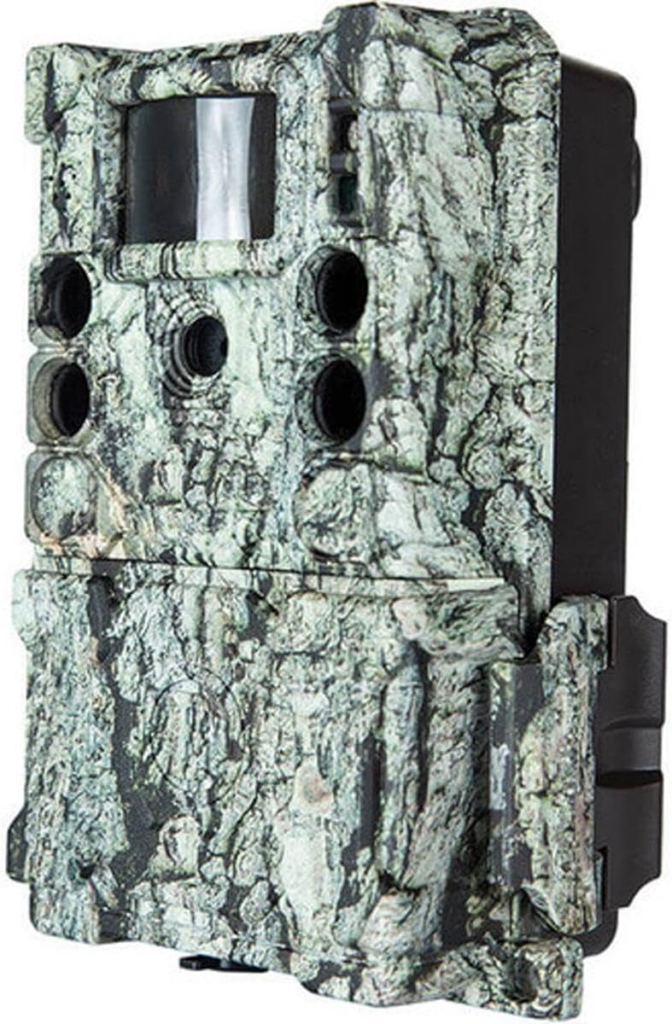
When you want stunning footage in glorious 4K resolution, the Bushnell Core S-4K delivers. This is our second most expensive pick, but it delivers true 4K video quality. The 1.5 inch color viewscreen lets you preview photos and adjust settings without pulling out your phone.
A clever touch is the fact that it includes dual sensors, one for the day and one for the night. This means better image quality around the clock. The best trail camera for wildlife needs quick reactions, and this one has a hybrid photo video mode that captures stills first, then video after a burst of photos. You get the decisive moment in a photo, plus the context in video.
Why It Made Our List?
The 4K video sets this camera apart from everything else. If you care about image quality and want professional grade footage, this is worth the investment. The dual sensor system means you get optimized images whether it is noon or midnight.
Having 32MP at your disposal with a trigger time of 0.2 seconds pretty much seals the deal. The quick trigger speed and recovery ensure you do not miss critical moments when deer move through quickly. You can capture 4K video or Full HD video at up to 60p, with audio too.
Key Specs
Resolution: 4K video, 32MP photos
Display: 1.5 inch color viewscreen
Sensors: Dual day and night sensors
Trigger Time: 0.2 seconds
Detection Range: Up to 70 feet away and sometimes beyond
| What We Like | What We Don’t Like |
| +True 4K video recording | -A bit pricey |
| +Built in color viewscreen | |
| +Audio recording with video | |
| +0.2 second trigger time |
3. MAXDONE Solar Trail Camera – Best Solar Powered
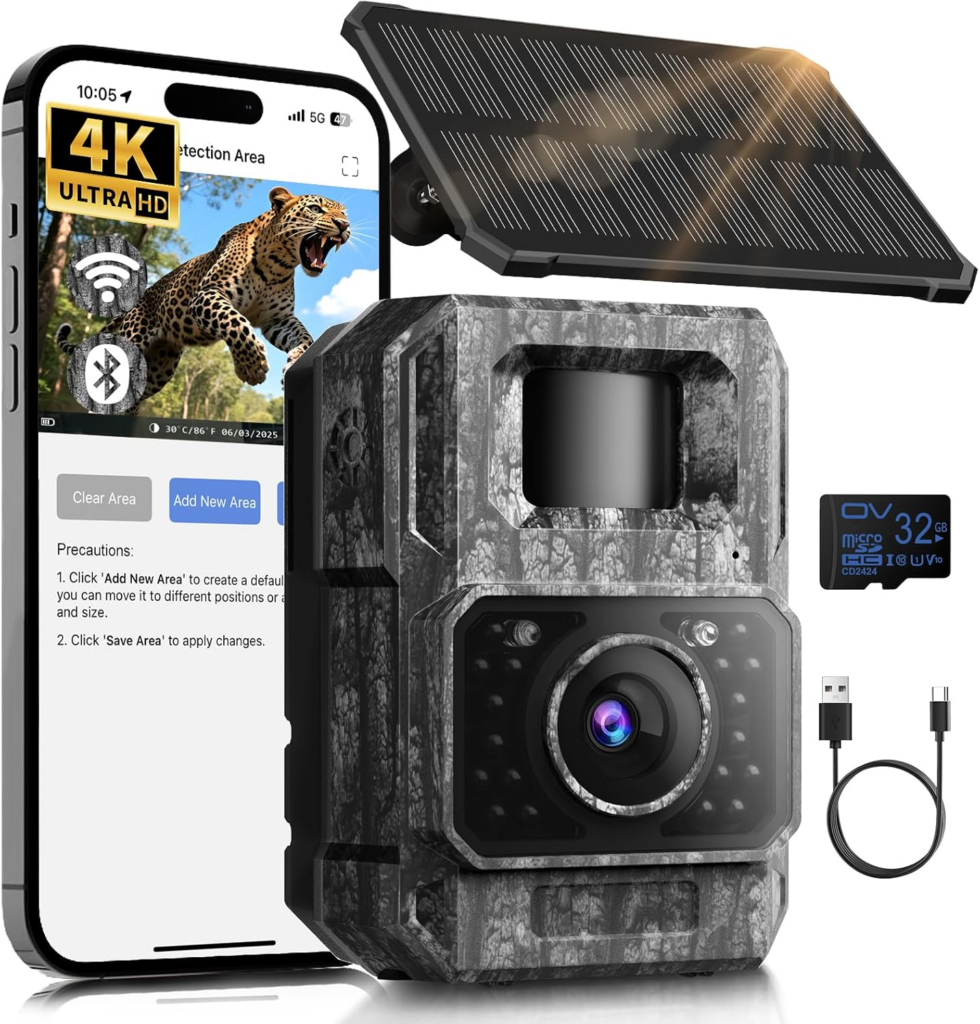

- 𝐈𝐌𝐏𝐎𝐑𝐓𝐀𝐍𝐓 𝐍𝐎𝐓𝐄: This is 𝐍𝐎𝐓 a home Wi-Fi or internet camera. It does 𝐍𝐎𝐓 connect to your household Wi-Fi or allow remote viewing. The camera creates its own short-range Wi-Fi hotspot for setup, and downloading files only. Range: up to 10–15 m (33–49 ft) in open areas with no obstacles. Benefit: Even when not connected, the camera records automatically. No subscription, no monthly fees
- Upgraded Split Solar Panel Design: This trail camera features a Allows flexible placement design. Its angle can be manually adjusted to efficiently face the sun, regardless of seasonal changes or terrain. This greatly improves charging efficiency and minimizes sunlight blockage, making it suitable for all kinds of outdoor environments
- Rechargeable Lithium Battery: Equipped with a high-capacity 6000mAh rechargeable lithium battery, this trail camera supports three charging modes: solar charging, Type-C charging, and battery power. It allows for long-term continuous use, eliminates the hassle of frequent battery replacement, and is fully reusable
- Easy & Smart App Control : This wifi trail camera pairs instantly via WiFi + Bluetooth with the user friendly “TrailCamGO” app, with a maximum connection range of 55FT (recommended within 10FT). Photos and videos can be send directly to your phone without removing the SD card. (As the wireless trail camera creates its own hotspot to connect with the phone, it does not support home Wi-Fi networks.)

Solar power changes the game when it comes to extended monitoring. This deer camera for wildlife monitoring includes a 6000mAh battery that the solar panel keeps charged. You can leave it in the field indefinitely without worrying about dead batteries.
The 4K video at 64MP gives you incredible detail, and the WiFi and Bluetooth connectivity make setup and image transfer simple. Trail camera night vision performs well thanks to the infrared LEDs.
The motion activated camera responds quickly to movement, and the IP66 rating means it is built to survive inclement weather. WiFi lets you check images from your phone when you are nearby, which is invaluable for locations you visit regularly.
Why It Made Our List?
The solar panel solves the biggest problem with trail cameras, which is battery management. You never have to swap batteries or wonder if the camera died during a critical period. The WiFi feature means you can retrieve images without physically accessing the SD card, which saves time and reduces human scent around the camera location. This combination of solar power and wireless connectivity makes it one of the best trail camera for wildlife options available today.
Key Specs
Resolution: 64MP photos, 4K video
Power: 6000mAh battery with solar charging
Connectivity: WiFi and Bluetooth
Weather Rating: IP66 waterproof
Special Features: Rechargeable, solar powered
| What We Like | What We Don’t Like |
| +Solar powered | -Needs adequate sunlight exposure |
| +64MP photos | |
| +Weatherproof | |
| +Rechargeable battery |
4. KJK Trail Camera – Best Budget Option
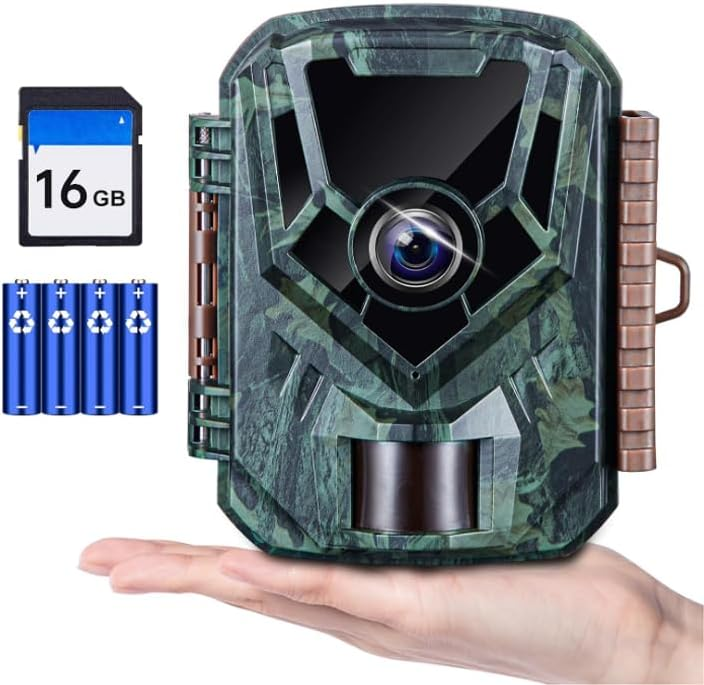
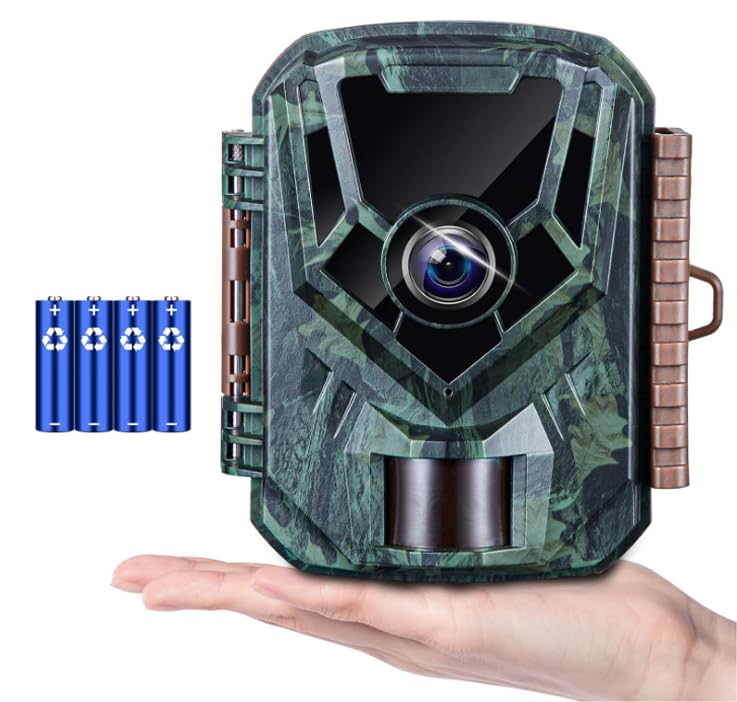
- 【Ultra-clear Photos and Videos】36MP Still Images & 2.7K Videos. Thanks to premium optical lens and an advanced image sensor, and built-in 22Pcs 850nm low glow LEDs, this trail camera provides crystal clear images and amazing smooth 2.7K videos with sound in the daytime, low light or nighttime, combined with noise reduction speaker and 2.0” HD TFT Color Screen, which takes you into the world of wildlife.
- 【Super Night Vision & Low Glow Infrared LEDs】The trail camera is equipped with powerful 22Pcs low glow infrared LEDs, features upgraded 850nm infrared technology, makes this game camera more stealth, which can show the night behavior of animals without disturbing them, encompasses adaptive illumination technology to avoid overexposure or over-dimmed, which can provide clear night images and videos in total darkness, delivers brilliant night vision up to 75ft.
- 【Fast 0.1s Trigger Time &130°Wide Angle】Once movements are detected, the lightning-fast trigger speed of less than 0.1s with 1 to 3 shots choice guarantees fast and accurate capture of each detected motion exposed to the field, never miss any animals that wander by this camera. 130° detection range to give you an expansive field view, indispensable for hunting, wildlife observation, farm monitoring, home backyard, plant growth observation, property security and surveillance.
- 【Set Up and Install has Never Been Easier】This game camera built-in 2.0” color screen and TV remote style operation buttons, No Wi-Fi, Sim cards or app, easy to navigate and very user friendly controls will have you set this up and playback in no time, suitable for all ages. With the mounting straps and brackets given, the game camera can be fixed in various scenarios and at any angle. The detailed and comprehensive instructions allow you to get started quickly with this game camera.(No SD Card Included)
You do not need to spend a fortune to get a capable deer camera for wildlife monitoring. The KJK proves that affordable cameras can deliver solid performance. It captures 36MP photos and 2.7K video, which is more than enough resolution for identifying animals and studying behavior.
The 0.1 second trigger time means it catches fast moving wildlife before they leave the frame. Nice and compact, this camera is simple to set up and fits easily on trees. The 130 degree wide angle captures more of the scene, and the 2.0 inch screen lets you review footage in the field. The best trail camera for wildlife does not always have to be the most expensive.
Why It Made Our List?
We looked for models that are $150 or lower because we know you can get a great trail camera for less than this, so we did not bother researching exorbitantly priced models for this category. The KJK delivers performance that matches cameras twice its price. The trigger speed is fast, the images are nice and clear day and night, and it handles weather without issues. For someone just getting started with wildlife monitoring, this camera offers tremendous value.
Key Specs
Resolution: 36MP photos, 2.7K video
Trigger Time: 0.1 seconds
Detection Angle: 130 degrees wide angle
Display: 2.0 inch HD TFT screen
Weather Rating: Waterproof construction
| What We Like | What We Don’t Like |
| +Excellent value for the price | -No cellular or WiFi connectivity |
| +130 degree coverage | |
| +Compact design | |
| +Easy to conceal |
5. GardePro A3S – Best No Glow Camera
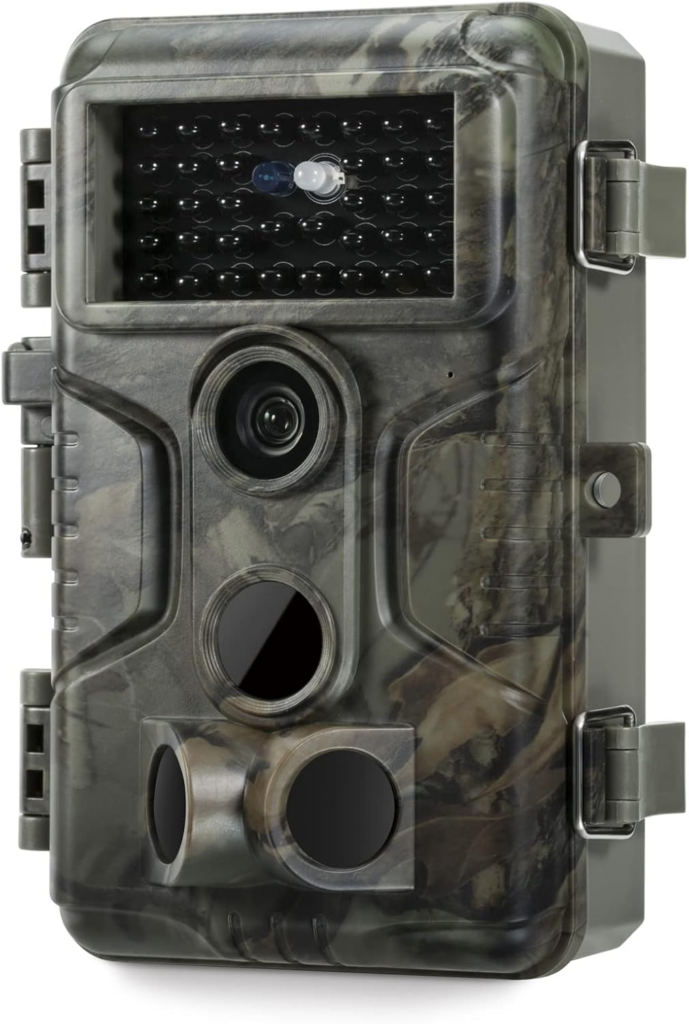
- 64MP Photos & 1296P HD Videos: Equipped with a high-quality optical lens and advanced image sensor, the A3S captures ultra-sharp 64MP photos and smooth 1296P HD videos.
- Advanced Sensor for Superior Low-Light Performance: Equipped with a Starvis Sensor, this trail camera captures high-resolution images and videos even in low-light conditions, with night vision up to 100 feet.
- Low-Power, Eco-Friendly Wildlife Viewing: Simply retrieve the SD card to see what your camera has captured—each visit could bring a new surprise. Non-Cellular and Non-WiFi operation ensures minimal power use, fewer battery changes, and zero disturbances.
- Rugged & Weather-Resistant: Built to withstand harsh outdoor conditions with an IP66 waterproof rating. Features a 1/4″-20 mounting thread for secure placement on trees, posts, or fences. Ideal for use as a durable trail camera.
When you need complete stealth at night, the GardePro A3S stands out. Its No Glow LED lights are just that, completely invisible to wildlife. Deer and other animals will not be put off by them when this infrared trail camera takes photos.
The 100ft detection range in complete darkness is impressive, and the 0.1 second trigger ensures you capture animals before they move out of frame. At 64MP for photos and 1296P for video, you get excellent detail. This deer scouting camera works great for security applications too, since the lack of visible light keeps it hidden from people as well as animals.
Why It Made Our List?
The 100 foot no glow night vision sets this camera apart. Most cameras with this feature max out around 60 or 70 feet, but the A3S reaches much farther. You would buy this over the others if you monitor wary animals or need security surveillance.
The trigger speed is fast, and the image quality rivals cameras that cost much more. This is what makes it one of the best trail camera for wildlife choices when stealth matters most.
Key Specs
Resolution: 64MP photos, 1296P HD video
Trigger Time: 0.1 seconds
Night Vision: 100 foot no glow infrared
Type: Non cellular, non WiFi
Special Features: Motion activated, waterproof
| What We Like | What We Don’t Like |
| +True no glow operation | -No remote connectivity options |
| +100 foot night range | |
| +0.1 second trigger time | |
| +Invisible to wildlife |
How We Picked The Best Deer Camera For Wildlife Monitoring
We researched a stack of trail cameras across every budget and feature level. A ton of models are available in the trail camera category, and they tend to come and go quickly. To narrow the field, we looked at cameras that were available from major retailers like Amazon.
We prioritised robust construction and camo finishes that help cameras blend into the environment. Each camera had to prove it could live outdoors and quietly record wildlife day or night. Weather sealed cases that shrug off rain, snow, and temperature swings were essential for our selections.
What To Look For Before Buying The Best Deer Camera For Wildlife Monitoring
Shopping for a deer camera for wildlife monitoring means considering several important factors. These features determine whether a camera meets your needs or leaves you frustrated.
Image & Video Quality
Resolution matters when you want to identify specific animals or study behavioral details. Higher megapixel counts give you sharper images that you can zoom into without losing clarity. For video, 1080p provides good results, while 4K offers exceptional detail. Color accuracy during daylight helps you distinguish between species and individual animals. Some cameras compress files heavily to save space, which reduces quality even at high resolutions.
Night Vision Performance
Most wildlife activity happens during twilight and darkness, so night vision determines how useful your camera really is. The best deer camera for wildlife monitoring captures clear images in complete darkness. Check the detection range, which tells you how far away a camera sees motion and triggers a photo. Some cameras reach 100 feet or more, while basic models max out around 50 feet. No glow infrared provides complete stealth but sometimes produces grainier images than low glow systems.
Trigger Speed & Recovery Time
Trigger speed measures how quickly a camera takes a photo after detecting motion. Fast triggers of 0.3 seconds or less catch animals before they walk out of frame. Slow triggers mean you get photos of empty trails or rear ends of departing deer. Recovery time matters too because it determines how quickly the camera can take another photo. Long recovery times cause you to miss follow up shots when multiple animals pass through together.
Detection Range & Angle
Detection range tells you how far away the camera can sense movement. Wider detection angles capture more of the scene, which reduces blind spots. A 130 degree angle covers much more area than a 60 degree angle. Consider where you will mount the camera and what you want to monitor. Narrow angles work fine for trails, while wider angles suit food plots or open areas where animals approach from multiple directions.
Battery Life & Power Options
Standard AA batteries power most trail cameras, but battery life varies dramatically between models. Some cameras run for months on one set of batteries, while others drain in weeks. Solar panels eliminate battery concerns entirely, though they need adequate sunlight to keep up with heavy use. Rechargeable battery packs offer a middle ground with lower long term costs than disposable batteries.
Durability & Weatherproof Rating
Your camera lives outdoors through heat, cold, rain, and snow. Look for IP ratings that indicate water resistance. IP65 and IP66 cameras handle heavy rain and dust. Cheaper cameras with lower ratings may fail in wet conditions. Solid construction with metal mounting brackets and reinforced cases lasts longer than flimsy plastic housings. Lock boxes add security in areas where theft concerns you.
Wrapping Up…
After careful evaluation, we believe the SPYPOINT Flex M Twin Pack is the best deer camera for wildlife monitoring for most users. It balances cellular connectivity, image quality, and ease of use at a reasonable price point. The twin pack gives you two capable cameras that work reliably in tough outdoor conditions. However, if you need 4K video quality, the Bushnell Core S 4K remains unmatched despite its premium price. Each camera on this list excels in specific ways, so choose based on your priorities and monitoring needs.
Frequently Asked Questions
How long do deer cameras last?
Quality deer cameras for wildlife monitoring typically last three to five years with proper care. Battery compartments corrode over time from moisture, and electronic components eventually fail. SD card slots wear out from repeated insertion and removal. Higher end models with better weather sealing tend to last longer than budget cameras. Some manufacturers offer warranties ranging from one to three years.
Are cellular trail cameras worth it?
Cellular cameras cost more upfront and require monthly data plans, but they save countless hours of driving to check cameras. You get instant notifications when animals appear, which helps you time hunts better. Remote access lets you adjust settings without visiting the site.
Do trail cameras scare deer?
Most deer and wildlife quickly ignore trail cameras once they realize the devices pose no threat. No glow infrared cameras are completely invisible at night. Even low glow cameras with faint red LEDs rarely spook deer after the first encounter. The bigger concern is human scent from checking cameras too often, which is why cellular models help by reducing site visits.
What is the best resolution for wildlife monitoring?
For most wildlife monitoring, 20MP to 30MP provides excellent detail for identifying animals. Higher resolutions like 64MP create larger files that fill SD cards faster without much practical benefit. Video resolution of 1080p works well for general use, while 4K video helps when you need maximum detail for research or documentation purposes.
What trigger speed is best for a deer camera?
A fast trigger speed is important if deer move quickly across trails or openings. Slower cameras often miss the best part of the movement and leave you with partial shots or empty frames.
How long do deer cameras usually last outdoors?
A good deer camera can last for years if it is weatherproof and properly maintained. Battery leaks, cheap seals, and heavy moisture exposure are common reasons cameras fail early.
Is no-glow or low-glow better for wildlife monitoring?
No-glow is better when you want maximum stealth and less chance of animals noticing the camera at night. Low-glow can still work well, but it may be slightly more visible in dark conditions.
Where should you place a deer camera for best results?
Good spots include trails, feeding areas, water sources, fence crossings, and edges where cover meets open ground. Camera height, angle, and distance from the trail can make a big difference in image quality.