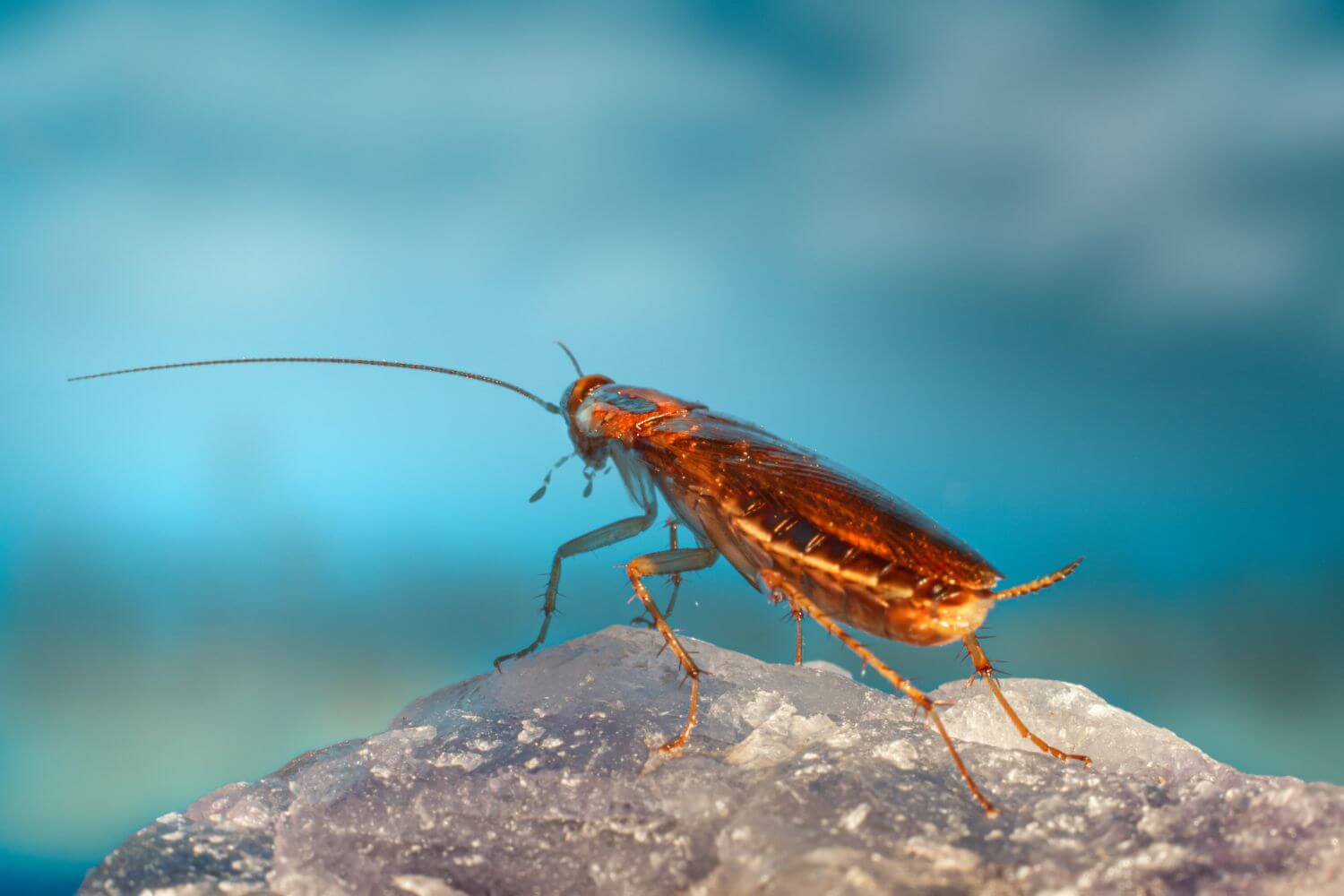

Few creatures inspire as much disgust and fascination as the cockroach. These ancient insects have been scuttling across our planet for over 300 million years, yet we still get cockroach myths wrong all the time.
You hear them from friends, see them online, and sometimes even believe them yourself. That one roach you spotted in the kitchen suddenly feels like a personal failure. The anxiety kicks in, or worse, you chase ineffective treatments that let the problem grow.
In this guide, we separate cockroach myths from cockroach facts so you can stop guessing and start handling them the right way.
Table of Contents
Why Cockroach Myths Are So Dangerous
Believing cockroach myths leads straight to failed pest control and much bigger cockroach infestations down the line. You think the problem is just dirt, so you scrub harder instead of sealing cracks. Or you give up after one failed DIY attempt because you bought into the idea that these bugs are impossible to beat.
The truth is that a single female German cockroach can produce more than 30,000 offspring in one year. That single number shows how fast things spiral when you follow bad information.
We encounter these cockroach myths regularly, and they cost homeowners time, money, and peace of mind. Let’s bust the top seven cockroach myths with real cockroach facts so you never fall for them again.
7 Cockroach Myths vs Facts

Here is the clear breakdown you need. Each myth gets matched with the actual cockroach facts, the science behind them, and one practical step you can take today.
Myth 1 – Cockroaches Only Live in Dirty Homes
Fact: They thrive anywhere with food, water, and warmth, even luxury hotels and brand-new apartments.
German cockroaches in particular love clean kitchens because crumbs and grease are easy pickings no matter how spotless the counters look. The myth busted here is the idea that only messy houses get them.
Roach facts show these bugs are opportunists, not judges of housekeeping. They hitch rides in grocery bags, move through walls, and settle wherever conditions suit them.
Actionable tip: Stop blaming yourself and start checking under sinks and behind appliances for hidden water sources instead.
Myth 2 – Cockroaches Can Survive Nuclear War
Fact: They are more resistant to nuclear radiation than humans, but they still die at high enough doses.
Lab studies confirm cockroaches can handle 6,400 to 10,000 rads while humans tolerate only 400 to 1,000 rads before lethal effects kick in. The nuclear war myth comes from that extra toughness, yet the nuclear radiation levels in an actual blast would still wipe them out along with everything else. Cockroach survival is impressive, not invincible.
Actionable tip: Relax about doomsday scenarios and focus on the everyday threats like leaky pipes that actually help them thrive right now.
Myth 3 – A Cockroach Can Live Without Its Head
Fact: Yes, a cockroach can live up to three weeks after head decapitation because it breathes through spiracles along its body and its blood does not pump under high pressure.
The head decapitation myth is partially true and it still sounds wild every time you hear it. Without a head the body keeps moving until it starves or dries out. The head itself can survive a few hours but cannot eat or drink.
Actionable tip: If you ever see a headless roach twitching, know it is not coming back for you. Focus on the living ones still hiding in your walls.
Myth 4 – All Cockroaches Fly
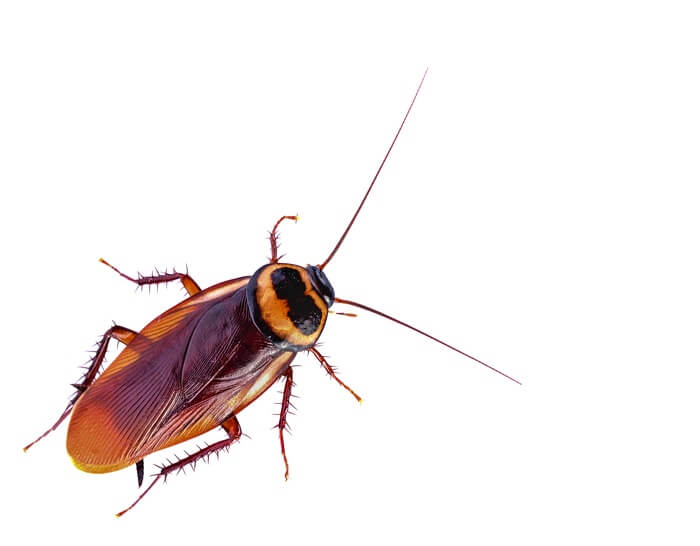
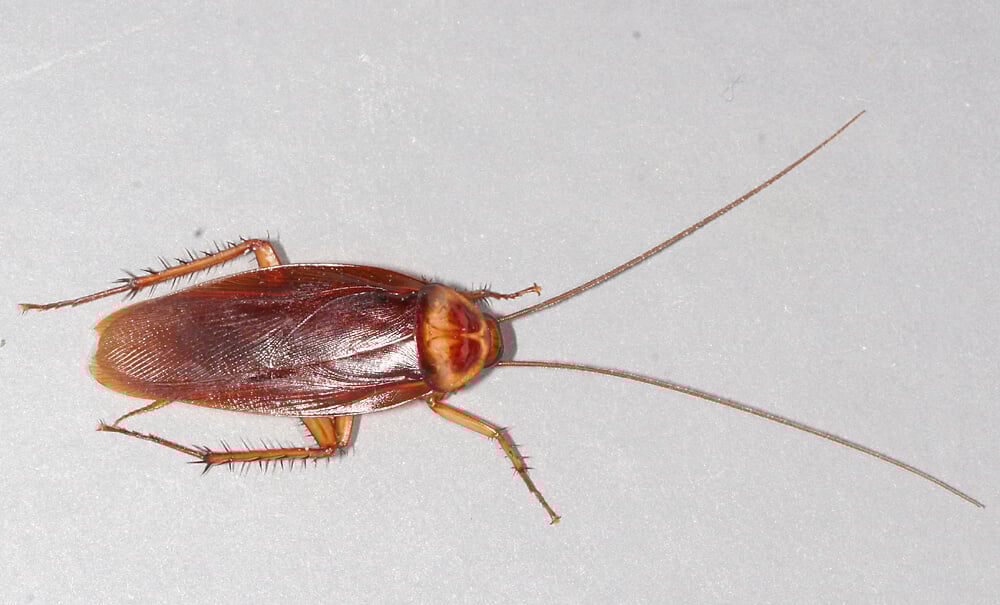
Fact: Only certain species such as the American cockroach can fly short distances when disturbed. Most common household roaches have wings but rarely use them.
Wing structure differences explain why you see them scurry instead of soar. The American cockroach glides more than flies, while German cockroaches almost never take to the air.
Actionable tip: Keep an eye on warm evenings near lights because that is when the flying few become active.
Myth 5 – Cockroaches Never Bite Humans
Fact: They do bite when food is scarce, and the cockroach bite is real though still rare.
Documented cases show bites on skin, especially around the mouth or fingers of sleeping people. The risk is low but the bacteria they carry makes any bite worth avoiding.
Actionable tip: Reduce food sources at night so they never get desperate enough to try.
Myth 6 – Roach Eggs Hatch Instantly
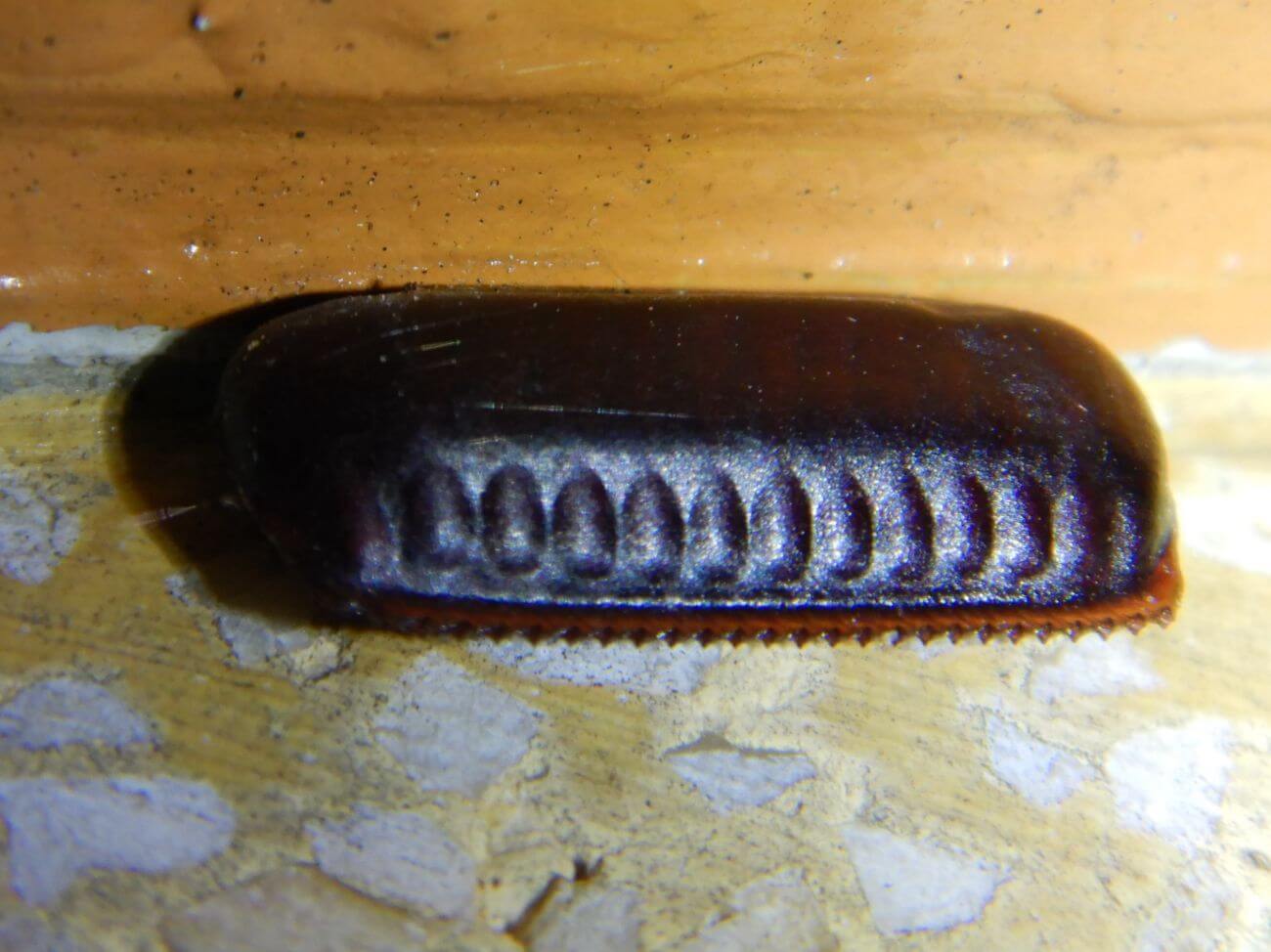
Fact: Roach eggs sit inside a protective case called an ootheca and take one to three months to hatch depending on species and temperature.
You do not see instant babies. The female drops the case and the nymphs emerge later fully formed. This slow timeline is why one missed roach eggs case can restart the whole cycle weeks later.
Actionable tip: Use gel baits that target both adults and the hidden roach eggs before they ever hatch.
Myth 7 – One Roach Means You Have an Infestation
Fact: One visible roach usually signals hundreds hidden because they are nocturnal and breed fast. Infestation signs include seeing them during daylight or noticing droppings that look like coffee grounds. A single sighting at night is a warning, not the whole story.
Actionable tip: Set sticky traps in dark corners tonight so you learn how many are really sharing your space.
Real Cockroach Facts That Will Change How You Handle Them
Understanding these roach facts shifts everything from panic to smart action. Here are eight science-backed truths that actually help.
- Cockroaches are disease carriers that spread salmonella, E. coli, and other bacteria on their feet and bodies.
- They run up to three miles per hour and flatten to squeeze through cracks as thin as a quarter.
- A single pair can create a cockroach infestation of thousands in months if left unchecked.
- They produce allergens that trigger asthma, especially in children.
- American cockroaches prefer damp basements while German cockroaches love kitchens.
- They detect movement with tiny hairs on their bodies and freeze when you turn on the light.
- Roach eggs stay viable even after the mother dies.
- They have existed for 300 million years and show no sign of slowing down.
| Common Myth | Actual Cockroach Fact |
| Only dirty homes get them | They live anywhere with food and water |
| They survive nuclear war | Resistant but still die at high radiation |
| They can live without a head | True for weeks but only the body survives |
| All of them fly | Only a few species glide short distances |
| They never bite | Rare bites happen when food is scarce |
| Eggs hatch instantly | Take 1–3 months inside protective cases |
| One roach equals infestation | Usually means hundreds more are hiding |
These roach facts give you the power to act instead of react.
How to Use These Cockroach Facts for Smart Pest Control
Turn knowledge into results with these straightforward steps.
- Identify infestation signs early by checking behind appliances and under sinks at night.
- Target roach eggs with gel baits that the adults carry back to hidden nests.
- Eliminate food and water sources so nothing invites them to stay.
- Seal cracks to stop cockroach survival in walls and floors.
- Use pest control products correctly and avoid myth-based sprays that only scatter them.
- Schedule professional treatment for stubborn German or American cockroaches.
- Monitor with sticky traps placed in high-traffic areas.
- Maintain cleanliness based on real cockroach facts, not old myths.
Proper follow-up after any treatment keeps the population from bouncing back.
When to Call a Professional for Cockroach Infestation

Sometimes DIY is not enough. If you see roaches during the day, notice a musty odor, or find droppings in multiple rooms, it is time to call a professional. Experts bring targeted products and follow-up visits that reach the hidden eggs, nymphs, and adults you cannot. They also spot entry points you might miss. For a serious cockroach infestation, professional help saves time and prevents the problem from spreading to neighbors.
Wrapping Up…
Cockroach myths have been around almost as long as the bugs themselves, but you no longer have to fall for them. With clear cockroach facts in hand you can face the next sighting without panic or wasted effort. Stop chasing ghosts and start using what actually works. Whether you spot one roach or signs of a larger issue, these insights put you in control. Your home stays cleaner, your family stays healthier, and those ancient survivors finally meet their match.