
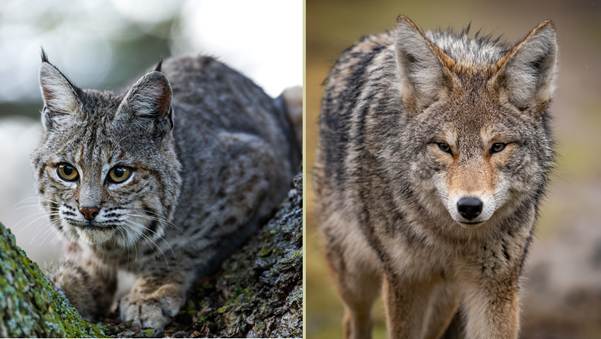
When you think about North America’s wild predators, coyotes and bobcats both sit near the top of the food chain. These carnivores share overlapping territories across diverse natural habitats, from desert scrubland to dense forests. This proximity heavily leads many wildlife enthusiasts to wonder. Do coyotes eat bobcats in the wild, or do they simply avoid each other?
The answer sits in a gray zone shaped by territory, food pressure, and survival instinct. These encounters are rare, yet they happen often enough to raise concern among wildlife observers. Keep scrolling and know, do coyotes eat bobcats, and if so, then in what circumstances.
Table of Contents
The Daily Lives of Coyotes and Bobcats in the Wild
What Coyotes Typically Eat
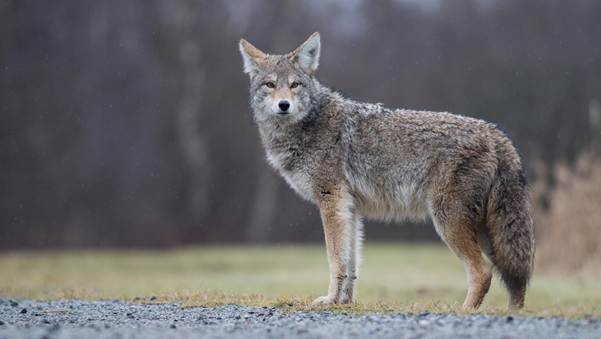
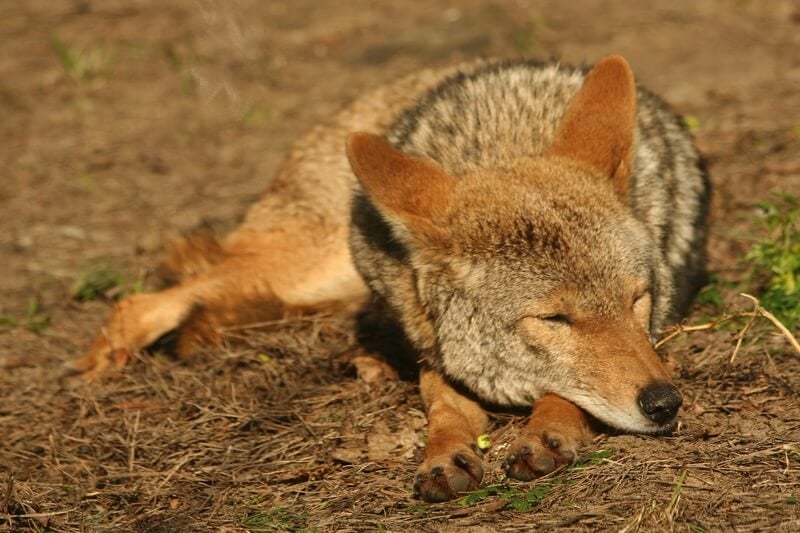
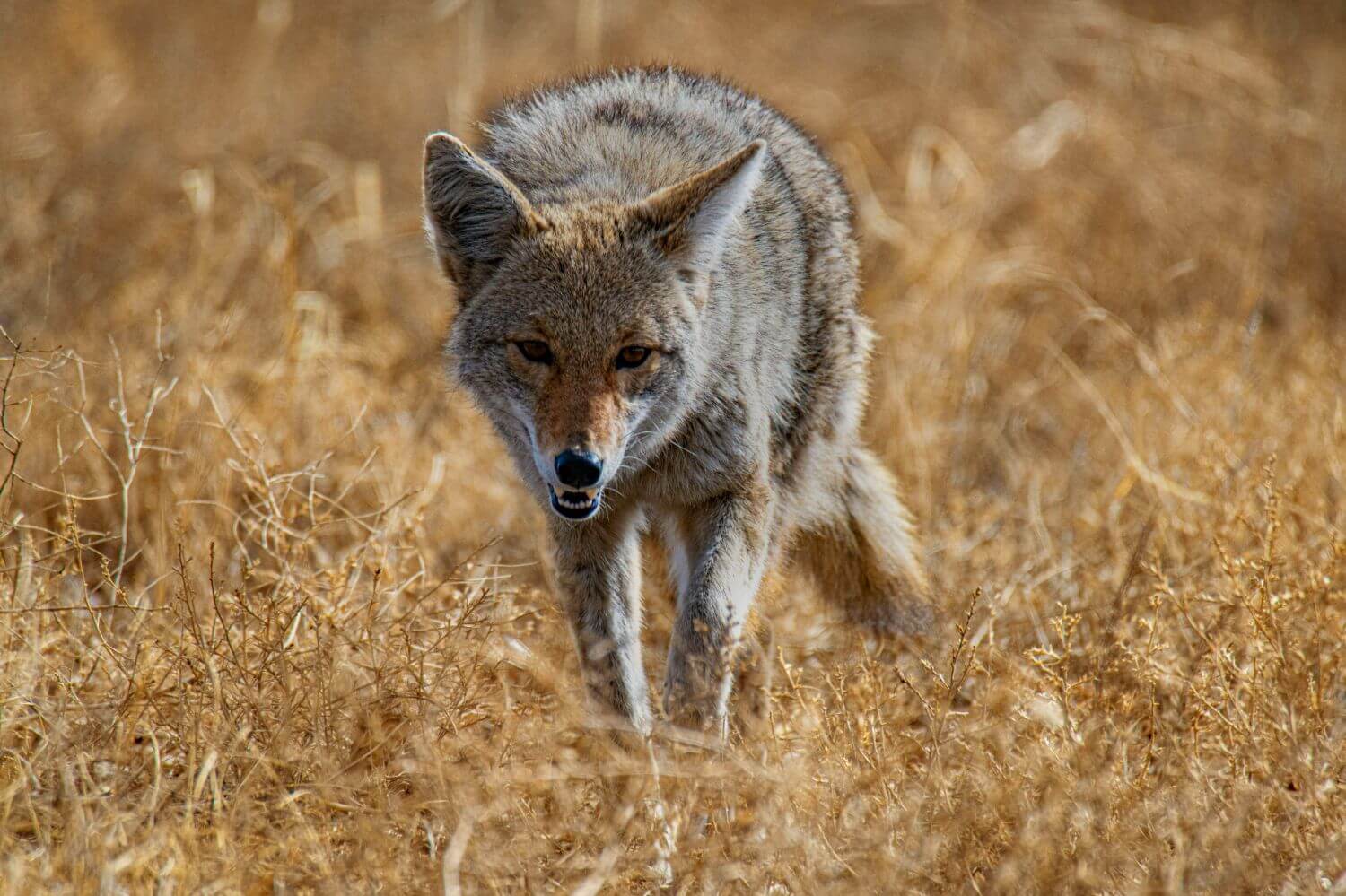
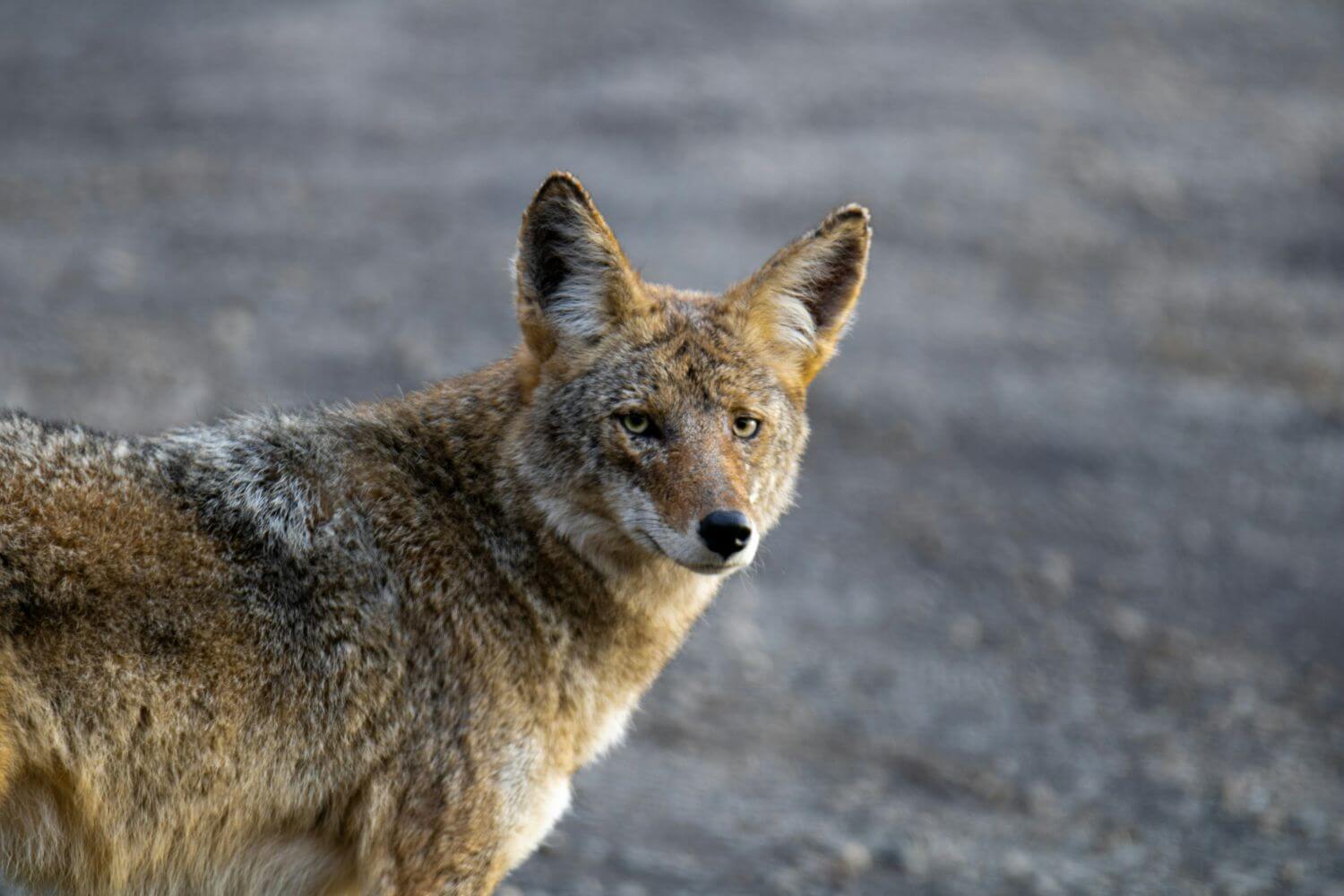
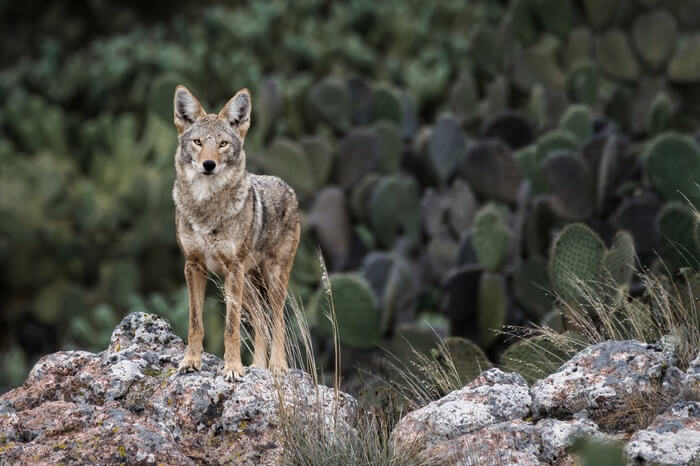
Coyotes are very adaptable creatures when it comes to their diet. They are opportunistic hunters who can eat nearly anything including insects, fruit, and rabbits.
During the winter and droughts, food will become scarce, including the food resources that coyotes normally stay away from. This lack of food will cause coyotes to be more aggressive hunters and cause them to scavenge food resources such as the road and even garbage cans.
What Bobcats Eat and How They Hunt
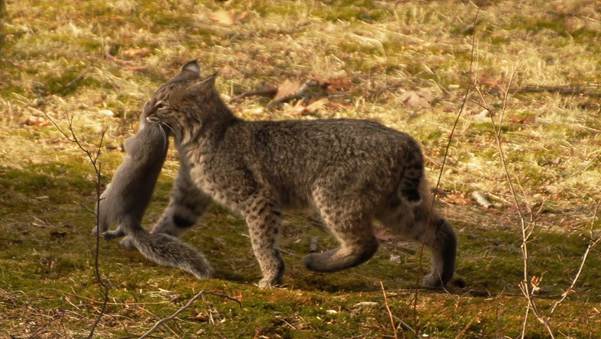
Bobcats take a stealthier route to survive and rely on the ambush tactic as well. Their aim is to slowly and quietly stalk prey, including birds and rabbits, deer, and then ambush with explosive power.
Hunting in a pack like the coyotes is not a tactic they use. They hunt alone, and this sometimes can create a risk and make the bobcats more vulnerable to coyotes. Their muscular build and powerful traits make them strong.
Do Coyotes Eat Bobcats? (Direct Answer)
Yes, coyotes do eat bobcats, particularly kittens and vulnerable individuals, and will kill adult bobcats to eliminate competition, though. Adult bobcats can sometimes kill coyotes in encounters, and this would often lead to coyotes killing the bobcat due to pack advantage or resource scarcity. Although adult bobcats are formidable, coyotes (especially in groups) often dominate them, and recorded instances of predation by coyotes exist, with bobcat hair found in coyote scat suggesting kills, though scavenging vs. hunting is sometimes unclear.
Coyotes vs Bobcats – Who Wins in a Fight?
One-on-One Encounters
In a solo battle, the outcome depends heavily on circumstances. A full-grown bobcat typically weighs between 15 and 30 pounds. On the contrary, coyotes quite range from 25 to 45 pounds. This size advantage favors coyotes, though. Bobcats compensate with superior when it comes to agility and weaponry.
Those retractable claws can inflict devastating damage quickly. Bobcats also possess a stronger bite force relative to their size. During a bobcat vs coyote fight, the cat’s defensive capabilities often convince the canine that pursuing easier prey makes more sense.
Pack Advantage of Coyotes
Everything changes when multiple coyotes coordinate an attack. Wildlife behavior studies show that coyote packs can systematically overwhelm even fierce opponents through coordinated harassment and strategic positioning.
Three or four coyotes working together create an impossible situation for a solitary bobcat. While the cat focuses on one attacker, others strike from behind or the sides. This numerical advantage explains why bobcat predators primarily include groups rather than individual coyotes.
Why Coyotes Kill Bobcats Without Eating Them
Territory means everything to both bobcats and coyotes. Both species do require substantial hunting grounds to survive, and overlap creates tension. When a coyote pack establishes dominance in an area, they view bobcats as competition that must be wiped out.
Animal conflict in these situations rarely revolves around hunger. Instead, coyotes kill bobcats to reduce competition for rabbits, rodents, and other shared prey. Removing a rival predator also improves their survival chances to a large extent.
This behavior reflects broader patterns in predator hierarchy. Dominant species often kill competitors without consuming them. This, in turn, gives them long-term resource control over immediate caloric gain.
Are Baby Bobcats at Risk From Coyotes?
Bobcat kittens face a significant threat from coyotes during their first few months. Mother bobcats hide their young in dens, rock crevices, or hollow logs. Still, the determined coyotes sometimes locate these nurseries.
A nest raid by coyotes can demolish a bobcat litter. The kittens lack defensive capabilities and make easy targets. Even protective mother bobcats struggle against multiple attackers determined to eliminate future competition.
Survival rates for young bobcats drop considerably in areas with high coyote populations. This predator pressure influences where adult bobcats choose to den and how often they relocate their vulnerable offspring.
Where Do Coyote and Bobcat Conflicts Happen Most?
Territory overlaps create the highest chances of encounters. These species are well adapted to the transitional zones of the edges of forests and grasslands or the edges of wilder and urbanized areas. These zones are prey rich ecosystems, providing the opportunities for predators to encounter each other.
Urban sprawl has increased the frequency of these encounters. With the loss of natural habitats, coyotes and bobcats get funneled into the remaining wild areas. Suburban areas with an abundance of rabbits and rodents also provide food for both predators, leading to encounters in areas that are developed more than might be expected.
Wildlife behavior changes due to human presence continues to modify the encounters between the two species. More frequent clashes between predators are caused by constructed sources of water, landscaping that attracts prey, and less hunting activity.
Do Bobcats Ever Kill Coyotes?
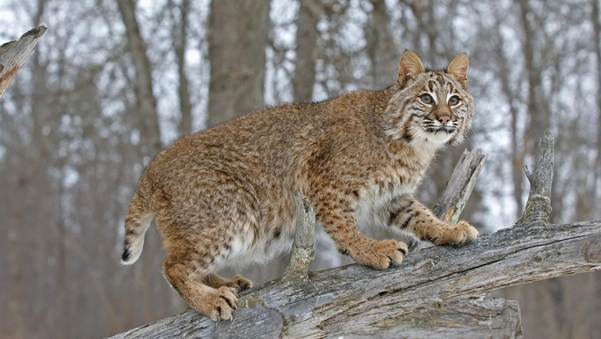
The reverse does happen, though less commonly. A cornered or defending bobcat could kill a coyote, particularly if the canine is pretty young, small, or overconfident. Bobcat’s formidable claws and teeth can inflict fatal injuries during desperate encounters.
Mother bobcats protecting kittens show exceptional ferocity, which cause adrenaline rush, and this sometimes could prove deadly for attacking coyotes.
Rare cases of dominant male bobcats killing coyotes also exist in wildlife records. These typically involve particularly large, experienced cats defending prime territories against solitary coyotes who made tactical errors.
Final Verdict – Do Coyotes Eat Bobcats or Just Compete With Them?
The dynamic between the two species revolves much more around competition rather than predation. Though the coyotes are known to consume bobcats at times, especially the weaker kittens, competition for the same preys makes up for the major part of the relationship between the two. Both continue to flourish in the vast expanse of North America in spite of their rivalry. Their coexistence, however tense, shows that nature often favors balance over outright dominance, even among the fiercest wild predators.
FAQ
Do coyotes eat bobcats?
Yes, it can happen, especially with kittens or vulnerable bobcats. Adult bobcats are less likely to be eaten, but conflicts do occur.
Do coyotes kill bobcats even if they do not eat them?
Yes. Coyotes may kill bobcats to reduce competition for prey and hunting territory, even when hunger is not the main motive.
Who wins in a bobcat vs coyote fight?
One on one can go either way, but coyotes often have a size advantage. In groups, coyotes usually dominate because of numbers and coordinated attacks.
Are bobcat kittens at high risk from coyotes?
Yes. Kittens are far more vulnerable, and den raids can happen if coyotes locate the hiding spot.
Do bobcats ever kill coyotes?
It can happen, usually in defensive situations like protecting kittens or when a solitary coyote makes a mistake and gets too close.
Where are coyote and bobcat conflicts most common?
Encounters are more likely where territories overlap, especially in edge habitats and areas where development pushes wildlife into smaller spaces.
Is bobcat hair in coyote scat proof of hunting?
It suggests contact, but it is not always clear whether the coyote hunted the bobcat or scavenged remains.
What is the main reason coyotes and bobcats clash?
Competition is the main driver, especially shared prey like rabbits and rodents, plus territory control.