
Ladybugs are some of the cutest insects around. With their bright red shells and black spots, they seem totally harmless. But if you’ve ever felt a little pinch while one crawled on your arm, you might be wondering if ladybugs bite.
While it’s possible, there’s a lot more to the story. Not all ladybugs are the same, and the ones most likely to nibble on you aren’t even true ladybugs at all.
Let’s break down everything you need to know about ladybug bites, what they look like, and how to deal with them.
Do Ladybugs Actually Bite People?
Yes, ladybugs can bite humans, but it really depends on the type you’re dealing with.
Native ladybugs rarely bite people. Their tiny mouths are built for chomping on soft insects like aphids, not human skin. If a native ladybug does try to bite you, it will feel more like a light tickle than anything else. They simply don’t have the strength to break through your skin.
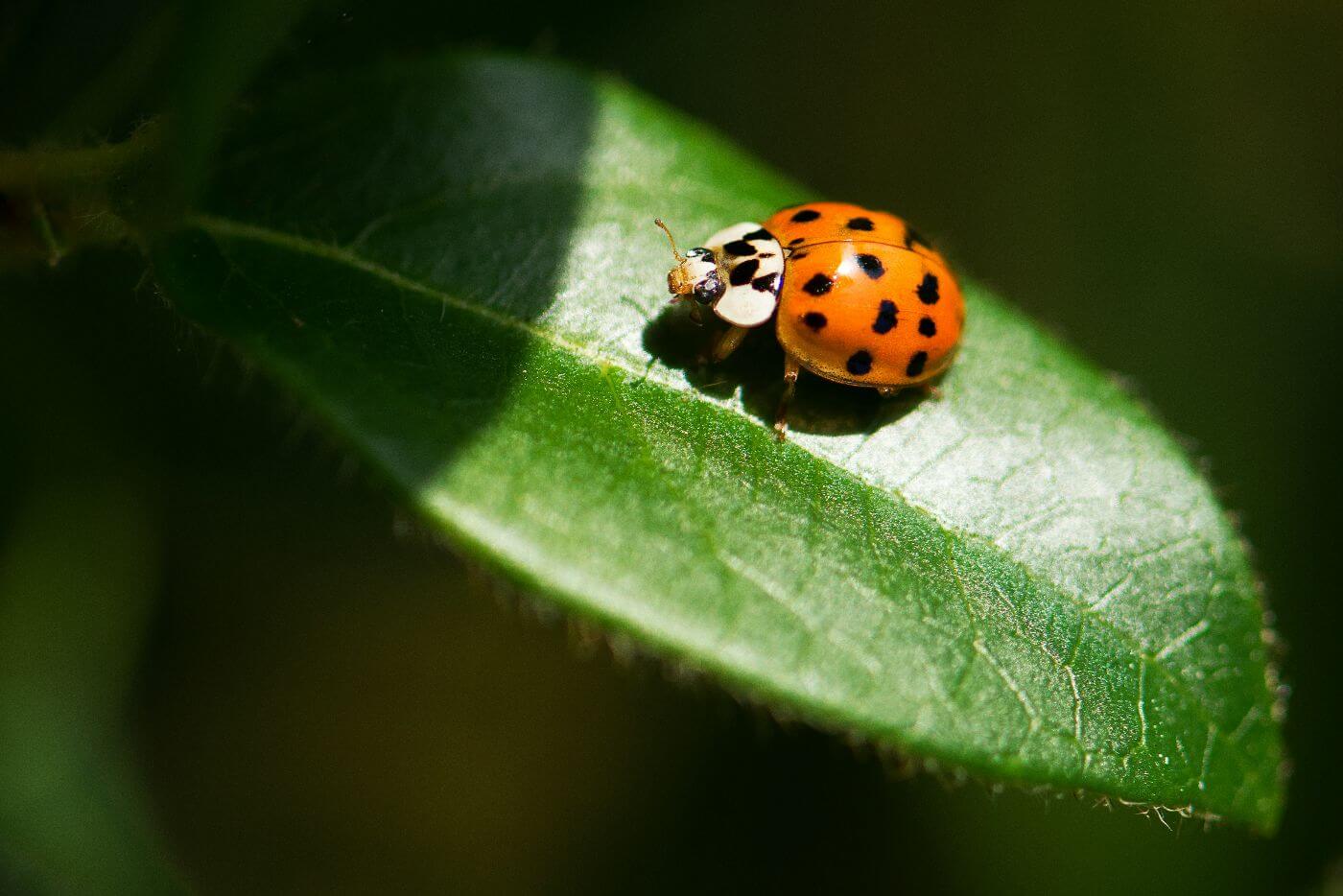
Asian lady beetles are a different story. These orange colored lookalikes are much more likely to bite. They’re bigger and more aggressive than native ladybugs. When ladybugs bite and it actually hurts, you’re probably dealing with an Asian lady beetle.
A study from 2004 found that about 26% of beetles tested actually bit the researcher. The study also found that female ladybugs were slightly more likely to bite than males. Interestingly, the beetles seemed to prefer biting areas without hair, like fingers and the inside of the wrist.
Why Do Ladybugs Bite?
Ladybugs don’t bite because they want to hurt you. They’re not aggressive insects looking for a fight. Instead, there are a few reasons why a ladybug might give you a little nip.
The most common reason is that they’re searching for moisture or salt on your skin. When the weather is hot and dry, ladybugs get thirsty just like any other creature. Your sweaty skin might seem like a good place to find a drink.
Ladybugs also bite when they feel threatened. If you pick one up or accidentally squeeze it, the bug might try to defend itself. It’s the same reaction you’d have if a giant grabbed you without warning.
Sometimes ladybugs simply mistake human skin for food. Their mouthparts are designed to test surfaces, and they might not realize right away that you’re not a tasty aphid.
When large numbers of ladybugs crowd together, they can become stressed. This happens a lot in fall when Asian lady beetles try to find warm places to spend the winter. Stressed bugs are more likely to bite.
Ladybugs vs. Asian Lady Beetles: Which Ones Actually Bite?
Here’s the thing that confuses a lot of people. The bugs invading homes and biting people usually aren’t true ladybugs at all. They’re Asian lady beetles, and knowing the difference can save you some trouble.
Native ladybugs are bright red with black spots. The most common type has seven spots on its back. These little guys are gentle and almost never bite people. They prefer to stay outdoors and won’t try to move into your house when it gets cold.
Asian lady beetles look similar but have some key differences. Their color ranges from pale yellow to orange to dark red. They can have anywhere from zero to nineteen spots, and those spots are often irregular.
The easiest way to tell them apart is to look at the area right behind the head. Asian lady beetles have a distinctive black marking that looks like the letter “M” or “W” on a white background. Native ladybugs don’t have this marking.
Asian lady beetles are also much more likely to show up inside your home. They gather in huge groups on sunny walls and windows in the fall, looking for a warm place to spend the winter. Once one finds a good spot, it releases a scent that attracts others. Before you know it, you could have hundreds of them.
These beetles bite more often, release a smelly yellow liquid when disturbed, and can leave stains on your walls and furniture. They’re definitely the troublemakers of the ladybug world.
What Does a Ladybug Bite Look Like?
If you’ve been bitten by a ladybug, you’ll probably notice a small bump on your skin. Ladybug bites typically look like many other insect bites, so it can be hard to tell what got you unless you saw it happen.
The bite usually appears as a small, raised bump that’s pink or red in color. It’s usually about the size of a mosquito bite, roughly 2 to 4 millimeters across. There might be some mild swelling around the area.
The bite often shows up within a few minutes of getting pinched. Most people describe the feeling as a tiny pinprick or a light pinch. It’s uncomfortable but not usually painful.
The good news is that these marks don’t stick around long. Most ladybug bites fade away within 24 to 48 hours without any treatment. Some people with sensitive skin might notice the bump lasts a bit longer, but it should still go away on its own.
If you see a bite mark but didn’t catch the culprit in action, think about where you were and what bugs you might have encountered. If you were near a window covered in orange beetles, there’s a good chance an Asian lady beetle was responsible.
Are Ladybug Bites Dangerous?
Here’s some reassuring news. Ladybug bites are not dangerous to most people.
Ladybugs don’t have venom like spiders or bees. They don’t inject any harmful substances when they bite. Their little mandibles simply pinch your skin, and that’s it.
These insects also don’t carry diseases that can spread to humans. Unlike mosquitoes or ticks, ladybugs won’t give you any illnesses. They don’t suck blood either, so there’s no risk of them passing anything from one person to another.
Most of the time, ladybugs can’t even break through human skin. Their mouthparts are designed for eating tiny, soft bodied insects. Human skin is just too tough for them to do any real damage.
There are no recorded deaths from ladybug bites. Even in the very rare cases where someone had a serious allergic reaction, the bite itself wasn’t life threatening.
So while getting bitten might be surprising and a little uncomfortable, you don’t need to panic. For the average person, a ladybug bite is nothing more than a minor annoyance.
Can You Be Allergic to Ladybug Bites?
While most people have no problems with ladybugs, some folks can be allergic to them. This is more common with Asian lady beetles than native ladybugs.
Ladybugs have proteins in their bodies that can trigger allergic reactions in sensitive people. These proteins are similar to ones found in German cockroaches, which are well known allergens.
Mild allergic reactions might include extra swelling around the bite, intense itching, or a rash that spreads beyond the bite area. Some people get hives on other parts of their body.
People who live in homes with large ladybug infestations sometimes develop respiratory symptoms. This can include itchy or watery eyes, sneezing, a runny nose, and even asthma attacks. The allergies come from breathing in particles from the bugs’ bodies and droppings.
In very rare cases, someone might have a severe allergic reaction called anaphylaxis. This is a medical emergency that can cause difficulty breathing, swelling of the throat, dizziness, and loss of consciousness. If this happens, call 911 immediately.
If you’ve had allergic reactions to ladybugs before, it’s a good idea to talk to an allergist. They can test you for the specific allergy and help you come up with a plan to manage it.
How to Treat a Ladybug Bite
Most ladybug bites don’t need any special treatment. But if you want to speed up healing or reduce discomfort, there are some simple things you can do.
Start by washing the bite area with soap and water. This cleans away any residue from the bug and helps prevent infection. It’s a good first step for any insect bite.
If the bite is swollen or sore, apply a cold compress to the area. You can use an ice pack wrapped in a cloth or even a bag of frozen vegetables. Keep it on for at least 10 minutes to help reduce swelling and numb any pain.
For itchy bites, over the counter antihistamine cream can provide relief. Look for products containing hydrocortisone or diphenhydramine. Apply a small amount directly to the bite as directed on the package.
If the cream isn’t enough, you can also take an oral antihistamine like Benadryl, Claritin, or Zyrtec. These medications help reduce itching and other mild allergic reactions from the inside out.
Some people prefer natural remedies. Aloe vera gel can soothe irritated skin, and a paste made from baking soda and water may help with itching. These are gentle options that work well for minor bites.
The most important thing is to avoid scratching the bite. Scratching can break the skin and lead to infection. If you’re having trouble leaving it alone, cover the bite with a bandage.
When to See a Doctor for a Ladybug Bite
Most ladybug bites heal just fine on their own. But there are some situations where you should get medical help.
Seek immediate emergency care if you have trouble breathing or swallowing. This could be a sign of a severe allergic reaction that needs treatment right away.
Swelling of the face, lips, tongue, or throat is another emergency warning sign. This type of swelling can block your airway and become life threatening quickly.
Watch out for hives or a rash that spreads to other parts of your body. If you notice itchy welts popping up far from the original bite, your body might be having a widespread allergic reaction.
You should also see a doctor if the bite shows signs of infection. Look for increasing redness that spreads outward, warmth around the bite, pus or discharge, or a fever. These symptoms mean bacteria may have gotten into the wound.
If your symptoms don’t improve after a few days, or if they keep getting worse despite home treatment, it’s worth checking in with a healthcare provider. They can make sure nothing more serious is going on.
Dizziness, a rapid pulse, or feeling lightheaded after a bite are also reasons to get help right away. These could be signs of a severe reaction that needs medical attention.
How to Prevent Ladybug Bites
The best way to avoid ladybug bites is to limit your contact with these insects, especially Asian lady beetles.
Try not to handle ladybugs with your bare hands. If you need to move one, gently brush it onto a piece of paper or cardboard instead of picking it up. This keeps your skin away from those tiny mandibles.
Don’t provoke or disturb ladybugs that are resting. When they feel threatened, they’re much more likely to bite. Let sleeping bugs lie, as they say.
If you’re gardening or working in an area with lots of ladybugs, consider wearing gloves. This gives you a layer of protection if any bugs decide to get nippy.
When a ladybug lands on you, resist the urge to swat at it. A gentle brush or blow of air will encourage it to fly away without triggering its defense instincts.
Be extra careful during fall months. This is when Asian lady beetles are most active and looking for warm places to hibernate. They’re more likely to be around your home and more likely to bite when crowded together.
Keeping ladybug populations under control inside your home is another key step. The fewer bugs around, the lower your chances of getting bitten.
How to Keep Ladybugs Out of Your Home
If you’re tired of Asian lady beetles invading your space, prevention is the name of the game. A few simple steps can make your home much less appealing to these pests.
Start by sealing up any cracks or gaps in your home’s exterior. Pay special attention to areas around windows and doors. Use caulk to fill small cracks and expanding foam for larger openings. Remember, if you can fit a pen tip into a crack, a beetle can squeeze through.
Check your window screens for holes or tears. Even small damage can let bugs inside. Replace or repair any screens that aren’t in good shape.
Install door sweeps on exterior doors to close the gap at the bottom. Weather stripping around doors and windows also helps keep bugs out while saving energy.
Don’t forget about less obvious entry points. Ladybugs can sneak in through openings around pipes, wires, vents, and utility lines. Seal these areas with caulk or mesh.
Planting certain flowers can help keep ladybugs away from your home. Mums and lavender are natural repellents that these bugs don’t like. Put them in pots near doorways or plant them around your home’s foundation.
Citrus scents also repel ladybugs. You can spray diluted citrus oil or citronella around windows and doors. Reapply after rain or every few weeks to keep the scent strong.
Asian lady beetles are attracted to light, especially on warm fall afternoons. Turning off outdoor lights at night can reduce how many gather on your home.
If you have window air conditioners, remove them when the weather cools down. The gaps around these units are perfect entry points for bugs looking for winter shelter.
Are Ladybugs Poisonous?
You might have heard that ladybugs are poisonous, and there’s a bit of truth to this. But don’t worry, they’re not poisonous to humans.
Ladybugs do produce toxic substances in their bodies. These toxins are meant to protect them from predators like birds and lizards. When a predator tries to eat a ladybug, the bitter taste and mild poison make them think twice about doing it again.
This is actually why ladybugs have such bright colors. In nature, vivid red and orange patterns often signal danger. It’s the bug’s way of saying “don’t eat me, I taste terrible.”
When ladybugs feel threatened, they release a yellowish fluid from their leg joints. This is called reflex bleeding, and the fluid is actually their blood. It smells bad and can leave stains on surfaces. If you get it on your hands and then touch your eyes, it can cause irritation.
For humans, these toxins aren’t harmful in normal situations. You’d have to eat a huge number of ladybugs to feel any effects, and even then, the worst you’d experience is an upset stomach and a terrible taste in your mouth.
Pets are a bit more vulnerable. If a dog or cat eats a bunch of ladybugs, especially Asian lady beetles, they might experience drooling, vomiting, or mouth irritation. The bugs can even cause chemical burns inside a pet’s mouth in extreme cases. If your pet shows signs of distress after eating ladybugs, contact your vet.
Orange ladybugs, which are usually Asian lady beetles, tend to have higher toxin levels than bright red native ladybugs. They’re also more likely to release that smelly yellow fluid when handled.
So while ladybugs aren’t dangerous to people, it’s still a good idea to wash your hands after touching them. And definitely keep an eye on curious pets who might try to snack on these colorful beetles.