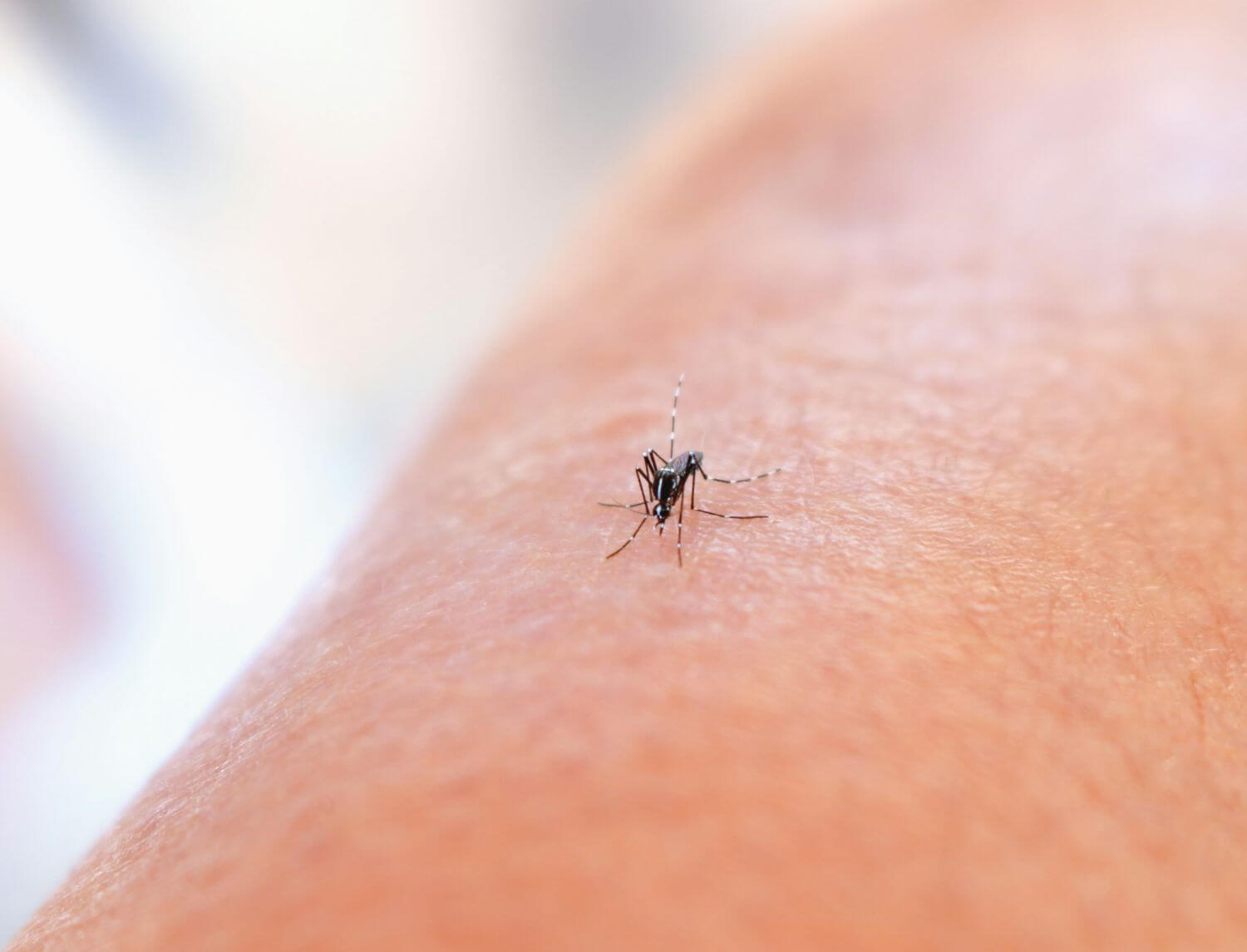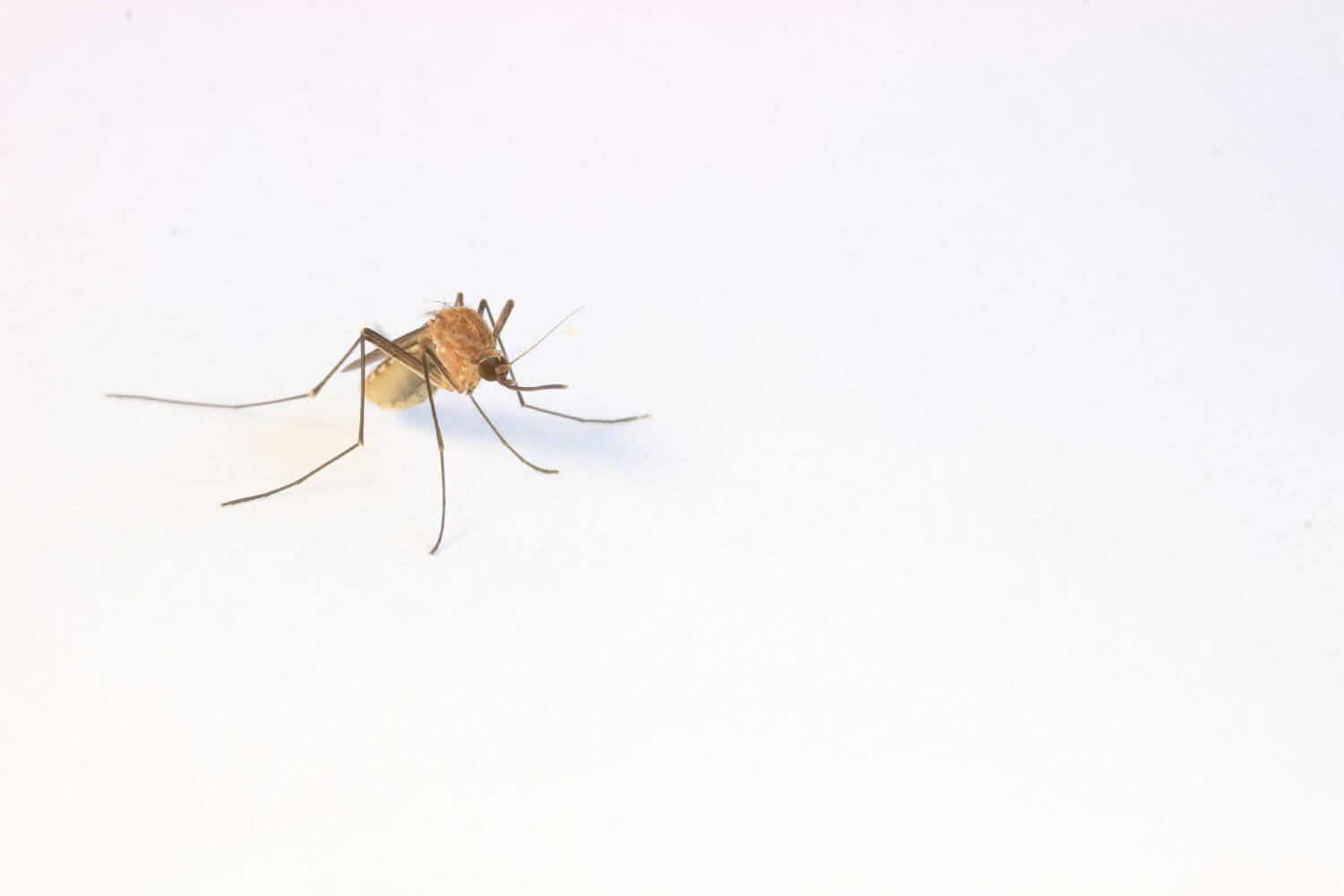

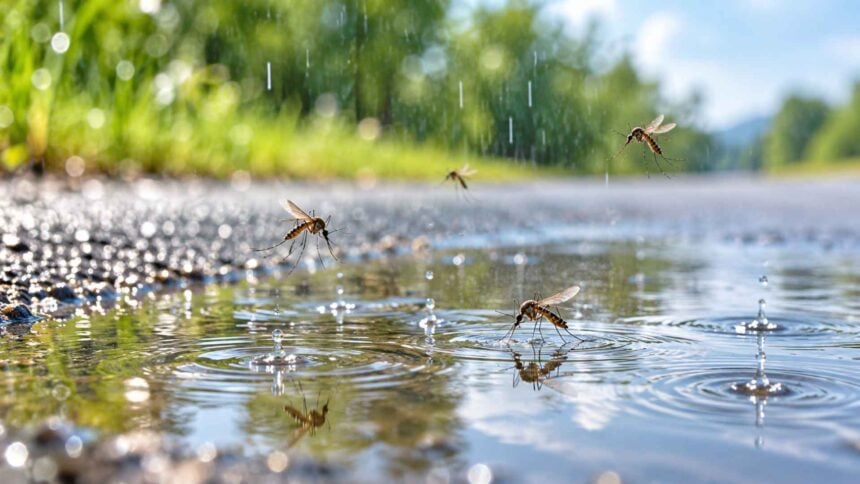
Rain does not send every mosquito into hiding. Light rain could barely change what they are doing, and some adult mosquitoes can still fly, land, and bite while drops are falling, though. Unlike light rain, a heavy downpour forces them to take shelter, and they most likely stay under shrubs, leaves, roofs, porches, and other sheltered spots.
Rainwater collects in buckets, plant saucers, clogged gutters, toys, tarps, low lawn spots, and dozens of other places around a home gives mosquitoes a chance to lay eggs and larvae to develop. Turns out, you see more mosquitoes after rain, especially a week after, when their nymphs hatch.
Keep scrolling to figure out everything about mosquitoes in rain, how long after rain they start showing up, and what you can do to keep them out of your home.
Table of Contents
Key Takeaways
- Light rain does not completely stop mosquitoes from flying or biting.
- Heavy downpours usually push adults into sheltered vegetation and covered areas.
- Fresh standing water creates the perfect breeding ground for mosquito eggs and larvae.
- Yard cleanup after storms can cut future mosquito numbers considerably.
Can Mosquitoes Fly in the Rain?
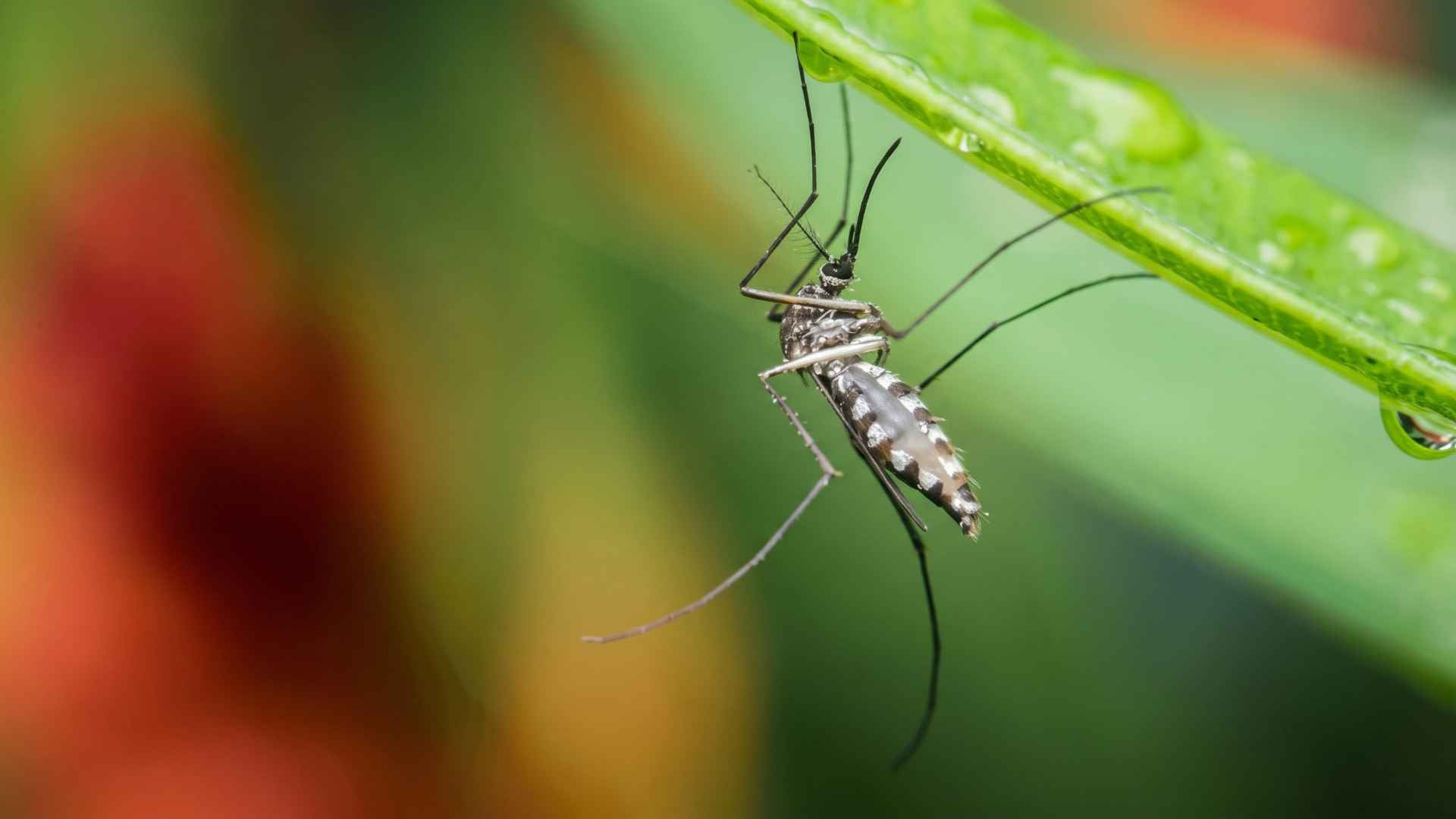
If you have ever wondered, do mosquitoes fly in the rain? Light showers are usually not enough to ground them completely.
A single raindrop can weigh up to 50 times more than a mosquito. However, because the mosquito has such a tiny mass (about 2 mg), the raindrop barely slows down upon impact. It loses less than 10% of its speed.
Research on mosquito flight has shown that a falling drop can strike a mosquito and carry it downward for a short distance. The insect absorbs relatively little force because it moves with the drop, then separates and regains flight. Turns out, mosquitoes in rain are not as helpless as they look.
Where Do Mosquitoes Go During Heavy Rain?
Heavy Rain brings larger drops, stronger air movement, and far less stable flight conditions mosquitoes need to keep flying. In this scenario, mosquitoes usually look for cover until the worst part passes.
Common shelters include:
- beneath broad leaves
- inside thick shrubs
- under decks and porches
- beneath roof eaves
- inside sheds
- under outdoor furniture
- deep within tall grass
- around protected fence lines
Mosquitoes are small enough to tuck into spaces where rain and wind barely reach.That is also why a yard can seem almost mosquito free during a downpour, then suddenly feel active again shortly after it stops. In reality, the insects did not all disappear. They were just waiting nearby already. You may still spot a few mosquitoes in rain, especially around covered patios or dense vegetation where the weather is less intense.
Why Are Mosquitoes Worse After Rain?
People often search why are mosquitoes worse after rain because the yard can feel dramatically different several days after a wet spell. The clear and short answer we can give you is reproduction.
Many mosquito species need water during their immature stages. Eggs hatch into larvae, larvae develop into pupae, and adults eventually emerge from the water. Rain can fill containers that were completely dry a day earlier.
It, in turn, creates new Breeding Sites in places you would rarely think about. A bottle cap, clogged gutter, folded tarp, wheelbarrow, tire, or flowerpot saucer may hold enough water for certain mosquitoes.
The phrase standing water mosquitoes sounds basic, though that connection is one of the most useful things to know. Water does not have to look like a pond.
Some species of mosquito eggs can remain inactive for long periods of time even without moisture until water comes in. Hence, one of the reasons why mosquitoes breed fast after the rain is obvious.
Fresh water around the property can turn a short storm into a mosquito problem that lasts far longer than the rain itself.
How Long After Rain Do Mosquitoes Start Showing Up?
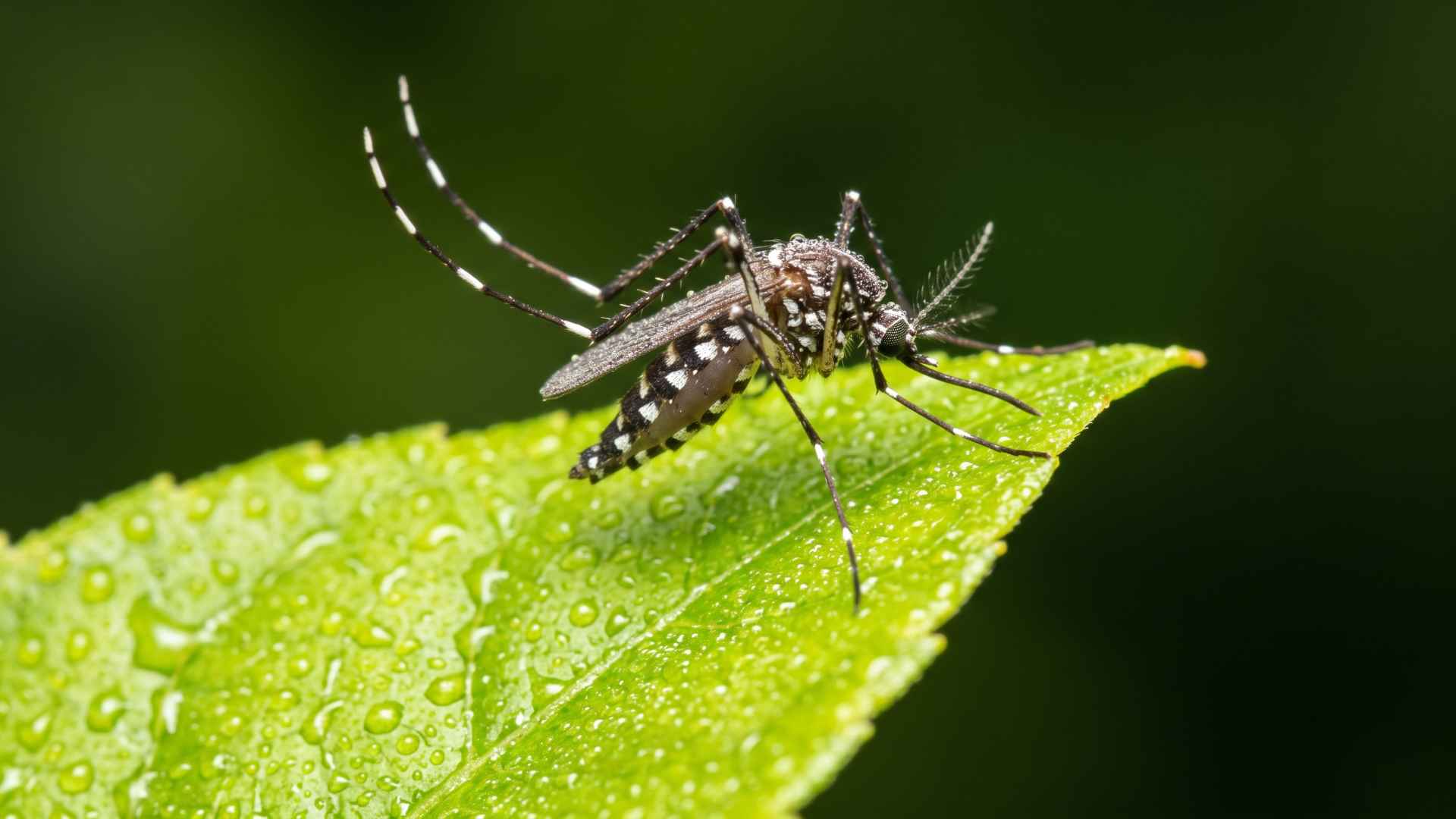
The increase in the number of mosquitoes you see after rain is rarely immediate. Adult mosquitoes you see an hour after a storm were already there. The new generation needs time to move through the egg, larval, and pupal stages first.
For Aedes mosquitoes, the CDC notes that development from egg to adult can take about 7 to 10 days under suitable conditions. They lay their eggs just above the water line in containers (like old tires, birdbaths, or flower pots). The eggs are incredibly resilient and can survive drying out for months. When rain finally fills the container and floods the eggs, they hatch almost immediately.
Around a week is a reasonable window for some species in warm conditions, though temperature, species, water quality, and food availability can stretch or shorten that period. Mosquitoes after rain therefore may seem far worse the following weekend than they did the morning after the storm.
Can Mosquitoes Bite You Right After Rain?
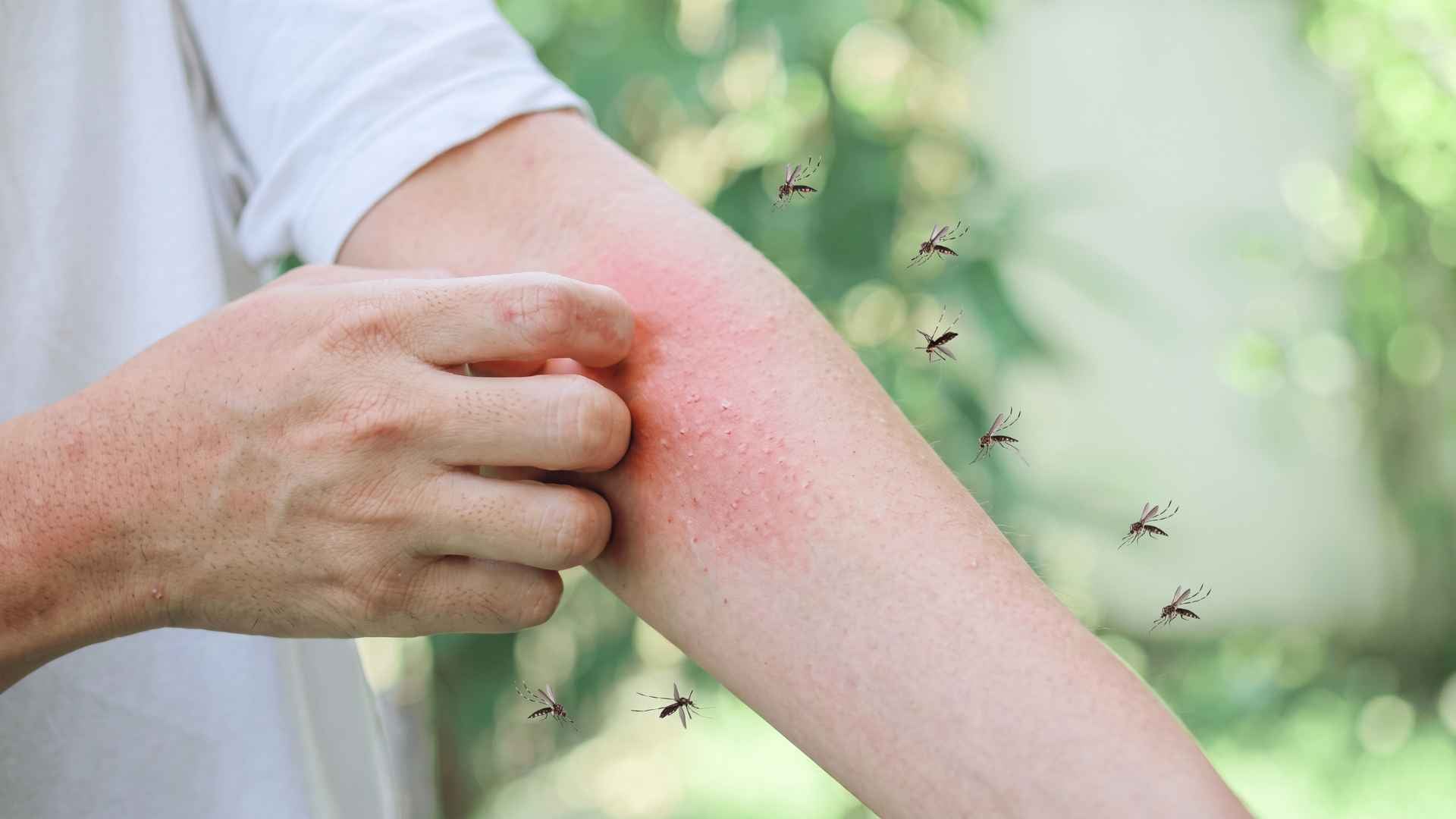
Yes, they do, especially after a period of rainfall. Although light showers keep mosquitoes in rain away, a heavy shower simply puts the majority of them on the ground for a short while.
When rain tapers off, hungry females leave cover and move toward warm hosts. Humid air also helps them detect the carbon dioxide people exhale.
Mosquito activity typically rises around dusk and dawn, and an evening storm that clears near sunset creates an ideal window.
How to Prevent Mosquitoes After Rain
If you want to Get rid of mosquitoes after rain, the first day after the storm is genuinely valuable. You need to take action that day so mosquitoes swarm after a week can not hit you and so are their bites.
1. Dump Standing Water First
- Inspect the property: Walk the full yard once the rain stops. Check ground level first, then ledges, shelves, and corners at eye level.
- Tip out buckets, plant saucers, and wheelbarrows: Turn them over or store them under cover so they stay dry.
- Shake out tarps and grill covers: Folds and creases hold pockets of standing water that often go unnoticed.
- Fill or rake out low spots in the lawn: Top dips with soil or sand, and rake soggy patches so water spreads and drains.
- Check small containers: Bottle caps, toys, and flowerpot trays can serve as breeding sites. Aedes aegypti can breed in roughly a teaspoon of water.
2. Clear Gutters and Downspout Drainage Areas
Gutters are easy to forget because the water sits above eye level. Leaves, roof debris, and sediment can slow drainage enough to leave small pools behind. A gutter does not have to be completely clogged to hold water.
Walk around the house after a storm and check downspouts. Water should leave the gutter and move away from the foundation.
Clean out debris where needed, then check areas beneath the downspout. If water keeps pooling there, extend the drainage path or correct the low area.
You should literally take it seriously, especially during long stretches of Wet Weather. One storm may refill the same gutter every few days, so mosquitoes can keep getting new habitat even if you cleaned the yard once.
3. Refresh Birdbaths and Pet Water Bowls
While you can’t just throw away these permanent things, they need to be maintained on a regular basis to keep the local mosquitoes population under control. Stagnant water left alone can be enough for newly hatched larvae to survive after just 4 days of being undisturbed.
Empty your bird baths completely at least twice a week, using a stiff brush to remove any microscopic eggs stuck to the concrete walls before refilling it with clean water. The same goes for outdoor pet bowls, livestock troughs, and fountain basins.
4. Secure and Cover Your Rain Barrels
Collecting natural rainwater for your garden can be an outstanding way to go green, though an open storage barrel could easily attract mosquitoes around your yard. And you know a single mosquito female can deposit hundreds of eggs onto the water surface and could turn an eco-friendly conservation barrel into a massive insect factory.
What you can do to keep mosquitoes out of your rain barrels after rain is to purchase a specialized, fine-mesh mosquito screen and strap it tightly over the top opening of your collection barrels. Make sure the seal is completely airtight with no gaps around the edges.
5. Drop Mosquito Dunks Into Permanent Pools
We know some water cannot simply be dumped, like decorative ponds, drainage areas, rain barrels, and other permanent water sources. In that scenario, it’d be better to use mosquito dunks.

They commonly contain Bti, short for Bacillus thuringiensis israelensis. Bti targets mosquito larvae while they are still in water. Use the amount listed on the package for the size of the water source. Replace it according to the label.
Do not toss dunks into every wet spot in the yard. Temporary water that can be dumped should usually be dumped.
This approach cuts the next generation before the mosquitoes become adults. It also helps reduce mosquitoes after rain in yards where one or two permanent water sources cannot be drained.
Frequently Asked Questions (FAQs)
Do Mosquitoes Come Out During Light Rain?
Mosquitoes come out in rain if the storm is limited to a gentle, misting drizzle. Light showers do not produce enough physical force or wind to disrupt their flight mechanics or alter their navigation paths. The mosquito can easily slip between the falling drops, continuing to track hosts and hunt for blood meals without any issues.
Does Heavy Rain Kill Mosquitoes?
Some mosquitoes may die during severe weather, though. A storm does not wipe out the local population. Many adults take shelter under leaves, shrubs, eaves, decks, and similar protected places. Heavy runoff can also wash larvae out of certain habitats, yet the same storm may create many new water pockets nearby.
How Long Can Water Sit Before Mosquitoes Breed?
Female mosquito locate and exploit fresh standing water pools within twenty-four to forty-eight hours after a storm clears. Once the eggs are deposited on the surface, the entire transition from larvae to biting adult takes roughly seven to ten days in warm summer weather.
Wrapping Up…
Rain impacts mosquitoes in two separate ways, light showers have little effect, and mosquitoes appear in the rain usually because the weather has cleared up. Heavy storms drive them under leaves, shrubs, and eaves. The true increase comes a week later, when the eggs hatch out of any water the property has retained. By interrupting that cycle you reduce bites sharply. Inspect the yard within a day, clear gutters, refresh water bowls, cover barrels, and treat permanent pools. A consistent routine will kill off mosquitoes after rain before they become a problem.