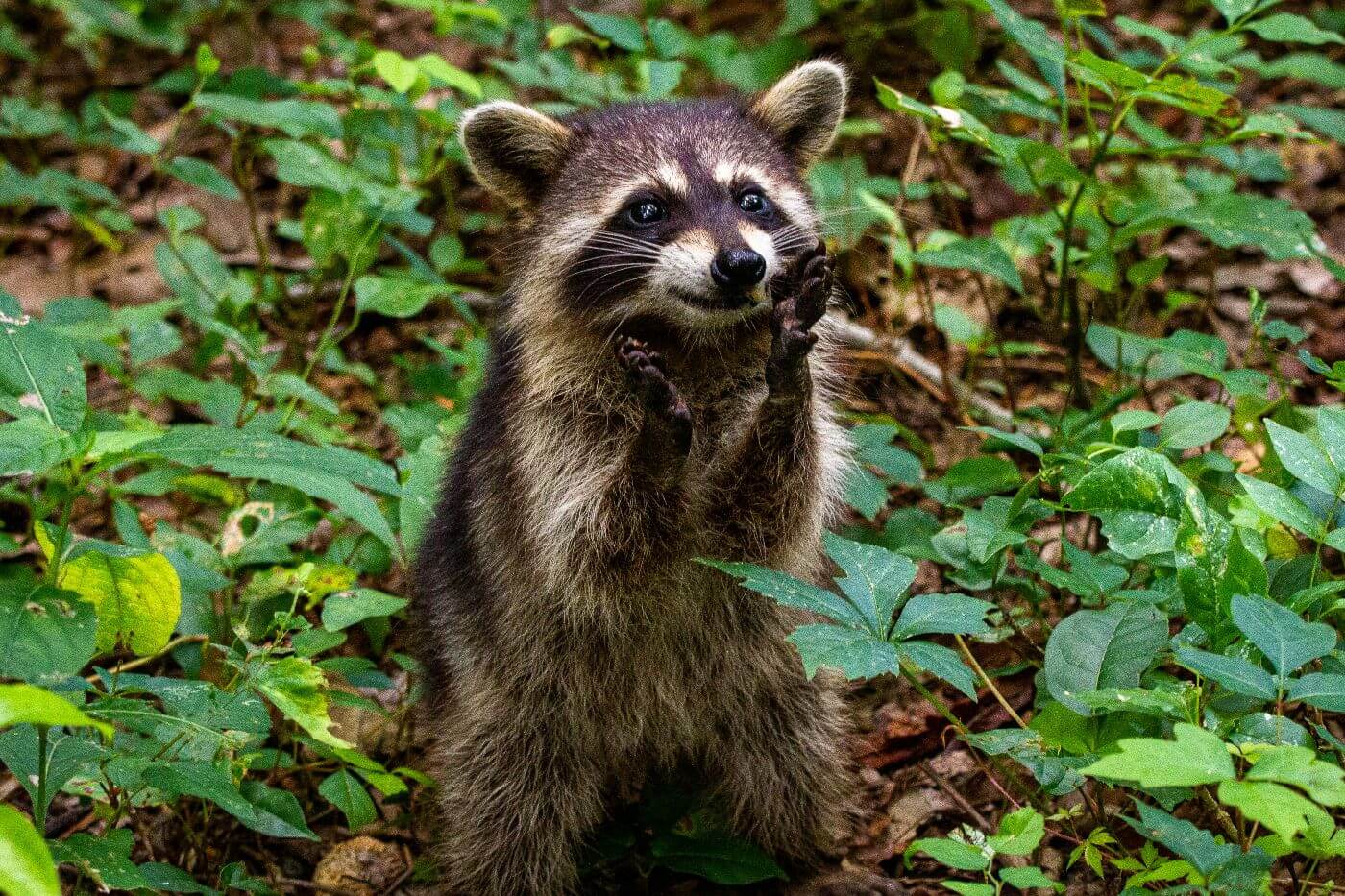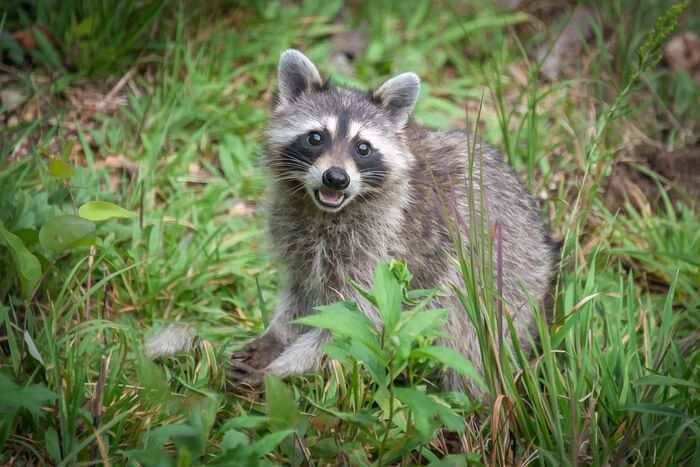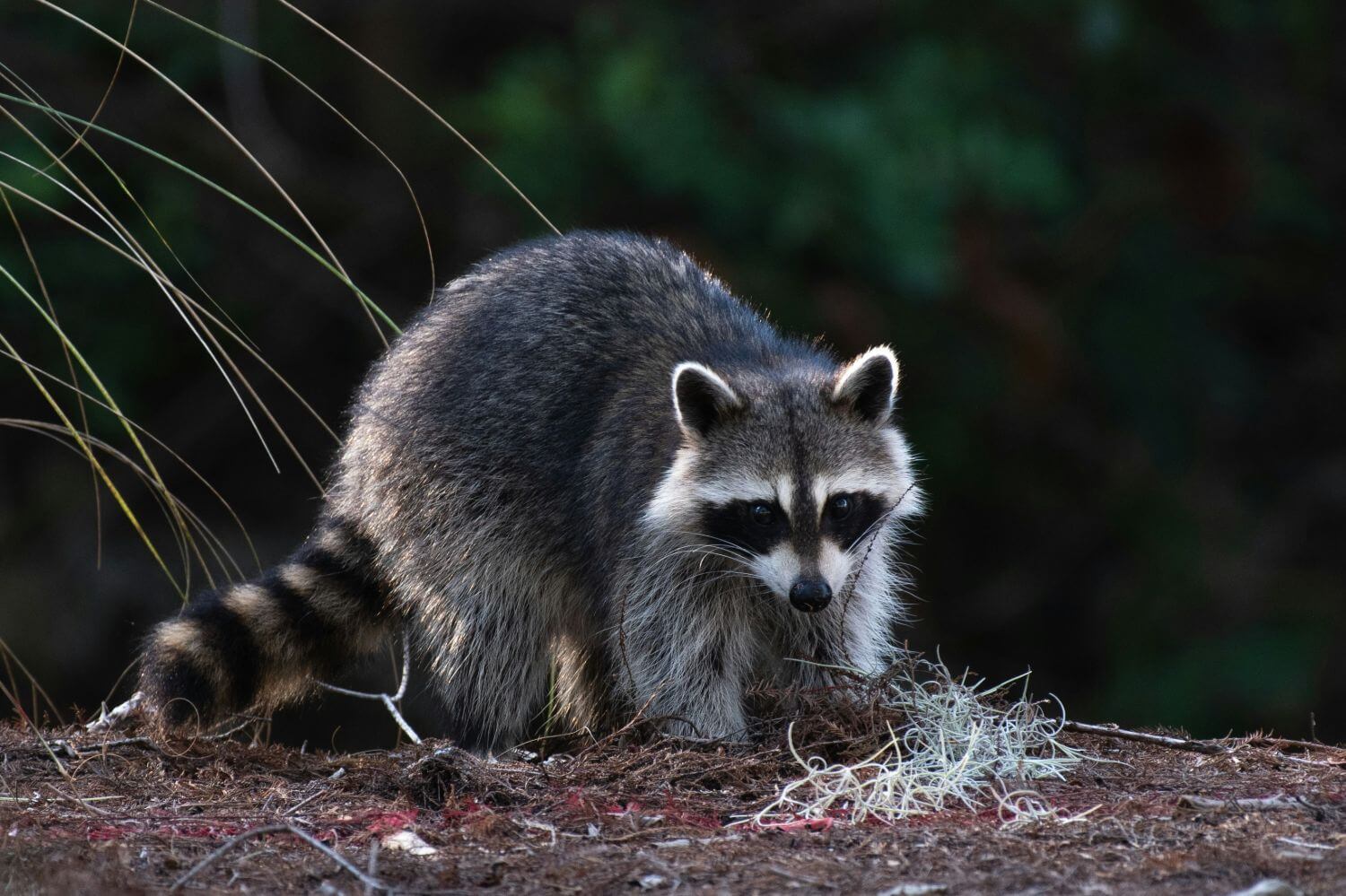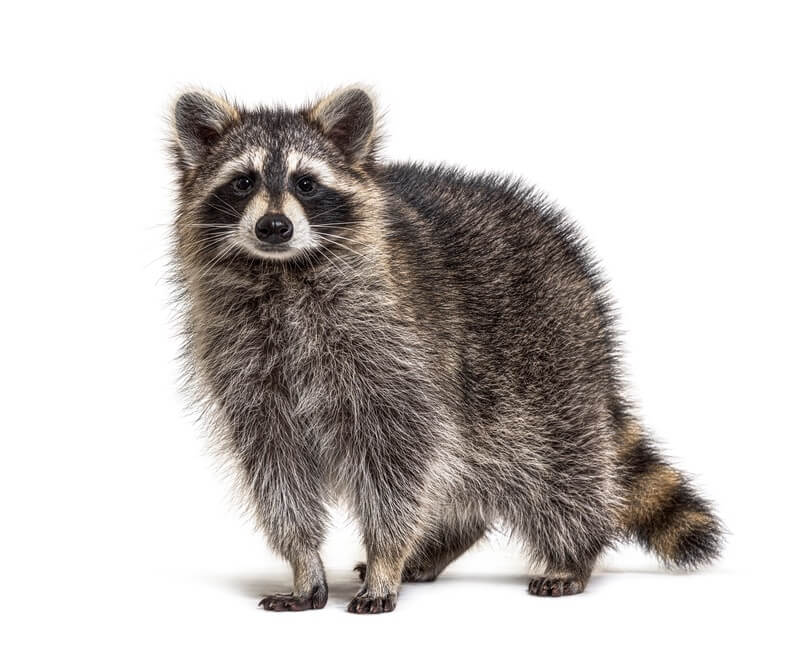

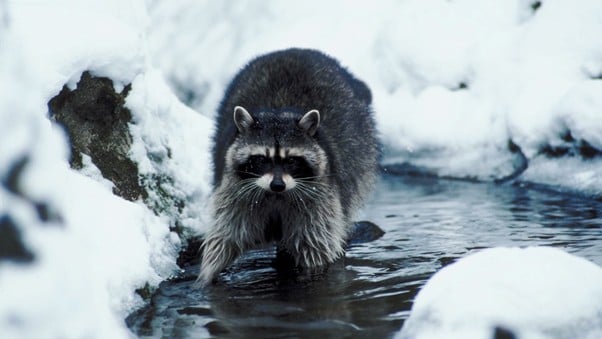
You’ve probably noticed that raccoons seem to vanish when the temperature drops and snow starts falling. Those masked bandits who regularly raid your garbage cans in summer suddenly disappear, and you might assume they’re tucked away somewhere in deep hibernation like bears.
This common belief makes sense on the surface because raccoons do become much less visible during cold months. However, the reality of what raccoons do in winter is more nuanced and actually quite fascinating.
The truth is that raccoons hibernate in the winter is a misconception that needs clearing up. These resourceful animals have developed different strategies for surviving harsh weather, and understanding their actual winter behavior helps explain those mysterious disappearances and occasional sightings during the coldest months.
Table of Contents
Do Raccoons Hibernate?
The straightforward answer is no, raccoons do not hibernate in the true biological sense of the word. True hibernation involves a dramatic drop in body temperature, heart rate, and metabolic function that lasts for months at a time.
Bears, ground squirrels, and bats are genuine hibernators who enter a deep sleep state that’s difficult to interrupt. Raccoons never reach this level of dormancy. Their body temperature stays relatively normal throughout winter, and they can wake up and become active within minutes if conditions warrant it.
The confusion about whether raccoons hibernate in the winter stems from their dramatically reduced activity during cold spells. When you don’t see raccoons for weeks at a time during January and February, they’re not hibernating but rather staying holed up in their dens waiting for better weather. This behavior looks like hibernation from the outside, which is why the myth persists.
What Is Torpor and How Does It Apply to Raccoons?
Torpor represents a middle ground between normal activity and true hibernation. During torpor, an animal’s metabolic rate drops and body temperature decreases slightly, but not to the extreme levels seen in hibernators.
Raccoons enter torpor during particularly harsh weather when temperatures plummet and food become scarce. A raccoon in torpor might sleep for several days or even a couple of weeks during the worst winter weather.
Their breathing slows down and they burn through their fat reserves more slowly than they would if maintaining normal body functions. The key difference is that raccoons can snap out of torpor quickly when temperatures rise or when they need to find food.
What Do Raccoons Do During the Winter?
- Reduced Activity Levels: Winter transforms raccoons from their usual busy selves into much more sedentary creatures. They spend the majority of their time curled up in dens, sometimes sleeping for days on end when the weather turns brutal.
- Denning Behavior: Raccoons show remarkable flexibility in their choice of winter dens. They prefer elevated locations that stay dry and offer protection from wind, which is why tree cavities rank as their favorite natural option. In urban and suburban areas, attics, chimneys, and spaces under porches become prime real estate for winter denning.
- Feeding and Fat Storage: The preparation for winter actually begins in late summer and early autumn. Raccoons go into overdrive with their eating during these months, consuming everything they can find to build up substantial fat reserves. They can gain up to fifty percent of their body weight during this pre-winter feeding frenzy. This stored fat becomes their primary fuel source during winter when food is harder to find and they’re spending most of their time denning.
Where Do Raccoons Go in Winter?
Urban raccoons often have an easier time finding suitable winter quarters than their rural cousins. Cities offer abundant artificial den sites in the form of attics, crawl spaces, abandoned buildings, and storm drains.
Rural raccoons rely more heavily on hollow trees, rock crevices, and underground burrows. They’ll also take over abandoned dens from other animals like groundhogs or foxes. The proximity to human habitation often determines how much contact people have with denning raccoons.
You might discover a family of raccoons has been living in your attic all winter, or you might spot tracks in the snow leading to a den in a nearby wooded area but never actually see the animals themselves.
Baby Raccoons and Winter Survival
Most raccoon babies are born in spring, typically between March and May, which means they avoid the most vulnerable newborn stage during winter’s worst weather. However, mothers who are pregnant during winter face extra challenges because they’re supporting growing fetuses while dealing with limited food availability.
Young raccoons born in the previous spring experience their first winter at around six to nine months old. They’re usually still with their mother at this point, which improves their survival odds considerably.
She provides them with a safe den, shares body heat, and teaches them where to find food during winter foraging trips. Harsh winters can be deadly for young raccoons who are underweight or separated from their family groups. Late born kits who haven’t had enough time to build up fat reserves face particularly long odds when severe weather hits.
Wapping Up…
Understanding that raccoons don’t truly hibernate helps us appreciate their remarkable adaptability. These clever animals use a combination of torpor, denning behavior, fat storage, and strategic activity to survive even the harshest winters. They’re not sleeping away the season but rather making calculated decisions about when to conserve energy and when to venture out for food. The next time you wonder whether raccoons hibernate in the winter, remember that they’re more likely to be awake in their dens just waiting for conditions to improve. Respecting their winter survival strategies means securing garbage cans, avoiding deliberate feeding, and appreciating their resilience from a distance. Raccoons have been handling winter successfully for thousands of years, and they’ll continue doing so with or without our help.
FAQ
Do raccoons truly hibernate in the winter?
No. Raccoons do not hibernate in the true biological sense. Their body temperature stays relatively normal, and they can become active quickly if conditions improve.
What is torpor and how is it different from hibernation?
Torpor is a lighter, shorter “energy saving” state. Metabolism slows and body temperature drops slightly, but not nearly as much as real hibernation. Raccoons can snap out of torpor much faster than true hibernators.
Why do raccoons seem to disappear in winter?
They reduce activity and spend much more time in their dens during cold spells. If the weather stays harsh, you may not see them for days or even weeks.
Where do raccoons go during winter?
They den in protected spaces. In the wild, that often means tree cavities, rock crevices, and burrows. In neighborhoods, attics, chimneys, crawl spaces, and under-porch areas can become common den sites.
Do raccoons come out in winter at all?
Yes. On milder nights or during warmups, raccoons may leave the den to find food and water, especially if natural food sources are limited.
How do raccoons survive winter if they are not eating much?
They build fat reserves in late summer and fall. That stored fat helps fuel them through long periods of denning and reduced foraging.
Are baby raccoons safe during winter?
Most are born in spring, so newborns usually avoid the harshest months. Young raccoons from the previous spring often remain with their mother, which improves survival because they share a den and benefit from her experience finding food.