
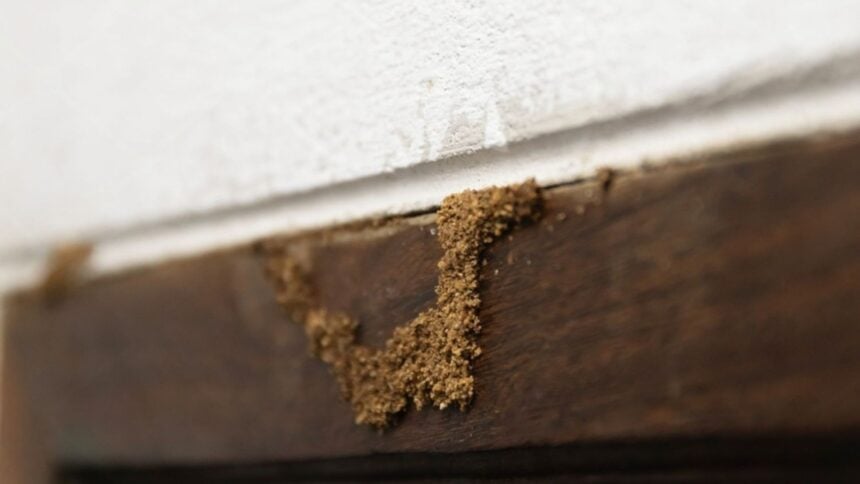
More than half a million American homes deal with termites every year, and the damage they wreak across properties of all types exceeds $5 billion on average. These statistics might sound alarming, but they become even more concerning when you realize that termites often enter homes through vulnerabilities most homeowners never notice.
How do termites get inside your house and build massive colonies? If you knew a burglar could easily enter through a side door that didn’t have a lock, you would fix it immediately. The same logic applies to termite prevention.
Knowing the why, how, and where termites might get inside puts you in a better position to defend your home and avoid becoming part of those devastating annual statistics.
Table of Contents
How Do Termites Get Inside Your House in the First Place?
Termites need food and water to survive, and your home provides both in abundance through its wooden structural components and moisture from various sources. These insects don’t randomly attack properties but rather discover them while foraging through soil or flying during mating swarms.
Once termites locate your home, they exploit any available entry point to access the cellulose in your wood. The entry methods vary depending on the termite species, but all share the same goal of reaching edible wood materials.
Understanding how they get into our homes starts with recognising that termites are incredibly persistent and can squeeze through openings you’d never suspect could allow pest access.
Common Termite Entry Points in Homes
Cracks in the Foundation
Foundation cracks represent one of the primary ways termites enter your home without any visible warning. Subterranean workers can enter through a crack or gap as small as 1/32 of an inch.
These tiny fissures develop naturally as concrete cures and settles, or they form from ground movement and temperature fluctuations. Termites explore underground constantly while foraging for food, and when they encounter your foundation, they investigate every crack and crevice for potential entry.
Even hairline cracks that seem insignificant provide enough space for worker termites to pass through and begin infesting your structure.
Gaps Around Pipes and Utility Lines
Plumbing pipes, electrical conduits, and utility lines must pass through your foundation to enter your home. The spaces around these penetrations create perfect entry points for termites.
Contractors often leave gaps during construction that may get partially sealed but rarely get closed completely. The situation worsens when pipes develop leaks because the moisture attracts termites while simultaneously making the surrounding wood softer and easier to consume.
Wood to Soil Contact
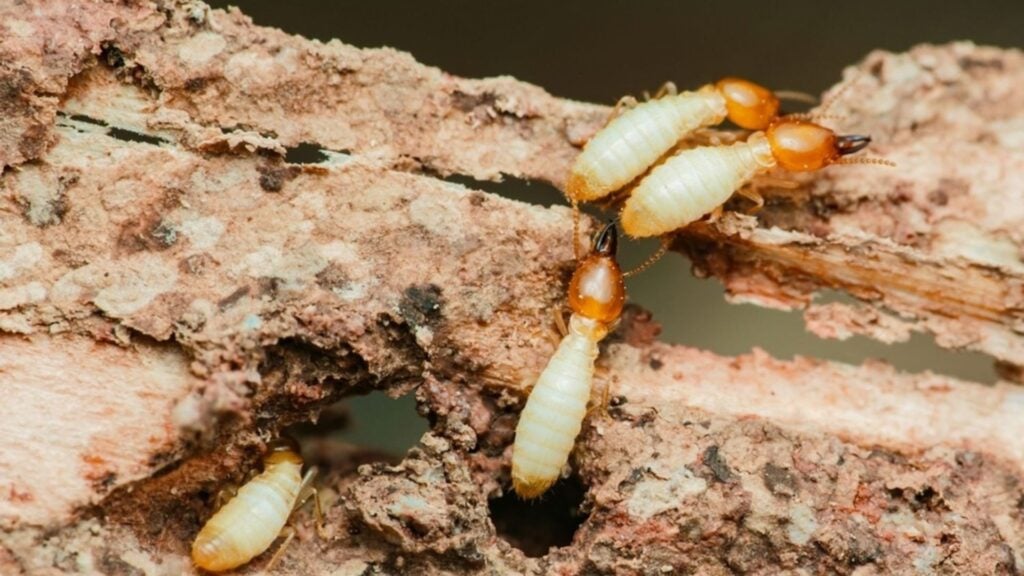
Any place where wood from your home touches soil creates a direct highway for termites to move from ground colonies into your structure. Common examples include porch steps built directly on earth, deck posts sunk into soil without proper barriers, and wooden siding that extends below grade.
Stacking firewood directly against your home provides another form of wood to soil contact that termites readily exploit. Using untreated wood to create a deck or stairs compounds the problem by offering material termites find even more appealing. These direct contact points eliminate any barrier between termite colonies and your home’s wooden components.
Roof and Attic Gaps
Termites enter your home through roof vulnerabilities just as easily as they access foundations, though the species involved differ. Gaps in roof shingles, damaged fascia boards, and openings around roof penetrations all provide entry opportunities.
Attic vents sometimes lack proper screening that would exclude flying termite swarmers looking for new nesting sites. Water damage in attics creates softened wood that attracts termites and allows easy tunneling once they gain access. These upper level entry points often go unnoticed because homeowners focus termite prevention efforts on foundations while ignoring their roofs entirely.
How Do Subterranean Termites Get In?
Subterranean termite workers gain entrance into homes by building mud tubes that serve as protected passageways to get from one location to another. These tubes allow termites to travel above ground.
The insects sometimes also build free hanging mud tubes called drop tubes that extend from wood down toward the ground. More commonly, termites construct mud tubes from the ground upwards to the wooden floor joists and floor above ground level.
The mud tubes attach to foundation walls, crawl space supports, or any vertical surface that provides a route to edible wood. How do subterranean termites get in most effectively? Through these ingenious tube systems that give them access while protecting them from predators and environmental conditions that would otherwise kill them.
How Do Drywood Termites Get In?
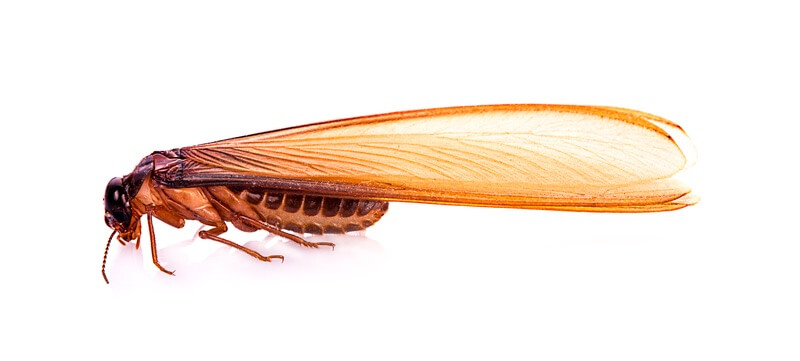
Drywood termites take a completely different approach to home invasion compared to their subterranean cousins. These termites don’t need soil contact and instead arrive as winged swarmers during mating flights. Reproductive drywood termites fly to your home, land on wood surfaces, shed their wings, and bore directly into the wood to establish new colonies.
They target accessible places like window frames, door trim, exposed beams, and attic rafters. Small gaps in window screens, spaces around door frames, or any opening that allows the flying swarmers inside gives these termites the access they need. Once inside the wood, drywood termites live their entire lives within the timber they’re consuming, never needing to return to soil or build external tubes.
Can Termites Enter Through Concrete?
Termites cannot actually chew through solid concrete, but this fact provides less protection than you might think. The insects find ways around this limitation by exploiting any imperfections in concrete surfaces. Expansion joints, settling cracks, gaps around embedded pipes, and porous sections of poorly mixed concrete all provide pathways for determined termites.
The termites can also build their mud tubes up and over concrete surfaces to reach wood on the other side. Concrete slab foundations offer some termite resistance but far from complete protection. The key understanding here is that concrete creates a barrier only as good as its most vulnerable point, and termites excel at finding those weak spots.
Signs Termites Are Already Inside
Recognising signs of termite infestation early allows you to address problems before they cause structural damage. Watch for these indicators that termites enter your home and are actively feeding:
- Mud tubes climbing foundation walls or crawl space supports indicate subterranean termite activity and show exactly where termites are accessing your structure
- Hollow sounding wood when tapped suggests termites have consumed the interior while leaving a thin shell of surface wood intact
- Discarded wings near windowsills or door frames show where termite swarmers in house situations occurred as reproductive termites shed wings after finding mates
- Bubbling paint or wallpaper that appears water damaged but has no obvious moisture source often conceals termite galleries beneath the surface
- Swarmers inside your home indicate an established colony has matured to the point of producing reproductive termites, meaning the infestation is several years old
How to Prevent Termites From Entering Your Home
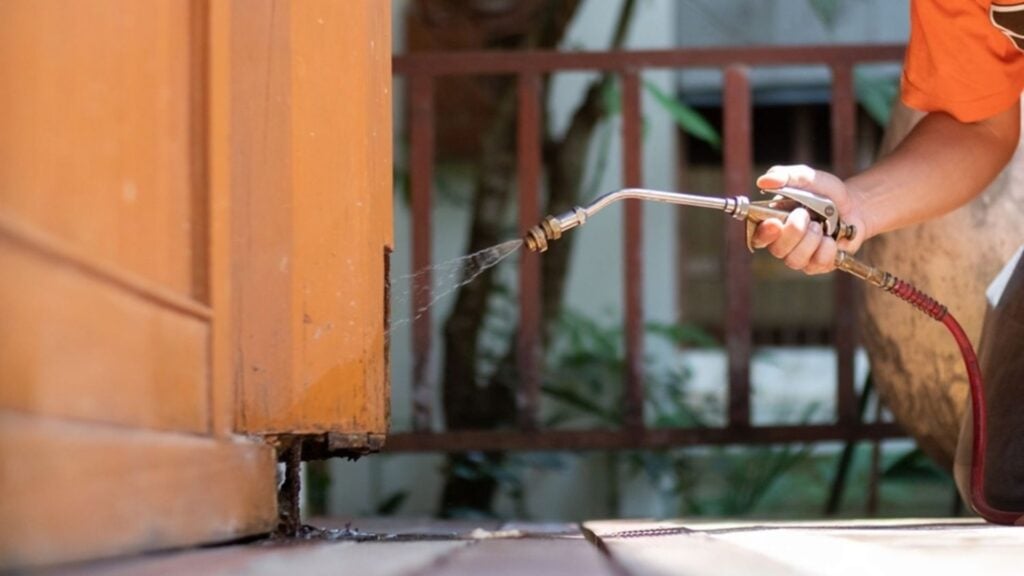
Seal Cracks and Gaps
Inspect your foundation annually for new cracks and seal them promptly with appropriate concrete filler or caulk. Pay special attention to areas around utility penetrations and seal gaps with expanding foam or other barriers that termites cannot easily bypass. Check window frames, door jambs, and any other points where different building materials meet and create potential gaps.
Reduce Moisture Around Your Home
Fix leaky pipes immediately because moisture attracts termites while making wood more vulnerable to their attacks. Not tending to leaky pipes represents one of the most common mistakes homeowners make that directly leads to termite problems. Improve drainage around your foundation so water flows away rather than pooling near your home. Clean gutters regularly to prevent overflow that saturates soil and wood near your structure.
Remove Wood Debris
Keep these items away from your foundation as each represents a landscaping element that attracts termites: stumps, vines, mulch, trellises, and stacked firewood. The landscaping element that attracts termites most effectively is mulch placed directly against your home’s siding. Maintain at least a foot of clearance between any wood materials and your foundation to create a visible inspection zone that termites must cross to reach your home.
Schedule Annual Termite Inspections
Not keeping up with regular termite inspections on your property allows infestations to develop unnoticed for years. Professional pest control technicians know how do termites get in your house and where to look for early warning signs you might miss. These annual checks cost relatively little compared to the thousands of dollars in damage that undetected termites cause.
Wrapping Up…
Understanding how do termites get inside your house empowers you to take preventive action before these destructive pests establish colonies in your structure. The key entry points include foundation cracks, gaps around utilities, wood to soil contact, and roof vulnerabilities that termites exploit with remarkable efficiency. Regular inspections combined with moisture control and smart landscaping choices significantly reduce your risk of infestation. Remember that termites enter your home through vulnerabilities that often seem insignificant until you understand their capabilities. Protecting your property requires addressing these weak points before termites discover them.
FAQ
How long does termite treatment last on average?
It depends on the method. Soil-applied liquid barriers often last for years, bait systems can keep protecting as long as they’re serviced, and fumigation kills existing termites but leaves no lasting barrier.
How long does liquid termite treatment last?
A properly installed liquid barrier can remain effective for years, but soil type, rainfall, heat, and construction changes around the foundation can shorten its lifespan.
How long do termite bait systems last?
Bait systems can provide ongoing protection as long as the stations are monitored and maintained. The “lasting power” comes from service and replacement, not a one-time application.
Does termite fumigation last?
Fumigation is excellent for eliminating termites inside the structure, especially drywood termites, but it does not leave residual protection after the gas clears.
How do you know if termite treatment is still working?
The best proof is routine inspections and monitoring. Watch for mud tubes, swarmers or discarded wings, fresh droppings, and new damage patterns.
How can you make termite treatment last longer?
Control moisture, avoid soil disturbance near the foundation, keep wood and mulch away from the house, and schedule regular inspections so small issues don’t become breaches.