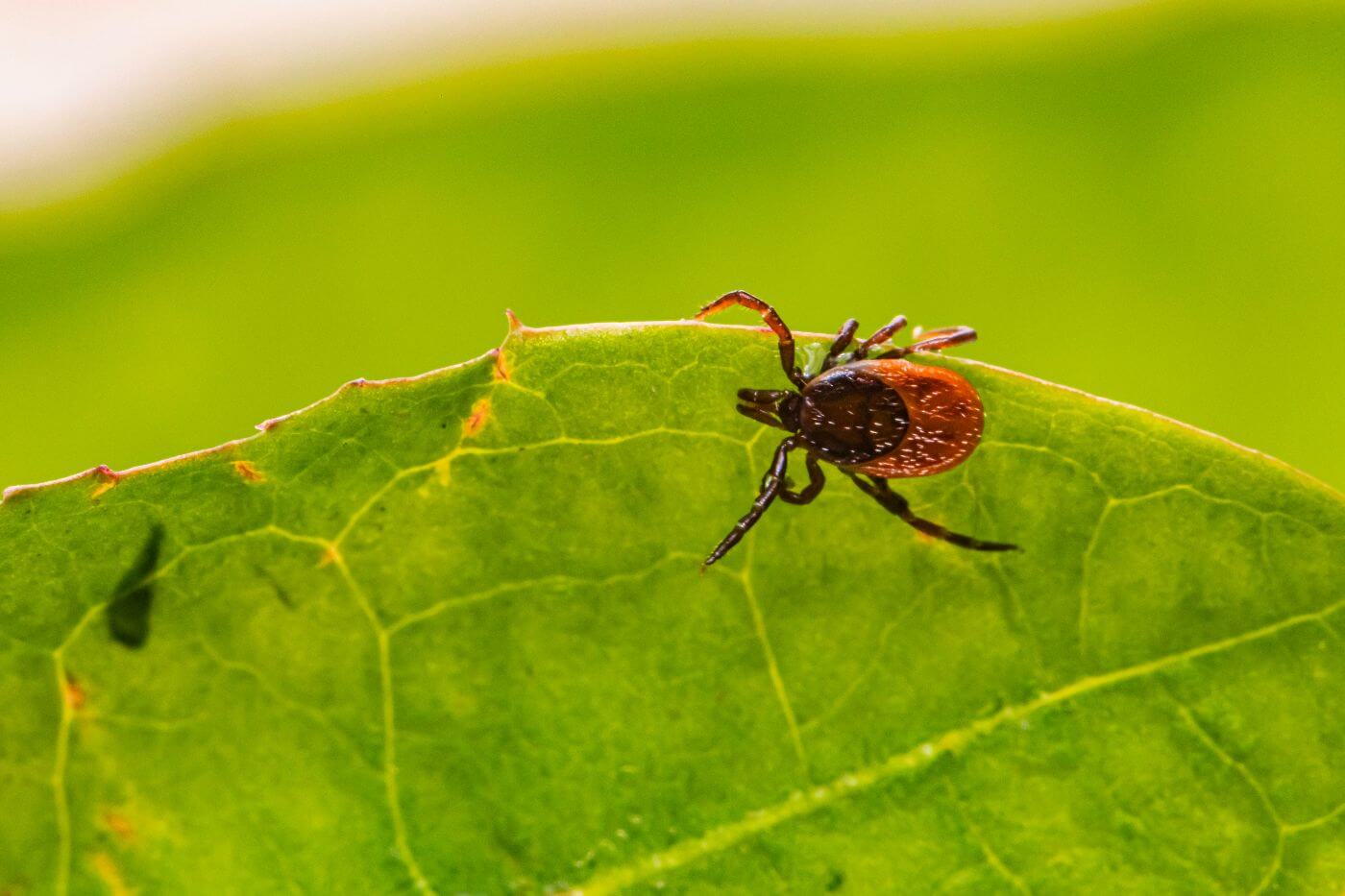

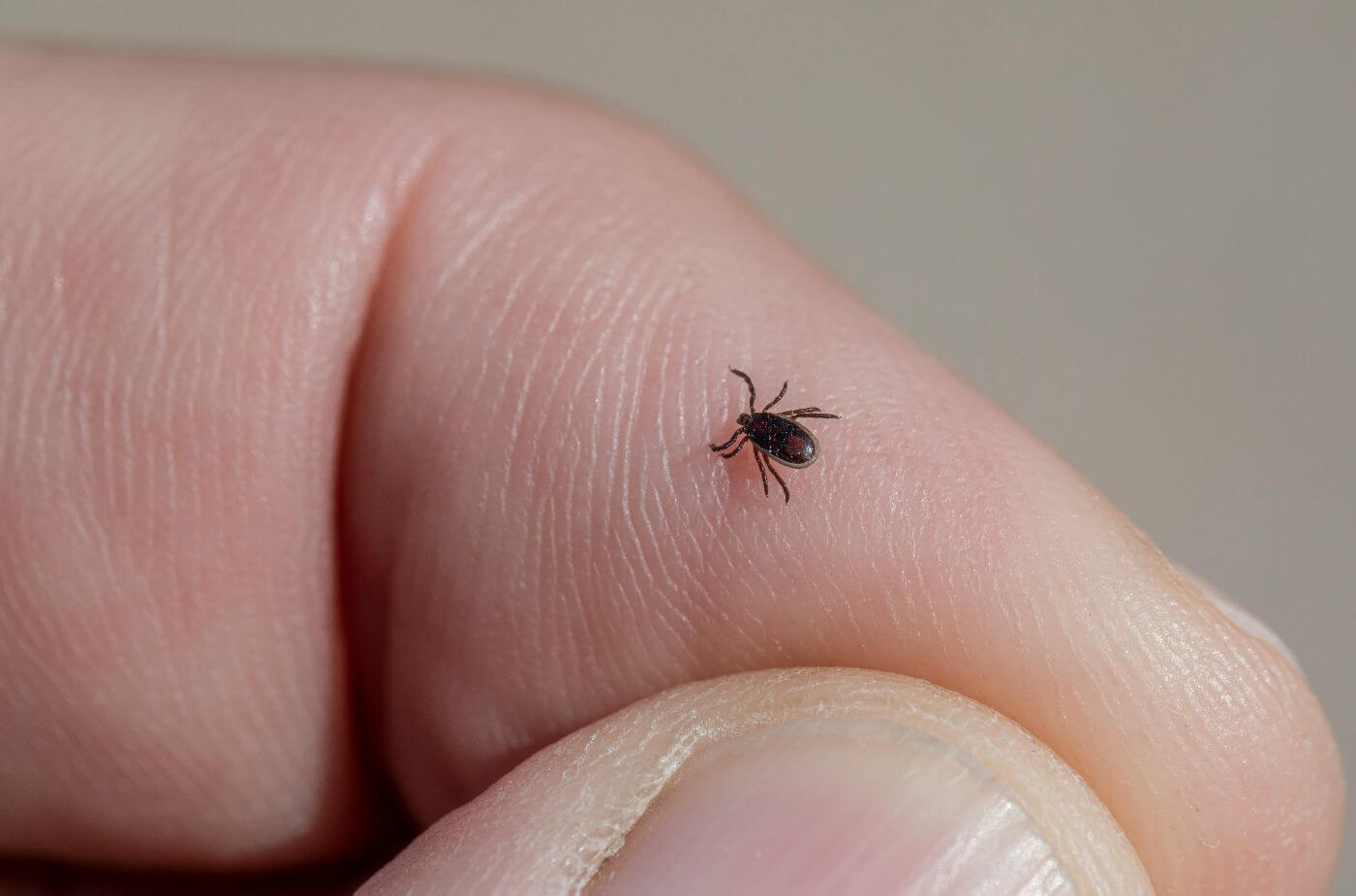
Ticks are tiny but tough. These little bloodsuckers can survive for a surprisingly long time without a meal, but exactly how long depends on a few different things.
Here’s what you need to know about how long a tick can live without a host.
The Short Answer
Here is the deal. A tick’s survival time without a host varies a lot. Some ticks die within a day if they cannot find something to feed on. Others can hang around for years waiting for their next meal to walk by.
The biggest factors are the type of tick, what stage of life it is in, and the environment around it. Adult ticks tend to be the toughest. They can go the longest without food. Some species like the American dog tick can wait up to three years for a host to come along. That is a long time to go without eating.
Temperature and humidity also play a huge role. Ticks love moist, humid conditions. In dry environments, they dry out and die pretty quickly. But in the right conditions, they can hunker down and wait.
How Long Each Life Stage Can Survive
Ticks go through four life stages: egg, larva, nymph, and adult. Each stage has different survival abilities.
Eggs do not need a host at all. A female tick lays her eggs on the ground, usually in leaf litter or tall grass. These eggs can sit there for several weeks until they hatch.
Larvae are the baby ticks that hatch from eggs. They only have six legs at this point. Larvae can survive for days to several weeks without finding a host. Some species do much better though. American dog tick larvae have been known to survive up to 540 days without a blood meal.
Nymphs are the teenage stage of a tick’s life. They now have eight legs and are a bit bigger than larvae. Nymphs can survive for weeks to several months without feeding. American dog tick nymphs have survived up to 584 days in studies. That is over a year and a half without eating.
Adult ticks are the survival champions. They can live for months or even years without a host. This is the stage where ticks are looking for larger animals to feed on, including humans. Adult females need a blood meal to lay eggs, so they are very motivated to find a host. But if they cannot find one, they can wait a very long time.
Survival Times by Common Tick Species
Different tick species have different survival abilities. Here is how some of the most common ticks stack up.
The deer tick, also called the blacklegged tick, is the one that spreads Lyme disease. Deer tick larvae can survive for less than a year without feeding. Nymphs can make it through two or more seasons without a meal. Adult deer ticks can survive for close to a year without finding a host.
The American dog tick is one of the toughest survivors out there. Adult American dog ticks can wait up to two or three years for a host. This species is common throughout North America and feeds on dogs, humans, cattle, and other animals.
The lone star tick gets its name from the white spot on the female’s back. Lone star tick larvae can survive for over nine months without feeding. Nymphs can last nearly 16 months. Adults can go over 14 months without a blood meal.
The Rocky Mountain wood tick is found in higher elevation areas of the western United States. Larvae can survive up to 117 days without a host. Nymphs can make it over 300 days. Adult Rocky Mountain wood ticks can survive up to 600 days without feeding.
The brown dog tick is a special case. Adults can survive up to 18 months without a host. But what makes this tick unique is that it can complete its entire life cycle indoors. Most other ticks need to be outside to survive long term.
What Factors Affect How Long Ticks Survive
Several environmental factors determine whether a tick lives or dies without a host.
Humidity is probably the most important factor. Ticks need moisture to survive. They do best when humidity is around 85 percent or higher. This is why ticks are so common in wooded areas, leaf litter, and tall grass. These spots hold moisture and keep ticks from drying out. In dry conditions, ticks can die within just a few days because they lose water through their bodies.
Temperature also matters a lot. Ticks prefer cool to moderate temperatures. When it gets too hot, ticks can dry out and die faster. Extreme cold can kill them too, but ticks have a trick for dealing with winter. They burrow under leaf litter or snow where temperatures stay more stable.
Ticks can also enter a state called diapause. This is similar to hibernation. During diapause, a tick slows down its metabolism to save energy. This allows ticks to survive much longer without food. They basically put themselves in standby mode until conditions improve or a host comes along.
Whether a tick has eaten recently also affects survival. A tick that just had a blood meal has more energy reserves. It can survive longer than a tick that has been starving for a while.
How Long Can Ticks Survive Indoors
If you are worried about ticks living in your house, here is some good news. Most ticks cannot survive indoors for very long.
The typical home has low humidity because of air conditioning and heating systems. This dry air is bad news for ticks. Most tick species will die within 24 to 48 hours inside a house. Studies have shown that ticks exposed to normal indoor humidity levels died within eight hours.
There are some situations where ticks might last a bit longer indoors. If a tick ends up in a damp pile of laundry or in a humid basement, it might survive for two to three days. A tick that recently fed will also last longer than one that is already starving.
The brown dog tick is the big exception to these rules. Unlike other ticks, brown dog ticks can live and breed indoors. They can complete their entire life cycle inside a home or kennel. These ticks often hide in cracks, behind baseboards, in carpets, and in pet bedding. If brown dog ticks get established in a home, they can cause an ongoing infestation.
Ticks usually get inside by hitching a ride on pets, people, or clothing. They are not actively trying to get into your home. They are just looking for a host and end up indoors by accident. Once inside, most ticks will not survive long enough to become a real problem.
Why This Matters for Tick Prevention
Understanding how long ticks can survive helps explain why tick prevention takes ongoing effort.
Because ticks can wait for months or even years in your yard, they are always ready when a potential host walks by. That could be a deer, a mouse, your dog, or you. A single tick treatment in spring will not protect you all year. Ticks that survived in protected spots can emerge whenever conditions are right.
The good news is that quick action makes a big difference. If you find a tick attached to your skin, removing it within 24 hours greatly reduces the chance of disease transmission. Ticks usually need to be attached for at least 24 to 48 hours to spread diseases like Lyme disease.
Year round vigilance is important because ticks can remain dormant during harsh conditions and become active again when the weather warms up. Even during winter, ticks can wake up and start looking for a host on warmer days.
Simple steps like checking yourself and your pets after being outdoors, keeping your grass short, and removing leaf litter from your yard can make a big difference. These actions reduce tick habitat and lower your chances of a tick encounter.
Knowing that ticks are patient and resilient little creatures helps you understand why consistent prevention beats occasional effort. Ticks have survived for millions of years by being tough and waiting for their next meal. The best defense is making sure that meal is not you.