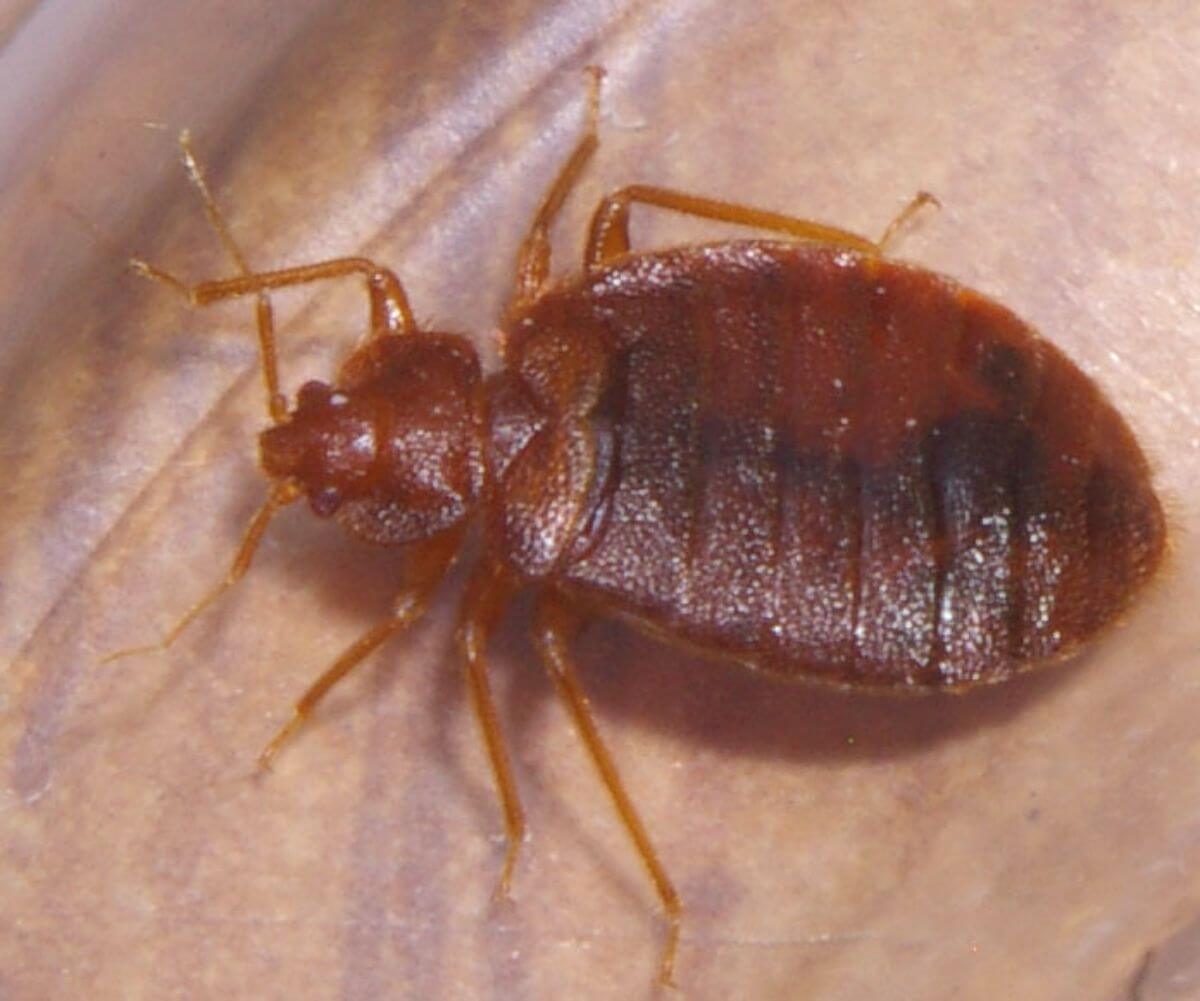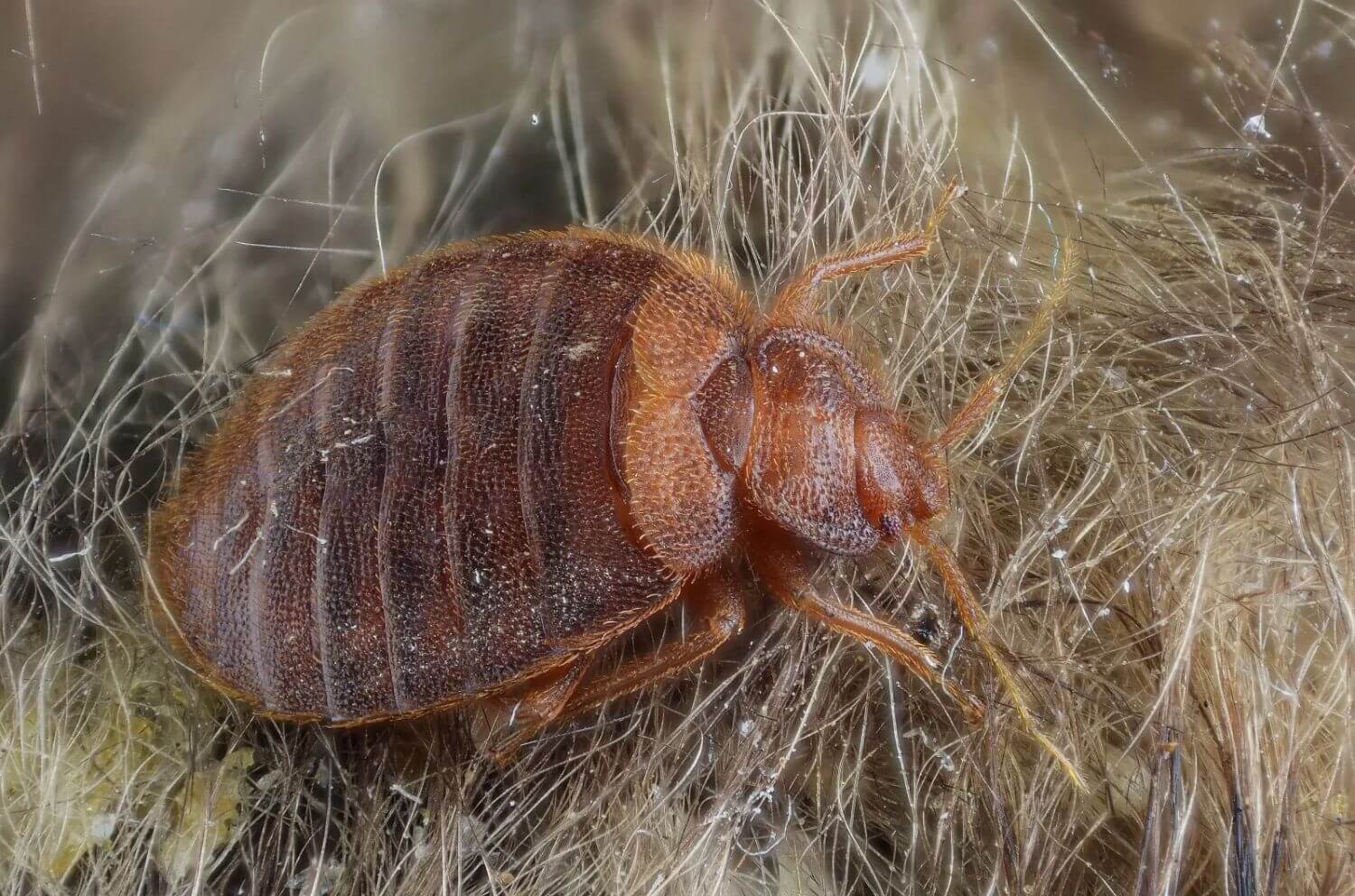

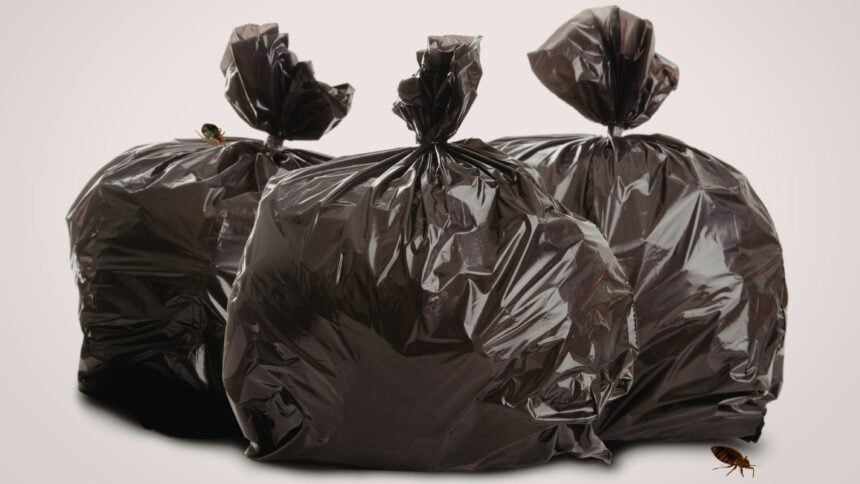
Dealing with a bed bugs infestation often leads people to bag up contaminated items in plastic trash bags, hoping to starve the pests to death. This approach seems logical since cutting off their food supply should eventually kill them, though.
The actual length of time that bed bugs can live in a plastic bag might surprise you and challenge your patience. These resilient parasites have evolved remarkable survival abilities that allow them to endure extended periods without feeding.
Figuring out how long bed bugs live in a trash bag helps you make informed decisions about whether this method works as part of your treatment strategy and how long you’ll need to wait before those bags are truly safe to reopen.
Table of Contents
Can Bed Bugs Survive in a Sealed Trash Bag?
The short answer is yes, bed bugs absolutely can survive in sealed trash bags for surprisingly long periods. Sealing bed bugs in plastic and cutting off their access to food doesn’t kill them immediately.
Oxygen availability inside sealed bags doesn’t pose an immediate threat to bed bugs either. Although the bag limits air exchange, enough oxygen remains trapped inside to sustain the bugs for the duration of their natural starvation period.
Bed bugs don’t have high metabolic demands, so they consume oxygen very slowly. The conditions inside a sealed trash bag are uncomfortable for bed bugs but not immediately lethal.
Several factors influence exactly how long bed bugs survive in bags, which you’ll find out below, so keep scrolling.
How Long Can Bed bugs Live in a Trash Bag at Room Temperature?
Bed bugs sealed in a trash bag can live for 2 to 5 months at typical room temperatures between 65 and 75 degrees Fahrenheit. This timeline assumes the bugs had access to blood meals before being bagged. The extended survival period makes bagging alone an impractical solution if you’re hoping to use items again within a reasonable timeframe.
Adult bed bugs survive considerably longer than nymphs in starvation conditions. Young nymphs that haven’t completed their development need more frequent feeding and typically die within weeks to a couple of months when sealed in bags.
Adults, however, can endure for months because their fully developed bodies store energy reserves more efficiently. Some studies show adults may survive up to a year or more in cool temperatures, which extends well beyond what most people can realistically wait.
How Long Do Bed Bugs Survive in Sealed Plastic Bags Without Food?
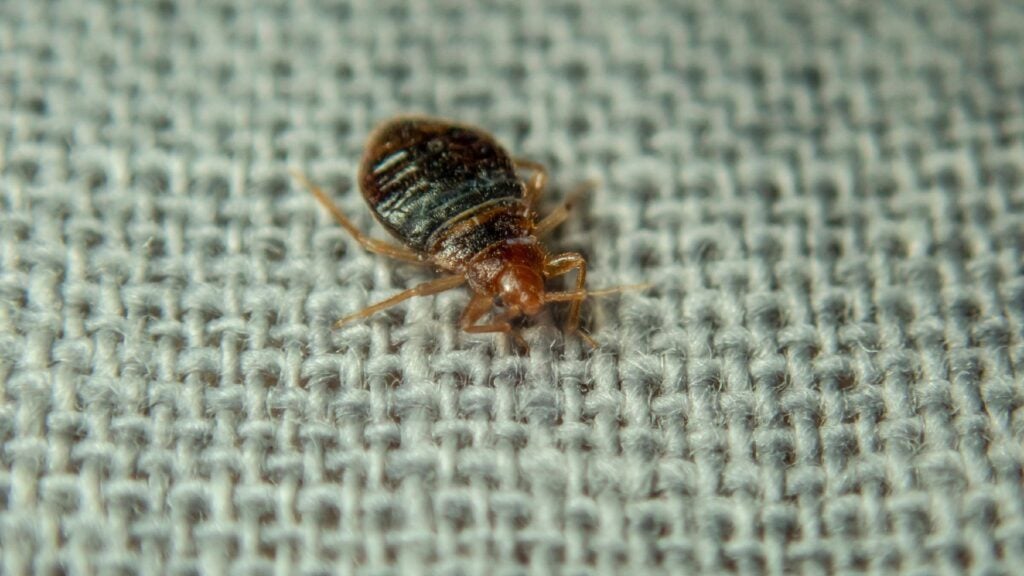
The bed bug life span without blood varies based on environmental conditions and the bug’s life stage. Under laboratory conditions at room temperature, adult bed bugs typically survive 2 to 5 months without feeding. However, this starvation period can extend dramatically in cooler conditions. Research has documented adult bed bugs surviving over a year when kept at temperatures around 55 degrees Fahrenheit without any blood meals.
Adult bed bugs enter a semi dormant state during extended starvation that slows their metabolism to an absolute minimum. This adaptation allows them to conserve energy reserves for extraordinary lengths of time. Their bodies essentially go into survival mode. This makes how long bed bugs live in a trash bag frustratingly unpredictable because optimal storage conditions for humans often overlap with conditions that maximize bed bug survival.
Factors That Affect Bed Bug Survival in Trash Bags
Temperature
Temperature ranks as the single most important factor determining how long bed bugs in trash bags will survive. Warm conditions between 75 and 90 degrees speed up their metabolism and this would in turn force them to consume stored energy quite faster. Cool conditions between 55 and 65 degrees slow metabolism dramatically, potentially extending survival to a year or longer. Extreme temperatures offer different solutions entirely. Heat above 113 degrees kills bed bugs within hours, while sustained freezing below 0 degrees kills them within days.
Air Supply
The air supply inside sealed bags might seem like it would suffocate bed bugs quickly, though. This doesn’t happen as fast as you’d hope. Bed bugs have very low oxygen requirements compared to more active insects. The air trapped in a trash bag when you seal it contains enough oxygen to sustain the bugs for their entire starvation period. They’ll die from lack of food long before they run out of breathable air. This is why sealing does not immediately suffocate them despite the intuitive appeal of that idea.
Life Stage
Eggs represent the most resilient life stage when considering bed bugs in trash bags. Bed bug eggs don’t need to feed at all during their development, and they can remain viable for months if conditions don’t trigger hatching. Once they hatch, nymphs need blood meals to progress through their development stages. Young nymphs die within weeks without feeding.
Prior Feeding
A recently fed bed bug starts its starvation period with maximum energy reserves, and this could, in turn, significantly extend how long it can survive. A bug that feeds within the previous day or two has a full blood meal in its digestive system to sustain it. Since you typically bag items from an active infestation where bugs have been feeding regularly, you should assume most bugs are well fed and plan for maximum survival times.
Do Bed Bugs Die in Plastic Bags Eventually?
Yes, bed bugs will eventually die in plastic bags from starvation, but the time required extends far beyond what most people expect. The patience needed to wait out their natural death makes this approach impractical as a standalone treatment method. You’re looking at minimum waiting periods of several months at room temperature, and potentially over a year in cooler storage conditions.
How to Properly Use Trash Bags for Bed Bug Control
When Bagging Is Effective
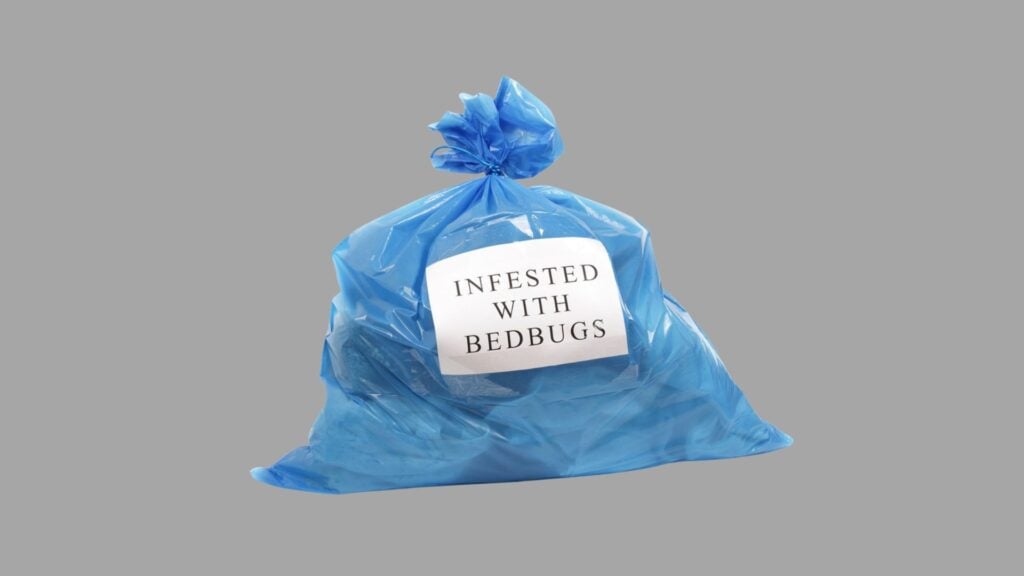
Bagging works well for isolating infested items to prevent bed bugs from spreading to other areas during treatment. When you discover an infestation, immediately bagging contaminated clothing, bedding, and soft items keeps bugs contained while you arrange professional treatment.
Combining Bagging with Heat Treatment
The most effective use of trash bags in bed bug control combines bagging with heat treatment. After sealing items in bags, place them in a hot car on a sunny day where interior temperatures can exceed 120 degrees, or use a clothes dryer on high heat for 30 minutes to kill all life stages. By leaving a bag in the freezer at 0 degrees for 2 to 3 days, you can feel confident that the bed bug adults, eggs, and nymphs have died. These heat and cold treatments kill bugs in days rather than months.
Long Term Storage Strategy
If you must rely on long term storage because heat treatment isn’t available, follow a conservative timeline. Keep bags sealed for at least 12 months in cool storage or 6 months in warm conditions to ensure all life stages have died. Clearly label bags with the date they were sealed so you know when enough time has passed. When the waiting period ends, open bags outdoors or in a bathtub where you can immediately contain and kill any unlikely survivors. Dispose of bags carefully in exterior trash bins immediately after removing contents to prevent any possibility of reinfestation.
Final Thoughts: How Long Can Bed bugs Live in a Trash Bag?
Understanding how long bed bugs live in a trash bag reveals why this method works better as part of a comprehensive treatment approach rather than a standalone solution. The 2 to 5 month survival period at room temperature, which can extend to over a year in cooler conditions, demands more patience than most situations allow. Combining bagging with proven killing methods like heat or freezing makes the strategy practical and effective. Sealing contaminated items in plastic bags prevents spread during treatment and, when paired with temperature extremes, ensures everything inside dies within days. If you’re fighting bed bugs, don’t rely on starvation alone to solve your problem. Use bagging as a containment tool while you pursue heat treatment, freezing, or professional pest control to actually eliminate the infestation.
FAQ
Can bed bugs survive in a sealed trash bag?
Yes. Sealing items helps contain bed bugs, but it does not kill them quickly. They can survive for a long time without feeding, especially adults.
How long can bed bugs live in a trash bag at room temperature?
It depends on life stage, temperature, and whether they recently fed. Adults generally last much longer than nymphs, and cooler temperatures can extend survival.
Will bed bugs suffocate in a sealed plastic bag?
Not reliably. Bed bugs have low oxygen needs, and the trapped air in a bag is usually enough for them to survive until starvation becomes the limiting factor.
Can bed bug eggs survive in a trash bag?
Eggs are a big reason bagging is tricky. Eggs do not need blood meals, and if conditions allow, they can hatch later, restarting the problem inside the bag.
What is the fastest way to make bagged items safe?
Heat is usually the quickest option for fabrics: run items through a dryer on high heat (follow the fabric care label). Freezing can work for some items when done correctly and long enough.
Is bagging alone enough to get rid of bed bugs?
Bagging is best for containment and preventing spread. For real elimination, combine it with proven killing methods like heat, freezing, or professional treatment.