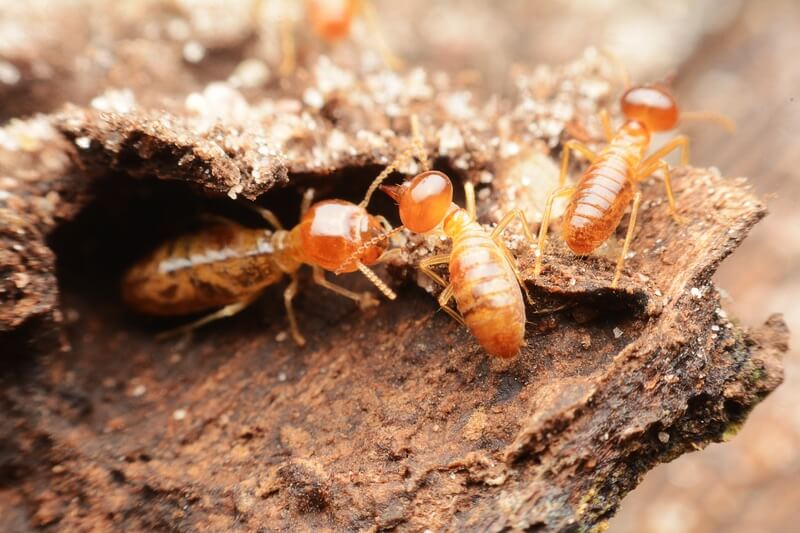

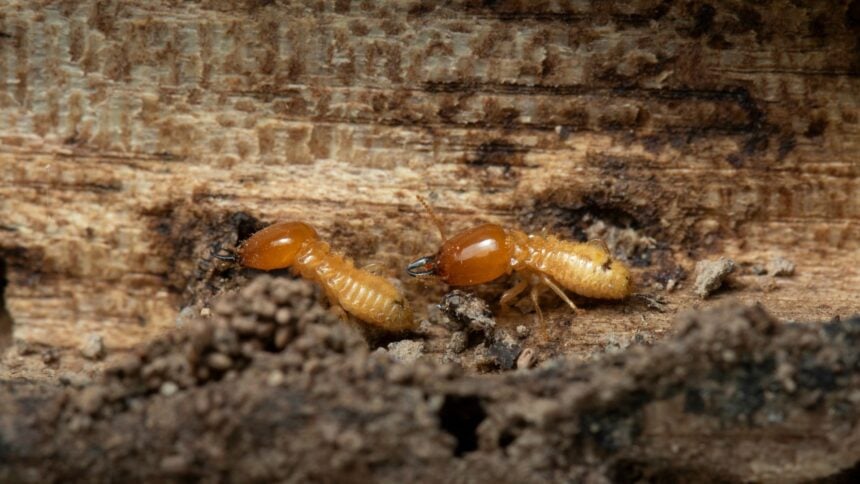
Finding termites in your home triggers immediate panic and the urgent need for professional treatment. Once you’ve invested in eliminating these destructive pests, the natural next question becomes how long that protection will actually gonna last.
Knowing the termite treatment duration helps you plan for future expenses and make out when you might need retreatment. The answer to how long does termite treatment last depends on several factors, including the treatment method used, your local environment, and how well you maintain your property.
In this blog, we’ll break down what you can realistically expect from different termite treatment options and what influences how long that protection remains effective.
Table of Contents
How Long Does Termite Treatment Last on Average?
Most liquid termite treatments typically last 5 to 10 years if it was applied efficiently by licensed professionals. This timeframe represents the standard for conventional barrier treatments that create a chemical zone around your home’s foundation.
Bait systems like Sentricon work differently and could nearly remain effective as long as they’re monitored and maintained regularly. Fumigation treatments offer immediate elimination of existing termites though, they provide zero residual protection.
Turns out, you could face reinfestation relatively quickly without additional preventive measures. The termite treatment duration you experience will vary based on which method your pest control company recommends for your specific situation.
Types of Termite Treatment and Their Duration
Liquid Termite Treatment Duration

- INSECT KILLER – This pest control is great for use on subterranean termites, carpenter ants, carpenter bees, wood-infesting beetles, ants, crickets, earwigs, fleas, fire ants, house flies, mosquitoes, ticks, wasps and many more bug species.
- PROTECT YOUR LAWN AND HOME – Termite and Carpenter Ant Killer is designed for use on home lawns, flower gardens, ornamental trees, and the outside surfaces of buildings.
- 6 YEAR BARRIER – To control subterranean termites, the chemical emulsion must be dispersed in the soil to provide a barrier between the wood in the structure and the termite colonies in the soil. One trenching treatment should last up to 5 years.
- DUAL ACTION DEFENSE – Contact kill gives you immediate results when spraying insects directly, while residual activity kills insects when they return to treated areas.

Liquid termite treatments create a chemical barrier in the soil around and beneath your home that termites cannot cross without dying. The termiticide remains active in the soil for approximately 5 to 10 years and this could entrust on the product used and environmental conditions.
Termites that encounter the treated soil will either die on contact or pick up the termiticide on their bodies and carry it back to the colony. This transfer effect helps eliminate entire colonies. The longevity of liquid treatments makes them popular for long term protection, though. The exact termite treatment duration depends on factors we’re discussing throughout this article.
Termite Bait Systems Duration
Bait systems like Sentricon work through a completely different mechanism than liquid barriers. These systems use stations placed around your property that contain cellulose material termites find attractive.
Once termites discover and begin feeding on the bait, they carry the active ingredient back to their colony where it spreads to other members including the queen. Bait systems require ongoing monitoring and maintenance, but can provide continuous protection for coming years.
The termite treatment duration with baiting systems is essentially indefinite as long as you maintain the stations and replace bait as needed. This makes them excellent for both active infestations and ongoing prevention if you do not yet suspect termites near your home.
Termite Fumigation (Tent Treatment)

- KILLS TERMITES AND CARPENTER ANTS: Indoor plus home foundation treatment against termites, carpenter ants, carpenter bees and other insects as listed.
- FOR INDOOR AND OUTDOOR USE: Up to 9 months control indoors
- KILLS CARPENTER BEES: Kills wood-destroying insects on contact.
- CLEAR FORMULA: Non-staining spray leaves no odor.
Fumigation involves tenting your entire home and filling it with gas that penetrates all wood and kills termites throughout the structure. This method works particularly well for drywood termites that live inside wood rather than in soil colonies.
Nevertheless, fumigation provides absolutely no residual protection once the gas dissipates and your home is aired out. You could face reinfestation the day after treatment if a termite colony nearby sends scouts to your property.
For this particular reason, fumigation is typically combined with other preventive treatments or reserved for situations where other methods won’t work. The immediate termite treatment duration is excellent for killing existing infestations, but the long term protection is nonexistent without additional measures.
What Factors Affect How Long Termite Treatment Lasts?
Soil Type and Climate
The type of soil surrounding your home dramatically influences how long liquid termite treatments remain effective. Sandy soil allows chemicals to disperse and break down more rapidly than dense clay soil that could holds the termiticide in place longer.
Heavy rainfall can wash away or dilute chemicals in the soil and so does it’s strength. Hot climates accelerate chemical breakdown through increased microbial activity in the soil. Cold climates slow degradation but may also reduce termite activity seasonally.
Understanding your local soil composition and weather patterns helps set realistic expectations for termite treatment duration in your specific location.
Type of Termites (Subterranean vs Drywood)
Subterranean termites that nest in soil respond pretty okay to liquid barrier treatments because they must pass through treated soil to reach your home. These termites also readily feed on bait stations.
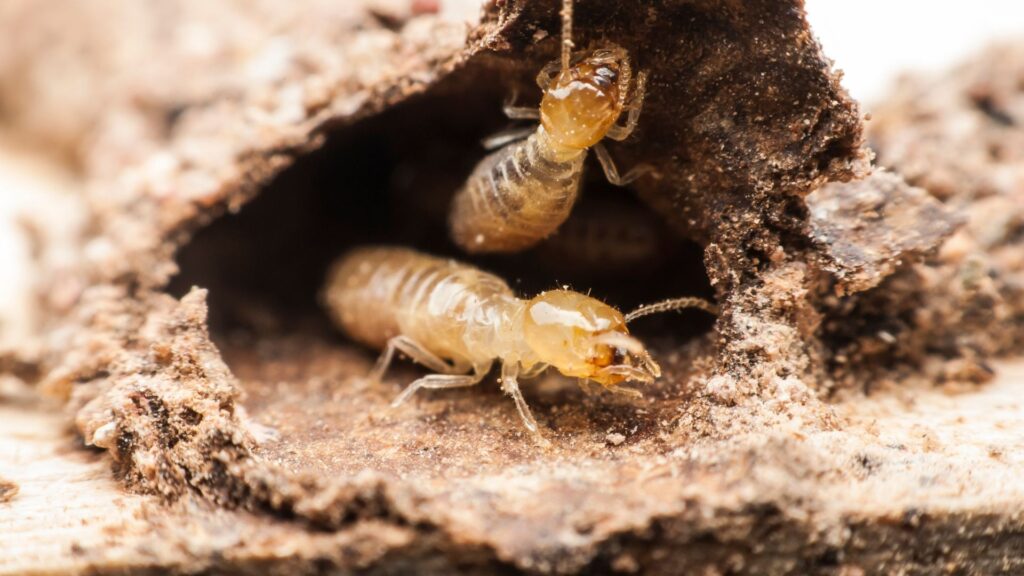
Drywood termites that live entirely within wood structures don’t contact soil treatments, requiring different approaches like spot treatments or fumigation. The species you’re dealing with directly impacts which termite treatment method will work and how long that protection lasts. Subterranean termites are more common in most areas but drywood termites cause serious problems in certain regions, particularly coastal areas.
Quality of Installation
Even the best termiticide fails if improperly applied by untrained technicians or DIY attempts. Professional application ensures the chemical is placed at proper depths, concentrations, and coverage areas to create an effective barrier.
Shortcuts during installation like insufficient trenching depth or gaps in the treated zone create vulnerabilities where termites can breach your protection. The termite warranty period offered by professional companies often depends on their confidence in proper installation methods. Choosing licensed, experienced pest control companies rather than the cheapest option significantly impacts how long your treatment actually protects your home.
Property Maintenance
How you maintain your property after termite treatment affects how long that protection lasts. Landscaping changes that disturb treated soil can create gaps in your chemical barrier. Installing new structures like decks or additions may require extending treatment to newly vulnerable areas.
Water accumulation from poor drainage, leaking pipes, or clogged gutters creates conditions that attract termites and can dilute chemical treatments. Regular inspections help identify maintenance issues before they compromise your termite protection. Simple actions like keeping wood mulch away from your foundation and fixing moisture problems extend termite treatment duration significantly beyond what you’d experience with neglected properties.
How Do You Know If Termite Treatment Is Still Working?
Regular professional inspections provide the best way to verify your termite treatment remains effective. Most pest control companies recommend annual inspections even when you have active protection in place.
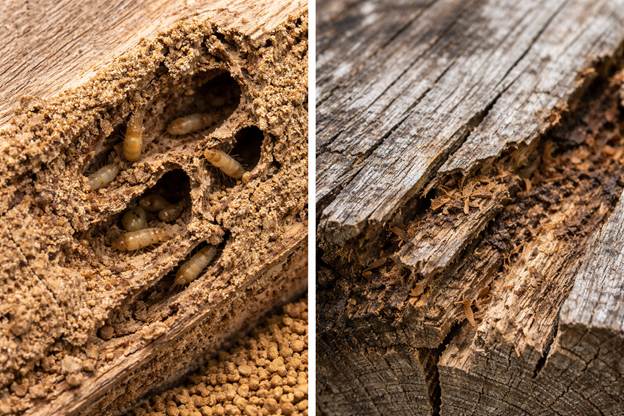
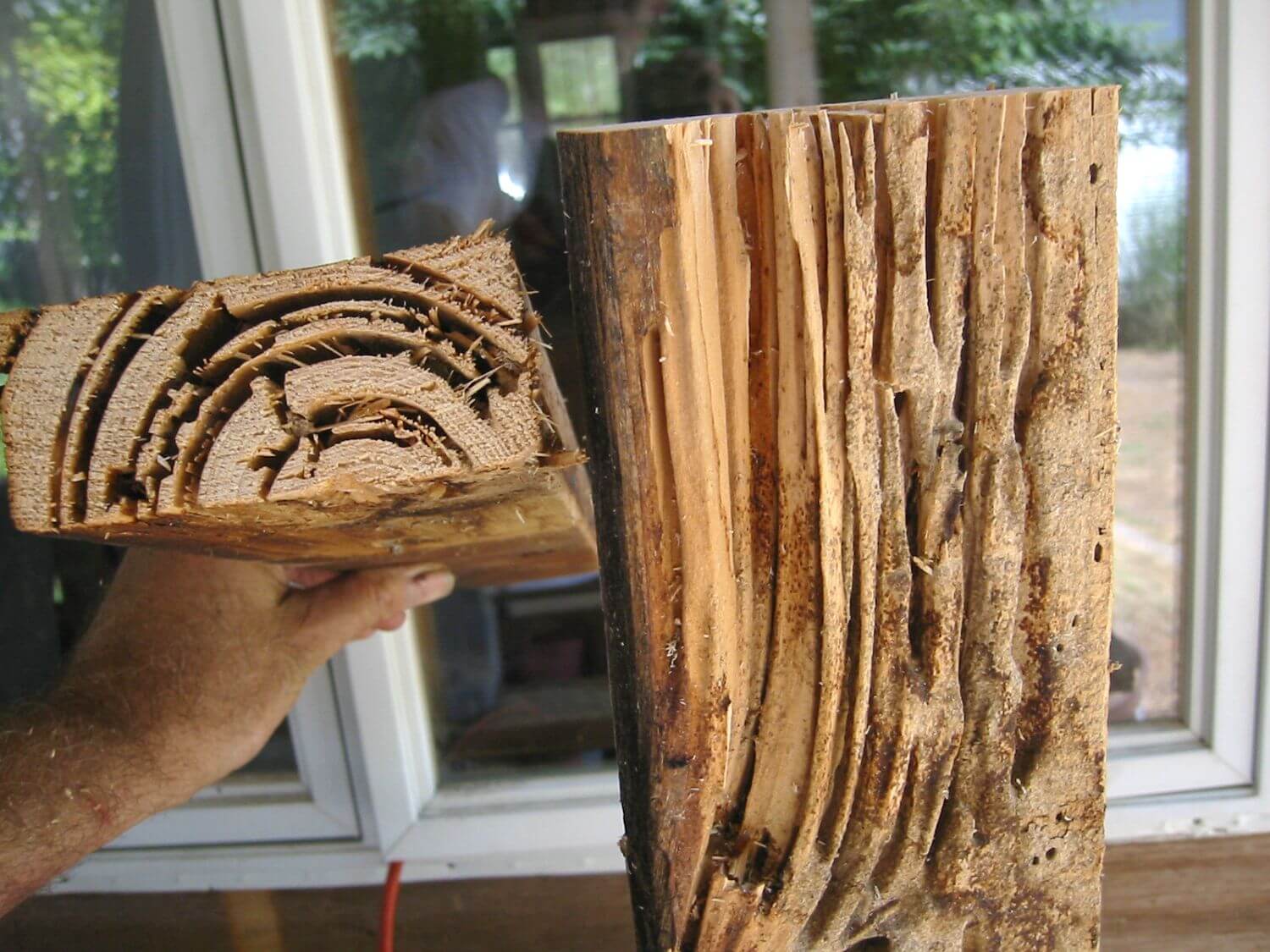
You can also watch for signs that treatment may be failing like mud tubes appearing on your foundation, discarded wings near windows, or hollow sounding wood when tapped. If you had a termite colony nearby before treatment, monitor those same areas carefully for any return activity. Bait systems include monitoring checks as part of the service, giving you ongoing verification. You can either stop an infestation early with regular checks or wait until you see obvious damage, and the former approach obviously costs far less.
How Often Should You Get Termite Treatment?
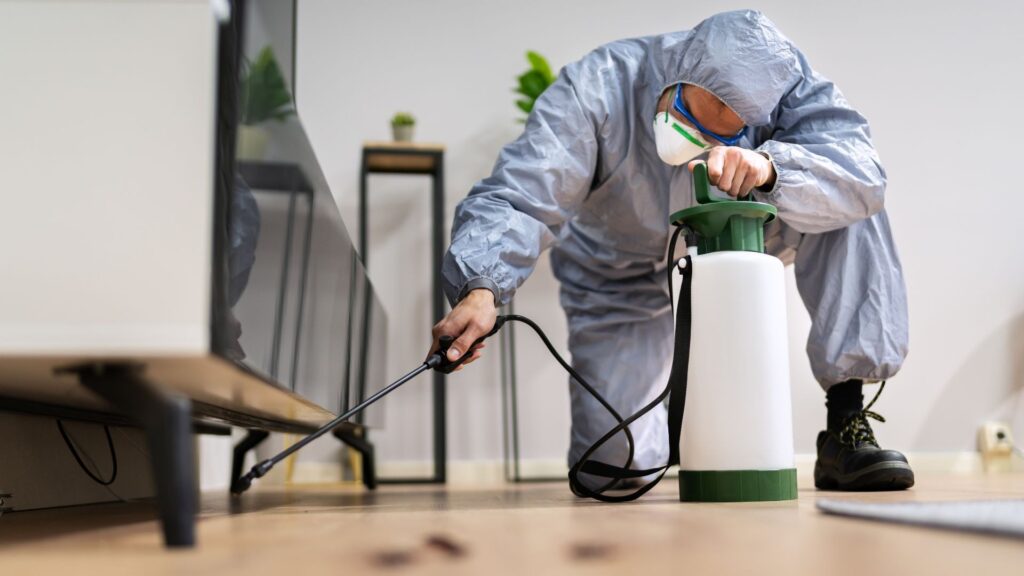
The frequency of retreatment depends on your original termite treatment method and local termite pressure. Liquid barrier treatments typically need reapplication every 5 to 10 years as the chemicals break down in soil.
Bait systems require ongoing monitoring and bait replacement but don’t need full reinstallation if properly maintained. Annual inspections help determine when retreatment becomes necessary rather than following a rigid schedule.
Properties in high termite activity areas or those that previously had severe infestations may benefit from more frequent preventive treatments. Your pest control company should provide specific recommendations based on your situation and what the termite warranty period covers.
Can You Make Termite Treatment Last Longer?
- Proper property maintenance significantly extends how long termite protection remains effective.
- Fix water leaks immediately to eliminate moisture that attracts termites and accelerates chemical breakdown.
- Keep wood debris, mulch, and lumber stored away from your foundation.
- Ensure good drainage around your home so water doesn’t pool near treated areas.
- Avoid disturbing soil in treated zones through excessive digging or landscaping projects.
- Schedule regular professional inspections to catch any issues before they become serious.
These simple maintenance steps can add years to your termite treatment duration and help you get full value from your initial investment in protection.
Wrapping Up…
Understanding termite treatment duration helps you make informed decisions about protecting your home from these destructive pests. Most treatments provide 5 to 10 years of protection when properly applied and maintained, though specific results vary based on treatment type, environmental factors, and property upkeep. Regular inspections and good maintenance practices extend your protection significantly. Work with reputable pest control professionals who stand behind their work with solid warranties. The question of how long does termite treatment last has no single answer that applies to every situation, but knowing what influences longevity helps you maximise your investment.
FAQ
How long does termite treatment last on average?
It depends on the method. Soil-applied liquid barriers often last for years, bait systems can keep protecting as long as they’re serviced, and fumigation kills existing termites but leaves no lasting barrier.
How long does liquid termite treatment last?
A properly installed liquid barrier can remain effective for years, but soil type, rainfall, heat, and construction changes around the foundation can shorten its lifespan.
How long do termite bait systems last?
Bait systems can provide ongoing protection as long as the stations are monitored and maintained. The “lasting power” comes from service and replacement, not a one-time application.
Does termite fumigation last?
Fumigation is excellent for eliminating termites inside the structure, especially drywood termites, but it does not leave residual protection after the gas clears.
How do you know if termite treatment is still working?
The best proof is routine inspections and monitoring. Watch for mud tubes, swarmers or discarded wings, fresh droppings, and new damage patterns.
How can you make termite treatment last longer?
Control moisture, avoid soil disturbance near the foundation, keep wood and mulch away from the house, and schedule regular inspections so small issues don’t become breaches.