
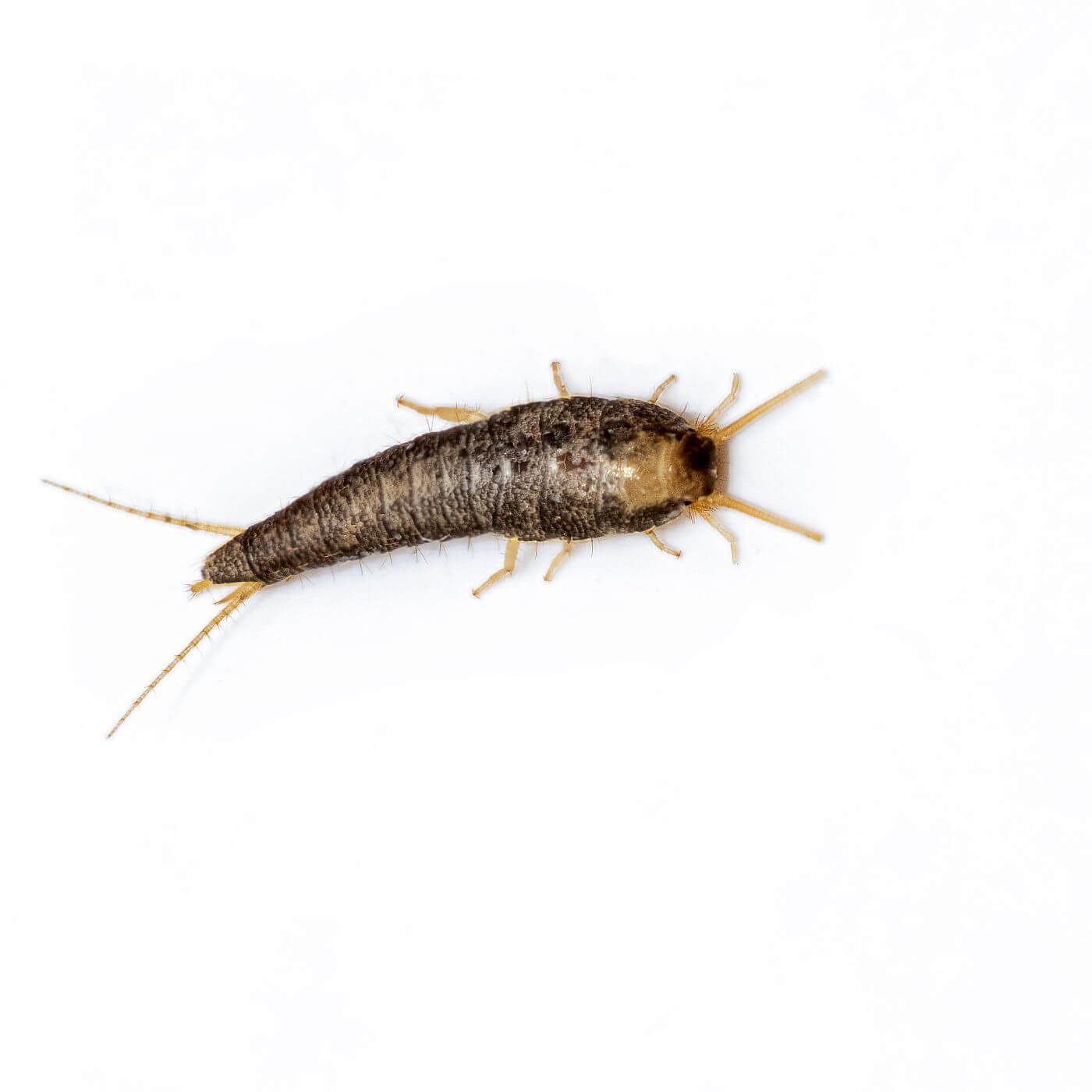
Ever spotted a silvery, wiggly bug darting across your bathroom floor at night? That’s probably a silverfish, and understanding how these pests live and reproduce is your secret weapon for getting rid of them. These little critters can live for years in your home, quietly munching on your books, clothes, and wallpaper. The good news? Once you know their life cycle, you can break it and stop them from taking over your space.
Silverfish might seem like they appear out of nowhere, but they actually go through specific stages of development. Knowing what they need to survive and how they grow helps you target them at every stage, from tiny eggs to full-grown adults.
Table of Contents
What Are Silverfish? A Quick Overview
Silverfish are small, wingless insects with a metallic silver or gray color. They get their name from their fish-like appearance and the way they wiggle when they move. Most silverfish are about half an inch to an inch long, with three long bristles at their tail end and two long antennae up front.
Homeowners usually find these pests in damp, dark places around the house. Bathrooms, basements, attics, and under kitchen sinks are their favorite hangouts. They love moisture and tend to come out at night, which is why you might spot them scurrying away when you flip on a light.
Your home attracts silverfish because it provides everything they need: moisture, darkness, and plenty of food. They’ll eat almost anything with starch or cellulose, including books, photos, wallpaper, cardboard boxes, cotton clothing, and even the glue behind your wallpaper.
The Silverfish Life Cycle: From Egg to Adult
Understanding the silverfish life cycle is important because these bugs can hide at every stage of development. Unlike some pests that only live a few weeks, silverfish stick around for the long haul.
Stage 1: Eggs
Female silverfish lay their eggs in hidden cracks, crevices, and other protected spots throughout your home. They prefer dark, damp areas like behind baseboards, in wall voids, under bathroom fixtures, or in boxes stored in your basement.
A single female can lay anywhere from 2 to 20 eggs at a time, and she’ll keep laying eggs throughout her life. The eggs are tiny (about 1mm), oval-shaped, and white or cream-colored, making them nearly impossible to spot with the naked eye.
Depending on the temperature and humidity in your home, silverfish eggs take anywhere from 2 weeks to 2 months to hatch. Warmer, more humid conditions speed up the process.
Why this matters for pest control: Finding and eliminating egg-laying sites is one of the most important steps in stopping a silverfish problem. If you only kill the adults you see, new ones will keep hatching to replace them.
Stage 2: Nymphs (Young Silverfish)
When silverfish hatch from their eggs, they look like miniature versions of adults. They have the same shape and color, just smaller. These young silverfish are called nymphs, and they’re already ready to start causing damage in your home.
Silverfish are unique because they keep molting (shedding their exoskeletons) throughout their entire lives, not just when they’re young. Nymphs typically molt about 8 to 10 times before reaching adulthood, but the exact number varies. Each time they molt, they get a little bigger.
The nymph stage can last anywhere from 3 months to 3 years, depending on conditions in your home. Temperature plays a huge role here. In warm, humid environments, silverfish develop faster. In cooler or drier conditions, their development slows way down.
Why this matters for pest control: Because nymphs look so similar to adults (just smaller), you might not realize you have a growing infestation. By the time you notice several adults, there could be dozens of nymphs at various stages hiding in your walls and storage areas.
Stage 3: Adult Silverfish
Silverfish are considered adults once they’re sexually mature and ready to reproduce. This happens after they’ve completed their initial molts, usually when they’re around 3 to 4 months old (though it can take much longer in poor conditions).
Adult silverfish are typically about half an inch long, though they can grow up to an inch. They have that characteristic silvery-metallic appearance and those three distinctive tail bristles.
Here’s where things get tricky: adult silverfish can start reproducing pretty quickly once they mature. They don’t need large populations to breed, and females can lay eggs throughout their adult lives. This means even a small infestation can grow rapidly if conditions are right.
How Long Do Silverfish Live?
The silverfish lifespan is surprisingly long compared to many other household pests. In ideal conditions, silverfish can live anywhere from 2 to 8 years. Some have even been known to live longer in laboratory settings.
Several factors affect how long silverfish live in your home:
Temperature: Silverfish thrive in temperatures between 70 and 80 degrees Fahrenheit. Your climate-controlled home is perfect for them.
Humidity: They need moisture to survive and do best in humidity levels above 75%. This is why you find them in bathrooms and basements.
Food availability: Since silverfish eat such a wide variety of materials, finding food in a typical home isn’t difficult for them.
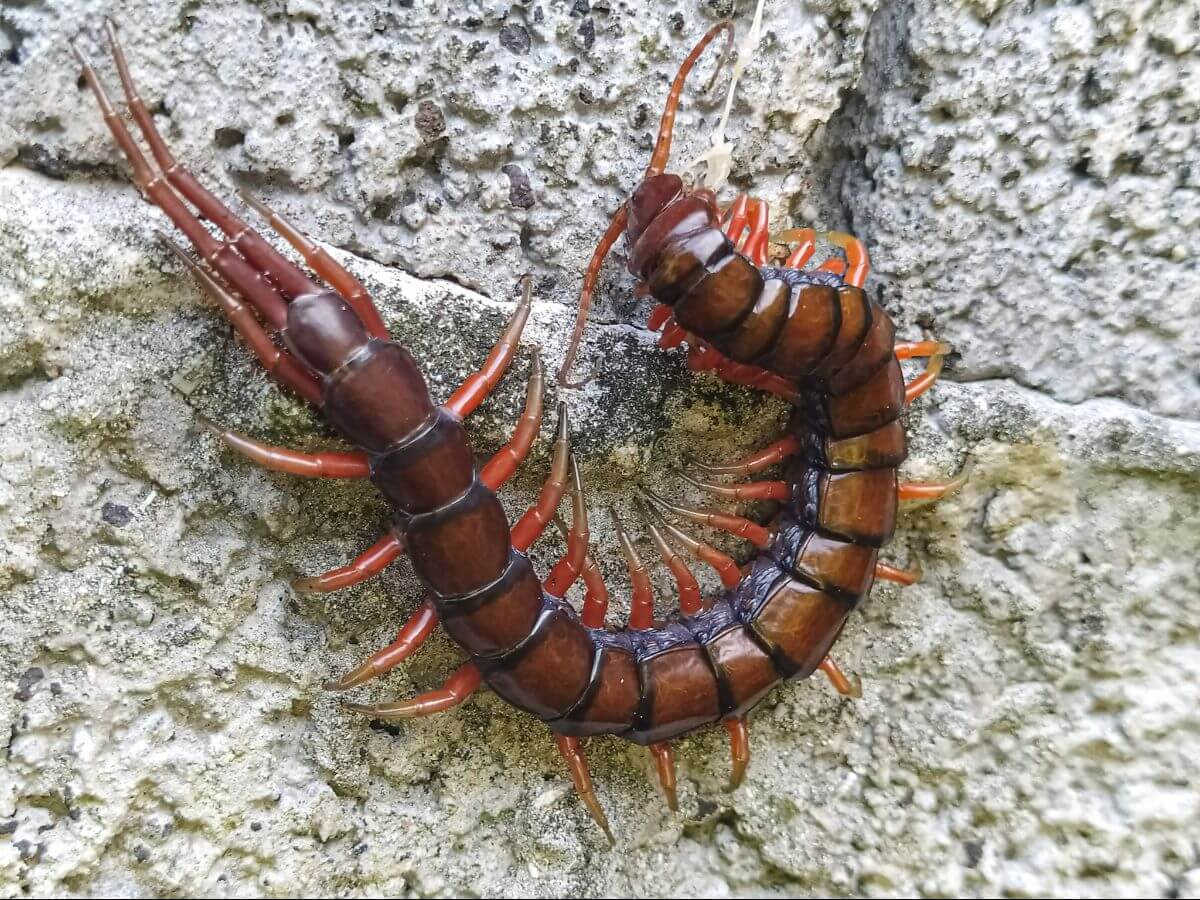
Predators: Indoor environments usually lack the spiders, centipedes, and other predators that would eat silverfish in nature.
One of the most frustrating things about silverfish is their ability to survive without food for extended periods. These pests can go several months without eating, which means they can hide in wall voids or storage boxes for a long time before you even know they’re there.
The bottom line: The long lifespan of silverfish makes them incredibly persistent pests. A single silverfish that finds its way into your home could potentially live there for years, reproducing and creating a whole colony if you don’t address the problem.
What Silverfish Need to Thrive in Your Home
Silverfish aren’t particularly picky, but they do have some specific requirements to survive and multiply in your home.
Moisture and humidity are absolutely essential. Silverfish need high humidity to survive because they absorb moisture from the air through their exoskeletons. They’ll die in very dry conditions, which is why they stick to the dampest parts of your house. Anywhere with humidity above 75% is ideal for them, though they can survive in slightly drier conditions.
Food sources are usually abundant in homes. Silverfish feed on carbohydrates, starches, and proteins. Their diet includes paper products (books, magazines, wallpaper), cardboard boxes, clothing (especially cotton and linen), dead insects, pet food, flour, oats, sugar, and even the glue in book bindings. They’re not picky eaters, which makes your home a buffet.
Temperature matters too. While silverfish can survive in a range of temperatures, they prefer it warm. Room temperature (around 70 to 80 degrees) is perfect for them. In these conditions, they develop faster, live longer, and reproduce more quickly.
Why this matters for pest control: If you can eliminate or reduce these conditions, you make your home much less hospitable to silverfish. No amount of spraying or trapping will work long-term if you’re providing them with everything they need to thrive.
Signs of a Silverfish Infestation
Silverfish are sneaky, and you might have an infestation before you ever see a live bug. Here are the signs to watch for:
Physical evidence includes several telltale signs. You might find tiny pepper-like droppings (their feces) in areas where they’ve been feeding. Yellow stains on paper, books, or fabrics are another giveaway. Silverfish also shed their skins as they molt, so finding these papery exoskeletons is a clear sign. Look for irregular holes or notches in paper products, wallpaper, or clothing too.
Common hiding spots include anywhere dark, damp, and undisturbed. Check behind toilets and under sinks, in basement storage areas, inside cardboard boxes (especially in damp areas), in attics with poor ventilation, behind baseboards and in wall cracks, inside bookshelves, and in closets with stored clothing.
How quickly populations grow depends on conditions, but silverfish colonies can expand surprisingly fast under ideal circumstances. Remember, females lay eggs continuously throughout their lives, and with a lifespan of several years, one female can produce hundreds of offspring. Within a year, a small infestation can become a major problem if left unchecked.
The tricky part is that silverfish are nocturnal and very fast. You might only catch glimpses of them, which can make it hard to gauge how big the problem really is. If you’re seeing silverfish regularly, even just one or two at a time, there are likely many more hiding in your walls and storage areas.
Breaking the Life Cycle: Prevention and Control Tips
The best way to get rid of silverfish is to attack them at every stage of their life cycle while making your home less attractive to them. Here’s how to do it.
Environmental Controls
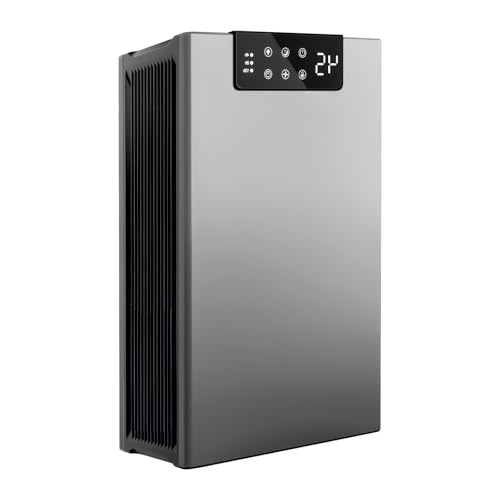
- 【Efficiency Advanced Dehumidifier】KeepGlad dehumidifier feature advanced dual chip semiconductor condensation system that quickly and efficiently removes excess moisture from the air. You can enjoy more comfortable and drier life! Dehumidifiers for home reduce humidity to below 45% rapidly. Home dehumidifier covers up to 1000 sq.ft., ideal for bedrooms, closets, bathrooms, basements, garages, kitchens
Reducing moisture is your number one priority. Silverfish can’t survive in dry conditions, so aim to keep humidity levels below 50% throughout your home. Use dehumidifiers in basements, crawl spaces, and other damp areas. Make sure your bathroom has proper ventilation and use exhaust fans when showering. Run air conditioning in humid summer months to keep moisture levels down.
Fix any leaks immediately. Check under sinks, around toilets, and anywhere else water might be dripping or pooling. Even small amounts of moisture create perfect conditions for silverfish.
Remove or protect food sources. Store papers, books, and photos in plastic containers rather than cardboard boxes. Keep dry goods like flour, oats, and cereals in airtight containers. Vacuum regularly to remove crumbs and food debris. Consider storing off-season clothing in sealed plastic bags or bins.
Physical Barriers and Exclusion
Sealing entry points prevents new silverfish from getting in and traps existing ones in areas where you can eliminate them. Use caulk to seal cracks and crevices around baseboards, pipes, and windows. Install door sweeps on exterior doors. Repair or replace damaged window screens. Fill gaps around utility lines where they enter your home.
Store vulnerable items properly. Keep books, papers, and cardboard boxes off the floor and away from walls where moisture accumulates. Use plastic storage containers with tight-fitting lids instead of cardboard boxes, especially in basements and attics.
Treatment Options
For DIY methods, several approaches can help. Diatomaceous earth (food-grade) is a natural powder that damages silverfish exoskeletons and dries them out. Sprinkle it in cracks, crevices, and areas where you’ve seen activity. Sticky traps placed along baseboards and in corners can catch silverfish and help you monitor the infestation. Boric acid powder (applied carefully in wall voids and other hidden areas) can kill silverfish that come into contact with it.
Natural repellents like cedar shavings, dried lavender, or bay leaves in storage areas may help deter silverfish, though they’re not as effective as other methods.
When to call a professional depends on the severity of your infestation. If you’re seeing silverfish daily, finding them in multiple rooms, or if DIY methods haven’t worked after several weeks, it’s time to bring in an expert. Professional pest control companies have access to stronger treatments and can apply them in wall voids and other hard-to-reach areas where silverfish hide.
Why targeting eggs and nymphs matters: Adult silverfish are the ones you see, but eggs and nymphs are the future of the infestation. If you only kill adults without addressing the breeding sites and environmental conditions, you’ll keep seeing new silverfish appear as eggs hatch and nymphs mature. That’s why controlling moisture and removing harborage areas is just as important as any spray or treatment.
How Long Until You See Results?
Getting rid of silverfish takes time, so don’t expect instant results. Here’s what to expect as you work through the problem.
Realistic timeline: If you’re taking a comprehensive approach (reducing moisture, sealing entry points, removing food sources, and using treatments), you should start seeing fewer silverfish within 2 to 3 weeks. However, completely eliminating an infestation often takes 2 to 3 months or longer.
Why you might still see them after treatment: Remember, silverfish eggs can take up to 2 months to hatch, and nymphs can hide in wall voids for months. Even after you’ve killed all the adults, new ones will emerge as eggs hatch. This is normal and doesn’t mean your control methods have failed. It just means you need to stay consistent with your prevention efforts.
Signs your control methods are working include seeing fewer live silverfish over time, finding fewer droppings and shed skins, and noticing less damage to paper products and fabrics. If you’re using sticky traps, you should see the number of silverfish caught decreasing week by week.
Stay patient and consistent. Keep humidity low, maintain your sealing and exclusion efforts, and continue monitoring for activity. The long silverfish lifespan means you’re dealing with pests that were planning to stick around for years, so it takes sustained effort to evict them completely.
Conclusion
Understanding the silverfish life cycle gives you a huge advantage in controlling these persistent pests. These bugs can live for years in your home, continuously laying eggs and creating new generations. But now you know their weaknesses: they need moisture to survive, they hide in specific areas, and they go through predictable stages of development.
The key prevention strategies are simple but effective. Keep humidity below 50% throughout your home, especially in basements and bathrooms. Seal cracks and crevices to eliminate hiding spots and breeding sites. Store vulnerable items in plastic containers rather than cardboard boxes. Fix leaks promptly and ensure good ventilation in damp areas.
If you’re dealing with silverfish, don’t wait for the problem to get worse. These pests reproduce slowly compared to some insects, but their long lifespan and continuous egg-laying mean a small problem today can become a major infestation in a year. Take action now, stay consistent with your prevention efforts, and you can break the cycle before it gets out of control.