
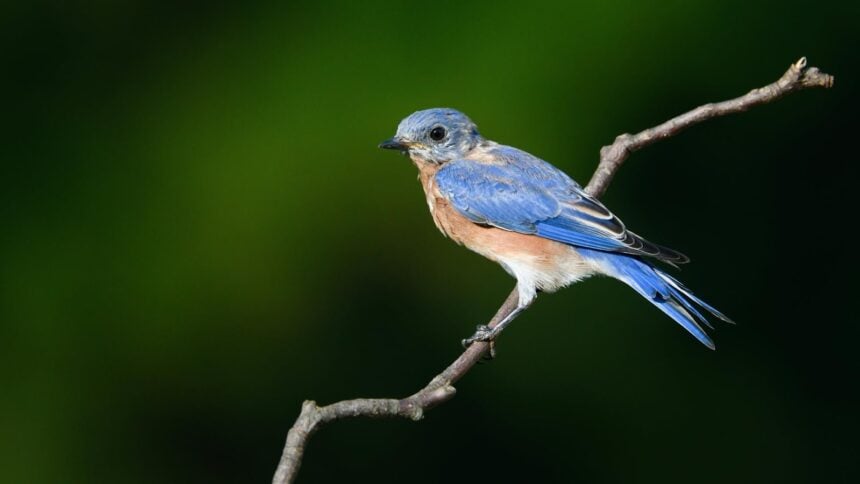
Bluebirds bring vibrant color to yards and open spaces across North America, and watching them hunt for food provides endless entertainment for bird enthusiasts.
Understanding what do bluebirds eat helps you appreciate their role in the ecosystem and gives you practical knowledge for attracting them to your property. These birds are primarily insectivores during warm months but adapt their feeding strategies as seasons change and food availability shifts.
Their diet reflects a flexibility that has allowed bluebirds to thrive in various habitats from rural farmland to suburban neighborhoods. Whether you’re hoping to support local bluebird populations or simply curious about their eating habits, knowing their nutritional needs and preferences makes a real difference in how successfully you can encourage these beautiful birds to visit your yard.
Table of Contents
What Do Bluebirds Eat Naturally?
The bluebird diet centers heavily on insects and other invertebrates during most of the year. These birds are skilled hunters who spot prey from elevated perches then swoop down to grab it from the ground or catch it mid flight. Their natural menu includes:
- Beetles and their larvae
- Grasshoppers and crickets
- Caterpillars of various moth and butterfly species
- Spiders and other small invertebrates
- Flying insects like flies and wasps
Bluebirds supplement this protein rich diet with fruits and berries, particularly when insects become scarce during colder months. This dietary flexibility is what allows them to survive across such diverse habitats and varying seasonal conditions. The balance between insect eating and fruit consumption shifts throughout the year based on what’s most readily available in their environment.
What Do Bluebirds Eat in Spring and Summer?
Spring and summer represent prime hunting season for bluebirds as insect populations explode with warmer weather. The bluebird diet during these months consists almost entirely of live prey that provides the protein and fat needed for breeding and raising young.
You’ll often see bluebirds perched on fence posts, utility lines, or low tree branches scanning the ground below for movement. Once they spot a beetle, grasshopper, or caterpillar, they drop down quickly to snatch it up before returning to their perch to consume it or carry it back to nestlings.
What Do Bluebirds Eat in Fall and Winter?
As temperatures drop and insects become scarce, the bluebird diet undergoes a significant shift toward plant based foods. This seasonal diet change is essential for survival when live prey becomes difficult to find. Wild berries form the backbone of their cold weather nutrition, with bluebirds seeking out fruit bearing plants that retain their berries into winter months. Their favorites include dogwood berries, holly berries, sumac fruit, Virginia creeper berries, and various wild grape species.
The transition to berries doesn’t happen overnight but occurs gradually as insect populations decline through autumn. Bluebirds will continue hunting whatever insects they can find even during winter, though. They can’t rely solely on insects during the coldest months and must consume enough berries to meet their caloric needs.
What Do Baby Bluebirds Eat?
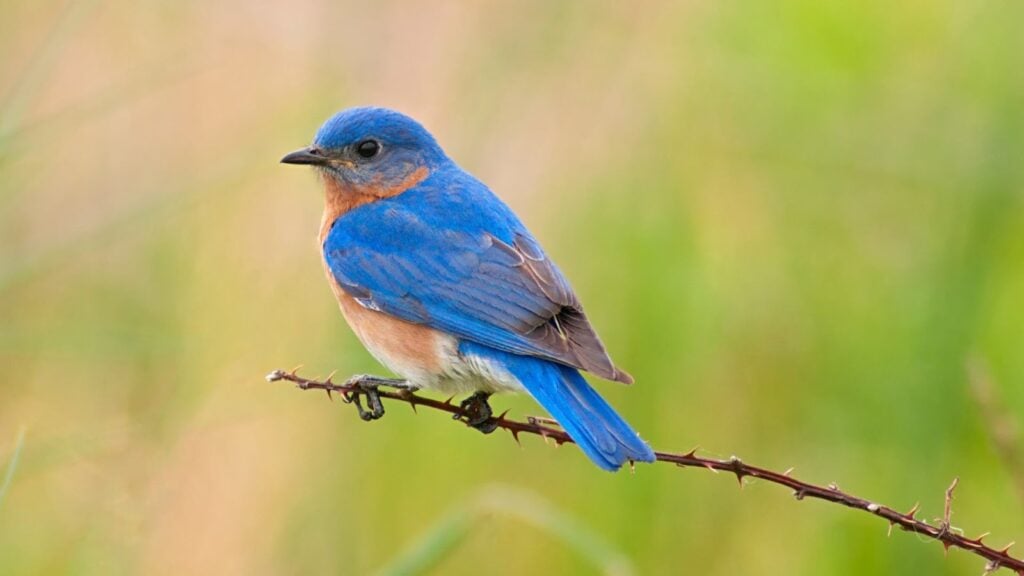
Baby bluebirds need soft, protein rich meals that are easy to digest. Adult birds deliver food directly to the nest many times each hour. Their choices stay simple and focused.
- Caterpillars
- Spiders
- Grasshoppers
- Beetles
- Mealworms
- Berries, sometimes
These foods support fast growth and healthy development. While fruit appears occasionally, insects dominate early meals. This approach matches natural bluebird feeding habits and ensures chicks gain strength before fledging.
Can You Feed Bluebirds in Your Backyard?
You absolutely can supplement the natural bluebird diet in your yard, and doing so successfully requires understanding what bluebirds food preferences actually are. Live mealworms are the single most effective offering, with bluebirds quickly learning to visit feeders stocked with these wriggling treats.
You can purchase mealworms from pet stores or online suppliers, and some dedicated bluebird enthusiasts even raise their own colonies to ensure a steady supply. Specialized bluebird feeders with small entrance holes help exclude larger, more aggressive birds while giving bluebirds safe access to the mealworms.
You can also offer dried mealworms, though fresh live ones attract more interest initially. Once bluebirds discover your feeding station, they’ll readily accept the dried version as well. Some people soak dried mealworms in water to rehydrate them and make them more appealing.
Foods Bluebirds Should Never Eat
While bluebirds are adaptable, certain foods can harm them and should never be offered.
- Bread provides empty calories without the nutrition bluebirds need and can cause digestive problems.
- Milk and dairy products are completely inappropriate for birds who lack the enzymes to properly digest lactose.
- Salted foods of any kind are dangerous because birds’ small bodies can’t handle excess sodium.
- Avoid offering processed foods, chocolate, avocado, or anything containing artificial sweeteners.
These items either lack nutritional value or contain compounds toxic to birds. Stick with natural foods that closely match what bluebirds would encounter in the wild. When in doubt, live insects and native berries represent the safest supplemental feeding options.
Final Thoughts on the Bluebird Diet
Understanding what do bluebirds eat throughout the year helps you support these beneficial birds in meaningful ways. Their insect eating habits during warm months provide valuable pest control, while their adaptation to berries during winter shows remarkable flexibility. Whether you’re offering mealworms at a feeder or planting native shrubs that produce winter berries, you’re contributing to bluebird conservation and giving yourself opportunities to observe these stunning birds up close. The bluebird diet reflects their role as both predator and seed disperser in healthy ecosystems, making them important contributors to environmental balance.
FAQ
What do bluebirds eat most of the year?
Mostly insects and other small invertebrates like beetles, caterpillars, crickets, grasshoppers, and spiders. This protein-rich diet supports breeding, feather health, and energy during warmer months.
What do bluebirds eat in winter when insects are scarce?
They shift toward fruit and berries, especially from plants that hold berries into colder months. They will still grab any insects they can find, but berries often become the main fuel.
What do baby bluebirds eat?
Nestlings are fed soft, protein-rich prey like caterpillars, spiders, and small insects. Adults bring food frequently, and the high protein helps chicks grow quickly before fledging.
Can I feed bluebirds mealworms?
Yes. Live mealworms are usually the easiest way to attract bluebirds, and many will also take dried mealworms once they learn your feeder is reliable. Rehydrating dried mealworms can make them more appealing.
Do bluebirds eat seeds like many backyard birds?
They are not classic seed-eaters, so standard seed mixes often do not attract them. They are more likely to visit for insects, mealworms, and fruit.
What foods should I never give bluebirds?
Avoid bread, milk or dairy, salty foods, and highly processed items. Also avoid chocolate, avocado, and anything with artificial sweeteners.