
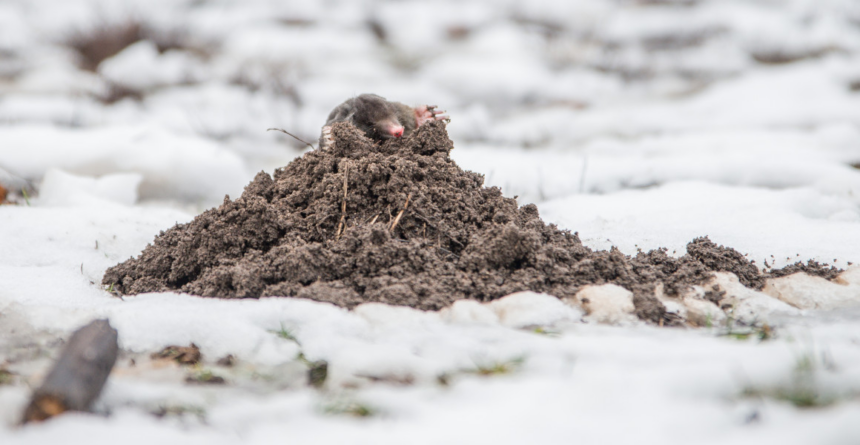
When snow covers your lawn and temperatures drop, you might wonder what happens to the moles living beneath your yard. These small underground animals remain surprisingly active even during the coldest months.
Unlike many creatures that hibernate or migrate, moles continue their relentless digging and feeding throughout winter. Understanding what do moles eat in winter helps explain why you still see fresh molehills appearing in frozen ground.
Their winter survival depends on consistent access to food and water, which they find in their extensive tunnel systems. The mole diet stays remarkably consistent year round, though winter presents unique challenges for these persistent diggers.
Table of Contents
Do Moles Hibernate in Winter?
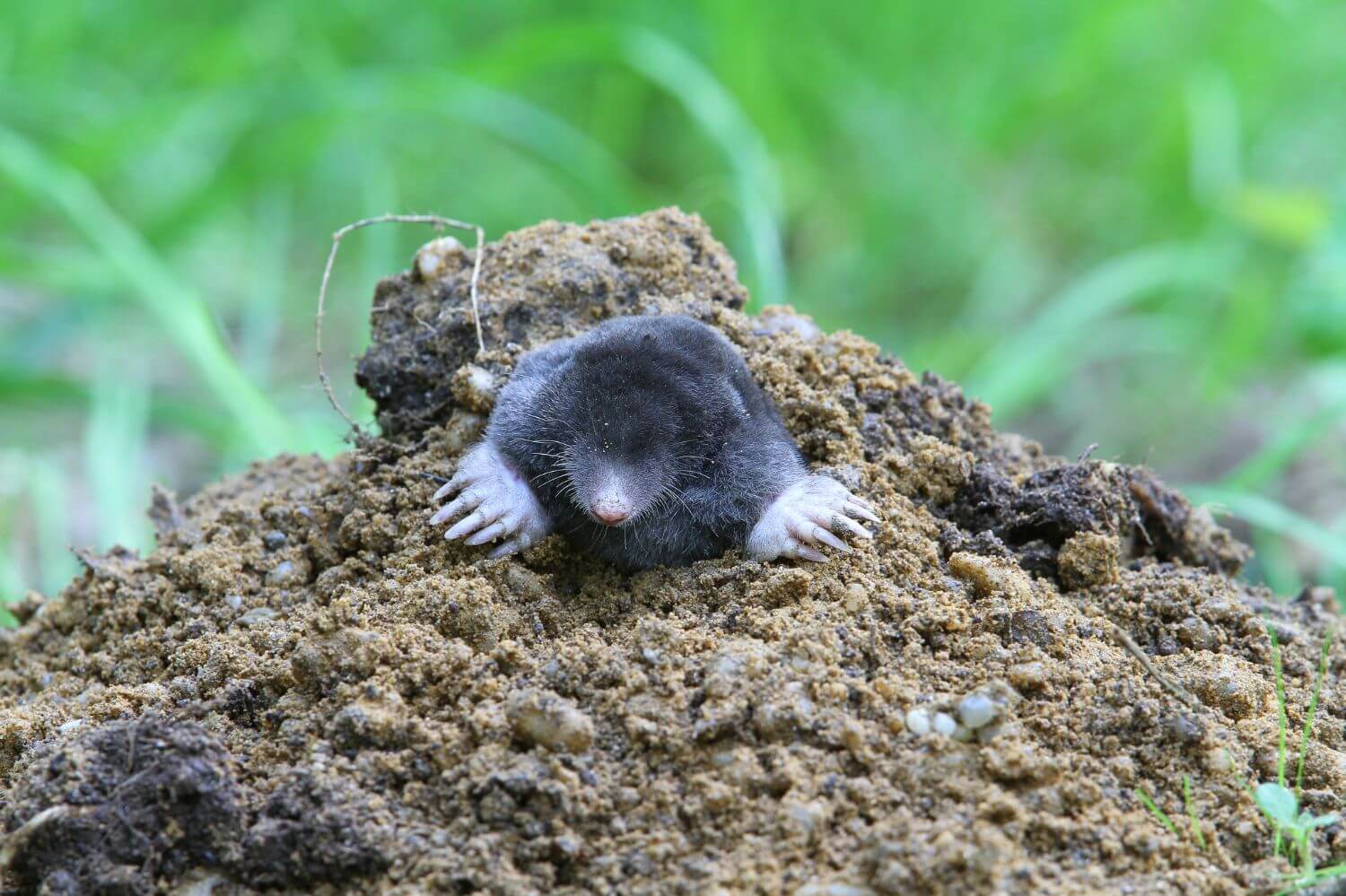
No, moles do not hibernate during winter months. They remain active throughout the year and try to adjust their behavior to cope with frozen ground and cold temperatures. Winter moles simply dig deeper where the soil stays warmer and food sources remain accessible.
Their metabolism requires constant feeding. These creatures are active for about four hours at a time, then rest for a similar length of time before resuming their search for food. This pattern continues regardless of season or weather conditions above ground.
What Do Moles Eat in Winter?

The mole’s winter diet consists almost entirely of invertebrates found in soil and leaf litter. These insectivores need tremendous amounts of food daily, eating up to half their own body weight each day. What do moles eat in winter specifically? They consume whatever protein rich prey they can find in their mole tunnels and surrounding soil.
Earthworms
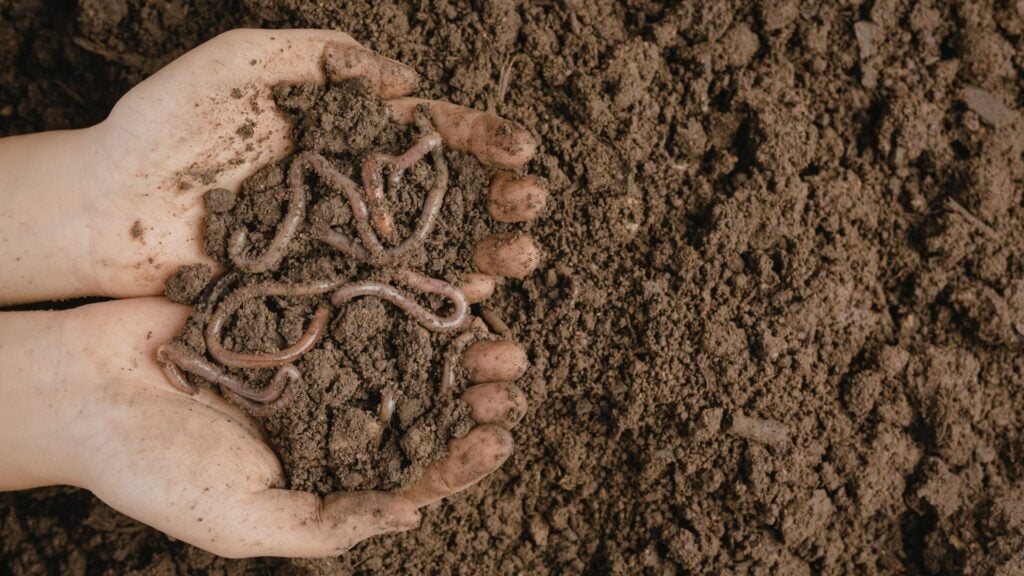
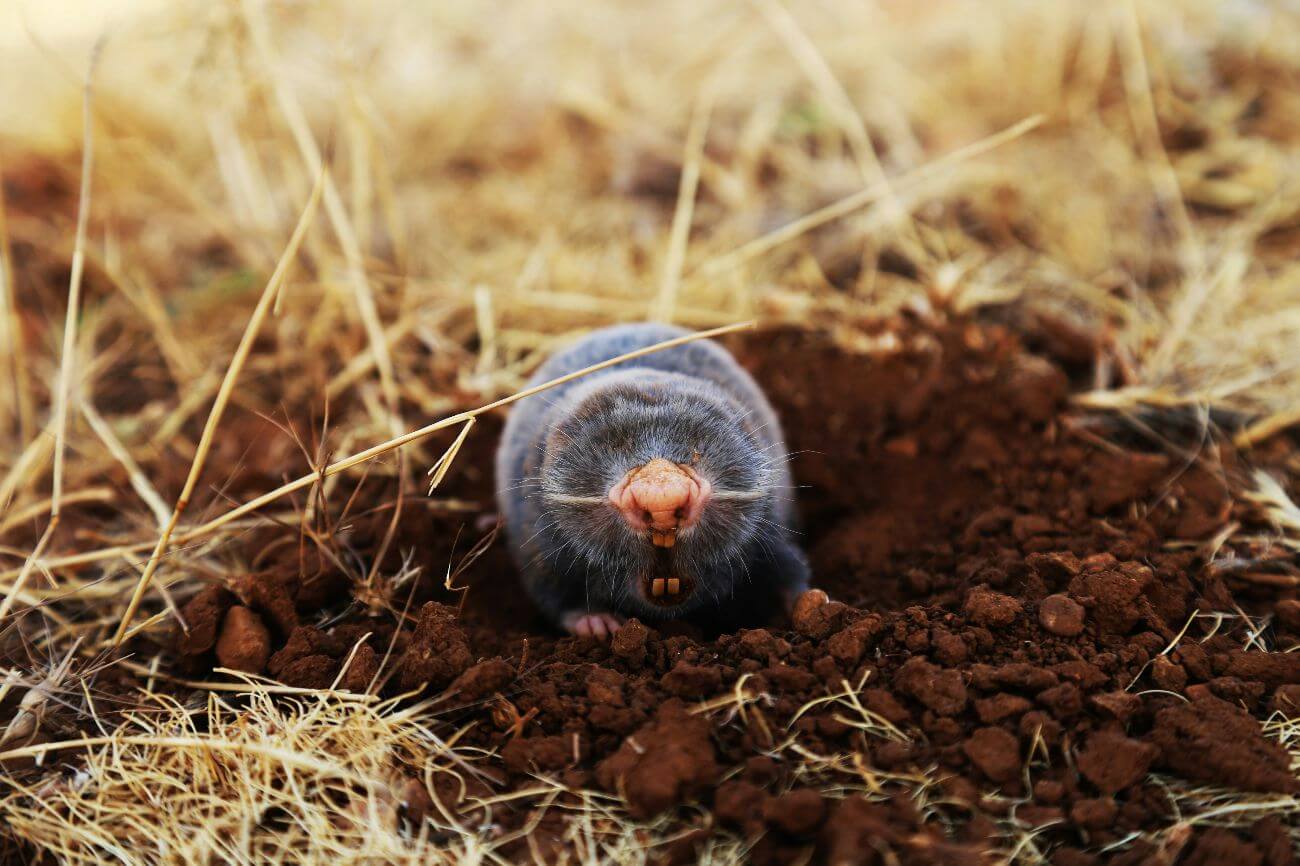
Earthworms form the backbone of what moles eat throughout the year. These protein packed invertebrates provide essential nutrition that keeps moles alive. The earthworms diet of decaying organic matter keeps them active in deeper soil layers even when surface ground freezes. Moles hunt earthworms by detecting vibrations and movement through sensitive snouts. Once caught, moles often bite off their heads and store paralyzed worms in special chambers.
Insects and Larvae
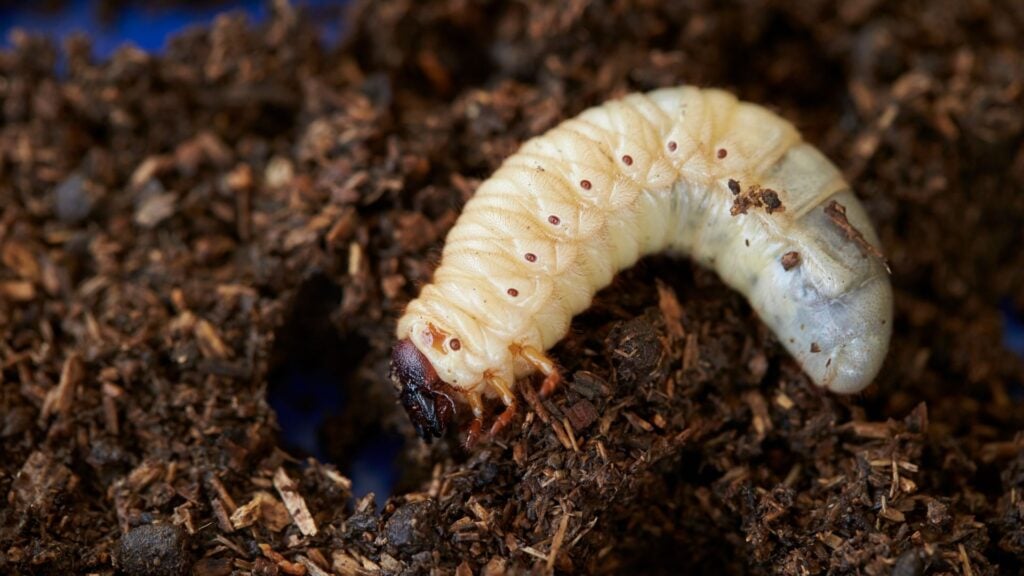
Beetle larvae and grubs represent another important component of what does moles eat. These larvae overwinter in soil and so are available prey even in frozen conditions. Japanese beetle grubs, June beetle larvae, and various fly larvae all fall victim to hungry moles. The high fat content in these larvae provides extra calories that help moles maintain body temperature.
Other Small Invertebrates
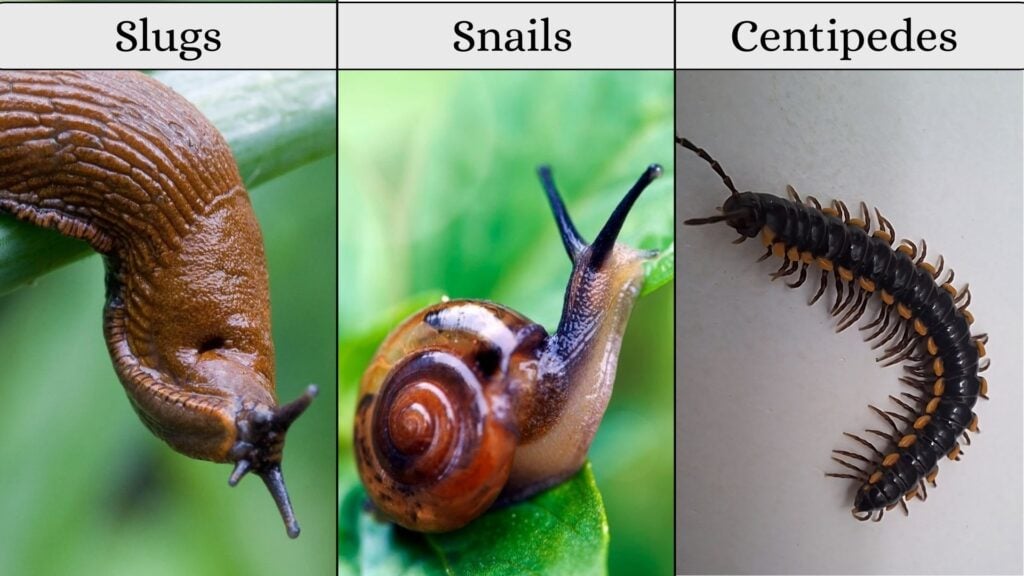
Slugs, snails, and centipedes round out the mole diet when available. These creatures shelter in leaf litter and upper soil layers where moles patrol regularly. While less common than earthworms or larvae, these invertebrates provide variety and additional protein. Moles are opportunistic feeders that consume virtually any small invertebrate they discover while tunneling.
Do Moles Store Food for Winter?
Yes, moles famously store earthworms for winter consumption. They gnaw off the heads of captured earthworms, which paralyzes but does not kill them immediately. These immobilized worms stay fresh in underground chambers for weeks or months. During severe weather when digging becomes difficult or prey scarce, moles rely on these stored reserves. Research has found storage chambers containing over 1,000 earthworms in a single location. This remarkable food caching behavior demonstrates how moles survive winter when conditions make hunting challenging. The stored worms provide insurance against starvation during the coldest periods.
What Do Moles Drink in Winter?
What do moles drink in winter? They obtain moisture primarily from their prey. Earthworms contain roughly 80 percent water. Besides, soil moisture and underground water sources supply drinking water to a large extent. Moles dig deep enough to reach unfrozen soil where groundwater remains accessible. Their mole habitat naturally provides moisture year round through soil dampness. Turns out, moles rarely need to surface for water, even in winter.
How Moles Survive Cold Winter Temperatures
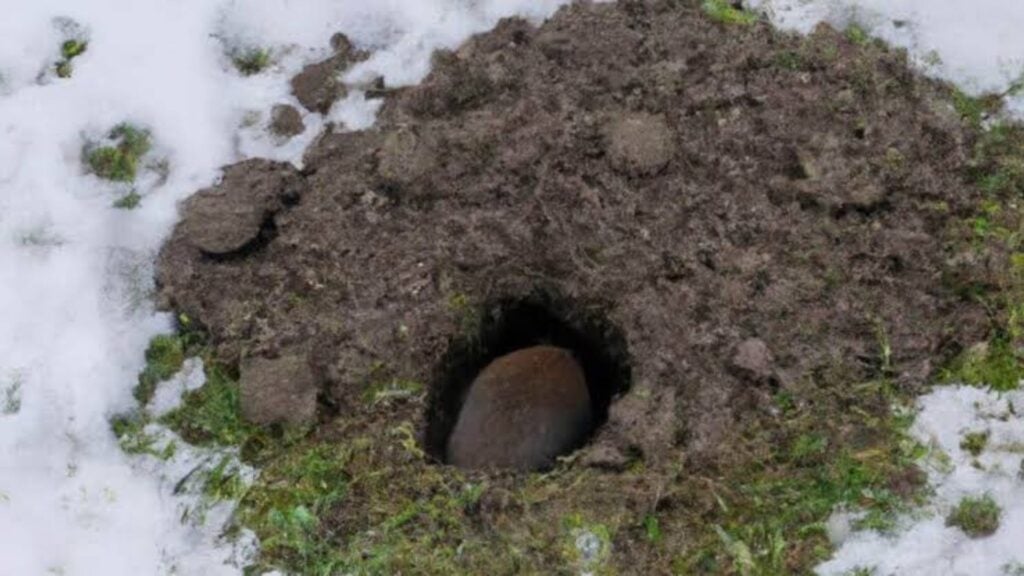
How moles survive winter depends largely on depth and activity. Moles dig deeper when frost penetrates surface soil, reaching layers that stay above freezing. Their constant movement generates body heat that helps maintain core temperature.
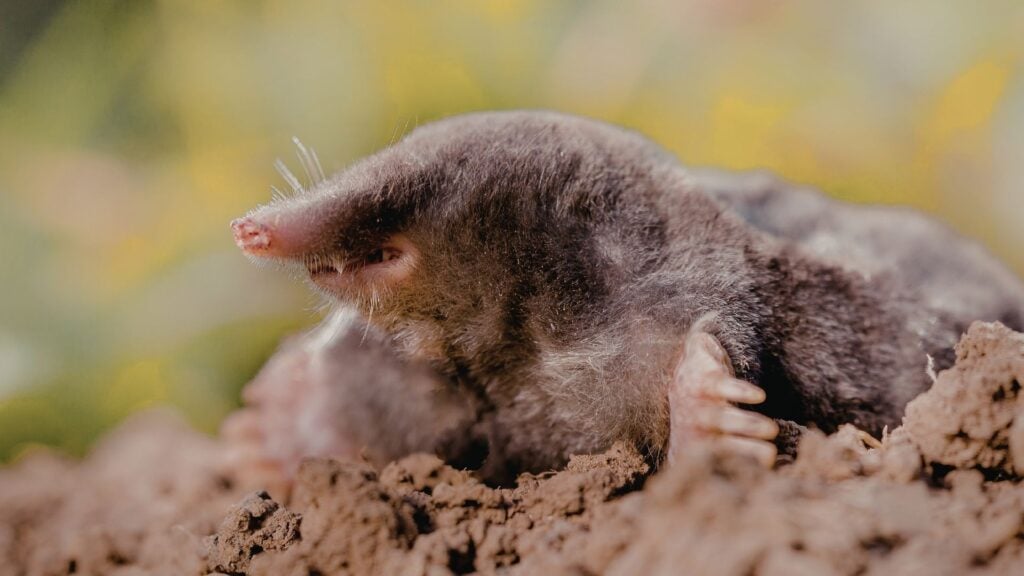
The thick velvet like fur provides excellent insulation in all directions since moles must move forward and backward through tight spaces. Their metabolism runs hot due to constant activity and high food consumption.
Since their fat reserves are built during autumn it in turn provide them with extra insulation and emergency energy. Tunnel systems also trap heat and protect from harsh surface conditions, creating a relatively stable microclimate.
Signs of Mole Activity in Winter
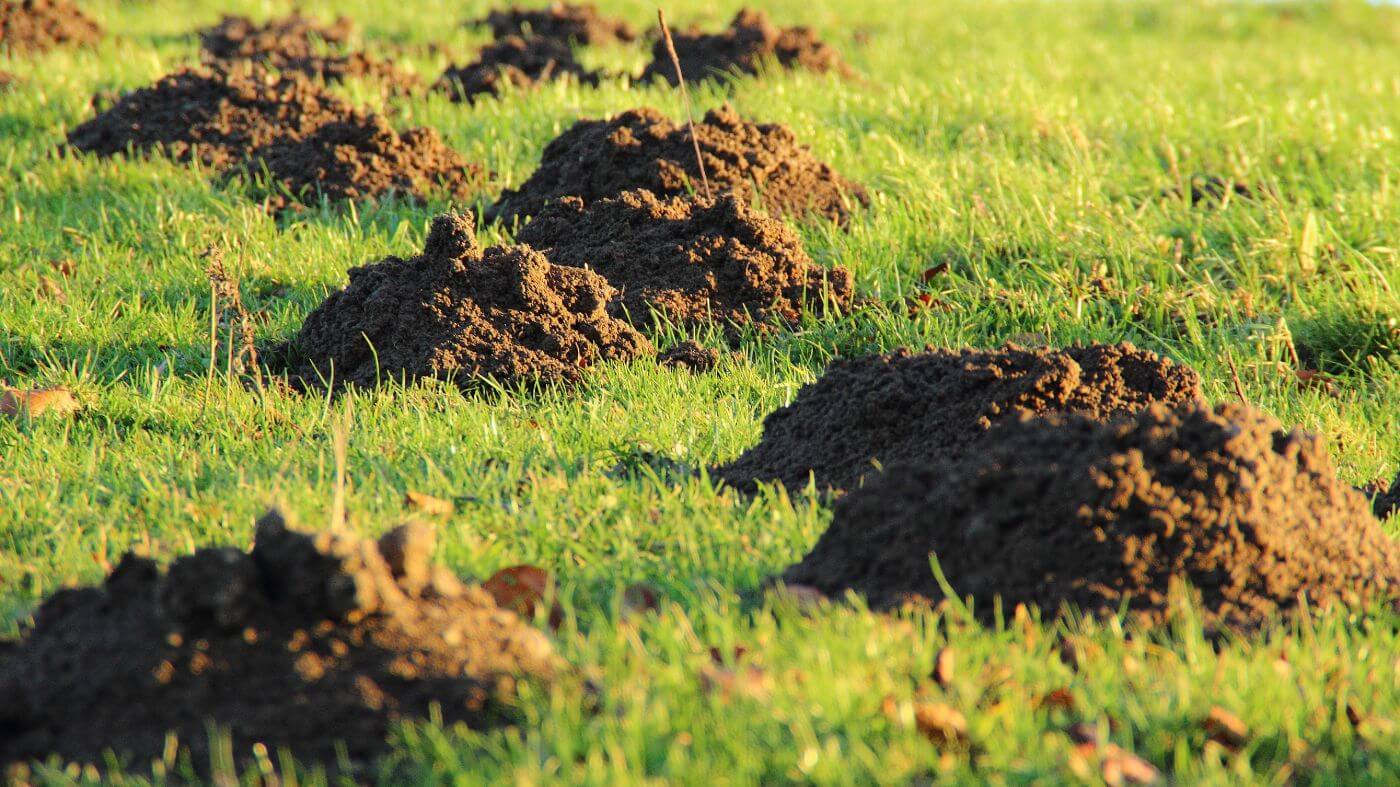
- Fresh dirt mounds
- Raised tunnel ridges
- Sunken ground patches
- Dead grass strips
- Surface tunnel collapses
- New digging areas
How to Prevent Mole Problems in Winter
- Reducing mole activity in winter starts with making your yard less attractive.
- Garden moles target properties with high earthworm and grub populations, so controlling these prey species helps discourage moles.
- You can use mole traps or apply grub control treatments in late summer or early autumn before ground freezes.
- Reduce lawn watering to make soil less hospitable for earthworms.
- Install underground barriers around valuable garden areas.
- Compact soil where possible since moles prefer loose, easily excavated ground.
- Eliminate thick mulch layers where insects overwinter.
These preventive measures work better than trying to eliminate established pest moles.
Final Thoughts on What Moles Eat and Drink in the Winter
Understanding what do moles eat in winter reveals these remarkable creatures’ resilience. Their carnivorous diet remains consistent year round, focused on earthworms, larvae, and other soil invertebrates. The ability to store food and access deep soil layers allows winter survival without hibernation. While moles cause frustrating lawn damage, they also consume massive quantities of pest insects. Their winter presence proves that underground life continues actively even when surface conditions seem hostile. Knowing their habits helps property owners make informed decisions about mole management during cold months when options for control become limited.
Frequently Asked Questions
Do Moles Damage Lawns More in Winter?
Mole activity actually tends to decrease slightly in winter compared to spring and autumn. However, winter damage becomes more noticeable because grass grows slowly and cannot recover quickly. Frozen ground forces moles to work harder, sometimes creating more obvious surface tunneling. The damage accumulates over winter and becomes apparent when snow melts. Late winter and early spring often show the worst visible effects from months of underground activity.
Do moles eat plants, vegetables, or fruits?
No, moles are strict carnivores that eat only animal matter. Any plant damage in areas with mole activity typically comes from other animals using mole tunnels rather than from moles themselves.
Do moles eat roots, bread, or cheese?
Moles consume none of these items. Their diet consists exclusively of invertebrates. Although cockroaches are insects, they rarely live in soil where moles hunt. Moles stick to underground prey like earthworms, beetle larvae, grubs, and similar invertebrates. Setting out bread or cheese will not attract or eliminate moles.
What attracts moles to your yard?
Rich soil with abundant earthworms and grubs attracts moles more than anything else. Moist, loose soil that makes digging easy appeals to these animals. Well watered lawns, gardens with organic matter, and properties near wooded areas typically see more mole activity. The presence of food sources determines whether moles establish territories. If they would fortunately able to establish, they maintain extensive tunnel systems and rarely relocate unless food disappears completely.
What do moles eat in your house?
Moles never intentionally enter houses and cannot survive indoors. What does moles eat requires soil dwelling invertebrates that houses do not provide. If you see a small mammal in your home, it is likely a mouse or vole, not a mole. There’s a difference when it comes to moles vs voles vs shrew. True moles suffocate quickly without access to soil and their prey. They cannot climb walls, navigate stairs, or function in dry indoor environments. Turns out, any tiny animal wandering through your house is for sure not a mole.