
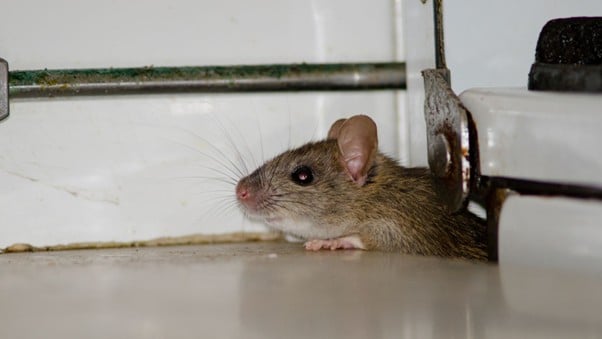
Rats depend on their sense of smell more than almost any other sense. They use it to find food, detect danger, and navigate through spaces. This keen sensitivity becomes their weakness when you know which odors they can’t stand.
Using strong scents as a natural rat deterrent offers a safer alternative to harsh chemicals. These methods protect your family and pets while remaining eco-friendly. The question most homeowners ask is simple: what smell do rats hate enough to stay away for good?
Table of Contents
Why Smell Is So Important to Rats
Rats live in a world dominated by scent. Their noses guide them to food sources from impressive distances. When a rat enters a new area, it maps the space through smell rather than sight. They leave scent trails for other rats to follow and use odor to identify safe paths. This reliance on smell makes them vulnerable to strong, offensive odors.
When you introduce scents that overwhelm their sensitive noses, they feel disoriented and threatened. The discomfort forces them to search for more hospitable environments. Understanding this behavior is the first step in using smells rats hate as an effective repellent strategy.
What Smell Do Rats Hate the Most?

- PET-FRIENDLY & FAMILY-SAFE FORMULA – Mighty Mint is a top pick for pet parents looking for a natural pest control solution. Safe to use around dogs, cats, and kids when applied as directed—no harsh fumes or dangerous chemicals, just powerful peppermint protection you can trust.
- POWERFUL PLANT-BASED PEST CONTROL – Formulated with extra-concentrated peppermint oil, this natural spray is a proven deterrent for mice, rats, and other rodents.
- EFFECTIVE INDOOR & OUTDOOR USE – Designed for versatile application on baseboards, entryways, patios, and other areas. Helps repel rodents from kitchens, bathrooms, living spaces, and more—without staining surfaces.
- FRESH MINTY SCENT WITH LONG-LASTING EFFECT – Infused with pure peppermint oil, this formula leaves a crisp, clean aroma that lingers without overwhelming. Free from synthetic fragrances and common allergens, making it a gentle option for scent-sensitive households.
Several scents prove particularly unbearable to rats. These natural options work by triggering their survival instincts to flee from potential threats.
Peppermint Oil
Peppermint oil tops the list of smells rats hate due to its intense menthol content. The sharp, cooling sensation irritates their nasal passages and makes breathing uncomfortable. Rats associate this overwhelming scent with danger and actively avoid areas where they detect it.
Ammonia Smell
Ammonia produces one of the most effective rat repellent smells available. Rats instinctively recognize it as predator urine, which signals immediate danger. This fear response is hardwired into their survival mechanisms. Ammonia works best in enclosed spaces like garages, sheds, and basements where the scent lingers. Pour small amounts into shallow dishes or soak rags and place them strategically.
Never mix ammonia with other cleaning products, especially bleach, as this creates toxic fumes. Keep these solutions away from areas where children and pets spend time. The harsh odor can irritate human respiratory systems too, so use it sparingly in well-ventilated spaces.
Garlic and Onion Smell
The sulfur compounds in garlic and onions create scents that repel rats naturally. These pungent vegetables produce an odor rats find absolutely repulsive. Fresh garlic cloves work better than powder because they release stronger oils. Crush several cloves and place them in areas where you’ve noticed rat activity. Sliced onions serve the same purpose, though they need more frequent replacement as they dry out.
Vinegar Odor
White vinegar disrupts the scent trails rats use to navigate your home. The acidic smell confuses their sense of direction and makes them uncomfortable. Rats rely on familiar odors to feel safe, and vinegar erases those comforting markers. Mix equal parts vinegar and water in a spray bottle for easy application. Focus on areas where rats travel regularly, including along walls and near food sources.
Vinegar works well for cleaning surfaces because it removes the oily residue rats leave behind. However, the smell dissipates relatively quickly in open spaces. You’ll need to spray frequently to maintain effectiveness, especially in larger rooms or outdoor areas.
Clove Oil and Other Strong Spices
Clove oil contains eugenol, a compound that burns the sensitive tissues in a rat’s nose. This intense spicy aroma creates immediate discomfort that rats won’t tolerate. Cinnamon oil works similarly, though clove oil tends to be stronger. Mix a few drops with water and spray around your home’s perimeter.
Essential Oils That Act as Natural Rat Repellents
Beyond peppermint and clove, several essential oils serve as powerful rodent repellent options.
- Eucalyptus oil produces a sharp, medicinal scent that rats avoid.
- Citronella, commonly used against mosquitoes, also deters rats with its lemony punch.
- Tea tree oil brings antifungal properties while keeping rats at bay. These natural rat repellents need regular reapplication because the volatile compounds evaporate quickly.
Most experts recommend refreshing your essential oil barriers every three to five days. Rotate between different oils to prevent rats from becoming accustomed to any single scent. This variety keeps them guessing and maintains the element of surprise that makes these methods effective.
Scents That Repel Rats Outdoors vs Indoors

Indoor environments allow smells to concentrate and linger, making them more effective. You control airflow and can create stronger scent barriers in enclosed spaces. Outdoor applications face wind, rain, and temperature changes that dilute and wash away odors. Garden areas need more frequent treatment than kitchen cupboards.
Focus outdoor efforts on entry points like foundation cracks, garage doors, and vent openings. Create a perimeter defense by applying stronger concentrations around your home’s exterior. Inside, you can use lighter applications since the scents won’t dissipate as quickly. Basements and attics work particularly well for scent-based deterrents because air circulation is limited and smells accumulate naturally.
How to Use Rat Repellent Smells Safely
- Safety comes first when working with strong odors and concentrated oils.
- Keep all repellents away from areas where children play or pets sleep. Some essential oils can be toxic to cats and dogs if ingested or absorbed through skin.
- Always dilute oils according to package directions before spraying or applying.
- Wear gloves when handling ammonia to protect your skin.
- Ensure good ventilation in any room where you use strong-smelling deterrents.
- If anyone in your household has asthma or respiratory sensitivities, choose milder options like vinegar or onion.
- Store all repellent materials in clearly labeled containers out of reach of curious hands and paws.
Do Smells Alone Get Rid of Rats?
Scents work best as part of a comprehensive pest control strategy. They excel at prevention and discouragement but rarely eliminate an established infestation alone. Rats are adaptable creatures that will tolerate unpleasant smells if food and shelter are readily available.
Combine smells rats hate with thorough cleaning to remove food sources. Seal entry points with steel wool and caulk to physically block access. Remove clutter that provides nesting materials and hiding spots. Set traps in conjunction with scent barriers for active infestations. Think of odor-based repellents as your first line of defense, not your only weapon.
They create an unwelcoming environment that makes rats think twice before settling in. When used consistently alongside other methods, natural scents become a valuable tool in keeping your home rat-free.
Wrapping Up…
The most effective smells rats hate include peppermint oil, ammonia, garlic, vinegar, and clove oil. These natural rat repellents offer a safer, chemical-free approach to rodent control. Success depends on consistent application and strategic placement throughout your home. Combine these scent-based methods with proper sanitation and structural repairs for best results. Remember that prevention is easier than elimination, so start using these natural deterrents before rats become a serious problem. With patience and persistence, you can create an environment that rats find completely uninhabitable.
FAQ
What smell do rats hate the most?
Peppermint oil is one of the most effective smells rats hate because the menthol is intense and irritates their nasal passages. Many homeowners also get strong results from ammonia, clove oil, garlic, and vinegar, especially when used consistently in problem areas.
Does peppermint oil really repel rats?
Yes, it often helps as a deterrent. Rats rely heavily on smell, and the strong peppermint scent can make an area feel unsafe and uncomfortable. For best results, refresh peppermint applications every few days because the scent fades over time.
Why does ammonia keep rats away?
Rats tend to interpret ammonia as a predator type urine smell, which triggers an instinctive danger response. It can work well in enclosed areas like garages or sheds, but it should be used carefully and with ventilation because it can irritate people and pets too.
Does vinegar keep rats away or just remove odor trails?
Both. Vinegar has a sharp scent rats dislike, and it can also disrupt scent trails rats use to navigate. The downside is vinegar smell dissipates faster in open air, so it needs frequent reapplication.
Do garlic and onions repel rats?
They can. The strong sulfur smell can be unpleasant enough that rats avoid the area. Fresh garlic tends to work better than powders because it releases stronger oils, but it needs replacing as it dries out.
Are essential oils safe to use around pets?
They can be risky if pets lick or absorb concentrated oils, and some oils are especially problematic for cats. Use diluted sprays, avoid pet sleeping areas, and never apply oils directly to animals. When in doubt, choose safer approaches like sealing entry points and using traps.
Do rat repellent smells work outdoors?
They can help, but outdoor smells fade quickly due to wind and rain. They work best when applied around entry points like foundation gaps, garage doors, vents, and shed doors, and then refreshed often.
Can smells alone get rid of rats for good?
Usually not. Smells are great for discouraging rats and preventing new activity, but established rats may tolerate unpleasant odors if food and shelter are still easy to access. Pair scents with cleaning, sealing gaps, and traps for best results.