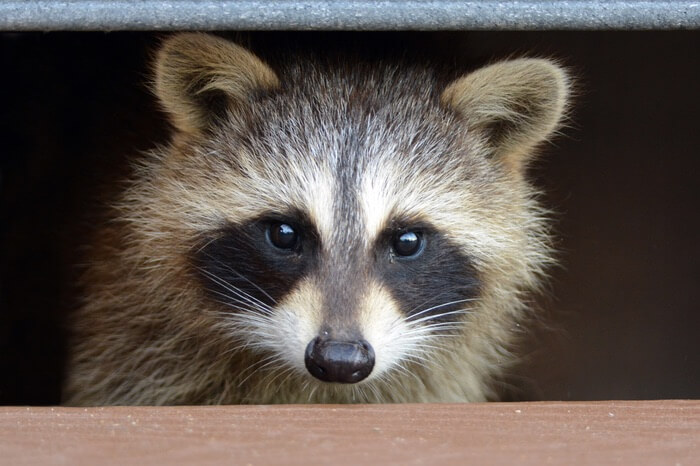


Have you ever spotted a raccoon rummaging through your trash at night and wondered where these masked bandits disappear to when the sun comes up? While raccoons are famous for their nighttime antics, they actually spend their days tucked away in cozy hiding spots, catching up on sleep and staying safe from predators.
Understanding where raccoons go during the day can help you appreciate these clever creatures and know what to do if you encounter one near your home.
Table of Contents
1. Understanding Raccoon Sleep Patterns
Raccoons are nocturnal animals, which means they’re most active when it’s dark outside. Just like you need your sleep at night, raccoons need their rest during the day. Most raccoons sleep for about 6 to 8 hours while the sun is up, though some may snooze for even longer, up to 12 or 16 hours depending on their age and energy needs. Baby raccoons, for example, need way more sleep than adult raccoons.
These animals are perfectly designed for nighttime living. They have excellent night vision and sensitive whiskers that help them navigate in the dark. Their black mask isn’t just for show either. It actually helps reduce glare and improves their ability to see at night, kind of like the black strips athletes wear under their eyes.
Raccoons usually head back to their dens in the early morning, right before sunrise. This timing helps them avoid both daytime predators and people who are starting their day. Once they’re safely tucked into their den, they’ll rest up until dusk rolls around again, when they emerge to search for food and water.
2. Natural Den Locations in the Wild
In natural settings, raccoons are pretty picky about where they sleep, even though they don’t actually build their own homes. Their favorite spot is a hollow tree trunk or a cavity high up in a tree. These tree hollows provide excellent protection from weather and predators, plus they’re nice and dark for sleeping. The height also gives raccoons an escape route if danger approaches.
When tree cavities aren’t available, raccoons will happily move into burrows that other animals have abandoned. Groundhogs, foxes, and woodchucks all dig great burrows that raccoons are more than willing to claim as their own. Why do all the hard work when someone else has already created the perfect home?
Rock crevices and small caves make excellent raccoon hideouts too. These natural formations keep raccoons protected from harsh weather and hidden from animals that might want to eat them. Raccoons will also nest in dense brush piles, fallen logs, or even under the roots of large trees. As long as the spot is quiet, dark, and safe, a raccoon will consider it home.
You’ll often find raccoon dens near streams, ponds, or other water sources. Raccoons love water and get much of their food from aquatic environments, so living nearby makes perfect sense for their lifestyle.
3. Urban and Suburban Den Sites
Raccoons are incredibly adaptable animals, and they’ve gotten really good at living alongside humans. In cities and suburbs, where raccoons go during the day might surprise you. These clever critters have learned to take advantage of human structures that mimic their natural homes.
Attics are prime real estate for raccoons. They’re warm, dry, quiet, and usually undisturbed during the day. Raccoons can squeeze through surprisingly small openings to get inside, sometimes ripping up shingles or exploiting gaps in soffits. Once inside, they’ll arrange insulation and other materials to create a comfortable nest.
Chimneys are another favorite spot because they remind raccoons of hollow trees. The vertical structure provides safety and an easy escape route. Crawl spaces under houses offer similar benefits with the added bonus of being protected from weather.
Under porches and decks creates perfect denning opportunities. These spaces are dark, enclosed, and close to the ground, giving raccoons easy access. Sheds, barns, and garages also attract raccoons looking for a safe daytime retreat, especially if there’s stored hay, equipment, or other materials they can use for nesting.
You might even find raccoons sleeping in abandoned vehicles, storm drains, or tucked under woodpiles. If it’s dark and offers protection, a raccoon will give it a try.
4. Why Raccoons Have Multiple Dens
Here’s something interesting about where raccoons go during the day: they don’t just have one den. Most raccoons maintain between five and six different den sites throughout their territory. Think of it like having multiple houses you can choose from depending on your mood or needs.
Male raccoons are especially mobile. They typically switch dens every day or every few days, rarely staying in the same spot for long. This constant movement helps them avoid predators who might have spotted their location. It also gives them flexibility to be closer to different food sources as they rotate through their territory.
Female raccoons are a bit different. They tend to stay in one den for longer periods, especially when they have babies to care for. A mother raccoon with young kits needs a stable, safe place where her babies can grow without being constantly moved around. However, even mother raccoons will maintain backup dens in case their primary home gets discovered or damaged.
Having multiple dens is a smart survival strategy. If a predator finds one den, the raccoon has several other options to escape to. If bad weather damages a den or a tree falls on a favorite hollow log, no problem. There are always other spots available. This flexibility is one reason raccoons have become so successful at surviving in different environments.
Don’t be surprised if you see a raccoon moving around during the daytime. They’re often just relocating from one den to another, which is completely normal behavior and doesn’t mean the animal is sick.
5. What Happens During Winter
Unlike bears, raccoons don’t hibernate during winter, but they do slow down quite a bit. When temperatures drop and food becomes scarce, raccoons enter a state called torpor. This is like a lighter version of hibernation where their body temperature, heart rate, and breathing all decrease to conserve energy.
During torpor, raccoons will spend much longer periods sleeping in their dens. They might stay put for several weeks at a time, only waking up occasionally during warmer spells to search for food. Some raccoons can lose up to half their body weight during the coldest months as they survive on their fat reserves.
To prepare for winter, raccoons eat as much as possible during fall. They’re trying to pack on the pounds so they have enough stored energy to make it through the lean times. This is why you might notice increased raccoon activity in your yard or garbage cans as autumn approaches.
During really harsh winters, it’s not uncommon to find several raccoons sharing the same den. While raccoons are usually solitary animals, they’ll huddle together for warmth when survival depends on it. These temporary roommate situations help all the raccoons conserve body heat and energy.
Once spring arrives and temperatures warm up, raccoons emerge from torpor ready to mate and search for food. Mother raccoons will soon be preparing dens for their new babies, and the cycle begins again.
6. Why You Might See Raccoons During the Day
Seeing a raccoon during daylight hours can be startling, but it doesn’t automatically mean something is wrong. There are actually many normal reasons for where raccoons go during the day and why they might be out and about in sunlight.
Mother raccoons with babies have a tough job. Nursing takes a lot of energy, and sometimes a mom needs extra food to keep up her strength and produce enough milk. She might venture out during the day to grab a quick meal, especially if nighttime foraging didn’t provide enough calories.
Young raccoons are naturally curious and impatient. As they’re learning about the world, baby raccoons sometimes wander out of the den during the day to practice their climbing skills or check out their surroundings. This is a normal part of their education in becoming adult raccoons.
Raccoons moving between den sites are commonly spotted during the day. Remember, they have multiple homes, and sometimes the best time to relocate is when they wake up in the afternoon. If a den has been disturbed by a predator, another raccoon, or even a curious dog, the raccoon might need to move immediately regardless of the time.
In urban areas, raccoons have adapted their schedules to take advantage of human patterns. If they’ve learned that certain food sources are available during specific daytime hours, they’ll adjust their routine accordingly. This is especially true in busy cities where nighttime might actually be noisier and more dangerous than daytime.
Food scarcity can also push raccoons to forage during the day. If a raccoon didn’t find enough food the previous night, hunger might drive it to keep searching even after the sun comes up.
7. How to Identify If a Daytime Raccoon Is Sick
While seeing raccoons during the day is often normal, there are times when daytime activity signals a problem. Knowing the difference between a healthy raccoon and a sick one is important for your safety and the animal’s welfare.
A healthy raccoon that’s out during the day should appear alert and responsive. It should move with purpose, whether that’s searching for food or heading to a new den. Healthy raccoons are aware of their surroundings and will typically try to avoid people. They might pause to look at you, but they should move along fairly quickly.
Warning signs of illness are pretty obvious once you know what to look for. A sick raccoon might stagger or stumble like it can’t walk properly. Disorientation is another red flag. If a raccoon is walking in circles, bumping into things, or seems confused about where it’s going, something is definitely wrong.
Loss of balance or coordination indicates a serious problem. Raccoons are normally excellent climbers and very sure-footed, so a raccoon that’s falling over or having trouble standing needs help. Excessive drooling or saliva around the mouth can be a sign of rabies or another disease.
Aggressive behavior toward people is not normal for raccoons. While they’ll defend themselves if cornered, healthy raccoons generally prefer to run away from humans. A raccoon that approaches people boldly or acts aggressive without being provoked might be sick.
If you spot a raccoon showing any of these warning signs, keep your distance and don’t try to help it yourself. Never approach or touch a raccoon, even if it looks injured or helpless. Instead, contact your local wildlife authorities or animal control department. They have the training and equipment to handle sick or injured wildlife safely.
It’s also important to keep pets away from any raccoon behaving strangely. Raccoons can carry rabies and other diseases that can spread to dogs and cats.
Conclusion
Understanding where raccoons go during the day gives us a better appreciation for these intelligent and adaptable animals. From hollow trees in the forest to attics in suburbia, raccoons have mastered the art of finding safe, comfortable places to rest while the sun is up. Their habit of maintaining multiple dens, their seasonal torpor during winter, and their occasional daytime appearances all show just how flexible and resourceful these creatures are.
While raccoons can sometimes become pests when they choose human structures for their dens, they’re simply trying to survive in a world that keeps changing around them. If you encounter a raccoon during the day, stay calm and give it space. Most of the time, it’s just going about its normal raccoon business. By respecting these animals from a distance and securing potential den sites around your home, you can peacefully coexist with your masked neighbors.