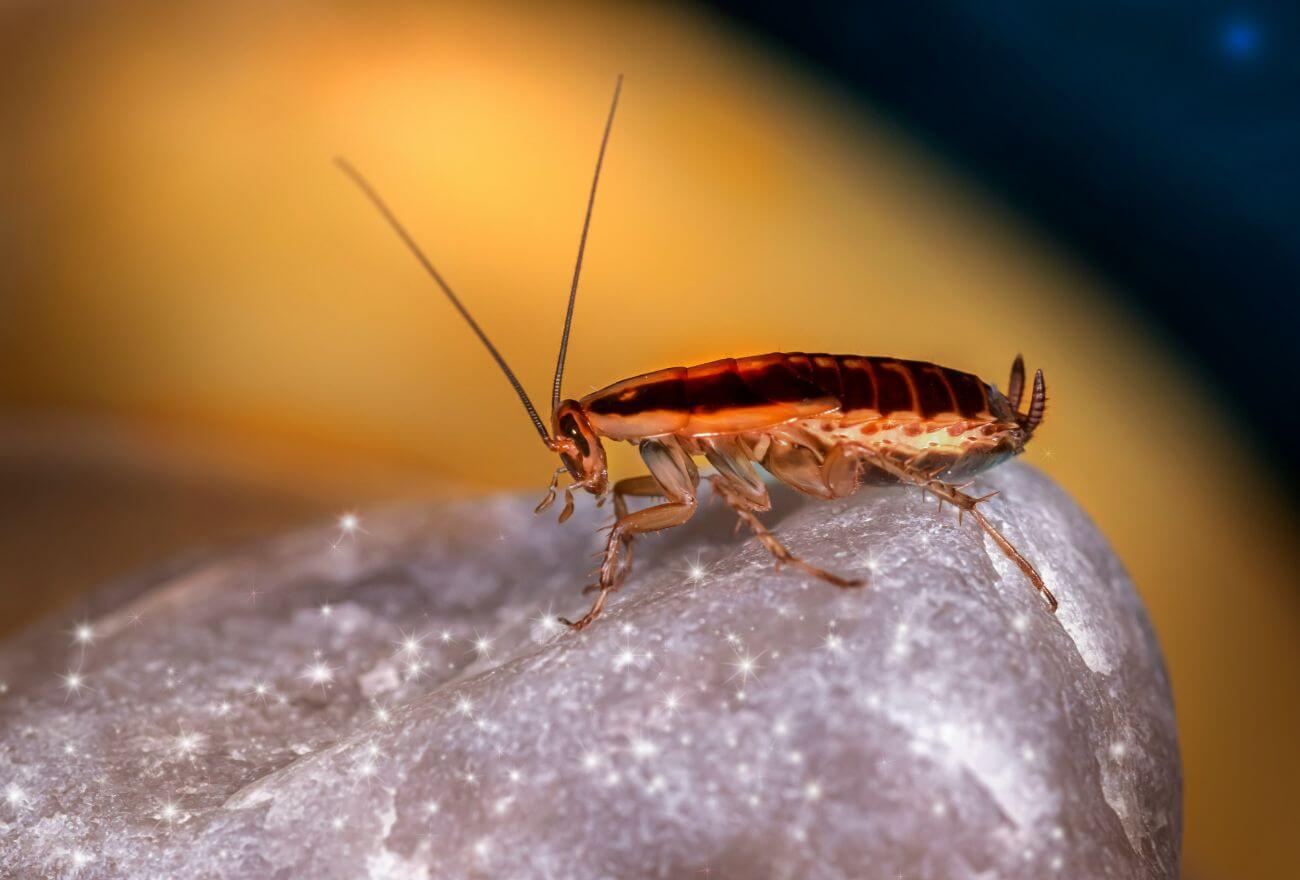

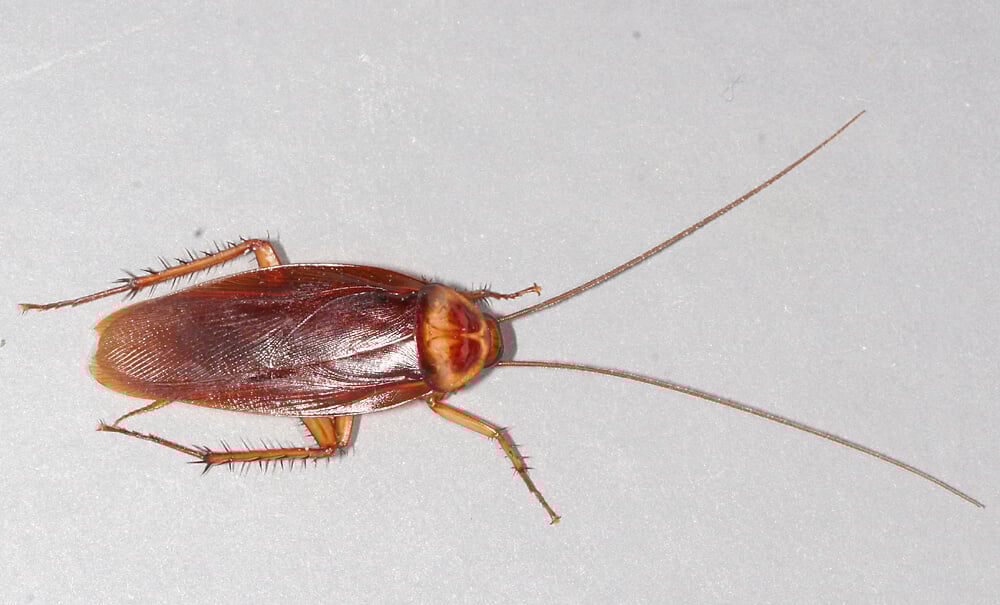
Ever turned on the kitchen light late at night and watched a cockroach scurry across the counter? You’re probably wondering how it got there in the first place. The truth is, roaches don’t just appear out of thin air. They find specific ways into your home, and understanding where cockroaches come from is the first step to keeping them out.
Even the cleanest homes can end up with a roach problem. These sneaky pests are experts at finding tiny openings and hidden pathways into your living space. They’re searching for three basic things: food, water, and shelter. If your home provides any of these, roaches will do whatever it takes to get inside.
The good news? Once you know where roaches come from, you can take steps to block their entry points and make your home less appealing to these unwanted guests. Let’s look at the most common ways these pests find their way inside.
Table of Contents
1. Cracks and Gaps in Walls, Foundations, and Floors
One of the most common places where roaches come from is through tiny cracks and gaps in your home’s structure. These pests have incredibly flat bodies that let them squeeze through openings as narrow as 1/16 of an inch. That’s about the thickness of a dime!
Cockroaches can enter through foundation cracks, gaps around baseboards, and small openings in exterior walls. The really frustrating part is that once they get into these cracks, they can travel between rooms through the spaces inside your walls. This means a roach that enters through your basement could end up in your bedroom without ever being seen.
Check the outside of your home carefully for any cracks or gaps. Pay special attention to corners where walls meet, areas around the foundation, and spots where different building materials come together. Even hairline cracks can be entry points.
To keep roaches out, seal these openings with caulk or silicone-based sealants. This simple step can make a huge difference in preventing infestations. Make it a habit to inspect your home’s exterior a few times a year and seal any new cracks that appear.

- So easy to use.
- No caulk gun needed.
- Adjustable Trigger Flow Nozzle.
- Advanced hybrid polymer formulation.
2. Doors and Windows
Doors and windows are surprisingly common entry points for cockroaches. These pests can easily slip underneath doors, especially when there’s a gap between the door and the floor. If you can see daylight under your door, a cockroach can definitely fit through that space.
Roaches are especially likely to sneak in through doors that get left open for extended periods. Maybe you’re bringing in groceries, letting the dog out, or just enjoying some fresh air. Those few minutes are all a cockroach needs to dart inside.
Old or worn weather stripping around doors and windows creates perfect entry points. Unsealed windows and doors without proper screens are like open invitations to these pests.
The fix is pretty straightforward. Install door sweeps on all exterior doors, especially ones that lead to your yard or garage. Replace any weather stripping that looks cracked or compressed. Keep doors and windows closed as much as possible, and make sure all screens fit tightly without any tears or gaps.
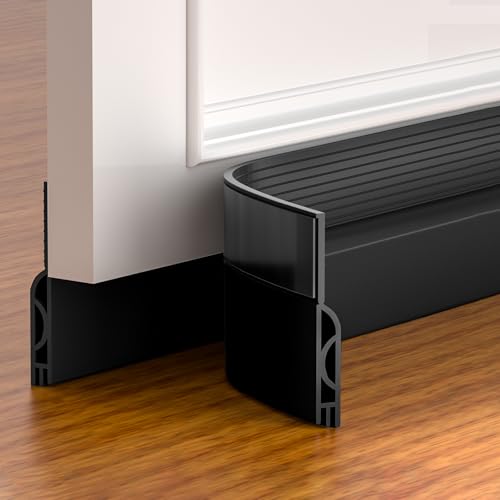
- THICKENED SILICONE MATERIAL – BUILT TO LAST :The Door Draft Stopper is made of pure silicone material that is heat- and cold-resistant, and easy to bend without deforming. This draft stopper for the bottom of the door has no “compression memory,” won’t damage the floor, and is pliable enough to allow you to easily open the door even on crooked floors. Door strip’s sleek finish blends seamlessly with any decor
- SAVE ENERGY AND LOWER BILLS – COMPREHENSIVE PROTECTION:This Door sweep mainly blocks cold or warm air. As a weather stripping door seal, it keeps warmth in during winter and coolness in during summer, helping maintain energy efficiency. It is suitable for covering gaps on exterior and interior doors, RV doors, shower rooms, baseboards, thresholds, windows, garages, basements, and furniture
- HOLLOW ARC CAVITY SOUND INSULATION DESIGN – REDUCE NOISE & BOOST PRIVACY:The under door draft stopper features a triple design. This door bottom seal strip not only blocks cold air but also helps block light, creating a quieter home. It reduces noise from conversations, footsteps, and outdoor sounds for better sleep, focused work.Say goodbye to disruptive drafts and hello to tranquility! Additionally, the under door noise stopper acts as a barrier against unwanted visitors crawling
- UPGRADED WATERPROOF BACKING ADHESIVE:The under door gap filler has a widened waterproof backing adhesive that is 1.5 inches wide with a 1 mm groove. When it encounters resistance and ground friction, the adhesive will not lift up. This draft stopper sticks well and doesn’t make dragging noises when the door is opened or closed. Just in case, you can use tape or thumb tacks as a protective layer
3. Drains, Sewers, and Plumbing Systems
Here’s something that might make your skin crawl: cockroaches can come up through your drains. American and Oriental cockroaches (sometimes called water bugs) commonly live in sewers and storm drains. When conditions are right, especially during heavy rain or when pipes dry out, these roaches climb up through the plumbing system and pop out in your sink or shower.
Kitchen drains and shower drains are particularly attractive to roaches because they contain water and food particles. Even tiny scraps that wash down your drain can feed a hungry cockroach. Floor drains in basements and laundry rooms are also common entry points.
Bathroom drains pose a special risk because they connect directly to the sewer system. If you have a bathroom or sink that doesn’t get used often, the water in the pipes can evaporate, creating a clear path for roaches to climb up.
To prevent drain invaders, keep water in your P-traps (the U-shaped pipes under sinks). If you have drains that don’t get used regularly, pour a little water down them once a week. You can also install drain covers or stoppers at night when roaches are most active. Make sure to seal around all visible plumbing with caulk or foam to close up any gaps.
4. Plumbing Pipes and Gaps Around Utilities
Roaches don’t just use the inside of pipes to get around. They also love the gaps and cracks that form where plumbing lines pass through walls and floors. Look under your kitchen sink or behind your dishwasher, and you’ll probably see spaces where the pipes go through the wall or cabinet. These gaps are highways for cockroaches.
The same goes for any place where utilities enter your home. Electrical wires, cable lines, and gas pipes all need to pass through your walls, and these spots often have gaps that roaches can use as entry points. Even small spaces around these utilities are big enough for a cockroach to squeeze through.
These hidden pathways are especially problematic because they give roaches access to the inside of your walls. From there, they can travel throughout your entire home without being seen.
Take time to inspect under all your sinks, behind appliances, and anywhere else pipes or wires enter your home. Fill small gaps with silicone caulk or foam sealant. For larger holes, you might want to use steel wool or copper mesh before sealing them up. This creates a barrier that roaches can’t chew through.
5. Neighboring Apartments and Shared Walls
If you live in an apartment or condo, understanding where cockroaches come from gets more complicated. Roaches can easily travel between units through shared walls, ceilings, floors, and even across hallways. Research has shown that if one apartment has roaches, the neighboring units that share walls or floors are very likely to have them too.
Studies have found that up to 30% of a cockroach population can move between apartments each week when the building structure allows it. That means even if you keep your apartment spotless, you could still get roaches from a less careful neighbor.
These pests use shared plumbing lines, ventilation systems, and cracks in common walls to travel from unit to unit. They’re especially good at finding their way through the spaces where walls meet ceilings and floors.
This is one of the toughest situations because you can’t control what your neighbors do. The best approach is to seal every crack and gap you can find in your apartment. Pay extra attention to areas where pipes enter your unit and any visible cracks in walls or baseboards. If you’re dealing with a roach problem in an apartment building, talk to your landlord or property manager. Building-wide pest control is often the only way to truly solve the problem.
6. Grocery Bags, Packages, and Deliveries
One surprising answer to where roaches come from is right in the bags and boxes you bring home. Cockroaches are excellent hitchhikers, and they can hide in grocery bags, cardboard boxes, and packages that come from warehouses or stores with roach problems.
These pests can tuck themselves into the folds of paper bags, hide in the corners of cardboard boxes, or even nestle between items in your shopping. They’re particularly good at hiding in corrugated cardboard because it provides lots of little spaces to squeeze into.
When packages sit in warehouses, delivery trucks, or store backrooms, roaches can easily climb inside. Then when you bring that package into your nice, clean home, you’re giving the roaches a free ride to a new food source.
The solution is simple but requires a bit of extra effort. Inspect all packages and grocery bags before bringing them deep into your home. Check the outside and inside of boxes for any signs of roaches or roach droppings (which look like black pepper or coffee grounds). Unpack groceries near the door if possible, and put items away in your own containers rather than storing things in the original packaging.
Get rid of cardboard boxes quickly instead of letting them pile up in your garage or basement. Roaches love cardboard and will lay eggs in it. Break down boxes and put them in your outdoor recycling bin as soon as possible.
7. Second Hand Furniture and Appliances
Used furniture and secondhand appliances are common sources where roaches come from. When you buy or accept hand-me-down items, you might be bringing roaches or their eggs into your home without knowing it. These pests can hide deep inside furniture cushions, in the backs of dressers, or in the motors and insulation of appliances.
Electronics and kitchen appliances are particularly risky. Roaches love to nest inside refrigerators, microwaves, toasters, and other appliances because these items provide warmth, darkness, and often access to food crumbs. The tight spaces inside electronics are perfect hiding spots.
Even furniture that looks clean on the outside can harbor roaches in places you can’t easily see. They might be hiding in the joints of a wooden dresser, under the fabric of a couch, or in the hollow legs of a table.
Before you bring any used item into your home, inspect it carefully. Look in all the nooks and crannies, check for roach droppings, and watch for any movement. If you’re getting a large appliance, ask about its history. Items from storage units, restaurants, or apartments with known pest problems are especially risky.
If possible, leave new secondhand items in your garage for a few days and check them again before bringing them inside. Some people even treat used items with diatomaceous earth or other safe pest control products before moving them indoors.

- ELIMINATES ROACHES EFFECTIVELY — Get rid of unwanted roaches in your kitchen, dining room, or food storage areas. EcoVenger kills on contact and repels them for 4 weeks or longer, immediately cutting down roach activity without attracting them like baits do. As one customer raved, “Not one nasty bug has been seen or heard from since we first sprayed.”
- VERSATILE FOR HOME & COMMERCIAL USE — This easy-to-use remedy is perfect for home infestations, restaurants, or commercial properties. It’s ideal as a flushing agent for restaurant re-openings or post-flood recovery, eradicating severe infestations without requiring vacancy. It’s also super effective against pesticide-resistant populations and can eliminate other common crawling insects or be used for perimeter pest control.
- UNIVERSITY-PROVEN EFFICACY — Trust a solution backed by science. EcoVenger (formerly EcoRaider) was rated #1 as “the most effective among many other natural products” in a leading university study published by the Journal of Economic Entomology. Further studies show its efficacy is comparable to or even higher than popular chemical pesticides, and it outperforms them by several folds against pesticide-resistant “superbugs.”
- NATURAL, NON-TOXIC & HIGHLY EFFECTIVE — This powerful formula contains no pesticides or toxins. Its active ingredients are a proprietary combination of botanical insecticidal compounds organically extracted from aromatic plants. These compounds are lethal to insects by blocking their neuron transmitters but do not affect humans, animals, fish, or birds.
8. Outdoor Yard and Garden Areas
Your yard might be answering the question of where roaches come from more than you realize. Cockroaches can live quite happily outdoors, and when conditions in your yard are right, they’ll eventually make their way inside looking for more food and water.
Roaches thrive in yards that have standing water. Bird baths, flower pot saucers, clogged gutters, and even pet water bowls left outside create drinking sources for these pests. They also love hiding in compost piles, wood piles, leaf litter, thick vegetation, and mulch. Basically, anywhere dark, damp, and protected is a roach paradise.
Dead and decaying wood is especially attractive. If you have firewood stacked against your house, old stumps, or piles of yard debris, you’re creating perfect roach habitats right next to your home. From there, it’s just a short trip through a crack or gap to get inside.
Gardens with lots of mulch or areas with dense ground cover give roaches places to hide and breed. Fallen fruit from trees and vegetables left to rot in the garden provide food sources that keep roach populations thriving.
To make your yard less welcoming, remove all sources of standing water. Keep firewood stored away from your house, preferably at least 20 feet from the foundation. Clean up leaf piles, yard debris, and overgrown vegetation regularly. If you use mulch, keep it a few inches away from your foundation and don’t pile it too deep.
Pick up fallen fruit and vegetables promptly. If you compost, use a sealed bin and turn it regularly to keep it hot and less attractive to pests. A clean, well-maintained yard makes roaches less likely to set up camp near your home.
9. Basements, Garages, and Crawl Spaces
Basements, garages, and crawl spaces are common entry points where cockroaches come from before spreading to the rest of your home. These areas are often less maintained than the main living spaces, making them easy for roaches to access from outside.
Roaches love these spaces because they tend to be dark, humid, and undisturbed. Basements that aren’t properly insulated or ventilated can have moisture problems that attract these pests. Garages often have gaps under the door or cracks in the walls that lead directly outside.
Once roaches establish themselves in these areas, they use them as a base camp. From your basement or garage, they can slowly work their way up into the main house through cracks, vents, or gaps around pipes. You might not even notice them at first because they stay hidden in these lower levels.
Crawl spaces are particularly problematic because they’re hard to inspect and often have direct contact with the ground. They may have moisture from the soil, gaps in the foundation, and plenty of dark corners where roaches can hide.
To protect these areas, improve ventilation to reduce humidity. Use a dehumidifier in damp basements. Seal any cracks or gaps you find, especially around the foundation and where the basement or garage connects to the main house. Keep these spaces clean and clutter-free so roaches have fewer places to hide. Store items in sealed plastic containers rather than cardboard boxes.
10. Vents, Chimneys, and Air Ducts
Vents and chimneys might not be the first things you think of, but they’re definitely places where roaches come from. These openings are designed to let air in and out, but they can also let cockroaches in if they’re not properly protected.
Dryer vents, air conditioning vents, exhaust fans, and chimney openings all provide potential access points. Roaches can easily climb vertical surfaces and squeeze through small openings, so an unscreened vent is like an open door to them.
In apartment buildings, shared ventilation systems create even more problems. Roaches can travel through the ductwork from one unit to another, spreading infestations throughout the building. This is especially common in older buildings where the ventilation system may have gaps or poor seals.
Attic vents and soffit vents (the vents under the eaves of your roof) can also allow roaches to enter. Once they’re in your attic, they can work their way down into your living spaces through cracks and gaps in the ceiling.
The good news is that this problem has a straightforward solution. Install fine mesh screens over all exterior vents. Make sure vent covers are in good condition and fit tightly. Check that your dryer vent flap closes properly when the dryer isn’t running. For chimney openings, a chimney cap can keep out roaches and other pests while still allowing smoke to escape.
Inspect these areas regularly, especially after storms or high winds that might damage screens or covers. Keeping vents properly protected is an often-overlooked but important part of pest prevention.
11. Luggage and Personal Belongings from Travel
The last place on our list of where roaches come from might surprise you: your own luggage after a trip. Cockroaches can crawl into suitcases, backpacks, and bags while you’re traveling, especially if you’ve stayed in hotels or visited areas with roach problems.
When you set your luggage down on a hotel room floor or in a taxi, roaches can quickly climb inside if the zipper is open or if there are gaps in the bag. They’re attracted to the scent of food wrappers, dirty clothes, or toiletries in your bag. Even high-end hotels can have occasional roach problems, so this isn’t just an issue with budget accommodations.
Roaches might hide in the folds of clothing, nestle in shoes, or tuck themselves into the pockets and compartments of your bag. They can survive the entire trip home and then emerge to infest your house once you unpack.
Business travelers who frequently stay in hotels or travel to areas with high roach populations are at higher risk. The more you travel, the more chances you have of accidentally bringing these pests home.
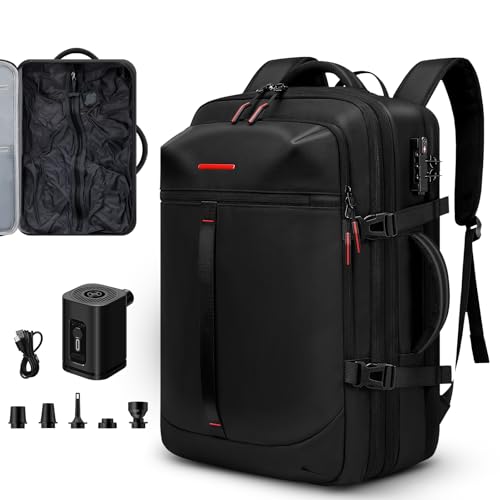
- 【New Upgraded Vacuum Compression Technology】The Black travel backpack features an integrated vacuum compression system with a built-in air pump, capable of storing 18-20 spring garments 5-10 winer clothing. Also reducing storage space by over 50% (even more for down jackets). When fully expanded, the backpack achieves an impressive 60L capacity, comparable to a 24-inch suitcase.
- 【Multiple Compartments and Pockets】Designed for versatility, the Black Voyage backpack includes multiple compartments such as 2 wet/dry separation layer pockets, power bank pocket, thermal bag, anti-theft pocket, padded compartments for tablets and 19″ laptops, a multi-functional organizer, and the integrated vacuum bag. It’s built to hold all the essentials for your journey.
- 【Air Pump with Multifunctional Features】The included multifunctional air pump handles deflation and inflation tasks (perfect for items like inflated swimming pool toys). This vacuum travel backpack with pump is ideal for maximizing space, making it perfect for frequent air flyers, minimalist packers, or anyone needing large travel backpack vacuum compression.
- 【Ideal Travel Companion】The carry on backpack comes equipped with a TSA-approved combination lock, anti-thief pockets, a luggage attachment strap, padded and widened shoulder straps, breathable materials, and high-quality zippers. A travel backpack vacuum compression system ensures you carry more with less bulk – perfect for organized, space-saving trips.
To avoid this problem, inspect your hotel room when you arrive. Look for signs of roaches like droppings, shed skins, or the bugs themselves. Keep your luggage on luggage racks or hard surfaces rather than the floor. Keep bags zipped when not in use.
When you get home, unpack your luggage outside or in the garage if possible. Check all items carefully before bringing them into the house. Wash all your clothes immediately, even items that weren’t worn. Vacuum out your luggage and wipe it down before storing it.
FAQ
Where do roaches usually come from?
Most of the time they come in through small openings like cracks, door gaps, drains, plumbing openings, vents, and shared walls.
Can roaches come from drains or sewers?
Yes. Some types can travel up through plumbing and show up in sinks, showers, and floor drains, especially if pipes dry out or after heavy rain.
Why do I have roaches if my house is clean?
Clean homes can still have roaches because they may be coming from outside, from neighbors, or hitchhiking in packages. Roaches only need a little food, water, and shelter.
Can roaches come from neighbors or other apartments?
Yes. In apartments and condos they can move through shared walls, ceilings, floors, plumbing lines, and vents.
Can roaches come in from grocery bags or deliveries?
Yes. Roaches can hide in paper bags, cardboard boxes, and shipped packages, then spread once they are brought inside.
Can used furniture or appliances bring roaches into my home?
Yes. Roaches can hide inside cushions, drawer joints, and inside warm appliances like microwaves, fridges, and toasters.
Can roaches come in through vents or chimneys?
They can. Unprotected vents, dryer vents, and attic vents can act like open doors if there is no tight screen or cover.
Can travel bring roaches home?
Yes. Roaches can get into suitcases and bags during travel and come home with you, especially if there are food smells or clutter in the luggage.