
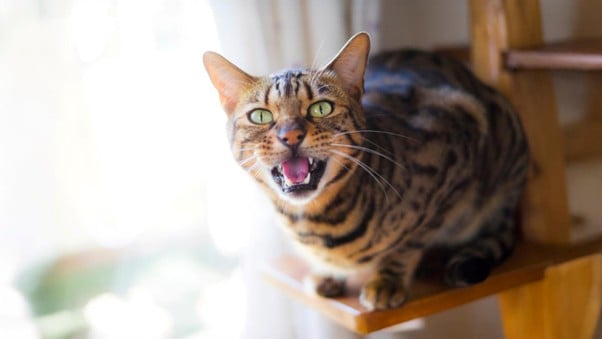
Your cat has always been vocal, or exactly what it sounds like, but lately it seems like the volume has been turned way up. You hear those meows first thing in the morning, throughout the day, and sometimes even in the middle of the night.
It seems like it’s nonstop now, and you find yourself wondering why is my cat meowing so much when they never used to be this chatty. The constant vocalization can wear on your nerves, especially when you can’t figure out what your feline friend is trying to tell you.
Understanding the reasons behind excessive meowing helps you address the root cause and restore some peace to your household while making sure your cat gets whatever they need.
Table of Contents
Why Do Cats Meow?
Cats usually meow to get a person’s attention, which makes sense when you think about their behavior. Adult cats rarely meow at other animals because they communicate with each other through body language, scent marking, and other subtle signals.
The meow is reserved almost exclusively for their interactions with humans. Your cat has learned that meowing is a great way to get us focused on them and their needs. They might want food, attention, access to a closed room, or just acknowledgment of their presence.
Some cats are naturally more talkative than others based on their breed and personality, but sudden increases in vocalization usually signal something specific going on.
Why Does My Cat Meow So Much?
Pain
Cats hide discomfort remarkably well because their wild ancestors needed to mask weakness from predators. When a cat does vocalize about pain, it often means they’re dealing with something significant.
Dental problems rank among the most common sources of pain in cats, and a toothache can definitely make your cat more vocal. Arthritis affects older cats frequently, and the ache in their joints might prompt meowing when they try to jump or move around.
You might notice your cat meowing more when you touch certain areas of their body or when they move in particular ways. If the meowing sounds different from their normal voice, more urgent or plaintive, pain could be the culprit.
Urinary issue
A cat dealing with a urinary tract infection or bladder stones often becomes extremely vocal. The discomfort and frequent urge to urinate create a situation where your cat associates the litter box with pain.
They might meow before, during, or after using the box because they’re experiencing burning, pressure, or cramping. If your cat is straining in the litter box, producing little or no urine, and crying out, you need to get to a veterinarian immediately.
Kidney disease
Chronic kidney disease affects many older cats and develops gradually over time. As the kidneys lose function, toxins build up in the bloodstream, and your cat starts feeling generally unwell.
This discomfort often manifests as increased vocalization, particularly at night when the house is quiet and there are fewer distractions. Cats with kidney disease also drink more water and urinate more frequently, which can lead to additional meowing if they need access to the litter box or water bowl.
Hyperthyroidism
An overactive thyroid gland pumps out excessive hormones that rev up your cat’s metabolism to unhealthy levels. Affected cats often become restless, anxious, and much more vocal than usual.
They might meow constantly because they feel hungry all the time despite eating plenty of food. The increased metabolism also makes them feel wired and unable to settle down, which translates to pacing and vocalizing throughout the day and night.
Feline cognitive dysfunction
Senior cats can develop a condition similar to dementia in humans, where cognitive function gradually declines. Affected cats become confused and disoriented, particularly at night when visibility is lower.
They might meow loudly because they’ve forgotten where they are or can’t remember where to find their food bowl or litter box. Some cats with cognitive dysfunction will wander through the house yowling as if they’re lost or searching for something.
Deafness or blindness
Cats who lose their hearing often meow louder and more frequently because they can’t gauge the volume of their own voice. They also can’t hear your response when they call out, so they keep meowing until they get a visual confirmation that you’ve acknowledged them.
Blindness creates a similar situation where cats vocalize more to orient themselves in space and call for assistance. A blind cat might meow before jumping to make sure the path is clear or to ask for guidance.
Hunger
Sometimes the answer to why is my cat meowing so much is refreshingly simple. Your cat might genuinely be hungry, or they think they are. Cats are creatures of habit who thrive on routine, and if mealtime gets delayed even by a few minutes, you’ll hear about it.
An empty or dirty water bowl
Cats can be particular about their water, and many won’t drink from a bowl that’s been sitting out for a while or has debris floating in it. If the water bowl is empty or dirty, your cat will let you know vocally that they need fresh water. Some cats prefer running water and will meow near sinks or faucets to request that you turn on the tap.
Stressed or scared
Anxiety triggers excessive vocalization in many cats. Changes to their environment, like moving furniture, new people or pets in the home, or even different schedules, can stress your cat out significantly.
Some cats meow constantly when they feel unsafe or uncertain about their surroundings. Loud noises from construction, thunderstorms, or fireworks send nervous cats into vocal overdrive as they try to communicate their distress.
Dirty litter box

- 【Enhanced Safety Detection】Upgraded from 5 direct infrared sensors to a 6-array rotary infrared system. Multi-angle scanning improves detection accuracy and reduces false triggers by continuously tracking a cat’s position, helping support safer everyday use, especially when curious cats approach the unit.
- 【Odor & Anti-Leak Sealing】A built-in brush strip creates a tight seal to help block odor escape during use. The upgraded composite sealing ring adds an extra barrier to reduce liquid seepage and minimize floor mess, cuts leakage to <5% with no sticker needed anymore.
- 【Pioneering Open-Top Design】Open-top design aligns with cats’ natural instincts, offering a more open, visible space that helps cats feel safer and more in control, especially ideal for large breeds transitioning from traditional litter boxes.
- 【Multi-Cat & Kitten Friendly】Supports 3.3–33 lbs and up to 3 cats, with a dedicated Kitten Manual Mode for <3.3 lbs.
Most cats won’t use a litter box that fails to meet their cleanliness standards. They’ll stand near the dirty box and meow to inform you that the facilities need attention. Your cat might also meow if they dislike the type of litter you’re using or if the box is in an inconvenient or uncomfortable location.
Wanting to play
Boredom drives many cats to meow persistently because they want interaction and stimulation. Young cats and certain active breeds need substantial playtime each day, and if they’re not getting it, they’ll vocalize to recruit you as a playmate.
Sometimes, we unwittingly teach our cats to talk by responding to their meows with play sessions. The cat learns that meowing equals fun, so they keep doing it.
Why Does My Cat Meow at Night?
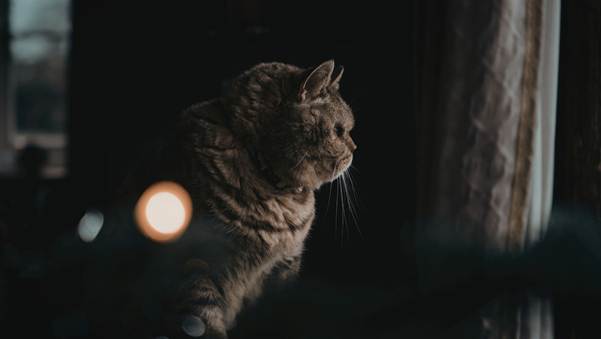
Nighttime meowing drives cat owners up the wall because it disrupts sleep and feels impossible to stop. Cats are naturally crepuscular, meaning they’re most active at dawn and dusk when their prey would be moving around in the wild. This natural rhythm means your cat might wake you up at 4 a.m. ready to hunt, play, and interact. Older cats with cognitive dysfunction often become more confused and vocal at night when the house is dark and quiet.
Wrapping Up…
Figuring out why is my cat meowing so much requires you to play detective and consider your cat’s age, health, environment, and recent changes to their routine. While some cats are naturally chatty and others develop the habit because it works, sudden increases in vocalization often point to underlying issues that need addressing. Medical problems should always be ruled out first, particularly in older cats or when the meowing sounds distressed. Once you identify the cause, you can take steps to reduce the excessive vocalization and improve your cat’s quality of life while restoring some quiet to your home.
FAQ
Why is my cat meowing so much all of a sudden?
A sudden jump in meowing usually means something changed. Common reasons include pain, stress, hunger, a dirty litter box, or boredom. In older cats, conditions like kidney disease, hyperthyroidism, hearing loss, blindness, or cognitive dysfunction can also cause loud, frequent vocalizing. If your cat sounds distressed or the change is sudden and intense, it’s smart to rule out medical causes first.
Can pain make a cat meow constantly?
Yes. Cats often hide discomfort, so when they start vocalizing more, pain is a real possibility. Dental pain and arthritis are common culprits. Watch for limping, reluctance to jump, hiding, changes in grooming, or meowing when touched.
Why is my cat meowing around the litter box?
Meowing before, during, or after using the litter box can point to urinary pain, like a UTI or bladder stones. If your cat is straining, producing little or no urine, or crying out, treat it as urgent and contact a vet right away.
Why does my cat meow so much at night?
Cats are naturally most active around dawn and dusk, so some nighttime noise is routine. Night yowling is also common in senior cats with cognitive dysfunction, or in cats that are bored, hungry, or seeking attention. If the pattern is new, consider health issues first, then adjust routine, play, and feeding schedule.
Can kidney disease or hyperthyroidism cause excessive meowing?
Yes. Kidney disease can cause general discomfort and more nighttime vocalizing, often alongside increased thirst and urination. Hyperthyroidism can make cats restless, anxious, and constantly hungry, which leads to frequent meowing. A vet can confirm with bloodwork.
Why does my cat meow loudly even when food is available?
Some cats meow out of habit because it works. Others feel hungry due to schedule changes, stress, or medical causes like hyperthyroidism. Try consistent meal timing, puzzle feeders, and making sure water is fresh. If hunger seems extreme or sudden, a vet check is a good idea.
Can stress or anxiety cause nonstop meowing?
Yes. Cats often get vocal when their environment changes. New pets, visitors, loud noises, moving furniture, schedule shifts, or storms can trigger anxiety meowing. Creating a predictable routine, quiet hiding spots, and daily play can help a lot.
How do I reduce excessive meowing without rewarding it?
First, meet the need if it’s real: check food, water, litter box, and health. If everything is fine, avoid rewarding demand meowing with immediate attention. Instead, reward quiet moments with play, treats, and affection. More structured play before bed also helps many night meowers settle.