
When tiny insects start munching on the wood around your home, it can be hard to tell exactly what you’re dealing with. Wood ants and termites both have a thing for wooden structures, but they’re actually pretty different creatures. Understanding these bugs can save you a lot of headaches and money down the road.
This guide breaks down everything you need to know about wood ants vs termites. From how they look to how much damage they cause, you’ll learn how to spot the differences between wood ants and termites and figure out what steps to take next.
What Are Wood Ants?

Wood ants belong to a group of ants called Formica. This family includes the red wood ant and carpenter ants. These insects are pretty common in forests across North America and Europe.
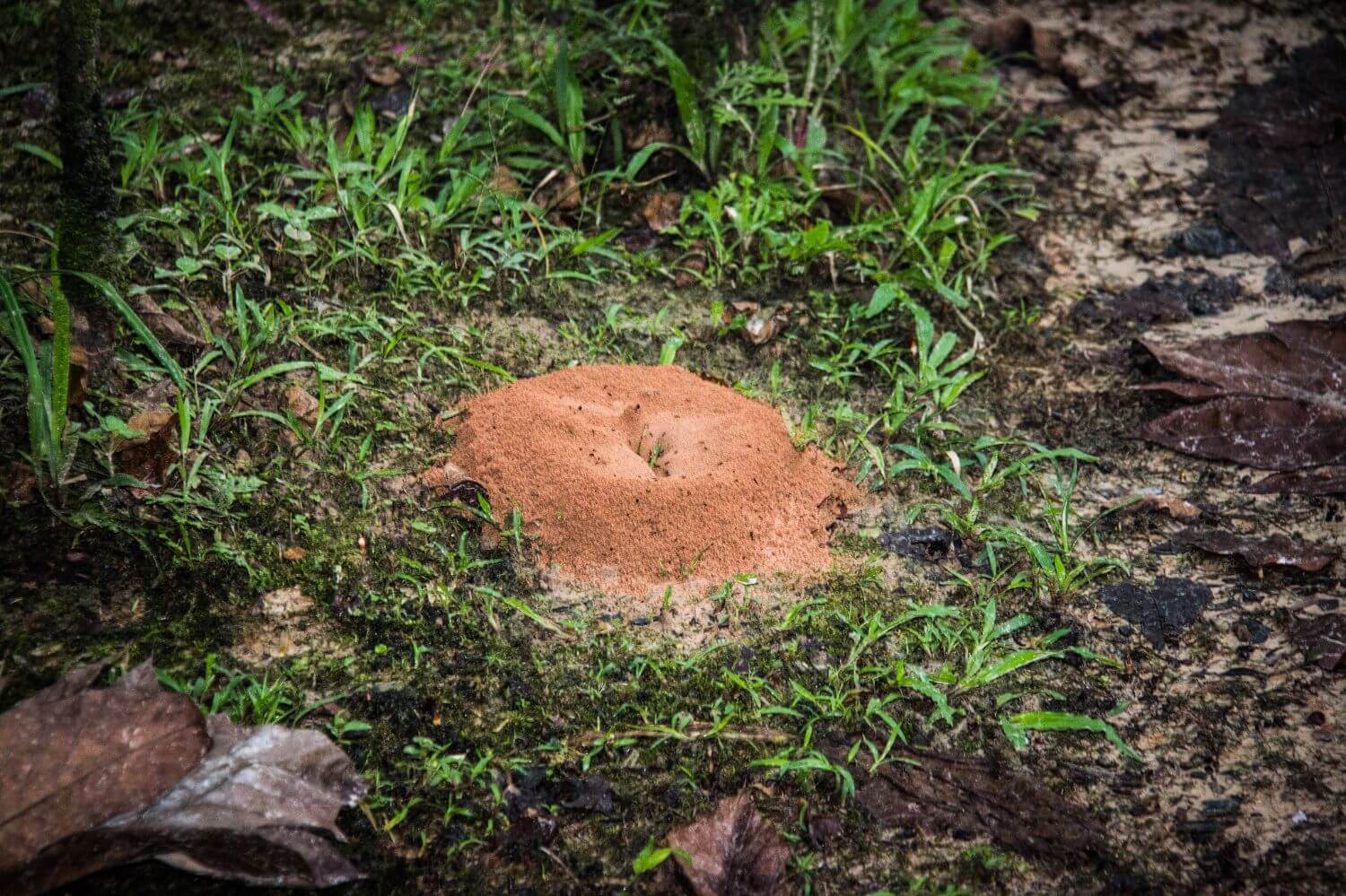
One cool thing about wood ants is the way they build their homes. True wood ants create huge dome shaped mounds on the forest floor. These mounds are made from twigs, pine needles, leaves, and grass. Some of these nests can reach over a meter tall and house up to 400,000 worker ants.
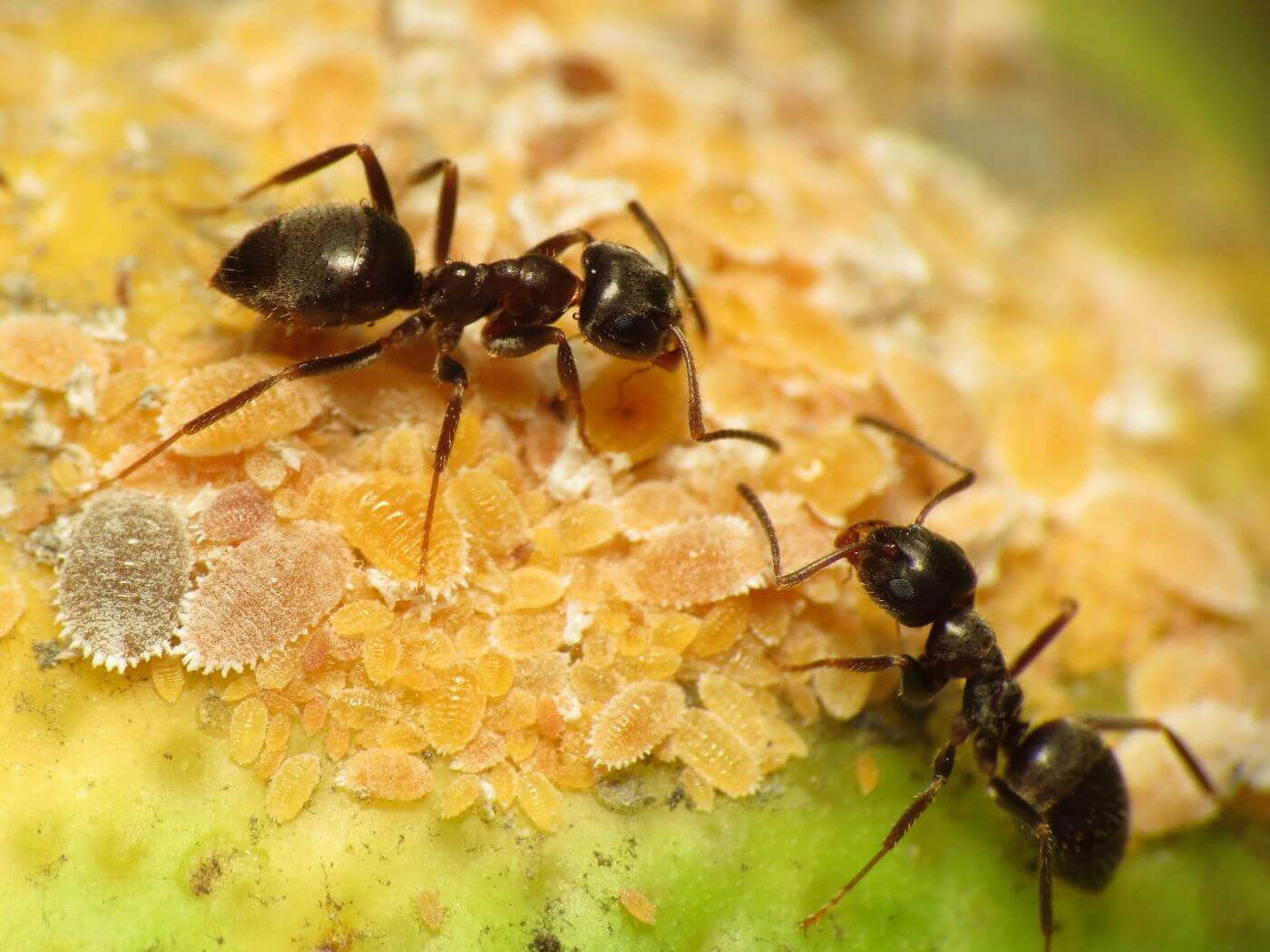
Here’s the important part: wood ants do not eat wood. They chew through it to create tunnels and galleries for their nests, but they spit out the wood pieces instead of swallowing them. Their actual diet consists of honeydew from aphids, plus insects like caterpillars, beetles, and spiders.
Carpenter ants are the most common type of wood ant that causes problems for homeowners. These ants are among the largest in North America. Workers can grow up to 13mm long, and queens can reach 20mm. They prefer wood that’s already soft or damaged from moisture.
What Are Termites?

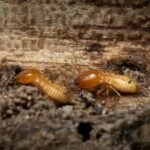
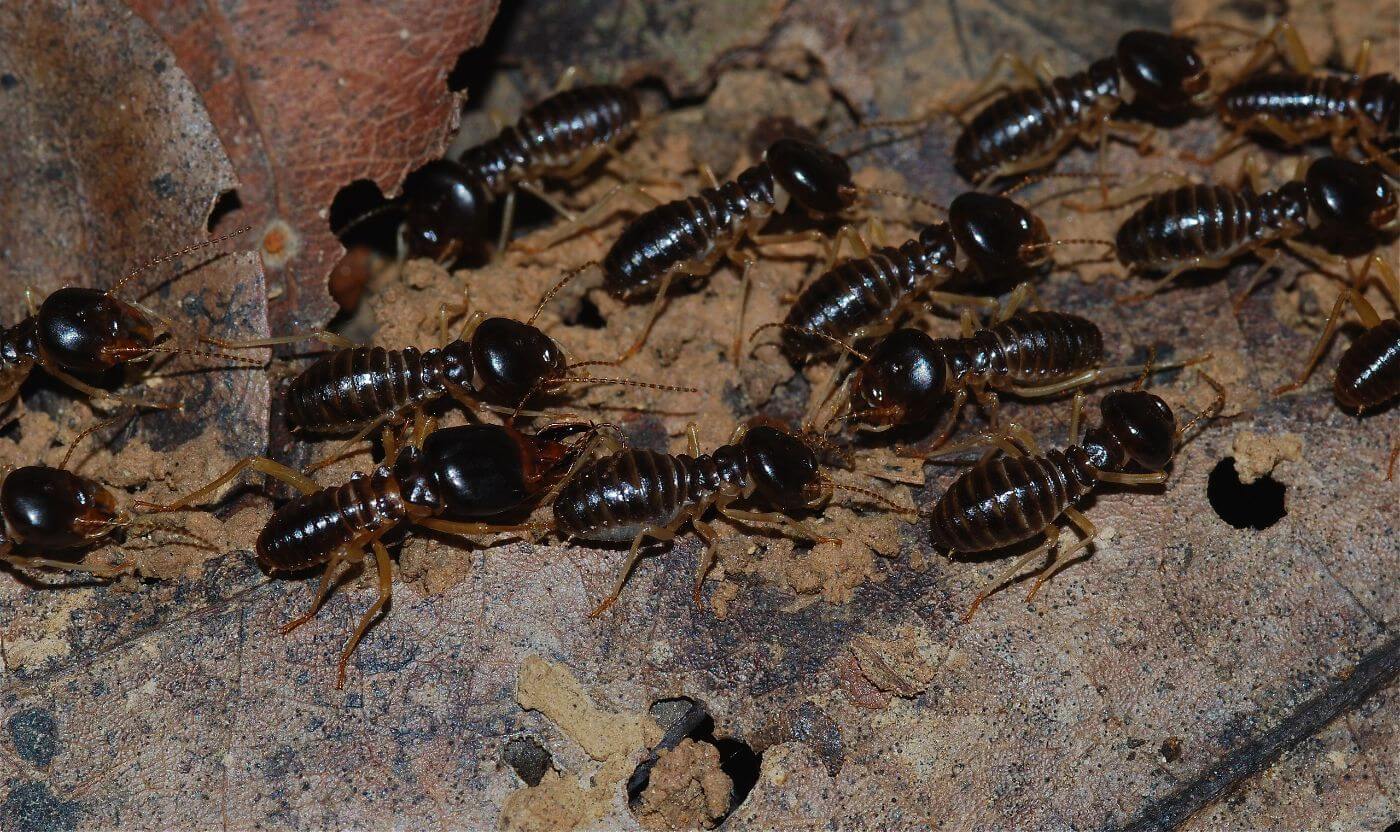
Termites are social insects that actually eat wood for food. They need a substance called cellulose to survive, and wood is full of it. Special bacteria and tiny organisms living in their guts help them break down the cellulose so they can digest it.
There are three main types of termites in the United States. Subterranean termites live underground and build massive colonies with up to 2 million members. They create mud tubes to travel safely between their nests and food sources. Drywood termites set up camp right inside the wood they’re eating without needing any contact with soil. Dampwood termites go after wood that has high moisture content.
Termite colonies have a strict social structure. Workers do all the eating and tunnel building. Soldiers guard the colony with their large heads and powerful jaws. Reproductives, also called swarmers, have wings and fly out to start new colonies during mating season.
Termite queens can live for 10 to 30 years depending on the species. That’s a long time to pump out eggs and grow a colony. This is one reason termites can cause so much damage before anyone notices them.
Physical Differences Between Wood Ants and Termites
Telling wood ants and termites apart takes a close look, but there are some clear physical differences between wood ants and termites that make identification easier.
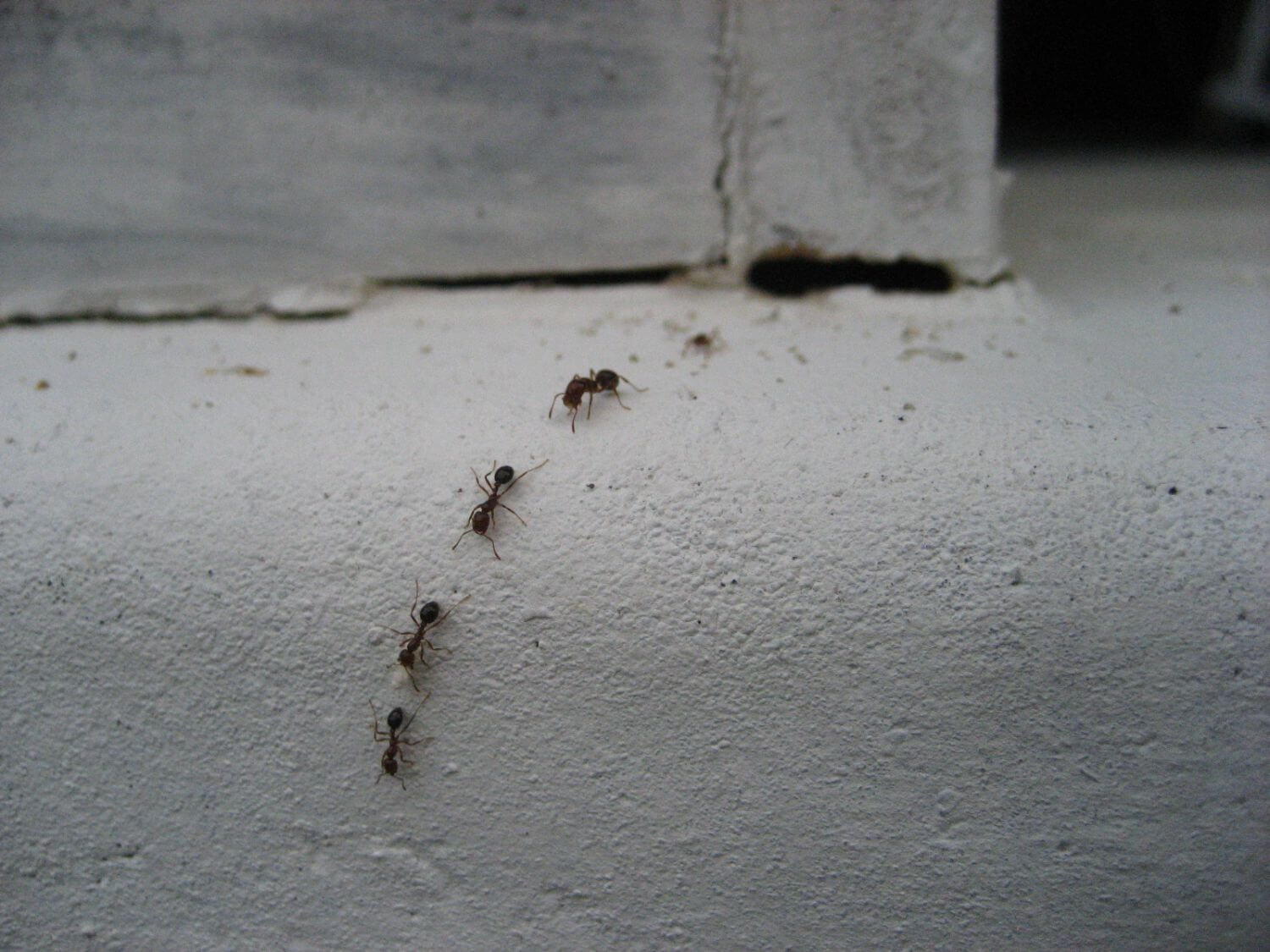
The body shape is the biggest giveaway. Wood ants have a narrow, pinched waist that creates three distinct body sections. You can clearly see where the head, thorax, and abdomen connect. Termites have a thick, straight waist that makes their body look like one uniform tube.
Check out the antennae next. Wood ants have elbowed antennae that bend in the middle like an elbow joint. Termites have straight antennae that look like a string of tiny beads.
Color is another helpful clue. Wood ants are usually black, dark brown, or reddish colored. Their bodies look solid and opaque. Termites range from creamy white to light brown and often appear somewhat see-through or translucent.
If you spot winged insects, look at their wings carefully. Wood ant swarmers have front wings that are noticeably larger than their back wings. Termite swarmers have four wings that are all the same length. Termite wings also break off very easily, so you might find piles of shed wings near windows or doors.
Size matters too. Carpenter ants are some of the biggest ants around. Termites are generally smaller, usually measuring between a quarter inch and half inch long.
How Wood Ants and Termites Damage Wood Differently
Both wood ants and termites can mess up wooden structures, but they do it in completely different ways. Understanding the differences between wood ants and termites when it comes to damage helps you figure out what you’re dealing with.
Wood ants, especially carpenter ants, excavate wood to build their nesting galleries. They chew through the wood with their strong jaws and push the debris out of their tunnels. The tunnels they create are smooth and polished, almost like someone sanded them down.
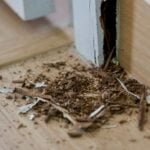
The leftovers from wood ant activity look like sawdust or pencil shavings. This material is called frass, and it piles up near the entrance holes of their nests. You might also see bits of dead insects mixed in with the wood shavings.
Carpenter ants strongly prefer wood that’s already moist or decaying. If you find them in your home, it usually means there’s a water leak or moisture problem somewhere nearby. They’ll start in the damaged wood and can eventually spread to sound, dry wood as their colony grows.
Termites take a different approach. They actually consume the wood for nutrition. Their tunnels look rough and messy compared to the clean galleries made by wood ants. Subterranean termite damage often has a honeycomb pattern because they eat the softer parts of the wood grain first.
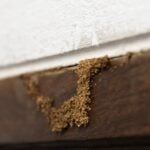
Subterranean termites leave mud and soil inside their tunnels. This is a dead giveaway that you’re dealing with termites instead of ants. Drywood termites produce tiny fecal pellets that look like grains of salt or pepper. These pellets are uniform in size and have six sides.
The speed of damage also differs. Termites work fast. A large colony can eat through a foot of a 2×4 beam in about five months. Wood ants work much slower because they’re not eating the wood, just moving it out of the way.
Signs of a Wood Ant Infestation
Catching a wood ant problem early can save you from bigger headaches later. Here are the warning signs to watch for around your home.
The most obvious sign is finding piles of wood shavings near wooden structures. This frass usually appears below baseboards, window sills, door frames, or other wooden areas. The shavings look rough and uneven, similar to what you’d see after sharpening a pencil.
Listen closely to your walls, especially at night when things are quiet. Wood ants make faint rustling or crunching sounds as they chew through wood. You might also hear clicking noises when they tap their mandibles together to warn off threats.
Seeing large ants walking around inside your home is an obvious clue. Carpenter ants are big and usually black or reddish black. They tend to forage at night, so you’re most likely to spot them after dark. Finding them near sinks, dishwashers, or bathrooms suggests they’re attracted to moisture.
Tap on wooden surfaces that you suspect might be infested. If the wood sounds hollow, ants may have carved out galleries inside. Look for small holes in the wood where the ants kick out their debris.
During spring, you might see winged ants emerging from walls or ceilings. This means a mature colony is sending out swarmers to start new nests. Finding winged ants indoors during winter is a strong sign that a colony has set up shop inside your home.
Signs of a Termite Infestation
Termites are sneaky pests that often go unnoticed until they’ve caused serious damage. Knowing what to look for can help you catch them earlier.
Mud tubes are the classic sign of subterranean termites. These pencil thin tunnels run along foundation walls, baseboards, or any surface between the ground and wood. Termites build these tubes from soil, saliva, and droppings to protect themselves from open air as they travel.
Discarded wings near windows, doors, or light fixtures suggest termites have been swarming nearby. After mating, termite swarmers shed their wings. Unlike ant wings, termite wings are all the same size and shape.
Check for wood damage by tapping on wooden surfaces. Hollow sounding wood is a red flag. You might also notice wood that looks warped, blistered, or like it has water damage even when it hasn’t been wet.
Drywood termites leave behind tiny fecal pellets. These droppings look like fine grains of sand or pepper and pile up near small holes in infested wood. The pellets are all uniform in size because of the way drywood termites process their food.
Other signs include bubbling or peeling paint on wood surfaces, doors and windows that suddenly stick or don’t close properly, and floors that feel spongy or saggy. In severe cases, you might see wood crumbling apart or notice visible tunnels running through damaged lumber.
Which Causes More Damage: Wood Ants or Termites?
When comparing wood ants vs termites, termites win the destruction contest by a long shot. They’re one of the most damaging pests any homeowner can face.
Termites cause between 5 and 6 billion dollars in property damage across the United States every year. About 600,000 homes deal with termite damage annually. The average homeowner who finds termite damage ends up spending around $3,000 on repairs. Severe cases with structural damage can cost $10,000 or more to fix.
The Formosan termite is especially destructive. This aggressive species can cause extensive damage to a home in less than six months under the right conditions. Their colonies can grow to include millions of termites, all eating around the clock.
Wood ants cause far less damage overall. Since they don’t eat wood, they’re only removing material to make room for their nests. The damage builds up slowly over years rather than months. Repair costs for carpenter ant damage typically run between $500 and $2,500.
That said, wood ants shouldn’t be ignored. Left untreated, they can still weaken wooden structures and cause significant problems. They also tend to indicate moisture issues that could lead to other problems like mold or wood rot.
One more thing to keep in mind: homeowner’s insurance usually doesn’t cover termite damage. Insurance companies consider it a preventable maintenance issue. This means the full cost of repairs comes out of your pocket.
Habitats and Geographic Distribution
Wood ants and termites live in different environments and show up in different parts of the country. The differences between wood ants and termites extend to where they call home.
True wood ants from the Formica family mainly live in the forests of Europe and northern regions. They build their famous mound nests in woodland clearings where sunlight can reach the forest floor. In Britain, the southern wood ant is the most common species.
Carpenter ants are found throughout North America. They set up their main colonies in dead or decaying wood outdoors, like tree stumps, logs, and fence posts. When they move into homes, they target areas with moisture problems. Common indoor nesting spots include damaged window frames, bathrooms, crawl spaces, and areas near leaky pipes.
Subterranean termites live in every U.S. state except Alaska. They need contact with soil to survive because that’s where they get their moisture. Their underground colonies can spread across large areas and send foraging parties into nearby structures.
Drywood termites stick to warmer regions. You’ll find them in southern states from North Carolina to the Gulf Coast and across to coastal California. They don’t need soil contact and can survive entirely inside the dry wood of attics, furniture, and structural timbers.
Dampwood termites hang out along the Pacific coast. They need very wet wood to survive, so they usually infest decaying logs, stumps, and wood that stays damp from leaks or ground contact.
Formosan termites have established themselves in Hawaii and several southeastern states including Florida, Texas, Louisiana, and the Carolinas. These invasive termites are especially problematic because of their huge colony sizes and aggressive feeding habits.
How to Prevent Wood Ants and Termites
Prevention is way easier and cheaper than dealing with an infestation. A few simple steps can make your home much less attractive to both wood ants and termites.
Moisture control is the first line of defense. Fix leaky pipes, faucets, and air conditioning units right away. Make sure gutters and downspouts direct water away from your foundation. Use splash blocks to prevent water from pooling near the house. In crawl spaces and basements, consider running a dehumidifier to keep humidity levels down.
Repair any water damaged wood as soon as you notice it. Both carpenter ants and dampwood termites are drawn to soft, moist wood. Replacing damaged sections removes potential nesting and feeding sites.
Store firewood at least 20 feet away from your home and keep it elevated off the ground. Firewood is like a welcome mat for wood destroying insects. The same goes for lumber scraps, old tree stumps, and dead trees. Clear these materials from your property.
Create separation between wood and soil. Make sure wooden siding starts at least 6 inches above ground level. Reduce wood to ground contact points wherever possible. Subterranean termites use these contact points as easy highways into your home.
Seal cracks and gaps in your foundation and walls. Pay special attention to areas where utility pipes enter the building. Install screens over attic vents and foundation openings to block flying insects.
Trim trees and shrubs so they don’t touch the house. Branches can act as bridges for ants and provide termites with alternate entry routes. Keep mulch thin and pulled back from the foundation since thick mulch holds moisture that attracts pests.
For serious protection, consider professional preventative treatments. Termite bait stations and liquid barriers can stop subterranean termites before they reach your home. Annual inspections by a pest control professional can catch problems early when they’re still easy to treat.
Are Wood Ants Actually Beneficial?
Here’s something that might surprise you: wood ants play a really important role in forest ecosystems. In the wild, these insects are considered keystone species that help keep woodlands healthy.
Wood ants are amazing pest controllers. A single large colony can gobble up around 60,000 insects in a single day. They hunt down caterpillars, beetles, spiders, and other bugs that might otherwise damage trees. Foresters have long recognized that forests with healthy wood ant populations have fewer problems with pest outbreaks.
Their nest building activities improve soil health. As wood ants dig tunnels and construct their mounds, they turn over and aerate the soil. Their nests become hotspots for nutrients that benefit nearby plants. The decomposition of nest materials releases nitrogen and phosphorus that help trees grow.
Wood ants have a fascinating relationship with aphids. They “farm” these tiny insects by protecting them from predators in exchange for honeydew, a sweet substance aphids produce. A single nest can collect over 275 kilograms of honeydew during a season.
These ants also serve as food for other wildlife. Woodpeckers, badgers, and pine martens all include wood ants in their diet. Some birds even perform “anting,” where they sit on ant nests and let the ants spray formic acid on their feathers. This seems to help control parasites.
The southern wood ant is actually listed as Near Threatened on the global IUCN Red List. Their populations face pressure from habitat loss, climate change, and forest management practices. Conservation efforts in Europe focus on protecting wood ant colonies and the woodland habitats they depend on.
Of course, none of this means you should welcome carpenter ants into your home. When wood ants move into human structures, they become pests that need to be controlled. But in their natural forest environment, these insects provide valuable services that benefit the whole ecosystem.
When to Call a Pest Control Professional
Some pest problems are easy to handle on your own. Wood ant and termite infestations usually aren’t among them. Here’s when it’s time to pick up the phone and get expert help.
Call a professional if you find live wood ants or termites inside your home. A few ants wandering through your kitchen might not mean much, but finding them near wooden structures or in large numbers suggests a colony has moved in. Any termites found indoors are cause for concern.
The presence of mud tubes on your foundation or walls means subterranean termites are active. These situations need professional treatment because the colony is underground and out of reach. Store bought sprays won’t solve the problem.
Hollow sounding wood or visible structural damage calls for expert assessment. A pest control professional can determine how extensive the infestation is and whether the damage affects your home’s structural integrity. You might also need a structural engineer to evaluate serious damage.
If you see swarms of winged insects coming out of your walls, don’t wait. This means a mature colony has been established for a while and is now reproducing. The situation will only get worse without professional intervention.
DIY treatments that fail to solve the problem are a sign you need backup. Missing even a small portion of a colony allows it to rebuild. Professionals have the training, tools, and products to eliminate entire infestations.
Consider calling for an inspection if you’re buying or selling a home. Many real estate transactions require a termite inspection. Even if it’s not required, knowing whether a property has pest issues helps you make informed decisions.
Finally, preventative treatments from professionals offer protection that home remedies can’t match. Annual inspections and professional grade barriers or bait systems provide peace of mind and can save thousands in potential damage costs.