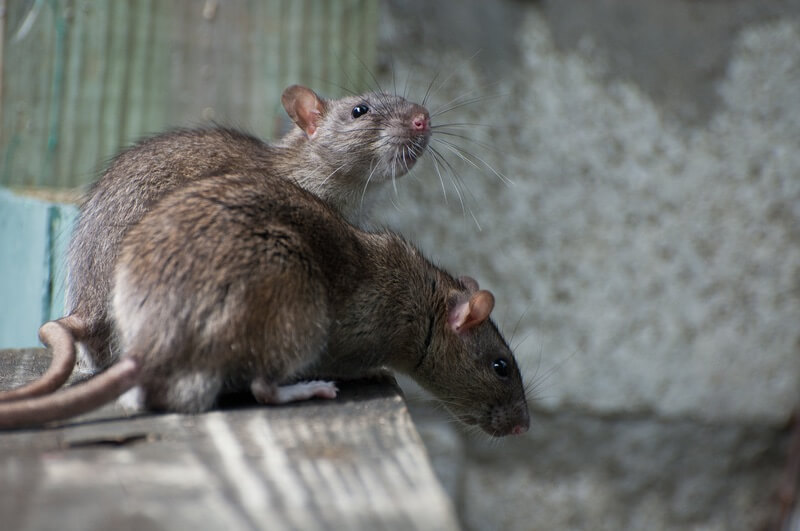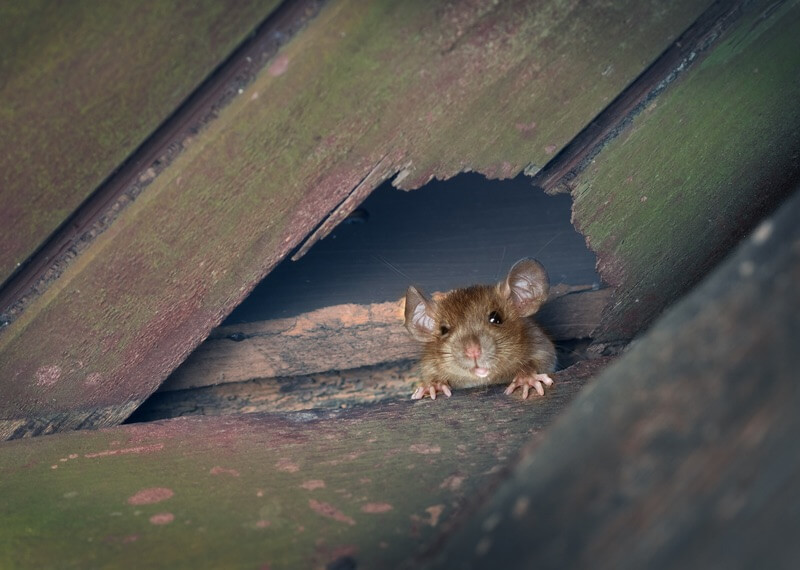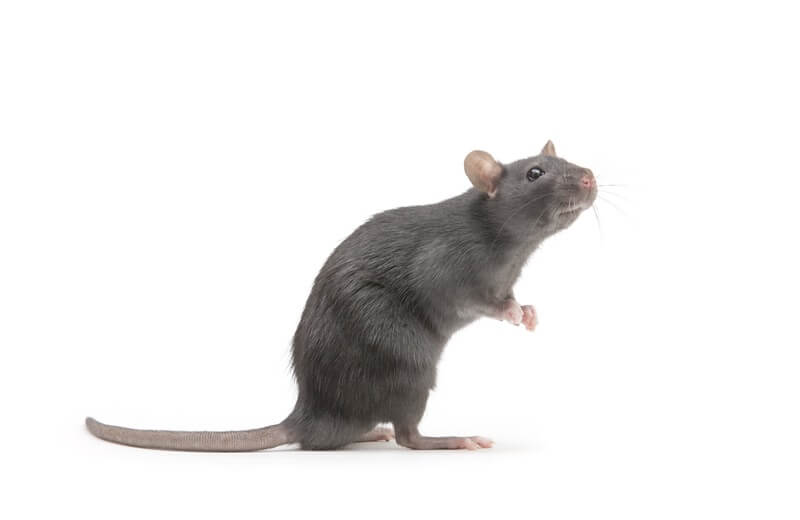


Most dog owners have seen their pet freeze or bolt when a small creature darts across the floor. The idea that are dogs scared of rats pops up more often than you might expect. Some dogs chase with pure excitement, whilst others back off quietly, faster than you might envisage.
Their reactions really come down to instinct, past experiences, and size. Rats trigger strong responses in dogs because both animals share a long history as predator and prey. Knowing these instincts helps you keep your dog safe and handle any rodent issues around the home. Keep scrolling!
Table of Contents
Why Do Some Dogs Chase Rats?

Many dogs treat rats as natural targets because of their built-in prey drive. Breeds developed for hunting see movement and go after it without a second thought. The thrill comes from the chase itself and the chance to catch something small and quick. This behaviour feels rewarding to them and ties straight back to their working roots.
Why Are Some Dogs Scared of Rats?
Not every dog charges in. Puppies or younger ones sometimes hesitate because the rat looks bold or moves too fast. A sudden squeak or bite attempt can make them rethink the whole situation. Do dogs fear rodents in these cases because they lack confidence or have never met one before? Well, in reality, the fear usually fades with calm exposure and positive reinforcement over time.
What dog breeds are best at keeping mice away?
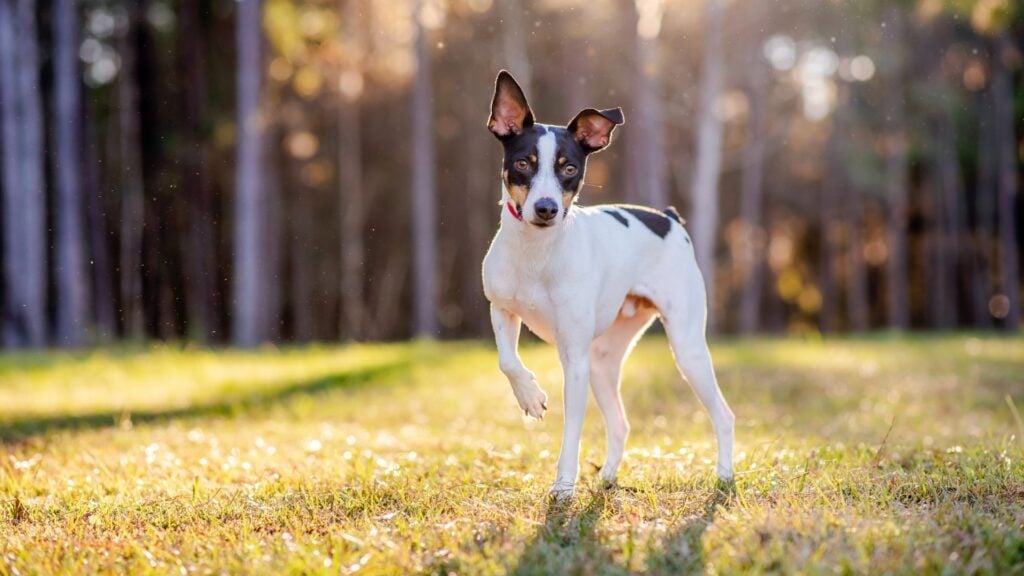
Certain breeds stand out when it comes to dealing with rodents around the house. Their size lets a smaller dog go into those hard to reach areas where rats and mice are hiding and are hoping to never get clutch. Some breeds will catch mice while others may be able to reduce the odds of an infestation and keep the nuisances at bay. Here are the top ones known for this natural talent.
- Rat Terriers
- Jack Russell Terriers
- Cairn Terriers
- Dachshunds
- Yorkshire Terriers
- German Pinschers
Are Rats Dangerous to Dogs?

Rats carry real risks that go beyond a simple chase. They can pass on leptospirosis through urine or droppings and cause serious liver or kidney issues in dogs. Bites may lead to rat bite fever with fever and joint pain. Fleas and parasites jump across during close contact too. Even if your dog wins the encounter, the aftermath can mean a trip to the vet and antibiotics. Keeping rodents out of your yard and home protects your pet from these hidden threats.
Can Dogs Kill Rats?
Indeed, they can, and many do it naturally when circumstances give them an edge. Terriers and similar breeds were bred exactly for this job, and they finish the task quickly with strong jaws and fast reflexes.
The instinct kicks in, and the rat does not stand much chance once caught. Still, not every dog succeeds, and some just scare the rodent off without harm. The outcome depends on the dog’s size, drive, and experience in the moment.
How Dogs React to Rats in Real Life
You see all sorts of responses when a rat appears in the garden or garage. One dog might freeze and stare while another could just bark loudly from a safe distance. Some run straight in with tails wagging high, ready for action. Others circle and sniff, trying to decide what to do next. The reaction tells you a lot about your pet’s personality and confidence level around small animals. Watching closely helps you step in before things get out of hand.
Should You Let Your Dog Chase Rats?
It seems harmless, though. Letting your dog hunt freely can backfire. Rats fight back, and a bite introduces bacteria fast. Plus, your dog might pick up poisons if the rodent ate bait earlier. The thrill feels good for a moment, yet the health risks outweigh the fun. Better to redirect that energy to toys or training games instead of live rodents.
How to Keep Your Dog Safe Around Rats
- Kick things off by sealing entry points in your home and garden so rats stay outside.
- Keep food in tight containers and clean up any spills right away.
- If you spot signs of rodents, call a professional before your dog gets involved.
- Regular vet checks and up-to-date vaccinations against leptospirosis give extra protection.
Simple steps like these cut the chances of trouble and let your dog enjoy the outdoors without worry.
Signs Your Dog Is Afraid of Rats

Fear shows up in clear ways once you know what to watch for. Your dog may avoid certain areas altogether or act differently when outdoors at night. These clues help you step in early and build confidence without forcing anything.
- Backing away or hiding happens when the rat appears. Your dog slips behind furniture or under the bed and stays there until the coast clears. The body stays low and the ears flatten showing clear discomfort.
- Excessive barking from distance is another giveaway. The dog stands far off and barks nonstop without moving closer. The noise serves as a warning and a way to keep the threat at arm’s length.
- Tail tucked nervous body language tells the full story. The tail drops between the legs the back curves and the eyes look wide. Shaking or panting often joins in when the fear spikes.
- Refusing to approach seals it. Even with treats or encouragement your dog plants the feet and will not move forward. This stubborn stance shows the rat crosses a personal boundary that feels too risky.
Signs Your Dog Wants to Hunt Rats
On the other side some dogs light up with pure hunting energy. Their whole focus shifts and you can almost see the plan forming. These signals mean the prey drive has taken over.
- Intense focus and stalking come first. The dog locks eyes on the rat lowers the head and moves slowly forward like a shadow. Every muscle stays tight and ready.
- Quick chasing movements follow if the rat runs. Sudden bursts of speed short turns and leaps show the dog is fully committed to the pursuit.
- Digging or sniffing burrows keeps the hunt going. Your pet scratches at holes or sniffs along walls trying to find where the rat disappeared. The nose works overtime and the paws never stop.
- Excited alert posture rounds it out. Ears perk up the tail wags fast and the body leans forward full of energy. This stance says the dog feels confident and ready for action.
Wrapping Up…
Dogs Scared of Rats reactions vary widely from bold hunters to cautious observers. Knowing the instincts risks and clear signs keeps your pet safe and your home rodent-free. Whether you have a natural ratter or a more timid friend the right steps make all the difference. Stay observant redirect energy when needed and work with professionals for any real infestation. Your dog stays happy healthy and ready for walks instead of surprise encounters. A little knowledge goes a long way in keeping both sides out of trouble.
Frequently Asked Questions (FAQs)
Will having a dog keep rats away?
Many owners ask this and the answer is yes in part. Dogs scare mice away by their mere presence through scent, barking, and movement. Rats sense danger and often move on to quieter spots. Still having a dog alone will not solve a big problem, especially if food or shelter is still available. Some breeds add real help while others simply reduce the odds.
What is a rat’s biggest fear?
Predators top the list and dogs sit right there with cats. Rats pick up the smell and turn tail fast. Even if a mouse has never seen a cat before, he’ll turn tail when one is nearby. Rodents somehow sniff out their would-be assassins, and the same holds for dogs. Birds of prey and snakes rank high, too, but the dog scent alone creates a strong landscape of fear.
Does one rat mean an infestation?
Not always. One sighting could be a lone explorer passing through. Yet rats rarely travel solo for long, so check for droppings, nests, or chewed wires. If you spot more signs, call a pest expert quickly before the numbers grow. Early action stops a small visit from turning into a full problem.
Are puppies scared of rats?
Puppies often feel unsure at first because everything is new. They might bark or back away until they learn the rat is not a threat or a toy. With gentle introductions and supervision most grow out of it fast and some even develop the hunting interest later.
Are rats scared of dogs and cats?
Yes, they are. Rats avoid areas where dogs or cats live because the smell and noise signal danger. Studies show the combination of dogs and cats works even better than either alone. Said Robert McCleery a UF/IFAS associate professor of wildlife ecology and conservation the team found that rodents stay away when both pets are present. Dogs are as good and fierce with all types of rodents as cats are though cats sometimes have an indifferent attitude.
Are rats dangerous to dogs?
Yes, rats can be dangerous to dogs. They may carry diseases, parasites, and bacteria, and they can also bite if cornered or attacked.
Can dogs kill rats?
Some dogs can kill rats, especially breeds with a strong prey drive such as terriers. Still, not every dog will do this, and the risks from bites, disease, and poison exposure make it unsafe.
Should I let my dog chase rats?
It is usually better not to. Chasing rats can expose your dog to bites, infections, parasites, or rat poison, so prevention and professional pest control are the safer route.