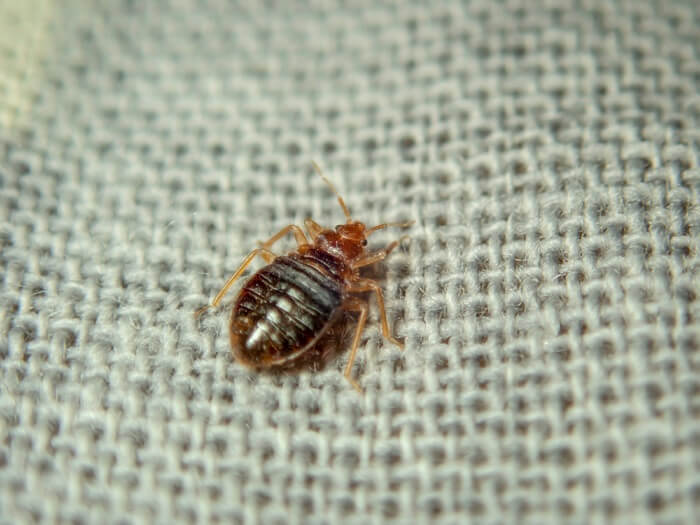

Bed bugs are small, bloodsucking insects that live in furniture, upholstery, and bedding, and they bite people and animals. Whilst they are not known to transmit diseases, their bites can itch terribly and cause allergic reactions in some people.
These pests are notoriously difficult to get rid of once they set up camp in your home. Common treatments involve chemical insecticides sprayed in the affected area, though. We know many people here can worry about exposing their families to harsh chemicals.
Turns out, essential oils for bed bugs are a pretty decent alternative treatment, and it certainly offers a more natural approach to tackling bed bug bites and infestation.
Table of Contents
Do Essential Oils Really Work Against Bed Bugs?
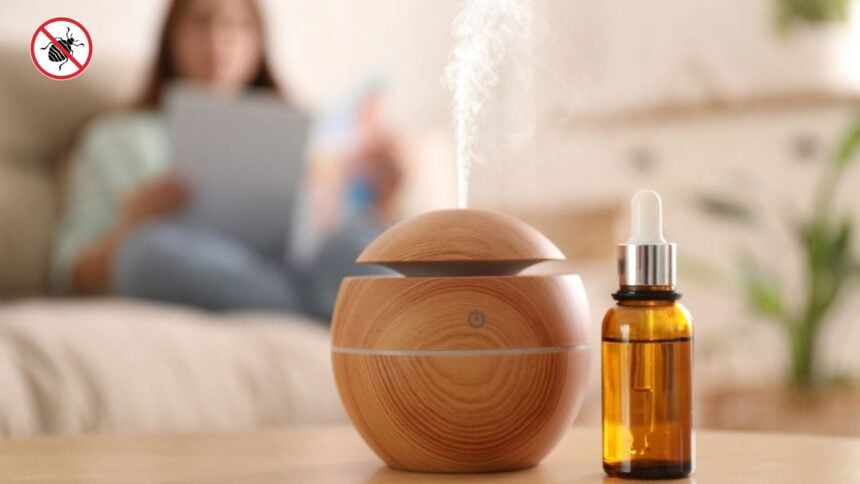
Essential oils are liquid extracts derived from plants that have a strong scent and retain some of the distilled essence of whatever plant they come from. People who swear by using essential oils for bed bugs say that this strong scent and plant essence work to deter bed bugs from being able to live and lay eggs in your bedding, carpets, and clothing.
Research shows that some essential oils have been clinically shown to possibly repel bed bugs, though their effectiveness probably wears off over time and requires regular reapplication for continued protection. These oils could help you get rid of bed bugs, but if the infestation is severe, then I really do recommend hiring Angi to kill every single bug from your home.
5 Best Essential Oils for Bed Bugs
Tea Tree Oil
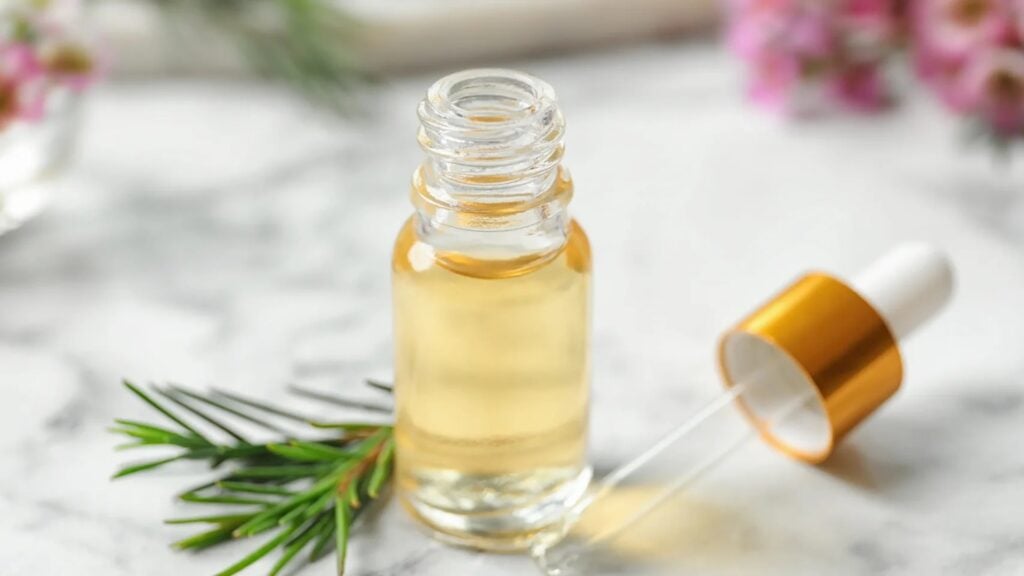
Tea tree oil for bed bugs works as one of the most potent natural remedies available. This powerful essential oil contains compounds that disrupt the nervous systems of insects, though. They are safe for humans and pets. The strong medicinal scent creates an environment that bed bugs find inhospitable. Tea tree oil also possesses antimicrobial properties that can help prevent secondary infections from bed bug bites that you scratch open.
To use tea tree oil effectively, mix 20 drops with water in a spray bottle and apply to mattress seams, bed frames, and areas where you suspect bed bugs hide. The oil needs to make direct contact with bed bugs to kill them, so thorough application matters here. Reapply every few days since the scent fades and loses effectiveness. Some people add tea tree oil to their laundry when washing infested bedding to ensure any remaining bugs or eggs get eliminated.

- 100% PURE & NATURAL TEA TREE OIL: Handcraft Blends oils are exactly that! Many other oils claim that but are actually isolates and mixtures. Each oil is tested by an independent lab, so every bottle...
- PREMIUM GRADE & QUALITY: Handcraft Blends Essential Oils are tested by an independent lab. Each oil is tested for its constituents as well as to have no fillers, additives and to be undiluted. Ideal...
- HIGH QUALITY GLASS BOTTLE AND DROPPER: Our essential oil comes in an amber glass bottle to keep out UV rays and protect the oil against sunlight. We also provide a glass dropper, so you get the exact...
- VERSATILE FOR DIY PROJECTS: Perfect for aromatherapy, massage, skin care, and DIY soap making. Essential oil is a popular ingredient in homemade soaps, body oils, and scrubs.
Lavender Oil
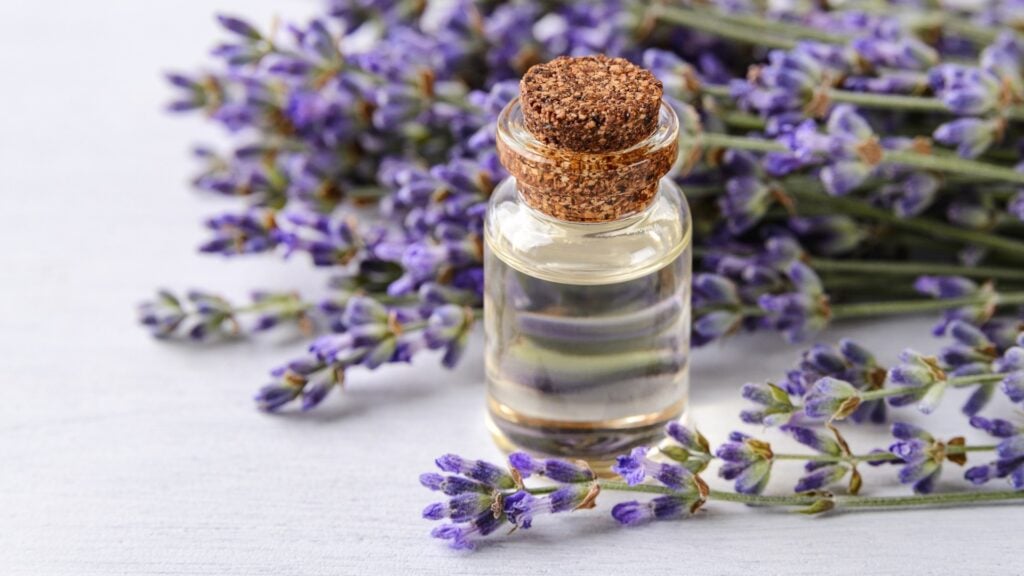
Lavender oil for bed bugs serves double duty by repelling the pests whilst helping you relax and sleep better. The pleasant floral scent that humans find calming actually repulses bed bugs and makes your sleeping area less attractive to them. They will not want to stick around or bite you if you and your bed smell like lavender when you drift off to sleep at night. The scent is too strong for bugs and disrupts their breeding cycles when you apply it consistently.
You can use lavender oil if you notice itchy bites on your skin as well. Apply diluted lavender oil directly to your bed bug bites to soothe them and prevent yourself from getting bitten again in the same spots. Mix a few drops with carrier oil like coconut or jojoba before applying to skin to avoid irritation. Lavender sachets placed under pillows and in drawers also help repel bed bugs from clothing and linens whilst keeping everything smelling fresh.

- LAVENDER OIL: Handcraft Blends Lavender Oil is carefully crafted and packaged. Every bottle is backed by our Quality Guarantee.
- PREMIUM GRADE: Handcraft Blends Lavender Essential Oil is ideal for aromatherapy, soap making, skincare, massage, and a variety of DIY projects.
- HIGH QUALITY GLASS BOTTLE AND DROPPER: Our essential oil comes in an amber glass bottle to keep out UV rays and protect the oil against sunlight. We also provide a glass dropper, so you get the exact...
- VERSATILE FOR DIY PROJECTS: Perfect for aromatherapy, massage, skin care, and DIY soap making. Essential oil is a popular ingredient in homemade soaps, body oils, and scrubs.
Peppermint Oil
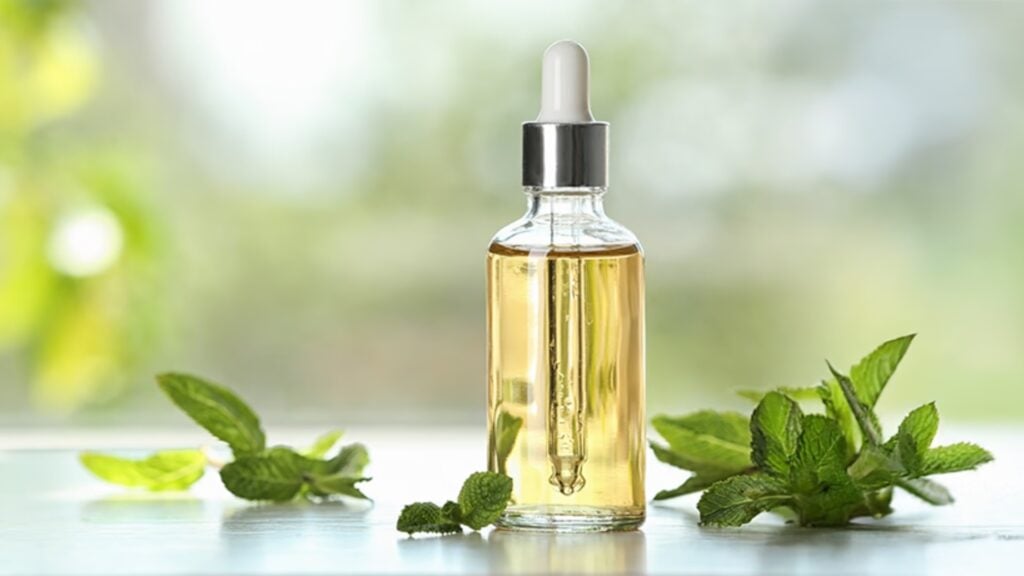
Peppermint oil for bed bugs works because these insects absolutely hate the strong minty smell. The menthol content in peppermint oil overwhelms their sensitive scent receptors. This essential oil for bed bugs also has the advantage of smelling pleasant to most people. So, it turns out, you are not dealing with offensive odours whilst treating your home.
Mix peppermint oil with water and spray it liberally around your bed frame, underneath the mattress, and along baseboards where bed bugs travel. The oil creates an invisible barrier that bed bugs avoid crossing.

Thyme Oil
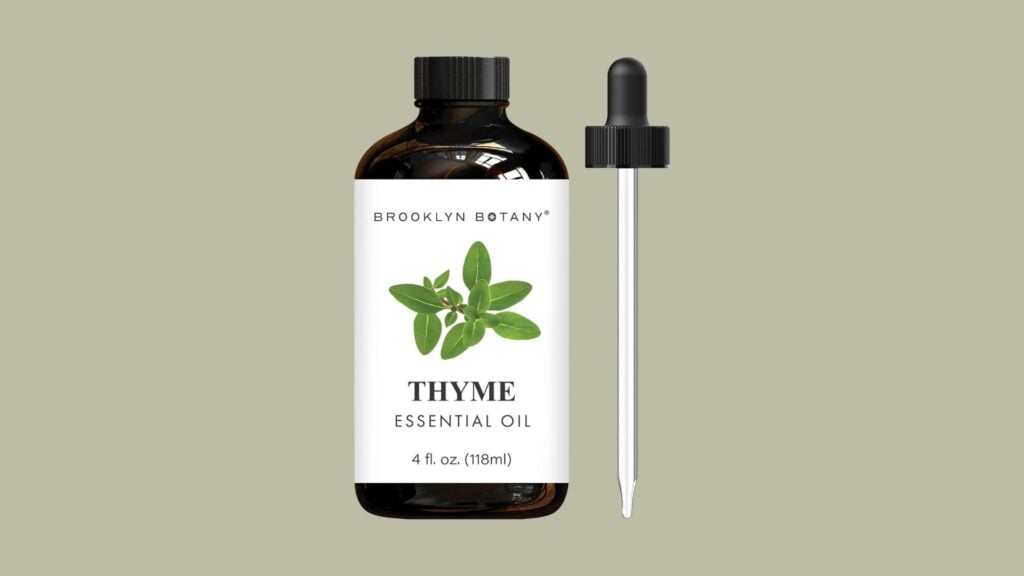
Thyme oil is great at getting rid of bed bugs naturally due to its active ingredient called Thymol. This compound exhibits strong insecticidal properties that can kill bed bugs on contact. Like most essential oils, it has a strong smell just like bug spray does, though many people find the herbal scent more tolerable than chemical alternatives.
Thyme oil requires direct contact with bed bugs to be effective, so you need to spray it directly on the insects or in areas where they hide. The oil disrupts their respiratory systems and eventually kills them, though it may take several applications to eliminate an entire infestation.
Mix thyme oil slightly stronger than other essential oils, using about 30 drops per cup of water, since it needs higher concentration to work effectively. Apply to cracks, crevices, and anywhere you spot bed bug activity.
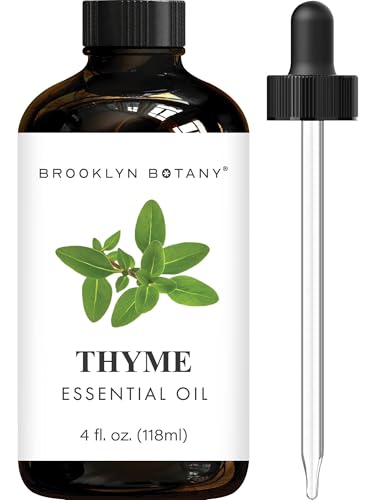
- 100% PURE AND NATURAL THYME OIL: Brooklyn Botany essential oils are all natural with no additives or dilution. Therefore, they can provide their maximum benefits and are extremely potent.
- PREMIUM GRADE ESSENTIAL OIL: All of our essential oils are Premium Quality and are tested by an independent lab to test the potency and efficiency of each oil. They are beneficial for use in...
- GLASS BOTTLE WITH DROPPER FOR ESSENTIAL OILS: Our Essential Oil is bottled in an amber glass bottle to protect the oil against UV rays. A glass dropper is also included so you can avoid waste of the...
- ESSENTIAL OIL FOR DIFFUSER: Our Thyme Oil blends well with other oils like Bergamot, Cedarwood, Chamomile, Eucalyptus, Grapefruit, Lemon, Rosemary and Tea Tree.
Citronella Oil

Citronella oil rounds out our list of the best essential oil for bed bugs with its powerful repellent properties. You probably know citronella from mosquito candles, and it works similarly against bed bugs by masking the carbon dioxide and body heat signals that attract these pests to sleeping humans. The strong lemony scent creates confusion in bed bugs’ sensory systems, making it harder for them to locate their next meal.
Spray citronella oil around the perimeter of your bedroom, focusing on entry points like doorways and windows. Apply it to furniture legs to prevent bed bugs from climbing up to reach your bed.
The oil evaporates relatively quickly, so you need to reapply it daily for best results. Some people find the scent overpowering when first applied, but it mellows within an hour whilst still remaining effective against bed bugs.
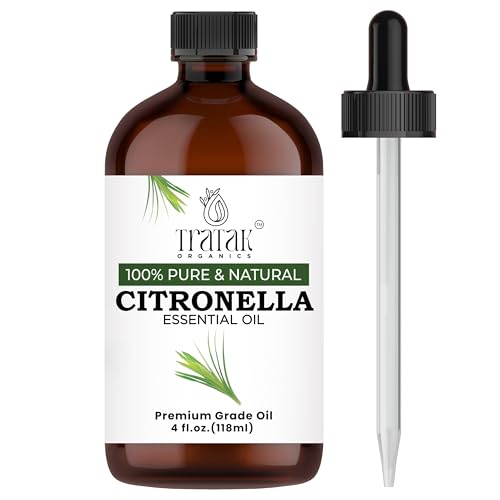
- PURE BLISS FROM NATURE: Immerse yourself in the unparalleled purity of Tratak Citronella Essential Oils, meticulously sourced and extracted solely from premium botanicals, untainted by any additives...
- BOUNDLESS APPLICATIONS: Unlock a realm of possibilities as our essential oils gracefully infuse diffusers, massage oils, bath luxuries, and handcrafted skincare, creating a haven of aromatic delight.
- UNWIND & RELAX: Experience the soothing and calming effects of our essential oils, designed to help you unwind after a long day and promote a sense of tranquility, allowing you to find solace and...
- BOTTLED WITH CARE: Tratak Citronella is housed in dark amber glass bottles with a built-in dropper for easy and precise dispensing, allowing you to control the amount to be used. The lemongrass is...
How to Make an Essential Oil Bed Bug Spray
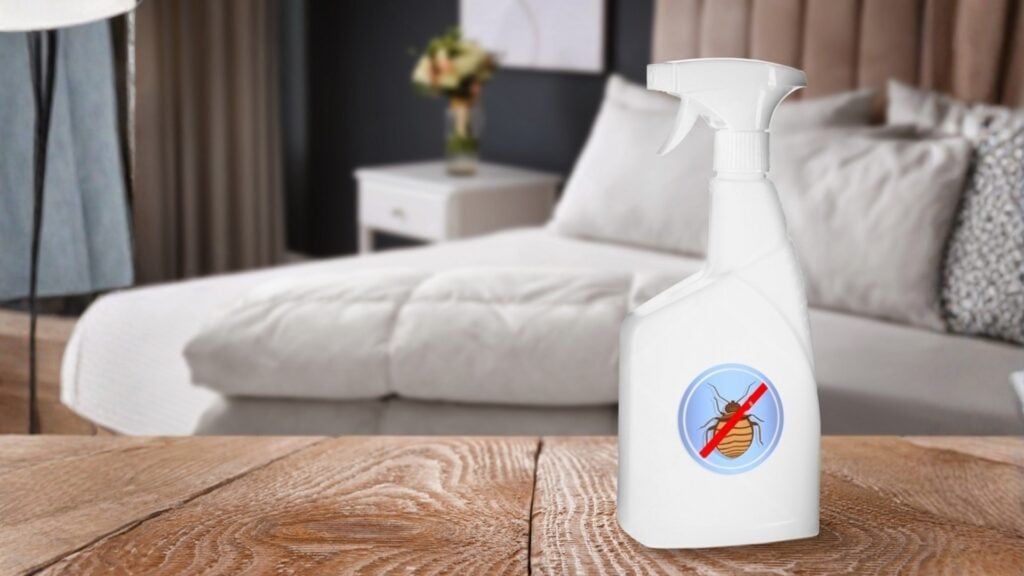
Ingredients You Need
Creating your own homemade bed bug spray costs far less than buying commercial products and lets you control exactly what goes into the formula. Gather these simple ingredients before you start:
- Water: Use distilled water if possible since tap water contains minerals that can reduce the spray’s effectiveness over time. You need about 2 cups for a standard spray bottle.
- Essential oils: Choose one or combine several from the list above. Plan on 40 to 60 drops total for a 16 ounce spray bottle.
- Spray bottle: A 16 ounce glass spray bottle works best since essential oils can break down some plastics over time.
- Optional: rubbing alcohol or vinegar: Adding a tablespoon of rubbing alcohol helps the oils disperse better in water and may boost their insecticidal properties.
Step-by-Step Instructions
Making your essential oil bed bug spray takes just minutes once you have the ingredients assembled. Follow these simple steps for the best results.
- Mix oils with water: Add your chosen essential oils to the spray bottle first. If using multiple oils, divide the total drops between them. For example, use 20 drops each of tea tree, lavender, and peppermint for a triple action formula. Pour in the distilled water, leaving a bit of room at the top. Add the optional alcohol or vinegar if using.
- Shake before each use: Essential oils and water do not naturally mix, so they separate when the bottle sits. Shake vigorously for 10 to 15 seconds before each application to ensure the oils distribute evenly through the water. This step is crucial since you need the oils present in every spray for consistent coverage.
- Spray on mattress seams, furniture, and cracks: Target areas where bed bugs hide during the day. Pay special attention to mattress seams, box spring corners, bed frame joints, and cracks in headboards. Spray along baseboards, behind pictures, and in closets where bed bugs might travel. Apply enough spray to dampen the surface without soaking it. Let treated areas dry completely before making the bed or replacing cushions.
How Often to Apply
Spray your essential oil bed bug spray daily for the first week of treatment, especially if you have an active infestation. After the initial intensive treatment, reduce to every two to three days for maintenance.
Reapply immediately after washing bedding or vacuuming since these activities remove the oils. If you notice new bites or spot bed bugs despite treatment, increase application frequency back to daily until you regain control.
Some areas like mattress seams need more frequent treatment than baseboards since bed bugs concentrate there. Track your applications on a calendar to ensure you maintain the schedule needed to get rid of bed bugs naturally.
What Other Things Can You Do to Control Bed Bugs in Your Home

Using essential oils for bed bugs works better when combined with other bed bug control methods. The best way to get rid of bed bugs naturally involves implementing a few different techniques together rather than relying solely on oils.
Wash Bedding in Hot Water
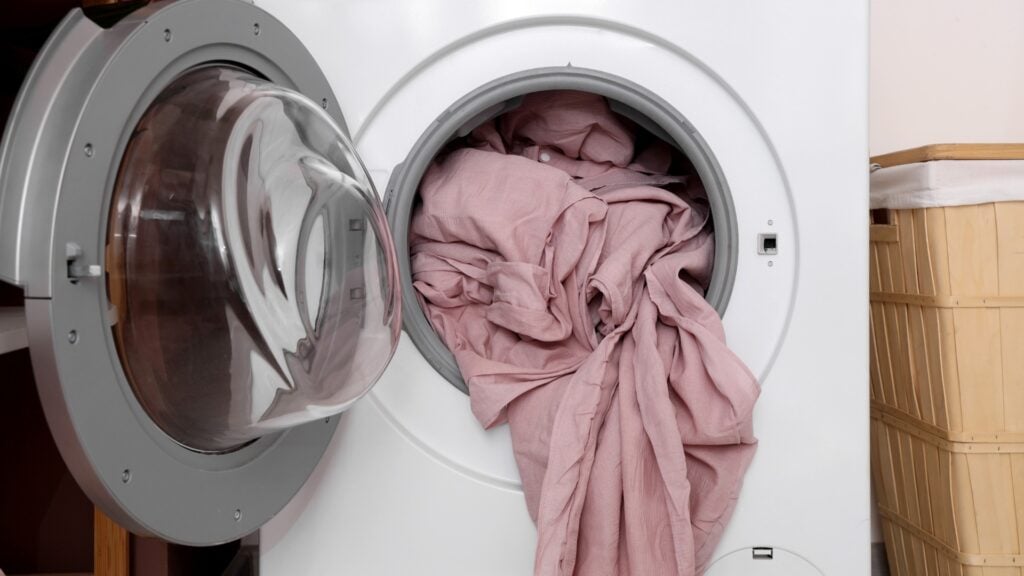
Heat kills bed bugs at all life stages. Strip all bedding, including sheets, pillowcases, blankets, and mattress covers. Wash everything in the hottest water the fabric can tolerate, typically 140°F or higher.
Run items through the dryer on high heat for at least 30 minutes since the sustained heat finishes off any survivors. This process kills bed bugs, their eggs, and nymphs hiding in fabric folds.
Wash bedding weekly during active infestations and every two weeks for maintenance once you achieve control.
Do not forget decorative pillows, bed skirts, and curtains that touch the floor near the bed. Anything fabric that bed bugs could hide in needs regular hot water treatment to prevent reinfestation.
Vacuum Mattress and Furniture
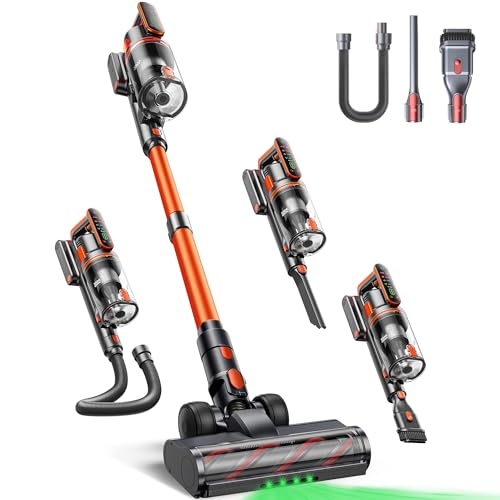
- <li title="【650W Brushless Motor | 55KPa Suction Power】The 650W brushless motor of this cordless vacuum cleaner provides an amazing 55KPa suction power, which can easily pick up pet hair, remove stubborn stains and hard-to-reach dust in corners. Quiet 【650W Brushless Motor | 55KPa Suction Power】The 650W brushless motor of this cordless vacuum cleaner provides an amazing 55KPa suction power, which can easily pick up pet hair, remove stubborn...
- 【70 Minutes Run Time | 4 Hours Quick Charge】The cordless vacuum cleaner has a powerful removable 8x2500mAh battery that provides 20-70 minutes of cleaning time (Eco mode: 70 minutes, standard...
- 【3.3Ft Extendable Hose|Reaches Car Seats & Tight Spaces】With a retractable hose (up to 1m), a 2-in-1 brush and a long, flat suction cup, you can clean car seats, under beds and ceiling corners...
- 【Self-Standing Design|No Tipping, No Clutter】Take a coffee break mid-clean – your stick vacuum stands securely on its own! Low-center design prevents falls on carpets, hardwood, or even slightly...
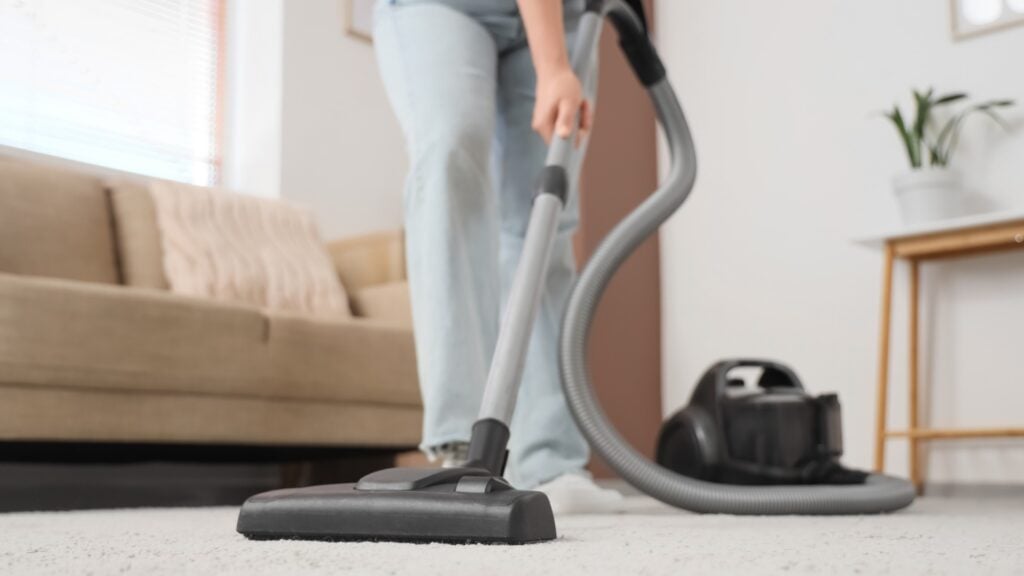
Vacuuming physically removes bed bugs, eggs, and shed skins from hiding spots. Use the crevice tool to get into seams, tufts, and corners where bed bugs congregate. Vacuum the entire mattress top and bottom, box spring, bed frame, and nearby furniture.
Go slowly and make multiple passes since bed bug eggs stick to surfaces and need thorough suction to dislodge. Empty the vacuum immediately after each use into a sealed plastic bag and dispose of it outside your home.
Bed bugs can crawl out of vacuum canisters and reinfest your space if you leave them sitting. Vacuum daily during heavy infestations and at least twice weekly for maintenance. Combine vacuuming with essential oil sprays by vacuuming first, then spraying to maximize contact with any remaining bugs.
Use Mattress Encasements
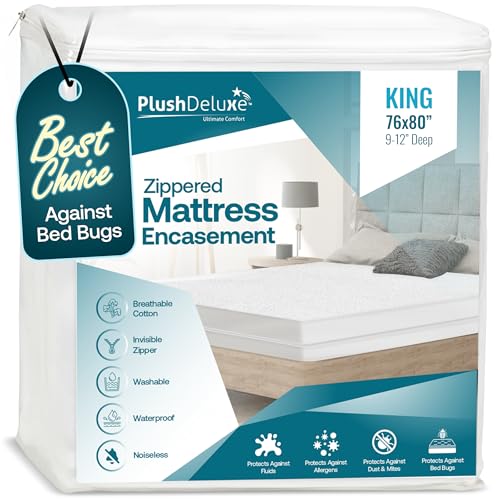
- Covers All Six Sides - Keep your mattress clean, dry, and spotless on all sides. This waterproof mattress protector helps shield your cushion against dust, moisture, dirt, stains, or small critters.
- A Snug, Secure Fit - Don't worry about this mattress cover getting removed on its own while you sleep. This is a zippered mattress protector, with the smooth zip closure hidden under a discreet flap.
- Deep & Restful Sleep - Have you had it with bed covers that keep making scratchy noises whenever you move? Our bed protector is made of terry fabric that stays noiseless even while you toss and turn.
- Gentle On Your Skin - Our hypoallergenic mattress cover meets OEKE-TEX quality standards. It's soft and smooth on your skin and is made without dyes or additives that can cause itching or irritation.
Mattress and box spring encasements trap bed bugs inside whilst preventing new ones from entering. These special covers completely encase the mattress with a zipper that bed bugs cannot penetrate.
Any bugs trapped inside eventually starve since they cannot reach you to feed. Encasements also eliminate hundreds of hiding spots that mattresses and box springs provide.
Choose encasements specifically designed for bed bugs rather than regular mattress protectors. Bed bug encasements use tighter weaves and sealed seams that standard covers lack.
Install them carefully, ensuring no gaps around the zipper. Leave encasements on for at least a year since bed bugs can survive months without feeding. This method works excellently alongside essential oils for bed bugs by reducing the areas you need to treat.
Reduce Clutter
Clutter provides countless hiding spots for bed bugs and makes treatment much harder. Clear away stacks of clothing, boxes, magazines, and anything else piled around your bedroom.
Store necessary items in sealed plastic containers that bed bugs cannot penetrate. The less clutter you have, the fewer places bed bugs can hide and the more effective your essential oil treatments become.
Pay special attention to areas near the bed since bed bugs prefer staying close to their food source. Remove items from under the bed entirely if possible. Keep clothing off the floor and store it in dressers or closets.
Wrapping Up…
Essential oils for bed bugs offer a natural remedy worth trying, especially if you suspect bed bugs early enough. The best essential oil for bed bugs combines repellent and insecticidal properties like tea tree, lavender, or thyme oil. Making your own essential oil bed bug spray costs little and avoids harsh chemicals in your bedroom. However, remember that getting rid of bed bugs naturally works best when you combine oils with heat treatment, vacuuming, encasements, and clutter reduction. In fact, essential oils are the best place to start since they are chemical free and unlikely to damage your bedding, curtains, and other upholstery. Stay consistent with applications and do not get discouraged if results take time.
Frequently Asked Questions (FAQs)
Which smell do bed bugs hate?
Bed bugs hate strong scents from peppermint, lavender, tea tree, thyme, and citronella oils. They also dislike the smell of fresh cloves, cinnamon, and lemongrass. These scents overwhelm their sensory receptors and make treated areas unattractive for nesting.
What can I put on my skin to prevent bed bug bites naturally?
Diluted lavender or tea tree oil applied to exposed skin before bed may help repel bed bugs. Mix a few drops with coconut oil and rub on arms, legs, and neck. Some people use diluted neem oil or coconut oil alone since bed bugs seem to dislike these smells as well. Never apply undiluted essential oils directly to skin as they can cause irritation.
What scents attract bed bugs?
Bed bugs are attracted to carbon dioxide from breathing, body heat, and certain body odours. They do not specifically seek pleasant scents but rather the chemical signals humans emit. Dirty laundry and used bedding attract them because these items retain body odour.
What kills bed bugs immediately?
Heat above 120°F kills bed bugs immediately, which is why professional heat treatments work so well. Rubbing alcohol sprayed directly on bed bugs kills them quickly through dehydration. Steam cleaners deliver instant lethal heat to bed bugs and eggs. The surefire way of getting rid of bed bugs completely is to get a professional in to fumigate your home, but you can start with essential oils, especially if you want to prevent bed bugs.
What part of the body do bed bugs bite the most?
Bed bugs typically bite exposed skin while you sleep. Arms, shoulders, neck, and legs get bitten most frequently since these areas remain uncovered at night. Bites often appear in lines or clusters where the bug fed multiple times in one area.
Are essential oils safe to use around the home for bed bugs?
They can be useful when diluted and used carefully, but some oils may irritate skin or affect pets. It is important to follow label guidance and use them with realistic expectations.
How often should I apply essential oil spray for bed bugs?
For active infestations, daily use is often recommended at first. After that, every two to three days may help with maintenance, especially after vacuuming or washing bedding.