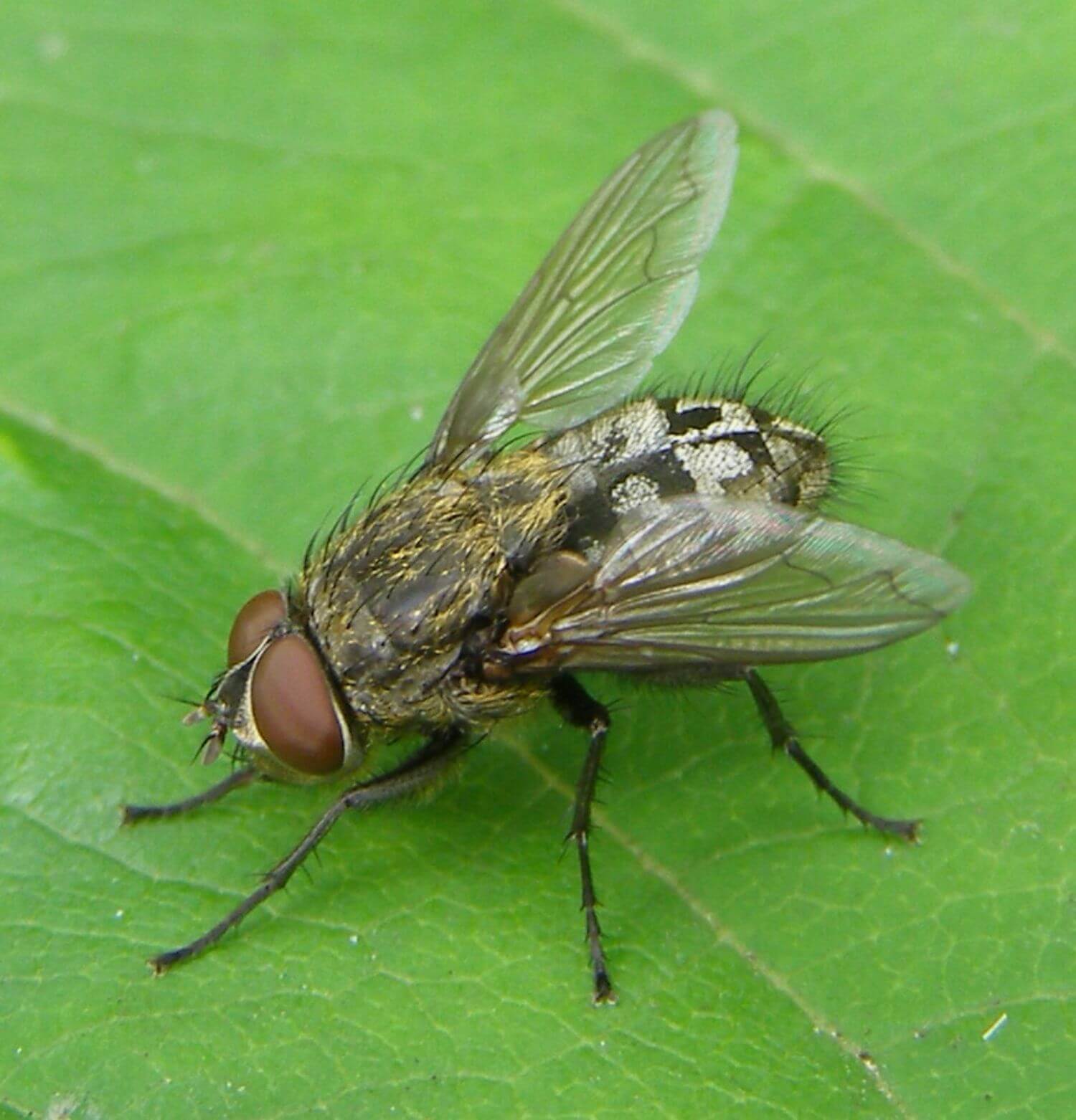

Dealing with pesky flies buzzing around your home can drive anyone mad, especially when they get into prepared food and disrupt daily living. These insects are surprisingly difficult to control because they lay eggs around your home and multiply quickly, and thereby could turn a minor annoyance into a full blown infestation.
Finding the best fly trap for indoors becomes essential when you’re tired of swatting at flies manually or dealing with messy spray products that leave residue everywhere. This comprehensive buyer’s guide examines the most effective and easy to use indoor fly traps available at the moment.
Table of Contents
Types of Indoor Fly Traps (Complete Breakdown)
1. Sticky Fly Traps (Glue-Based)
Sticky traps work through simple mechanical capture using adhesive surfaces that flies can’t escape once they land. These traps come in various formats including hanging strips, window decals, and standalone cards. The glue remains sticky for weeks or months, depending on dust accumulation and the number of captured insects. Sticky traps excel at catching fungus gnats and fruit flies that are attracted to the trap’s yellow colour or subtle attractant scents.
The main advantage of sticky traps is their affordability and complete lack of noise or electricity requirements. You can place them anywhere without worrying about outlets or batteries. The downside is that dead flies remain visible on the trap, which some people find unpleasant. Sticky traps also lose effectiveness in dusty environments where particles coat the adhesive surface.
2. UV Light Fly Traps
UV light traps use specific wavelengths of ultraviolet light that attract flying insects. Flies and other bugs perceive this light as appealing and fly toward it, where they either get trapped on adhesive surfaces or sucked into a containment area. The captivating blue and UV light work wonders in luring pesky bugs to their demise without requiring any chemical attractants or odours.
These traps work continuously as long as they’re plugged in, providing 24 hour protection. The UV bulbs eventually lose intensity and need replacement every few months to maintain effectiveness. UV traps handle aggressive species like house flies or blow flies particularly well because these insects have strong phototactic responses to UV wavelengths.
3. Electric Fly Zappers
Electric zappers combine UV attraction with an electrified grid that kills insects on contact. You hear the characteristic zapping sound when flies hit the grid, which provides confirmation that the trap is working. These devices work quickly and handle high volumes of insects effectively.
The main concern with zappers is that they can scatter insect particles when bugs explode on contact with the electric grid. This makes them less ideal for kitchens or food preparation areas. The zapping sound also bothers some people, though others find it satisfying. Electric zappers consume more power than other trap types and the bulbs require periodic replacement.
4. Plug-In Fly Traps
Plug in fly traps combine UV attraction with fan systems or adhesive capture methods. These devices connect to standard wall outlets and operate continuously to trap flies as they approach. The plug in format means you don’t need to remember to turn them on or worry about dead batteries. Most modern plug in fly traps operate completely silently, making them suitable for bedrooms and offices where noise would be disruptive.
The limitation of plug in traps is that the outlet requirement limits where you can place them. You need an available outlet in the room where flies are problematic, which isn’t always convenient. Some plug in designs are also bulky and somewhat awkward to grip when plugging them in, requiring two hands to position properly.
5. Natural & Non-Toxic Fly Traps
Natural traps use food based attractants like vinegar, fruit, or sugar solutions to lure flies into containers they can’t escape. These DIY style traps or commercial versions eliminate concerns about chemicals near food or around children and pets. A non toxic fly trap provides peace of mind when you’re concerned about household safety.
The downside of natural traps is that they can smell unpleasant, especially as captured flies decompose in the liquid. They also require more frequent maintenance than other trap types. Natural traps work well for fruit flies but struggle with larger house flies that aren’t as attracted to fermentation odours.
5 Best Fly Trap For Indoors (Top Picks Reviewed)
1. Zevo Flying Insect Trap & Cartridge – Our Top Pick
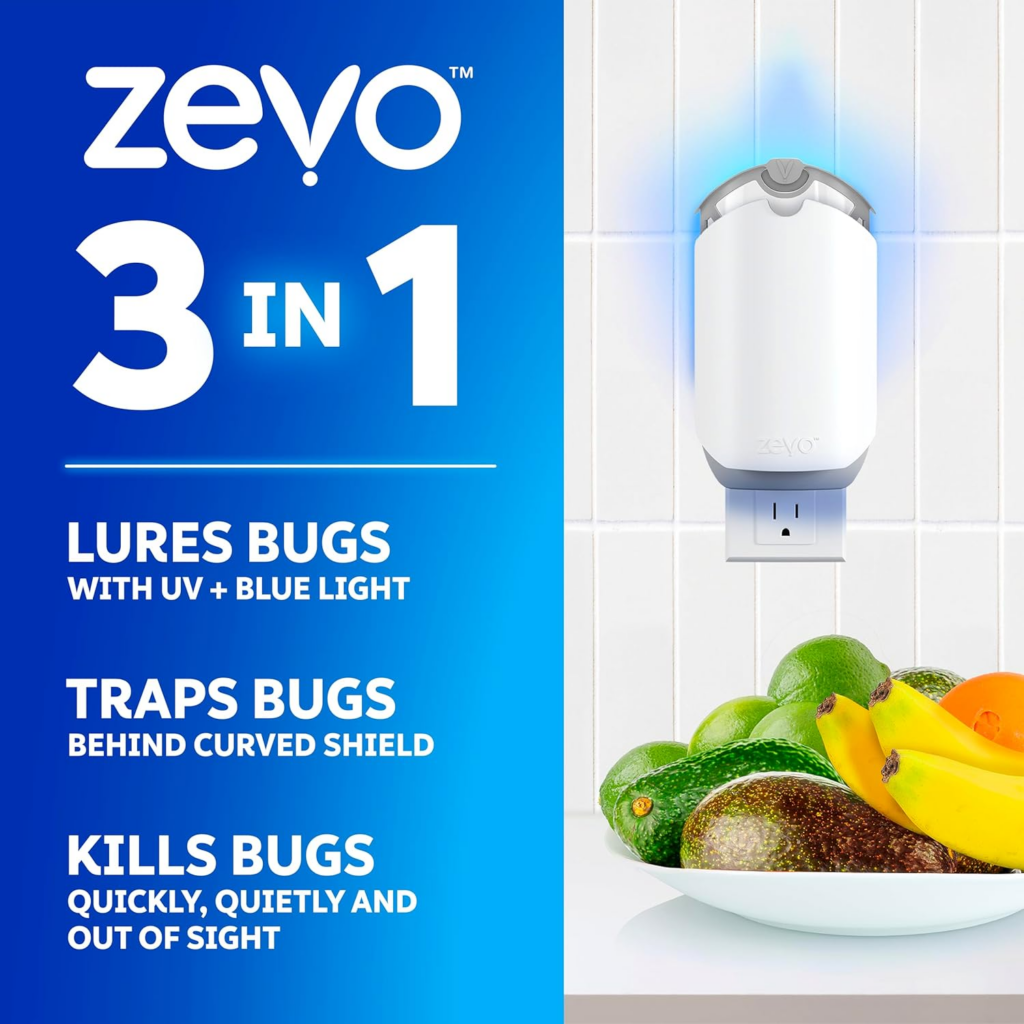
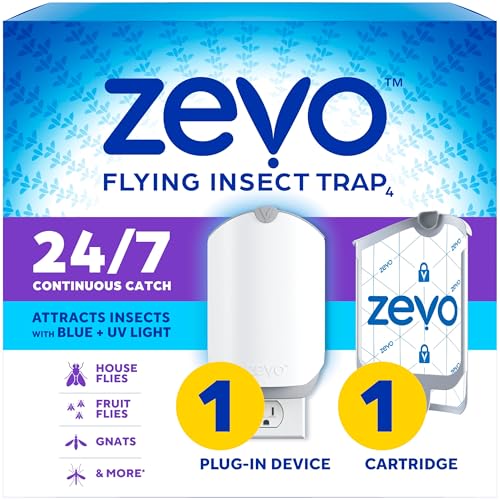
- Catch Flying Insects 24/7 – This flying insect trap uses blue and UV light to attract and catch house flies, fruit flies and gnats. Its continuous attraction helps it catch insects day and night.
- Mess-Free Disposal – This indoor fly trap and gnat catcher uses a powerful adhesive backing you will never have to touch. The adhesive pad can discreetly catch bugs, and discreetly faces the wall.
- Easy-to-Use – To use, remove the sheet from its adhesive backing, insert the disposable cartridge and plug the indoor bug trap into locations where bugs frequent. When full, lift the cartridge out of the insect catcher, and toss it in the garbage.
- Versatile Placement – You can place this plug in bug trap in your kitchen, bathroom, garage, bedroom, dining room, enclosed patio or in any socket near plants. These insect traps can be used indoors for easy, year-round protection.
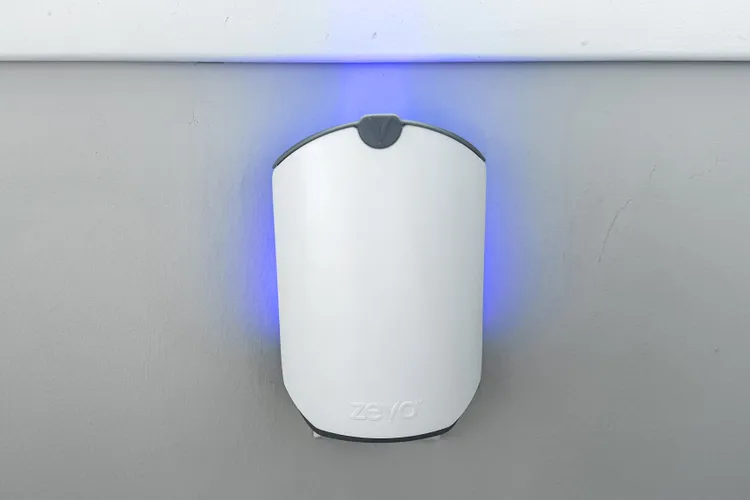
Out of all the fly traps we researched and tested for performance, the Zevo consistently impressed with its combination of effectiveness and thoughtful design. This plug in device uses blue and UV light to attract flies, then traps them on an adhesive pad that’s tucked behind the light and faces the wall. The clever design means you never see the captured insects.
Why It Made Our List
The Zevo earned top honours as the best fly trap for indoors because it balances multiple factors perfectly. The trap can be used in any room including kitchens and bedrooms without concerns about chemicals or noise. It plugs into any standard wall outlet and begins working immediately. Unlike sprays or scented traps, it’s free of chemicals and odours, making it safe for homes with children, pets, or people with sensitivities.
Key Specs
- Coverage: Up to 600 square feet
- Power: Plug in design requires standard outlet
- Light Type: Blue and UV LED combination
- Replacement: Adhesive cartridges last 45 days
- Dimensions: 4.5 x 3.5 x 2.5 inches
- Noise Level: Completely silent operation
What We Like
- Completely silent operation
- Hidden adhesive design conceals captured insects
- Chemical free & odour free operation
- Simple 30 second cartridge replacement
- Blue light isn’t overly bright or distracting
What We Don’t Like
- The unit is a bit bulky and somewhat awkward to grip when plugging it in
Ortho Home Defense Max Indoor Flying Insect Trap – Runner Up
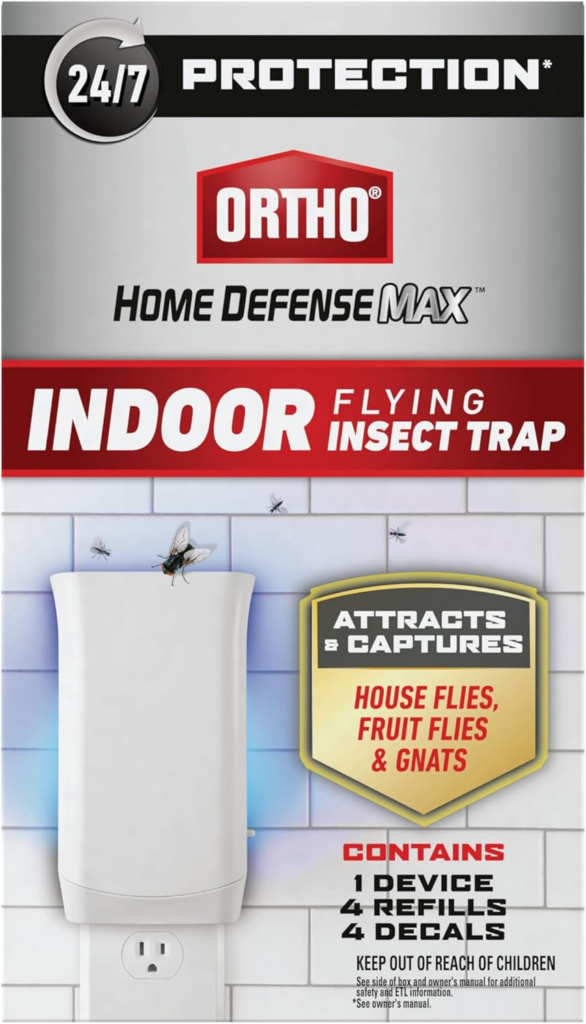

- Attract and capture flying insects: The Ortho Home Defense Max Indoor Flying Insect Trap attracts and captures pesky house flies, fruit flies, and gnats
- 24/7 Indoor Protection: This indoor fly trap works in indoor spaces, including kitchens, food areas, bathrooms, storage areas and screened-in porches, near plants or fruit, or inside your RV or cabin
- Discreet design: Choose one of four included decals for a personalized look that blends seamlessly into your home decor
- Easy to use: Simply place an included glue trap inside the device (following label directions), plug in the device, and turn on the blue light to start attracting – and trapping – flying insects

When you need an indoor fly trap that comes with everything you need for extended use, the Ortho option delivers excellent value. This package includes one plug in device and four refill cartridges. The design is essentially the same as the Zevo with UV light attraction and hidden adhesive capture, but Ortho’s bulk refill approach appeals to people who want to stock up.
Why It Made Our List
We selected this as our runner up best fly trap for indoors because it offers similar performance to our top pick while including generous refills upfront. The simple setup process takes seconds. Peel the backing off the adhesive cartridge, place it in the trap, and plug it into an outlet. Flies get stuck on the glue where you can’t see them.
Key Specs
- Coverage: Approximately 600 square feet
- Includes: 1 device plus 4 adhesive refills
- Light Type: UV LED
- Refill Duration: Each cartridge lasts roughly 30 days
- Operation: Continuous when plugged in
- Safety: Chemical free, pet safe
What We Like
- Four included refills provide excellent value
- Foolproof setup
- Captures high volume of fruit flies and gnats
- Hidden adhesive keeps dead insects concealed
What We Don’t Like
- Outlet requirement limits placement flexibility
- Slightly larger and more noticeable than competitors
Safer Home Indoor Plug-In Fly Trap – Best Budget Option
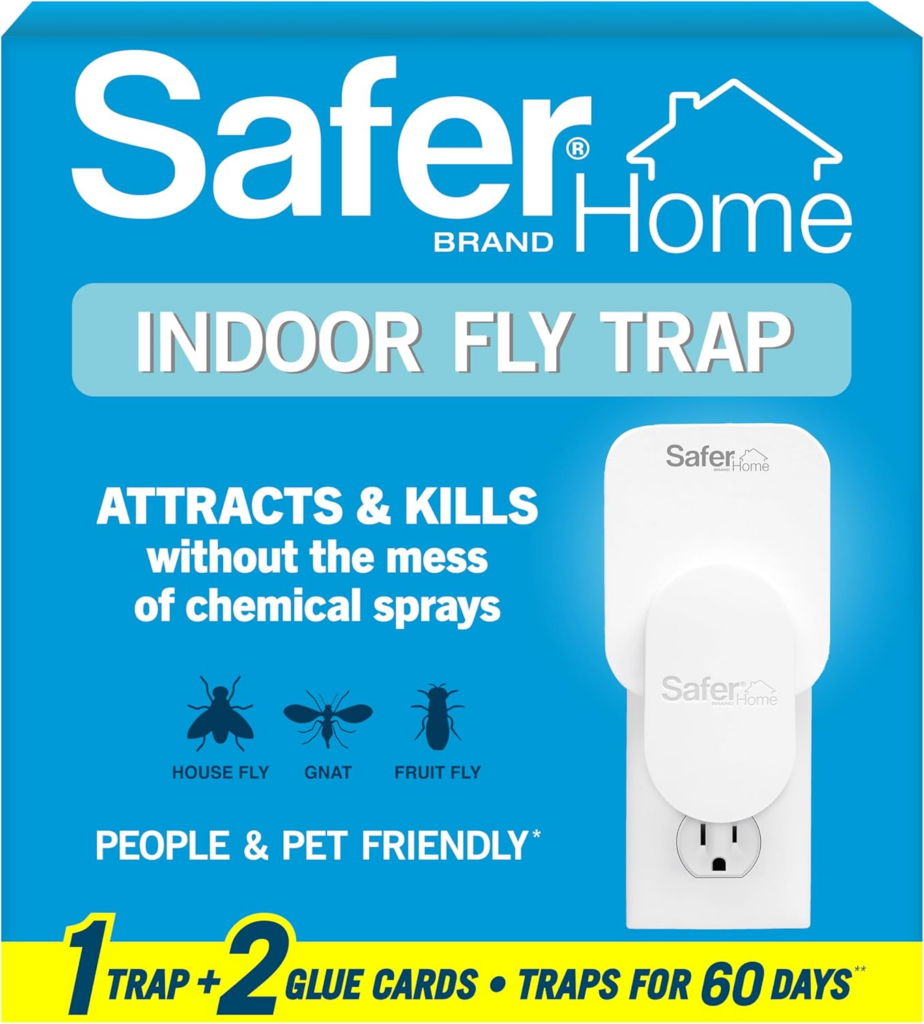

- IMMEDIATE INSECT CONTROL: The plug in fly trap indoor starts working quickly to attract and trap flies, moths, and gnats, serving as a fantastic insect killer indoors
- PEOPLE AND PET FRIENDLY: This indoor fly trap for home containes no chemical insecticides, making a fruit fly killer that’s ideal for homes with children and pets. It’s also a winner of the Parent Tested Parent Approved Seal of Approval
- CONTINUOUS 24/7 PROTECTION: This flying insect trap indoor plug in features UV LED light to naturally attract bugs, serving as an effective gnat killer indoor and house fly trap indoor all day and night
- DISCREET AND ADAPTABLE DESIGN: When using insect traps indoors, design is important. This trap fits seamlessly with any decor and rotates to adapt to any plug, making it a great option for gnat traps for indoors
For those seeking an electric fly trap for home use without breaking the bank, the Safer Home model delivers solid performance with a low price tag. This device uses the same basic principle of UV attraction combined with adhesive capture, but the simpler construction keeps costs down. The compact and visually discreet design means it blends into most rooms without drawing attention.
Why It Made Our List
This earned its spot as the best fly trap for indoors on a budget because it proves you don’t need to spend a fortune for effective fly control. The trap covers up to 400 square feet, and it does suit most individual rooms perfectly. It comes with two glue cards to get you started, and replacement cards are among the cheapest available. We like the compact and visually discreet design that doesn’t advertise its purpose.
Key Specs
- Coverage: 400 square feet
- Includes: 1 device and 2 adhesive glue cards
- Power: Standard outlet plug in
- Card Lifespan: 30 to 45 days per card
- Design: Low profile, unobtrusive appearance
- Chemical Free: Safe for homes with pets and children
What We Like
- Affordable price
- Performance matches more expensive options
- Simple glue card replacement
- Very low power consumption
What We Don’t Like
- Construction feels less substantial than premium models
STEM Flying Insect Fan Trap – Best Technology Integration
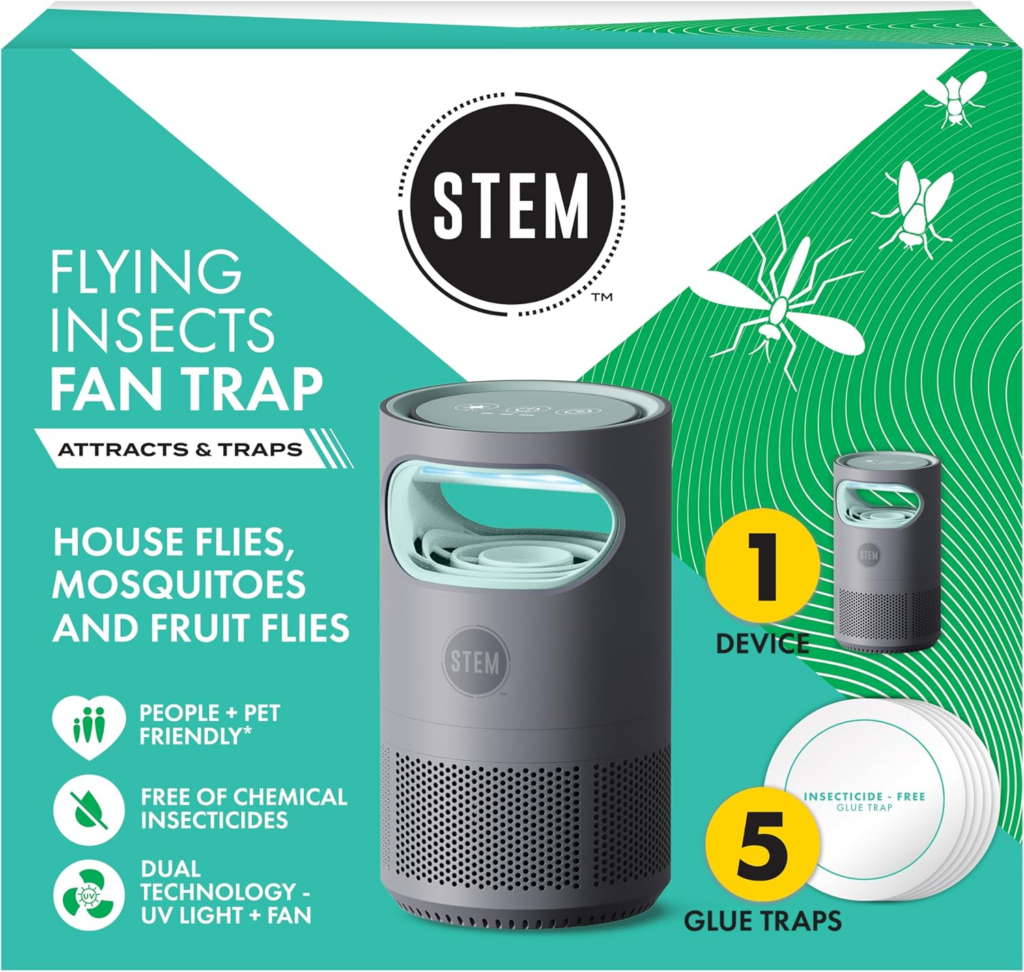

- Dual Attraction Technology: The fan and blue light work together in this portable bug trap to attract and trap mosquitoes, fruit flies and house flies
- Powerful Fly & Mosquito Trap: Perfect for areas of your home where insects are present, this bug catcher quietly controls pests so you can enjoy a peaceful space
- Customizable Settings: Use the touch display to select your ideal fan speed and set a timer for 3, 8, or 12 hours, or opt for continuous 24/7 operation
- Indoor Pest Control: Includes 5 mess-free glue traps and a 6-foot cord, offering portability for easy setup in your home or enclosed patio
Innovation in fly control reaches new levels with the STEM trap that combines UV light with a fan system and modern controls. This electric fly trap for home use represents the current state of the art, incorporating a simple touch screen with lights and pictures as buttons. The fan pulls attracted insects down into a collection chamber rather than relying solely on adhesive, increasing capture rates.
Why It Made Our List
We selected this as the best fly trap for indoors for tech enthusiasts because it brings genuine innovation to a category that hasn’t changed much in decades. The fan mechanism effectively captures mosquitoes, fruit flies, and house flies that get close to the trap. It seems to do well attracting the adults from various species, making it versatile for mixed infestations. The starter kit includes five glue traps, providing excellent initial value.
Key Specs
- Coverage: Up to 600 square feet
- Power: Plug in with fan motor
- Technology: UV light plus downward air current
- Controls: Touch screen interface
- Included: 1 device and 5 glue trap inserts
- Noise: Whisper quiet fan operation
What We Like
- Active fan capture outperforms passive traps
- Whisper quiet operation barely noticeable
- Intuitive touch screen controls
- Indication light confirms 24-7 operation
- Five included glue traps provide months of use
What We Don’t Like
- The fan does produce some noise, though it’s minimal.
- The touch screen can be overly sensitive, sometimes activating when you brush against it accidentally.
Fly Stick Sticky Fly Traps – Best Chemical Free Option
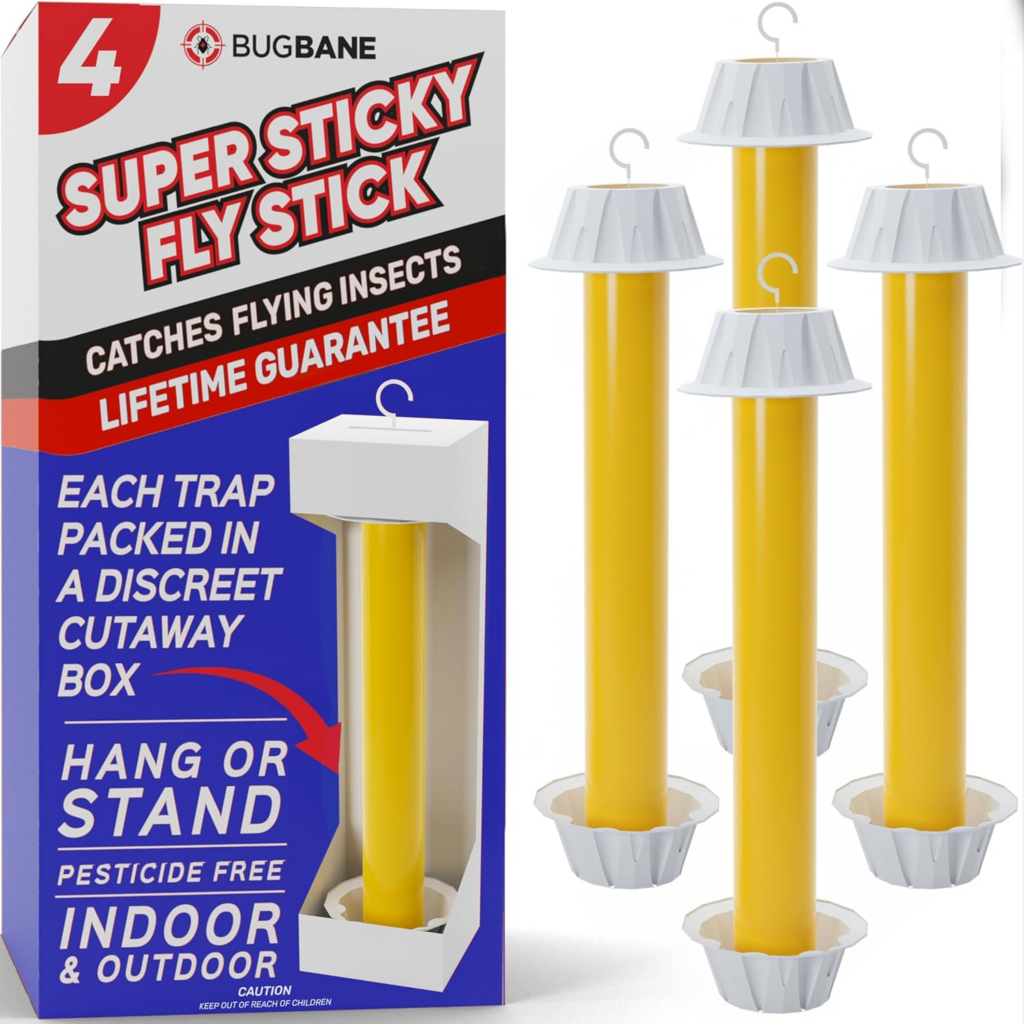

- SUPER STICKY. Our fly trap stick is made with extremely sticky glue that will trap virtually all bugs, making it a great gnat trap for house indoor and ideal fly traps outdoor hanging trap.
- NON-TOXIC. ODORLESS. BAIT FREE. Unlike many fly strips, our indoor fly trap contains no bait and is safe for all. Just make sure not to touch the sticky fly paper part of the fly sticky trap.
- INCLUDES DISH TO ADD YOUR OWN BAIT. Though they work great as fly traps indoor for home, adding bait will target specific flies. E.g. to the bottom dish add sugary bait to make a fruit fly trap.
- BOXES INCLUDED FOR DISCREET PLACEMENT. Each fly catcher indoor comes in its own open faced box, allow more discrete placement.
Sometimes the simplest solutions work best, and these traditional hanging sticky traps prove that point. The Fly Stick four pack provides a chemical free fly trap solution that requires zero electricity or maintenance beyond replacement when full. These strips work indoors or outdoors and catch all flying insects indiscriminately through powerful adhesive that keeps bugs stuck once they land.
Why It Made Our List
We included this as the best fly trap for indoors for people who prefer completely passive solutions. These sticky strips represent a reusable fly trap concept in that you can leave them up for months until they fill with insects or dust reduces adhesion. The non toxic formula means absolutely no concerns about children or pets. The four pack provides excellent coverage for multiple rooms or extended use in one problem area. Installation takes seconds, just hang the strip, and it starts working. No electricity means you can place these anywhere regardless of outlet availability. The sticky surface works on all flying insects, from tiny gnats to larger house flies.
Key Specs
- Quantity: 4 hanging strips per package
- Coverage: Each strip protects approximately 200 square feet
- Duration: Effective for 2 to 3 months per strip
- Installation: Hanging design with included hooks
- Attractant: Yellow colour and mild scent
- Safety: Completely non toxic, no chemicals
What We Like
- Unbeatable price per trap
- No electricity required, place anywhere
- Works on all flying insect types
- Simple disposal and replacement
What We Don’t Like
- The visible insects stuck to the strip aren’t aesthetically pleasing for everyone.
- The strips can accidentally stick to hair or clothing if placed too low or in tight spaces.
How to Choose the Right Indoor Fly Trap – Buying Guide
Consider the Type of Fly
Different fly species respond to different attractants, making trap selection important. Fruit flies are drawn to fermentation scents and UV light. House flies respond strongly to UV wavelengths. Fungus gnats gravitate toward yellow colours. If you’re dealing with fruit flies, any UV fly trap indoor will work well. For mixed populations, choose traps with multiple attraction methods. Observe which flies you’re seeing most frequently before selecting a trap type. A trap optimised for fruit flies might underperform against blow flies or drain flies.
Room Size & Placement
Check the coverage specifications because trap effectiveness drops significantly beyond their rated range. A fly catcher indoor rated for 400 square feet won’t adequately protect a 1000 square foot open plan space. Placement matters as much as coverage area. Position traps between the fly source and areas you want to protect. For example, place traps between doors and your kitchen to intercept flies before they reach food preparation areas. Avoid placing traps directly above seating areas where captured flies might fall. Corner placement often works well because it maximizes wall surface utilisation while keeping traps out of traffic flow.
Safety (Pets & Children)
Homes with pets or young children need traps without chemical attractants or accessible electrical components. Sticky traps pose minimal danger because they’re simply adhesive surfaces. UV light traps are safe as long as children can’t access the bulbs or electrical connections. Electric zappers present more concerns because the electrified grids can shock curious fingers or paws. Choose enclosed designs or mount zappers high out of reach. Read product specifications carefully for any warnings about pet or child safety. When in doubt, go with a chemical free fly trap that eliminates concerns entirely.
Noise Level
Noise tolerance varies by person and by room. Electric zappers produce audible zapping sounds that some people find satisfying but others find annoying. Fan based traps generate low humming that’s barely noticeable during the day but can be distracting at night. Most UV adhesive traps operate silently, making them ideal for bedrooms or offices. Consider where you’ll place the trap before choosing. A slightly noisy trap in a garage or utility room might not matter, but the same trap in a bedroom would be unacceptable. Read reviews specifically mentioning noise levels to get real user perspectives.
Maintenance & Refills
Factor in ongoing costs and effort when choosing the best fly trap for indoors. Sticky traps require the least maintenance but need complete replacement when full. UV traps with adhesive cartridges need refills every 30 to 60 days. Bulbs in UV traps lose effectiveness and require replacement every 6 to 12 months. Liquid traps need emptying and refilling regularly. Calculate the annual cost of ownership including refills and replacement parts. Sometimes a more expensive initial purchase costs less long term than a cheap trap with expensive ongoing supplies. Check whether replacement parts are readily available because some traps become useless if you can’t find compatible refills.
Are Indoor Fly Traps Safe?
Modern indoor fly traps are generally safe when used according to manufacturer instructions. Non electric options like sticky traps pose virtually zero safety risks beyond the minor inconvenience of sticky residue if mishandled. Electric traps with UV lights are safe because the light wavelengths don’t harm humans or pets.
Electric zappers need careful placement to prevent accidental contact with the electrified grid, but enclosed designs minimize this concern. Chemical attractants in some traps can cause reactions in people with sensitivities, so check ingredients if you have concerns. The safest options are UV adhesive traps that use no chemicals and have no exposed electrical components. Always mount or place traps according to instructions and keep them clean to maintain optimal safety and performance.
Final Verdict – Which Indoor Fly Trap Should You Buy?
Choosing the best fly trap for indoors depends on your specific situation, but the Zevo Flying Insect Trap earns our overall recommendation for most homes. It combines effective UV attraction with hidden adhesive capture, operates silently, and works safely in any room. The design is reasonably attractive and maintenance is simple with readily available cartridge refills. For budget conscious buyers, the Safer Home trap delivers similar performance at a fraction of the cost, though with slightly reduced coverage and build quality.
If you’re dealing with heavy infestations or want the latest technology, the STEM fan trap justifies its higher price through active capture that outperforms passive methods. Traditional sticky strips work for supplemental control or situations where electricity isn’t available. Consider your budget, the severity of your fly problem, aesthetic preferences, and whether you need a solution for one room or your entire home. Any of the traps reviewed here will significantly reduce fly populations when used correctly in appropriate situations.
FAQs About the Best Fly Trap For Indoors
What is the most effective indoor fly trap?
UV light traps with adhesive capture provide the most consistent effectiveness across different fly species. These traps attract flies using light wavelengths that bugs perceive as appealing, then capture them on sticky surfaces. The Zevo and similar devices top effectiveness rankings because they work continuously, handle multiple fly types, and require minimal maintenance.
How long do sticky fly traps last?
Sticky fly traps remain effective for 30 to 90 days depending on dust accumulation and the number of captured insects. In clean environments with moderate fly populations, traps often last the full three months. Dusty locations or heavy infestations reduce effectiveness within a few weeks as the adhesive surface becomes covered. Replace sticky traps when they appear full or stop catching flies effectively, regardless of time elapsed.
Are fly traps safe for pets?
Most modern fly traps are safe for pets when properly used. Sticky traps pose no danger unless a pet somehow gets stuck to them, which is unlikely with proper placement. UV adhesive traps are completely pet safe because they contain no chemicals or accessible electrical components. Electric zappers should be mounted out of reach because curious pets might investigate and get shocked. Always check product specifications for any pet warnings.
Do UV fly traps work indoors?
Yes, UV fly traps work extremely well indoors where the UV light stands out against typical indoor lighting. Flies have strong phototactic responses to UV wavelengths, meaning they’re instinctively drawn toward this light. Indoor UV traps actually work better than outdoor versions because there’s less competing natural UV from sunlight. Position UV traps away from windows where natural light might reduce their attractiveness to flies.
Where should I place an indoor fly trap for best results?
Put traps between the fly source and the area you want protected, like near trash, sinks, fruit bowls, litter boxes, houseplants, or entry doors. Avoid placing them right next to a competing light source.
Why do I still see flies after setting up traps?
Traps reduce the adult population, but they do not remove the source. If flies are breeding in drains, trash, spoiled produce, or moist soil, you need to fix that too for lasting results.