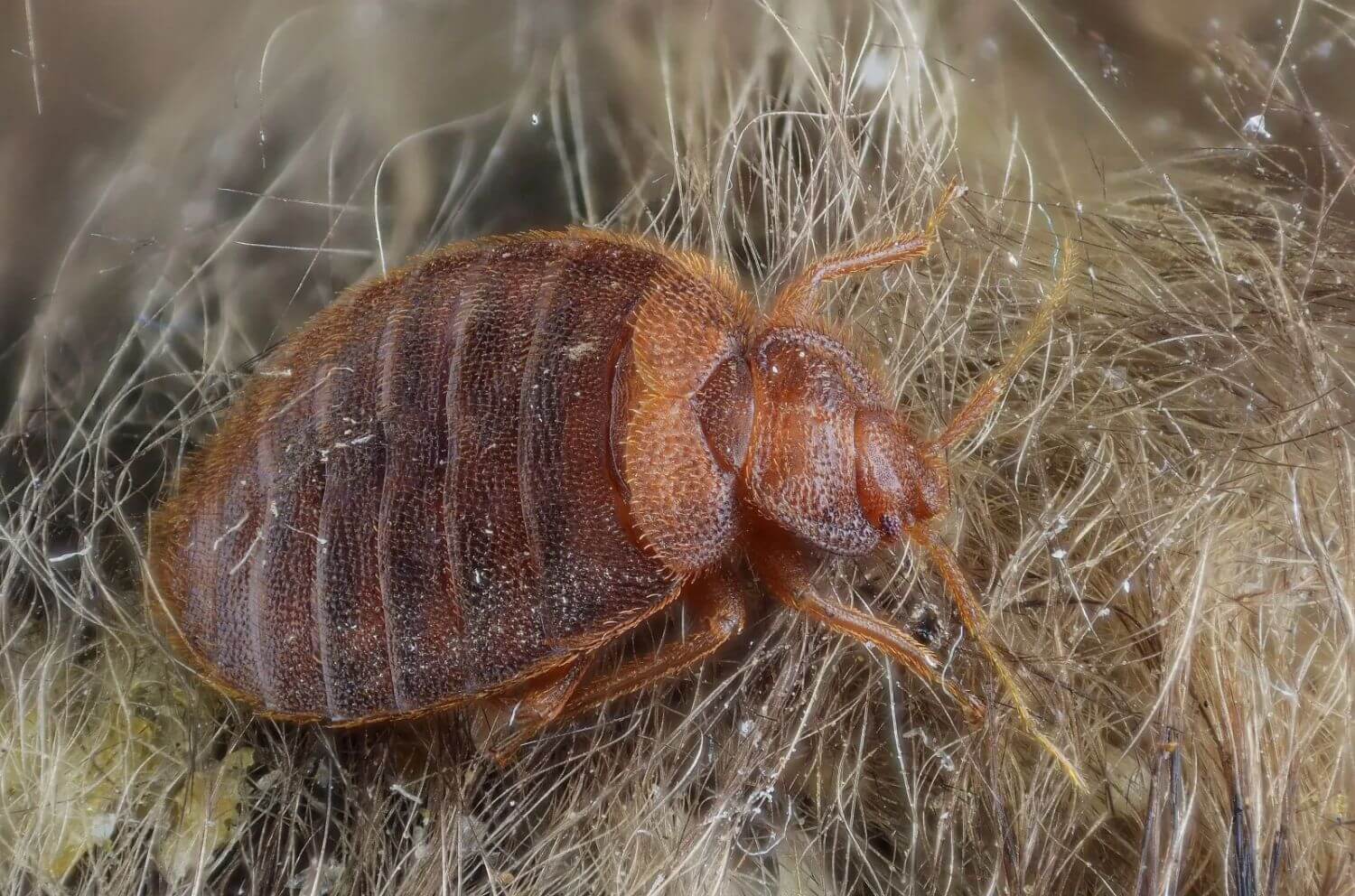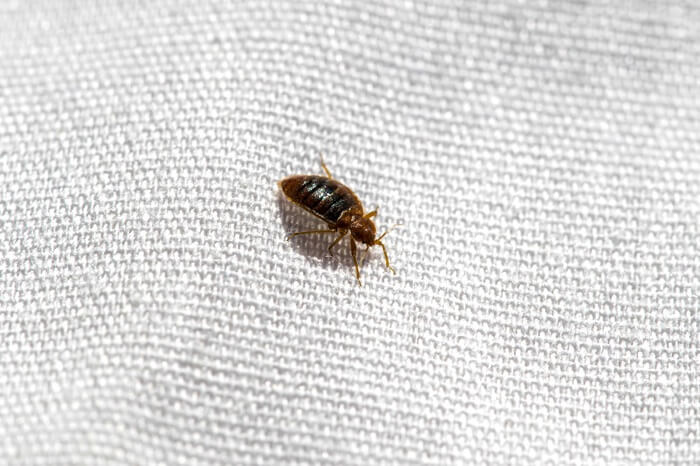

Finding bed bugs in your home is stressful, especially because they are so good at staying out of sight. During the day, they hide in mattress seams, furniture joints, carpets, and other tight spaces, then become more active at night.
Heat is bed bugs’ biggest weakness. When exposed to temperatures above 120°F, bed bugs and their eggs die almost instantly. Steam cleaners produce temperatures well above this threshold. It, in turn, makes them perfect weapons in the fight against these stubborn critters.
Steam treatment works because it’s chemical-free, safe around kids and pets, and can reach into tiny cracks and crevices where bed bugs love to hide. Plus, you can use the same steamer for regular house cleaning once you’ve dealt with the bug problem.
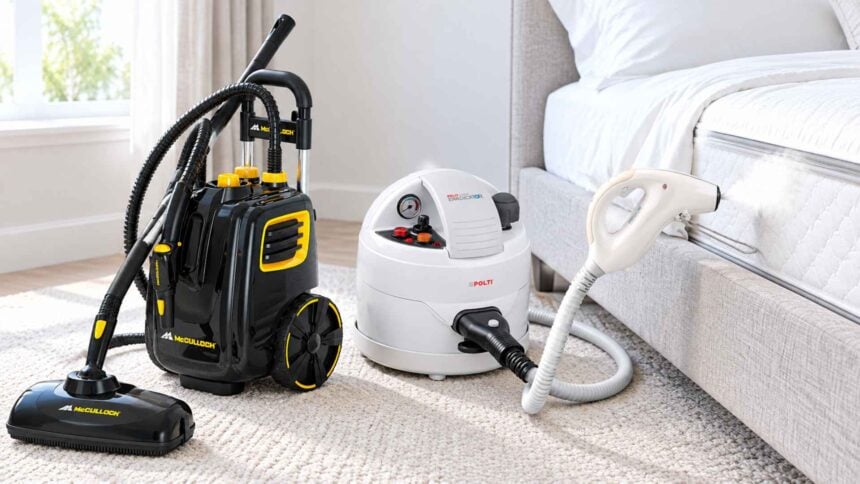
We’ve rounded up the eight of the strongest bed bug steamers available right now, from compact handheld models for quick spot treatment to professional grade machines built for bigger jobs. If you are trying to choose the best bed bug steamer, the right one really comes down to how much space you need to treat and how serious the infestation is. Keep scrolling!
Table of Contents
The Best Bed Bug Steamers
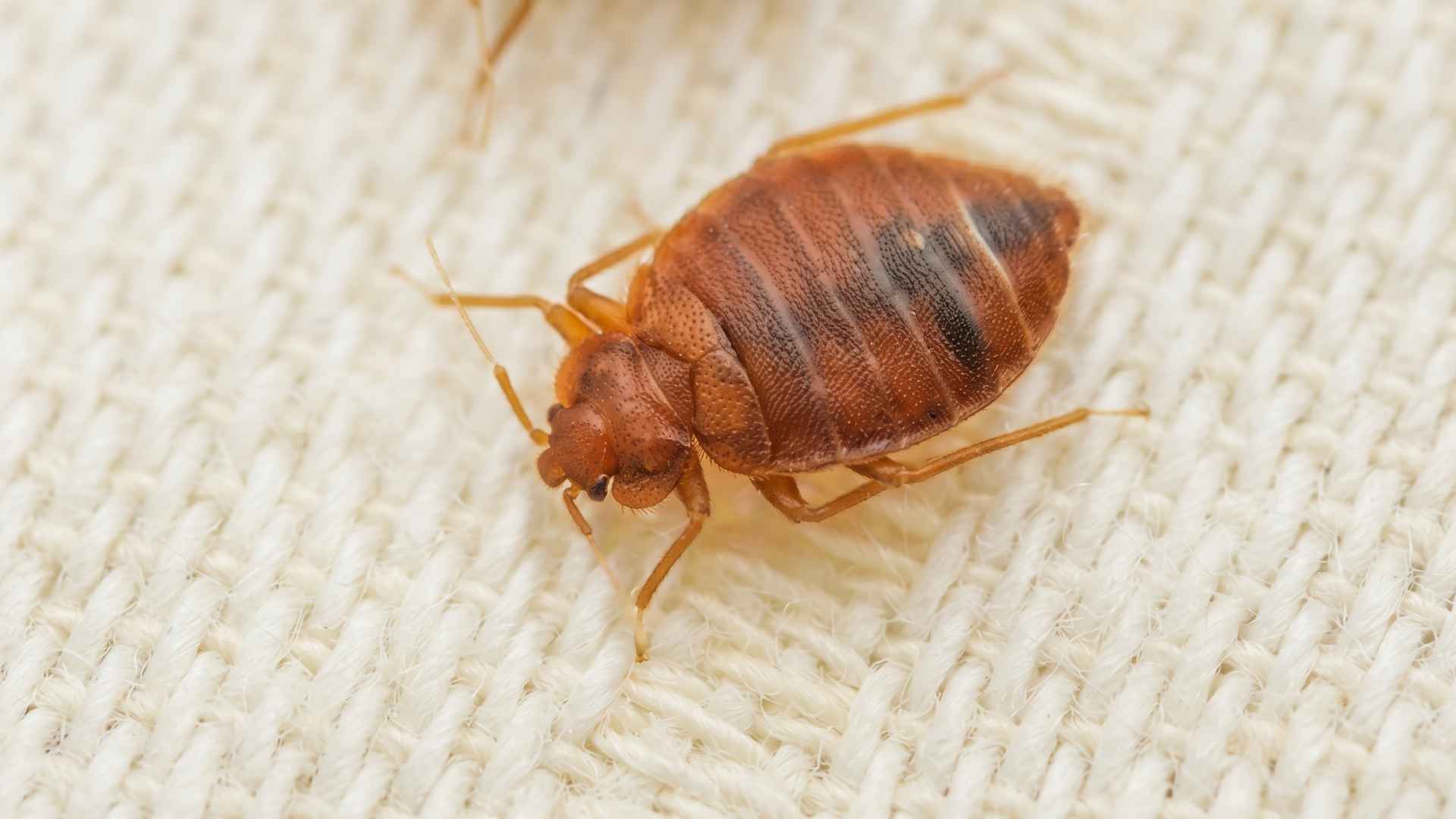
After researching dozens of models and reading hundreds of user reviews, these eight steamers stand out as the most effective options for bed bug treatment.
1. McCulloch MC1385 – Best Overall Bed Bug Steamer

Why It Made Our List
The McCulloch MC1385 has the kind of capacity that makes full room bed bug treatment much easier. It produces steam above 200°F and comes with 23 accessories, including angled nozzles, brush heads, and a mop attachment for covering larger surfaces such as mattresses, couches, and flooring.
The on demand steam control is useful when you need more output around bed frame joints or a gentler pass over fabric. You can also lock the trigger for continuous steam. It will save your hand during longer sessions.
Reach is another strong point. The 18 foot power cord and 7 foot hose let you move around most of a bedroom without dragging the canister behind you. Add the 64 ounce tank, roughly 12 minute heat up time, and up to 120 minutes of steam, and you get a best bed bug steamer built for long, uninterrupted treatment.
Key Features
- Maximum temperature: Over 200 degrees Fahrenheit
- Heating time: Under 12 minutes
- Steam runtime: Up to 120 minutes per tank
- Reach: 18 foot power cord and 7 foot steam hose, 64 ounce tank
| What We Like | What Could Be Better |
|---|---|
| Rarely stops for refills | Heavier than handheld options |
| Genuinely long hose reach | |
| Doubles as a real cleaner |
2. Vapamore MR-75 Amico – Best Handheld Bed Bug Steamer

Why It Made Our List
Not every bed bug problem needs a large canister steamer. If you are treating one chair, checking luggage after travel, or going back over a missed seam, the MR-75 is easier to grab and use. It weighs 3.5 pounds, heats in roughly four minutes, and gives you precise control in tight areas.
Steam output reaches about 210°F and it provide you more than enough heat for direct treatment on exposed bed bugs and eggs. With Vapamore bed bug steamer, you also get 17 accessories, including narrow nozzles and several brush attachments.
Since it gives you lifetime warranty and US based support, it is literally a useful perk for a compact tool likely to see repeated use over time.
Key Features
- Maximum temperature: Up to 210 degrees Fahrenheit
- Heating time: 4 minutes
- Tank capacity: 6.7 ounces
- Weight and kit: 3.5 pounds with 17 included accessories
| What We Like | What Could Be Better |
|---|---|
| Easy to aim precisely | Small tank needs frequent refills |
| Heats up almost instantly | |
| Light enough for long sessions |
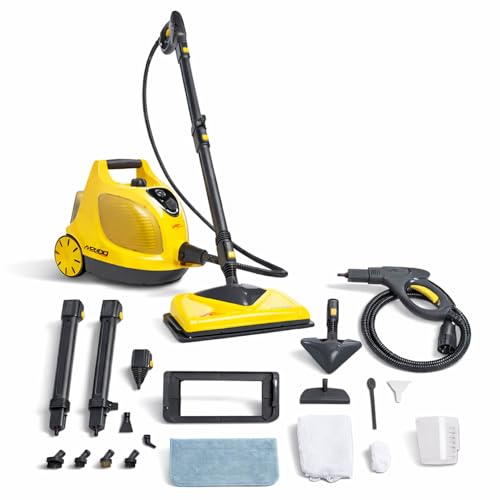
3. Vapamore MR-100 Primo – Best for Mattresses and Upholstery
Why It Made Our List
With steam that reaches about 220°F and a tool kit built around fabric and furniture, the MR-100 Primo fits the places bed bugs usually hide best. Mattress seams, couch cushions, and upholstered furniture all get more attention here than they do with many general purpose steamers.
The 1.6 liter stainless steel boiler also gives you up to 60 minutes of steam on one fill. It’s indeed enough time to treat a mattress and the furniture around it before you need to stop and refill.
Among best bed bug steamers made with beds and upholstery in mind, the MR-100 Primo feels genuinely suited to the job instead of relying on a broad marketing claim.
Key Features
- Maximum temperature: Up to 220 degrees Fahrenheit
- Steam runtime: Up to 60 minutes per fill
- Tank type: 1.6 liter stainless steel boiler with adjustable output
- Reach: 18 foot retractable cord with a detachable hose
| What We Like | What Could Be Better |
|---|---|
| Built with fabric in mind | Heavier than it looks |
| Long single fill runtime | |
| Gentle enough for upholstery |
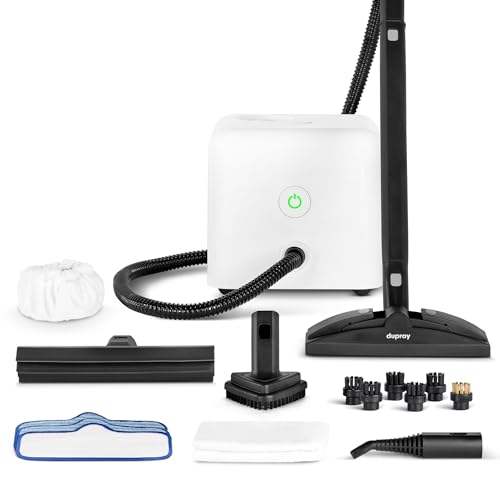
4. Dupray Neat – Best High Temperature Multipurpose Steamer
Why It Made Our List
At up to 275°F, the Dupray Neat bed bug steamer runs hotter than most of the field here. Turns out, it buys you a wider margin above the 130°F threshold bed bugs actually need exposure to before they die.
It’s also efficient in terms of heating through a thicker mattress seam or a stuffed piece of furniture. Besides, we like how compact it is to maneuver into tight bedroom corners. The extra power doesn’t come at the cost of being unwieldy to use.
As a genuinely high temperature bed bug steamer, it holds up whether you’re working a single mattress or moving between several pieces of furniture in the same session.
Key Features
- Maximum temperature: Up to 275 degrees Fahrenheit
- Heating time: 8 minutes
- Steam runtime: Up to 50 minutes per tank
- Tank and control: 54 ounces with a steam on demand trigger
| What We Like | What Could Be Better |
|---|---|
| Highest heat in this lineup | Shorter runtime than the MC1385 |
| Trigger control saves tank life | Accessories feel slightly generic |
| Compact for its power |
5. Keenstone 51 oz Steam Cleaner – Best Budget Large Tank Option

Why It Made Our List
Fifty one ounces of tank capacity for a price well under $150 is hard to argue with, and that combination alone earns Keenstone bed bug steamer its spot on this list. Listed output climbs as high as 300 degrees Fahrenheit at 58 PSI, more than enough pressure to push heat into fabric and seams and to kill bed bugs.
Safety features are solid for the price too. The locking cap stays sealed under pressure,
It also has wheels and a carry handle that make moving a full tank around a room less of a chore.
It does not have the same brand history or finish as Vapamore bed bug steamer, but the value is easy to see when tank size and runtime is your first choice.
Key Features
- Maximum temperature: Listed up to 300 degrees Fahrenheit
- Heating time: 6 minutes
- Steam runtime: Up to 50 minutes per tank
- Tank and safety: 51 ounces with a locking safety cap and UL499 certification
| What We Like | What Could Be Better |
|---|---|
| Big tank for the price | Build quality feels basic |
| Safety cap adds peace of mind | |
| Handles more than just bed bugs |
6. McCulloch MC1275 – Best Midrange Value

Why It Made Our List
The MC1275 feels like the sensible middle option in McCulloch’s lineup. It carries much of the same steam performance as the larger MC1385, but uses a smaller tank and comes in at a lower price.
Steam output still climbs above 200°F, heat up takes under eight minutes, and one fill can last up to 45 minutes. That is plenty for a one or two room job where the biggest tank would feel unnecessary.
You also get 18 accessories, including a floor mop, nylon brushes, brass brushes, and a scrub pad. The 15.7 foot power cord and more than 9 feet of hose give the machine solid reach across most rooms.
For buyers who want proper canister power at a midrange price, the MC1275 hits a very practical sweet spot.
Key Features
- Maximum temperature: Over 200 degrees Fahrenheit
- Heating time: Under 8 minutes
- Steam runtime: Up to 45 minutes per tank
- Reach: 15.7 foot power cord and over 9 foot steam hose, 48 ounce tank
| What We Like | What Could Be Better |
|---|---|
| Strong value for real steam power | Shorter runtime |
| Long hose for a midsize unit | |
| Familiar, proven design |
7. Steamfast SF-370 – Best Legacy Budget Pick

Why It Made Our List
The SF-370 has been around for a while, and that is part of its appeal. The design is simple, the 48 ounce tank gives you solid runtime, and the lockable trigger keeps steam flowing and kill off bed bugs for good. Wheels and a carry handle also make it easier to move from one side of a room to the other.
It is not the newest or most powerful model among these bed bug steamers, but the two year replacement guarantee and long track record are still reasonable. Steam output climbs above 200°F, heat up takes under eight minutes, and one fill can provide up to 45 minutes of use.
The 18 accessories cover the essentials, including a floor mop, nylon brushes, brass brushes, and a scrub pad. A 15.7 foot cord plus more than 9 feet of hose gives you enough reach for most bedrooms.
For a one or two room job, the SF-370 bed bug steamer lands in a useful middle ground between a small handheld and a larger premium canister model.
Key Features
- Maximum temperature: Around 200 degrees Fahrenheit
- Heating time: Under 12 minutes
- Steam runtime: Up to 45 minutes per tank
- Reach: 15 foot power cord and 6.5 foot hose, 48 ounce tank
| What We Like | What Could Be Better |
|---|---|
| Dependable, no frills design | Feels dated next to newer designs |
| Easy to move around | Lower steam temperature than newer rivals |
| Backed by a real warranty |
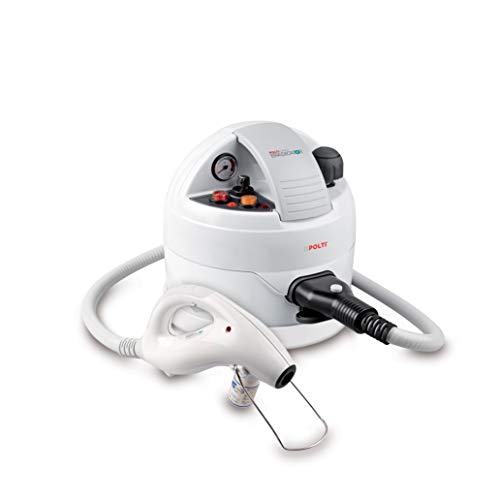
8. Polti Cimex Eradicator – Best Professional Bed Bug Steamer
Why It Made Our List
The Polti Cimex Eradicator is different from the other models here because it was designed specifically for bed bug treatment. Steam reaches up to 356°F, far above the temperatures these pests can survive when the heat reaches them directly.
Polti describes the process as thermal shock, and the machine uses a patented steam system built around that approach. That gives it a much bigger heat margin than a standard home steamer that tops out near 200°F.
Professional pest control work often benefits from that higher output because seams, fabric, and furniture can absorb part of the heat before it reaches the insects. Among professional bed bug steamers, the Cimex Eradicator stands out as a purpose built tool rather than a general cleaner pressed into pest control duty.
Key Features
- Maximum temperature: Up to 356 degrees Fahrenheit
- Steam runtime: 90 to 120 minutes on one tank
- Steam control: Adjustable low, medium, and high flow settings
- Weight and build: 24.4 pounds with a 1.2 liter capacity
| What We Like | What Could Be Better |
|---|---|
| Highest heat of any option here | Overkill for a single small infestation |
| Built specifically for bed bug work | |
| No license needed to operate |
How We Picked These Best Bed Bug Steamers – Our Research Process
Our research went beyond the headline specifications. We compared each manufacturer’s temperature claims with independent research on bed bug heat tolerance because the number printed on the box does not always reflect the temperature that reaches the treatment surface.
Tank capacity and runtime were judged against real jobs too. Treating an entire bedroom takes far longer than working over one chair or mattress, and repeated refill stops can make a long job even more frustrating. We also looked at accessory quality, warranty coverage, hose length, trigger design, and nozzle shape.
Those details can make a noticeable difference during the slow, careful work that steam bed bugs treatment requires. Price came last, based on what each machine actually delivers in real use.
What To Look For Before Buying Bed Bug Steamers
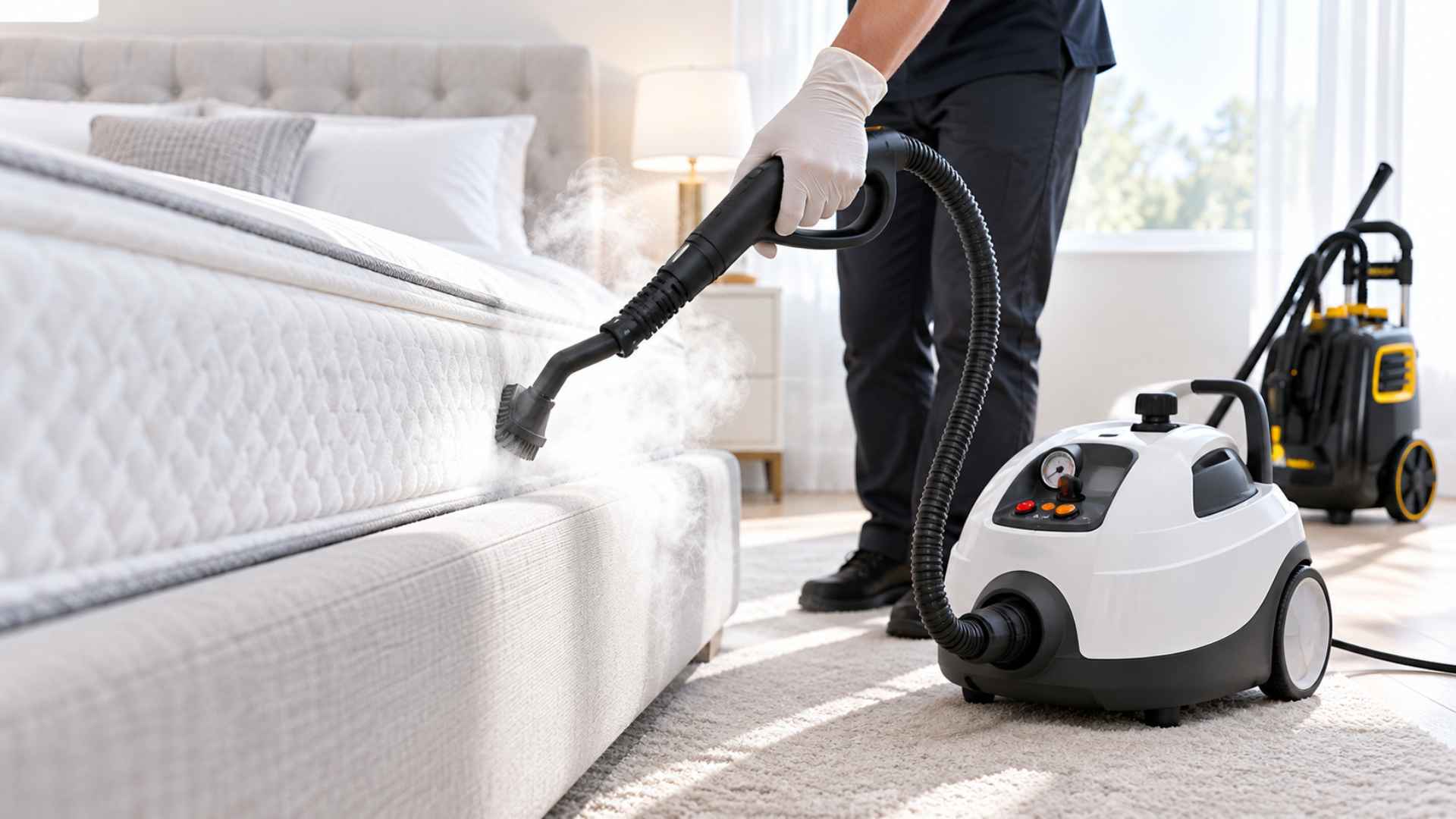
Heat Output
This is the single most important spec on the list, since everything else is secondary to whether a bed bug steamer can actually reach and sustain a lethal temperature.
Research on thermal death points shows adult bed bugs die after about 90 minutes of continuous exposure at 113°F, though. They will die within 20 minutes if exposed to 118°F.
Most home bed bug steamers list a maximum temperature well above that threshold, often 200°F or higher, but that number reflects output at the generator, not necessarily what reaches the surface after traveling through a hose and nozzle.
Look for steamers that maintain a steady temperature clearly above 130°F throughout a session so it can actually help you kill bed bugs.
Steam Pressure
Pressure determines how effectively steam penetrates beyond the surface you’re treating, into mattress seams, fabric weave, and the tight joints where bed bugs hide.
A steamer with strong heat but weak pressure could struggle to push that heat deep enough to reach bugs tucked below the surface layer.
Most quality units in this category operate somewhere in the 50 to 60 PSI range. That is anyway enough to penetrate typical mattress and furniture fabric.
Capacity
Tank size determines how long you can work to get rid of bed bugs before stopping to refill. Obviously, refilling mid treatment isn’t just an inconvenience, it breaks the methodical pace that effective bed bug treatment actually requires.
A small handheld tank under 10 ounces works fine for spot treating a single chair or a suitcase, but treating a full bedroom, mattress, box spring, bed frame, baseboards, and nearby furniture, calls for something in the 48 to 64 ounce range at minimum to get through the job in one continuous session.
Steam Adjustment
Adjustable steam output is more useful than it may seem at first. Higher power works well on bed frames, baseboards, and other tougher surfaces. Upholstery, curtains, and softer fabrics often need a gentler setting to reduce the risk of leaving them overly damp.
Bed bug steamers with a single fixed output leave less room to adjust as you move around the room. Strong steam can leave soft materials too wet, whilst weaker output may feel slow on tougher areas. Variable output lets you match the steam level to the job instead of treating every surface the same way.
Heating Time
Nobody wants to spend half the treatment staring at a steamer while it warms up. A 15 or 20 minute wait may feel manageable once, but repeat that after a couple of refills and the delay starts eating into the whole session.
Most healthy bed bug steamers usually reach working temperature in less than 12 minutes, and some cut that down to under 8. Across several rooms or multiple tank refills, faster heat up saves real time and makes the job far less tedious.
Broad Nozzle
A wide or diffused nozzle attachment spreads steam more evenly across a surface and, critically, avoids blasting bed bugs with concentrated, high pressure airflow that can scatter them into new hiding spots before the heat actually kills them.
EPA guidance on bed bug steam treatment specifically warns that while steam is an effective do-it-yourself treatment, the steam “should not have a forceful airflow, or it may cause bed bugs to scatter”. To counteract this risk, the EPA explicitly instructs users to “use a diffuser to prevent scattering”
Length of Cord and Hose
Killing every single bed bug from a room means covering every possible hiding place methodically. It nonetheless involves a lot of repositioning around furniture, along baseboards, and across a mattress from multiple angles.
A short hose forces you to drag the entire tank along with every movement, although hoses in the 5 to 10 foot range let you work freely with the unit staying put in one spot. The long power cord has a serious impact, especially in terms of minimizing how often you’re hunting for a new outlet mid treatment.
Attachments
The right attachments in the best bed bug steamer you choose help you get rid of them pretty quickly. I’ll tell you how. The right attachments make bed bug treatment much easier.
A wide nozzle works well across mattresses and larger surfaces, while a narrow crevice tool helps direct steam into baseboard gaps, furniture joints, and tight cracks. For couches and other soft surfaces, a fabric friendly head gives you better control.
That basic set covers the main treatment areas you are likely to face during a typical infestation. Accessories for floors, windows, grout, or car interiors are useful later, but they should not carry much weight when your main goal is bed bug treatment.
Can Steam Kill Bed Bug Eggs?
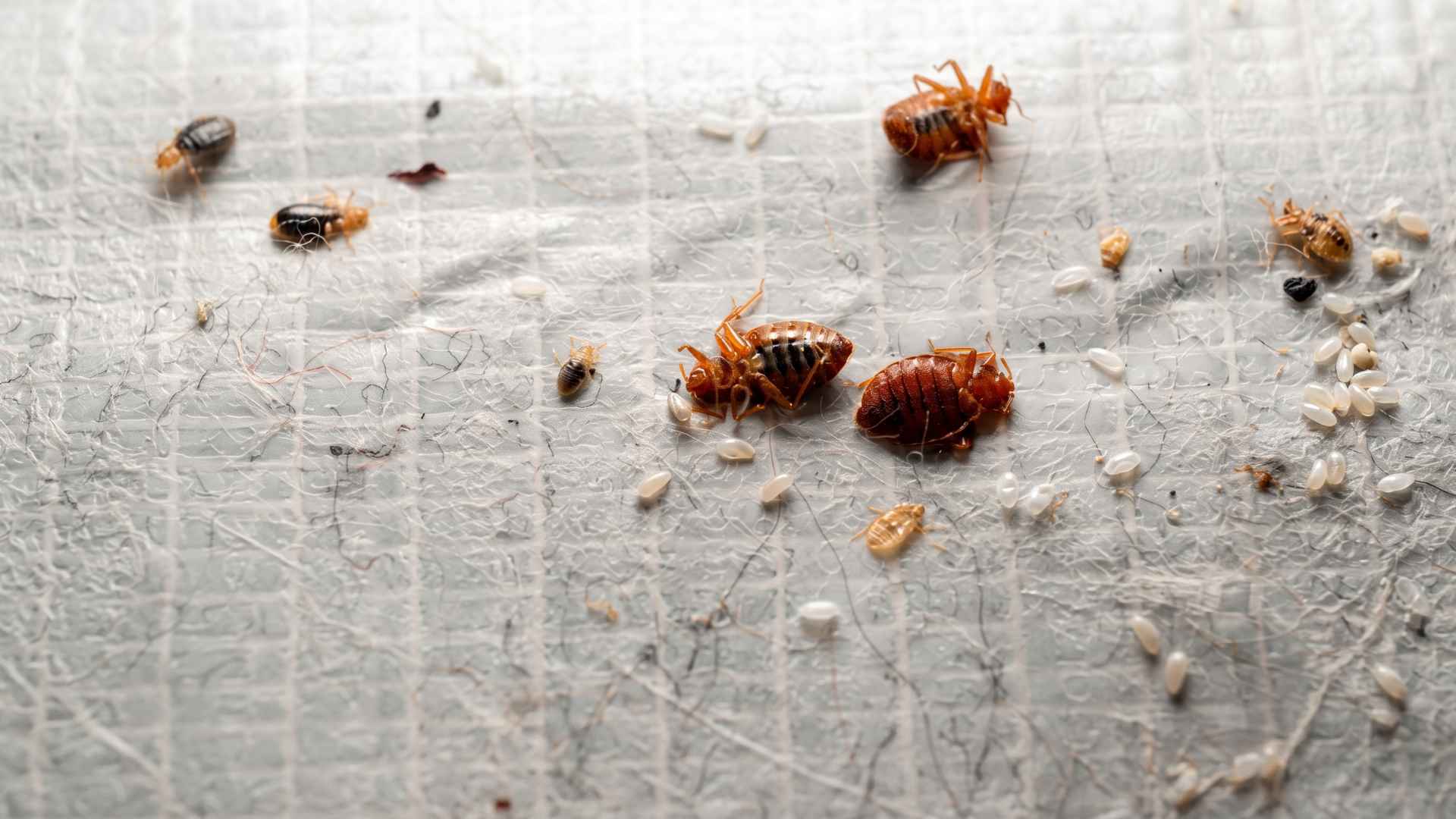
Steam can kill bed bug eggs and honestly this is one of steam’s biggest advantages over some chemical treatments that struggle against the egg stage specifically. Bed bug eggs are protected by a hard outer shell, but that shell doesn’t insulate against sustained heat the way it can against certain contact insecticides.
At 130°F, bed bug eggs die within a short exposure window, and the extreme heat from units like the Polti Cimex Eradicator kills both adults and eggs instantly on contact.
The catch is direct contact. Steam has to actually reach the egg, tucked into a mattress seam, a fold in fabric, or a crack along a baseboard, for that heat to kill, which is exactly why slow, methodical technique with a broad nozzle beats rushing a narrow, high pressure stream across a surface.
To get rid of bed bugs across every life stage, the eggs need just as much attention as the adults. Otherwise, a new bed bug generation can hatch after the visible bugs are gone.
How to Use a Steamer for Bed Bugs
Step 1: Vacuum and Inspect the Infested Area
Start by vacuuming the mattress, box spring, bed frame, and nearby floor. This removes visible bugs, shed skins, and some egg clusters before you bring in the steamer, and it also helps reveal where the heaviest activity sits.
Pay close attention to mattress seams, tufts, piping, and the underside of the box spring. Bed bugs often gather in these areas, so they deserve the most careful inspection and treatment first.
Step 2: Attach a Wide or Diffused Steam Head
Use a broad nozzle or diffuser head before you start steaming. A narrow jet is better suited to grout or hard detail work and can push too much force into one small spot.
That strong airflow can scatter bugs away from the area you are trying to treat. A wider head spreads the steam more evenly across the surface and gives the heat a better chance to stay where you need it.
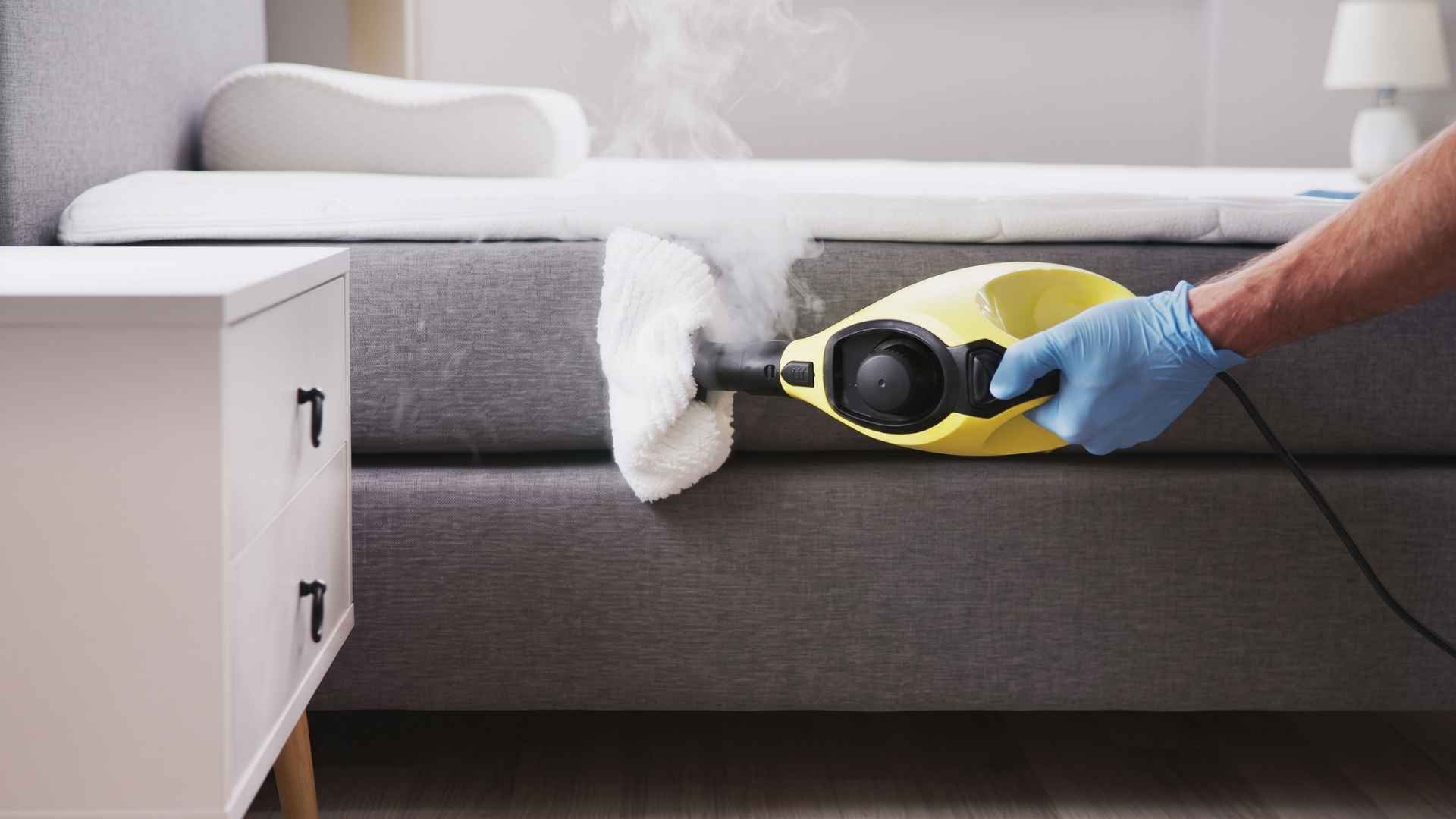
Step 3: Steam Mattress Seams Slowly
This is where patience actually pays off. Move the bed bug steamer nozzle at a deliberate pace, roughly 10 to 30 seconds per 12 inches of surface, keeping it close enough that the fabric visibly absorbs heat.
Mattress seams, piping, and tufted buttons deserve extra time, since these are the exact folds and crevices where bed bug eggs and adults cluster most reliably.
Step 4: Treat Bed Frames, Baseboards, and Furniture
Move outward from the mattress to the frame itself, focusing on joints, screw holes, and any crack where wood meets wood. Bed bugs favor exactly these tight, dark gaps. Baseboards along the wall nearest the bed, outlet covers, and nearby furniture, nightstands, dressers, upholstered chairs, all deserve the same slow, methodical pass.
Steam bed bugs wherever they’re actually hiding as visible activity on a mattress usually means a good chunk of bed bugs colony is certainly nearby that’s easy to overlook if you stop treatment at the bed itself.
Step 5: Let Surfaces Dry, Then Reinspect
Give every treated surface enough time to dry before you remake the bed or close up upholstered furniture. Steam can leave damp fabric behind, and trapped moisture is something you want to avoid.
After the area is dry, go back over the same mattress seams, furniture joints, and edges you treated earlier. Look closely for any remaining bugs or signs that activity is still present.
One treatment does not always catch everything in a well established infestation. A careful recheck gives you a chance to deal with any stragglers before they have time to build the population back up.
Can Steam Alone Eliminate a Bed Bug Infestation?
For a light, newly discovered bed bug infestation, steam alone can genuinely finish the job, especially when paired with thorough vacuuming and a methodical treatment pass across every hiding spot.
For anything beyond that, though, you should keep realistic expectations in your mind. Success depends heavily on several factors working together. It includes how many bed bugs are actually present around your space, how much clutter is giving them extra hiding places, whether neighboring units or rooms have their own active infestation feeding bugs back in, and whether everyone in a household or building actually participates in treatment at the same time.
A high temperature bed bug steamer handles what it directly contacts extremely well, but it can’t treat a bug hiding somewhere the nozzle never reaches.
Steam Treatment vs Other Methods
Cost Comparison
Professional bed bug treatment can get expensive fast. Whole home extermination may cost $1,000 to $4,000 or more, and tougher infestations often need several visits before the problem is fully under control.
Buying your own pest grade steamer shifts that cost upfront. Models range from around $100 to $800, based largely on tank size, heat output, and build quality. Even a higher end machine can start to look reasonable if you plan to treat several rooms or use it again later.
Professional chemical bed bug treatments commonly fall between $300 and $1,500, based on the size of the infestation and the number of rooms involved. Repeat applications can push the final bill higher.
Effectiveness
Steam provides immediate results. Bed Bugs and their eggs die on contact when exposed to lethal temperatures. Turns out, you can verify the impact right away.
Chemical pesticides take time to work and may not affect eggs. They typically require multiple treatments as new bugs hatch. Some bed bug populations have also developed high resistance to common pyrethroid pesticides.
Professional heat treatment is highly effective though, it requires specialized heavy machinery and costs thousands of dollars. It operates on the same core principle as steam treatment but elevates temperatures across entire rooms.
Safety
Steam treatment is completely chemical-free. It makes it safe around children, pets, and people with chemical sensitivities. The primary safety concern is avoiding thermal burns from the hot moisture.
Chemical treatments require everyone to leave the home for a few hours while the application dries, and repeated exposures can cause lingering irritation for sensitive individuals.
Heat treatment is also chemical-free but requires professional application due to the extreme temperatures involved (130°F+) throughout the structure to achieve full thermal penetration.
Maintenance and Care
Keeping Your Steamer Running Well
Routine care can add years to a bed bug steamer and help it keep the same pressure from one use to the next. Hard water is one of the main problems because minerals can collect inside the boiler and steam lines over time. Distilled water can reduce that buildup considerably if your model allows it.
Descaling may still be necessary from time to time. Use a commercial descaler or a mild white vinegar solution only if the manufacturer permits it. Some boilers, heating elements, and internal pumps can react badly to vinegar, so check the manual before pouring anything into the tank. The right schedule depends on your water quality and how often the machine gets used.
Cleaning After Use
Empty any water left in the tank after each session and let the unit cool fully. Wipe the exterior and attachments with a damp cloth, then let everything dry before storage.
Keep the accessories together in the case or storage compartment if one is provided. Store the main unit in a dry area where moisture will not sit inside the tank or attachments for long periods.
Troubleshooting Common Issues
- Low Steam Pressure: Mineral deposits inside the boiler or steam line are a common cause. Check the manual for the recommended descaling process before trying any cleaner.
- Not Reaching Proper Temperatures: Inspect the steam path and attachment openings for mineral deposits or debris. Clean blocked openings only with a method approved by the manufacturer.
- Unusual Noises: Sputtering, knocking, or sudden changes in sound can point to low water or a problem with the pump. Turn the bed bug steamer off and check the manual before continuing.
Frequently Asked Questions (FAQs)
How Long Does Killing Bed Bugs Using Heat Treatment Take?
Plan on 2 to 4 hours for a typical bedroom, depending on the severity of the infestation and the size of the room. You must methodically treat the mattress, box spring, bed frame, nearby furniture, carpets, and all potential baseboard hiding spots. To ensure the heat completely penetrates the fabric and kills the bed bugs, move the steam head slowly at a pace of about 1 inch per second. Larger infestations or whole-home treatments can easily take 6 to 8 hours or more. For maximum success, plan to repeat this full steaming process 10 to 14 days later to take out any newly hatched nymphs before they can lay new eggs.
What temperature should a bed bug steamer reach?
At minimum, 130°F sustained at the surface being treated, which reliably kills both adults and eggs within about 30 minutes of proper exposure.
What is the best heat steamer for getting rid of bed bugs?
For most households, a canister unit like the McCulloch MC1385 balances tank size, runtime, and consistent heat well. For the most serious infestations, the Polti Cimex Eradicator’s 356°F output represents the strongest best bed bug steamer option available for home use.
Can Steam Damage My Mattress?
Most mattresses handle steam treatment well, but you should check your warranty first. Memory foam can be particularly sensitive to heat and moisture. Always test a small, hidden area first to check for shrinkage, color changes, or other damage. Allow complete drying before replacing bedding.
Does steam have residual protection against bed bugs?
Unlike some chemical sprays that leave an active residue for days or weeks, steam only affects what it contacts in the moment, so ongoing prevention still requires vacuuming, monitoring, and possibly a chemical residual product used alongside it.
Wrapping Up…
Steam remains one of the strongest non chemical tools available against bed bug infestation that’s outsmarted sprays or dodged resistance built up against common pesticides. Best Bed bug steamers ranging from compact handhelds to professional grade units like the Polti Cimex Eradicator each serve a different scale of problem. Work slowly, target seams and hidden joints specifically, and reinspect after every session. To get rid of bed bugs for good, treat steam as one part of a larger plan. Careful heat treatment, vacuuming, monitoring, and follow up work will take you much further than a rushed pass across the mattress.