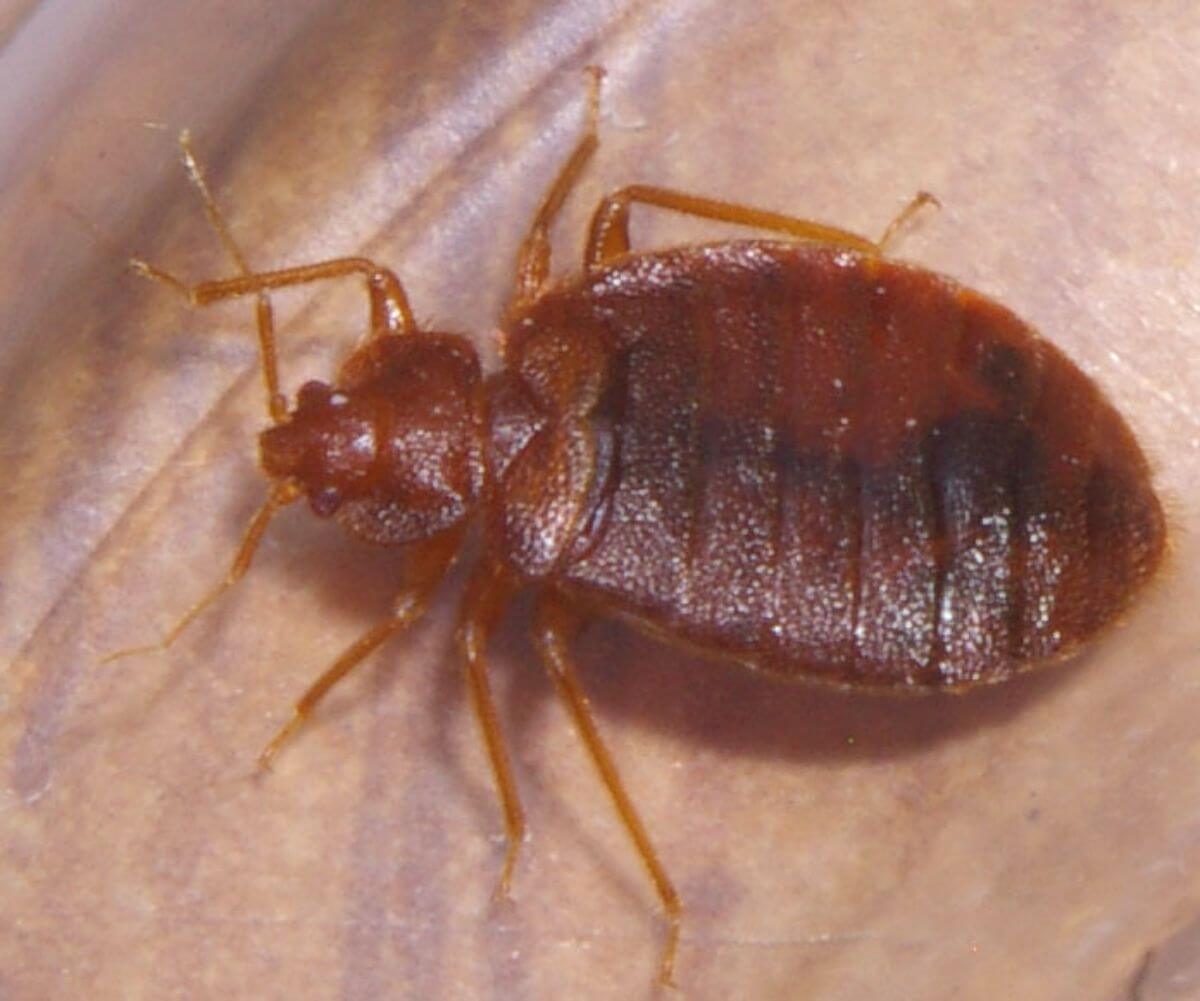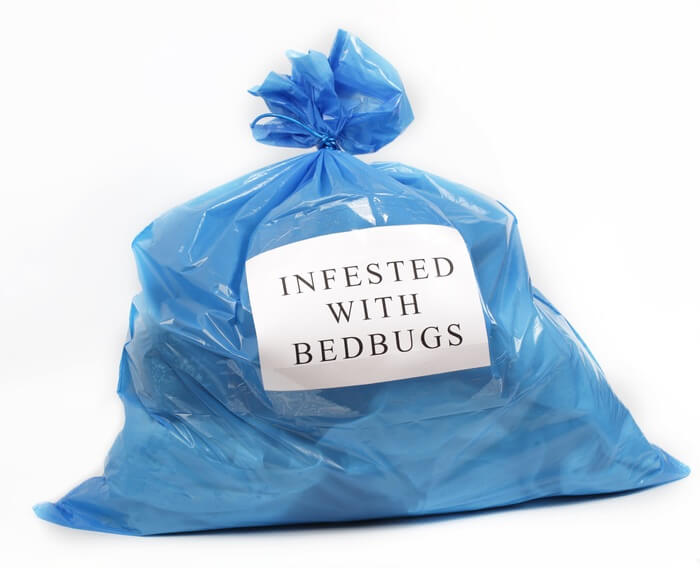


Most bed bug battles kick off the same way. A few bites nobody can explain. A late-night search that goes down a rabbit hole. A trip to the store for whatever spray the shelf swears by.
And honestly? For some people that’s the right first move. A small infestation, caught early, can be beaten at home with a bit of patience. But bed bugs are one of those rare pests where “let me give it another week” can quietly turn a fixable problem into a small nightmare.
This is about the part most articles skip right over — that moment after the sprays and the powders and the endless laundry, when you’re still waking up with bites and trying to decide whether to keep swinging or call somebody. I’m not here to talk you out of DIY. I just want you to be able to read the situation honestly, so you don’t give these bugs the one thing they love: more time.
Table of Contents
Why DIY works for some infestations and not others
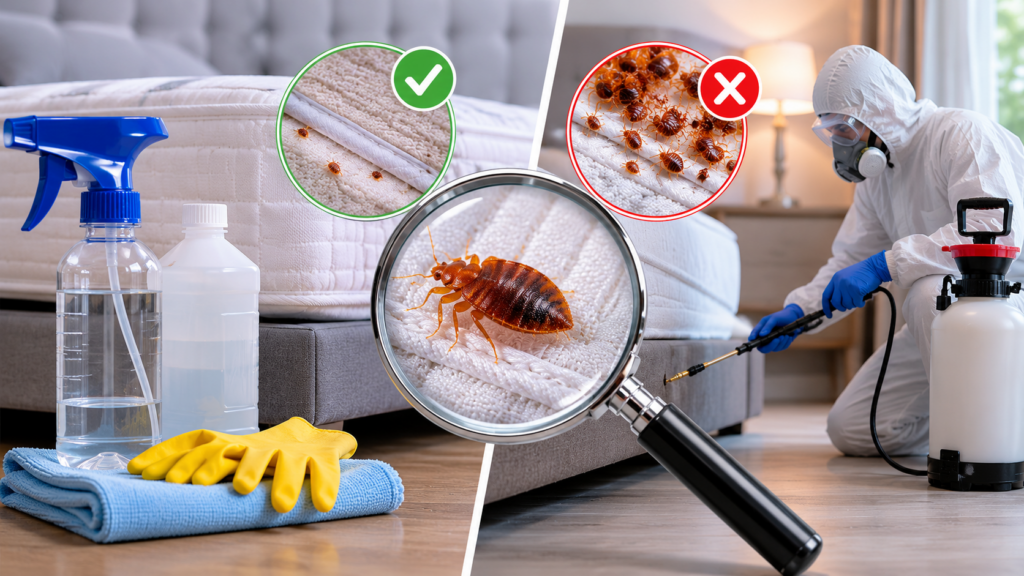
It really comes down to three things. How early you caught it. How far it’s spread. And whether you can stay consistent for weeks without letting it slide.
Early matters most. One female lays a few eggs a day for months, and those eggs shrug off almost everything you can buy at the store. Catch it in the first week or two — one room, a dozen bugs, nothing dug in yet — and a careful person with encasements, a vacuum, and some diatomaceous earth has a real shot.
Spread is where it usually falls apart. The bugs push outward from the bed as they multiply. Baseboards. Outlet covers. The recliner. And in an apartment, right through the wall to whoever’s next door. Once they’re living in two rooms instead of one, you’ve got to hit every hiding spot at the same time. Miss a couple, and the ones that made it just move back into the parts you already cleaned.
Consistency is the quiet one that gets people. This isn’t a one-and-done job. Diatomaceous earth does nothing the second it gets damp or wiped away, and since eggs keep hatching for a week or two after you think you’re finished, you have to keep at it long enough to catch the babies before they grow up and start the whole cycle over.
The researchers over at the University of Kentucky have said for years that bed bugs are about the toughest household pest to get rid of — and it’s those hidden eggs and deep hiding spots that make them so stubborn. So if your DIY stalled out, chances are you didn’t do anything wrong. One of those three things was probably working against you from day one.
Signs your DIY treatment has stalled
The hardest part of doing this yourself is knowing when to quit. Here’s what I tell people to watch for:
● Fresh bites after two or three solid weeks. A quick drop-off and then a comeback is textbook — you got the adults, and a new batch just hatched.
● Bugs showing up somewhere new. If they turn up in a room they weren’t in before, they’re spreading faster than you’re killing them.
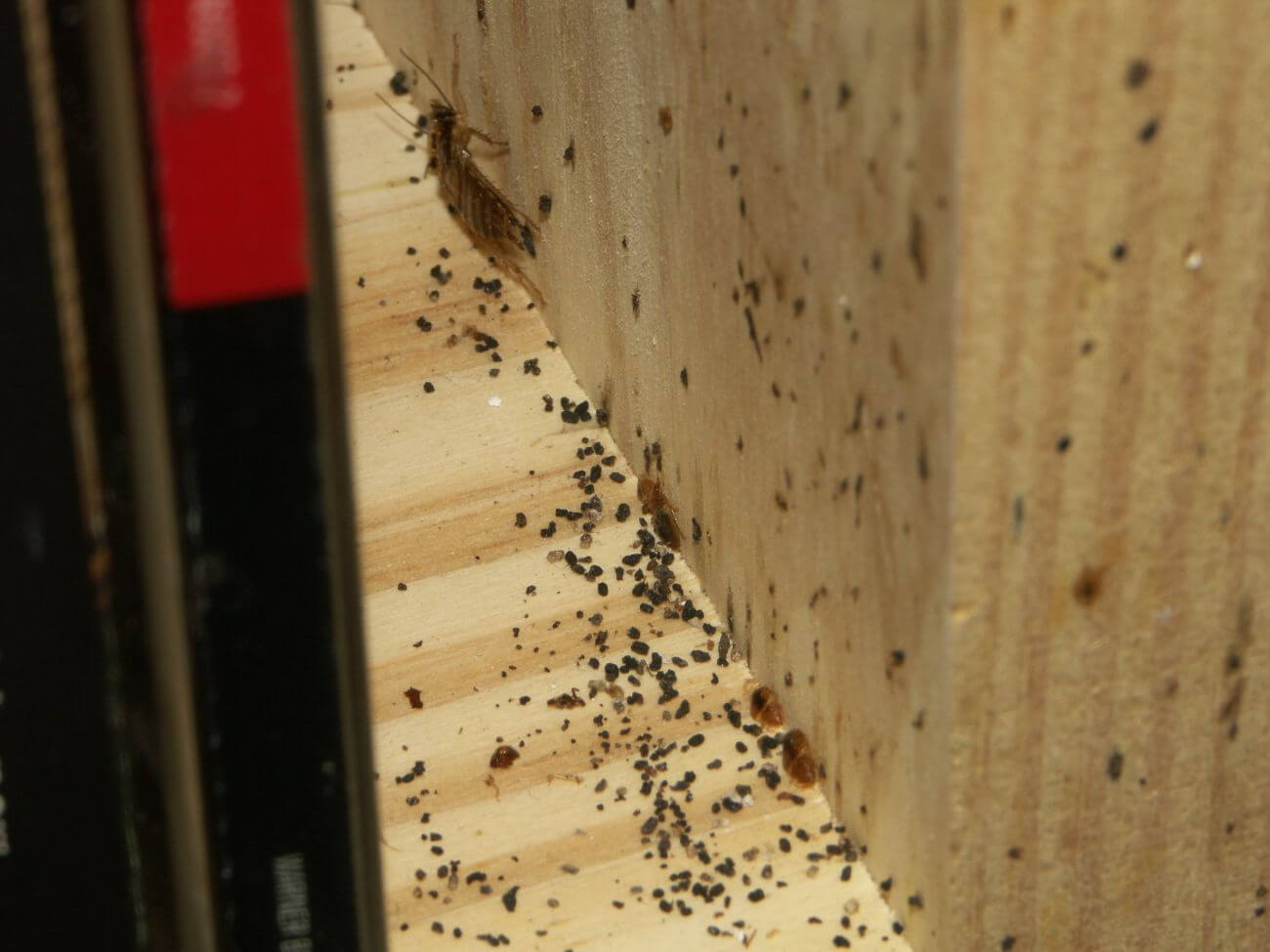
● Those dark specks that keep coming back. Wipe the fecal spotting off a seam or baseboard and find it again a few days later? Still active.
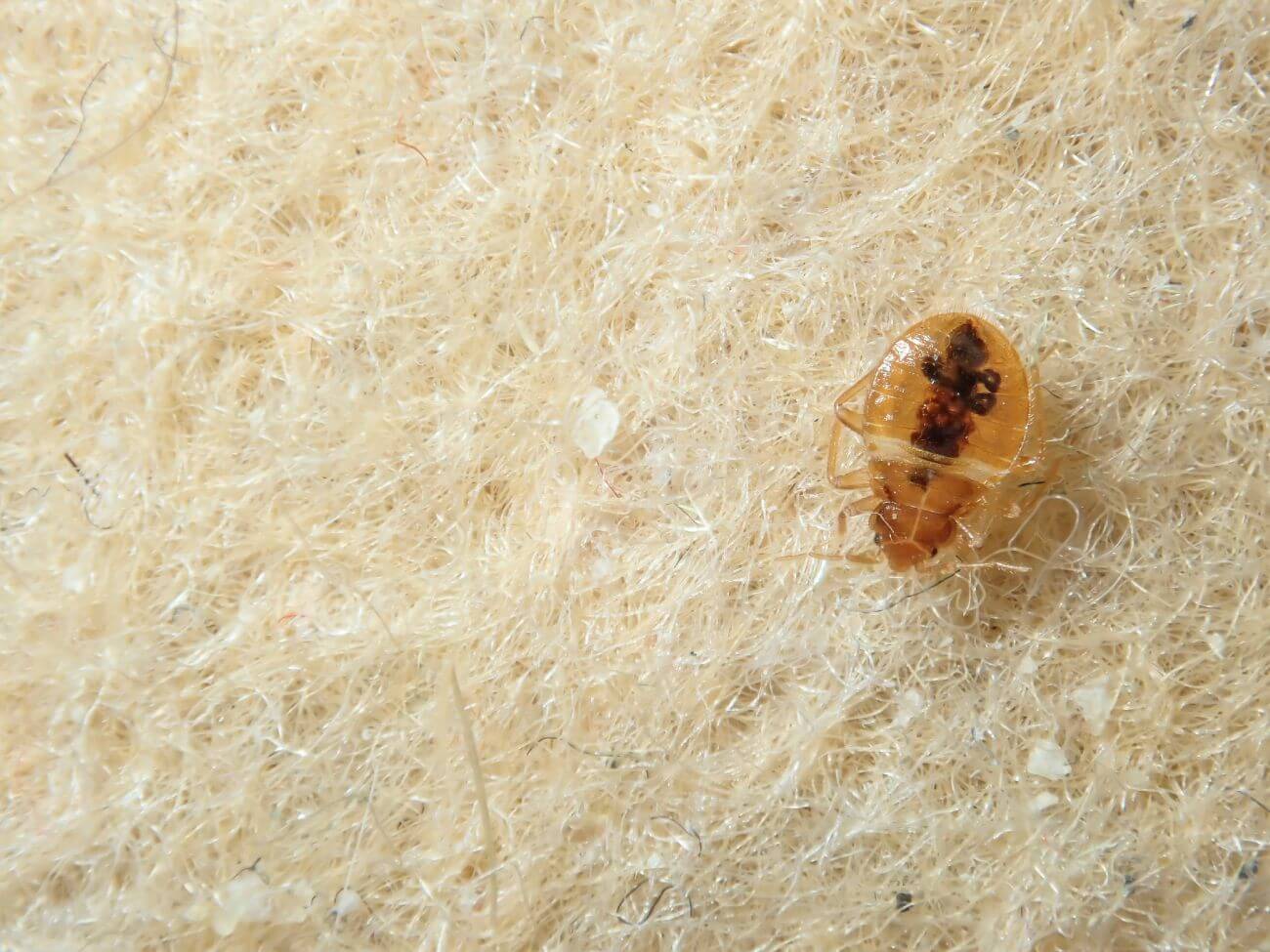
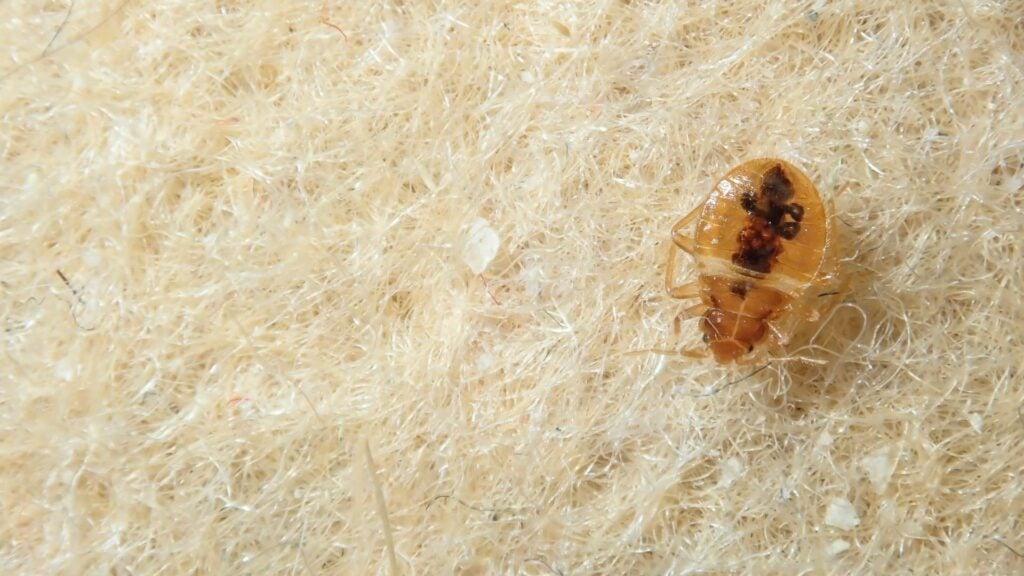
● Shed skins piling up. They molt five times before they’re grown, so a steady supply of those empty husks means the population’s growing, not dying.
● A month in with nothing to show. If four weeks of real effort hasn’t given you a clear, lasting drop, that’s your answer right there.
One of these on its own, maybe just tighten up your routine. Three or four together, and the bugs have outrun anything you’ll find on a store shelf.
Pro tip: Before you treat a thing, grab a flashlight and slowly check the bed frame, the mattress seams, and every outlet cover within about five feet of where you sleep. Purdue’s entomologists point out that most bed bugs stay surprisingly close to their host. Find live ones past that five-foot mark, and you’re probably already past what a spray can fix — which is worth knowing before you sink three more weeks into it.
The hidden cost of waiting too long
Nobody wants to pay for something they figured they could handle. I get it. But with bed bugs, stretching it out costs you in ways that aren’t obvious at first.
They don’t grow in a straight line — they double up on you. A problem I could’ve cleared in one visit back in month one can take a whole lot more by month three, just because there are so many more of them, in so many more places.
I still think about a duplex I got called to a while back. The tenant had fought it on her own for the better part of two months, convinced she was almost there. By the time I walked in, the bugs had already crossed into the unit next door. What should’ve been one room turned into treating two homes — and a much bigger bill than if she’d made the call in week three.
How a small problem turns into a big one
Renting makes it worse. Bugs don’t care where your unit ends. They slip through shared walls and along the pipes, and suddenly it’s the whole building’s problem — and plenty of leases put you on the hook for treating the units next to you.
Then comes the furniture panic. Somebody who’s been at war with these things for weeks starts dragging the mattress and couch out to the curb. Almost always a mistake. It’s pricey, it usually doesn’t fix anything, and hauling infested stuff through the house just spreads them room to room on the way out.
And this isn’t a rare, you’ll-probably-never-see-it problem. Industry surveys like the National Pest Management Association’s Bugs Without Borders have tracked bed bug work climbing for well over a decade, with the vast majority of pest pros reporting they treat them regularly. Here’s something else worth sitting with: the EPA, along with the CDC and USDA, actually classifies bed bugs as a public health pest. They don’t spread disease, but the bites, the lost sleep, the constant low-grade stress — that’s real, and it doesn’t sort itself out.
What professional treatment actually involves
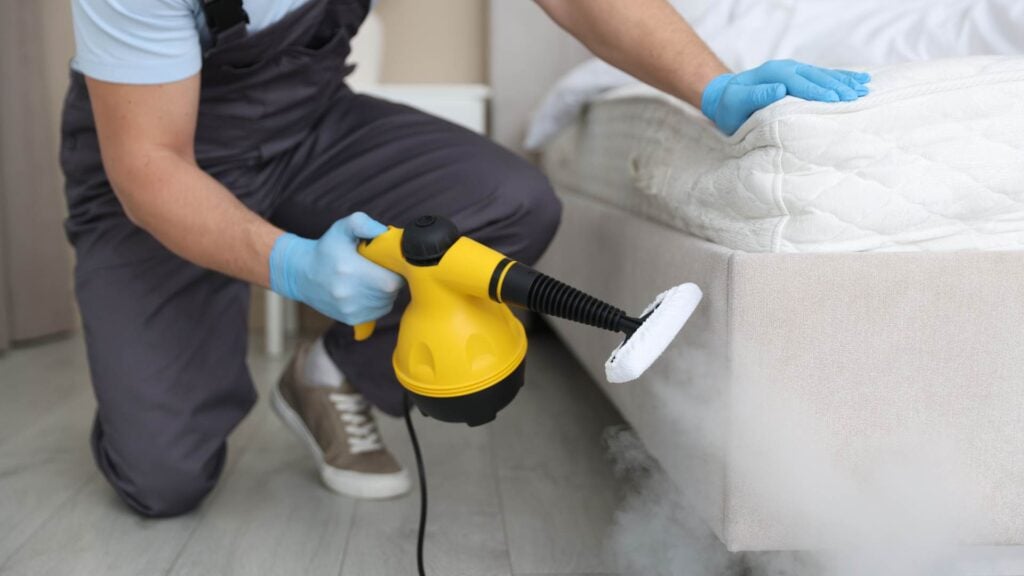
Say you’ve decided you’re done going it alone. It helps to know what you’re paying for, because it’s a different animal from anything in a can. Mostly it’s one of two routes: heat or chemical.
Heat is exactly what it sounds like. You bring the whole room up to a temperature bed bugs can’t survive — and this is the key part — hot enough to cook the eggs, which is the stage the store sprays just can’t touch. Texas A&M’s extension folks have shown that once you hold a space at the temperature the pros aim for, it kills every life stage, eggs and all.
The equipment gets the room there and holds it while fans push the heat into the cracks and seams and voids, so there’s no cool corner for a bug to ride it out. It’s careful work, and that’s the whole reason you can’t fake it with a couple of space heaters. If you want to see the actual steps, here’s a solid rundown of how heat treatment works start to finish.
Chemical treatment is the other road — professional product, put down by a licensed tech on the exact spots where the bugs live and travel. Since the eggs resist it, this one almost always needs a second trip to catch whatever hatches after the first. Done right it works well, and it’s usually easier on the wallet than heat, though it takes a bit longer to fully close out.
The real gap between this and DIY isn’t just stronger chemicals. It’s knowing where these things actually hide, treating all of it at once so the survivors have nowhere to run back to, and coming back to confirm it’s really done instead of just crossing your fingers.
What hiring a pro really costs
Cost is what usually drags people back toward “let me just try one more thing,” so let’s put real numbers on the table instead of leaving you guessing.
Pricing mostly tracks the size of your place and how bad it’s gotten. Chemical tends to be cheaper per visit but needs a few of them; heat runs more up front but can be a one-and-done. If you want ranges by home size and method — and how that multi-visit chemical math stacks up — comparing treatment costs side by side makes the whole decision a lot less murky.
And stacked against DIY, the honest comparison isn’t “free versus pricey.” Sprays, encasements, powders, the repeat runs to the store — it all adds up over a month or two, and that’s before you count what a failed attempt costs by letting the thing balloon. Small and early? DIY might genuinely be the cheaper road. Established or spreading? A pro often ends up costing less than a two-month home war that needs one to finish anyway.
DIY vs. professional treatment at a glance
| Factor | DIY treatment | Professional treatment |
| Best for | Small, early, one-room problems | Established, spreading, or multi-room cases |
| Kills the eggs? | Not reliably — most store sprays miss them | Yes — heat and proper chemical programs hit every stage |
| Time to resolve | Weeks of repeat effort | Heat: often one visit · Chemical: 1–3 visits |
| Coverage | Only what you find and can reach | Every harborage at once, voids included |
| Upfront cost | Low per trip, adds up over time | Higher, but often less overall if it’s advanced |
| Risk of failure | High once they’ve spread | Low, with a follow-up to confirm |
| Effort on you | Constant, for weeks | Some prep, then the pro takes it |
A checklist: should you call a professional?
The more of these that sound like you, the stronger the case for picking up the phone:
● You’ve treated consistently for three weeks or more with no lasting drop.
● You’re finding bugs or bites in more than one room.
● You’re in an apartment or shared building where the neighbors are in play.
● You keep turning up fresh fecal spots, shed skins, or live bugs after cleaning.
● The bites are wrecking your sleep or your head.
● You’ve caught yourself eyeing the couch for the dumpster.
● You just don’t have the hours to run a tight cycle for weeks on end.
One box, maybe refine what you’re doing. Three or more, and it’s probably outgrown home remedies.
Frequently asked questions
How long should I try DIY before calling a pro?
Give a consistent routine about two to three weeks. Still getting fresh bites, live bugs, or new fecal spotting after that? It’s outrun the store products, and waiting longer mostly just lets it grow.
Why do the store sprays keep failing?
Two reasons. The eggs resist most consumer sprays, and the bugs tuck into cracks and voids a surface spray never reaches. So you knock down the adults you can see while a fresh batch hatches out of sight.
Is heat actually better than chemical?
Neither one wins every case. Heat can wipe out every life stage in a single visit with no residue; chemical is often cheaper but needs follow-up trips. What’s “better” really depends on the size of the problem, your home, and your budget.
Will tossing my mattress get rid of them?
Almost never. By the time it’s established, they’re in the frame, the baseboards, the furniture nearby — so ditching the mattress is expensive, usually pointless, and tends to spread bugs through the house as you carry it out.
Do they really spread to other apartments?
They do. Shared walls and utility lines are highways for them, which is why one untreated unit can turn into a building-wide headache — and why moving early matters even more when you’re in multi-family housing.
Making the call
DIY isn’t a scam, and it isn’t a waste. For the right infestation — caught early, worked consistently — it gets the job done. The mistake is riding it way past the point the evidence is telling you it’s failing.
These bugs reward moving fast and punish sitting still. So do yourself a favor and set a hard checkpoint: if a few honest weeks haven’t turned it around, take that as information, not a personal failure, and get help before a one-room problem becomes a whole-house one.
Either way, you and I want the same thing — a clean home and a full night’s sleep with nothing feeding on you. Sometimes you get there on your own. And sometimes the fastest, cheapest way there is just knowing the moment to hand it off.