
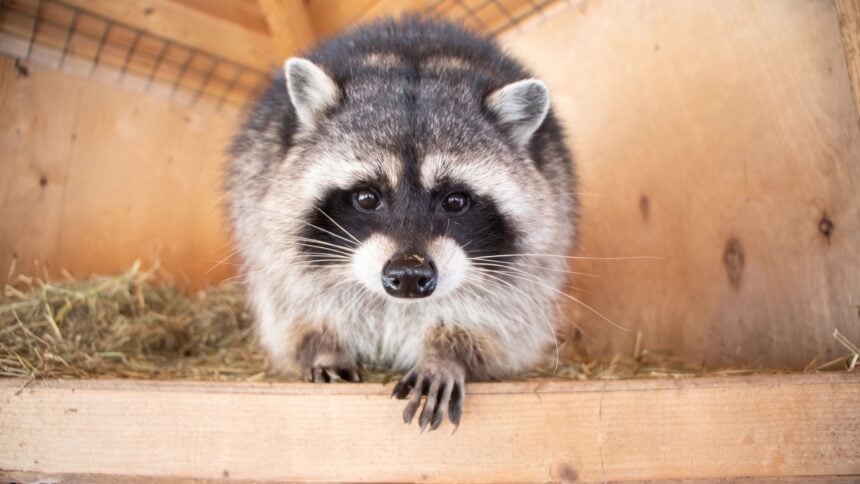
Raccoons are mostly night owls and usually wait until sunset to go hunt for food and sneak back into a safe hiding spot (in most cases, your attic!!!) before the sun comes up. If they have taken up residence in your attic, you will likely notice a lot of loud thumping, scratching, or scuffling noises at night. However, once the morning hits, you won’t hear any noises at all. That back and forth routine is totally normal, and it definitely does not mean the raccoon packed up and left for good.
In most cases, raccoons only leave the attic during the day for a quick trip to find food or switch sleeping spots. Otherwise, they treat your roof like a cozy daytime bedroom. Stick around to find out why raccoons pick your attic in the first place, how they act while the sun is up, what kind of mess they can leave behind, and the safest way to kick them out along with their babies.
Table of Contents
Why Raccoons May Stay in the Attic During the Day
A raccoon in attic during daytime hours usually stays put for a few pretty simple survival reasons.
- Deep Daytime Sleep: Raccoons follow a strict nocturnal biological clock. They sleep through the brightest parts of the day to save energy for nighttime foraging.
- Hiding from Danger: Walking around in broad daylight puts raccoons right in the path of barking dogs, coyotes, and people. Staying tucked up under your roof keeps them out of sight and out of trouble.
- Nursing Newborn Kits: Most raccoon kits are born in April or May after a roughly 63-day pregnancy. For the first three weeks, the kits are blind and helpless, and the mother generally stays inside the den during the day to keep them warm and fed.
- Harsh Outside Weather: Heavy rain, freezing temperatures, or extreme summer heat will keep a raccoon indoors. Your attic has way better climate control than a damp hollow tree ever could.
- Food and Water Right Outside: If you leave pet bowls on the porch, have loose trash can lids, or keep a koi pond in the yard, a raccoon has zero reason to go wandering around during the day.
Why an Attic Is So Appealing to Raccoons
Many animals love to move into our roofs, including rats, mice, bats, pigeons, squirrels, opossums, and raccoons. The reason why raccoons find the attic so appealing is that it gives them pretty much everything they would need to survive comfortably.
It is a cozy, warm, high up hideout far away from dogs and coyotes on the ground that could be a real danger for raccoons wandering around. Raccoons are good climbers with serious muscle and nimble little hands that can pop open loose vents or peel back worn-out shingles like nothing.
Truth is, they can break into pretty much any attic they set their sights on, and if your home already has a convenient opening, nothing could be better. Once a mama raccoon gets inside, she loves how soft fiberglass insulation feels for building a safe nursery bed.
When Do Raccoons Usually Leave the Attic?
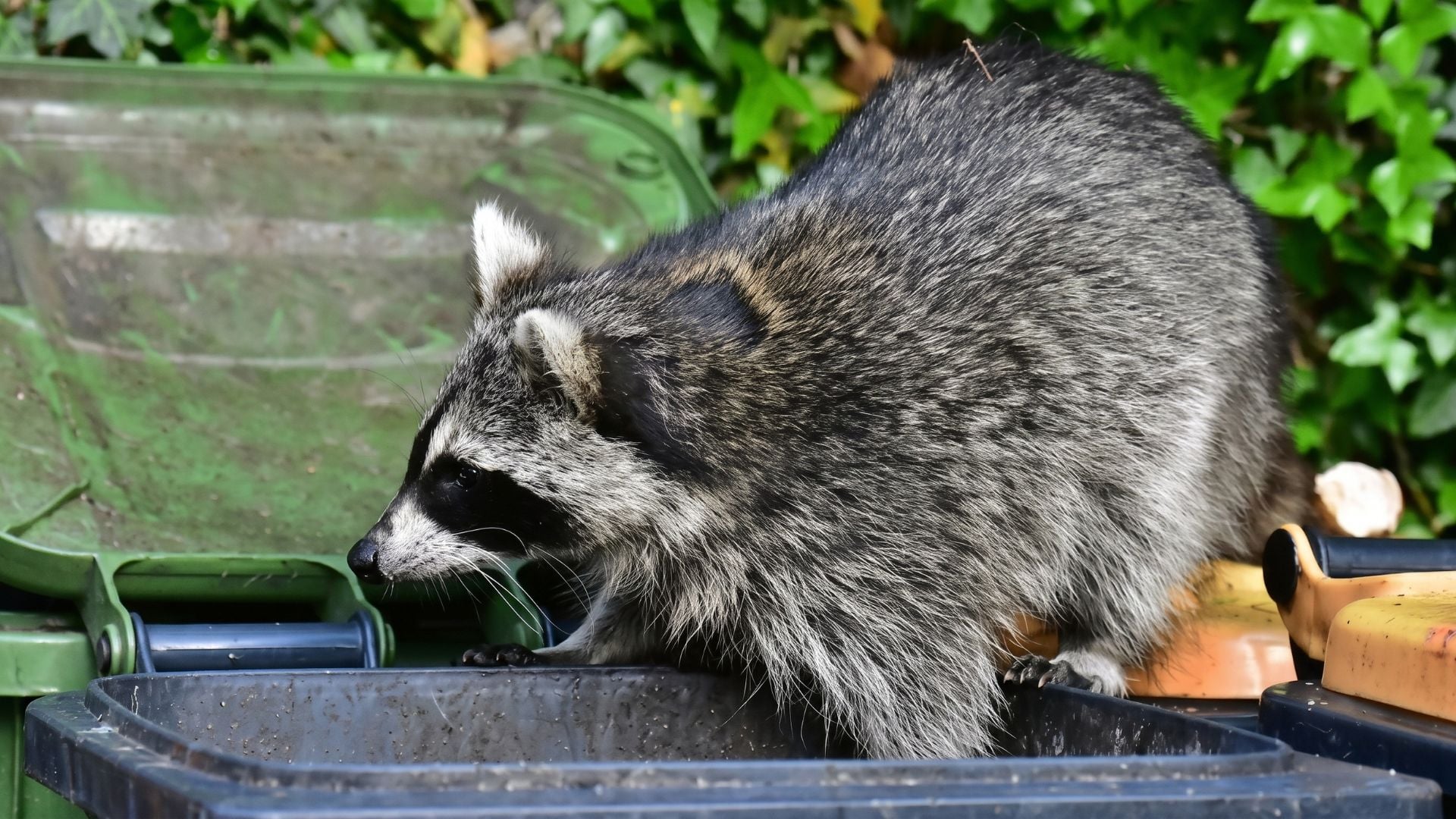
Most of the time, raccoons come down out of the attic between thirty and sixty minutes after sunset to scavenge through bins, dig up grubs and search for water. They will usually return to the attic shortly before sunrise and spend the entire day there. However, wild animals are not known to be very punctual!
Occasionally, you may find there is raccoon activity going on in your attic spaces around midday as they can be disturbed by the loud lawnmowers next door. Older kits become more active in late summer and will wrestle around in the attic spaces just before sunset. If they are not persuaded to leave and if the conditions are in their favor, a raccoon will happily consider your home their permanent residence for months!
Signs You Have Raccoons Living in Your Attic
Because raccoons weigh between 10 and 30 pounds, they rarely go unnoticed once they move indoors. Catching an infestation early can save you thousands of dollars in structural repairs. Watch out for these warning signs around your property:
- Heavy thumping: Unlike mice or rats, heavy raccoons don’t move silently. Loud thuds overhead right after dusk or just before dawn are one of the most common sounds of raccoons in the attic.
- Chittering and crying: Soft purring, bird-like chirping, or whining coming from a single spot usually means a mother has nested with her kits. These noises get noticeably louder as the babies grow.
- Scratching and scampering: Scampering, scratching, or walking noises above the ceiling at night mean you have a raccoon (or multiple raccoons) in the attic of your home.
- Hollowed-out den bowls. Pregnant females push insulation aside and shred fiberglass batts to carve out deep, bowl-shaped depressions for giving birth.
- Torn Roof Vents and Soffits: Check your roofline for bent metal vents, ripped fascia boards, or shredded shingles where a strong animal forced its way inside.
- Greasy Smudge Marks: Raccoons carry natural oils and dirt on their fur. You will often see dark, greasy rub marks around the edges of their favorite entry hole.
- Strong Ammonia Odors: Raccoons use specific corners of the attic as communal toilets. Over time, urine-soaked insulation creates a sharp, foul smell that seeps down through ceiling vents.
What If a Mother Raccoon Has Babies in Your Attic?
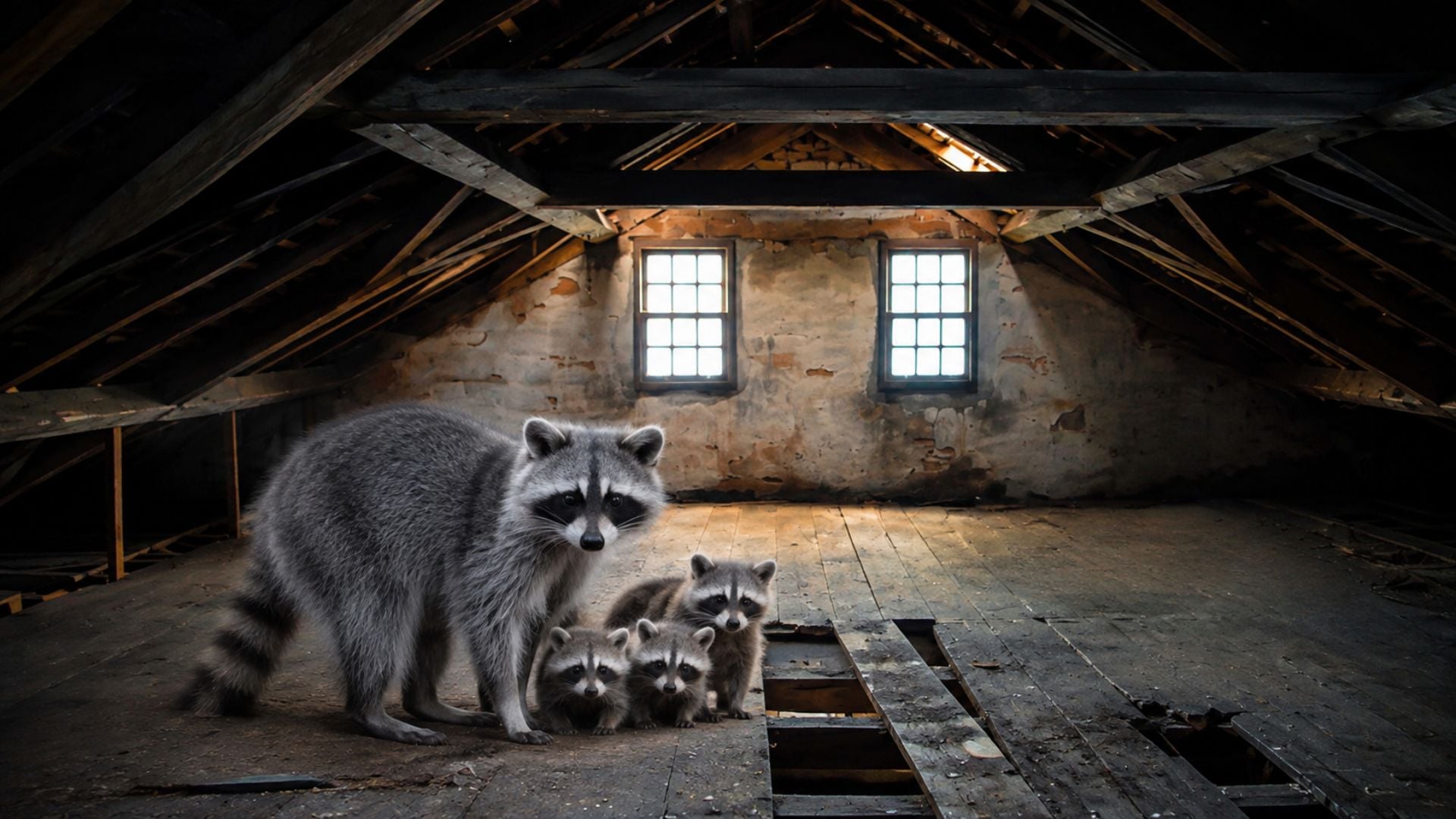
Baby raccoons in attic spaces are the reason a quiet afternoon can mislead you. Female raccoons often use attics as nesting sites when raising their young.
Baby raccoons, also called kits, stay in the den while they are very young. They are born blind and cannot follow their mother out to forage until they are about 8 to 10 weeks old, though brief exploration near the den can start as early as 6 to 8 weeks.
The mother may leave for several hours to find food, so the attic can look empty while a litter sleeps in the insulation. As the babies grow, she may begin moving them between den locations. As she can only carry one baby at a time, she will need to go on multiple trips to get all of her children out.
That’s why a hole you sealed after the mother raccoon leaves your attic can backfire. If you seal an entry point while babies may still be inside, mommy raccoon may panic and try to break through ceilings or walls to get back to them. The young can become distressed, suffer from dehydration and starvation, and eventually die. Their bodies can also create serious odor problems inside inaccessible spaces.
How to Get Raccoons Out of Your Attic Safely
If you’re looking to remove a raccoon from your attic, then you will need to do more than simply seal off the entrance. The animal may still be inside, and there could be dependent babies that you cannot see from the ground.
The correct way to go about removing the raccoon is by checking their entrance point, checking for any young, safely relocating them, and repairing the openings afterward. Here is what you should know about each step.
Find Where They Are Getting In
Before you buy traps or raccoon spray repellents, walk the outside of your house during daylight hours. Look closely at roof intersections, gable vents, soffits, and chimney caps.

Raccoons oftentimes use other areas of the home as well, from the soffits to the wall voids to the space between floors, so the attic is not the only area you will find them. Inside the attic, turn off your flashlight for a moment and look for areas in the attic where light is getting in. Any beam of daylight shining through the roof boards shows an active doorway.
Check for Baby Raccoons First
From January through September, you have got to first find out if there is a litter of baby raccoons, and then follow the procedure accordingly. You can not just catch the mother and leave the babies. If you leave them, they will scream and suffer as they slowly starve to death. They will then die, decompose and create a nasty smell in your ceiling.
You’ll find the babies in the attic! Don’t worry, we are sure nobody will attack you! But don’t be too quiet when you go up the ladder. The mother raccoon will usually hide away in a corner when she hears you.
Look inside torn insulation piles for curled up kits. If the problem is taken care of properly in the first place, the young stay with the mother during relocation, where they stand the best chance of survival and being raised properly.
Make the Attic Uncomfortable with Light and Noise
Once you are sure the babies are old enough to be mobile, try to make your attic as cold, unsafe, bright and noisy as possible to make Mom move away. If you have an attic fan switch it on, or install some fans in your attic and turn them on. Turn the lights on, and add some battery powered stick on lights.
Connect a stereo and play music or talk radio. Turn it up loud and play for a few hours a day, or ideally all day. Place some rags soaked in apple cider vinegar to give off a bad smell. The combination of bright lights, noise and bad smell will ensure that the mother cannot ignore them when she comes and goes. Eventually, she will have to leave your attic.
Install a One-Way Exclusion Door

Humane raccoon removal means the animal leaves on its own and can’t come back, and a one way exclusion door does exactly that. It’s the safest DIY way to let adults leave without letting them back in. Mount it over the main entry hole only after you’ve confirmed no kits remain.
Seal every secondary gap first so the raccoon can’t use another route. The animal pushes out on its next trip and finds the door shut behind it. Check the door every evening, and leave it in place until you’ve seen no activity for several nights.
Seal Up All Entry Points Once They Leave
Do not grab your hammer until you are 100 percent certain the attic is empty with no female raccoon baby inside. After you’ve confirmed the attic is empty, close every gap.
You can use heavy duty 16 gauge wire mesh or metal flashing, because raccoons are strong and pull off thin material. Cover roof vents, soffits, gable openings, and chimney gaps, and fasten everything with screws and washers, not staples.

Raccoons remember a good den and return, so seal secondary openings along with the main one. Clean up afterward. Take out contaminated insulation while wearing a respirator, and replace it.
Call a Wildlife Removal Pro
Sometimes DIY methods just ain’t enough, especially if you have a steep roof, an aggressive raccoon mother, or babies hidden deep inside narrow wall voids. Mother raccoon removal requires climbing into tight spaces and handling distressed wild animals safely.
If you want somebody else to handle the scene, you can call the right people for that. We recommend Orkin if you want to get rid of raccoons in the attic spaces without risking a ladder fall or a bite. They will do the job more professionally and make sure you no longer have any raccoon problem in your home attic, from the initial eviction to the final attic cleanup.
Frequently Asked Questions (FAQs)
What Damage Does a Raccoon Cause in An Attic?
Raccoons cause severe structural and health damage inside homes. They tear insulation apart for nesting, damage ductwork by crushing or ripping flexible air hoses, and rip open soffits and roof decking to widen their doorways. They’re also extremely messy, and their urine and droppings soak into drywall and create persistent odors.
What Time Do Raccoons Usually Leave the Attic?
Most raccoons exit the attic roughly 30 to 60 minutes after sunset to search for food and water. They stay outside foraging through the middle of the night and typically climb back into your roof space before sunrise.
Will a Mother Raccoon Leave Her Babies Alone in the Attic?
Yes, a mother raccoon regularly leaves her babies alone for several hours at night while she hunts for food. She normally returns to care for them. Never assume the babies have been abandoned simply because the adult is not visible.
How Do I Get The Raccoons Out of My Attic?
Start by inspecting the attic for baby raccoons. If kits are present, use bright lights, loud talk radio, and fans to encourage the mother to relocate her litter naturally. Once the babies are gone, install a one way exclusion door over the main hole, then permanently seal all openings with heavy metal mesh.
How Long Will Raccoons Stay in an Attic?
Raccoons often stay in an attic for about 8 to 10 weeks during nesting season. They can however, live there for anywhere up to 8 or 9 months or come back every year if left alone if the conditions are suitable.
Wrapping Up…
Most likely, raccoons are reluctant to leave the attic during daytime as they are nocturnal animals and forage during the night to find food. This doesn’t necessarily mean they have gone, however, as females may be caring for their young inside and only making short trips outside to gather food.
Before trying to remove the raccoon from the attic, look to see if there are any dependent young. Identify all possible entry points. Never block off any entrances where the raccoon is present, and never try to separate a mother from her litter. Once the whole family has left safely, you can then repair the damage and thoroughly clean your attic.