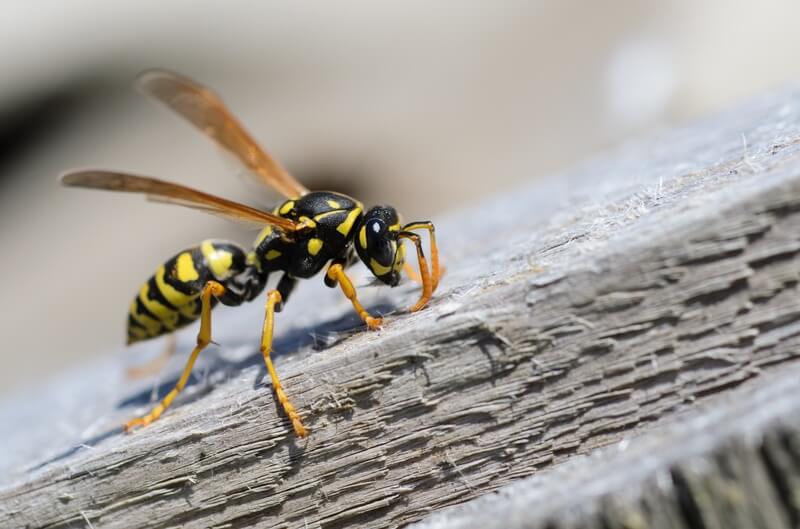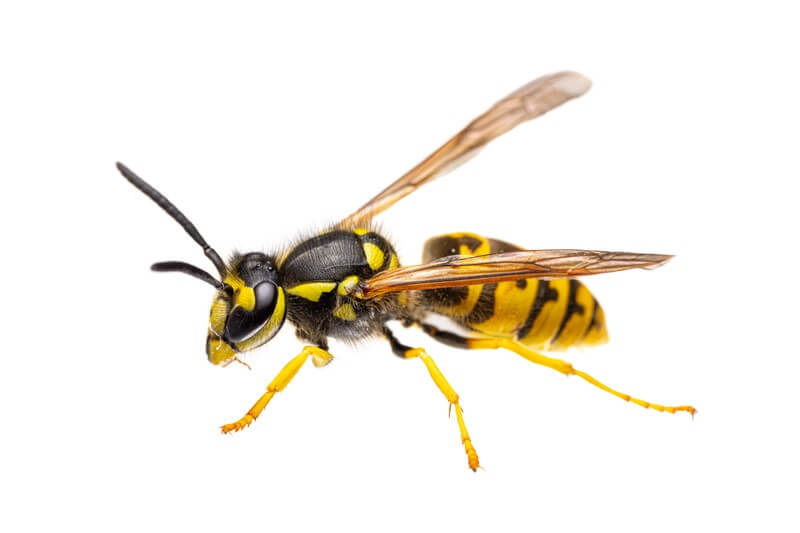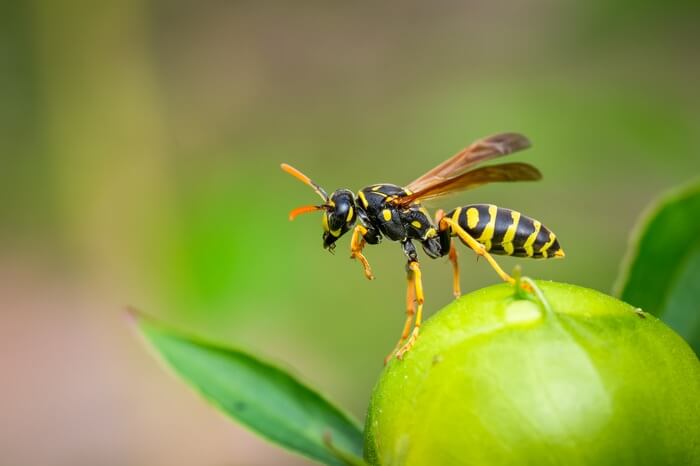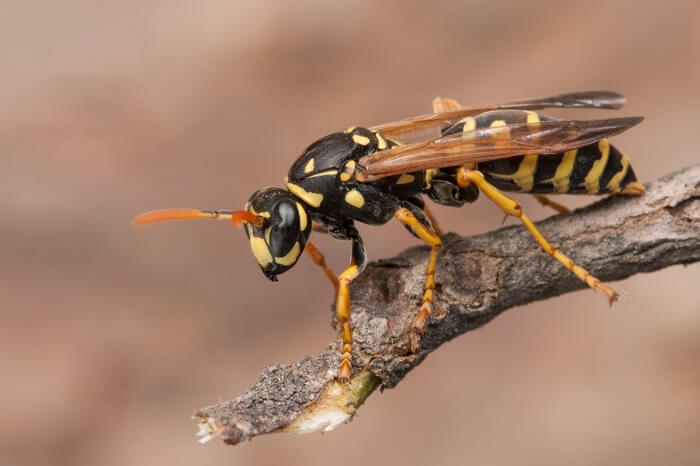

Finding a wasp buzzing against your window pane is enough to make anyone feel uneasy. It usually starts with just one, but then you see another the next day, and suddenly you are wondering if there is a bigger problem hidden behind your skirting boards. While they are vital pollinators in the garden, they become a genuine nuisance once they move into your living space. Unlike bees, these insects are more aggressive and you certainly don’t want to get stung while you are just trying to relax.
If you keep finding wasps in the house, it is rarely a fluke. These pests are opportunistic and will exploit the tiniest structural weaknesses to find warmth or a place to build a colony. To keep your home safe, you need to understand exactly how they are getting past your defences.
Table of Contents
Why Wasps Suddenly Appear Inside Your Home
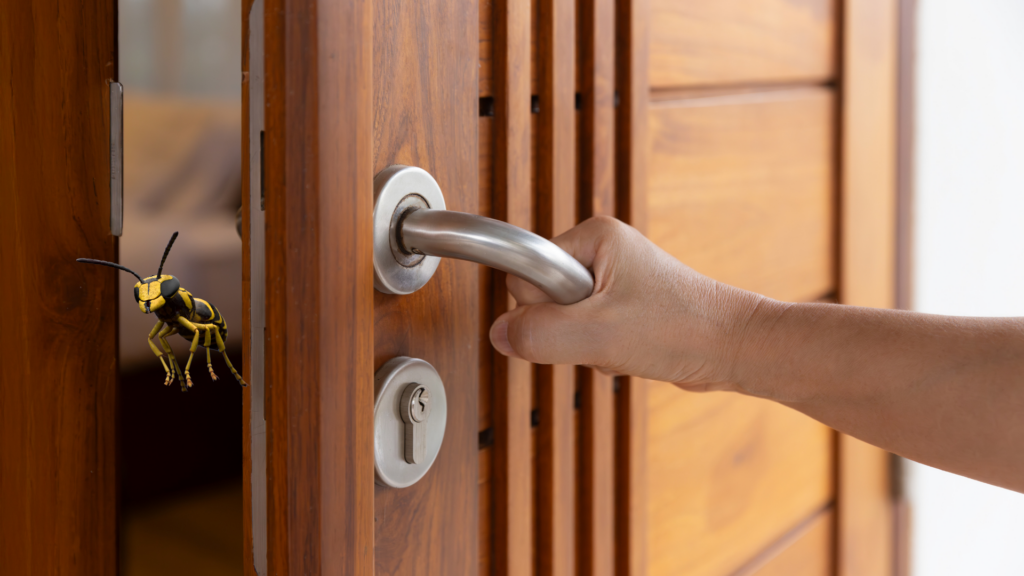
It often feels like they appear out of nowhere, but wasps get in through openings that we frequently overlook. During the spring, queen wasps emerge from hibernation looking for a sturdy place to start a new nest. Later in the summer and autumn, worker wasps become more active and desperate for food, which often draws them toward the sweet smells inside our homes. They are incredibly persistent, and if they find a consistent heat source or a sugary scent, they will find a way in. Understanding their behaviour is the first step toward reclaiming your home from these unwanted guests.
8 Most Common Wasp Entry Points
To stop the cycle of finding wasps in the house, you have to think like one. They don’t need a wide-open door to gain access. In fact, most wasp entry points are smaller than a 10p piece. Here are the eight most common ways they sneak inside.
1. Tiny Cracks Around Windows & Doors

Window cracks are the #1 route for paper wasps. Over time, the sealant around your window frames can dry out and pull away from the brickwork. This creates a perfect slit that a wasp can easily squeeze through. Even if the window is shut tight, a gap in the external masonry or a perished rubber seal provides all the access they need to enter your lounge or kitchen.
2. Gaps in Soffit Vents & Eaves
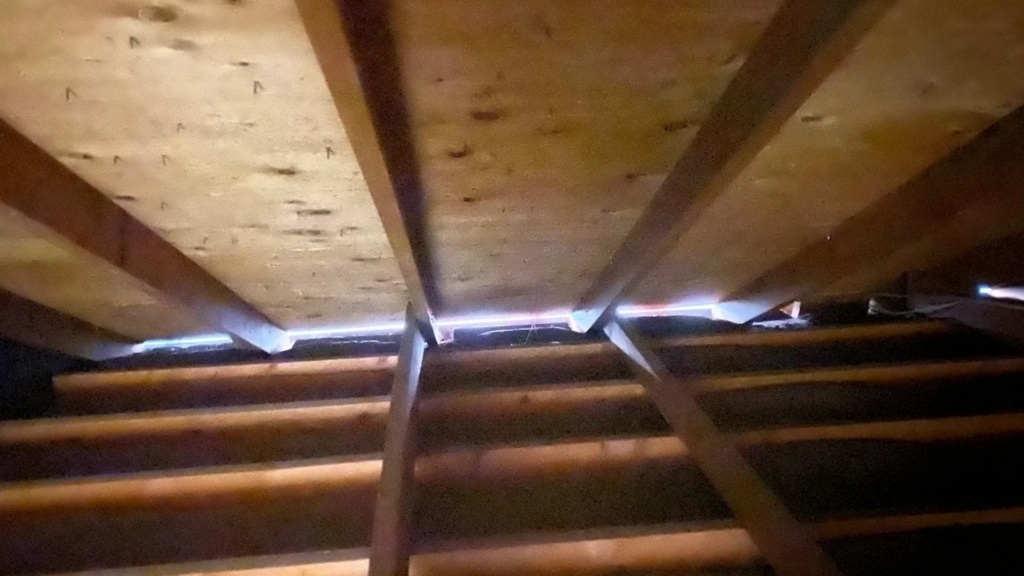
The area where your roof meets the walls is a hotspot for activity. Soffit vents are designed to let your roof breathe, but if the mesh is damaged or missing, they let yellow jackets fly straight into attics. Once they are in the loft, it is only a matter of time before they find a recessed light fixture or a ceiling hatch to enter the main part of the house.
3. Unsealed Chimney & Vent Pipes
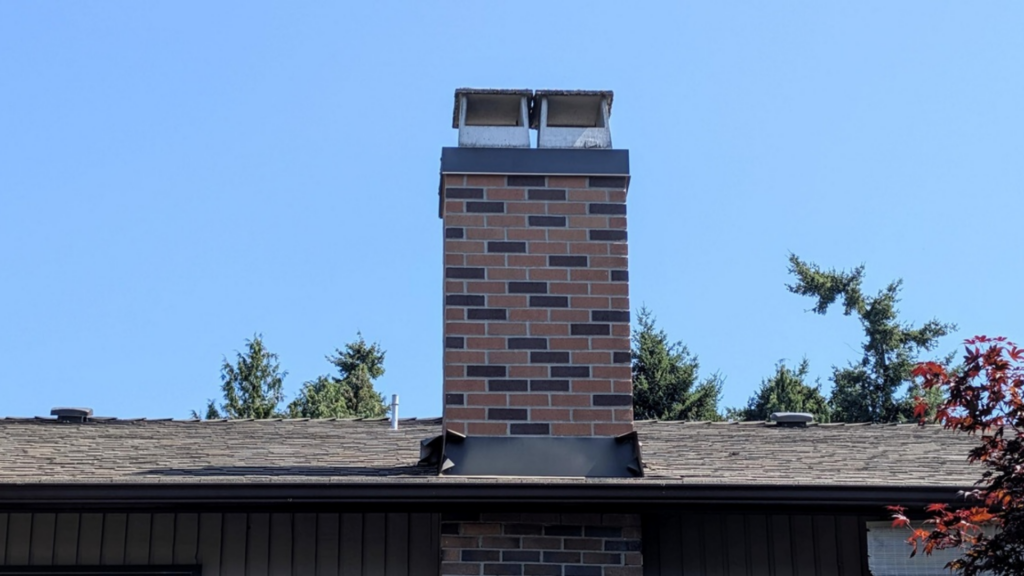
If you have a fireplace that isn’t used frequently, it can become a massive entry way. Chimney gaps create warm highways to the roof, and wasps are naturally drawn to the rising heat. Similarly, the vent pipes for your bathroom extractor fans or kitchen hoods often have external flaps that can get stuck open, allowing easy access directly into your ventilation system.
4. Attic Access Points & Loose Siding
Attic access is a favourite for a wasp nest inside walls or tucked away in dark corners. If your home has timber cladding or loose siding, wasps will crawl behind the panels. From there, they follow the wall cavity until they find a gap around a loft hatch or a pipe. Once a queen establishes a wasp nest inside, the worker population can explode in just a few weeks.
5. Damaged Window Screens & Weather Stripping
Many of us like to leave the windows open during a British summer, relying on window screens to keep bugs out. However, even a tiny tear in the mesh is enough for a determined wasp. Similarly, if the weather stripping at the bottom of your doors is worn down, it leaves a gap that is essentially an open door for crawling insects. This is an easy fix most homeowners miss.
6. Holes from Plumbing & Electrical Lines
Take a look at where your outdoor taps or internet cables enter the house. Often, the hole drilled through the brickwork is much larger than the pipe or cable itself. These hidden entry points around pipes are like tunnels that lead directly into your cupboards or under-floor spaces. If these aren’t sealed with silicone or mortar, you are leaving your home vulnerable.
7. Roofline & Fascia Board Gaps
In older homes, the wood along the roofline can rot or warp. Fascia boards can pull away from the rafters, leaving long, thin horizontal gaps. These are prime real estate for wasps because they offer protection from the rain and wind while providing a clear path into the internal structure of your roof.
8. Garage Doors & Pet Doors
Garages are rarely airtight, and if your garage is attached to your home, it acts as a staging area. Wasps fly into the garage while the door is open and then find internal doors or utility gaps to get into the kitchen. Pet doors are another frequent wasps in the house culprit, as the flaps often don’t seal perfectly, especially in windy weather.
Gap Size vs Wasp Type
| Wasp Type | Typical Gap Size Needed | Common Entry Point |
| Common Wasp | 2mm – 4mm | Window cracks, air bricks |
| Yellow Jackets | 1mm – 3mm | Soffit vents, siding gaps |
| Paper Wasps | 3mm – 5mm | Door frames, attic vents |
Signs You Already Have Wasps in House
It is important to distinguish between a lone wasp that flew in through an open window and a larger infestation. Keep an eye out for these red flags:
- Consistent Presence: If you see multiple wasps indoors at dawn or dusk every single day, they are likely nesting somewhere in the fabric of the building.
- Dull Buzzing Sounds: You might hear a faint clicking or buzzing coming from behind the plasterboard or up in the ceiling.
- Visible Flight Paths: If you stand in your yard or patio and see wasps flying in a straight line to a specific spot on your roof every few seconds, that is a clear sign of an entrance.
- Wasp Droppings: Small, dark spots on walls or near ceiling corners can sometimes indicate a nest is nearby.
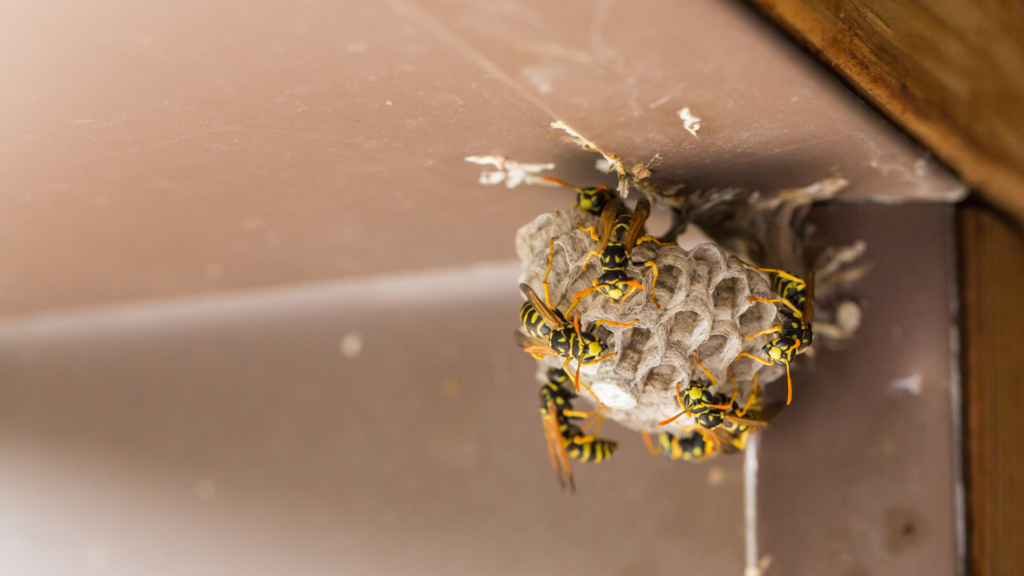
- Determining the Type: Yellow jackets are often more aggressive and nest in cavities or the ground, while paper wasps build distinctive umbrella-shaped nests often visible under eaves.
Step-by-Step: How to Seal Wasp Entry Points
If you want to protect your family and stop the buzzing, you need a proactive plan. Follow these steps to secure your home.
- Inspect at the Right Time: Inspect for entry points at dawn or dusk. This is when wasp activity is at its lowest, but you can still see them returning to the nest, which helps you pinpoint exactly where they are getting in.
- Sealing Gaps: Use caulk and expanding foam for sealing gaps around windows, doors, and siding. For brickwork, use a bit of mortar to ensure a permanent fix.
- Repair Screens: Install tight window screens and patch any existing holes. Ensure the frames fit snugly against the window casing.
- Mesh Your Vents: Cover soffit vents with fine mesh. This allows the necessary airflow for your roof while keeping even the smallest yellow jackets out.
- Address the Chimney: Cap chimney gaps properly with a stainless steel chimney cap that features a fine wire screen.
- Secure the Attic: Check attic access points and ensure your loft hatch has a good seal. If you have loose siding, nail it back down or replace the damaged sections.
- Clean Up the Exterior: Remove attractants like overflowing trash or sweet drinks left on the patio. Wasps are drawn to your home for food first, and then they look for a way inside.
- Professional Help: Schedule professional pest control if you spot a wasp nest. Never try to seal a hole if you know there is an active nest behind it, as the wasps will simply chew through your drywall to find a new way out, often into your bedroom.
When to Call Professional Pest Control
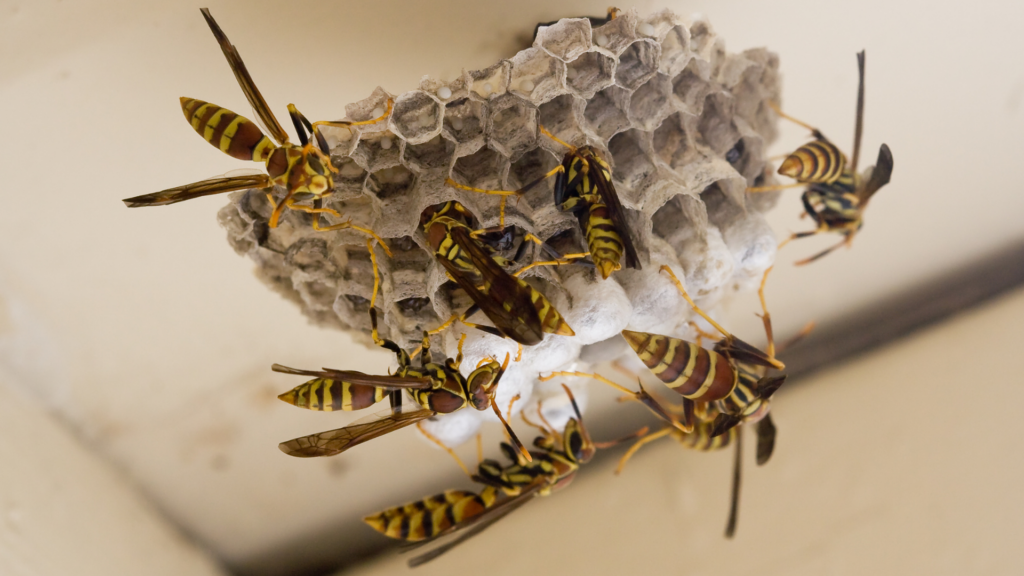
There comes a point where a DIY approach is simply too dangerous. If you see large numbers of wasps indoors or can clearly see a large nest in the attic, it is time to stop. Dealing with a wasp nest inside a wall is particularly tricky because shop-bought sprays often won’t reach the heart of the colony.
Professional pest control experts have the protective gear and industrial-grade treatments to neutralise the threat safely. Remember, why DIY sealing and pest control together is most effective is because the pro kills the colony, and your sealing work prevents a new one from taking its place next year. You should book a licensed exterminator before the colony grows to its peak size in late summer.
Wrapping Up…
Dealing with wasps in the house is a stressful experience, but it is a problem with a clear solution. By identifying the most common wasp entry points and taking the time to perform basic home maintenance, you can keep your living space bug-free. Whether it is sealing window cracks or mesh-covering your soffit vents, every small step makes your home less attractive to these stinging insects. Stay vigilant, keep your garden tidy, and don’t hesitate to call in the experts if the situation gets out of hand. A little prevention now will save you a lot of trouble when the weather warms up.