
Bed bugs rank among the most frustrating pests to deal with because of their uncanny ability to reproduce rapidly and spread throughout living spaces. Understanding how fast do bed bugs multiply helps you grasp why these parasites become such a nightmare once they establish themselves in your home.
A small problem can explode into a full blown infestation within weeks. The speed at which bed bugs reproduce and their talent for hitchhiking on luggage, clothing, and furniture actually make them particularly challenging to control.
This guide breaks down everything you need to know about bed bug reproduction, from their unique mating process to the factors that influence how quickly populations grow. Keep scrolling!
Table of Contents
How Do Bed Bugs Reproduce?
Bed bugs reproduce through a rather brutal process, and we call it traumatic insemination. What happen actually, is that the male bed bug pierces the female’s abdomen with his reproductive organ and bypasses her reproductive tract entirely.
This violent mating method sounds extreme, and it actually causes physical harm to the female. Despite the damage this process inflicts, female bed bugs can mate multiple times and store sperm for future egg production.
The female bed bug plays the central role in population growth since she’s responsible for all egg laying. After mating, she needs regular blood meals to fuel egg production. Without access to human blood, her ability to lay eggs drops substantially.
Turns out, bed bugs thrive in environments where they have easy access to sleeping humans, and what better place than a home.
How Many Eggs Does a Bed Bug Lay?
A single female bed bug lays 1 to 5 eggs per day if she has regular access to blood meals. This daily production might not sound alarming at first glance, but the numbers add up shockingly fast.
Over her lifetime, which typically lasts four to six months, a female can produce up to 500 eggs total. That’s an extraordinary reproductive output for such a small insect.
Several conditions affect how many eggs do bed bugs lay during their lifetime. Temperature plays a major role, with warmer environments accelerating egg production. The availability of blood meals directly impacts output, as a starving female simply cannot produce eggs at her maximum rate, though. In a typical home environment where bed bugs remain undisturbed and have regular access to sleeping humans, females will lay eggs consistently at or near their maximum capacity.
Bed Bug Life Cycle Explained
Egg Stage
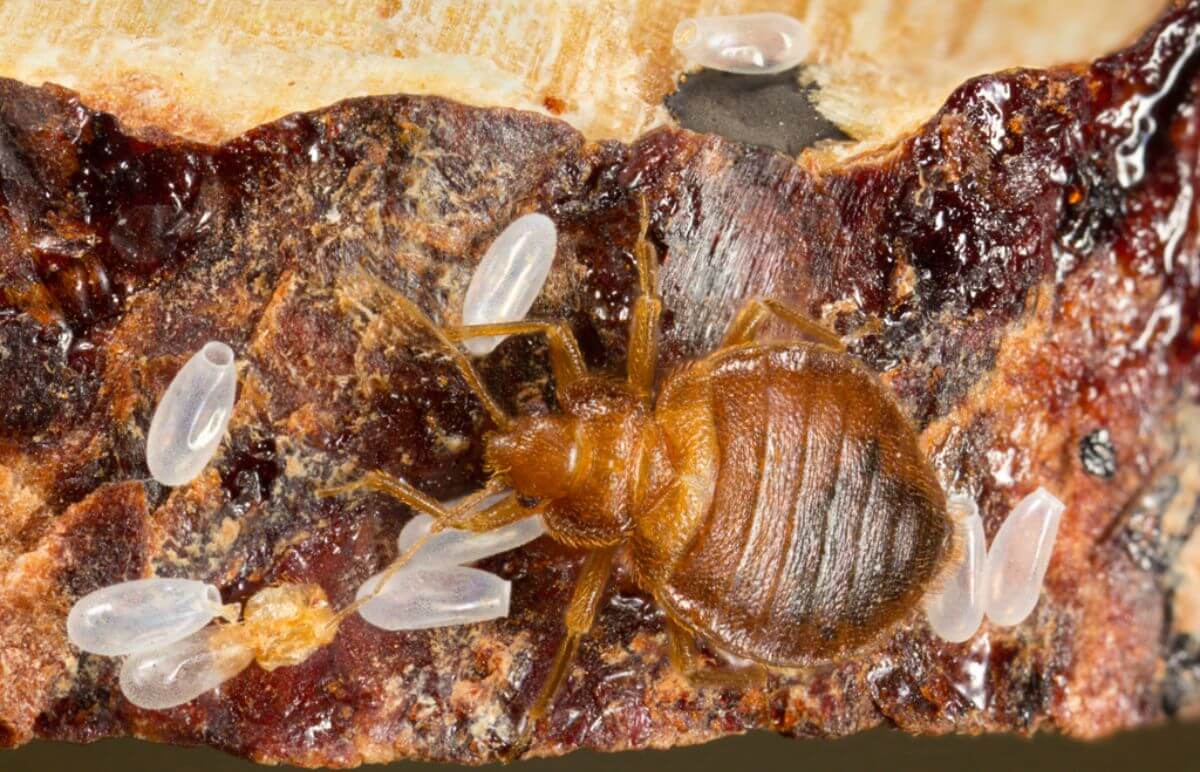
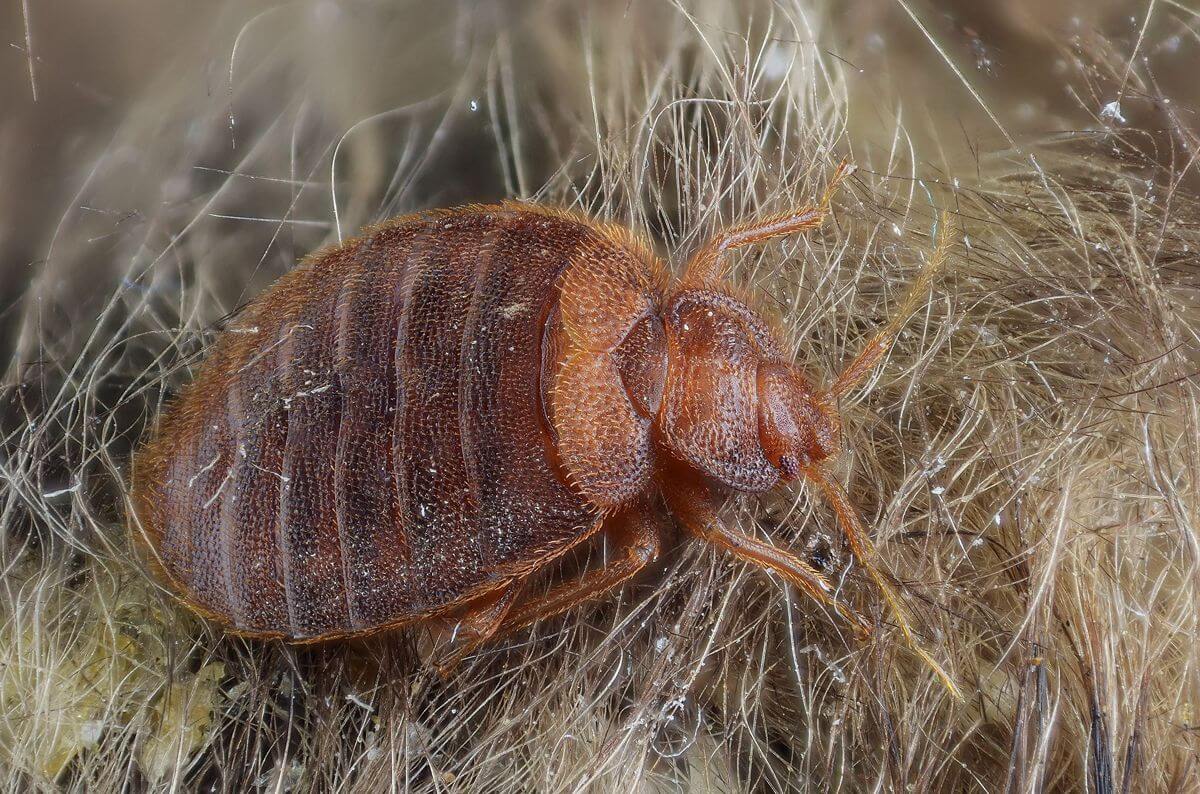
The bed bug life cycle begins when a female deposits tiny white eggs in hidden crevices near sleeping areas. These eggs are about the size of a pinhead and sticky, and would easily adhere to surfaces. Bed bug eggs look like miniature grains of rice, though much smaller and more translucent. The eggs hatch in 6 to 10 days under normal room temperature conditions. Cooler temperatures can extend this period while warmer conditions speed it up slightly.
Nymph Stages
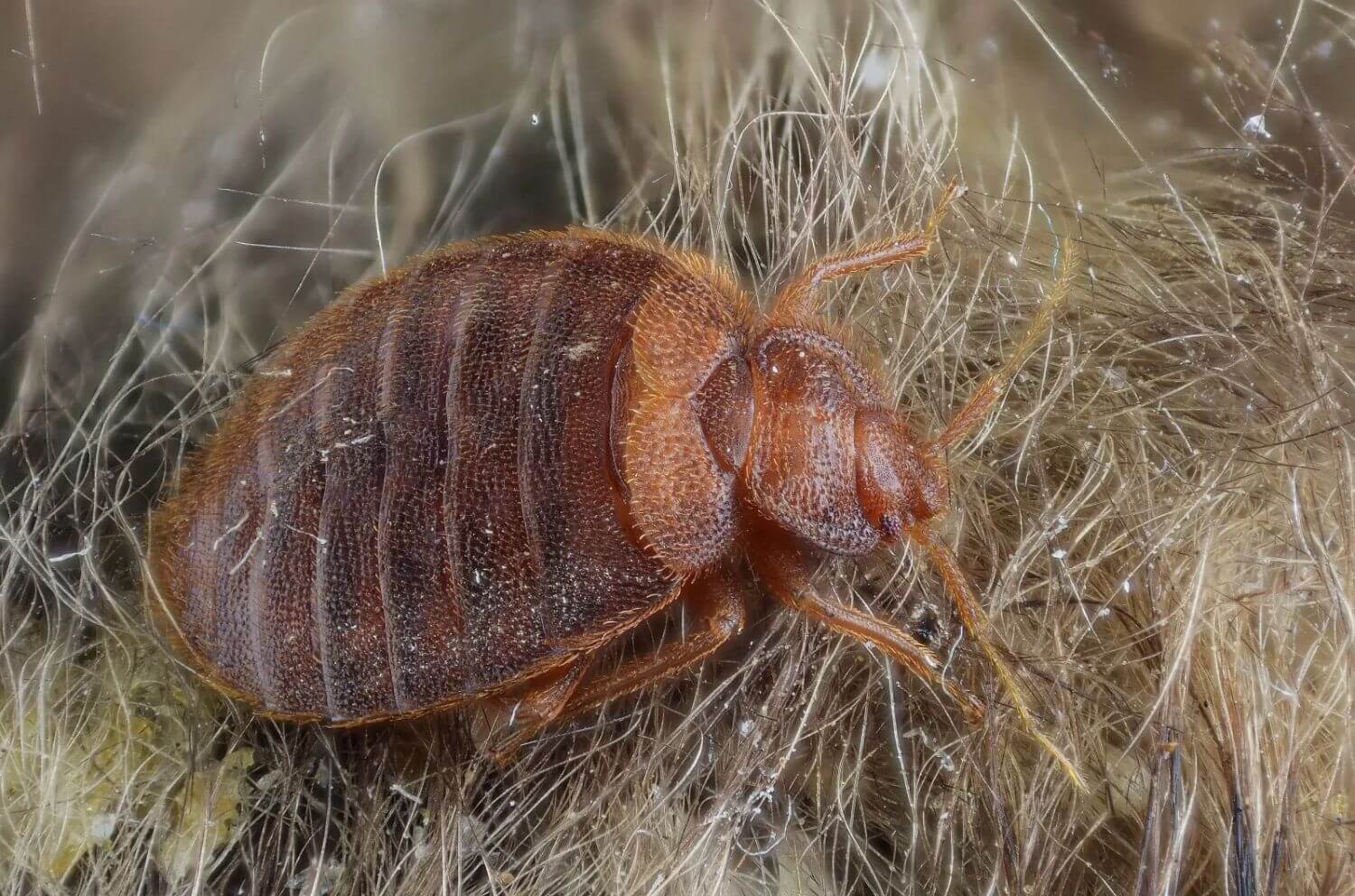
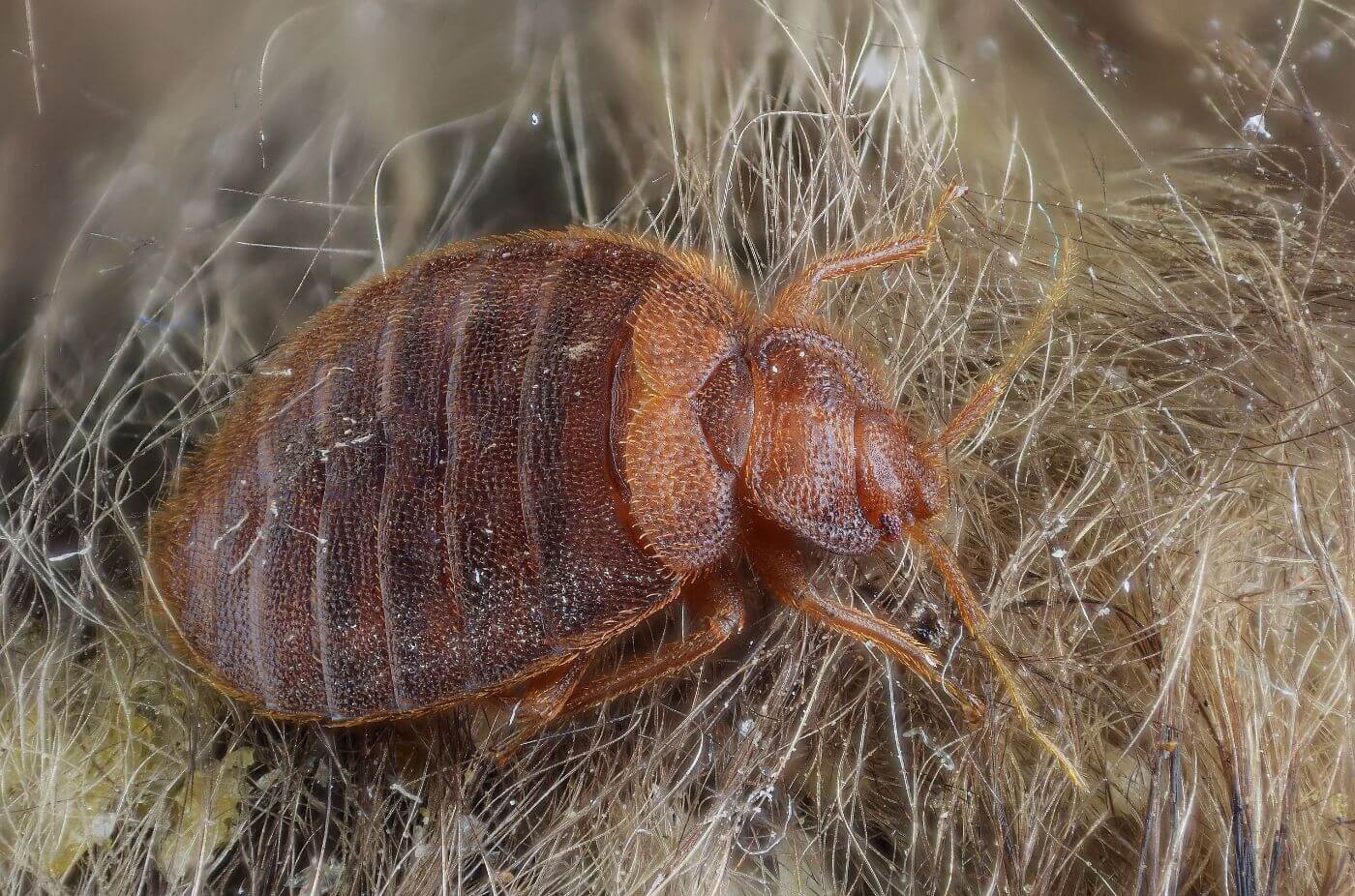
Once hatched, baby bed bugs called nymphs must pass through five development stages before reaching adulthood. Each stage requires at least one blood meal to trigger molting into the next phase. The nymphs look like smaller, lighter colored versions of adult bed bugs.
They start nearly translucent and gradually darken with each molt. The nymph stages collectively take about 4 to 6 weeks to complete under ideal conditions, though this timeline can stretch considerably in cooler temperatures or when blood meals are scarce.
Adult Stage
Bed bugs reach sexual maturity and start reproducing almost immediately after completing their final nymph molt. Adult females can begin laying eggs within days of reaching adulthood, assuming they’ve had a recent blood meal.
Under ideal conditions with regular feeding and warm temperatures, adult bed bugs can live for four to six months. However, how long do bed bugs live varies dramatically based on environmental factors.
In cooler conditions with limited food access, adults can survive up to a year by entering a semi dormant state, though they won’t reproduce actively during this period.
How Fast Do Bed Bugs Multiply in Real Conditions?
The bed bug infestation timeline accelerates at an alarming pace once reproduction begins. Consider that a single pregnant female arriving in your home can establish an entire colony. If she starts laying eggs immediately, those eggs hatch in about a week.
The resulting nymphs mature into breeding adults within four to six weeks. Those new adults then begin producing their own eggs, creating an exponential growth pattern.
Under ideal conditions, a bed bug population can double every 16 days. Starting with just one pregnant female, you could theoretically have dozens of bed bugs within 30 days and hundreds within 90 days.
The actual growth rate in real homes varies based on temperature, available hiding places, and how often the bugs can feed. However, the core message remains clear about how fast do bed bugs multiply once they establish themselves. A minor problem identified in March could become a severe infestation by June if you don’t take immediate action.
Factors That Affect Bed Bug Reproduction Rate
Temperature
Temperature dramatically influences the bed bugs reproduction rate. These insects thrive in temperatures between 70 and 80 degrees Fahrenheit. Within this range, eggs hatch faster, nymphs develop more quickly, and adults reproduce at maximum capacity.
Temperatures above 113 degrees or below 32 degrees are lethal to bed bugs, which is why heat treatments work effectively for elimination. Cold temperatures below 50 degrees slow reproduction dramatically without killing the bugs, essentially putting them in hibernation mode.
Access to Blood Meals
Regular feeding is absolutely essential for bed bug reproduction. Females cannot produce eggs without recent blood meals, and nymphs cannot molt without feeding. A population with daily access to sleeping humans will multiply much faster than one feeding sporadically. This explains why bed bugs concentrate in bedrooms and particularly around mattresses where they can easily access sleeping victims every night.
Hiding Places
Bed bugs need protected harborage areas close to their food source. Cluttered environments with numerous cracks, crevices, and hiding spots support larger populations. The bugs squeeze into incredibly tight spaces during daylight hours, emerging at night to feed. More hiding places mean more areas for egg laying and better survival rates for nymphs.
Human Movement
Human activity significantly affects the bed bugs reproduction rate through both positive and negative impacts. Travel and furniture transfer helps bed bugs spread to new locations where they can establish additional colonies.
Moving infested items between rooms or buildings allows the population to expand their territory. Conversely, frequent disturbances from cleaning and moving furniture can stress bed bugs and temporarily reduce reproduction, though this rarely eliminates them without professional intervention.
How Quickly Do Bed Bugs Spread in a Home?
Bed bugs travel rapidly for insects of their size, moving up to five feet per minute when actively searching for food or new harborage. They spread from initial introduction points like mattress seams to furniture, baseboards, electrical outlets, and picture frames. The bugs are notably agile despite their flat bodies, allowing them to navigate various surfaces and squeeze through impossibly small gaps.
Hitchhiking behavior makes it easier for them to spread beyond a single room. Bed bugs climb into luggage, backpacks, purses, and clothing, traveling wherever these items go. If you end up somewhere that already has a bed bug infestation, your return home can have you inadvertently transporting bugs back.
In apartment buildings, bed bugs move between units through wall voids, plumbing chases, and electrical conduits. A single infested apartment can seed multiple neighboring units within months, turning what might seem like an isolated problem into a building wide crisis.
Signs of a Growing Bed Bug Infestation
- Bite patterns appear as small red welts, often in lines or clusters, on exposed skin during sleep
- Dark stains on bedding, mattresses, and nearby walls from bed bug excrement
- Shed skins from molting nymphs accumulate in hiding areas near the bed
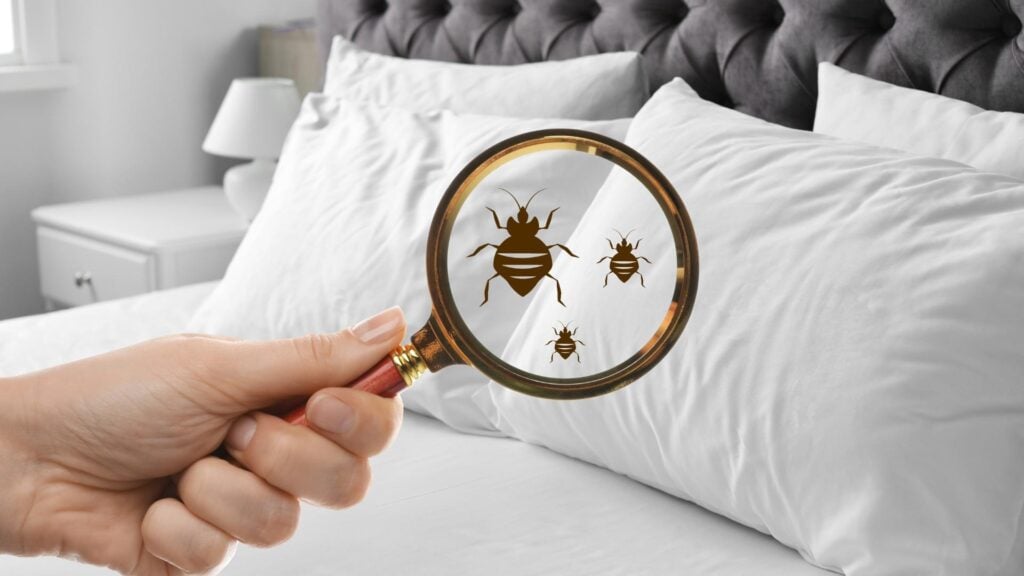
- Live bugs or eggs visible in mattress seams, bed frames, or nearby furniture cracks
- A sweet, musty odor that develops when populations grow large
Can One Bed Bug Start an Infestation?
The question of can bed bugs reproduce alone has a nuanced answer. A single adult male cannot establish an infestation on his own since he cannot lay eggs. A single unfertilized female also cannot reproduce initially. However, a single pregnant female absolutely can start an entire infestation because she carries stored sperm and begins laying eggs immediately upon finding a suitable environment.
This is why early detection matters so critically. Spotting and eliminating one or two bed bugs before they establish breeding populations can prevent months of misery and expensive treatments.
Unfortunately, bed bugs hide so effectively that early detection proves challenging. By the time most people notice obvious signs, the population has already grown substantially. Immediate action upon discovering any evidence of bed bugs becomes essential because of how fast do bed bugs multiply once established.
How to Stop Bed Bugs From Multiplying
- Contact professional pest control immediately upon discovering bed bugs as DIY treatments rarely eliminate entire populations
- Heat treatments, raising room temperatures to lethal levels, kill all life stages, including eggs that resist many pesticides
- Vacuum thoroughly and frequently to physically remove bugs and eggs from accessible surfaces
- Encase mattresses and box springs in certified bed bug proof covers to trap existing bugs and prevent new infestations
- Reduce clutter to eliminate hiding places and make treatments more effective
- Wash and dry bedding, clothing, and fabric items on high heat to kill any bugs present
- Seal cracks and crevices in walls, baseboards, and furniture to reduce harborage areas
- Avoid moving infested items to other rooms or locations as this spreads the problem
Understanding how to stop bed bugs from spreading requires recognizing that these pests won’t simply go away on their own. Their reproductive capacity means that populations will continue growing so long as they have access to human blood and suitable hiding places.
Final Thoughts: How Fast Do Bed Bugs Multiply?
Here’s our guide on how fast do bed bugs multiply distilled to the essential facts. Bed bugs reproduce at an alarming rate, with females producing up to 500 eggs during their lifetime. Those eggs hatch quickly, and nymphs mature into breeding adults in about 4 to 6 weeks. Under optimal conditions, populations can explode from a handful of bugs to hundreds within a couple of months. The combination of rapid reproduction and the bugs’ ability to hitchhike on personal belongings creates perfect conditions for widespread infestations.
The speed of bed bug reproduction makes early detection and immediate professional treatment absolutely critical. Waiting even a few weeks to address a bed bug problem can transform a minor issue into a major infestation requiring extensive treatment. If you suspect bed bugs in your home, don’t delay in seeking professional help. These pests won’t get better on their own, and the longer you wait, the worse and more expensive the problem becomes.
FAQ
How fast do bed bugs multiply in a normal home?
If they can feed regularly and temperatures are comfortable, bed bugs can grow from a small problem to a serious infestation in weeks because eggs hatch quickly and young bugs mature fast.
How many eggs does one female bed bug lay per day?
A well-fed female can lay multiple eggs per day, and over her lifespan the total can add up fast, which is why early action matters.
How long does it take bed bug eggs to hatch?
Egg hatch time depends on temperature, but in many homes it can be around a week, with cooler conditions slowing it down.
How long until baby bed bugs become adults that can reproduce?
Nymphs must molt through several stages and need blood meals to grow. Under good conditions, they can reach adulthood in just a few weeks.
Can one bed bug start an infestation?
A lone male cannot. A lone female may not unless she has already mated and stored sperm. A single pregnant or previously mated female can start an infestation on her own.
What slows bed bug reproduction the most?
Lower temperatures, fewer feeding opportunities, and fewer protected hiding spots can slow growth, but they rarely solve the problem without a real control plan.