

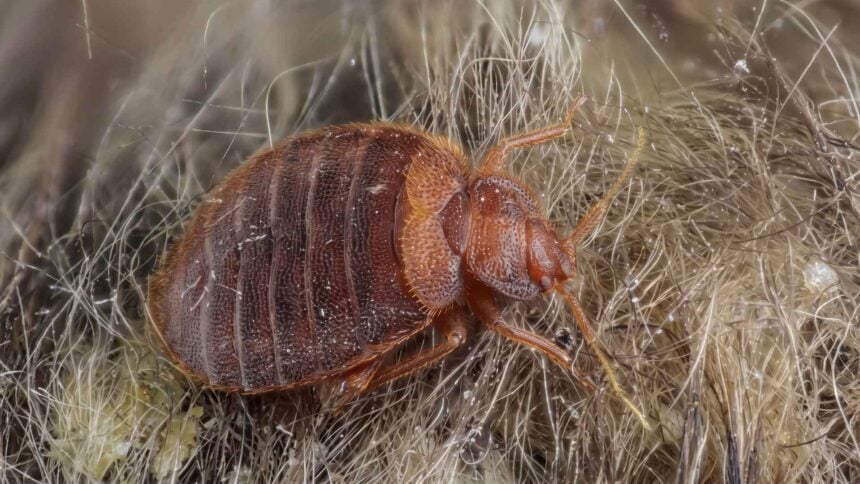
Nobody wants to hear this, but you must stay right inside the bedroom with the bed bugs. Shifting over to a living room couch or a spare mattress seems like a smart escape, though it only makes the problem bigger.
Bed bugs feed on human blood and if you walk away from the infested room, they will simply track down your scent across the hallways. They can also just ride along on your clothing to settle down inside your next clean space.
Turns out, the only best option you have if you are dealing with bed bug infestation is to sleep right inside that infested bedroom.
Read on to figure out exactly how to keep bed bugs off you while you sleep, block them from reaching your sheets, and get rid of them for good.
Table of Contents
Key Takeaways
- Staying in the infested room limits how far bed bugs spread through your home.
- Encasements, interceptors, and a bed pulled away from the wall cut down on nighttime bites.
- Reactions to bites can take up to two weeks to appear, so a lack of marks doesn’t mean you’re safe.
- Adult bed bugs die within 20 minutes when exposed to 118°F.
- Bed bug eggs must stay at 118°F temperature for 90 minutes to reach 100% mortality.
Where Should You Sleep When You Have a Bed Bug Infestation?
Stay in the room where the bed bugs were found. We know you didn’t hope for this answer though it’s the one backed by how these insects actually behave.
- They track you down through scent and body heat.
- Moving rooms risks carrying eggs or nymphs along on clothing, bedding, or bags.
- Sealing off an infested room without treating it only pushes bugs toward other areas of the house.
- Continuing to sleep in the same bed, paired with active treatment, keeps the problem contained to one space
If you feed a bed bug population by spreading across multiple rooms, the eventual treatment gets considerably harder. Keeping everything and everyone in one place gives pest control a single, defined target instead of a moving one.
How Do You Keep Bed Bugs Off You While Sleeping?
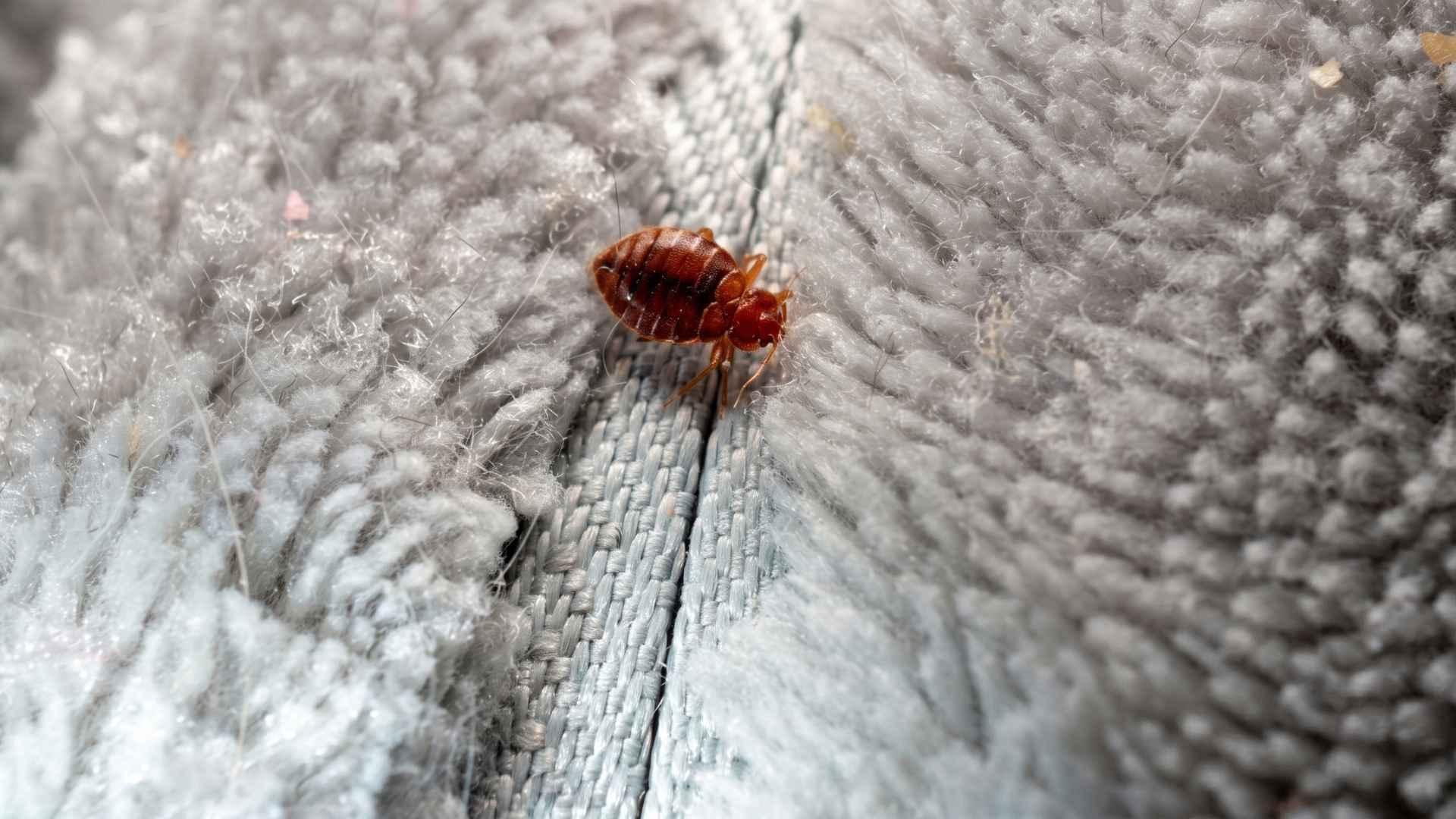
Move the Bed Away From the Wall
Bed bugs travel along walls, baseboards, and furniture edges to reach a sleeping target. You need to pull the bed frame a few inches away from the wall on every side. It will cut off that direct route to reach your bed and it will force them to cross the open floor instead, where interceptors and visible inspection can catch them first.
Keep Bedding Off the Floor
Sheets, blankets, or pillows touching the floor act as a bridge straight up onto the mattress. Make sure to tuck everything up onto the bed itself, since fabric trailing on carpet gives bed bugs an easy, direct path they wouldn’t otherwise have.
Use Mattress and Box Spring Encasements
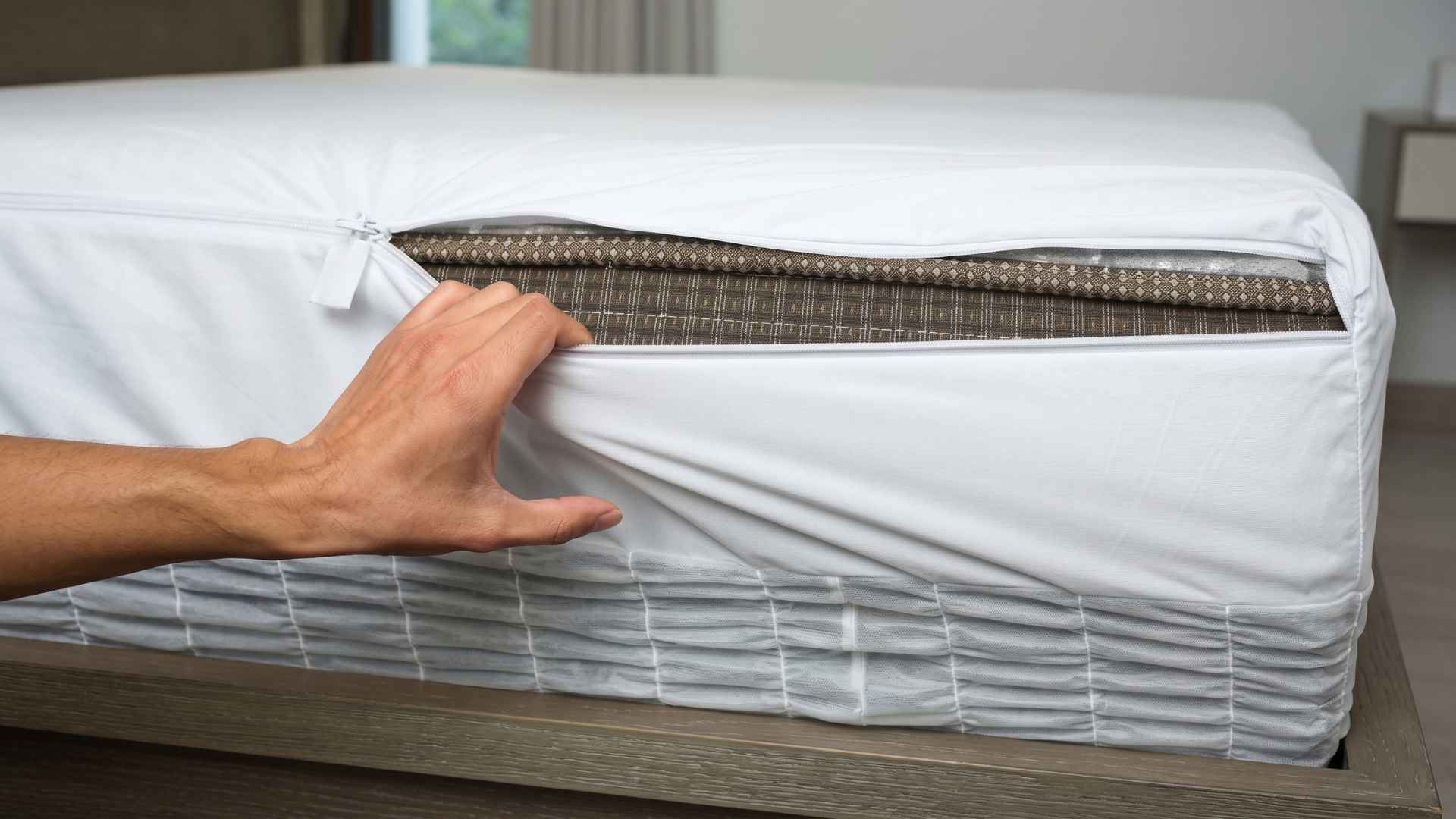
The EPA specifically recommends encasements for both the mattress and box spring to help keep bed bugs off the bed. Box springs are the top hiding spot for bed bugs because they are dark, hollow, and rarely disturbed. Covering only the mattress while leaving the box spring bare leaves a massive gap in your plan.

A good cover works in two ways. First, it gets rid of the tight folds and seams where bugs love to hide. Second, it traps any active bugs and eggs right inside. Bed bugs are tough and survive for months without a meal. You need to keep the covers zipped tight for a full year to make sure everything inside starves.
Place Interceptors Under Each Bed Leg
Put a plastic interceptor under every leg of the bed frame. These small trays catch bed bugs as they try to climb up from the floor, and they also make it harder for bugs to move between the bed and the room unnoticed.

Check the traps regularly during treatment. Fewer bed bugs over time is a good sign that the infestation is starting to shrink.
Remove Everything From Under the Bed
Boxes, shoes, and general clutter stored under a bed give bed bugs extra hiding spots close to their food source. Clearing that space out entirely clears out cover and makes any remaining activity far easier to spot during inspection.
Wear Pajamas
Long pajamas can help reduce how much skin is exposed overnight, especially around your arms and legs. Although it does not stop bed bug bites entirely, it can limit some easy access points.
You need to wash and dry the pajamas regularly along with your bedding. It will remove any bed bugs or eggs that might have ended up on the fabric before those clothes reach a closet, hamper, or another room.
Install Bed Bug Indicators
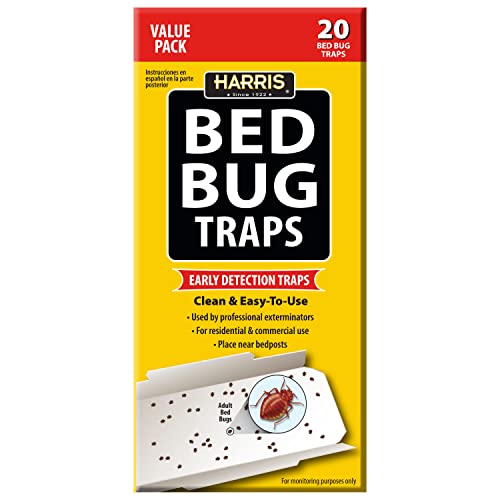
You can also install sticky monitor traps near your headboard and footboard before lying down to your bed. It will catch bed bugs moving toward you and will somehow reduce the overnight biting. You can not rely only on this method as it is never gonna end the bed bug infestation, though. If you do it alongside leg interceptors, professional treatment, high-heat laundry drying, and proper mattress encasements, you can take out the colony for good.
What Bedding Should You Use During Bed Bug Treatment?
Wash and dry your bedding and pajamas daily during active treatment, using the hottest setting your fabric allows. Heat above 118°F kills adult bed bugs within about 20 minutes, and eggs need slightly more, closer to 120°F, before the heat reliably kills them.
A standard dryer cycle on high easily clears both thresholds. Avoid pulling bedding from the infested room and storing it in another part of the house, even temporarily, since that’s exactly how bed bugs end up spreading beyond where they started.
Can You Sleep on the Couch or Another Room Instead?
Sleeping somewhere else can feel like the only tolerable choice once bed bugs are in the room. It is possible, but the move comes with a higher risk of carrying the infestation into another part of the house.
- Bed Bugs can tag along on clothing, blankets, or bags carried between rooms
- A new room gives them a fresh area to establish, extending the infestation
- Couches and upholstered furniture offer just as many hiding spots as a mattress does
- Avoiding this outcome largely comes down to not moving items in and out of the infested bed bug room at all
If you decide to sleep somewhere else, keep anything that leaves the room contained and treat it before it enters another space. Clothes and bedding should go straight into the laundry routine. Wash or heat treat them promptly, and avoid setting untreated belongings down in another room.
When Temporary Relocation Makes Sense
- The infestation has already spread beyond a single room
- A household member has a severe allergic reaction to bites
- Professional treatment specifically requires the space to be empty for a set period
- A car ride is unavoidable, in which case check seats and floor mats carefully afterward, since bed bugs can infest vehicle interiors just as easily as furniture
Do Bed Bug Bites Show Up Right Away?
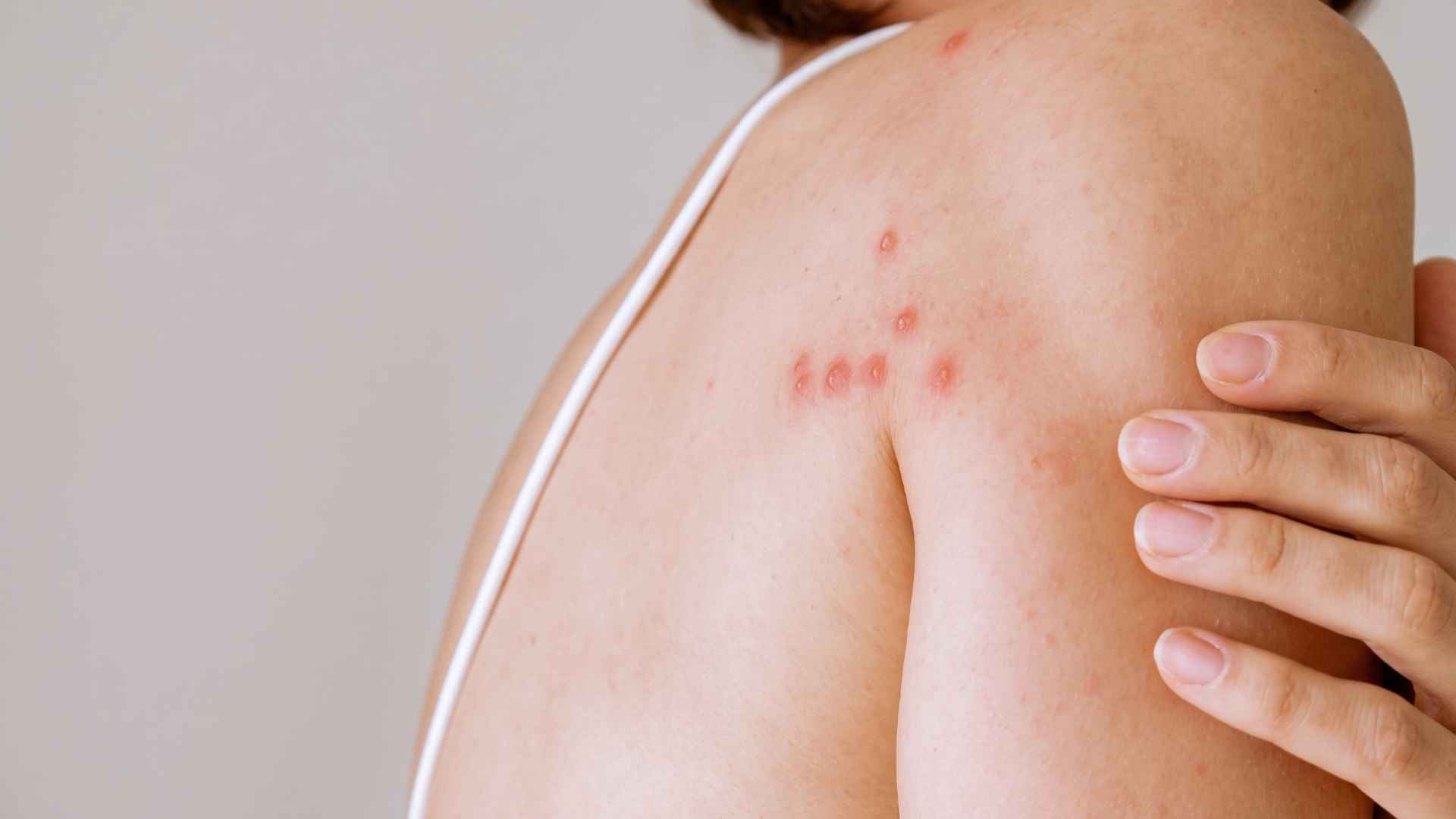
Bed bug bites can be frustratingly inconsistent. The appearance of bed bug bite marks vary from person to person. You will notice, if you have bed bug infestation, that some of you show bed bug bites signs on the very first day. For others, it can take up to 14 days for any signs of bites to become visible.
The majority of bed bug bites occur on exposed parts of the body. It includes your arms, back, face, neck, and legs. You cannot feel their bite because bed bug saliva contains a mild numbing compound.
Does Dry Cleaning Kill Bed Bugs?
Dry cleaning kills bed bugs quite effectively once it hits the heat threshold that bed bugs and their eggs cannot bear. We generally recommend home laundry as a better DIY option, since you can normally heat dry your clothing, curtains, or fabric items. You can even use a bed bug steamer to kill bed bugs and their exposed eggs if you have a severe infestation and you want to deal with them on your own.
How Long Should You Keep Sleeping in the Same Room With Bed Bugs?
Keep using the same room until you have real evidence that the bed bug infestation is gone. Bites may stop for a period even when a few bugs remain, and moving to another room can give those survivors a new place to follow you.
Bed bugs are extremely resilient and can go a long time between blood meals. That means a week or two of calm does not automatically equal success.
The better measure is activity. Professional inspection, empty interceptors, and no fresh signs over a steady stretch of time tell you far more than bite marks alone. Once those checks stay clear, you can feel much more confident that the treatment actually worked.
Contact Professional Pest Control To Eliminate Bed Bugs
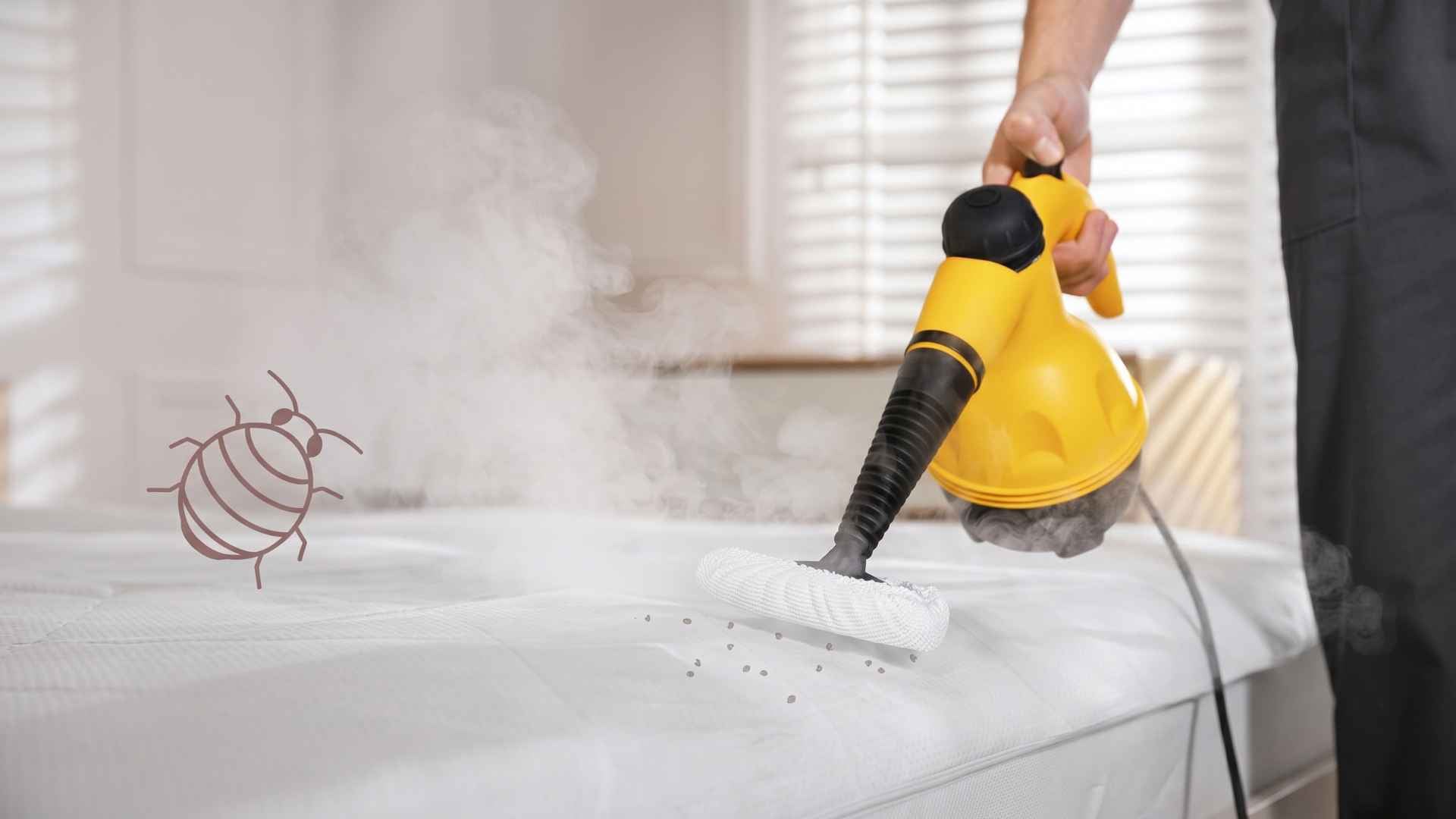
A DIY approach handles a lot of the day to day management here, sealing beds, washing fabric, and running interceptors, but full elimination usually needs a professional.
Orkin’s technicians bring access to heat treatment equipment and targeted insecticide options that go well past what’s available over the counter, and they can confirm whether an infestation is actually cleared or just temporarily quiet.
For a population that’s been established for a while, or one that’s spread beyond a single room, bringing in professional help early tends to shorten the whole ordeal considerably compared to managing it alone indefinitely.
Frequently Asked Questions
Can I sleep in my bed during bed bug treatment?
Yes, and in most cases you should, unless your pest control provider specifically instructs otherwise for a particular treatment method like whole room heat.
Will bed bugs follow me to another room?
They can, carried on clothing, bedding, or bags, or by crawling directly if the rooms connect closely enough. This is exactly why staying put tends to contain the problem better than relocating.
Can I sleep on the floor if I have bed bugs?
It’s not the right call. Floor level sleeping puts you in even easier reach of bed bugs traveling along baseboards, removing the barrier a properly isolated bed frame provides.
Should I throw away my bed if I have a bed bug infestation?
In most cases, you do not need to. Encasements can seal bed bugs inside the mattress and box spring and make the bed easier to monitor.
Can bed bug interceptors stop bed bug bites?
They significantly reduce bites by catching bed bugs before they reach the bed, though they work best paired with encasements and a bed frame pulled away from the wall.
Can I sleep somewhere else if I have bed bugs?
You technically can, but it isn’t the recommended move. Doing so risks spreading the bed bug infestation to a new area rather than keeping it contained to where it was actually started.
Will sleeping with lights on stop bed bugs?
Bed bugs will still feed even when the room is bright. Keeping the lights on may make you feel more comfortable, but it will not stop them from coming out.
How can you reduce bites while you wait for treatment?
Use mattress/box spring encasements, wash and dry bedding on high heat, wear full-coverage sleepwear, and use interceptors under bed legs.
Should you stay with friends or family?
Usually no, because bed bugs can hitchhike on clothing and bags and you could accidentally spread them to someone else’s home.
Wrapping Up…
Staying in the infested bed bug room feels wrong at first, but it genuinely gives you the best shot at containing the problem to one space instead of several. Pair encasements, interceptors, and a bed pulled off the wall with daily washing on high heat, and change your sheets as often as it takes to feel more comfortable while treatment runs its course. You can indeed get rid of bed bugs by keeping the fight in one room and bringing in professional help once the population outgrows what interceptors and heat alone can handle.