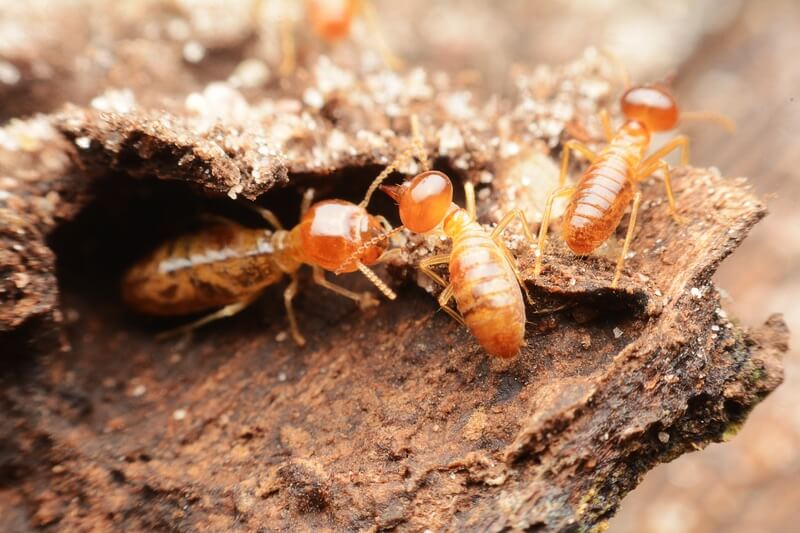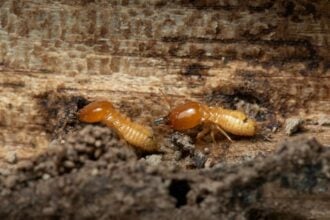

Discovering hundreds or even thousands of winged insects suddenly emerging from your home might sound like a scene out of a sci-fi movie, though. This is exactly what happens during termite swarms.
These events alarm homeowners because they are a visible sign of a termite infestation that has likely been developing silently for months or years.
So, how long do termites swarm, and what do these events mean for your property? In this blog, we’ll explain to you all about termites swarming behaviour, how long these events last, and what steps to take if, unfortunately, you witness one. Keep scrolling!
Table of Contents
How Long Do Termites Swarm on Average?
A single swarm event most likely lasts between 30 to 40 minutes from start to finish. During this brief window, winged termites called alates emerge from their colony to mate and attempt to establish new colonies elsewhere.
Some termite swarm durations could extend slightly longer to a few hours in certain conditions. The majority of swarming activity concentrates into that first half hour. The short termite swarm duration reflects the vulnerability of these flying termites to predators and environmental conditions once they leave the protected environment of their colony.
What Triggers Termite Swarms?
Temperature
Termites swarm only after specific temperature thresholds are met because the alates need warm conditions to fly successfully. Subterranean termites typically swarm when temperatures reach the 70s Fahrenheit. This, therefore, occurs during the spring months.
Besides, temperature fluctuations can delay or accelerate swarming, which is why the termite swarm season varies by geographic location and yearly weather patterns.
Moisture
Recent rainfall or high humidity creates optimal moisture conditions that trigger termite swarms. The moisture softens soil near the surface of their nest. Adequate moisture also improves survival chances for newly established colonies. Turns out, termites swarm oftentimes after spring showers or during periods of sustained humidity.
Time of Day and Season
When do termites swarm depends significantly on the termite species and time of year.
- Subterranean termites typically swarm during daylight hours in spring, usually between February and April in most regions.
- Drywood termites won’t swarm until late summer or early fall. They prefer warmer months for their reproductive flights instead.
- Dampwood termites tend to swarm during the summer when conditions in wooded areas provide optimal moisture levels.
The time of day also varies by species, though most swarms occur during morning or early afternoon.
How Long Does a Termite Swarm Last Inside a House?
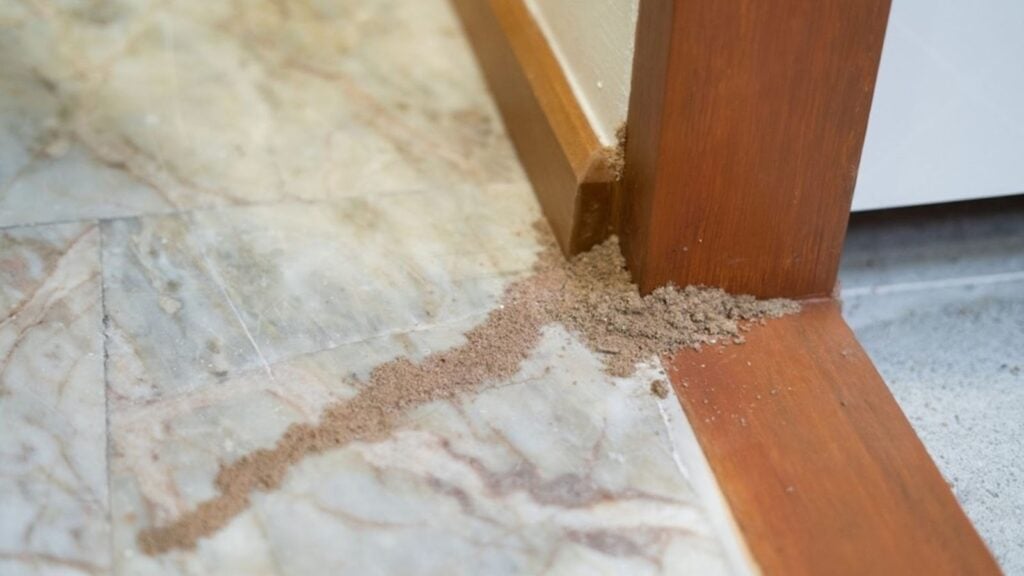
If termites swarm inside your home, the event follows a similar timing to outdoor swarms. They could last roughly 30 minutes to perhaps an hour. Despite that, the indoor environment creates confusion for the alates because they’re attracted to light and will congregate near windows or light fixtures rather than dispersing outside as they would during outdoor swarms.
These indoor swarms indicate that a colony has established itself inside your home structure, which represents a serious infestation requiring immediate professional attention. The termite swarm duration indoors may actually extend slightly longer than outdoor swarms because the enclosed space prevents natural dispersal.
Signs of a Termite Swarm
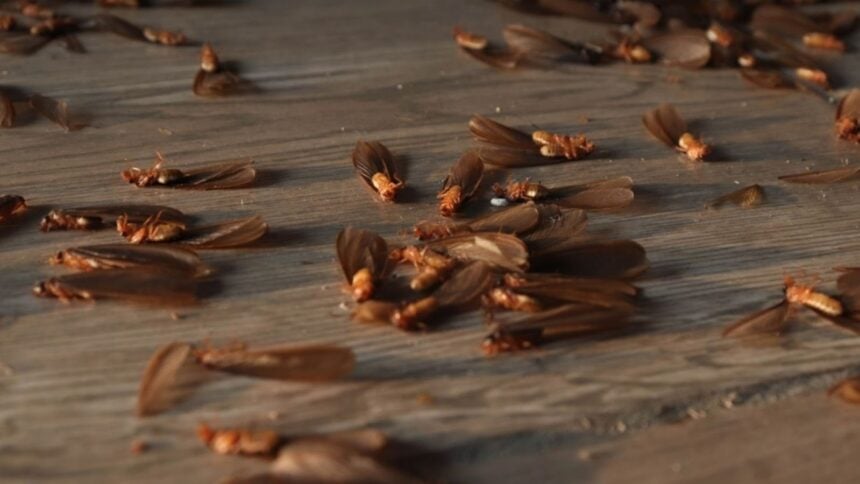
- Discarded wings near windows: They appear after termites swarm because alates shed their wings shortly after landing and pairing off with mates. These delicate wings pile up on windowsills, in spider webs, or along foundation walls where swarmers emerged.
- Flying termites indoors: If you see winged insects flying near windows or clustering around indoor lights, you’re witnessing a termite swarm in progress. These swarmers often can be found near windows as they’re attracted to light and attempt to escape the building.
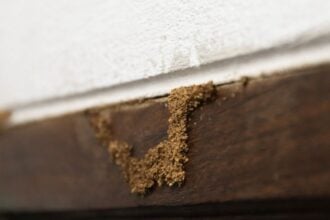
- Mud tubes: These tubes on your foundation walls or in crawl spaces indicate an established subterranean termite colony that will likely produce swarms once it reaches maturity. Although mud tubes don’t prove swarming has occurred, they confirm termites are present and will eventually swarm.
- Small piles of wings: Accumulation of small piles of wings in specific areas over several days suggests multiple smaller swarms rather than one large event. The number bred each year varies based on colony size and termite subgroup, so some colonies produce numerous small swarms while others generate one massive emergence.
Steps to Take if You See a Termite Swarm
Stay Calm
Seeing termites swarm can trigger panic, but remember that swarming termites are harmless to humans. They do not eat wood, bite, or sting during their brief time as winged reproductives. The swarmers themselves pose zero immediate threat and will drop and die in a short period of time after emerging. Your concern should focus on what the swarm indicates about hidden termite activity.
Observe and Document
Take photos or videos of the swarm if possible. Note down the location, time of day, and approximate number of insects involved. This documentation helps pest control professionals understand the scope of your infestation and identify which termite species you’re dealing with. Try to capture images of both flying termites and any discarded wings you find. If safe to do so, collect several dead swarmers in a sealed container to show the pest control company.
Seek Professional Help
Contact a licensed termite control company immediately after witnessing signs of termite swarm activity. Don’t wait to see if the problem resolves itself because the swarm indicates an established colony that’s been damaging your home already.
What Happens After a Termite Swarm?
Swarmers die quickly after emerging, with most perishing within hours of flight. You may vacuum them up or sweep away the dead insects without concern. The dead swarmers create quite a mess but don’t represent ongoing danger. However, their corpses serve as food for ants and other insects, sometimes creating secondary pest issues if left uncleaned.
New colonies may form if any swarmer pairs successfully mate and find suitable locations to establish nests. The vast majority of swarmers die before reproducing, but even a small success rate means new colonies potentially develop near your property. Since swarmers can travel significant distances on good flying days, new infestations might begin in neighbouring properties or different areas of your own land.
Existing colony remains active and continues damaging your home regardless of whether the swarm succeeds in spreading to new locations. The parent colony that produced the swarm isn’t affected by the swarming event and will keep consuming wood, expanding tunnels, and growing larger until treated professionally. Due to this ongoing threat, what to do after termite swarm sightings must include inspection and treatment of the source colony.
What is a Termite’s Worst Enemy?
Termites face numerous natural predators, but ants represent their most significant enemy in nature. Certain ant species actively hunt termites, raiding colonies and consuming workers, soldiers, and even reproductives.
Nematodes, certain fungi, and various beetle species also prey on termites. However, from a homeowner’s perspective, the termite’s worst enemy is early detection combined with professional treatment.
Regular inspections catch infestations before extensive damage occurs, and modern treatment methods eliminate entire colonies effectively. Your vigilance and quick response to termite swarms or other warning signs provide the best defence against these destructive pests.
Should You Be Worried About a Short Swarm?
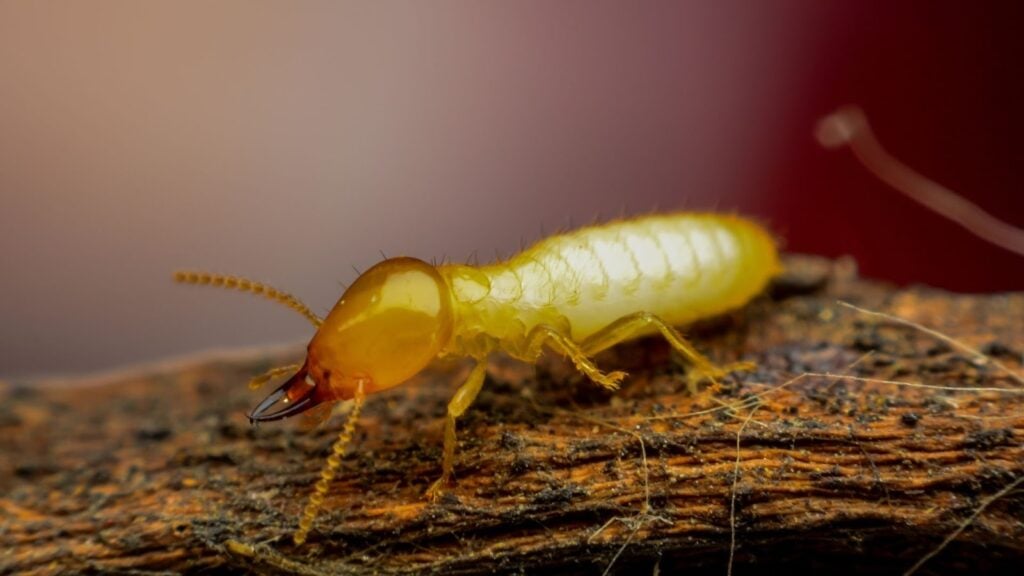
Indeed, you should. Even brief termite swarms lasting only 20 to 30 minutes indicate serious infestation concerns. The short duration doesn’t minimize the problem because a single swarm involves hundreds or even thousands of swarmers emerging from an established colony that took years to reach swarming maturity.
Beyond that, termites may swarm multiple times over weeks or even months, so one brief event might be followed by several others. The colony size required to produce swarmers means extensive hidden damage has likely accumulated in your structure already.
Wrapping Up…
Understanding how long termites swarm and what these events mean empowers you to respond appropriately when you encounter one. The typical termite swarm duration of 30 to 40 minutes might seem insignificant, but it represents years of hidden colony development and potential structural damage to your home. If you see a swarm of termites around your home, whether lasting minutes or hours, contact pest control professionals immediately for inspection and treatment. The brief nature of termite swarms makes them easy to dismiss or ignore, but doing so allows established colonies to continue causing damage that becomes increasingly expensive to repair. Take all termite swarms seriously regardless of how long do termites swarm in your specific encounter, and act quickly to protect your property investment.
FAQ
How long does a termite swarm usually last?
Most termite swarms last around 30 to 40 minutes, although some may continue a bit longer depending on the species and conditions.
Can a termite swarm last for several hours?
Yes, some swarms can seem to last a few hours, especially indoors where termites gather around windows, doors, and lights instead of dispersing quickly.
What triggers termites to swarm?
Warm temperatures, recent rain, humidity, and the right seasonal conditions often trigger termite swarms. Different species also swarm at different times of year.
Is an indoor termite swarm a serious sign?
Yes, an indoor swarm often suggests termites are already established somewhere inside the structure, which makes it an issue worth taking seriously.
What are the signs of a termite swarm?
Common signs include flying termites, discarded wings near windows, clusters of insects around lights, mud tubes, and small piles of wings.
Should I worry if the swarm was short?
Yes. Even a brief swarm can point to a mature colony nearby or inside the home. The short length of the event does not make it less important.
What happens after termites swarm?
Most swarmers die quickly, but some may pair up and try to start new colonies. The original colony remains active unless it is professionally treated.
What should I do if I see a termite swarm?
Stay calm, document what you saw, and contact a licensed termite professional for an inspection. Quick action gives you the best chance of limiting further damage.