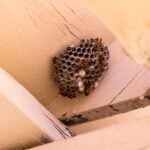

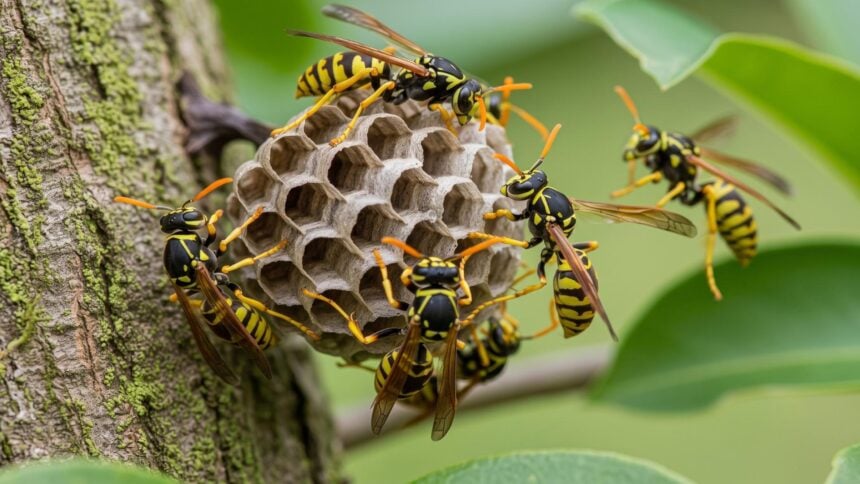
A wasp nest the size of a golf ball in April can easily balloon into a massive swarm of thousands of insects by August. Most families completely miss the early red flags. Staying proactive about wasp nest inspection is one of those household tasks that feels totally pointless. Then suddenly you find yourself inches away from an active colony without warning.
Knowing how frequently to look around your property for wasp nests depends largely on the current month. Wasp behavior follows a very steady yearly timeline that kicks off small and explodes rapidly. This breakdown explains the best times to search, the exact spots to scan, and the tactics that stop wasp infestation before it turns dangerous.
Table of Contents
How Wasp Colonies Get Started
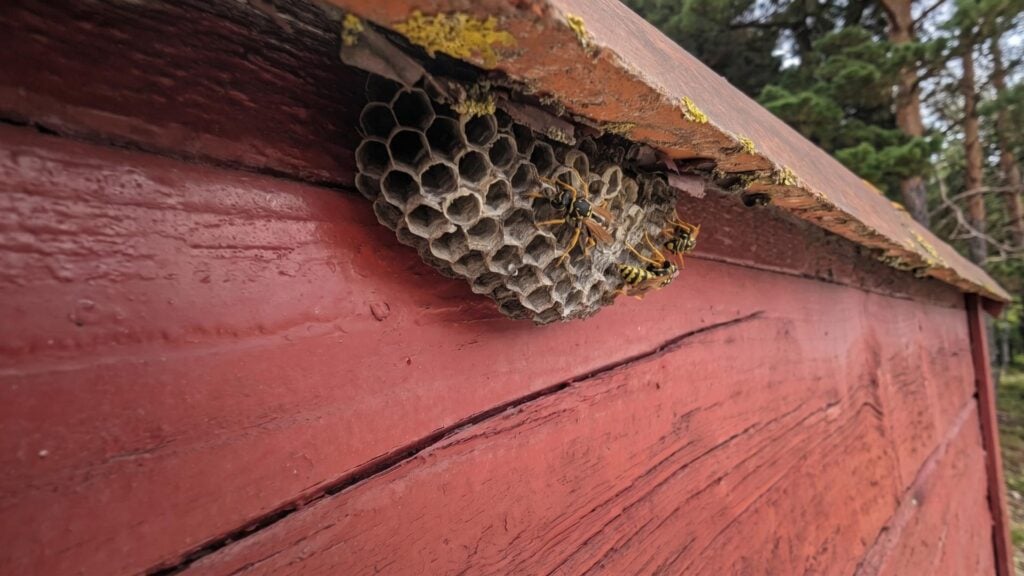
Every single wasp colony starts out with a lone queen during the early spring days. She relies on a warm, sheltered spot to survive the freeze by herself. Then she comes out once daytime temperatures stay above 50 degrees. This rollout happens between late March and early May based on where you live. Next, she shapes a tiny starter home and lays her initial group of eggs.
A project that started smaller than a golf ball ballooning rapidly once the first worker insects hatch. They take over the daily hunting chores so the queen can focus purely on laying eggs. As research from the UC Agriculture and Natural Resources explains, yellowjacket and paper wasp queens typically begin establishing nests in late winter to early spring, with populations growing steadily from spring through midsummer as larvae require large amounts of protein to develop.
Signs You May Have a Wasp Nest
Get practical help identifying pests, preventing infestations, and protecting your home throughout the year.
View the Pest Control eBook- Wasps Flying the Same Route Repeatedly: A consistent flight path back and forth to one specific spot usually means workers are commuting between the nest and a food source.
- Frequent Wasps Around One Area: Noticing more wasps concentrated near a single section of your home, rather than scattered randomly around the yard, is a strong indicator something is established nearby.
- A Small Gray Paper Nest: Paper wasps build distinctive umbrella shaped nests from a papery material, often visible under eaves or overhangs even at a small size.
- Buzzing Sounds Inside Walls or Ceilings: This often points to a nest built inside a wall void or attic space, which is harder to spot visually but easier to hear.
- Increased Wasp Activity Near Doors or Windows: Wasps investigating entry points around your home’s structure can signal a nest building inside rather than just outdoor activity.
How Often Should You Inspect Your Home for Wasp Nests?
Spring: Every 1 to 2 Weeks
The spring months offer the absolute best window to spot and tackle wasp nests before they turn into a major hazard. A queen spends months preparing for this phase. However, her colony stays small and highly manageable right now. You usually find a tiny group of worker insects protecting a structure you can clear away safely. Regular biweekly inspections catch these setups while they are still incredibly weak.
Summer: Every 2 to 4 Weeks
By summer, established wasp colonies are expanding fast, and new queens from earlier in the season may be starting fresh nests of their own nearby. A monthly to biweekly check keeps you ahead of both existing wasp colonies growing larger and any new starter nests appearing. This is also peak wasp season for outdoor activity, so pay close attention to areas where your family spends time, patios, decks, and entryways specifically.
Fall: Inspect Monthly
Colonies reach their peak size in early fall before naturally declining as cold weather approaches. A monthly check during this period helps you catch any nests that grew unnoticed over the summer, and it gives you time to handle removal before wasps become more aggressive as the colony starts to decline and food sources dwindle.
Winter: One Visual Inspection
Most wasp activity stops entirely once consistent freezing temperatures set in, since worker wasps die off and only next year’s queens survive in hidden overwintering sites. One thorough winter inspection is still worth doing, mainly to locate and remove any abandoned nests before spring, since old nests can sometimes attract new activity the following season.
Where to Focus When You Inspect Your Home for Wasp Nests
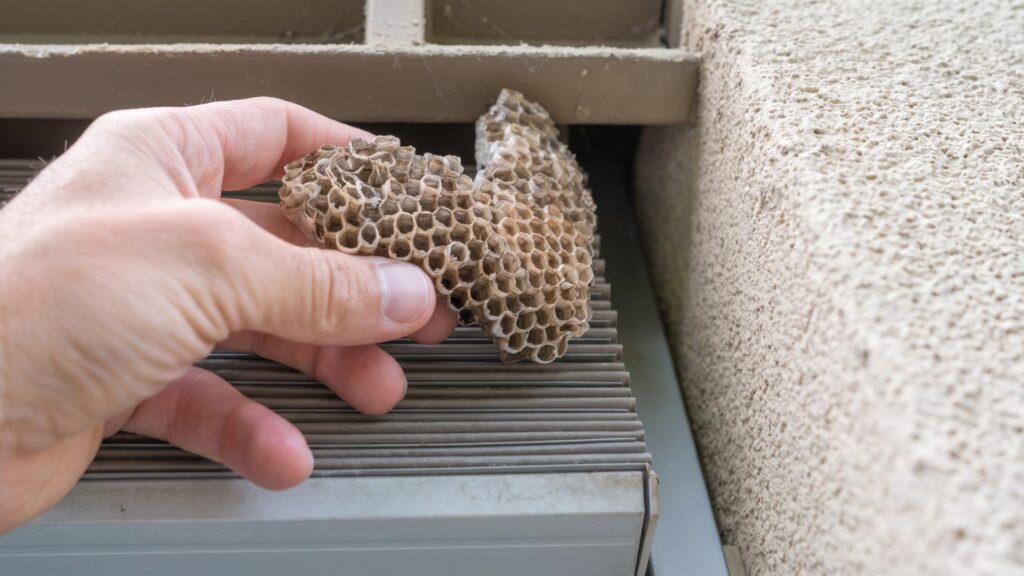
Beneath roof eaves, overhangs, and open garage rafters are consistently the most common wasp nesting spots, since they offer shelter from rain while staying elevated and protected. Deck railings and the underside of deck boards are another frequent target, along with the corners of window frames and door trim.
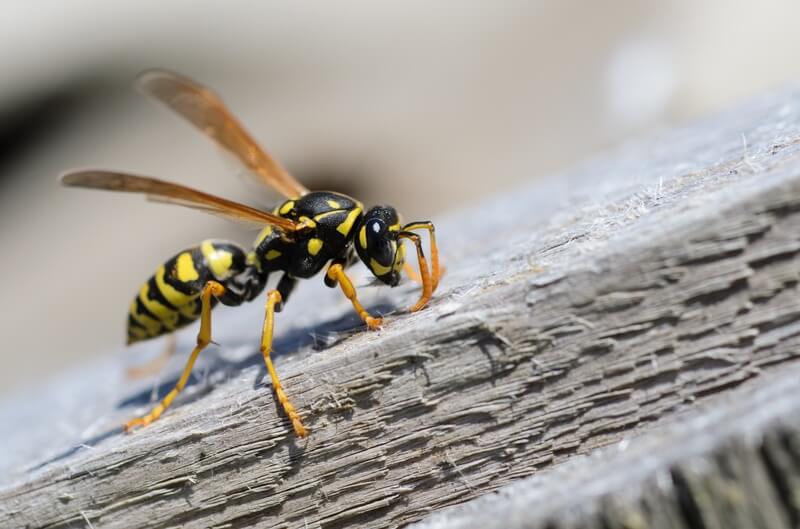
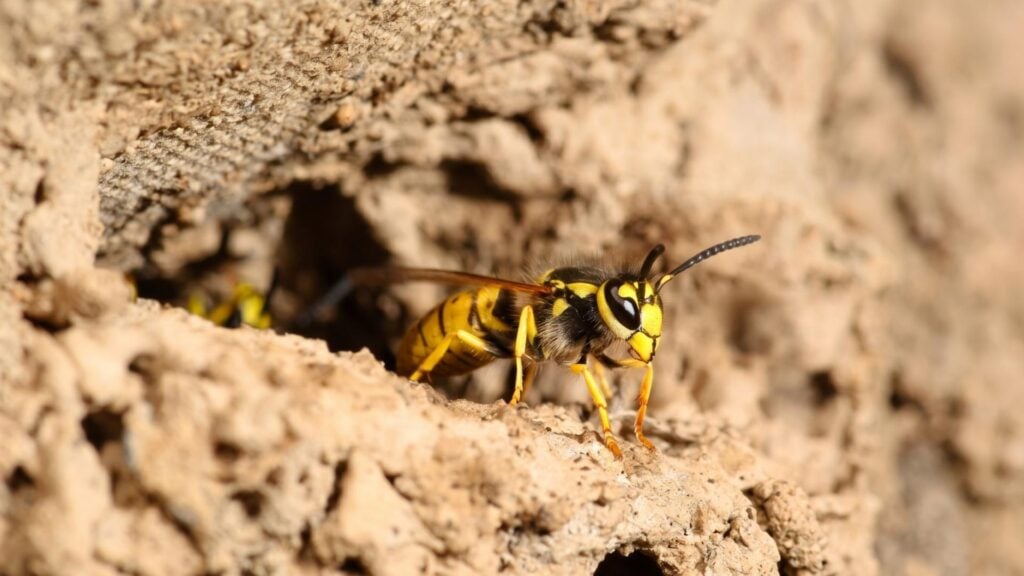
Inside grills, outdoor furniture, and dense ornamental shrubs near the house are worth checking too, particularly early in the season when nests are still small enough to hide easily. Attic spaces deserve attention as well, since a gap in soffit venting or a small structural opening is all it takes for a queen to establish a nest indoors where it stays hidden until the colony has already grown substantial. Yellowjackets are frequently mistaken for paper wasps, and yellowjackets specifically tend to favor these hidden, enclosed spaces over the more exposed nests paper wasps typically build.
Best Wasp Repellents to Get Rid of Infestation
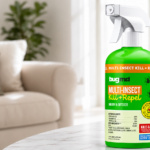
Natural Wasp and Bee Repellent Spray

This plant-based wasp repellent spray relies entirely on natural essential oils instead of toxic compounds. It serves as an excellent choice for families with young children and dogs playing outside on the patio or near the lawn. The 16-ounce bottle covers a massive footprint. Because it remains non-toxic, you can treat high-traffic outdoor dining spaces without locking your family indoors for the afternoon.
Raid Wasp and Hornet Killer Spray

If you need to clear an active hive immediately, this remains an exceptionally reliable chemical option. The formula destroys the entire colony instead of wiping out only the pests buzzing around the yard. The two-pack of 14-ounce cans delivers plenty of volume to treat several trouble zones across your yard.
Natural Wasp Repellent Pouches

These peppermint-scented bags function as a defense strategy instead of a direct weapon. They discourage yellowjackets, hornets, and mud wasps from building homes around your porch, patio, or landscaping. The 16-count box provides enough material to protect multiple high-risk areas. Because the ingredients are completely safe for kids and animals, you do not have to worry about introducing dangerous toxins into the spaces where your family loves to relax.
Calling Professional Wasp Control
If you’ve found an active nest larger than a baseball, discovered one hidden inside a wall or attic space, or you’re simply not comfortable handling removal yourself, it’s time to bring in professional help. Orkin’s trained technicians handle wasp nest removal safely, using the right protective equipment and treatment methods to eliminate colonies without the risk that comes with DIY removal on a nest that’s already grown large. For anyone managing an active infestation or a nest in a hard to reach spot, a professional Orkin inspection takes the guesswork and the risk out of the process entirely.
Frequently Asked Questions (FAQs)
How often should I inspect my house for wasp nests?
Spring calls for checks every one to two weeks since colonies are smallest and easiest to remove during this window. Summer and fall shift to a monthly or biweekly schedule as colonies reach full size, and one thorough visual inspection during winter helps you clear out abandoned nests before the next season begins.
Where do wasps begin building nests in spring?
Queens typically choose sheltered, elevated spots like roof eaves, overhangs, and garage rafters to start their first nest. Deck undersides, window and door trim corners, and gaps in attic ventilation are also common early season nesting locations.
What’s the safest time of day to inspect for wasp nests?
Early morning or dusk are generally the safest windows, since wasps are less active and more likely to be inside the nest rather than out foraging. Cooler temperatures during these times also make wasps noticeably less aggressive than during peak midday heat.
Wrapping Up…
Staying ahead of wasp activity comes down to consistency more than anything else. Regular seasonal checks catch nests while they’re still small and manageable, well before a golf ball sized start turns into a colony with hundreds of workers defending it. Focus your inspections on eaves, overhangs, deck areas, and attic spaces, adjust your checking frequency with the seasons, and don’t hesitate to call a professional once a nest grows beyond what feels safe to handle on your own.