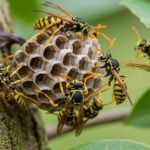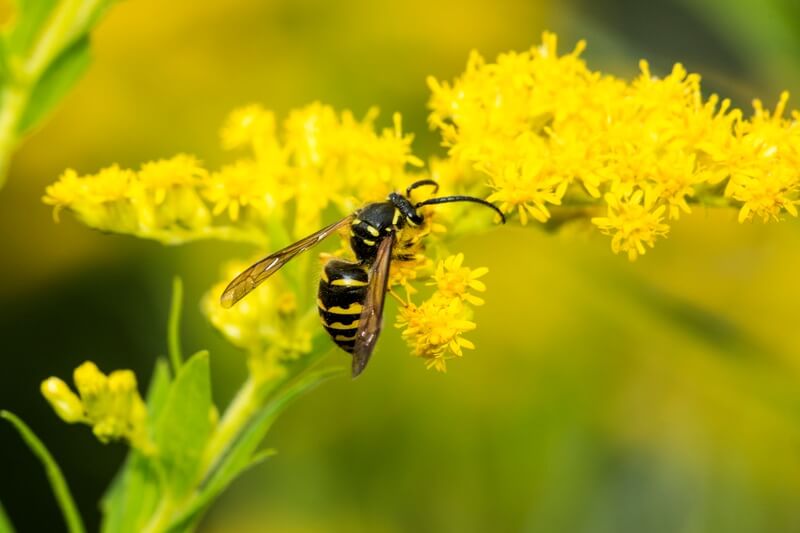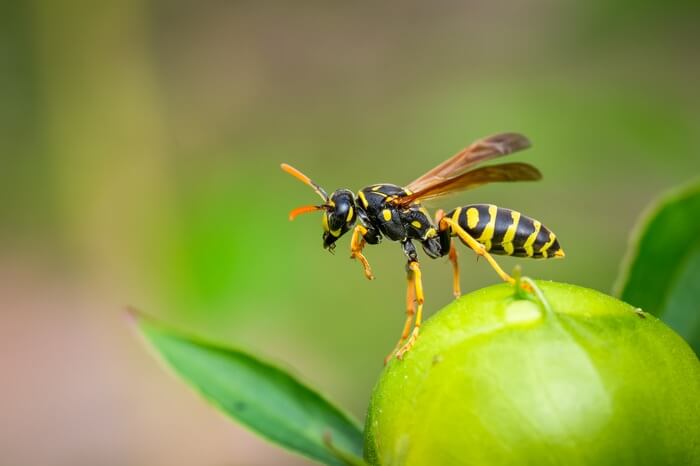

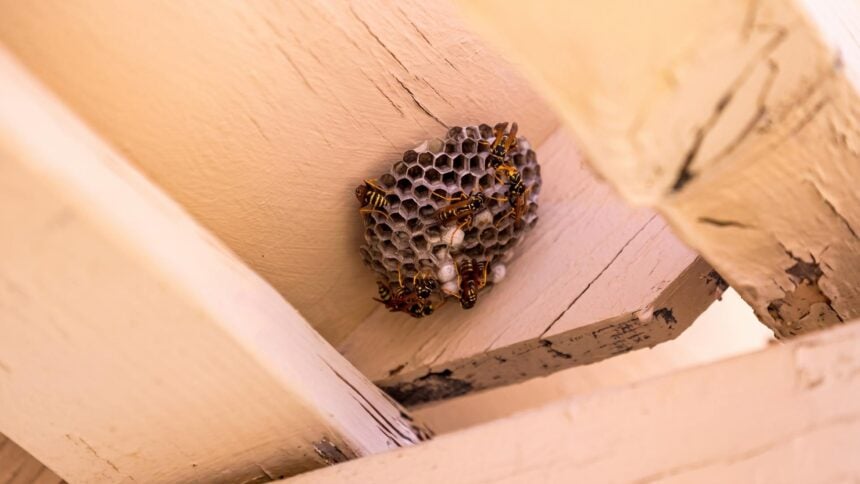
The quick answer is no, a fresh queen rarely moves into an old wasp nest. Paper structures fall apart during the winter freeze. Surviving wasp queens, in turn, prefer to build from scratch or find clean, hidden hollows instead of occupying last season’s layout.
Even so, families constantly notice new colonies appearing in the same precise locations every summer. This pattern makes it look like the wasps are just reclaiming their previous home. Though, in reality, they aren’t.
The real explanation has more to do with what makes a location appealing in the first place than any wasp actually remembering or reclaiming a previous nest. We’ll explain why old locations invite fresh activity, how colonies survive the winter months, and the steps to stop new builds from forming in your favorite outdoor spaces. Keep reading!
Table of Contents
Will Wasps Come Back to an Old Nest Next Spring?
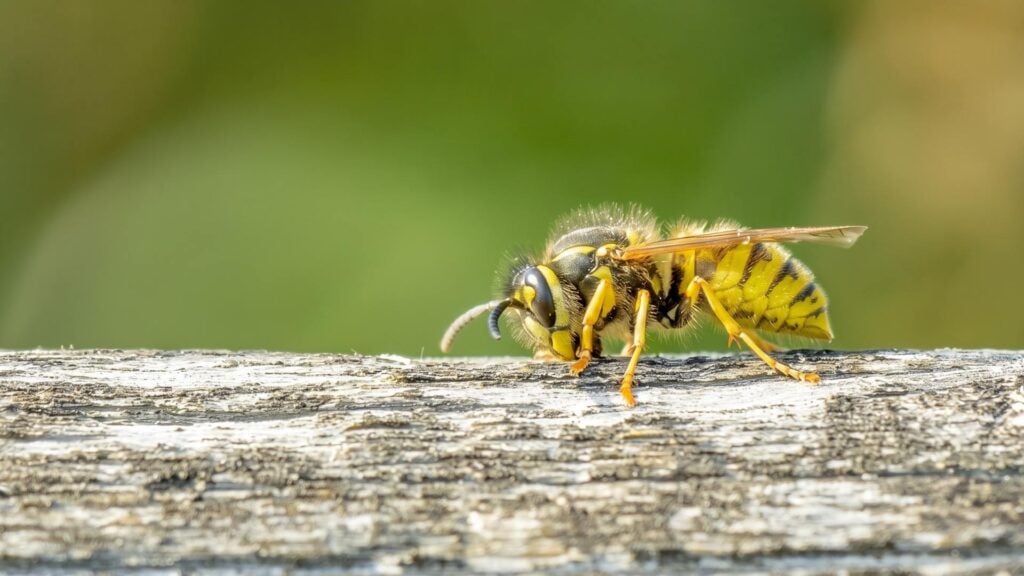
The insects that built a particular home die off completely by late autumn. The paper shell remains vacant and abandoned once the freezing weather arrives. Come spring, an entirely fresh queen discovers that exact same protected area.
She builds a brand-new home right alongside the previous ruin because the architecture of your house remains highly inviting. Turns out, wasps will not reclaim any abandoned nests next spring.
Why Do New Wasp Nests Often Appear in the Same Spot?
The actual location draws constant attention rather than the abandoned paper frame. Roof eaves, porch overhangs, and hidden cavities protect a colony from heavy rain. These spots offer those same perks to an entirely fresh queen next spring. If your house features a loose soffit vent or a tight corner under the backyard stairs, it remains a prime target.
You must fix the structural flaw itself to stop them. Homeowners notice a repetitive building pattern and think the old wasp returned or the old wasp nest has attracted the new colony. In reality, a different queen simply found an excellent spot to start completely from scratch.
What Happens to a Wasp Nest During Winter?
Once cold weather sets in, the vast majority of the colony dies off completely. Worker wasps, males, and the original queen do not survive winter. The only wasps that make it through are newly produced queens, who leave the nest in late summer or early fall, mate, and then find a sheltered spot away from the nest entirely to hibernate through the cold months.
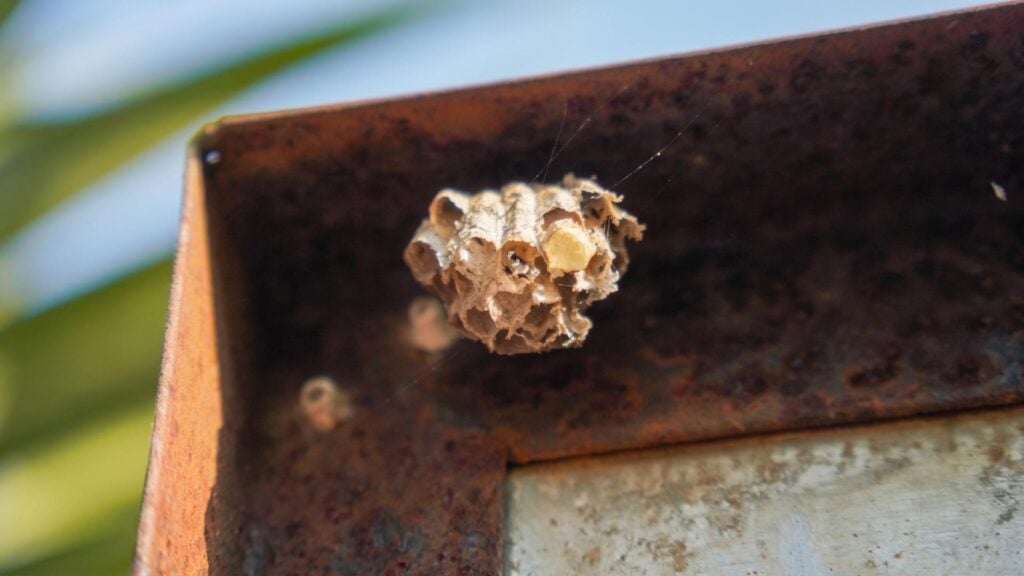
The nest structure itself, made of a papery material chewed from wood fiber, is left completely empty and begins breaking down through winter weather exposure. By spring, what remains is essentially a fragile, weathered shell with no wasps inside it at all.
Should You Remove an Old Wasp Nest?
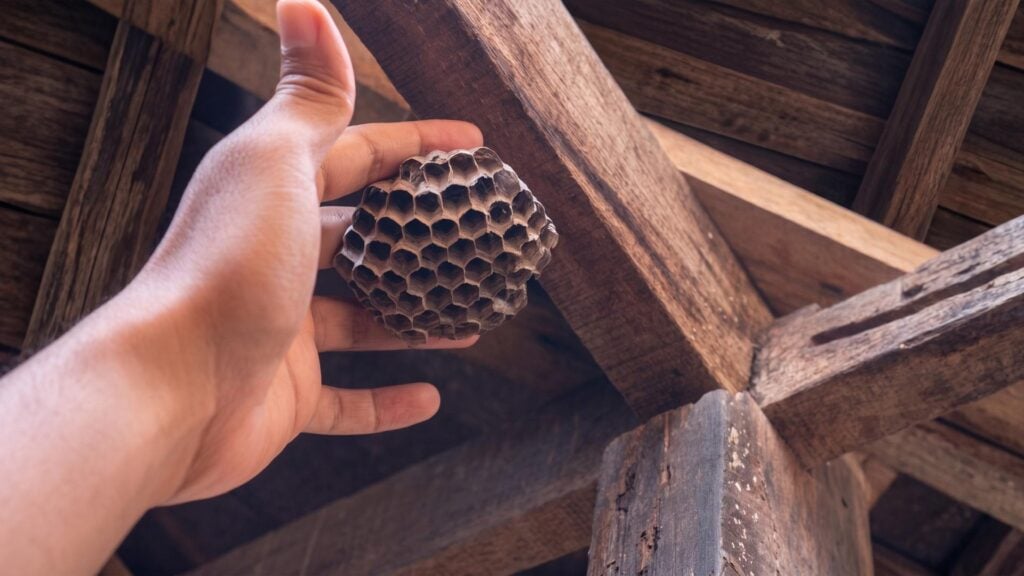
Clearing away a dead, empty hive is generally a smart move. This is true if you have curious children who might mess with it. It also prevents a fresh wasp queen from choosing that same cozy spot next spring.
Since the shell is entirely vacant, you face no danger of stings by pulling it down during the winter freeze. Even so, leaving it alone all winter causes zero problems. Many homeowners prefer waiting for spring yard cleanup instead of hauling out a ladder during freezing weather.
How to Stop Wasps From Nesting in Your Home
Inspect Roof Eaves Every Spring
Checking eaves, overhangs, and garage rafters early in spring gives you the best chance of catching a new wasp queen before her nest grows past the golf ball sized starter stage. This is genuinely the window where prevention is pretty easy, since a solitary queen building alone is far less committed to a specific spot than an established colony with hundreds of workers defending it.
Seal Cracks and Gaps to Stop Their Way In
Small voids along roof vents, soffits, and exterior joints provide queens a clear path into attic floors and walls. Em, these hollows offer the perfect shelter for a growing hive. Sealing these entryways removes the precise kind of hidden space that draws a colony in the first place.
Trim Dense Vegetation
Overgrown shrubs and dense plantings near the house create additional shelter options beyond just the structure itself. Keeping vegetation trimmed back removes some of the natural cover that wasp queens look for when scouting a nesting site close to your home.
Install Decoy Nests (Know Their Limitations)
Some wasp species are territorial and will avoid nesting near what appears to be an existing colony, which is the logic behind decoy nests. That said, their effectiveness varies considerably by species, and solitary wasps in particular tend not to respond to decoys the same way social species do. Treat this as a minor supplementary measure rather than a reliable standalone solution.
Use Preventive Wasp Sprays Around Nesting Areas

Applying a wasp preventive spray around common nesting zones, eaves, deck undersides, and window trim, before wasp season ramps up can deter queens from settling in during that early scouting period.

This works best as a proactive spring measure rather than a reaction after a nest is already established. Focus application on the exact spots where you’ve had activity in previous years, since those locations remain structurally appealing regardless of which wasps built there before.
When to Call Professional Wasp Control
If you’re dealing with an active colony rather than an old, dead nest, or if the nest sits somewhere difficult to reach safely, it’s worth bringing in professional help rather than risking multiple stings.
Angi connects you with licensed pest control professionals in your area who handle wasp removal safely and can also identify structural vulnerabilities around your home that keep attracting new queens year after year. Getting a professional assessment through Angi is particularly worthwhile if you’ve had repeated nesting problems in the same location across multiple seasons.
Frequently Asked Questions (FAQs)
Can wasps come back to the same nest next year?
In most species, no. The original colony dies off by late fall, and the paper structure degrades over winter. What looks like wasps returning is almost always a new queen choosing the same sheltered location, sometimes building directly onto or beside the remains of the previous nest.
Do paper wasps reuse old nests?
Paper wasps specifically tend to avoid reusing degraded structures, preferring to build a fresh nest each spring even if it ends up in a very similar location to a previous year’s nest. The weathered old structure simply isn’t structurally sound enough to serve as a foundation for new activity.
Why are wasps flying around an old nest?
If you’re seeing wasp activity around what you believe is an old nest, it’s worth checking closely, since this often means a new queen has started a fresh nest nearby, sometimes attached to or very close to the remnants of last year’s structure rather than actually inside it.
What month do queens start new nests?
Most queens emerge from hibernation and begin building once temperatures consistently climb above 50 degrees, typically landing somewhere between late March and early May depending on your specific region and that year’s weather patterns.
Wrapping Up…
An old wasp nest sitting under your eaves is not a threat on its own, since the colony that built it is gone and the structure itself is dead. What matters is addressing why that specific spot attracted a queen in the first place, sealing gaps, trimming vegetation, and inspecting early each spring before a new colony gets established. A queen wasp survives for roughly one year, hibernating alone through winter before emerging to start the entire cycle again, which means every spring genuinely resets the situation rather than continuing where last year’s colony left off. Stay ahead of the pattern rather than assuming last year’s problem spot has resolved itself.