


Winter drives mice indoors seeking warmth, food, and shelter from harsh conditions. Your garage offers everything these rodents need to survive cold months. Even if your garage is of the well-organized sort, a mouse infestation is going to disrupt the normal order of things and leave you feeling frustrated at best, if not a little scared.
The good news is that learning how to keep mice out of garage spaces does not require professional exterminators or expensive solutions. With a solid plan of action for keeping mice away, the task becomes manageable rather than overwhelming.
Table of Contents
How Are Mice Getting in My Garage?
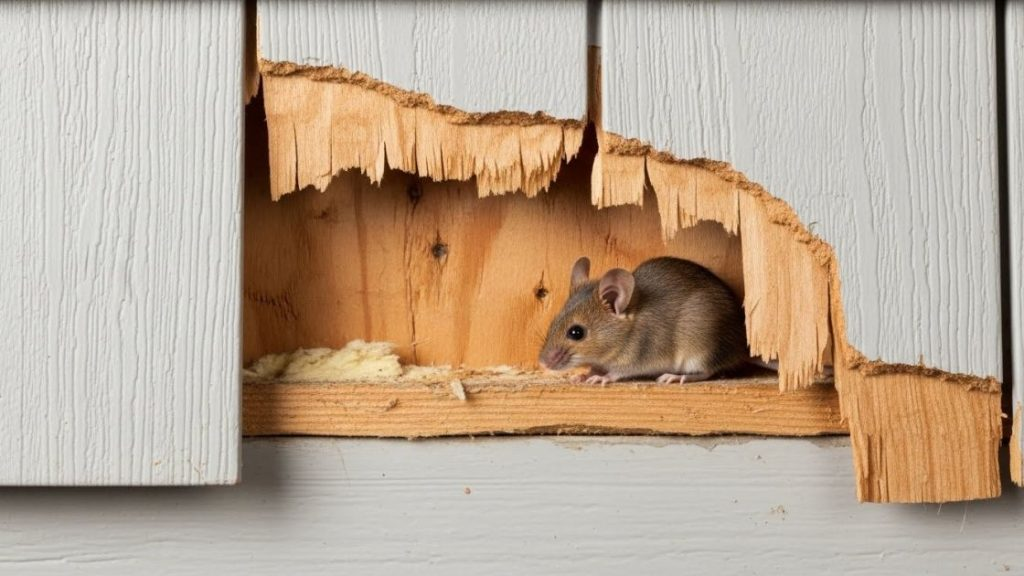
Mice squeeze through gaps as small as a dime. The garage door is the most common place where mice squeeze through, especially if the door is not properly sealed. Cracks in the foundation, gaps around utility lines, and spaces where walls meet the floor all provide entry points. Vents without proper screens invite mice inside. Even small openings around windows or where siding meets concrete allow access. Mice only need a quarter inch opening to slip inside your garage.
Signs You May Have Mice in Your Garage
Signs of a rodent infestation in your garage can include an unpleasant musky odor that lingers even after cleaning. Your pets might paw or scratch at walls where they hear or smell mice. Finding a nest made of shredded paper, fiber, or cloth confirms active inhabitants. Now you need to figure out if mice, not rats, are the problem by looking for specific clues.
Common signs of mice in garage include:
- Droppings near walls
- Rub marks along baseboards
- Tiny footprint tracks
- Gnawing on stored items
- Scratching noises at night
- Shredded material piles
- Musky urine smell
Mouse droppings appear small and pellet shaped, roughly the size of a grain of rice. You typically find them along walls where mice travel. Rub marks show as dark smudges where oily mouse fur contacts surfaces repeatedly. Tracks become visible in dusty areas. Gnawing damage appears on cardboard boxes, plastic containers, and even wooden items. Noise often occurs after dark when mice become most active.
Step-by-Step Guide to Keep Mice Out of Your Garage

Step 1 – Seal All Entry Points
Start by inspecting your garage thoroughly for any gaps or cracks. Walk the perimeter checking where walls meet the floor and ceiling. Examine around pipes, wires, and vents entering the garage. To seal garage gaps mice exploit, use steel wool stuffed into holes before covering with caulk or expanding foam. Mice cannot chew through steel wool, making it an effective barrier. Fill foundation cracks with concrete patch. Replace damaged weather stripping around doors and windows. Cover vents with quarter inch hardware cloth that allows airflow whilst blocking rodents.
Step 2 – Remove Food Sources
Mice survive on surprisingly little food, so eliminating every potential source matters. Never store pet food, birdseed, or animal feed in open bags. Rethink the way you are storing any potential food sources or nesting materials, as heavy duty containers with tight fitting lids are an easy answer. Move all edibles into sealed metal or thick plastic bins. Clean up any spilled seeds immediately. If you compost, keep bins tightly sealed and away from the garage. Remove garbage regularly and use cans with secure lids. Even small crumbs attract mice, so sweep floors regularly.
Step 3 – Declutter the Garage
Clutter provides perfect hiding spots and nesting materials for mice. Boxes stacked against walls create mouse highways invisible to you. Sort through stored items and discard what you no longer need. Organize remaining items on shelves rather than stacking on the floor. Store seasonal decorations and keepsakes in sealed plastic bins instead of cardboard boxes. Keep firewood outside rather than stacking it in the garage. Create clear pathways that eliminate dark corners where mice hide. The less clutter you maintain, the fewer places mice find to nest.
Step 4 – Use Natural Mouse Repellents
Natural repellents help keep mice out of garage spaces without toxic chemicals. Soak cotton balls in peppermint oil and place them near suspected entry points. The smell, however, has to be pretty strong to thwart them, so refresh these every week. Place cedar blocks in storage areas as mice dislike the scent. Spray a mixture of water and peppermint oil along baseboards monthly. Some people use ultrasonic repellents that emit sounds mice find uncomfortable, though results vary. These natural methods work best when combined with other prevention steps rather than used alone.
Step 5 – Set Traps in Key Areas

Even with prevention, you might need to eliminate existing mice. The most effective way to get rid of them is to set up traps strategically placed along walls where mice travel. Snap traps work quickly when baited with peanut butter. Position traps perpendicular to walls with the trigger end facing the baseboard. Place multiple traps because mice rarely travel alone. Check traps daily and dispose of caught mice promptly. If you have a car you rarely use, turn it on and rev the engine every now and then, as mice sometimes nest in vehicles. Continue trapping until you go a week without catches.
Step 6 – Install Garage Door Seals
Gaps under garage doors create superhighways for mice entering from outside. Install rubber threshold seals along the bottom edge of the door. These seals compress when the door closes, blocking the gap completely. Add weatherstripping along the sides and top of the door frame. Check that the door closes flush against seals without gaps. Replace worn seals annually as they lose effectiveness over time. This single improvement dramatically reduces mice in garage winter invasions.
Step 7 – Maintain Regular Cleaning
Ongoing maintenance prevents mice from returning after initial removal. Sweep the garage floor weekly to remove crumbs and debris. Wipe down surfaces where you might spill food or liquids. Inspect for new droppings or signs of activity monthly. Check that seals and barriers remain intact. Address any new cracks or gaps immediately before mice exploit them. Regular cleaning also helps you spot problems early before infestations grow. A clean, organized garage is far less attractive to mice than a cluttered, dirty space.
Best Natural Repellents to Keep Mice Out of the Garage
- Peppermint Oil Cotton Balls: Soak cotton balls in pure peppermint essential oil and place them near entry points, in corners, and along walls. Replace weekly as the scent fades.
- Cedar Blocks: Position cedar blocks in storage bins and on shelves. The natural oils repel mice whilst leaving a pleasant woody scent. Sand blocks lightly every few months to refresh the aroma.
- Ultrasonic Repellents: These devices emit high frequency sounds unpleasant to rodents. Plug them into outlets throughout the garage. Effectiveness varies, so combine with other methods for better results.
Final Tips to Prevent Mice in Your Garage This Winter
Winter rodent prevention requires consistent effort rather than one time fixes. Remember that females can produce upwards of 60 babies a year, so even one pregnant mouse creates major problems quickly. The better the living conditions, the bigger the family, and the better the chance mice could move from an attached garage to the inside of your home. To mouse proof garage spaces effectively, combine multiple strategies we’ve disclosed above, and you’d surely see a significant difference.
FAQ
How are mice getting into my garage?
Mice can slip through very small openings around garage doors, utility lines, vents, siding gaps, and foundation cracks. Even a small gap along the bottom of the garage door can be enough.
What are the first signs of mice in a garage?
Common early signs include droppings along walls, scratching sounds at night, shredded nesting material, musky smells, gnaw marks, and dark rub marks near baseboards.
What is the best first step to keep mice out of a garage?
Start with sealing entry points. Blocking access is the foundation of long-term control, because traps alone will not solve the issue if new mice can keep getting inside.
Will mice leave if I remove food from the garage?
Removing food helps a lot, but it usually works best with exclusion and cleanup. Mice stay where they can find shelter too, so food removal is only part of the fix.
Do natural mouse repellents work in garages?
They can help as a supporting step, especially peppermint oil and cedar-based products, but they are not as reliable as sealing gaps, cleaning regularly, and trapping active mice.
What kind of traps work best in a garage?
Snap traps are usually one of the most effective options when placed along walls where mice travel. Using several traps at once often works better than relying on just one.
Why is the garage door such a common mouse entry point?
The bottom and sides of garage doors often develop worn seals or small gaps, and mice take advantage of these spots because they lead directly into a sheltered space.
How do I keep mice from coming back next winter?
Keep the garage clean, reduce clutter, store food in sealed containers, check door seals regularly, and inspect for new holes or cracks before cold weather starts.