

Nothing ruins a weekend faster than discovering a trail of ants marching across your kitchen counter or hearing the tell-tale scratching of mice in the basement. When you are faced with an unwanated houseguest of the six-legged variety, the panic usually leads to a quick Google search for help. You will quickly find that most companies offer two distinct paths: recurring pest services or one-time pest services.
Deciding between the two can feel a bit overwhelming if you aren’t sure how they differ in the long run. Homeowners often wonder whether recurring pest services are a genuine necessity or if one-time pest services make more sense for a sudden, isolated problem. In this 2026 pest control, I’ll break down the costs by comparing their effectiveness, and pros and cons of each approach to help you decide which is right for your home.
Table of Contents
Recurring Pest Services
When we talk about recurring pest services, we are looking at a proactive, “set it and forget it” approach to home maintenance. These are scheduled visits and are usually quarterly pest control or bi-monthly, where a technician maintains a protective barrier around your property.
The goal of recurring pest control would go beyond simply killing the bugs you see around your home, it would focus on long-term prevention.
By coming out every few months, a professional can spot entry points before a mouse finds them or treat the perimeter before spider hatchlings move into your eaves. These pest control plans were designed on purpose to break the life cycle of common pests, and when they implemented would keep home stays defended against whatever is crawling outside.
One-Time Pest Services
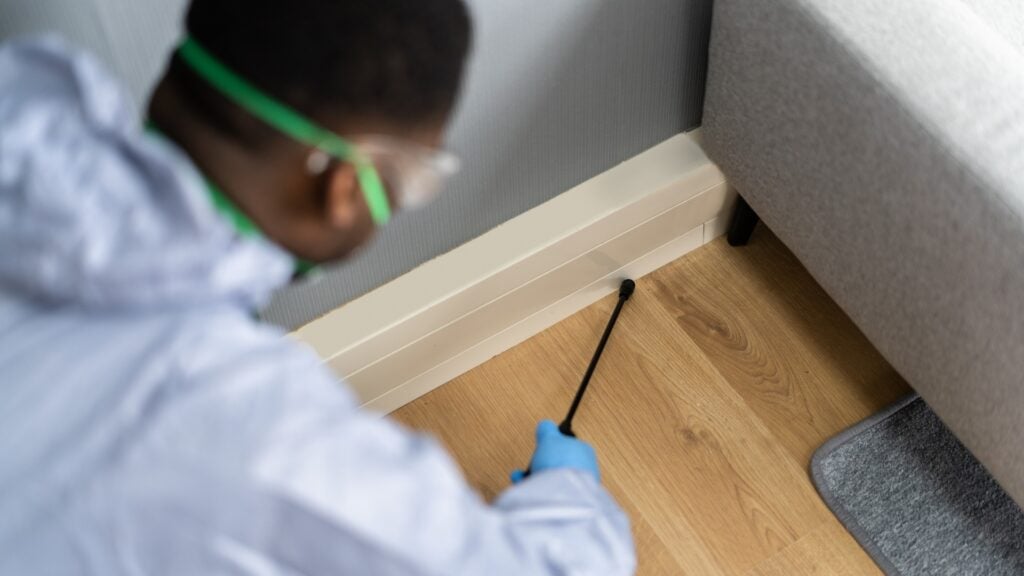
On the other side of the coin, one-time pest services are purely reactive. This is a single, targeted one-time treatment designed to knock down a specific, visible infestation. If you have a wasp nest by the front door or a sudden influx of fleas after a guest’s dog visits, a single visit might be all you need.
With one-time pest control, the technician focuses heavily on the immediate “hot spot.” Although this solves the “right now” problem, it doesn’t offer much in the way of long-term pest protection. Once the chemical barrier from that single visit wears off, and does usually within 30 to 90 days, your home would be essentially an open door again. I normally consider it as a “bandage” solution rather than a full preventative cure.
Recurring Pest Services vs One-Time Pest Services: Key Differences
Choosing between recurring pest services and one-time pest services usually comes down to whether you want to prevent a fire or just put one out. In this pest control comparison, the value of a warranty is often the deciding factor. Recurring plans almost always include free “call-backs” between visits, whereas a one-time service usually ends the moment the technician drives away.
| Feature | Recurring Pest Services | One-Time Pest Services |
| Primary Focus | Proactive pest control | Reactive treatment |
| Effectiveness | Year-round barrier | Immediate knockdown only |
| Warranty | Unlimited free retreatments | Very limited or none |
| Best For… | General peace of mind | Specific, isolated bugs |
| Cost Over Time | Lower per-visit cost | Higher per-visit cost |
2026 Average Pest Control Cost
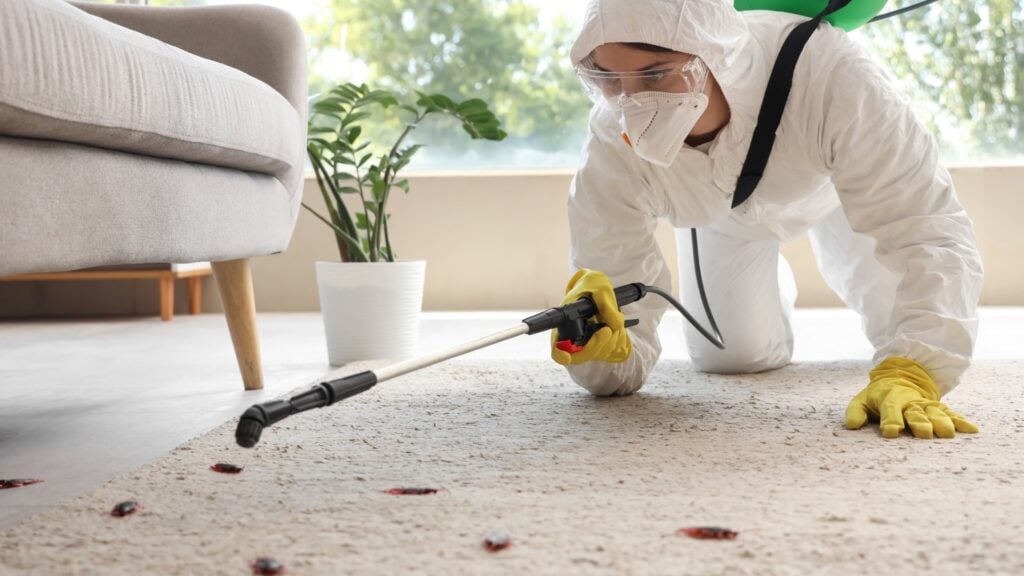
Navigating the pest control cost in 2026 requires understanding that prices fluctuate based on frequency and the type of intruder you are fighting.
I’ve spent quite a bit of time digging through multiple forums and comparing various pest control services to get a handle on what you should actually expect to pay. To give you a solid baseline, I’ve put together a breakdown of the average costs based on the latest 2026 rates from ConsumerAffairs. Just keep in mind that these are national averages and the specific quote you get might shift slightly depending on your exact location and how stubborn the pests in your area are.
For general issues, you should expect to spend between $300 and $550 on one-time pest services, although costs can easily hit $2,000 or more to treat extreme infestations like bedbugs or established rodent colonies.
Most top-tier companies will insist on an inspection before they kick things off. While some offer this for free, others might charge a fee between $150 and $300. This fee is usually put toward your final “plan of attack” and often includes your first round of treatment.
Standard Service Cost Comparison:
| Service Category | One-time | Monthly | Quarterly | Annual |
| Insect Control | $300 – $550 | $40 – $70 | $100 – $300 | $300 – $550 |
| Rodent Control | $200 – $1,200 | $50 – $150 | $100 – $300 | $400 – $2,000 |
Estimated Costs by Pest Type
Depending on what is crawling around, your one-time quotes can range anywhere from $50 for a tiny task to $8,000 for major structural treatments.
| Pest Type | Low-end Quote | Midrange Quote | High-end Quote |
| Spider Extermination | $100 | $150 | $200 |
| Roach Extermination | $100 | $250 | $400 |
| Ant Extermination | $100 | $300 | $500 |
| Mosquito Extermination | $100 | $300 | $500 |
| Wasp Extermination | $100 | $700 | $1,300 |
| Rodent Extermination | $150 | $325 | $500 |
| Bat Removal | $200 | $425 | $650 |
| Bedbug Treatment | $300 | $2,650 | $5,000 |
| Termite Fumigation | $2,000 | $5,000 | $8,000 |
Pros and Cons of Each Option + 2026 Cost Breakdown
Pros & Cons of Recurring Pest Services
- The biggest “pro” here is the lack of surprises. You won’t wake up to a massive infestation because the pest prevention is already working in the background.
- Most monthly pest service or quarterly plans also cover a wide variety of insects under one price.
- The “con” is simply the commitment. You’d be paying a smaller fee regularly, regardless of whether you see a bug.
Pros & Cons of One-Time Pest Services
- The main upper hand of a one-time treatment is the lower immediate output of cash if you truly only have one issue every few years.
- Though the downside is significant. There is no long-term pest protection. If the bugs return two weeks later, you often have to pay for a whole new service.
How to Choose Between Recurring vs One-Time Pest Services

So, which one do you actually need?
- Choose Recurring Pest Services if: You live in an area prone to ants, spiders, or roaches; you have children or pets and want a clean home; or you simply hate the “surprise” of an infestation.
- Choose One-Time Pest Services if: You are moving out of a rental and need a “clearance” spray, or you have a very specific, non-recurring issue like a single hornet’s nest.
If you are dealing with common household pests that tend to come back every season, a proactive plan is almost always the smarter financial move.
Wrapping Up…
Deciding between recurring pest services and one-time pest services depends on your tolerance for risk. For those who want long-term pest protection and the ability to call a pro whenever a stray spider appears, recurring pest services are the clear winner. However, one-time pest services still have their place for quick, localized fixes. If you are still on the fence, it is always worth getting a professional inspection to see exactly what you are up against.
Frequently Asked Questions About Recurring vs One-Time Pest Services
Are recurring pest services worth the money?
In most cases, yes, they are. When you sign up for recurring pest services, instead of just a one-off spray, you’d get a constant shield. Most plans include a “free call-back” guarantee. Turns out, if ants show up between visits, the pro comes back for free. If you only use one-time pest services, you have to pay the full fee every single time a new bug wanders in. Over a year, the subscription usually saves you a couple of hundred bucks and a lot of stress.
What is the realistic cost of one-time pest services in 2026?
For a standard bug problem, you’d need to spare the budget of $300 to $550, though. The actual rate in your area could vary if you’re especially dealing with massive infestation. If you’re dealing with something nightmare-level like bedbugs or a huge rat colony, those specialized one-time pest services can easily climb toward $2,000 or more.
Is there a big difference between monthly and quarterly visits?
It mostly comes down to how “buggy” your neighborhood is. Most modern professional sprays last about 90 days, so quarterly pest control is the sweet spot for most homes. You only really need a monthly pest service if you live in a very tropical climate or if your house is right up against a heavily wooded area where the “bug pressure” is constant.
Can a single one-time visit stop bugs forever?
A one-time treatment is a reactive “kill” mission for the bugs that are currently in your kitchen. Once those chemicals wear off in a few weeks, your home is basically an open door again. Without proactive pest control to refresh those barriers, you’re just waiting for the next generation of pests to find the same way in.
What exactly do these recurring plans cover?
Most pest control plans cover the “usual suspects”, ants, spiders, roaches, and mice. But, things like termites, bedbugs, or squirrels usually require their own expensive, specialized contracts. You, therefore, need to double-check your agreement so you aren’t surprised when a specific pest isn’t on the “included” list.
Do one-time services come with a warranty?
In most cases, it does not. Since it’s a single visit, most companies won’t promise that new bugs won’t walk in the next day. You might get a 14-day “satisfaction” window, but that’s all about it. The real value of recurring pest control is the ongoing warranty as long as you’re a customer, the company is responsible for keeping your house clear.