
Flea problems almost never just pop up out of nowhere. They multiply incredibly fast the second the weather warms up, mostly because hot and sticky conditions are exactly what fleas need to explode. Anyone who has ever been blindsided by a massive flea infestation in the middle of summer knows just how fast a couple of bugs can turn into an absolute nightmare.
Figuring out why are fleas worse during warm and humid weather really just comes down to basic biology. Fleas completely depend on very specific temperatures and moisture levels to grow, breed, and stay alive at every single stage of their life cycle.
We are going to look at exactly what happens to these bug populations the moment the summer weather kicks in, when the actual peak of flea season hits, and what real prevention looks like before your pets, your carpets, and your entire yard get completely overrun.
Table of Contents
How Warm and Humid Weather Creates the Perfect Environment for Fleas
Fleas are parasites that depend heavily on external conditions to complete their life cycle successfully. Temperatures sitting in the 70 to 85 degree range, paired with humidity between 70 and 95 percent, create close to ideal conditions for eggs to hatch and larvae to develop into biting adults.
Fleas in summer conditions especially thrive once daytime highs stay consistently warm for several weeks in a row, which explains why fleas in warm weather months multiply so much faster than during cooler, drier stretches of the year. Extremely high heat will destroy fleas and ticks eventually, but the range most homes and yards sit in during summer rarely gets hot enough to offer any real relief.
Flea Life Cycle
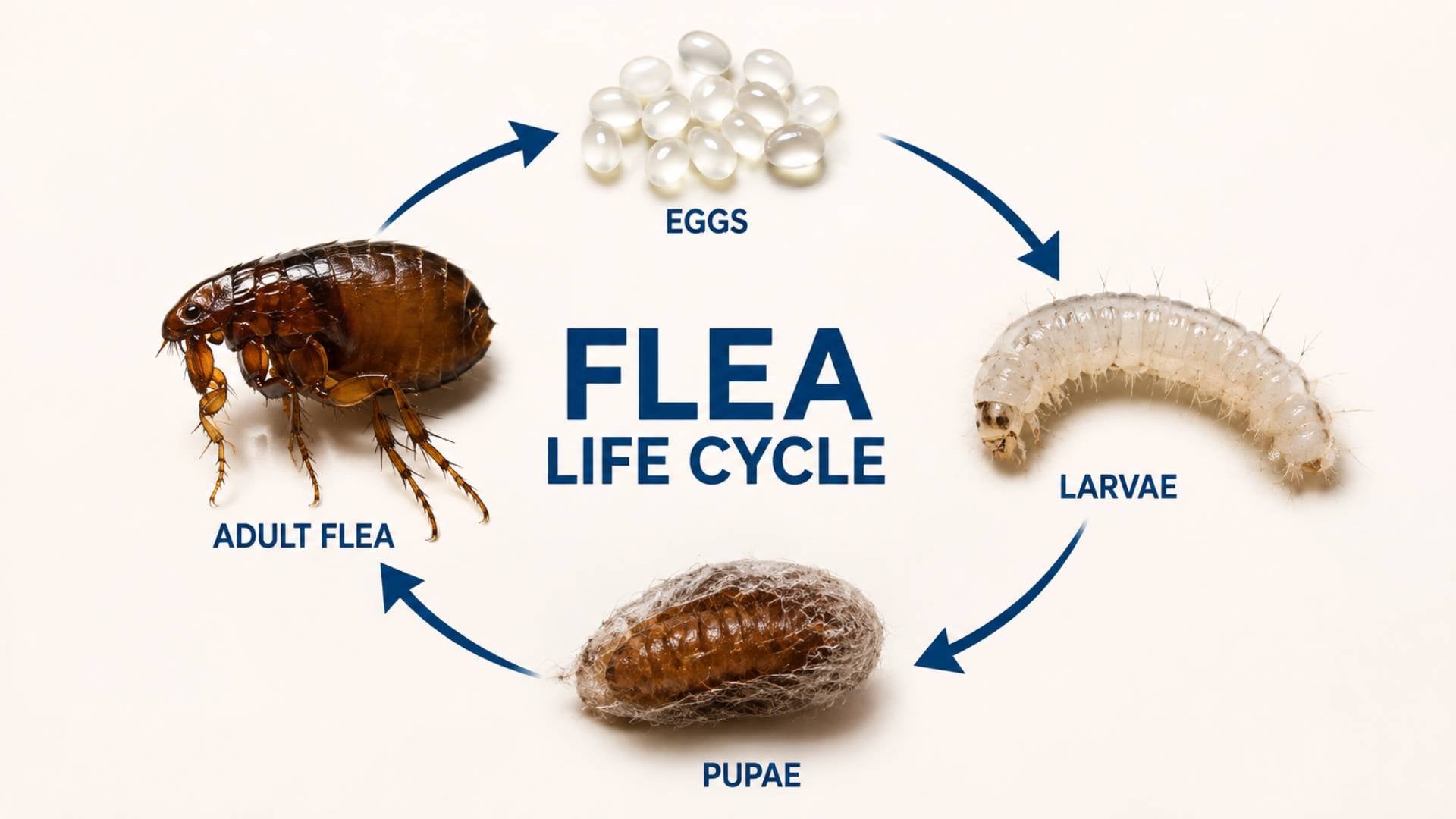
- Eggs: A single female flea lays 40 to 50 eggs per day, adding up to as many as 2,000 over her lifetime. Eggs typically hatch within 1 to 10 days depending on temperature and humidity.
- Larvae: Flea larvae emerge tiny, worm like, and whitish, measuring about 2 to 5 millimeters long. They feed on organic debris and adult flea droppings rather than blood at this stage.
- Pupae: Non adult fleas spin a protective cocoon during the pupal stage, which can remain dormant for weeks or even months until vibration, warmth, or carbon dioxide signal that a host is nearby.
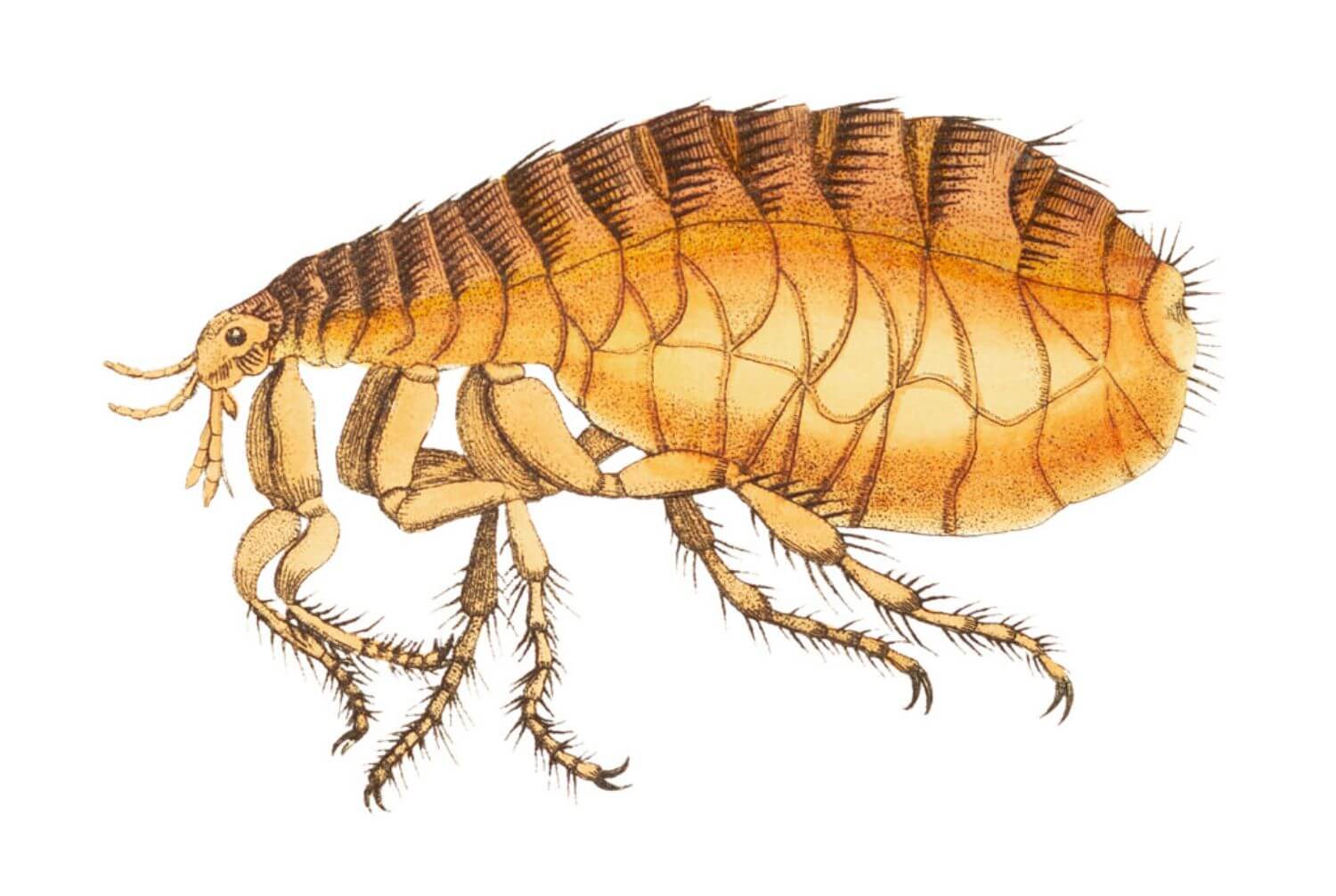
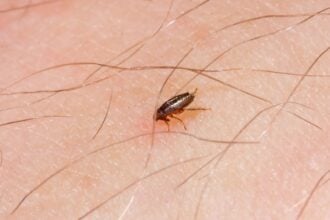
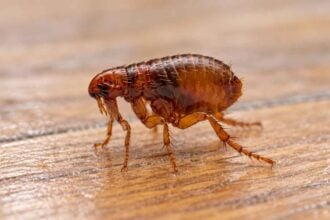
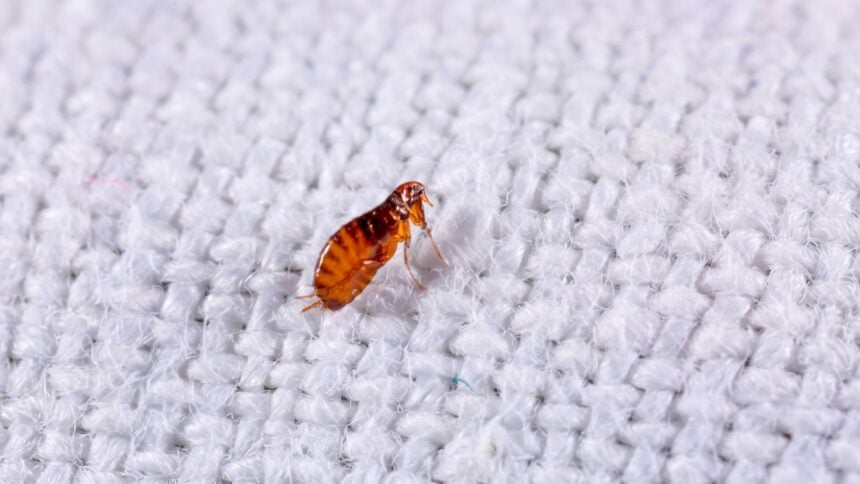
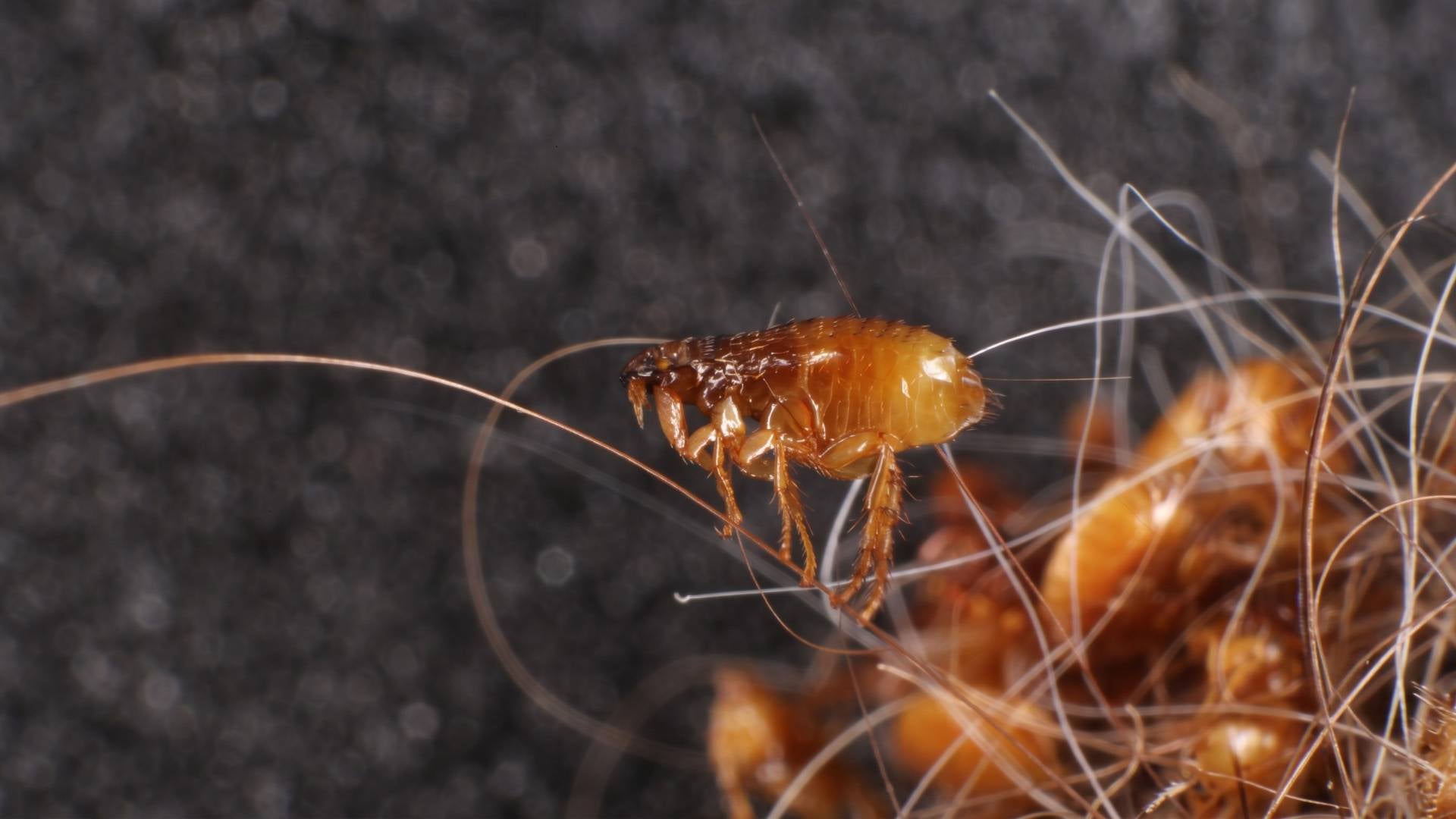
- Adult Fleas: Once they emerge, adult fleas begin to look for a host almost immediately. Most measure 1.5 to 3 millimeters long, roughly the size of a sesame seed, though human fleas can reach up to 4 millimeters, noticeably larger than typical cat or dog fleas.
Where Fleas Thrive During Warm Weather
Fleas need shaded, moist areas to survive between feedings. Open, sunny patches are too dry. Instead, fleas target tall grass, leaf piles, and the dark spaces under your porch or deck. These spots stay cool and hold onto humidity for a long time.
Inside your home, carpets, pet bedding, and furniture offer similar shelter. They are warm, dark, and rarely disturbed enough to disrupt the flea life cycle. A steady 70 percent humidity supports flea survival perfectly. That is exactly the climate a shady backyard corner or a humid basement provides in the summer.
Outside, fleas pack themselves into the exact spots your pets rest. Inside, they nestle into rugs and cracks in the flooring. The house and yard constantly ruin each other’s progress. Your pets simply carry fleas between the two multiple times a day.
Signs Warm Weather Has Triggered a Flea Infestation
- Pets Scratching More Often: A sudden increase in scratching or restlessness often signals fleas in your pet’s coat before you ever spot one directly.
- Flea Dirt on Fur: Small, dark specks resembling ground pepper scattered through a pet’s coat are actually flea droppings, a reliable early sign.
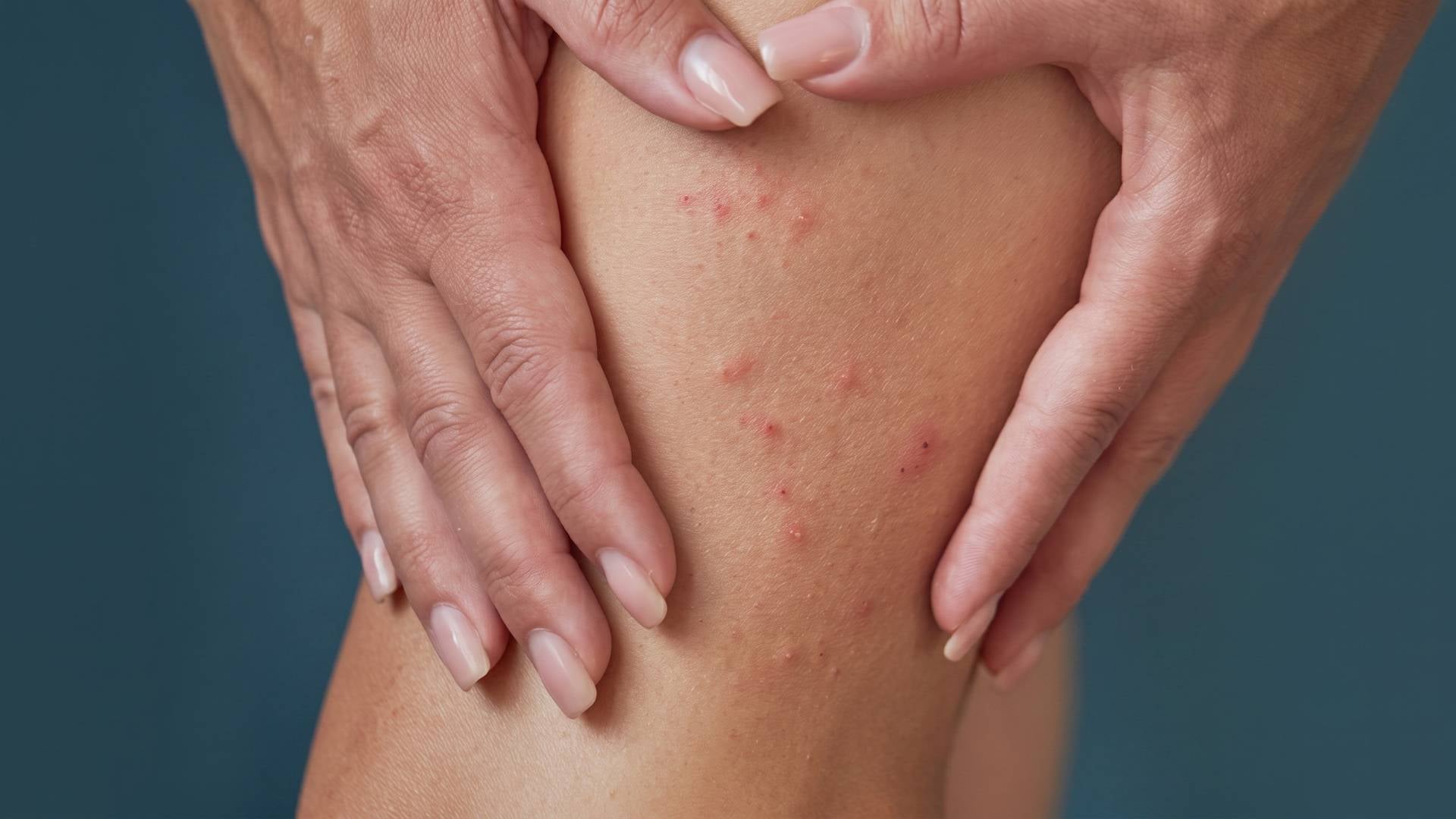
- Frequent Flea Bites on Ankles: Small, itchy red bites clustered around ankles and lower legs are a classic sign fleas have moved indoors.
- Seeing Fleas on Pet Bedding: Visible movement in bedding, especially after it’s been undisturbed for a few hours, points to an active flea infestation.
- Increased Activity After Vacuuming: Vibration from a vacuum can trigger dormant pupae to hatch, leading to a noticeable jump in activity right after cleaning.
How to Prevent Fleas During Warm and Humid Weather
Prevention matters most heading into flea season, since stopping a flea infestation before it starts is far easier than reversing one already underway.

- Keep Pets on Year Round Flea Prevention: We do recommend year round preventative flea and tick medication for real pet protection. Waiting until fleas in warm weather conditions are already active gives the population a real head start.
- Vacuum Carpets Frequently: Regular vacuuming physically removes eggs, larvae, and even dormant pupae from carpets before they mature into biting adults.
- Wash Pet Bedding Weekly: Hot water washing kills eggs and larvae hiding in fabric, an easy habit that cuts down on indoor fleas significantly over time.
- Mow the Lawn Regularly: Shorter grass holds less moisture and offers fewer shaded hiding spots, making a yard noticeably less appealing to fleas.
- Reduce Moisture Around the Yard: Standing water, overgrown mulch beds, and dense shade all support the humid conditions fleas need to thrive, so clearing them out counts as real yard care and solid pest prevention.
- Treat Indoor and Outdoor Areas Together: Treating only a yard or only a home rarely solves anything, since fleas move between both constantly. A combined approach gives the most reliable flea control results.

Do Fleas and Ticks Die in the Winter?
Cold weather slows fleas down considerably. Temperatures dropping below 46 degrees Fahrenheit will cause adult fleas to begin dying off fairly quickly. That said, fleas rarely disappear completely just because winter arrives.
Turns out, assuming they’re gone for good ain’t a safe bet. Heated homes, basements, and areas around water heaters stay warm enough year round to keep a population alive even when it’s freezing outside. Eggs and pupae sheltered in these warm pockets can survive a full winter, then hatch and rebuild a population fast once warmer weather returns. This is exactly why flea season never fully resets to zero.
Are Fleas and Ticks Affected by Rain?
Moderate rain generally helps fleas rather than hurting them, since it keeps soil and vegetation consistently humid, exactly what fleas need to survive between meals. Heavy, sustained flooding can wash away eggs and larvae in some cases, but a typical rainy stretch during flea season usually just adds fuel to the fire.
Puddles and consistently damp soil created by regular rainfall also support flea eggs and larvae development directly, since the immature stages need moisture outside a host. Homeowners in rainy regions often see fleas persist longer into the year compared to drier climates.
Are Fleas and Ticks Affected by Hot Weather?
Warm temperatures within the 70 to 85 degree range genuinely help fleas thrive, tho extreme heat works against them the same way extreme cold does. Once temperatures rise above 95 degrees Fahrenheit, flea survival rates drop noticeably.
At what humidity do fleas die matters here too, fleas generally survive best between 75 and 95 percent humidity, and can die if humidity falls below about 50 percent. A hot, dry summer stretch can actually slow flea activity down, while hot and humid conditions together create close to the worst case scenario.
When Should You Call a Pest Control Professional?
Once fleas set up camp inside your carpets, furniture, and pet bedding all at once, DIY sprays usually fail. It is just too much to handle alone. This is where a company like Orkin actually helps. They know how to target the hidden eggs and larvae that most homeowners completely miss.
Their technicians treat the inside and outside at the same time. This hits the entire flea life cycle instead of just killing the adults you see jumping around. If you are stuck vacuuming every day and your pet’s flea meds still aren’t stopping the outbreak, calling in professionals is usually the only way to fix it for good.
Frequently Asked Questions (FAQs)
Can fleas live in 100 degree weather?
Survival becomes much harder once temperatures climb that high, since sustained heat above 95 degrees Fahrenheit kills off both eggs and adult fleas over time. Shaded, cooler pockets nearby can still shelter a small surviving population.
What month is worst for fleas?
Late summer typically marks the peak of flea season in most regions, once several weeks of warm, humid conditions have allowed multiple generations to build up.
What’s the fastest way to stop a flea infestation?
Combining year round pet flea control with thorough vacuuming, hot water washing of bedding, and treating indoor and outdoor areas simultaneously gives the fastest results.
Wrapping Up…
Fleas in warm weather conditions are not a coincidence, they are the direct result of a parasite that depends entirely on heat and humidity to complete its life cycle. Once temperatures and moisture line up in that ideal range, flea populations explode fast, moving between yards, homes, and pets without much resistance. Staying ahead of flea season means treating year round rather than reacting once a problem is already visible, combining regular cleaning, pet prevention, and yard care into one consistent routine. Left unaddressed, a small early season problem rarely stays small for long, so early flea treatment remains the most effective approach overall.