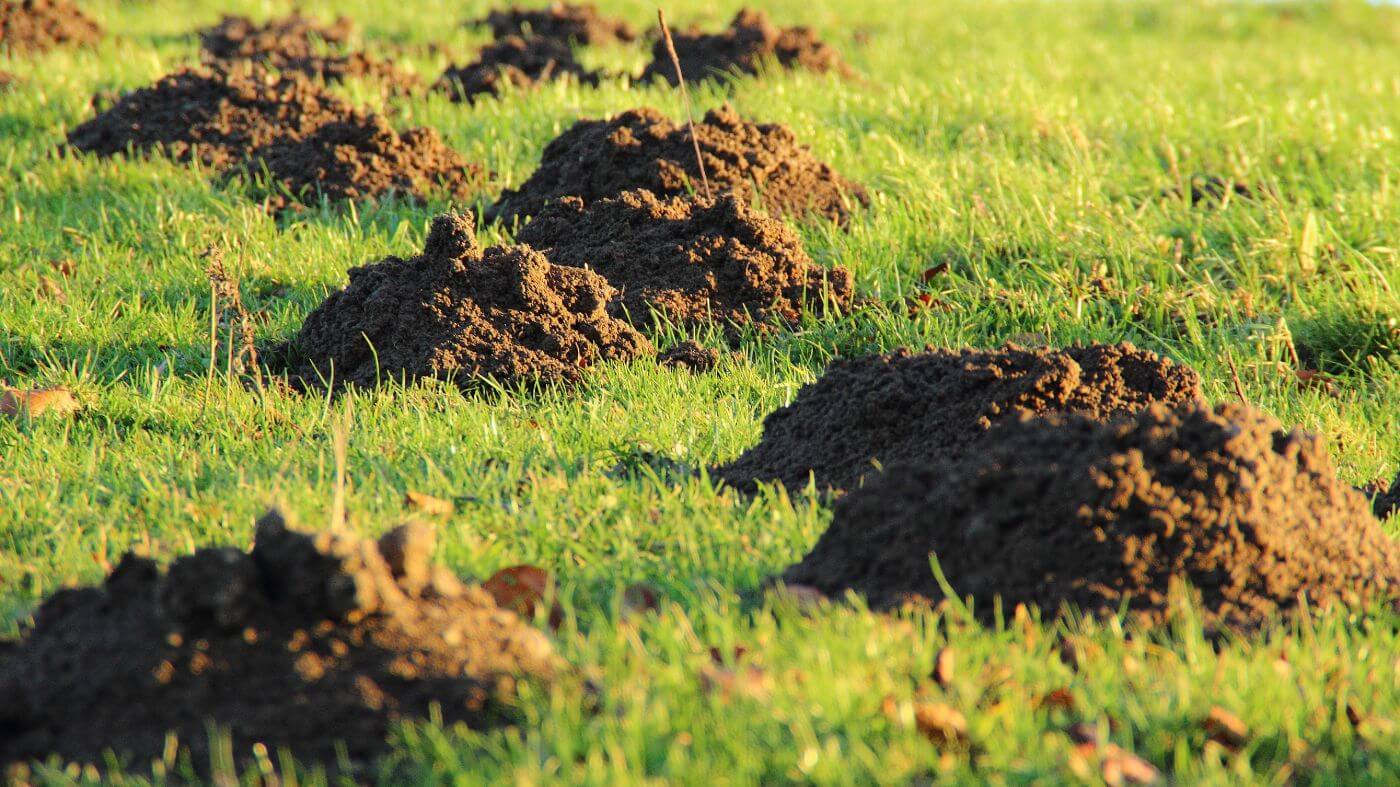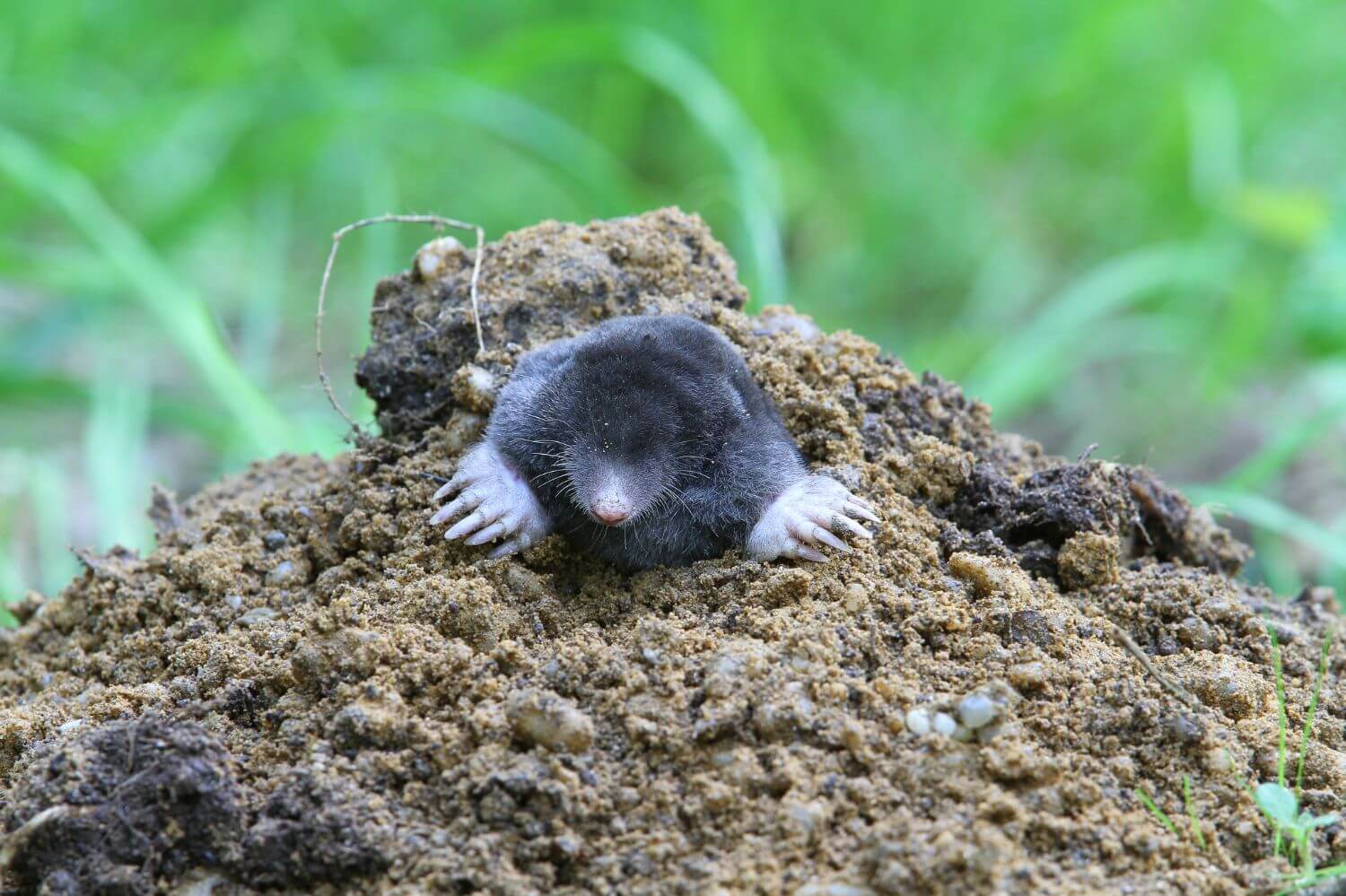

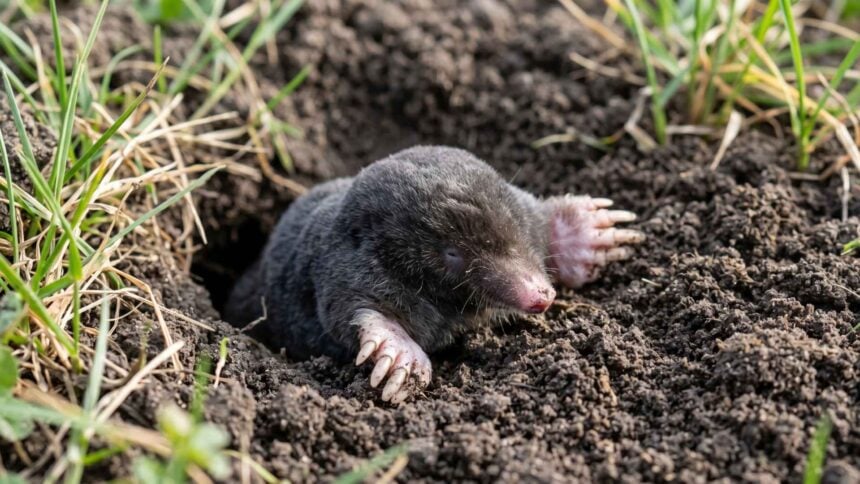
Upon spotting a new mound of dirt on an otherwise pristine lawn, the first thought might be that either a gopher or moles must have moved in overnight.
Moles Make Molehills to dump the extra dirt out of their deep tunnels, pushing it up to the surface so they have a clear path to run and hunt for worms.
Below, we’ll get into why moles build these tunnels, what a molehill can tell you, how to spot an active run, and what actually works when the digging starts tearing up your lawn.
Table of Contents
Key Takeaways
- Molehills are piles of soil excavated from deeper tunnels.
- Raised lawn ridges usually come from shallow feeding runs.
- One mole can create several mounds and a large tunnel network.
- Moles eat worms and grubs, not your plants.
- Mole Traps work best. Repellents and gadgets rarely do.
- Trap in spring and fall, when moles feed near the surface.
What Exactly Is a Molehill?
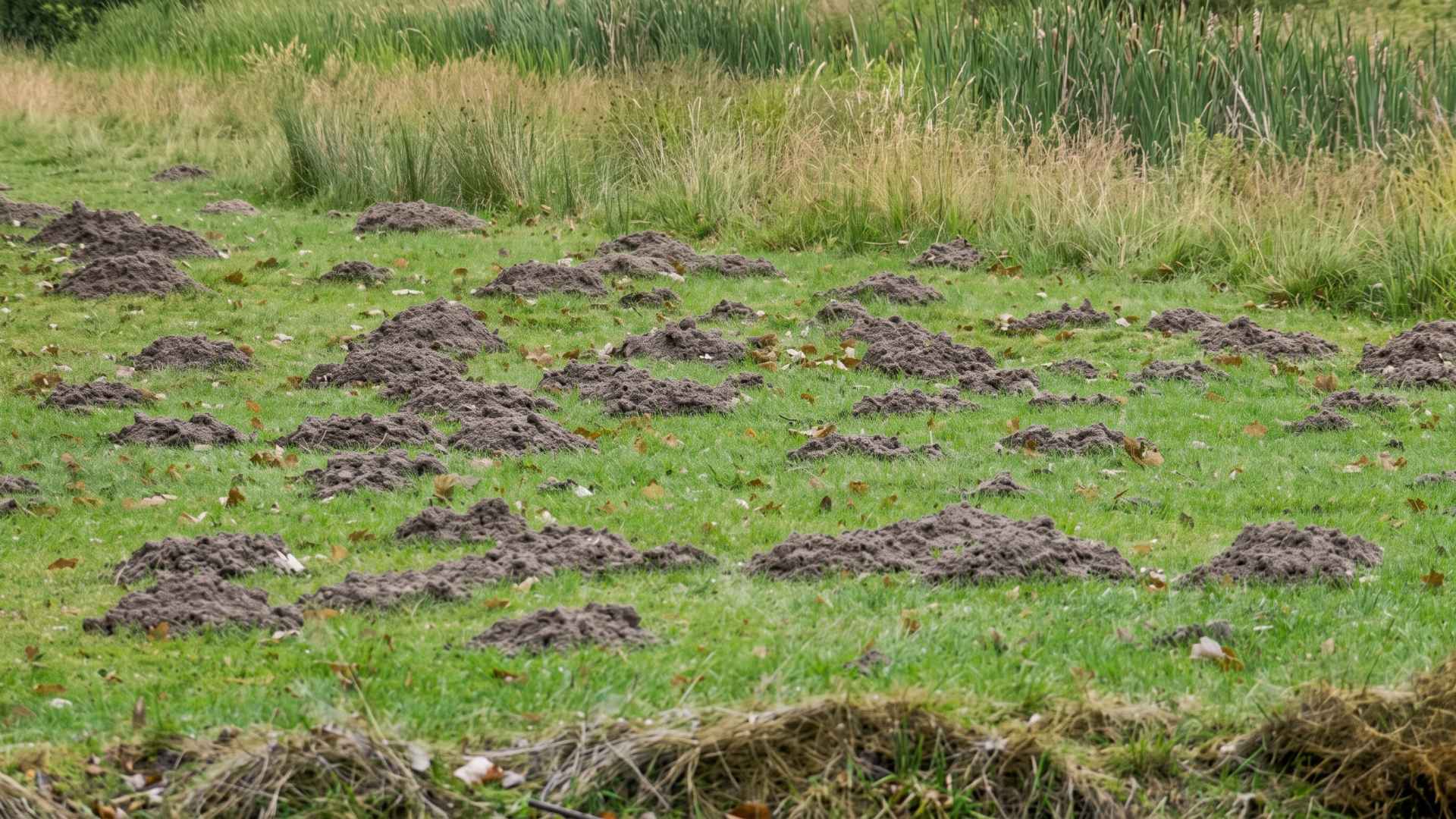
A molehill is basically the dirt a mole has to get rid of while digging deeper tunnels. As the mole cuts through the soil, it pushes the loose dirt up through a short vertical tunnel and leaves a rounded, volcano shaped mound on the lawn.
That is the simple answer to what causes molehills. The mound is not the nest itself. It is excavated soil from deeper runs used for travel between feeding tunnels and nesting areas. Molehills also tend to show up near sidewalks, driveways, fences, and other edges where deeper tunnels are common.
Moles are mammals in the Talpidae family, not rodents. They spend much of their time underground hunting earthworms and other small invertebrates. The pile on top is pretty much the leftover dirt from all that digging.
Why Some Mole Tunnels Make Hills and Others Make Ridges
Moles dig two main types of tunnels, and each leaves a different mark on your lawn. Shallow feeding runs sit close to the surface. As the mole pushes through the soil looking for worms and other prey, the sod lifts into those long surface ridges you can see and feel under your foot. These runs may be used again, or the mole may leave them after one trip.
Deeper tunnels work more like travel routes between feeding areas and the den. When the mole digs those deep tunnels, it has to push the removed soil somewhere. That dirt gets sent up through a vertical shaft and turns into a molehill. Raised ridges can also cause lawn damage by lifting turf and exposing or disturbing grass roots.
- Feeding runs: roughly an inch under the surface, often abandoned soon after they’re dug.
- Deep runways: 3 to 12 inches down, used for daily travel and the source of most mounds.
- Nest chambers: 12 to 18 inches down, lined with plant material.
Why Do Moles Dig So Many Tunnels?
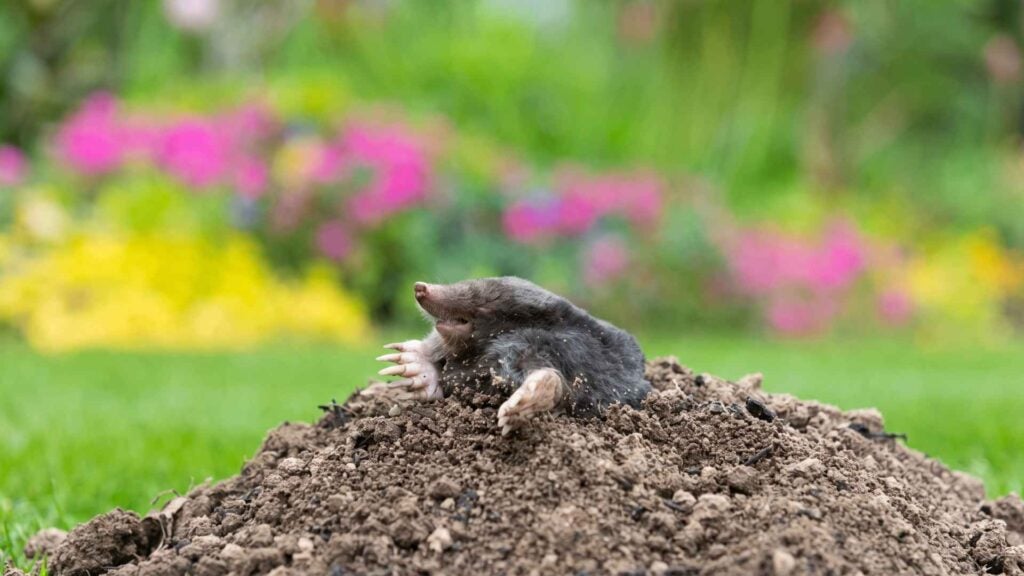
- Hunting. Worms tumble into open runs like they’re falling into a pitfall trap, and the mole patrols the line. That is the real answer to why do moles dig tunnels in the first place. The tunnel is a trap.
- Fuel. Rutgers says a mole can eat 70 to 100 percent of its body weight every day. Standing still is not an option, and mole tunnels are how it keeps the pantry stocked.
- Travel. Deep runways link the nest with the feeding grounds, and several moles may share a main run if their systems connect.
- Nesting. Moles live alone except for a short breeding window in late winter, and a single litter of three to five young is born in the nest chamber about six weeks later.
- Weather escape. Moles don’t hibernate. In winter or a dry summer, food gets scarce near the surface, and they retreat to deeper burrows.
Do More Molehills Mean More Moles?
Seeing a dozen fresh dirt mounds spread across your property can make you think an entire colony has invaded your lawn. This is a common misconception that often leads to incorrect pest control strategies.
In reality, moles make molehills at an astonishing rate because a single animal can excavate up to one hundred feet of fresh pathway in a single day. These creatures are fiercely solitary and highly territorial by nature. They do not share their territory with others.
Ain’t no way two of them will coexist in the same space outside of the brief spring breeding season. If two moles cross paths in a tunnel, they will fight viciously to protect their hunting grounds. A heavily cratered yard is almost always the work of one single, incredibly busy animal running its daily hunting circuits.
What Attracts Moles to Your Yard?
- Moist, Loose Soil: Moles prefer soil that is easier to dig and rich in underground life. Wet Soil after rain can bring activity closer to the surface, especially during warm weather.
- Plenty of Earthworms: Earthworms are one of the most important foods in a mole’s diet. A lawn full of worms can stay attractive even if you clear out other insects.
- Grubs and Other Soil Insects: Grubs, beetle larvae, spiders, snails, and similar prey also contribute to a good feeding area. That answers a common search question about what do moles eat. They mainly eat animal prey and are classified as insectivores. They rarely target grass roots or garden plants for food.
Good turf can ironically provide excellent mole habitat because it often has loose soil, regular irrigation, and abundant underground prey. That is why moles in lawn areas can show up even when the grass itself is healthy.
Molehill vs Gopher Mound: How to Tell the Difference

Moles create a perfectly symmetrical, volcano-shaped mound with the exit hole hidden dead center under the apex. The soil is pushed straight up, falling uniformly down all sides like lava. Pocket gophers, conversely, are strict herbivores that dig to harvest roots and vegetation.
They push dirt out at an angle, creating a lopsided, crescent or kidney-bean-shaped mound. The gopher’s exit hole is distinctly located on one side of the pile and plugged with a round chunk of dirt to keep predators out.
| Clue | Mole | Pocket gopher |
|---|---|---|
| Mound shape | Round, volcano like cone | Fan, crescent, or heart shape |
| Plug | Near the center | Off to one side |
| Raised ridges | Common | Rare |
| Main food | Worms and grubs | Roots, bulbs, and tubers |
| Plant damage | Mostly from loosened roots | Roots eaten from below |
How to Get Rid of Molehills (And Stop Them from Coming Back)
Effective mole control starts with a reality check. Rutgers calls trapping the most effective method, and most quick fixes fail. If you’re wondering how to stop molehills for good, plan on a few layers. The steps below handle molehills in yard cleanup first, then the animal, then the food, then the extras.
Scoop and Flatten the Existing Dirt First
Clean up before you do anything else. Scoop each pile into a bucket and use the soil to fill low spots, or rake it thin. Piles smother grass and give weed seeds a bed. The tunneling also dislodges plants and damages roots, Rutgers notes. Then press down the ridges with your foot or a roller. Flat spots that get pushed back up within a day or two mark the active mole tunnels. Fix the rest, then reseed any bare patches.
Use Underground Mole Traps
In the event of an ongoing mole issue, trapping is the best choice available. Turf management professionals refrain from using chemical techniques, instead making use of robust mechanical traps placed within the active pathways of moles.

By understanding the difference between a temporary feeding path and the main highway, the process becomes much easier. The first step is to find a straight section of tunnel between two mounds, and step on the tunnel to compress it into a flat line.
After twenty-four hours, check the location. If the compressed section has popped back up, this indicates that it is an active mainline. It is important to wear rubber gloves when touching the trap to avoid letting human scent onto the metal, and place it over the compressed area. The mole will trip the trap when swimming through the tunnel to clear up the collapsed soil.
Clear Out the Lawn Grubs (Remove Their Food)
Moles feed on grubs and worms, and they rarely touch grass roots. If your lawn is packed with grubs, it can pull moles in. Taking away the food gives them less reason to stay.
Apply a granular grub control product per its label. That usually means late spring through midsummer, and timing depends on your region.
It targets the beetle larvae. Set expectations, though. Rutgers says grub control will not usually bring much lasting relief, because moles also eat worms and other soil life. Moles may even dig harder for several weeks as food gets scarce. Dig up a square foot of sod to see whether grubs are really there. Treat them if they are, and plan to trap too.
Use Mole Repellent Granules or Liquids

Most of these mole repelling items are most likely made out of castor oil. The whole purpose is to create soil that is hostile towards moles and their food of choice. You simply apply it to the area that you need to protect (at least an inch of moisture is required for it to work) and repeat regularly as mentioned in it instructions.
Put Down Ultrasonic Mole Spikes

Moles are completely blind and rely entirely on underground vibrations to navigate your yard. They hate noisy, chaotic environments. You can install solar-powered spikes that emit low-frequency hums and pulses through the soil every few seconds. The continuous noise disrupts their ability to hear earthworms moving through the soil, rendering their hunting lanes completely useless.
Push the waterproof spikes directly into the damp dirt near active molehills. Space them out according to your yard size to create an invisible sound barrier that pushes the moles out toward your property line. Avoid hammering the units directly into hard earth, as this can easily fracture the delicate solar charging cap on top.
Frequently Asked Questions (FAQs)
Why Do Molehills Suddenly Appear After Rain?
Wet soil is easier for moles to work through, and their prey stays closer to the upper soil layers. Surface tunneling is especially common in spring, fall, and after warm rain. That is why mole activity after rain can suddenly look much worse even if the mole was already living there.
Why do moles push dirt to the surface?
They have no other place to put it. A mole digging a deep runway pushes loose soil up a short vertical shaft, and the pile is the result. Turns out, a single deep run can leave a trail of mounds.
Do Moles Dig Molehills at Night?
Yes, but they dig during the day too. Moles stay active around the clock in repeating periods of activity and rest. A new mound noticed in the morning may have appeared overnight, but nighttime is not their only digging period.
What is the fastest way to get rid of molehills in the garden?
If active moles keep making new hills, trapping is one of the most direct control methods. Flatten old mounds, find a runway that is still being used, and place a mole trap according to its directions. Check local trapping rules before setting one.
How deep are mole tunnels?
Depth depends on what the tunnel is being used for and the soil conditions.
Surface feeding runs: Sit just under the turf.
Main runways: Often around 3 to 12 inches deep.
Nest areas: Commonly around 12 to 18 inches down.
Deeper permanent tunnels: Eastern moles can dig beyond 20 inches in some conditions.
During dry weather, winter, or temperature extremes, moles tend to spend more time in deeper tunnels.
Wrapping Up…
Molehills look like a big problem above ground, but there may only be a couple of moles doing all that work. Rutgers notes that an acre of turf generally supports just two or three at one time. Those moles dig shallow runs for food, use deeper tunnels for travel, and push the loose soil upward. That is simply why moles make molehills.
If the digging is getting out of hand, clear the old mounds and find the tunnels that are still active. That is where trapping gives you the best shot at stopping new damage. Treat lawn grubs only when you actually have a grub problem, because moles can keep feeding on earthworms and other soil life.
Repellents may help in some cases, but we do not recommend building the whole plan around them. If fresh tunnels keep appearing after repeated trapping attempts, bring in a wildlife control professional and check the trapping rules where you live.