
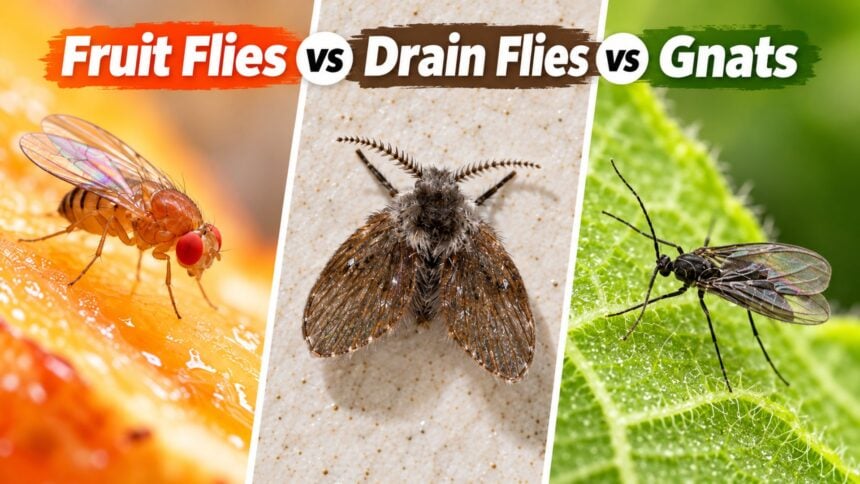
Many tiny flying insects that appear indoors are automatically called fruit flies. It may seem inconsequential at first, as these are all just small, annoying bugs buzzing around the house. Still, several completely different insects fit that description, and they don’t all behave the same way.
Drain flies, fungus gnats, midges, and no-see-ums can all get thrown into the same category when viewed from across the room. The problem is that each insect species comes from a completely different environmental source. If you treat the wrong source, you can easily spend a week spraying, trapping, and cleaning with absolutely no results.
Fruit flies and fungus gnats get most of the attention indoors since they are the two most common residential invaders. Drain flies, midges, and no-see-ums round out the rest of the lineup. Because fruit flies vs drain flies vs gnats are not interchangeable problems, you cannot use a one-size-fits-all solution.
What you have to do is figure out exactly where they are coming from, accurately identify the pest, and then apply a targeted treatment to eliminate the infestation for good.
Table of Contents
Quick Comparison: Fruit Flies vs Drain Flies vs Fungus Gnats
| Feature | Fruit Flies | Drain Flies | Fungus Gnats |
|---|---|---|---|
| Scientific name | Drosophila melanogaster (family Drosophilidae) | Psychoda species (family Psychodidae) | Bradysia species (family Sciaridae) |
| Other names | Vinegar fly, banana fly, pomace fly | Moth fly, sewer fly, sink fly, filter fly | Sciarid fly, darkwinged fungus gnat |
| Size | About 1/8 inch (3 mm) | 1/10 to 1/5 inch (1.5 to 4 mm) | 1/16 to 1/8 inch (1.5 to 3 mm) |
| Where you see them | Fruit bowl, trash bins, recycle bins, kitchen counters | Bathroom walls, mirrors, sink edges | Plant pots, windowsills |
| Eggs per female | Up to 500 | About 30 to 100 per batch | About 100 to 300 |
| Eggs hatch in | About 1 day | 32 to 48 hours | 4 to 6 days |
| Lifespan of adults | Up to 40 to 50 days in ideal conditions | About 2 weeks | About 7 to 10 days |
| Peak season | Present year round, prolific in late summer and fall | Year round indoors | Year round indoors |
What Are Fruit Flies and How Do They Look?
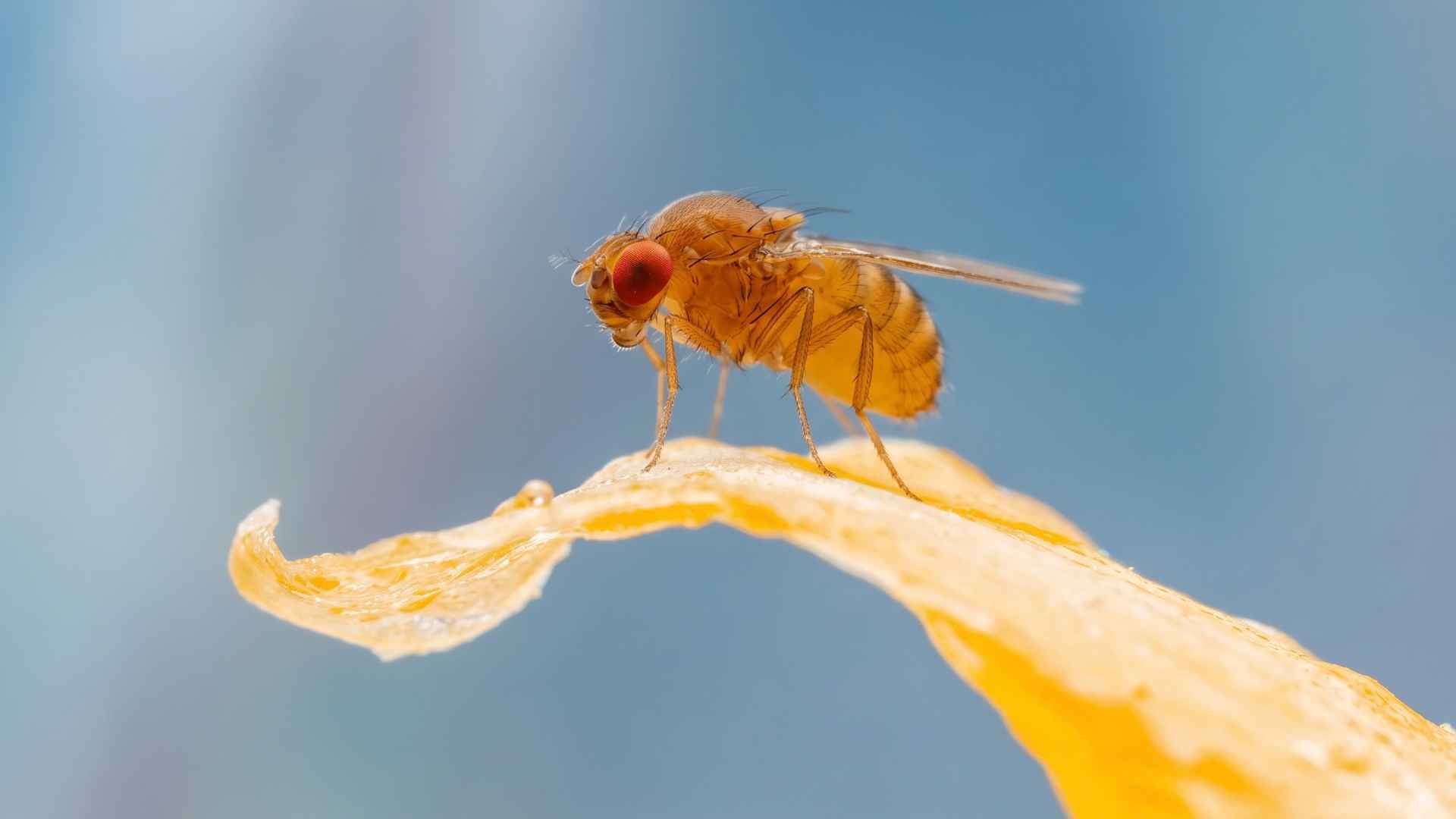
Fruit Flies are small flies from the family Drosophilidae. Most of the species common around homes are only a few millimeters in size, so it is usually not possible to identify them by length.
A more reliable way to tell a fruit fly is to examine the shape of their body. They have a stockier appearance compared to fungus gnats. Their front torso is tan or light brown, while the abdomen is darker. Most common around houses species have a distinctive red eyes coloration, although some have dark eyes.
Fruit flies are commonly present near fermenting food, such as overripe Fruit, old vegetables, wine, beer cans, juice, and trash.
- Size and Silhouette: Fruit flies measure roughly 1/8 inch (3 mm) long and feature a distinctly rounded body shape that closely mimics a miniature housefly.
- Wings and Flight: They have a pair of clear, translucent wings and hover in a slow, circular motion around food sources.
- Larval Stage: In their larval stage, fruit flies appear as tiny, cream-coloured maggots that are often found submerged in the soft parts of decaying fruit or in the biofilm of clogged drains.
What Are Drain Flies and How Do They Look?
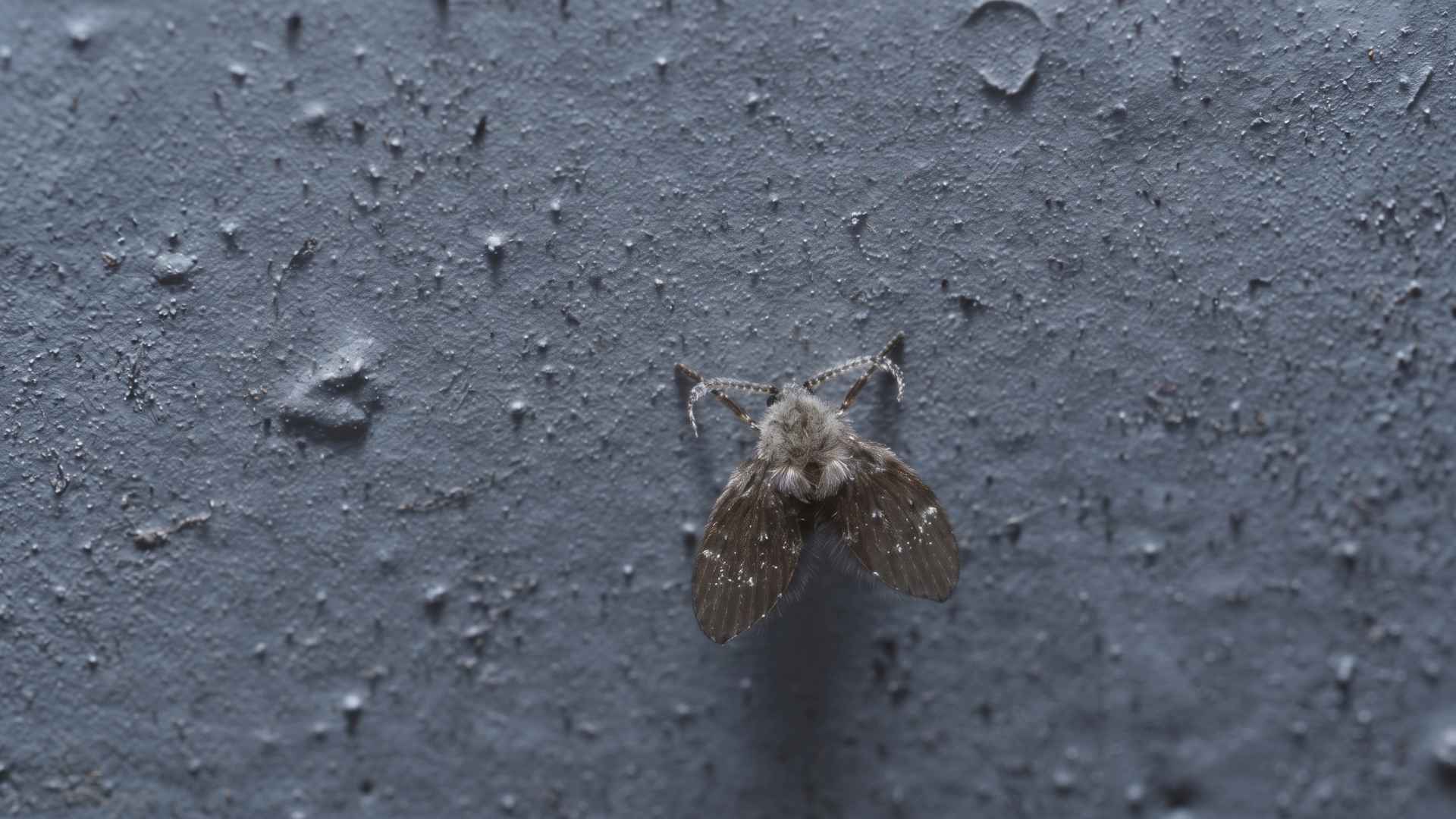
Drain Flies are also called moth flies, sink flies, and sewer flies. Once you see one up close, they are much harder to confuse with a fruit fly.
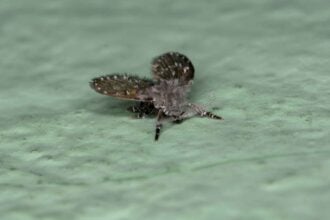
The body and wings are covered in fine hairs. That gives the insect a dusty, almost miniature moth appearance. Their wings are broad, and many species hold them over the body like a tiny roof when resting.
They breed in the gelatinous drain film inside slow or clogged drains, sink pipes, and neglected toilets. Turns out, you find drain flies in bathroom corners and tiny flies near sink edges.
- Size: 1/10 to 1/5 inch (1.5 to 4 mm) long
- Color: dark gray, brown, or black
- Body: fuzzy and hair covered
- Wings: broad and scaled like a moth’s
- Flight: short, jerky hops along walls and mirrors
- Bite risk: none; they do not bite or sting
What Are Gnats and How Do They Look?
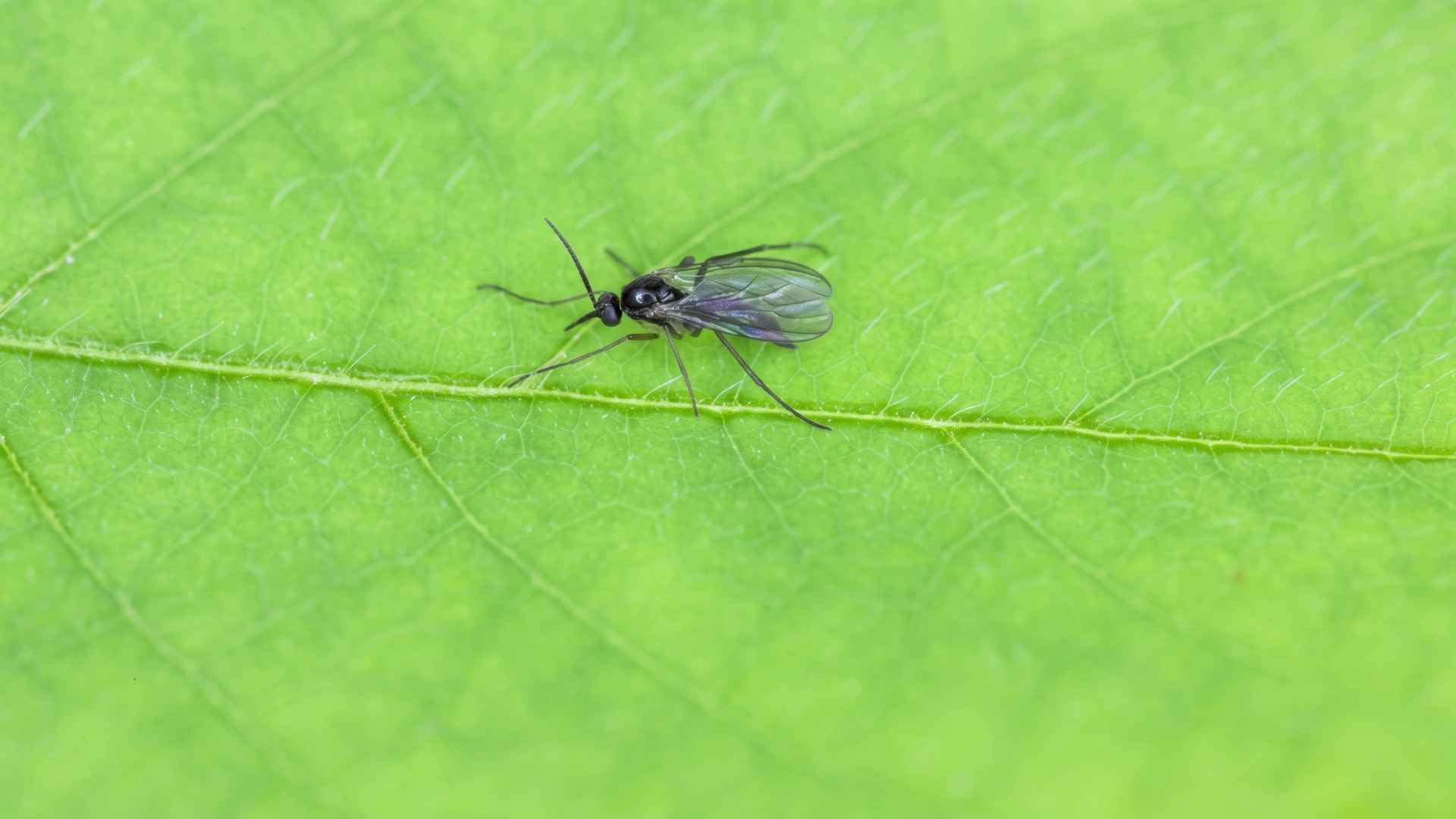
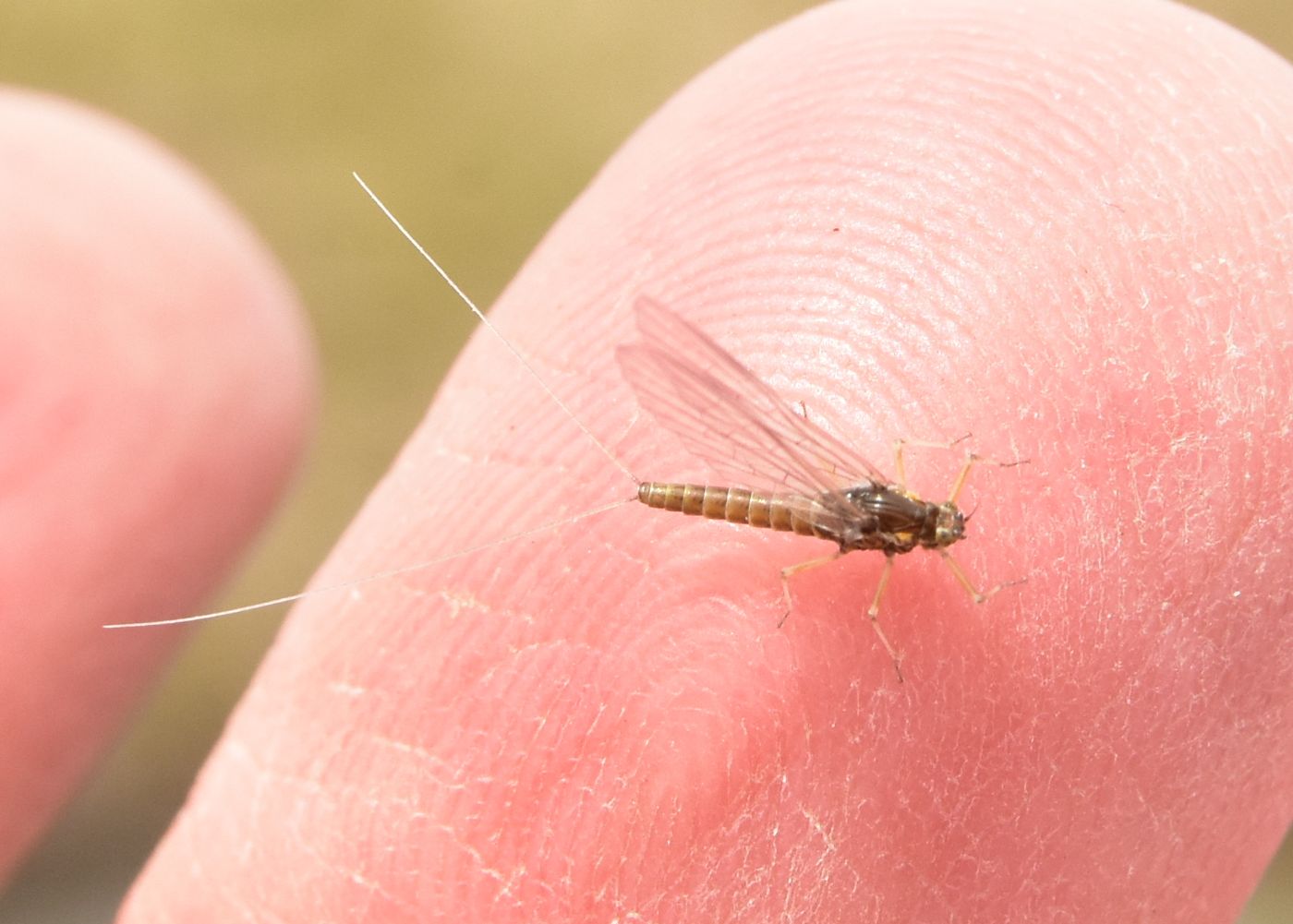
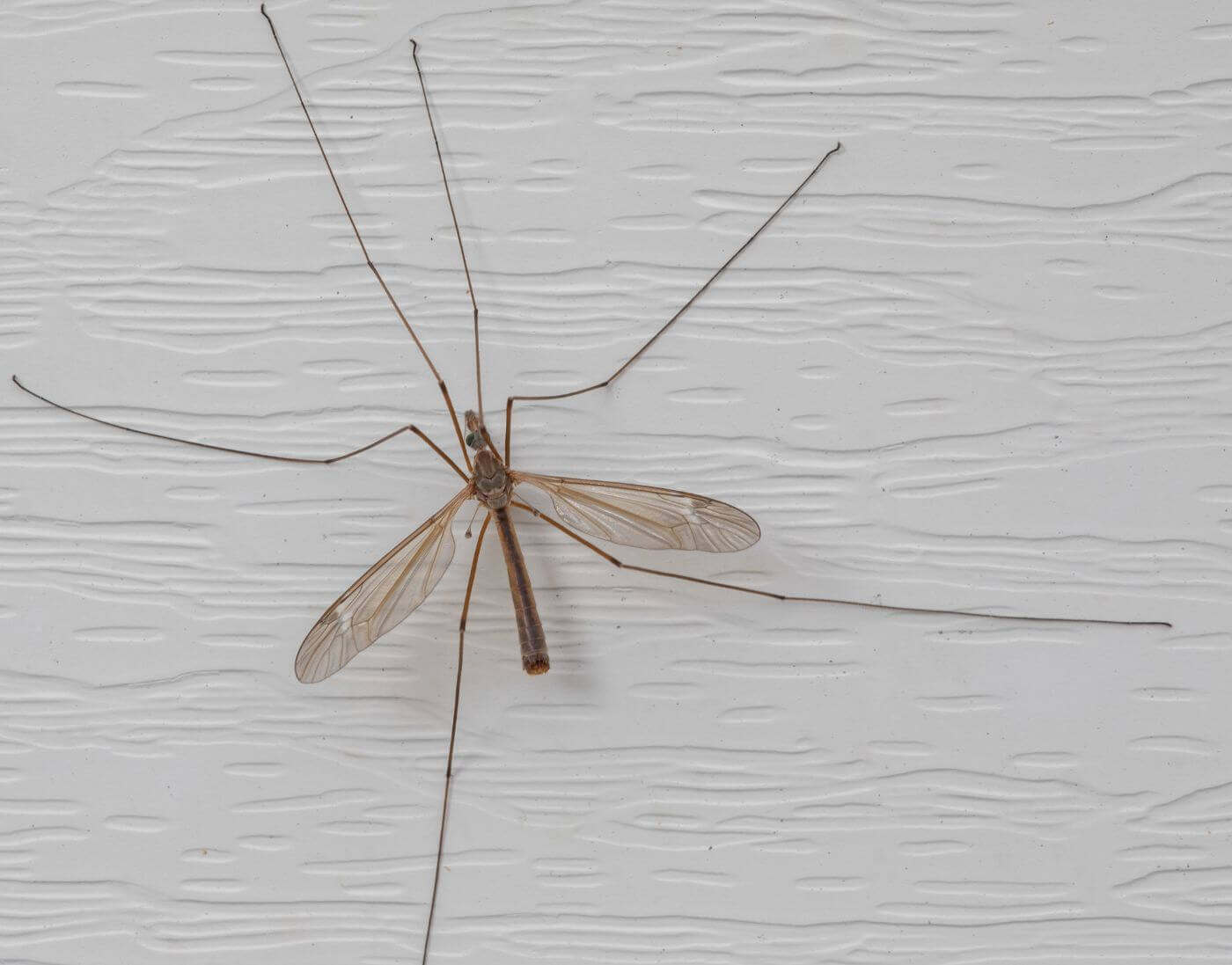
Fungus Gnats are the dark, slender flies that lift off a plant pot the second you water it. “Gnat” is a loose label. People use it for fruit flies, drain flies, and even the outdoor biting midges called no see ums.
Unlike other household invaders, you will almost exclusively encounter fungus gnats in houseplants, commercial greenhouses, or interior atriums. They have no interest in your kitchen counters or your plumbing fixtures. If you see a swarm of tiny insects rising from the dirt when you water a potted plant, you are looking at a classic soil-bound pest with a fragile, mosquito-like build:
- Size: roughly 1/16 to 1/8 inch (1.5 to 3 mm), like a miniature mosquito
- Color: dark brown or black
- Legs and antennae: long legs and long, segmented antennae
- Wings: light gray or clear with a distinct Y shaped vein
- Flight: weak and wobbly, usually close to the soil
- Safety: no bites, no stings, no disease for people
What Are the Main Differences Between Fruit Flies, Drain Flies, and Gnats?
If you want to resolve an indoor insect outbreak, looking at fruit flies vs drain flies vs gnats requires evaluating multiple biological vectors. To the untrained eye, any flying speck in the kitchen or bathroom is just an annoying nuisance. However, analyzing their distinct habitats, lifecycles, movements, food preferences, and real-world health risks reveals that these three insects belong to completely different ecological niches.
Habitat
- Fruit flies are particularly attracted to kitchens and are found in trash bins, beverages, overripe fruits, empty bottles, and garbage disposals.
- Drain flies prefer wet areas with organic buildup. Look around bathroom and kitchen drains, laundry rooms, drain pans, and leaking plumbing. If the drains are clean but flies keep returning, a hidden leak may be keeping another breeding spot wet.
- Fungus gnats usually point back to damp potting soil. Houseplants and planters are their main indoor hangouts, and adults often collect around nearby windows.
Life Cycle
All these flies go through the same four stages: egg, larva, pupa, and adult with the only difference being the timeframe.
- Fruit flies: The eggs hatch in just about a day, and their life cycle lasts about 8 to 10 days during summer. The female can lay 500 eggs, and adults live up to 40 to 50 days if everything is perfect.
- Drain flies: The eggs hatch within about 32 to 48 hours. The larvae develop within 9 to 15 days, and the adult stage can be attained within 20 to 40 hours after hatching. The whole process takes about 1-3 weeks.
- Fungus gnats: The eggs hatch in about 4 to 6 days, the larvae feed for 10 to 14 days, and the entire cycle takes about 3 to 4 weeks. The adult stage lasts for only one week or two.
Flight Pattern and Behavior
The way these insects move is a dead giveaway for identification, even if you can’t catch one to look closely at its eyes or wings.
- Fruit flies are confident, curious flyers. They hover near eye level, loop in slow circles over a fruit bowl, and dart away the second you swing at them.
- Drain flies barely count as flyers. They hop in short, jerky bursts along walls, mirrors, and sink rims, and they rarely travel more than a few feet from the drain where they hatched.
- Fungus gnats are the wobbliest of the three. They zigzag lazily just above the soil, run across the surface, and crawl over the rim of the pot more often than they cross the room.
Primary Food Sources
Fruit fly larvae feed in fermenting material where yeast is active. Adults are strongly attracted to the odors produced by fermentation.
That means:
- Bananas
- Peaches
- Tomatoes
- Potatoes
- Wine
- Beer
- Juice
- Soda residue
- Trash
- Compost
- Dirty recycling
Drain flies eat very little as adults. Their larvae do the feeding on the bacteria, fungi, algae, and tiny organisms that live in the slime coating a drain wall.
Fungus gnat larvae feed mainly on fungi, algae, and decomposing organic material. They may also feed on fine roots, especially when populations are high.
Damage and Health Risks
Luckily, drain flies or moth flies, as they are sometimes called, cannot bite or sting. In addition, they do not carry pathogens that could be transferred to humans via blood.
Nevertheless, they carry bacteria from raw sewage and can contaminate clean bathrooms with pathogens from their bodies.
Furthermore, large populations of these drain flies can lead to the proliferation of other diseases. Dead adult drain flies that have invaded the walls can lead to asthma attacks when their remains become airborne.
Similarly, fungus gnats are generally harmless to humans, pets, and other animals. The insects do not carry pathogens that can be transferred to you by a bite.
However, their larvae are very damaging to houseplants. When a gnat infestation occurs, larvae consume all the available fungi in the soil. Turns out, this leads to their starvation. They begin feeding on the roots of plants, which leads to yellowing and plant death.
Fruit flies pose the greatest risk to food safety. While they cannot bite, their bodies carry dangerous pathogens gathered from trash bins, such as Salmonella, E. coli, and Listeria. When they land on your fresh food, they contaminate it immediately. In turn, that makes them a significant health hazard in commercial and residential kitchens alike.
How to Tell Which Pest Infestation You Have (The 3 Second Test)
If you have a flying insect buzzing around your room and need an immediate diagnosis, you don’t need a microscope. Use this reliable 3-second location test to determine the exact type of fly infestation you are facing.
- If it hovers around your kitchen fruit bowl, it’s a fruit fly.
- If it rests on the bathroom wall or hops near the sink, it’s a drain fly.
- If it crawls out of your houseplant soil when you water, it’s a fungus gnat.
How to Get Rid of Fruit Flies
The fastest way to get rid of fruit flies is to attack the problem from both sides. First, take out whatever feeds them and gives them a place to lay eggs. Then trap the flies that remain. If you skip either half, there’s a high possibility that the population bounces right back, since a female can lay hundreds of eggs and the whole cycle wraps up in about a week and a half.
Set a Vinegar and Soap Trap to Drown Flying Adults
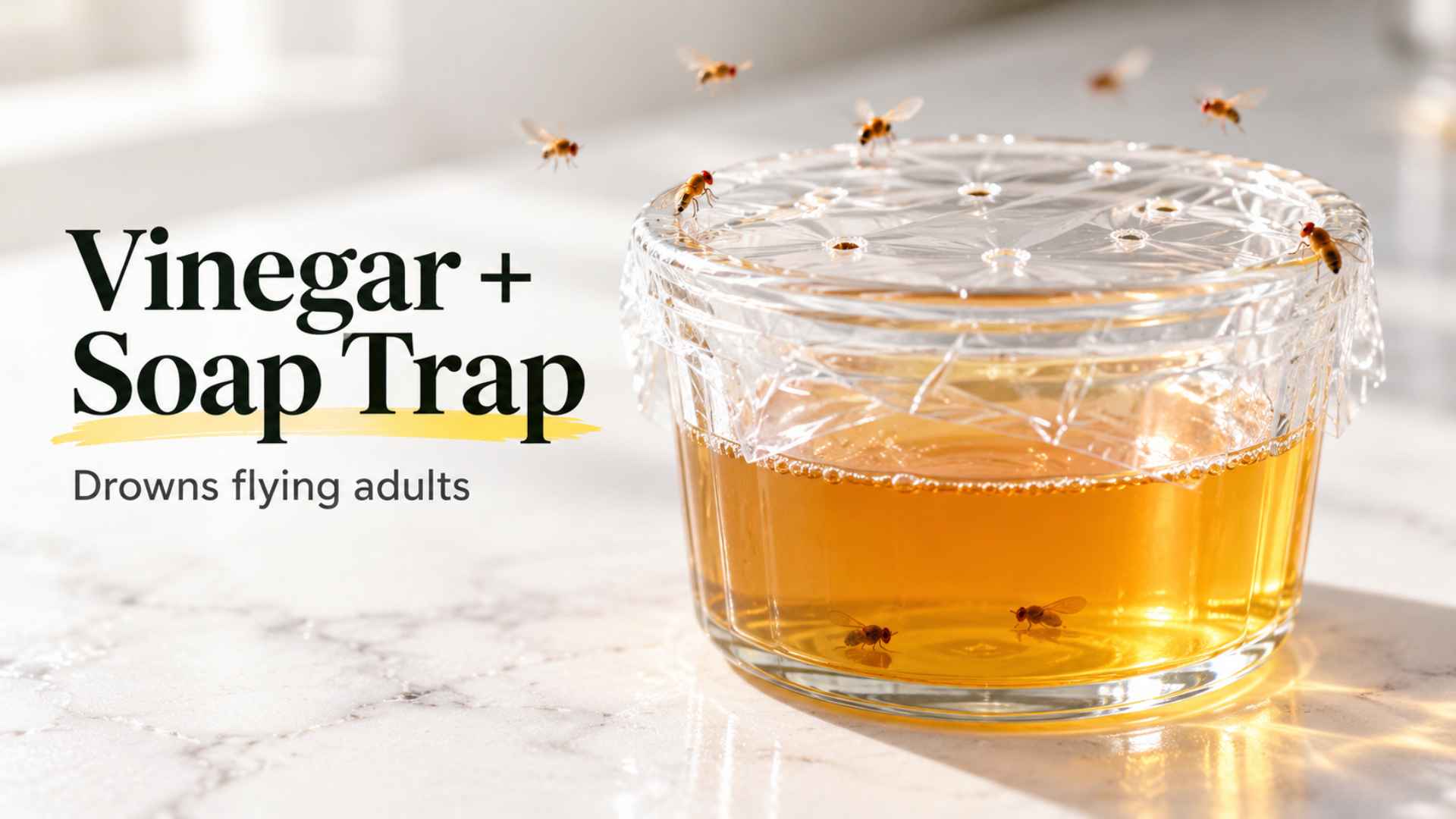
The classic apple cider vinegar trap remains one of the most reliable ways to clear out adult fruit flies. Take a small ramekin or jar and fill it with two inches of raw apple cider vinegar. Because the vinegar mimics the scent of fermenting, overripe fruit, it draws the flies in from across the room. Next, add three drops of liquid dish soap directly to the liquid and stir gently.
Normally, a fruit fly is light enough to land on top of a liquid, sip it, and fly away safely. With the dish soap added, the surface tension collapses instantly. The second a fly touches the vinegar, it sinks directly to the bottom and drowns. For maximum efficiency, cover the top of the jar with plastic wrap and poke several holes in it to create a one-way trap.
Use Sticky Fruit Fly Traps
Sticky fruit fly traps catch what the vinegar misses. Place them at counter height near the busiest spots: the fruit bowl, the recycling bin, and the sink. Stand them upright or hang them from a cabinet handle.

Check them every couple of days, and swap them once they fill up. Traps will not clear a fruit fly infestation by themselves, but they do two useful things. They shrink the cloud of adults while you fix the source, and they work as a scoreboard. If the count drops from one week to the next, your plan is working. If it holds steady, a hidden breeding site is still pumping out flies.
Clean Your Drains Regularly
A quite common mistake homeowners usually make when trying to get rid of fruit flies is ignoring their sinks for the most part. While fruit flies prefer solid food, they routinely migrate into kitchen garbage disposals and sink lips to lay eggs inside the damp food grease coating the pipes.
To resolve this, clean your drains weekly using mechanical and thermal methods. Use a stiff, long-handled nylon plumbing brush to physically scrub the interior collar of the drain and garbage disposal splash guards. You could also pour a gallon of boiling water down the line to cook any hidden larvae.
Clear out Sources of Attraction
No trap will cure an infestation if your kitchen has an open, competing food source. As we told earlier, you need to cut back their food source, and then you will be able to treat the infestation properly.
You must completely sanitize your food storage areas. Remove all uncovered produce from your counters and place it securely inside the refrigerator. Wipe down your pantries, paying special attention to the bottom floors where onions, potatoes, and garlic are kept; a single leaking, decomposing potato can feed thousands of flies for weeks.
Besides, you also need to thoroughly wash your indoor recycling bins with hot, soapy water to remove sticky soda and beer residues, and always empty your interior trash cans into secure outdoor bins every single night.
Use Pyrethrin Aerosol Sprays for Instant Knockdown
When a fruit fly population gets completely out of hand and you need to clear a room immediately for dinner or food prep, traps work too slowly. In this scenario, use a pressurized pyrethrin aerosol spray.
Pyrethrins are natural insecticides extracted directly from chrysanthemum flowers that attack flies’ nervous system on contact. Though before you do that, make sure you keep all food items covered or stored away, close the windows and doors of the kitchen, and spray the aerosol mist directly into the air where the flies are swarming.
Leave the room closed for 15 minutes, then open the windows to ventilate the space. This delivers an instant knockdown of all adult flying insects.

How to Get Rid of Drain Flies
To successfully get rid of drain flies, you must target the gelatinous drain film coating the interior walls of your pipes. Because their bodies are coated in fine, water-repellent hairs, simply running the faucet or flushing cold water down the sink will not wash them away. You must use targeted physical and chemical strategies to strip their breeding grounds.
Use the Overnight Tape Test
Before you spend time and money treating every pipe in your home, you must figure out exactly where the drain flies are breeding. You could do this easily using the simple overnight tape test.
Cut off a piece that’s large enough to cover the opening of your suspect drain, and press it over the drain with the sticky side facing down. Leave the tape in place overnight. As adult drain flies attempt to crawl out of the dark plumbing lines during their peak nocturnal hours, they will fly upward and stick to the underside of the tape. If you see dozens of fuzzy insects trapped on the sticky adhesive, you have successfully located an active breeding site.
Scrub Drains with a Brush
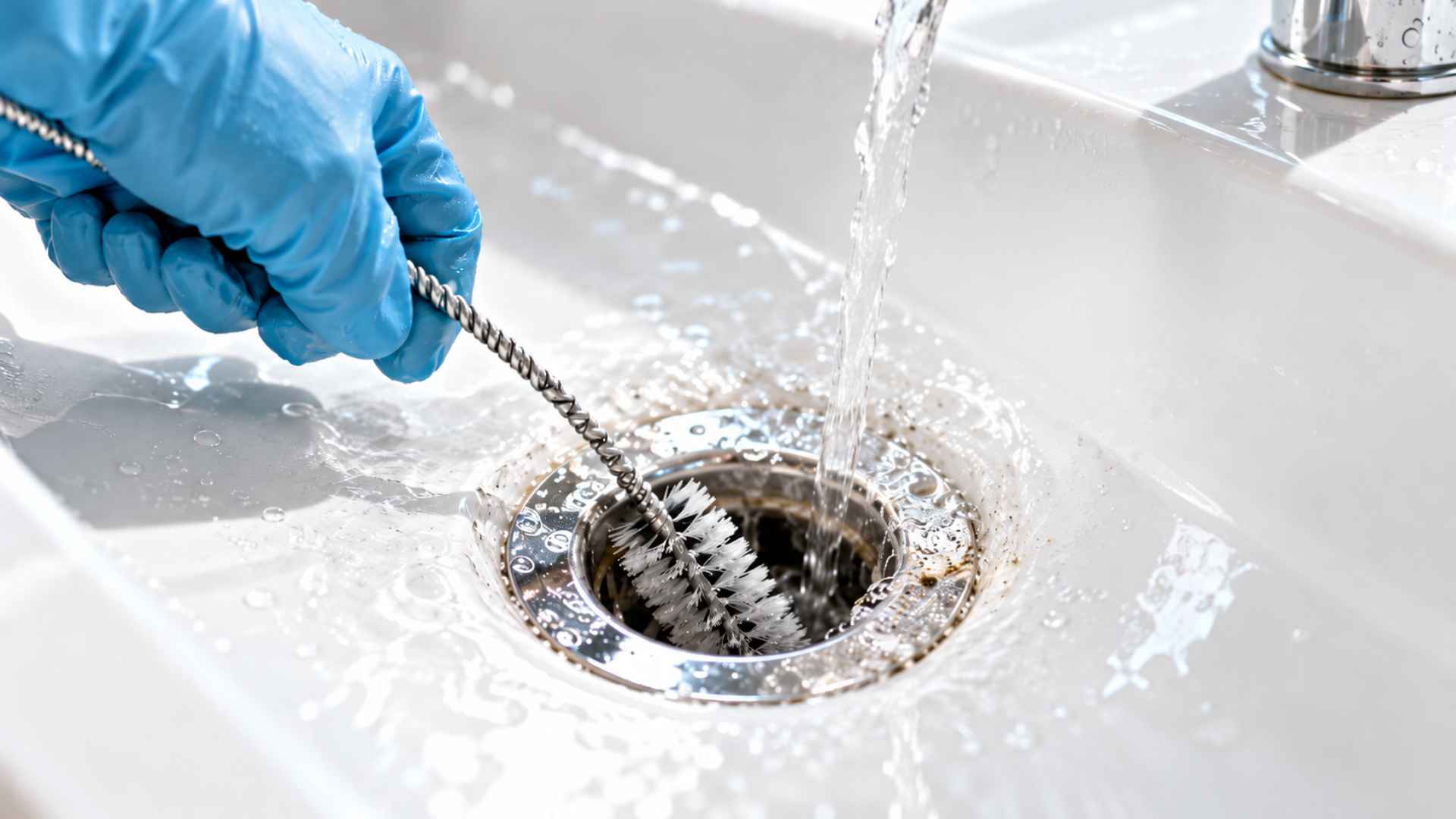
Once you find the infested pipe, you must mechanically break up the heavy organic sludge where the larvae live. Regular liquid chemicals cannot dissolve this thick biofilm on their own. Turns out, you do need to scrub it manually.
Purchase a flexible, long-reach wire plumbing brush. Insert the brush deep into the drain pipe and run it up and down against the inner metal walls while rotating it continuously.
This physical scrubbing action tears away the thick layers of accumulated hair, grease, and soap scum, exposing the hidden larvae underneath. You can also run hot tap water down the line while scrubbing to wash the loosened debris away.
Flush Pipes with Enzyme Cleaners
After scrubbing away the heavy layers of sludge, you need to take off the remaining microscopic biofilm. Yo do not use standard bleach for this step since bleach is a thin liquid that flows quickly down the pipe. It could, in turn, fail to stick to the walls or penetrate the thick sludge.

Instead, what you can use is a specialized, thick enzyme drain gel. Pour the recommended dose of enzyme gel directly down the sides of the drain pipe just before you go to bed.
The heavy, viscous gel is engineered to coat the entire circumference of the inner pipe. Over the next eight hours, the living enzymes inside the gel actively eat away the remaining organic waste. This’ll wholly take away the drain flies’ food source and help you get rid of them far more easily.
Pour Boiling Water Down Drains
To get rid of drain flies, support your enzyme treatments by first checking your plumbing material.
If you have metal pipes (cast iron or copper), you can safely pour boiling water (212°F) down the drain to kill larvae and eggs on contact. However, if you have plastic pipes (PVC or PEX), boiling water will warp the plastic and melt glued joints; use hot tap water (140°F) instead.
Because hot water rushes past the thick, gelatinous biofilm where pests breed, you must use a stiff pipe brush to mechanically scrub the drain walls. The extreme heat delivers an immediate thermal shock, cooking any active drain fly larvae and eggs on contact.
Clean the P-Trap Manually
When drain fly infestation persists despite chemical flushes, the problem usually sits deep inside the P-trap, the U-shaped pipe section located directly beneath your sink.
This area naturally traps a small pool of standing water to block sewer gases, but it also collects heavy, decomposing organic sludge.
Place an empty bucket beneath the sink, use a wrench to loosen the slip nuts on the plumbing joints, and remove the U-shaped pipe section entirely.
Invert the pipe over the bucket and use a wooden dowel or an old brush to push out the impacted plug of hair and grime. Wash the pipe thoroughly before reassembling the plumbing joints.
Hang Sticky Traps for Adults

Although you are busy treating the interior plumbing lines to wipe out the drain fly larvae, you still have to deal with the adult flies resting on your bathroom walls. To capture them safely without staining your drywall, hang sticky traps near the affected area.
How to Get Rid of Fungus Gnats
To successfully get rid of gnats, your treatment strategy must focus entirely on the soil environment. Because these insects live and breed in moist dirt, your goal is to eliminate sub-surface moisture and target the larval stages hidden beneath your houseplants. When dealing with drain flies vs fungus gnats, remember that your plants require a gentle, biological touch rather than heavy pipe chemicals.
Let the Plant Soil Dry Out
The absolute easiest and most effective way to eliminate fungus gnats is to adjust your watering schedule. Gnat eggs and larvae require constant moisture to survive. If the soil stays damp, they will multiply indefinitely.
Stop watering your affected houseplants and allow the top two inches of potting soil to dry out completely. You can verify this by pushing your index finger into the dirt down to the first knuckle.
When the top layers dry out, the soil turns into a dusty, inhospitable environment that naturally dehydrates and kills off the delicate eggs and larvae, breaking their reproductive cycle without costing you a dime.
Deploy Yellow Sticky Cards
To manage the flying adult gnat populations buzzing around your greenery, deploy yellow sticky cards. Fungus gnats are strongly attracted to the specific visual wavelength of bright yellow.

Drench Soil with Hydrogen Peroxide
If you have a severe fungus gnats infestation you can also perform a soil drench using standard 3% household hydrogen peroxide.
- Mix one part hydrogen peroxide with four parts clean water in a watering can.
- Run this solution directly over the soil of your houseplants until it drains out of the bottom holes.
- The second the mixture hits the soil, it will begin to fizz and bubble. This completely safe chemical reaction releases pure oxygen, which destroys the delicate bodies of gnat larvae and eggs on contact while leaving your plant’s roots completely unharmed.

Cover the Topsoil with Sand
To create a permanent physical barrier that prevents future fungus gnat infestations, add a layer of coarse sand to your containers.
Wait until your soil has dried out, then spread a clean, one-half-inch layer of horticultural sand or fine gravel completely over the top of the potting mix.
Adult gnats are fragile and cannot dig through the heavy, abrasive sand grains to lay their eggs in the moist dirt below. Furthermore, any newly hatched larvae trapped beneath the sand will be unable to dig their way out to the surface, effectively suffocating the population.
Apply Mosquito Bits or Dunks
Mosquito Bits are one of the easier ways to go after fungus gnat larvae directly. Their active ingredient is Bti, a bacterium that becomes deadly to the larvae after they consume it in the potting mix.

Mix 4 tablespoons of Bti with a gallon of water, leave it to soak for 30 minutes, then skim out the granules. Use that treated water on the soil just like a normal watering.
Repeat the treatment once a week for three weeks. That gives you a better chance to get rid of gnats by stopping new adults from developing underground.
Frequently Asked Questions (FAQs)
How do I know if I have fruit flies or drain gnats?
The easiest way to differentiate them is by evaluating their physical shape, color, and location. Fruit flies are tan with distinct red eyes and a rounded shape, and they hover directly over kitchen produce. Drain flies are dark gray, fuzzy, look exactly like tiny moths, and stay close to plumbing fixtures.
Will pouring vinegar down the drain get rid of fruit flies?
No, pouring straight vinegar down the drain will not solve the problem. While vinegar is an excellent attractant for an adult DIY trap, pouring it down the line simply washes it away. It does not dissolve the heavy organic sludge where the eggs and larvae are anchored.
Do fruit flies live in drains?
They do not live deep inside sewers, but they will absolutely use dirty kitchen drains and garbage disposals as a secondary breeding source. If a drain has an accumulation of trapped food particles and grease, fruit flies will readily lay their eggs inside that top layer of film.
What smell does drain fly hate?
Drain flies are highly repelled by concentrated essential oils, particularly peppermint, eucalyptus, and lavender. While wiping these oils around your sink rim will temporarily keep adult flies away from the area, it will not kill the larvae living inside the pipe biofilm.
Why do fungus gnats keep coming back?
They keep returning because the underlying potting soil remains consistently overwatered and damp. Even if you kill the flying adults, a damp soil environment allows hidden eggs to hatch continuously. You must dry out the dirt completely to stop the cycle.
Will bleach kill drain flies?
No, bleach is highly ineffective against drain flies. Bleach is a thin liquid that pours quickly past the grime without penetrating it. Furthermore, drain fly larvae have water-repellent body hairs that protect them from brief chemical flushes, allowing them to easily survive a bleach pour.
Is my house dirty if I have fruit flies?
Not at all. A fruit fly infestation is not a reflection of your overall household cleanliness. These tiny insects are routinely brought indoors unknowingly as invisible eggs attached to fresh, clean produce purchased from your local grocery store.
Wrapping Up…
Navigating a small fly in the house issue does not have to be an endless game of frustration. When dealing with fruit flies vs drain flies, fruit flies vs gnats, or drain flies vs fungus gnats, success comes down to a proper diagnosis. Once you take three seconds to look at where the insects congregate and how they fly, you can easily identify the species and target the correct breeding site. Whether you are setting vinegar traps on your kitchen counter, scrubbing out a bathroom sink line, or drying out the soil of your favorite houseplant, targeting the larval source is the only way to earn permanent results. Use the strategies outlined in this guide to reclaim your home from these frustrating pests.