
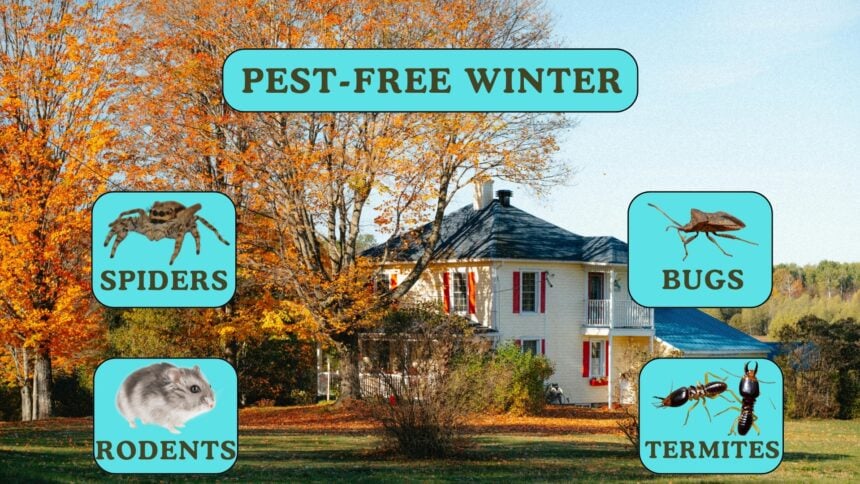
When the leaves start to change color and that crisp autumn air finally hits, most of us are thinking about pumpkin spice and pulling our favorite sweaters out of storage. However, while you are preparing for the cozy months ahead, a whole world of tiny invaders is looking at your house as the ultimate winter resort. Many people think that bug and rodent problems just disappear when the temperature drops, but that is actually a pretty common misconception. In reality, the pests are not dying off, they are simply trying to move in with you.
To give you the direct answer right away, fall pest control is the single most important thing you can do to ensure you don’t spend your December sharing your kitchen with mice or your walls with beetles. By the time the first frost hits, many pests have already found their way inside through tiny gaps you might not even know exist. If you wait until you actually see a bug in January, the infestation is likely already well established. Taking care of the perimeter of your home now is the only way to prevent pests in winter and keep your peace of mind intact.
Table of Contents
Why Pests Become a Problem in Fall In The First Place
It all comes down to basic survival. Just like us, pests need warmth, food, and water to make it through the colder months. When the plants they usually eat start to die and the ground begins to freeze, your climate-controlled home becomes the most attractive target in the neighborhood. They aren’t trying to annoy you on purpose, but they are incredibly good at sensing the heat escaping from your vents and windows. This seasonal migration is why fall pest control is such a vital step in home maintenance.
Common Pests That Invade Homes in Fall
Stink Bugs
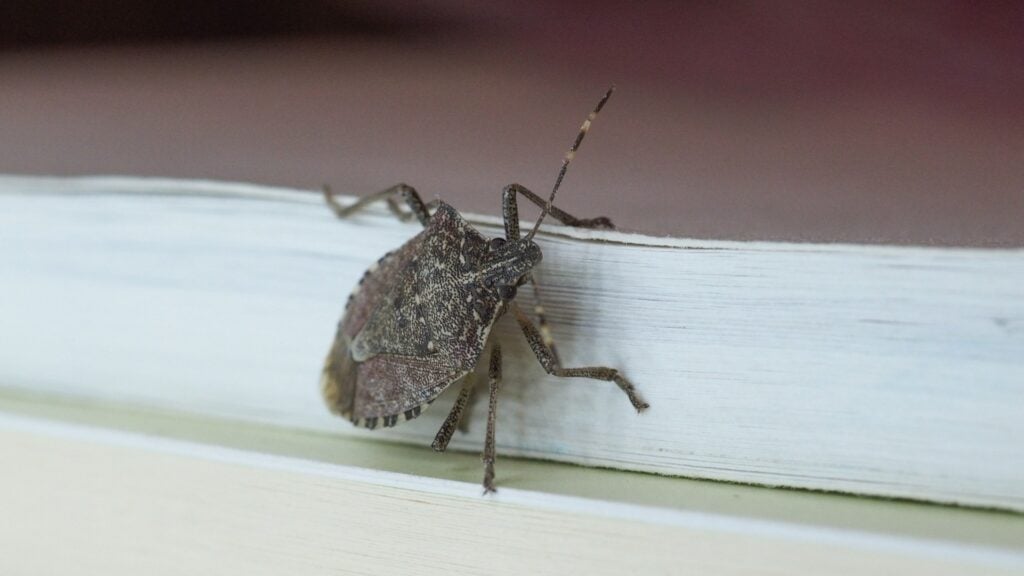
These bugs are famous for showing up on your window screens as soon as the sun hits the glass in October. They are looking for any tiny crack to crawl through so they can spend the winter in your attic or wall voids. While they don’t bite or cause structural damage, they do live up to their name if you accidentally crush one.
Asian Lady Beetles
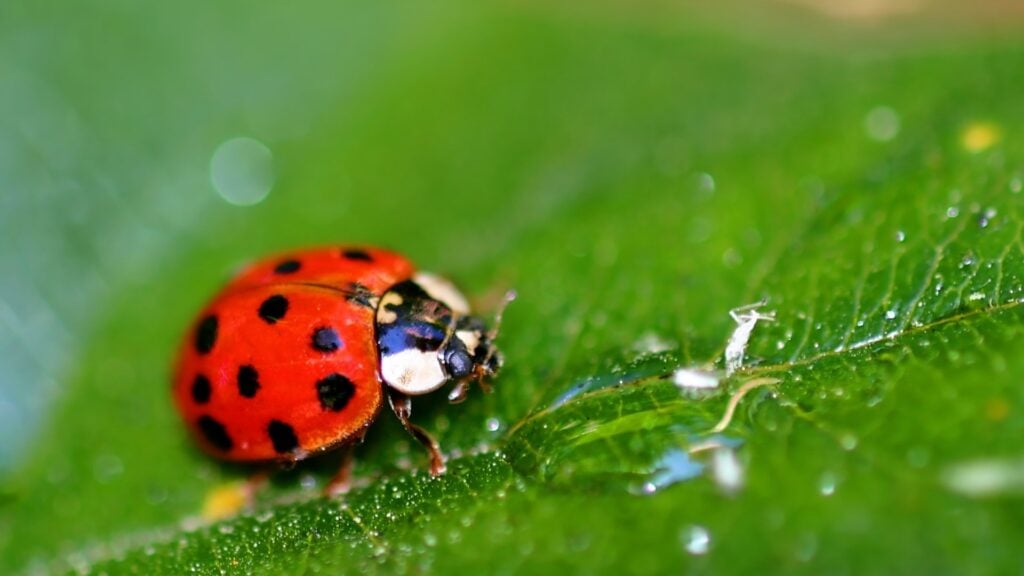
You might mistake these for ladybugs, but they are a bit more aggressive and tend to gather in huge clusters on the sunny side of your house. Once they find a way in, they can stain your curtains or walls with a yellow secretion that smells quite unpleasant.
Boxelder Bugs
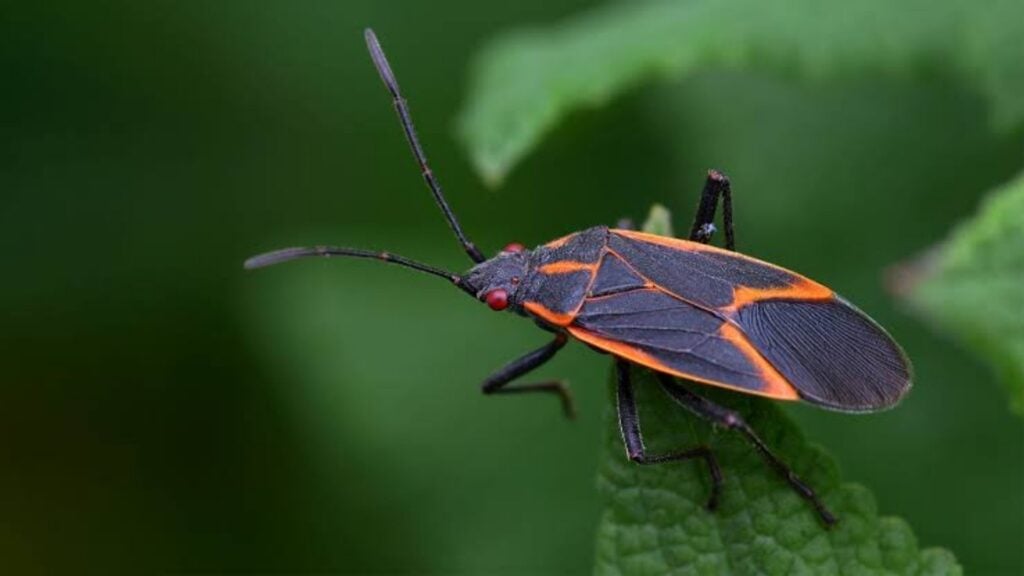
These black and orange insects love to sunbathe on rocks and siding. They aren’t dangerous to humans, but they are incredibly persistent about finding gaps around door frames and window sills to hunker down for the colder months.
Rodents (Mice, Rats, Squirrels)
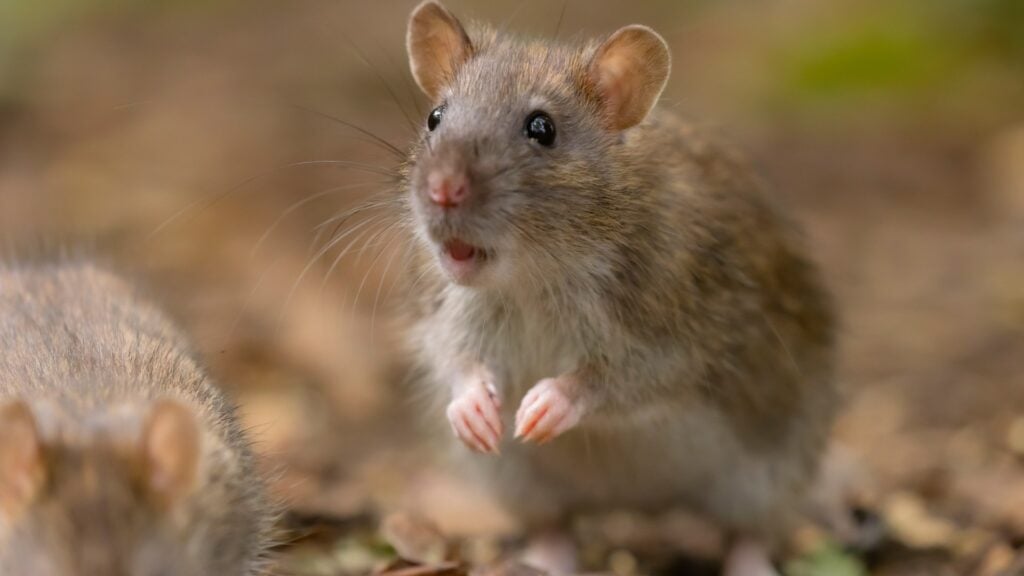
This is the big one. A mouse can squeeze through a hole the size of a dime, and once they are in, they start nesting in your insulation. They chew on wires, which is a massive fire hazard, and they leave droppings everywhere. This is exactly why pest control is important because a rodent problem can quickly turn into a health and safety crisis.
Cluster Flies
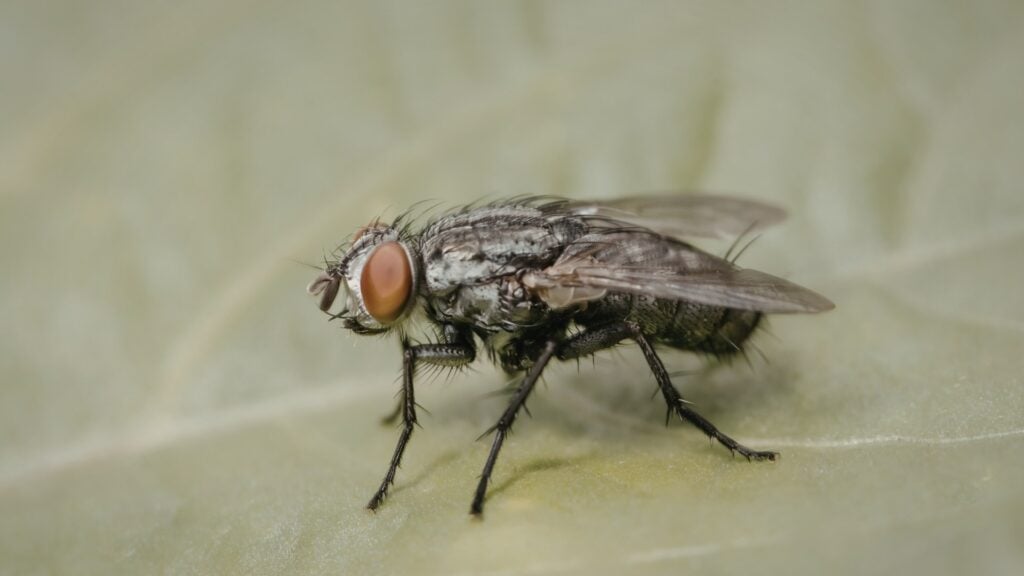
If you suddenly see large, sluggish flies buzzing around your lamps in the middle of winter, those are cluster flies. they enter your home in the fall and hide in the walls, only to emerge on warmer winter days when they get confused by the light.
Spiders
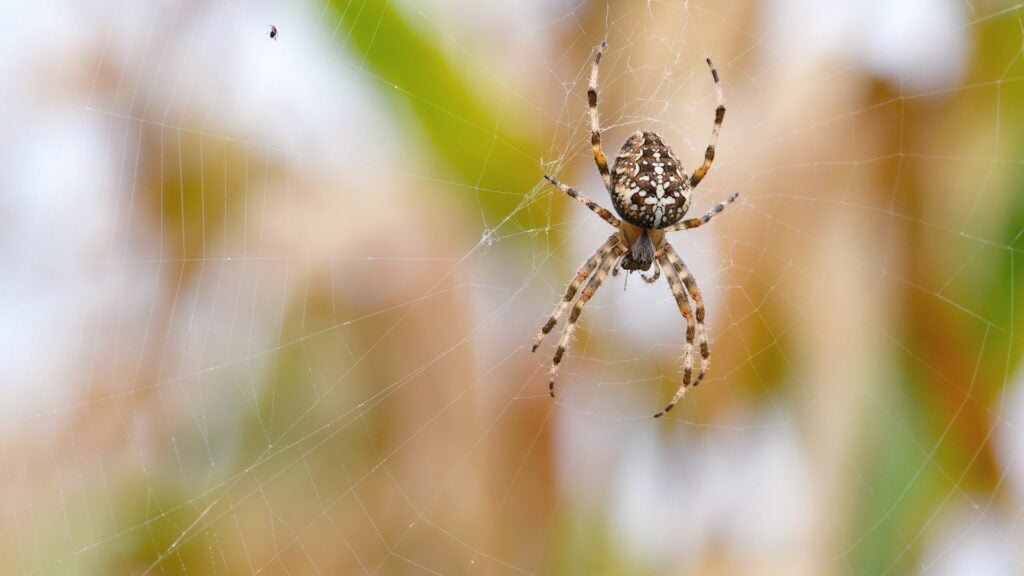
Most spiders are actually beneficial because they eat other bugs, but nobody wants a basement full of webs. As their outdoor prey disappears in the fall, spiders will naturally follow the other insects that have already moved into your house.
Termites
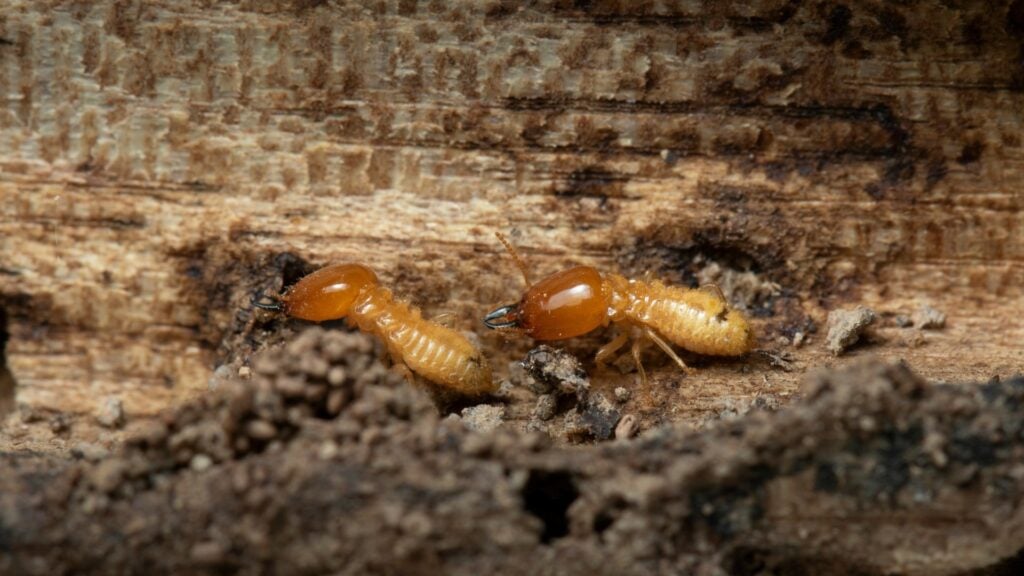
People often forget about termites in the winter, but they don’t go dormant. In fact, if they have already found a way into your heated crawl space or basement, they can keep eating away at your wooden supports all year long without you even noticing.
4 Major Benefits of Fall Pest Control for Winter Protection
Stops infestations before they start
The easiest way to deal with a pest problem is to make sure it never happens. By treating the exterior of your home in the fall, you create a chemical barrier that stops bugs from even thinking about entering. It is much easier to keep them out than it is to hunt them down once they are hiding behind your drywall.
Protects home structure and belongings
Rodents and certain insects can do a surprising amount of damage in a short amount of time. Mice will shred your Christmas decorations for nesting material, and termites can compromise the integrity of your floor joists. Winter pest control acts as an insurance policy for your biggest investment.
Reduces health risks
Pests are notorious for carrying bacteria and allergens. Cockroaches and rodents can trigger asthma attacks and spread diseases like Hantavirus or Salmonella. Maintaining a clean, pest-free environment during the months when you are spending the most time indoors is essential for your family’s health.
Saves money on future extermination
A preventative spray and a quick inspection in October are significantly cheaper than a full-scale emergency extermination in February. When you stay ahead of the curve, you avoid the high costs of repairing chewed wires or replacing contaminated insulation.
Top Fall Pest Control Tips to Prevent Winter Infestations
Seal cracks and entry points
Grab a tube of high-quality caulk and walk around the outside of your house. Check where the siding meets the foundation and look for gaps around where pipes enter the walls. This is the most effective way to pest-proof your home because if they can’t get in, they can’t cause trouble.
Clean and declutter storage areas
Pests love cardboard boxes and piles of old newspapers. If your basement or attic is cluttered, you are giving them the perfect place to hide and breed. Switch your cardboard storage boxes for plastic bins with tight lids to make your home much less inviting.
Proper food storage and waste management
Even a few crumbs under the toaster can sustain a family of mice for weeks. Make sure your pantry items are in sealed containers and don’t leave pet food out overnight. Keeping your trash cans tightly sealed is another huge deterrent.
Maintain yard and remove debris
Firewood piles and leaf mounds are like magnets for rodents and spiders. Keep your firewood stacked at least twenty feet away from your house and make sure you clear out any dead vegetation from your garden beds before the first snow.
Inspect attic, basement, and garage
These are the “forgotten” zones of the house where pests usually gain a foothold. Take a flashlight and look for droppings, chewed wood, or nests. Catching a problem in the garage now prevents it from moving into the kitchen later.
Conclusion: Take Action Before Winter Hits
Many homeowners find themselves asking do you need pest control in winter, and the answer is a resounding yes. While the bugs might not be as visible outside, they are very much alive and looking for a way into your warm living room. By taking a proactive approach with pest control winter strategies now, you can enjoy your holidays without the stress of unwanted visitors. Whether you do it yourself or hire a professional, pest control for winter is a small investment that pays off in a huge way. Don’t wait for the first mouse to scurry across the floor, get your winter pest prevention plan in place today.
FAQs About Fall Pest Control
When should fall pest control start?
You want to get started in late September or early October. The goal is to have your defenses in place before the first true cold snap hits, which is when the “great migration” into homes usually begins.
How often should pest control be done?
A quarterly service is usually the gold standard. This allows a professional to adjust the treatment based on the specific pests that are active during that season. However, the fall treatment is arguably the most critical for long-term success.
Can pests survive winter indoors?
Absolutely. Your home provides the perfect 70-degree environment for them to thrive. Without pest control in winter, a few stray bugs in October can become a full-blown colony by March.
Is fall better than spring for pest control?
Both are important, but fall is about defense. Spring is when things start to wake up and move out, but fall is when they are trying to break in. If you have to choose just one, fall is often more effective for preventing indoor infestations.