
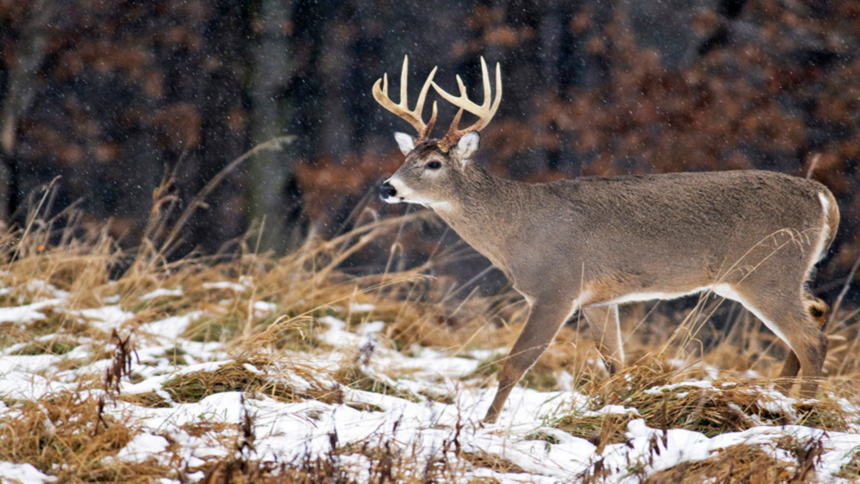
You have probably checked the forecast, seen gusts in the double digits, and wondered whether to bother heading out. The common belief is that deer lock down when the wind picks up, but the real story from years of collar data says otherwise. Do deer move on windy days?
Yes they do and often they move more during daylight hours than on calm mornings. Wind gives them a natural scent mask and sound cover that lets them travel with less worry about predators or hunters. This guide pulls together the latest research and hunter experience so you understand whitetail deer wind patterns and put them to work on your next hunt.
You will see why windy conditions can become some of your best days in the woods especially when you compare them to what we covered in “Do Deer Come Out in the Rain?” and “Do Deer Eat Black Walnuts?”.
Table of Contents
The Science Behind Whitetail Deer Wind Movement
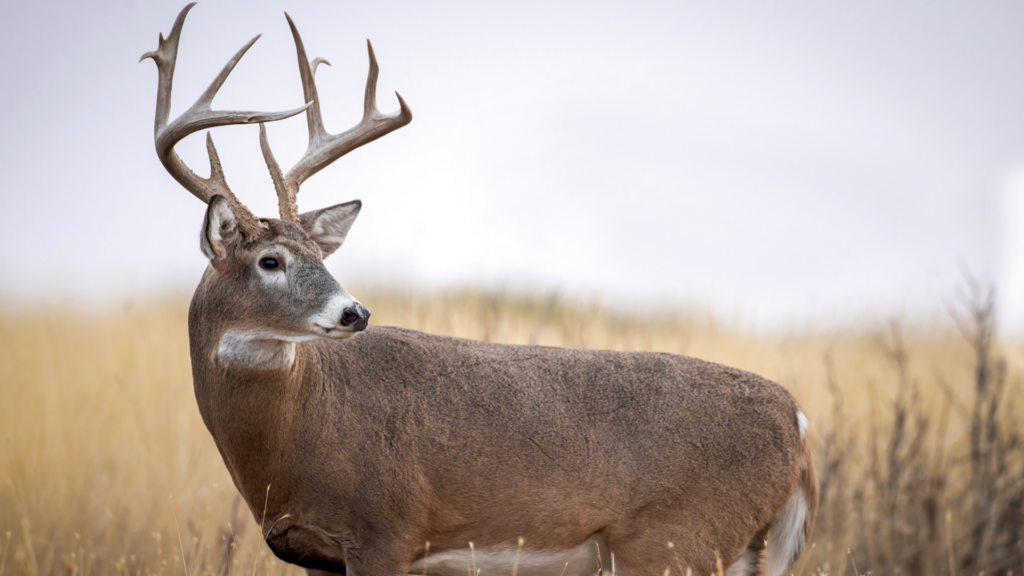
Penn State University stands out as one of the leading whitetail research facilities in the nation. Their 2015 GPS collar study along with work from Auburn University, the University of Georgia, and the University of Florida tracked exactly how whitetail deer movement changes with wind.
Of the 1,600 hunters they surveyed 90 percent said they believed deer moved less on windier days so the old adage must be true right? The data proved the opposite. Deer actually traveled farther when winds blew 1 to 3 mph than when winds stayed under 1 mph. The distance remained virtually the same until winds reached 10 plus mph which exceeds the daily average in most places.
Bucks in particular responded stronger than does and they shifted more activity into daylight hours while cutting back at night. Not only does wind allow a little extra cover for muffling sounds but hunting pressure and the timing of the rut play bigger roles in daytime sightings.
A quick stat shows bucks traveled 100 feet per hour with less than one mph winds 115 feet per hour with 1 to 15 mph winds and 213 feet per hour with 16 to 27 mph winds. This whitetail deer wind research flips the old thinking on its head and sets up the next question of exactly how different wind speeds change deer movement.
Light Wind vs High Wind – How Much Wind Is Too Much?
Wind speed decides the details of deer activity wind more than most hunters realize. Light breezes often boost movement while stronger gusts simply shift where deer travel. Here is the breakdown.
Light Wind (5–10 mph) – Often Increases Deer Movement
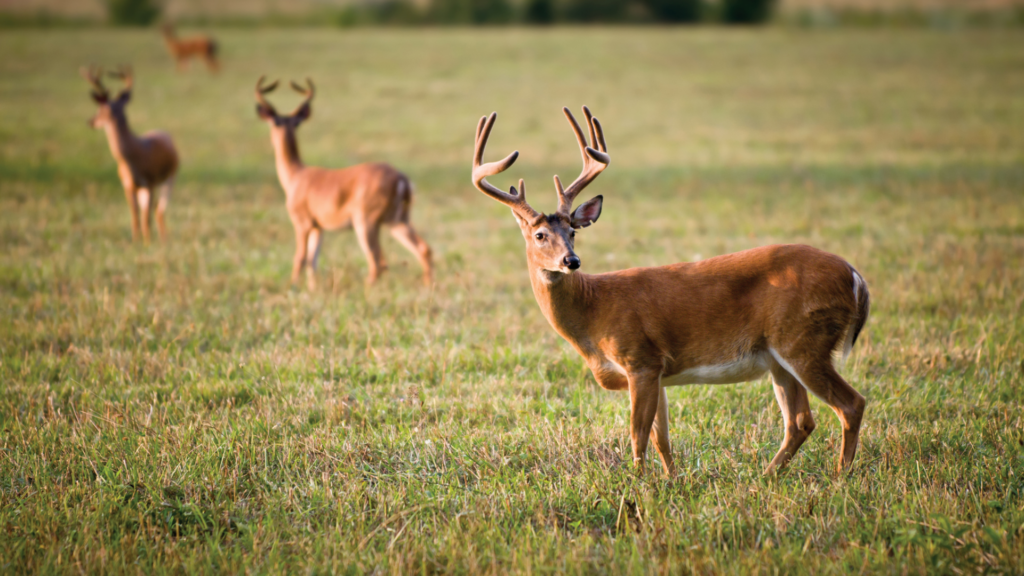
Light wind creates the perfect mix of scent mask and sound cover that makes deer feel safe enough to move on their normal schedule. They stick closer to routine feeding and travel routes because every step stays hidden from distant ears and noses. This range works especially well in early season or late season when deer focus on food sources.
Moderate Wind (10–15 mph) – Peak Activity Window
When the breeze picks up to moderate levels deer hit their stride for daytime activity. The extra sound cover lets them cover more ground without worry and you see more mature bucks on the move checking scrapes or does. This window often delivers the best sightings of the season because the wind keeps human scent from carrying far.
High Wind (15–25+ mph) – Movement Shifts to Sheltered Areas
High wind does not shut deer down completely but it does change their pattern. They hug bedding areas and thick cover where the gusts stay blocked and they move shorter distances between safe spots. Even in these conditions they still feed and travel just with more caution and closer to protection. Do deer move in wind over 25 mph? The data says yes but the activity drops and stays very close to thick shelter.
Post-Wind Calm – Major Feeding Surge
The real payoff often comes in the post-wind window once the gusts settle. Deer that held tight during the blow get hungry and head out for a strong feeding surge. This calm period after strong winds can produce some of the best daylight movement of the week.
Here is a side by side table to help you plan:
| Wind Speed | Daytime Movement | Nighttime Movement | Best Hunting Strategy |
| Light Wind | Increased | Normal | Hunt edges and trails |
| Moderate Wind | Peak | Reduced | Target mature bucks on downwind sides |
| High Wind | Lower but steady | Very low | Focus on bedding areas and thick cover |
| Post-Wind Calm | Major surge | Normal | Sit food plots right after gusts end |
This comparison shows why whitetail deer wind deserves a spot in every hunter’s plan.
Why Windy Days Are Prime for Mature Bucks
Mature bucks use windy conditions to their advantage more than younger deer. The extra cover from sound cover wind and scent mask wind lets them cruise does or check food sources in daylight without feeling exposed.
During the rut this behavior stands out because bucks push harder knowing their movements stay hidden. In early and late season the same pattern holds as big deer feel safer traveling farther when the wind blows.
Hunting pressure drops on these days too because many hunters stay home so the woods belong to the smart bucks that keep moving. Combine this with what you already know from deer bedding habits and you see why windy days often produce the heaviest antlers on the trail cam.
Practical Hunting Tips for Windy Conditions
You can turn windy day hunting into consistent success with a few smart adjustments. Here are the steps that work year after year.
- Hunt light wind or moderate windy conditions first because they deliver the strongest deer movement.
- Set up in bedding areas or thick cover during high wind so you catch deer moving short distances between safe zones.
- Use natural scent mask and sound cover to your advantage by staying downwind and letting the wind carry your scent away.
- Target mature bucks on the downwind edges where they feel safest traveling.
- Focus on post-wind feeding windows when deer surge out once the gusts die down.
A few more tips round out your plan. Place your stand with a wind checker so you always know the exact direction before you settle in. Try still hunting in gusts because the noise lets you move quietly from tree to tree.
Pack gear built for hunting wind such as a good windproof jacket and binoculars with steady grips. Check your favorite weather app for real time gust forecasts and adjust stands the night before.
Safety stays important so watch for falling branches in heavy gusts and let someone know your exact location. These adjustments turn whitetail deer wind days from washouts into prime opportunities.
Common Myths About Deer Movement in Wind
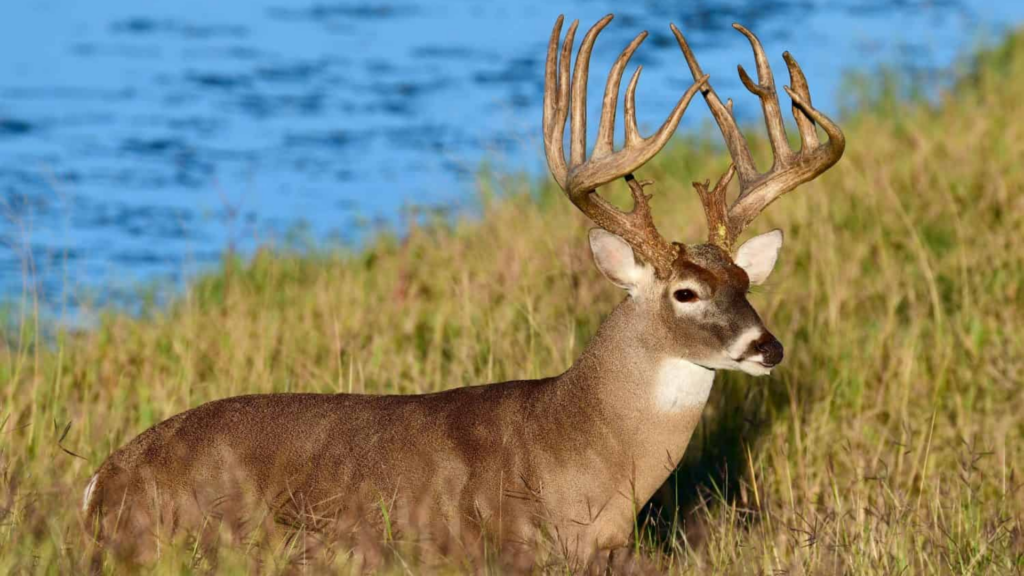
Old stories still float around the deer woods so let us clear a couple up. One myth claims deer bed down and stop moving in wind. The fact is studies prove do deer move on windy days and often they move more especially in daylight. Another myth says wind ruins all hunting. The truth shows it creates one of the best opportunities for seeing mature bucks because the extra cover works in your favor when you set up right.
Wrapping Up…
Do deer move on windy days? The research and field experience both say yes and sometimes they move better than on calm days. Wind gives whitetail deer wind the cover they need to travel more in daylight and it creates prime windows for mature bucks. Next time the forecast calls for gusts grab your gear and hunt smart instead of staying home. Check the wind speed plan around the post wind calm and you will put more deer on the ground. The woods stay full of opportunity even when the trees start swaying. Get out there and make the most of it.
FAQs
Do deer move on really windy days?
Yes deer still move on really windy days but they stay closer to bedding areas and thick cover. Activity drops from moderate wind levels yet it never stops completely. Focus your hunt on sheltered edges and you will still see deer.
Do deer move on windy days during the rut?
Windy days during the rut often produce excellent deer movement because bucks feel safe cruising for does. The scent mask and sound cover help them cover more ground in daylight so plan your sits around travel corridors and scrape lines.
Do deer move on warm windy days?
Warm windy days can trigger strong daytime activity especially if the wind stays in the light to moderate range. The combination of comfortable temperatures and extra cover keeps deer on their feet longer than on still warm mornings.
Where do whitetail deer go on windy days?
On windy days whitetail deer head for bedding areas with thick cover that blocks the gusts. They still move between these safe spots and nearby food sources so set up on the downwind edges and wait for them to filter through.