
You have probably walked your woods or backyard and spotted a black walnut tree loaded with nuts and wondered if the local deer are helping themselves. The quick answer is that deer rarely touch them.
Most hunters and biologists agree that do deer eat black walnuts comes down to a solid no in normal conditions. Whitetail deer have plenty of better options and usually pass right by these tough nuts.
Yet every rule has exceptions, especially when times get lean. This guide sorts out the facts so you know what to expect on your property, whether you hunt, garden, or manage land for wildlife.
Keep scrolling!
Table of Contents
Why the Question “Do Deer Eat Black Walnuts” Matters
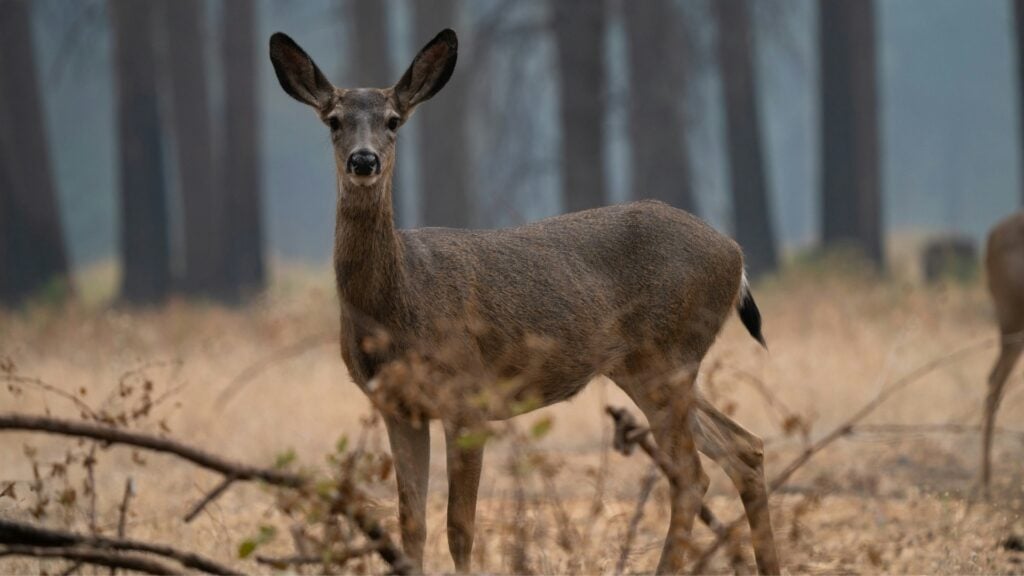
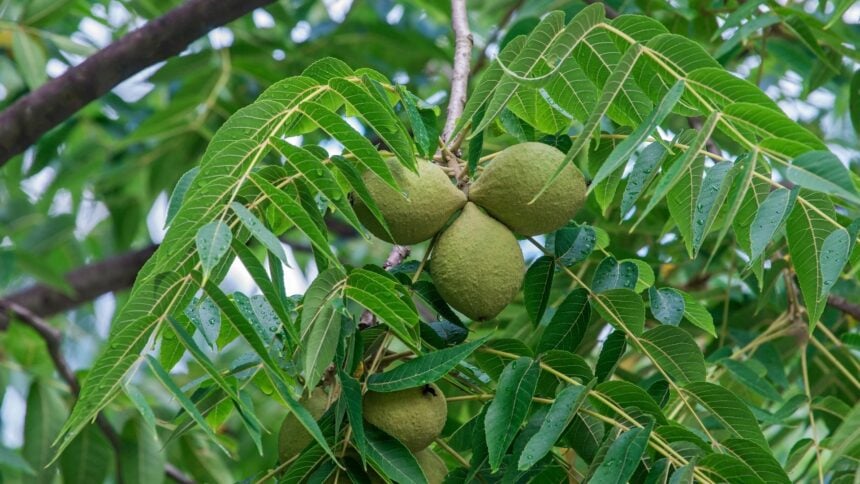
Black walnut trees produce juglone, a natural compound that acts like a herbicide around their roots and in the nuts themselves. The hard shells on black walnut nuts make them almost impossible for deer to crack open, unlike softer foods.
This matters a lot for hunters who plant food plots because black walnuts rarely pull deer in the way acorns or persimmons do. Gardeners deal with garden damage when deer nibble tender shoots instead. Landowners planting black walnut trees soon learn that young saplings need protection.
A quick look at the whitetail deer diet shows black walnuts rank far below preferred mast. Here is exactly what science and years of hunter reports say about deer black walnuts.
The Real Answer – Do Deer Eat Black Walnuts?
The real story on do deer eat black walnuts is more nuanced than a simple yes or no. Deer interact with these trees in limited ways but the nuts themselves stay low on their menu. Let us break it down.
Black Walnut Nuts – Rarely Eaten
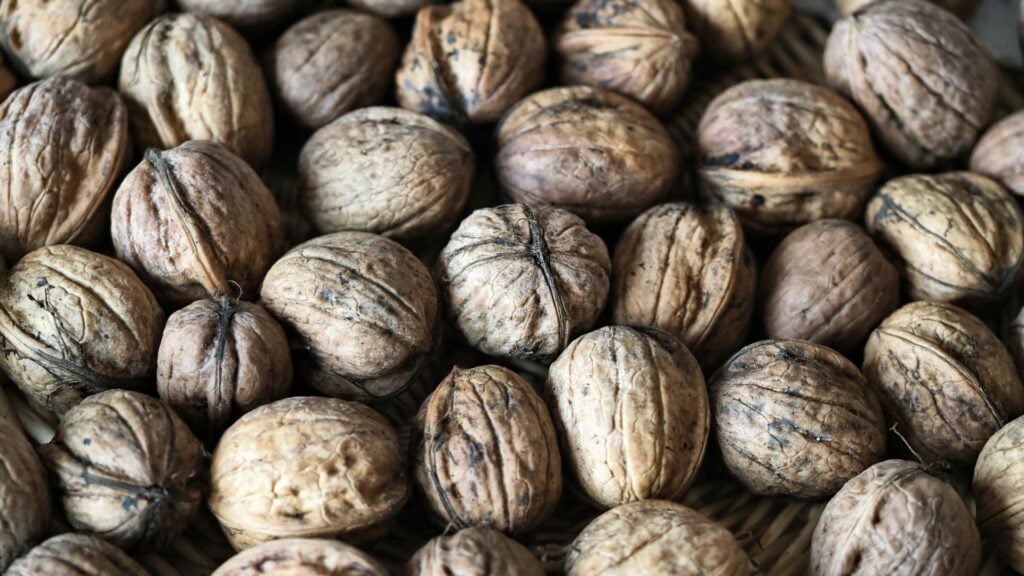
Black walnut nuts sit inside rock-hard shells that deer struggle to open. Squirrels handle them easily with sharp teeth but deer lack the tools and usually move on. The bitter taste plus juglone makes them unappealing in the deer diet. Field observations confirm deer ignore them unless every other food source disappears. You will not see them as a reliable attractant.
Husks & Fallen Walnuts – Occasional Foraging
Fallen walnuts on the ground get a little more attention once the green husks turn black and soften. Deer may nibble mushy pieces during food scarcity but they never make it a habit. The outer husks contain concentrated juglone so even this happens only when options run low. Most reports show deer sampling then leaving the rest for squirrels and raccoons.
Leaves, Twigs & Young Trees – More Common
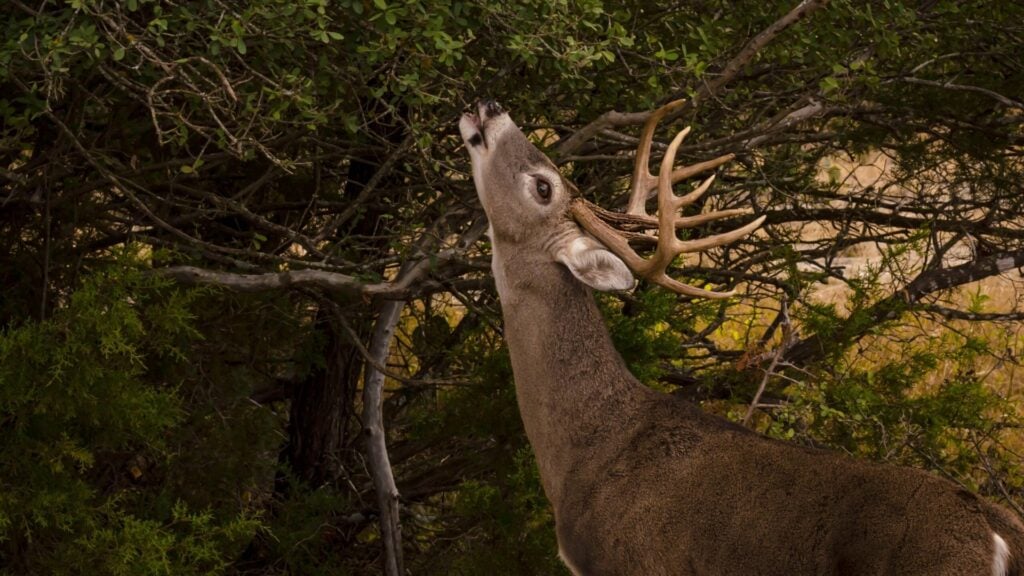
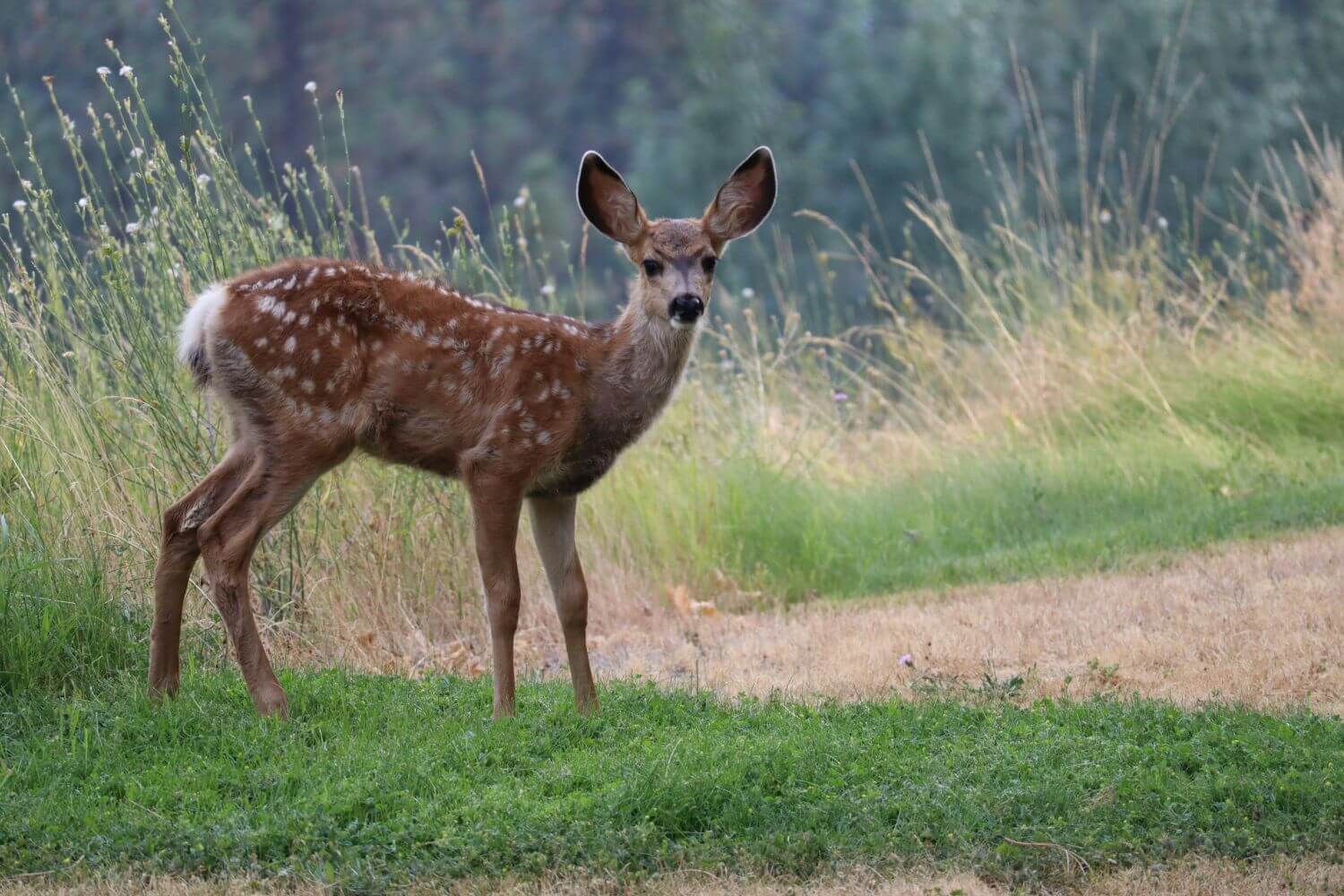
Here is where deer show more interest. Do deer eat black walnut leaves? Yes, they sometimes browse tender buds, twigs, and shoots, especially on young trees. Deer browse pressure hits saplings hard in spring and early summer when fresh growth looks tasty. Mature bucks also rub their antlers on these young trees, which can shred bark and slow growth. Mature black walnut trees stand up better to this, but seedlings need guarding.
Do deer eat walnuts overall? Only the occasional soft fallen one, and even that stays rare. What animals eat black walnuts tells the bigger picture. Squirrels dominate the scene, followed by raccoons, turkeys, bears, and mice. Deer rank near the bottom of that list.
Here is a clear comparison to put it in perspective.
| Food Source | Preference Level | Availability | Nutrition for Deer | Notes |
| Black Walnuts | Very Low | Fall drop | Low energy hard to access | Hard shells and juglone deter most |
| Acorns (white oak) | High | Abundant in mast years | High carbs and fats | Top choice in whitetail deer diet |
| Persimmons | High | Early to mid fall | Sweet and soft | Quick energy favorite |
| Other Hard Shell Mast | Low to Medium | Seasonal | Decent but tough | Deer eat only when desperate |
This table shows why black walnut nuts never become preferred mast. Deer simply choose easier higher-energy foods first.
When and Why Deer Might Eat Black Walnuts
Deer turn to deer black walnuts only under specific pressures. Late fall and winter bring the highest chance when food scarcity hits after acorns run out. Regional differences play a role, too. Some hunters in the Midwest report slightly more interest once husks blacken and soften on the ground.
Mature bucks walnuts appear in trail cam photos more often during these lean times because big deer feel safe under the canopy. The dense shade and scent cover from fallen leaves help them move quietly while they check for anything edible. Even then they focus on leaves or soft bits rather than cracking full nuts. Normal deer foraging patterns keep them on softer browse and true mast until nothing else remains.
Practical Tips for Hunters, Gardeners & Landowners
You can put this knowledge to work right away on your land. Here are straightforward steps that actually help.
- Do not rely on black walnut nuts as a primary attractant in food plots.
- Plant preferred mast trees like oaks or persimmons instead for better deer foraging results.
- Protect young trees from deer browse with plastic tubes or sturdy fencing until they grow taller.
- Use established black walnut trees strategically for scent cover in hunting setups because the canopy helps mask your presence.
- Monitor fallen walnuts for signs of garden damage or rare feeding so you can adjust.
A few more tips round things out. Try companion planting with true deer resistant plants around black walnuts to reduce pressure on your garden beds. Set trail cams near walnut drops during late season to catch any activity without disturbing the area. For hunters focus on edges where walnuts mix with better foods and you might catch deer moving through.
Gardeners can spread crushed shells as a mild deterrent but combine it with repellents after rain. Landowners thinking about removal should weigh the wildlife value first since the trees still offer cover even if the nuts stay untouched. These moves keep your property working for you instead of fighting the natural patterns.
Common Myths About Deer and Black Walnuts
Plenty of stories float around so let us clear them up. One myth claims deer love black walnuts like acorns. The fact is they usually avoid this hard shell mast and stick to softer options. Another myth says black walnuts are toxic to deer.
The truth shows they are not poisonous just unappealing in most cases because of taste and texture. Juglone deer reactions stay mild compared with sensitive plants. Understanding these realities stops wasted effort on both hunting and planting.
We’ve just wrapped up a brand-new blog on whether deer come out in the rain. If you’re pretty damn curious about deer, you’ve gotta check it out!
What This Means for Your Property
Your next steps depend on your goals. Hunters should adjust stands toward better food sources and use walnut areas only for travel corridors or scent cover. Gardeners need to fence or protect new plantings near existing black walnut trees.
Landowners can leave mature trees for shade and habitat while adding preferred mast nearby. A little planning turns these trees from a headache into a useful part of the landscape.
You now have the straight story on do deer eat black walnuts. They rarely go for the nuts but they might nibble leaves or soft fallen bits when times get tough. Focus on the whitetail deer diet patterns and you will make smarter choices for food plots gardens and hunting setups.
Next time you spot a black walnut tree you will know exactly what the deer are likely doing underneath it. Keep watching your local sign and adjust as the seasons change. Your property will thank you with better results year after year.