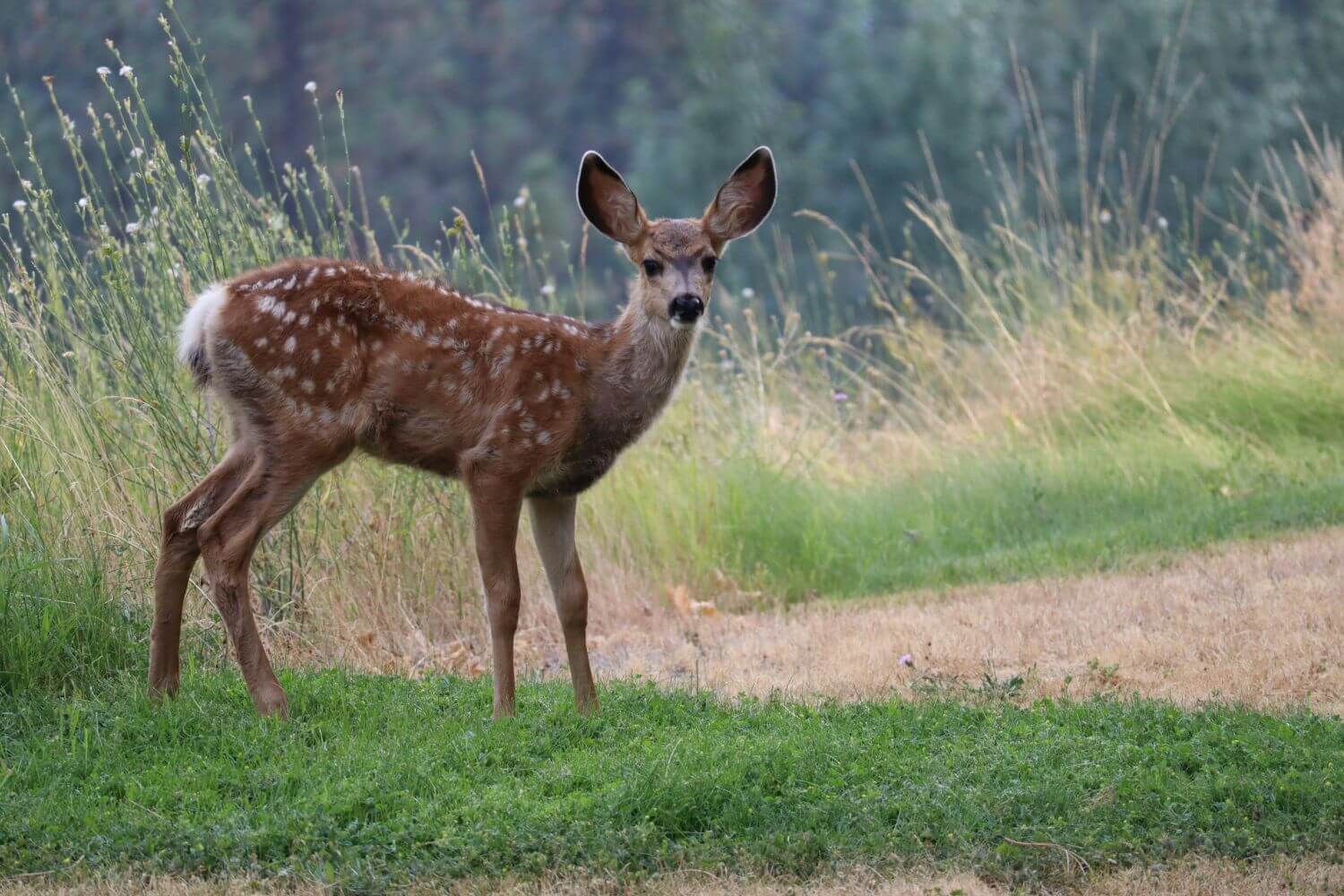

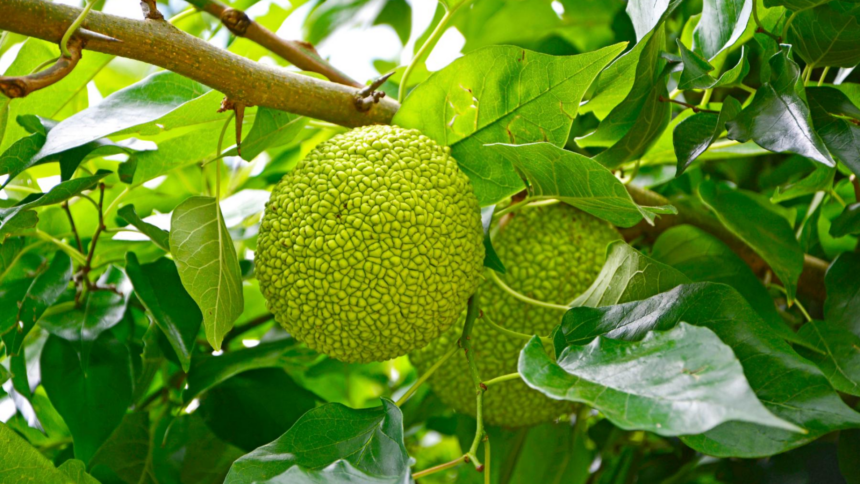
If you spend any time walking through old fence rows or woodlots in the Midwest or South, you have definitely seen them. Those neon green, lumpy balls that look like oversized brains scattered all over the forest floor. These are the fruits of the Osage orange tree, commonly known as hedge apples or monkey brains. Every hunter or landowner has asked the same question at some point while staring at a pile of them: do deer eat osage orange?
There is a lot of old-timer lore surrounding these trees. Some people swear they are a secret magnet for big bucks, while others tell you they are basically poisonous to wildlife. The truth is somewhere in the middle, but it is not nearly as simple as a yes or no answer. To understand how deer interact with this strange tree, you have to look at the biology of the deer and the unique characteristics of the fruit itself.
Table of Contents
Why the Question “Do Deer Eat Osage Orange” Matters
For a hunter, knowing exactly what a deer puts in its mouth is the difference between a filled freezer and an empty one. We spend a lot of time obsessing over white oak acorns, brassicas, and clover, but we often overlook the “secondary” species in the woods. If deer osage orange interactions were common, these trees would be prime locations for a treestand.
Landowners also need to know the answer. If you are trying to plant a windbreak or a natural fence, you need to know if the local herd is going to treat your young trees like a buffet. Understanding the role of the Osage orange in the broader ecosystem helps you manage your land better and sets realistic expectations for your hunting season.
The Real Answer – Do Deer Eat Osage Orange?
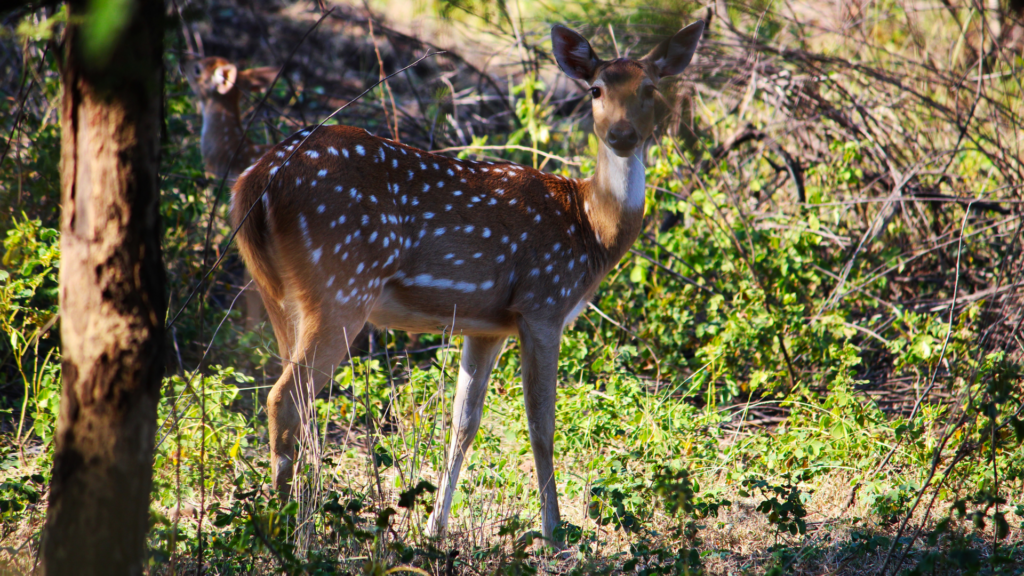
The short answer is that deer almost never eat the actual hedge apple fruit under normal conditions. If you see a pile of them on the ground in October, they will likely still be there in December. However, that does not mean the tree is useless to them.
Osage Orange Fruit & Hedge Apples – Almost Never Eaten
The main reason deer avoid the fruit is its physical makeup. A hedge apple is incredibly dense and fibrous. It is a hard fruit that is filled with a sticky, milky latex sap. This sap is bitter and can actually act as a mild irritant. Deer do not have the specialized teeth required to grind up such a tough, woody structure. While squirrels might chew through them to get to the seeds inside, a whitetail usually just gives them a sniff and moves on to something easier to digest.
Fallen Fruit – Rare Foraging Only
You might occasionally find a fallen fruit that has been pecked at or nibbled on. This usually happens after a series of hard freezes. When the fruit freezes and thaws repeatedly, the structure breaks down and the bitter sap loses some of its punch. In times of extreme food scarcity, a desperate deer might mouth a mushy hedge apple, but it is never their first choice. It is more of a “survival food” than a preferred snack.
Leaves, Twigs & Young Trees – More Likely
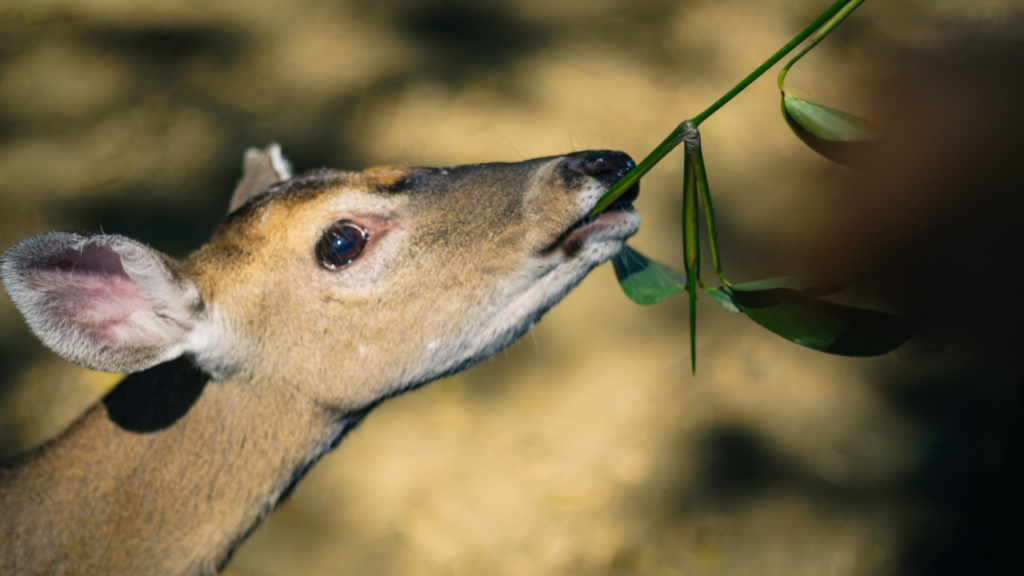
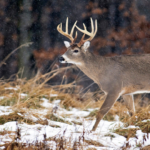
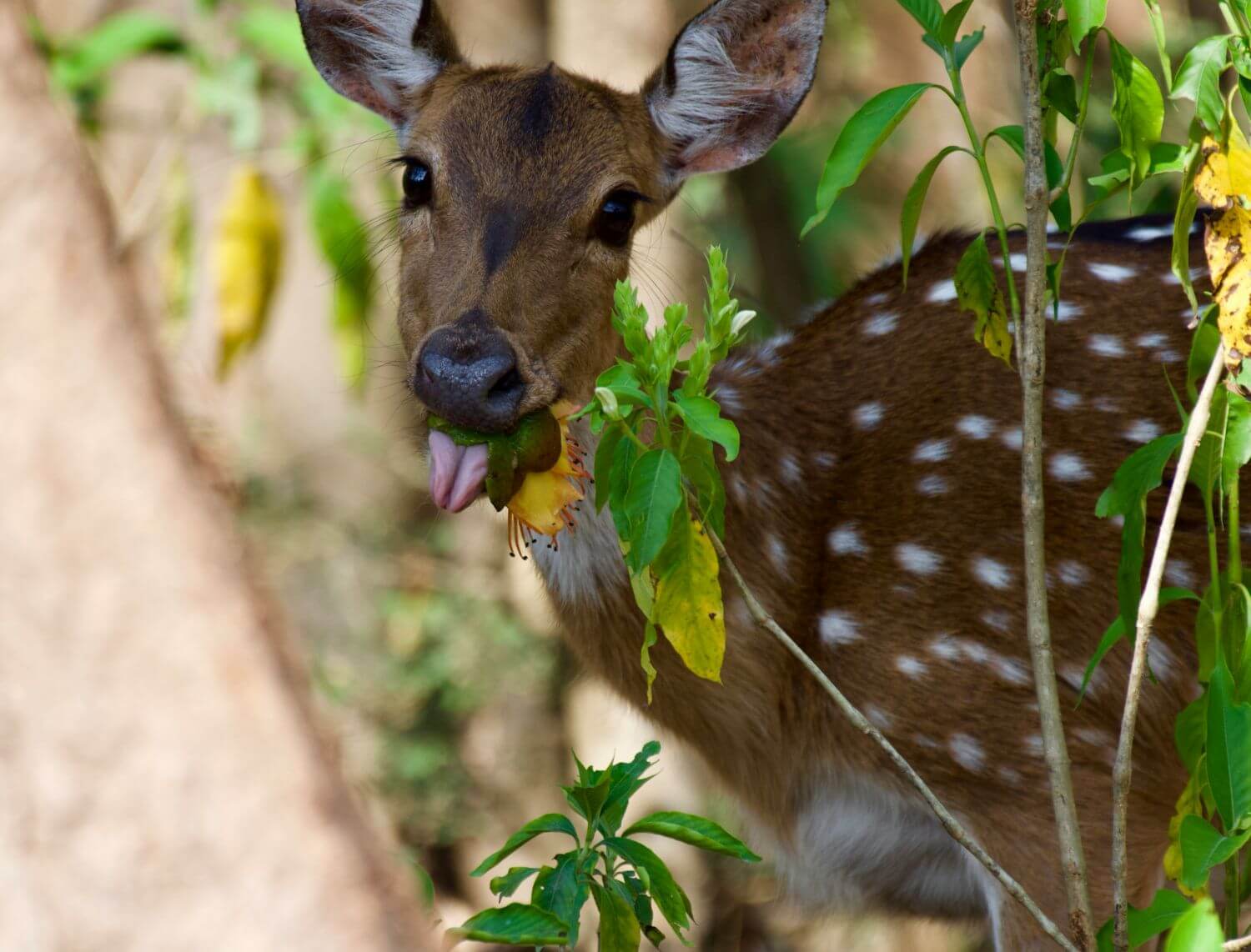
While they ignore the “apples,” deer will absolutely engage in deer browse on the tender parts of the tree. They will eat the leaves and the soft new growth on young trees during the spring and summer. This is especially true in areas where better browse is limited. Furthermore, the wood is extremely rot-resistant and strong, making it a favorite for mature bucks to use as rubbing posts. The scent of the tree combined with its sturdy trunk makes it an ideal spot for a buck to leave his calling card.
Comparison Table: Osage Orange vs Preferred Deer Foods
| Food Source | Preference Level | Nutritional Value | Availability |
| White Oak Acorns | High | Very High (Fats/Carbs) | Fall Only |
| Persimmons | High | High (Sugar) | Late Fall |
| Hedge Apples | Very Low | Low (Tough/Bitter) | Fall/Winter |
| Corn/Soybeans | High | High (Energy) | Seasonal/Year-round |
When and Why Deer Might Eat Osage Orange
The only time you will really see a deer diet include Osage orange is during the “stress periods” of the year. This usually means late February or March when the acorns are gone and the spring green-up hasn’t started yet. In a severe drought, deer might also turn to the leaves of the tree because they stay green longer than many other forest plants.
There are some regional differences too. In parts of the Great Plains where timber is scarce, deer seem to tolerate the deer osage orange relationship a bit more than they do in the lush deep woods of the East. If you want to know what your local deer are doing, it is always a good idea to check your trail cams. Just like how whitetail deer move on windy days or come out in the rain, their feeding habits change based on the pressure and the weather.
Practical Tips for Hunters, Gardeners & Landowners
- Manage Expectations: Do not rely on hedge apples as a primary attractant. If you are looking for a “hot” food source to hunt over, find an oak tree or a fruit orchard instead.
- Plant for Success: If you want to improve your land for wildlife, plant soft mast like persimmons or hard mast like chestnuts. These are much more effective than osage orange trees for holding deer on your property.
- Protect New Growth: Even though they don’t love the fruit, deer will ruin young trees by nipping off the tops. Use plastic tubes or wire cages to get your trees past the “browse line.”
- Strategic Cover: Use the dense, thorny nature of these trees to create a natural scent cover and windbreak. They make excellent bedding thickets because predators have a hard time moving quietly through the thorns.
- Watch for Damage: If you see significant garden damage or heavy browsing on your Osage orange, it is a sign of extreme food scarcity. This tells you that your local habitat needs more high-quality forage.
- Scent Control: The natural oils in the wood have a very distinct, earthy smell. Some hunters like to rub their boots on the bark to help blend in with the local environment.
- Shed Hunting: Because bucks love to rub on these trees, the areas around old hedge rows are fantastic places to look for shed antlers in the spring.
- Alternative Plots: Instead of relying on wild trees, consider planting a small plot of clover or winter peas. This will draw deer much more consistently than any fallen fruit.
Common Myths About Deer and Osage Orange
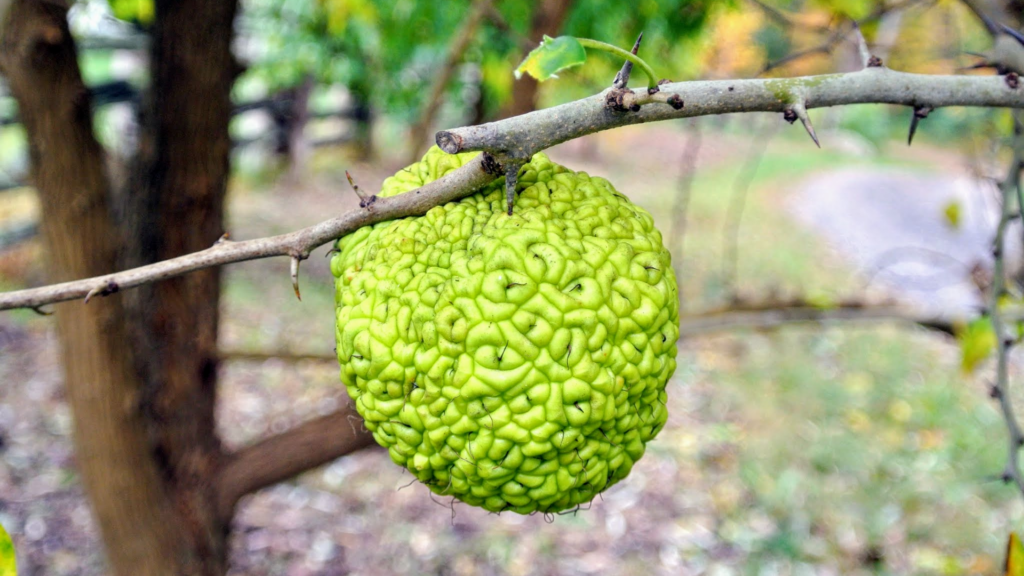
- Myth: “Deer love hedge apples and will eat them all winter.”
- Fact: This is almost certainly false. While a deer might occasionally nibble on one out of curiosity or desperation, they are not a staple. Most of the “chewed” hedge apples people find were actually processed by squirrels or rabbits.
- Myth: “Osage orange is toxic to deer.”
- Fact: The tree is not toxic. The milky sap is just unpalatable. If a deer did manage to eat one, it wouldn’t die, but it would probably have a very upset stomach and wouldn’t try it again. It is similar to how deer eat black walnuts; they can do it, but the effort usually isn’t worth the reward.
Wrapping Up…
So, do deer eat osage orange? In the grand scheme of a whitetail deer diet, the answer is a resounding “not really.” They might browse the leaves in the summer or rub their antlers on the bark in the fall, but the actual fruit is mostly ignored. If you are a hunter, don’t waste your time sitting over a pile of green hedge apples. Focus your efforts on better food sources like acorns or agricultural fields.
However, don’t count the tree out entirely. As a piece of cover and a durable part of the landscape, the Osage orange is a survivor. It provides great bedding and security for the herd. By understanding exactly how the deer osage orange dynamic works, you can become a more effective woodsman and a better manager of the wildlife on your property. We have also recently published a guide on another common question we often get from readers, — “Do Deer Come Out in the Rain?” Do check it out if you want the complete scoop.