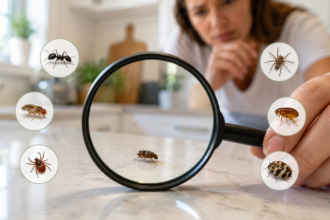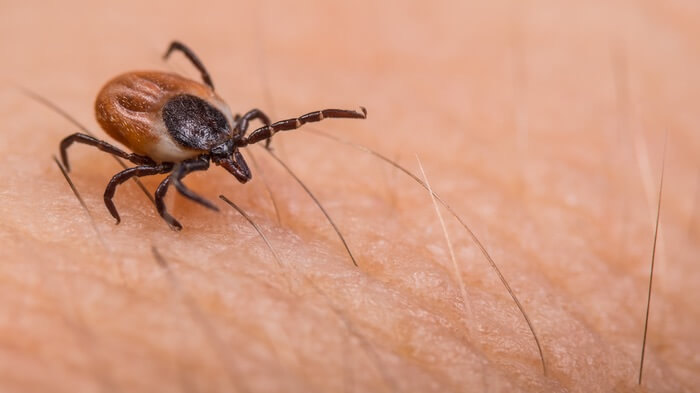


An eco-friendly pest control checklist is a structured plan that prioritizes prevention, minimal toxicity, and targeted treatment to manage pests while protecting your home and the surrounding environment. The industry term for this approach is Integrated Pest Management, or IPM, and the EPA recommends it as the most responsible framework for residential pest control. This checklist covers every stage: removing what attracts pests, blocking their entry, applying plant-based repellents, and using low-risk chemical treatments only when necessary. Follow these steps in order, and you address the root causes of infestation rather than just the symptoms.
Table of Contents
1. What are the essential prevention steps in eco-friendly pest control?
Prevention is the single most effective step in any eco-friendly pest control checklist. The EPA identifies removing food, water, and shelter as the foundation of responsible pest management. When pests have nothing to eat, drink, or hide in, they move on.
Start with these prevention actions:
- Store all food in sealed, airtight containers, including dry goods like cereal and pet food.
- Empty garbage cans regularly, and use bins with tight-fitting lids both indoors and outdoors.
- Fix leaking faucets, pipes, and appliances. Standing water attracts mosquitoes, cockroaches, and rodents.
- Remove clutter from basements, attics, and garages. Cardboard boxes, old newspapers, and piled fabric give pests ideal nesting spots.
- Keep firewood stacked away from the house and off the ground to reduce harborage for termites and spiders.
Habitat modification is the backbone of what is ecologically responsible pest management. When you eliminate the conditions pests need to survive, you reduce the need for any chemical intervention at all. Physical controls like barriers and habitat changes integrate well with every other step in the IPM process.
Pro Tip: Check under sinks and behind appliances monthly. These dark, damp spots are the first places cockroaches and silverfish establish themselves, and catching moisture problems early costs far less than treating an active infestation.
2. How can physical exclusion and home maintenance block pest entry?
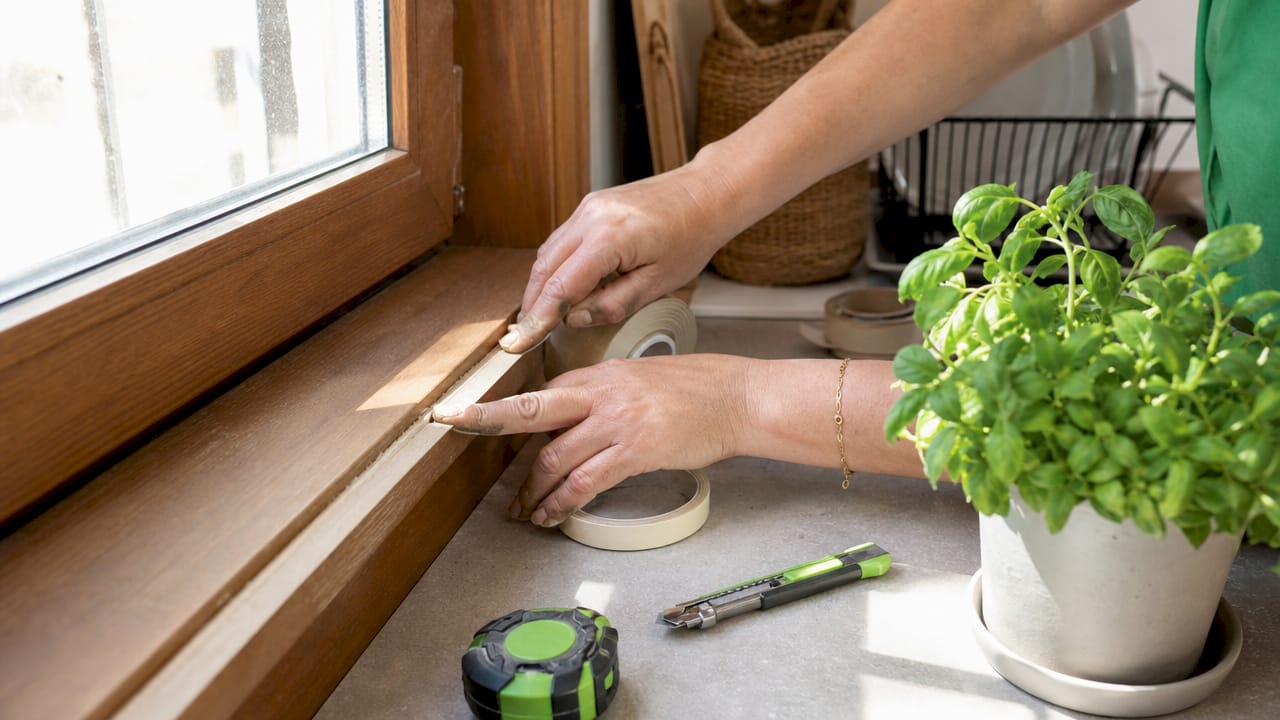
Physical exclusion is the highest-return action on this checklist. Sealing cracks and crevices with caulk, and using steel wool or wire mesh around pipes and holes blocks pest entry before it starts. Closing entry points reduces reinfestation even when repellents are already in use.
Focus your exclusion efforts on these areas:
- Apply caulk around door frames, window frames, and baseboards where gaps have formed.
- Pack steel wool into gaps around plumbing pipes under sinks and behind washing machines. Rodents cannot chew through it.
- Install or repair door sweeps on all exterior doors, including garage doors.
- Check window screens for tears and replace any that are damaged.
- Seal gaps where utility lines enter the home with wire mesh or expanding foam rated for pest exclusion.
Routine home maintenance supports exclusion directly. Fixing a leaking roof or a damp crawl space removes the moisture that draws termites, carpenter ants, and mold mites. Mosquito entry points are often as simple as a torn screen or an unsealed vent, and addressing them costs almost nothing.
Pro Tip: Walk the exterior of your home at dusk with a flashlight. Pests are most active at that hour, and you will spot entry points and pest trails that are invisible during the day.
3. What types of eco-friendly botanical repellents actually work?
Plant-based repellents are the most widely used types of eco-friendly pest repellents for home use. Neem oil, insecticidal soaps, diatomaceous earth, and pyrethrin are the most common options, and each works through a different mechanism. Knowing how they work helps you apply them correctly.
Here is how the main types function:
- Neem oil disrupts the hormonal systems of insects, preventing larvae from maturing. It works best on soft-bodied pests like aphids, whiteflies, and spider mites.
- Insecticidal soaps break down the outer coating of insects on contact, causing dehydration. They are effective against mites, thrips, and small beetles.
- Diatomaceous earth is a powder made from fossilized algae. It damages the exoskeletons of crawling insects, causing them to dry out. Sprinkle it along baseboards and entry points.
- Pyrethrin is derived from chrysanthemum flowers and acts as a neurotoxin to insects. It breaks down quickly in sunlight, which limits its environmental persistence.
- Essential oils such as peppermint, clove, and eucalyptus repel pests through volatile compounds that disrupt their ability to locate food and mates.
Peppermint oil reduced aphid colonization by 65% in studies, but only when applied at the right time and concentration. That result shows the potential of botanical repellents, and it also shows their limitation: they require precise application to deliver results. Plant-based repellents act through odor masking and behavioral disruption, but volatile compounds evaporate quickly and need reapplication. For natural lawn pest options, combining essential oil treatments with habitat changes produces the most consistent results.
4. When and how should low-risk chemical treatments be applied?
Chemical treatments are the last step in an eco-friendly checklist, not the first. IPM promotes monitoring and non-chemical measures first, with chemical application reserved for situations where pest populations exceed a defined threshold. That threshold is the point at which pest damage outweighs the cost and risk of treatment.
When chemical treatment becomes necessary, follow these rules:
- Choose EPA-registered products with the lowest toxicity rating appropriate for your pest.
- Read the label completely before opening the container. The label is a legal document, and following it protects you, your family, and the environment.
- Never use outdoor pesticide formulations indoors. They are designed for different exposure conditions, and indoor use increases health risks significantly.
- Never transfer pesticides to unlabeled containers. Accidental exposure from mislabeled containers is a leading cause of pesticide poisoning in households.
- Dispose of leftover pesticides and empty containers at a local hazardous waste facility, not in regular trash or down the drain.
The EPA states that using more pesticide than the label directs does not give better results. It increases exposure risk and can damage the environment without improving pest control outcomes.
Rotate between products with different active ingredients to prevent resistance. Avoiding overreliance on insecticides is a core IPM principle, and resistance develops faster when the same chemical is used repeatedly. For specific pest problems like flea infestations, combining low-risk chemical treatment with vacuuming and washing bedding produces better results than chemical use alone.
5. How to monitor and identify pests to target your control efforts
Correct pest identification is the step most homeowners skip, and it is the one that causes the most wasted effort. Treatments fail when based on symptoms rather than identification. Knowing exactly which pest you are dealing with determines which control method will work.
Follow this monitoring process:
- Set traps for identification, not just elimination. Sticky traps placed along walls and under appliances capture insects and show you what species are present before you choose a treatment.
- Conduct weekly visual inspections. Check under sinks, behind the refrigerator, along window sills, and in the attic. Document what you find and when.
- Set action thresholds. One mouse sighting warrants a trap. Five cockroaches in a week warrant a full treatment plan. Define your threshold before you act.
- Record your findings. Keep a simple log of pest sightings, trap catches, and treatments applied. This record shows whether your control measures are working or need adjustment.
- Adjust your plan based on results. If traps show no reduction in pest activity after two weeks, the control method is not working. Switch tactics before the infestation grows.
Knowing the pest species informs suitable prevention and treatment approaches, improving both success rates and environmental compatibility. For beginners, pest proofing guidance provides a solid foundation for setting up a monitoring routine from scratch.
Key takeaways
The most effective eco-friendly pest control checklist combines prevention, physical exclusion, targeted botanical repellents, and chemical treatment only as a verified last resort within an IPM framework.
| Point | Details |
|---|---|
| Prevention comes first | Remove food, water, and shelter sources before applying any repellent or treatment. |
| Exclusion delivers the highest return | Sealing cracks and installing door sweeps stops pests at the source and reduces reinfestation. |
| Botanical repellents need correct application | Neem oil, diatomaceous earth, and pyrethrin work best when timed and placed precisely. |
| Chemicals are a last resort | Apply EPA-registered products only when pests exceed a defined threshold, and always follow the label. |
| Identification drives results | Correct pest identification prevents wasted treatments and guides the right control method. |
What I have learned from building a pest control routine at home
The hardest part of an eco-friendly approach is resisting the urge to reach for a spray can the moment you see a pest. I understand that impulse completely. But the checklist items that deliver lasting results are the boring ones: fixing the drip under the sink, sealing the gap behind the dryer, storing the dog food in a sealed bin. Those actions stop infestations before they start, and no repellent can match that.
Botanical repellents are genuinely useful, but they require patience and consistency. Peppermint oil along baseboards needs reapplication every few days in warm weather. Diatomaceous earth loses effectiveness when it gets wet. These are not failures of the products. They are limitations you need to plan around. When I treat botanical repellents as one layer of a system rather than a standalone fix, they perform well.
The monitoring step is where most homeowners gain the most ground quickly. Setting a few sticky traps and checking them weekly tells you more about your pest situation than any amount of guesswork. That information lets you act precisely, which means less product, less exposure, and better results. Bcpestcontrol covers eco-friendly pest control methods in depth for anyone who wants to go further than this checklist.
— Nathan Pavy
Professional support for your eco-friendly pest control plan
A checklist gives you the framework. Professional expertise fills the gaps when an infestation is already established or when you are not sure which pest you are dealing with.
Bcpestcontrol provides detailed guides, product reviews, and step-by-step methods built on IPM principles and EPA guidance. Whether you are managing a recurring ant problem, a flea outbreak, or a rodent entry issue, the resources at Bcpestcontrol cover the full range of eco-friendly solutions with honest assessments of what works. For homeowners weighing the cost of professional treatment against DIY options, the pest control cost guide breaks down pricing clearly so you can make an informed decision.
FAQ
What is eco-friendly pest control?
Eco-friendly pest control is the practice of managing pests using methods that minimize harm to people, non-target animals, and the environment. It follows Integrated Pest Management principles, prioritizing prevention and targeted treatment over broad chemical application.
What are the best eco-friendly pest control products for home use?
Neem oil, diatomaceous earth, insecticidal soaps, and pyrethrin are the most widely used and research-supported options. Each targets different pest types, so product selection depends on correct pest identification first.
Do botanical repellents eliminate pests completely?
Botanical repellents reduce and deter pest activity but rarely eliminate an infestation on their own. They work best as one layer within a broader IPM plan that includes prevention, exclusion, and monitoring.
What eco certifications should I look for in pest control products?
Look for EPA registration numbers on product labels, which confirm the product has been reviewed for safety and efficacy. Products labeled for use in organic production are also reviewed under OMRI (Organic Materials Review Institute) standards.
How often should I monitor my home for pests?
Weekly visual inspections and monthly trap checks are the standard for active prevention. Increase frequency to twice weekly if you have had a recent infestation or if seasonal pest pressure is high in your area.