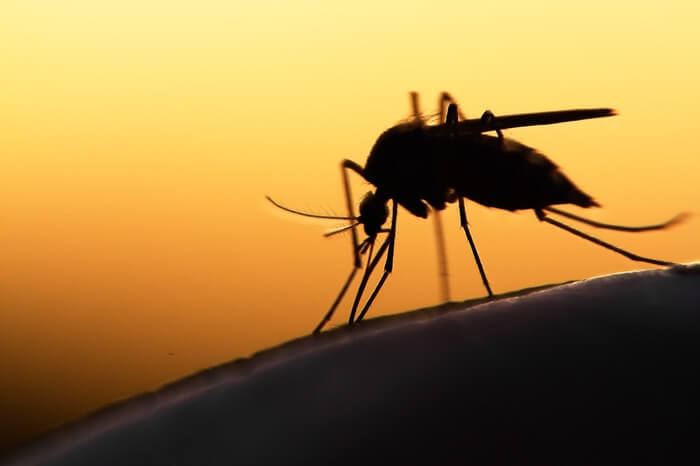


Mosquito control in pet areas is defined as the practice of reducing mosquito populations and bite exposure using methods verified as non-toxic to dogs, cats, and other household animals. Mosquitoes are not just a nuisance for pets. They transmit heartworm disease, a potentially fatal condition that veterinarians identify as the primary reason pet owners need a reliable mosquito management plan. Effective protection combines pet-safe repellent products, environmental modifications, and physical barriers. No single method is enough. Layering these strategies gives you the strongest defense while keeping your animals out of harm’s way.
Table of Contents
What safe mosquito control in pet areas actually requires
Safe mosquito control in pet areas means selecting products and practices that eliminate mosquito exposure without introducing chemicals that harm animals. The industry term for this approach is Integrated Mosquito Management, or IMM. IMM combines biological controls, habitat reduction, and targeted repellents rather than relying on broad chemical spraying.
The core goal is straightforward: reduce the mosquito population around your pets, block remaining mosquitoes from reaching them, and avoid any product that trades one health risk for another.
What pet-safe mosquito repellent products are available?
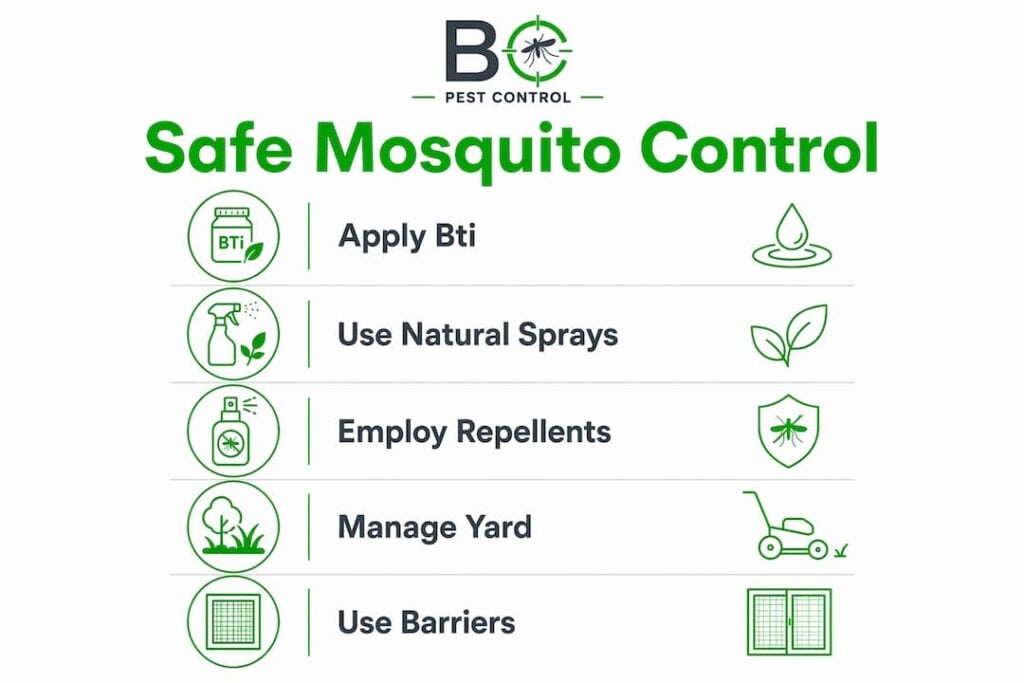
Pet owners have three main categories of repellent products to work with: biological larvicides, topical natural sprays, and spatial repellent devices.
Biological larvicides: Bti dunks

Bacillus thuringiensis israelensis, sold under the common name Bti, is a naturally occurring soil bacterium that kills mosquito larvae in standing water. One Bti dunk covers 100 sq ft and stays active for 30 days. That combination of coverage and duration makes Bti the most practical biological control for backyard ponds, bird baths, and rain barrels. Bti is non-toxic to pets, fish, and amphibians, which sets it apart from most chemical larvicides.
Natural topical sprays

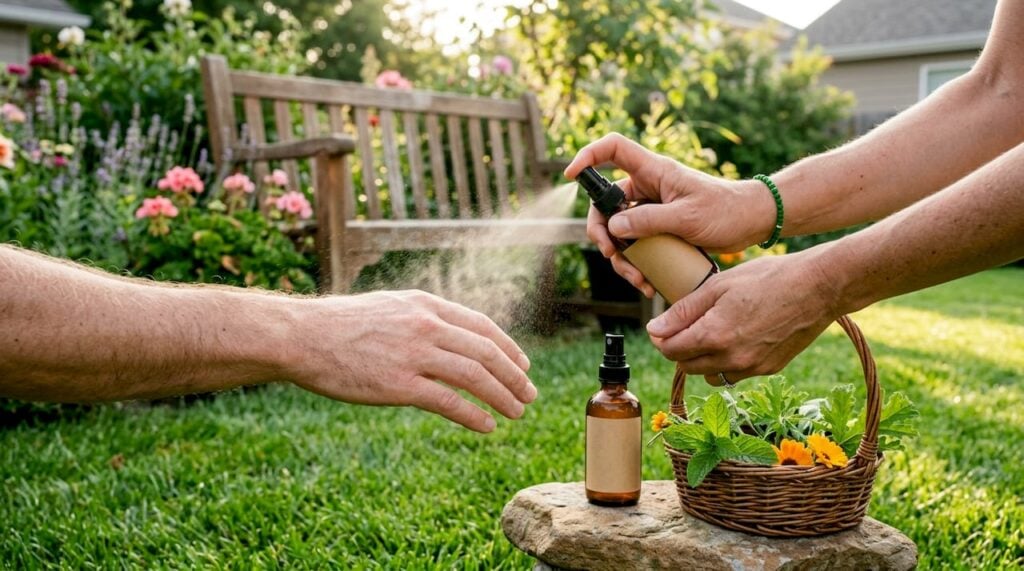
Essential oil-based sprays formulated for pets are the most accessible topical option. Products like Vet’s Best Natural Mosquito Repellent Spray use plant-derived ingredients and repel 93–100% of mosquitoes with reapplication every 2–4 hours. These products are labeled for pets 12 weeks and older. Younger or immunocompromised animals need veterinary clearance before any topical product is used.
Pro Tip: Never apply any spray, natural or otherwise, to a pet’s face, eyes, or genitals. Spray onto your hands first, then apply to the coat.
Spatial repellent devices
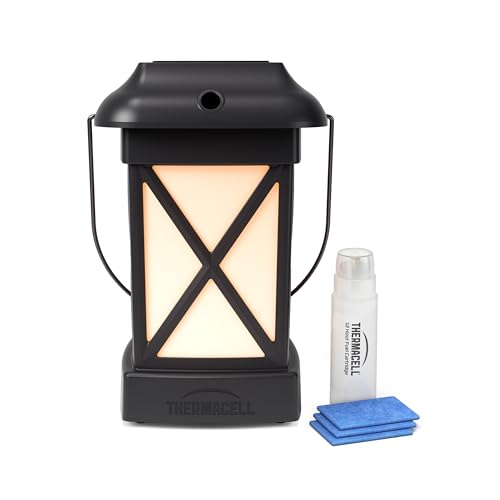
Thermacell repellers use a heat-activated mat to release a repellent vapor that creates a mosquito-free zone around a seating or pet rest area. Thermacell devices operate without sprays and leave no chemical residue on pets, furniture, or grass. They are safe around dogs, cats, and fish. The trade-off is that the protection zone is limited to the immediate area around the device, so placement matters.
What to avoid
Human repellents containing DEET are toxic to pets, particularly cats. DEET causes neurological symptoms in cats and should never be applied to animals or surfaces they contact. Eucalyptus oil and lemongrass oil are also unsafe. These essential oils cause liver and gastrointestinal issues in cats due to compounds their livers cannot metabolize. Always check the label and confirm a product is explicitly formulated for animal use.
- Bti dunks: safe for all pets, fish, and amphibians
- Vet’s Best and similar pet-labeled sprays: safe for dogs and cats 12 weeks and older
- Thermacell spatial devices: safe around pets with no residue
- DEET-based products: toxic to pets, never use
- Eucalyptus and lemongrass oils: toxic to cats, avoid entirely
How can yard management reduce mosquitoes safely for pets?
Environmental management is the most underused tool in pet-safe mosquito control. Integrated Mosquito Management reduces mosquito populations by up to 70% through habitat elimination alone. That reduction cuts your chemical burden significantly before you apply a single product.
The steps below move from highest to lowest impact:
- Empty standing water weekly. Flowerpots, pet water bowls left outside, tarps, and children’s toys all collect water. Mosquitoes breed in as little as a bottle cap of standing water.
- Clean gutters every spring and fall. Clogged gutters hold water for weeks and are one of the most productive mosquito breeding sites on a residential property.
- Trim shrubs and create clearance. Mosquitoes prefer shaded, humid resting zones. Maintaining a 12-inch clearance under shrubs and decks removes the microhabitats where adult mosquitoes shelter during the day.
- Treat water features with Bti. Ornamental ponds and fountains that cannot be emptied should receive a Bti dunk monthly through the mosquito season.
- Run outdoor fans near pet rest areas. Mosquitoes are weak fliers. A fan running at medium speed over a dog bed or patio seating area disrupts their flight path and dramatically reduces landing rates. Fans are one of the most effective and underused mechanical controls available to pet owners.
| Method | Pet safety | Effectiveness | Cost |
|---|---|---|---|
| Bti dunks | Non-toxic to all pets | High for larvae | Low |
| Standing water removal | No chemical risk | High | Free |
| Shrub clearance | No chemical risk | Moderate | Low |
| Outdoor fans | No chemical risk | Moderate to high | Low to medium |
| Spatial repellent devices | Safe around pets | Moderate | Medium |
Pro Tip: Focus mosquito control efforts on shaded zones rather than open lawn. Open lawn spraying is inefficient and harms beneficial insects like bees and ground beetles.
Which plants repel mosquitoes and which are dangerous for pets?
Mosquito-repelling plants work by releasing volatile compounds that interfere with mosquito host-seeking behavior. The key distinction for pet owners is that some of the most commonly recommended plants are toxic to animals.
Pet-safe plants with repellent properties:
- Basil: Non-toxic to dogs and cats. The oils in basil leaves repel mosquitoes when crushed or planted densely near seating areas.
- Catnip: Non-toxic to both dogs and cats. Research has shown catnip contains nepetalactone, a compound more effective than DEET in laboratory settings, though plants alone are not a standalone solution.
- Lemon balm: Non-toxic and easy to grow in containers near pet areas.
- Rosemary: Non-toxic to dogs. Use with caution around cats in large quantities, but small garden plantings are generally considered safe.

| Plant | Safe for dogs | Safe for cats | Repellent effect |
|---|---|---|---|
| Basil | Yes | Yes | Moderate |
| Catnip | Yes | Yes | Moderate to high |
| Lemon balm | Yes | Yes | Moderate |
| Rosemary | Yes | Caution | Moderate |
| Citronella plant | No | No | Low to moderate |
| Lemongrass | No | No | Moderate |
The citronella plant and lemongrass are frequently marketed as natural mosquito deterrents. Both are toxic to pets. Lemongrass contains cyanogenic compounds that cause gastrointestinal distress and potential liver damage in cats. Keep these plants out of any area your pets access.
Physical barriers add another layer of protection that plants cannot provide on their own. Mesh netting over outdoor dog beds blocks mosquitoes during peak activity hours at dawn and dusk. Screened porches give pets a protected outdoor space without full exposure. Essential oil diffusers placed outdoors can help, but position them at least 3 feet from where pets rest and never use oils containing eucalyptus or lemongrass.
How to apply repellents safely and spot signs of toxicity
Correct application is as important as product selection. Even pet-labeled sprays cause problems when used incorrectly.
- Apply topical sprays to the back of the neck, shoulders, and base of the tail. Avoid the face entirely.
- Reapply every 2–4 hours during outdoor activity in peak mosquito season, typically late spring through early fall.
- For pyrethroid barrier sprays applied to yard perimeters, allow 30–60 minutes of drying time before letting pets back outside. Cats need an additional hour indoors after application due to their heightened sensitivity to these compounds.
- Consult a veterinarian before applying any mosquito product to puppies, kittens, pregnant animals, or pets with known skin conditions.
Watch for these signs of repellent toxicity after any application:
- Excessive drooling or pawing at the mouth
- Vomiting or diarrhea within 30 minutes of application
- Tremors, muscle twitching, or loss of coordination
- Lethargy or sudden behavioral changes
“If your pet shows any neurological symptoms after mosquito product exposure, contact your veterinarian or the ASPCA Animal Poison Control Center immediately. Do not wait to see if symptoms resolve on their own.”
Cats are significantly more sensitive than dogs to most topical compounds. A product that is safe for a 60-pound Labrador can cause serious harm to a 10-pound cat. Species and body weight both matter when selecting and dosing any repellent.
Key takeaways
Effective pet-safe mosquito control requires layering biological larvicides, environmental management, and physical barriers rather than relying on any single product.
| Point | Details |
|---|---|
| Bti is the safest larvicide | One dunk covers 100 sq ft, lasts 30 days, and is non-toxic to pets, fish, and amphibians. |
| DEET is never safe for pets | Human repellents with DEET cause neurological toxicity in cats and should never contact animals. |
| Habitat removal cuts populations | Eliminating standing water and trimming shrubs reduces mosquito populations by up to 70%. |
| Plant choices matter | Basil, catnip, and lemon balm repel mosquitoes safely; citronella plants and lemongrass are toxic to pets. |
| Cats need extra caution | Cats require longer indoor time after barrier sprays and are more sensitive to essential oils than dogs. |
What I’ve learned after years of watching pet owners get this wrong
Most pet owners I talk to make the same two mistakes. They either do nothing until mosquito season is already in full swing, or they grab whatever repellent is on the shelf without checking whether it is safe for animals. Both approaches create real risk.
The second mistake is the more dangerous one. Many owners apply human repellents to their pets without realizing the toxicity difference. A product that is safe for a child’s skin can send a cat into neurological distress within an hour. That gap in awareness is where most repellent-related vet visits originate.
What actually works is less exciting than a single miracle product. It is consistent habitat management combined with targeted, species-appropriate repellents. Run a fan over the dog’s outdoor bed. Drop a Bti dunk in the pond every month. Plant basil near the patio. Use a Thermacell device during evening outdoor time. None of these steps alone is enough, but together they create an environment where mosquitoes struggle to survive and reach your pets.
The other thing I push back on is the idea that natural always means safe. Lemongrass oil is natural. It is also genuinely toxic to cats. The label “natural” tells you nothing about safety for animals. Read the ingredient list, check it against a veterinary toxicology resource, and when in doubt, call your vet before applying anything new.
FAQ
What is the safest mosquito control method for pet areas?
Bti larvicide is the safest option for treating standing water in pet areas. It is non-toxic to pets, fish, and amphibians, and one dunk covers 100 sq ft for 30 days.
Can I use DEET-based repellents around my dog or cat?
No. DEET is toxic to pets, especially cats, and should never be applied to animals or surfaces they regularly contact. Use only products explicitly labeled for animal use.
How often should I reapply natural mosquito repellent on my pet?
Natural essential oil-based sprays require reapplication every 2–4 hours during outdoor activity. They are suitable for pets 12 weeks and older.
Are citronella plants safe to grow in a yard with pets?
Citronella plants are toxic to both dogs and cats and should not be planted in areas pets access. Basil, catnip, and lemon balm are pet-safe alternatives with repellent properties.
When should I call a vet after using a mosquito repellent on my pet?
Contact a vet immediately if your pet shows drooling, vomiting, tremors, or lethargy after repellent application. These are signs of potential toxicity that require prompt attention.