
Bark beetles kill millions of trees across North America annually, and the scale of the problem has grown significantly in recent decades. Warmer winters, drought conditions, and heavy forest density have all contributed to outbreak cycles that push bark beetle populations far beyond what healthy forest ecosystems can absorb.
The timber losses and restoration costs associated with major outbreaks run into billions of dollars across affected states. For homeowners and property managers, a bark beetle infestation in the trees on your property is a serious situation that requires a fast and informed response to prevent the spread from one tree to neighboring trees.
Table of Contents
What Are Bark Beetles?
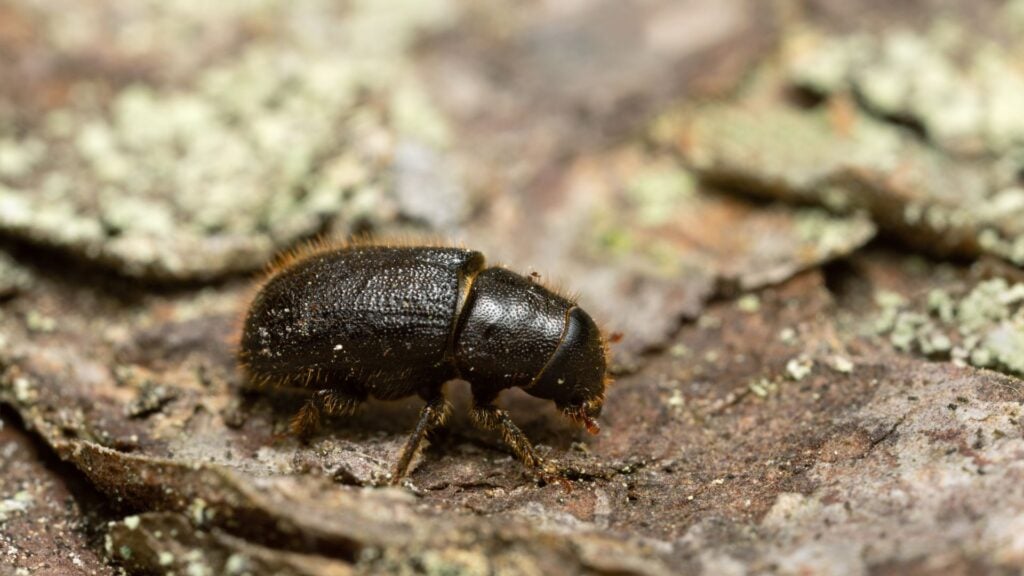
Bark beetles are small wood-boring insects. They attack the inner bark of trees, cutting off the flow of water and nutrients between the roots and the canopy. Over 600 species exist across the United States and Canada, with approximately 200 species in California alone.
Most species target stressed, weakened, or dying trees, though during population outbreaks they will attack healthy trees in significant numbers. The beetles bore through the outer bark, lay eggs in galleries carved through the inner bark, and the developing larvae complete the destruction of the tree’s vascular system from the inside out.
Signs of a Bark Beetle Infestation
- Boring dust on bark surface
- Pitch tubes on trunk
- Small entry holes in bark
- Needles turning yellow then red-brown
- Flagging in upper canopy
- Wood-pecker activity on trunk
- Loose or falling bark
- S-shaped galleries under bark
- Sawdust at tree base
- Dead branches moving downward
The needle color progression is one of the clearest visual indicators that a tree has been infested. Needles of an infested tree typically become dull yellow first, then shift to red or brown, and the discoloration moves downward through the canopy over time.
How to Get Rid of Bark Beetles
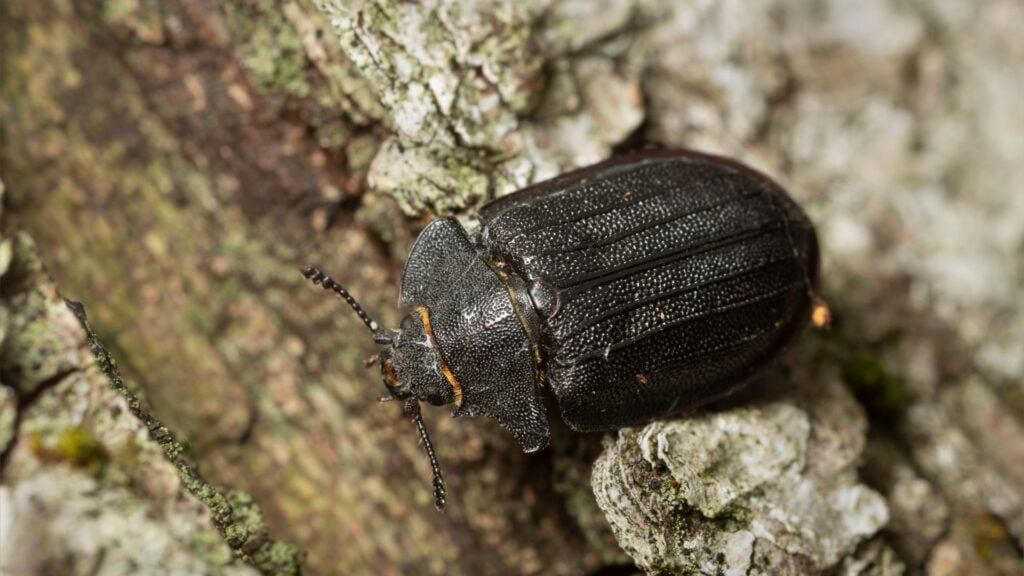
Remove Severely Infested Trees
A tree that has progressed to full canopy browning and shows extensive gallery development under the bark is almost certainly past the point of recovery. Leaving it standing creates a continuous beetle population source that threatens every healthy tree in the surrounding area.
The right call for severely infested trees is prompt removal, handled by a licensed arborist who can assess the structural safety of the tree before felling and who understands the legal requirements around removal of certain tree species in your jurisdiction. Prompt removal of dead trees matters because beetles continue to develop and emerge from felled trees if the wood is not handled correctly after removal.
Prune Affected Branches
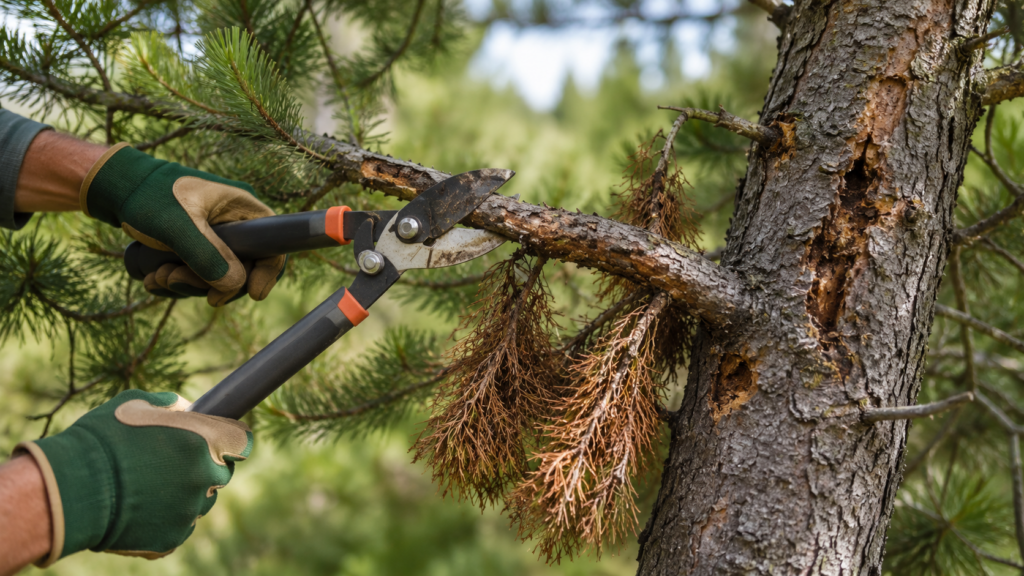
When bark beetle infestation activity is identified early and concentrated in specific branches rather than the full trunk, pruning the affected branches provides a viable intervention point. Cut affected limbs at least six to eight inches below the visible damage zone to ensure the pruning point is outside the beetle’s gallery system. Dispose of pruned material immediately and do not leave it piled near healthy trees.
Improve Tree Health
Stressed trees are the primary targets of bark beetles in non-outbreak conditions. Turns out you do need to work on improving the overall health of your trees to build their natural resistance to infestation. You could try a few habits, including deep watering, particularly in dry periods. It will, in turn, handle the drought stress that weakens trees and makes them attractive to tree boring beetles. Also, do proper mulching around the base and avoid over-pruning and physical damage to trunk and root systems.
Apply Bark Beetle Treatments
Preventive insecticide treatments applied to the bark surface of high-value trees in areas with known bark beetle infestation pressure create a protective barrier that kills beetles on contact before they can bore through the bark.
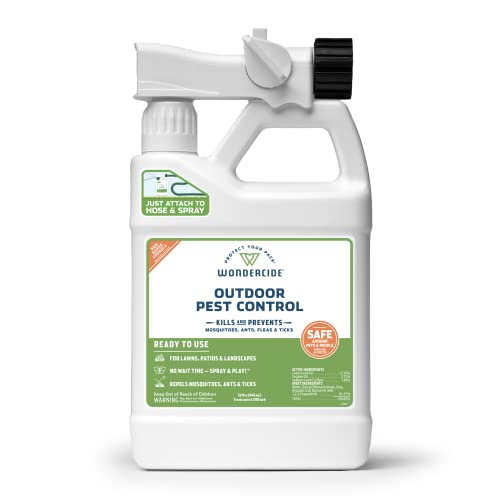
Products containing permethrin or bifenthrin applied as trunk sprays are the most commonly used options for residential tree treatment. Some anti-aggregant pheromone products work by sending chemical signals that direct males to go elsewhere when applied near susceptible trees, and these are non-toxic to any life surrounding the application area.
Dispose of Infested Wood Properly
Bark beetle treatment of felled and pruned material is a step that most homeowners skip and then regret. Beetles continue to develop inside the wood after it is cut, and a pile of infested logs stored near healthy trees continues to release adult beetles through the emergence season. Chip the material immediately, burn it where regulations allow, or arrange for rapid off-site disposal. Do not store infested firewood near your home or near other trees.
When to Call a Professional
Bark beetle control on multiple trees or in situations where tree removal is necessary requires professional assessment before any work begins. Orkin’s trained arborist and pest management network provides property-specific assessments that identify the beetle species involved, the extent of the infestation, and the right bark beetle treatment protocol for the specific situation. When the tree value and the property safety implications are both significant, professional involvement from the start produces better outcomes than DIY efforts followed by a professional call after the situation has expanded.
Frequently Asked Questions (FAQs)
Can a tree recover from bark beetles?
A tree in the early stages of bark beetle infestation, where gallery development is limited to a portion of the trunk or specific branches, can sometimes recover with aggressive intervention including pruning, watering, and appropriate treatment.
What attracts bark beetles to trees?
Stressed trees are the primary draw. Drought-weakened trees, trees with physical trunk damage, and trees in overcrowded stands with root competition produce chemical and visual signals that attract bark beetles. The volatile compounds that stressed trees release are detectable to beetles and serve as a reliable host-location mechanism.
Do bark beetles spread quickly?
Beetle damage can escalate from a single tree to multiple surrounding trees within a single flight season, particularly during outbreak conditions. Adult beetles emerge from infested trees in large numbers, and without intervention the infestation front advances across a property and into neighboring areas in the same year.
Wrapping Up…
A bark beetle infestation moves faster than most tree owners expect and the window for effective intervention is short. Identify the signs early, take out severely infested trees promptly, treat high-value neighboring trees preventively, and manage all infested wood material immediately after removal. Bark beetle control that works long term is built on tree health management combined with fast action when the first signs of infestation appear. Bring in professional support for any situation involving tree removal or multi-tree infestations where the scale exceeds what targeted DIY treatment can address.