
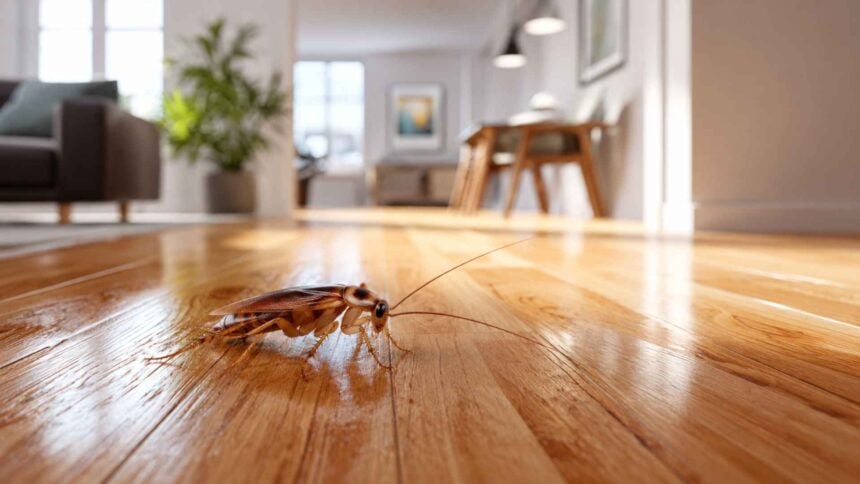
Finding a German cockroach on the kitchen counter is seldom a sign that there is only one. These pests reproduce at an astonishing rate, and a single bug is often a harbinger of a large infestation that has already taken root in the crevices of your kitchen or bedroom.
The more important question is where these bugs are coming from. German roaches in house environments almost never wander in on their own two legs. They hitchhike, riding along inside cardboard boxes, grocery bags, secondhand furniture, and a handful of other everyday items most people never think twice about bringing through the front door.
We take you through the most common German roaches entry routes and what you can do to cut them off. Keep scrolling!
Table of Contents
Key Takeaways
- German cockroaches usually get carried indoors inside boxes, bags, luggage, and other items brought into the home.
- Cardboard boxes are one of the biggest things to check, especially if they came from a storage area, delivery, or another building with roach activity.
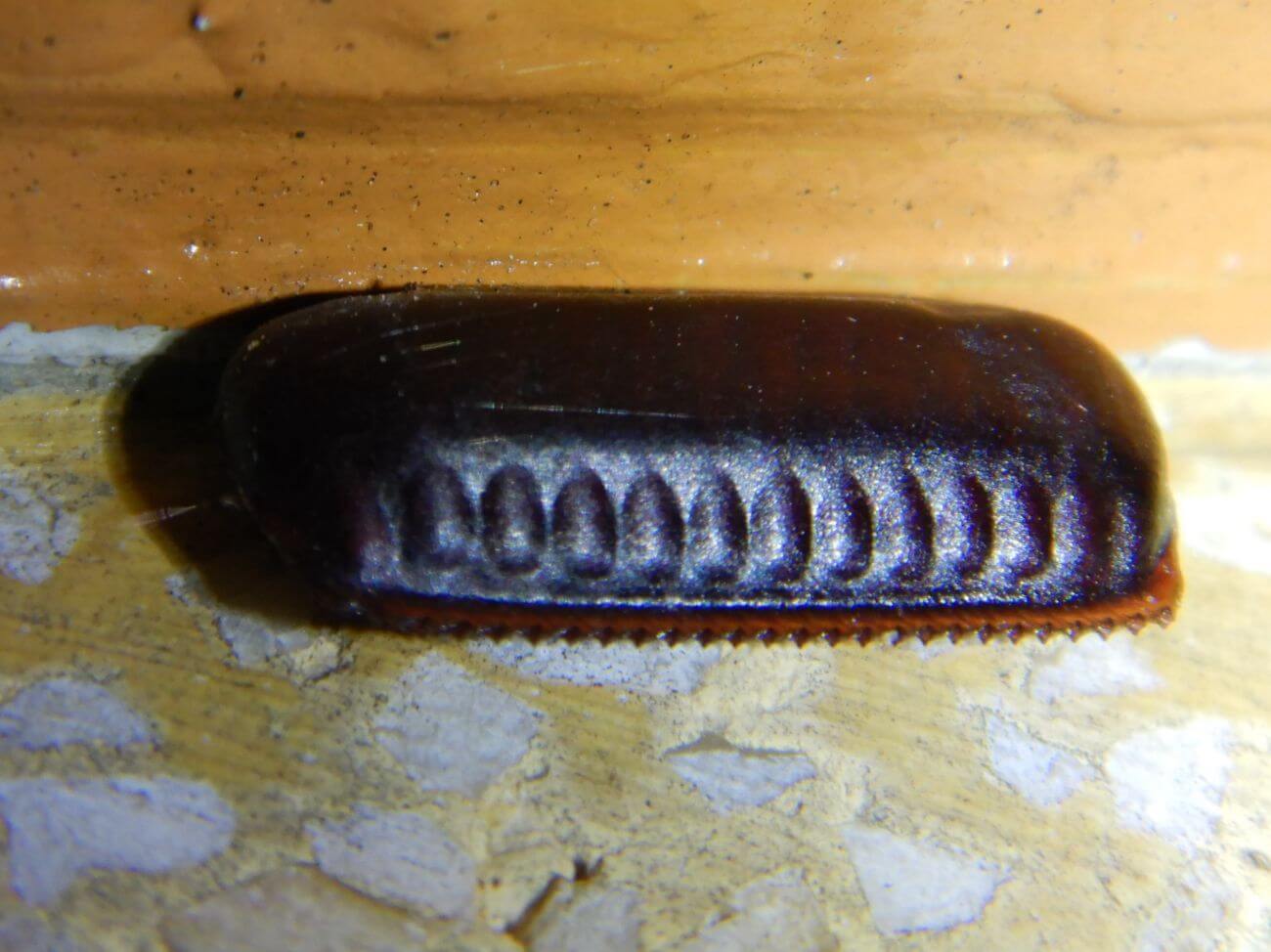
- Female German roaches can produce around 6 to 8 egg cases during their life, with roughly 30 to 50 eggs packed into each case.
- Sealing cracks helps, but checking what comes through the door is just as important if you want to stop new roaches from getting inside.
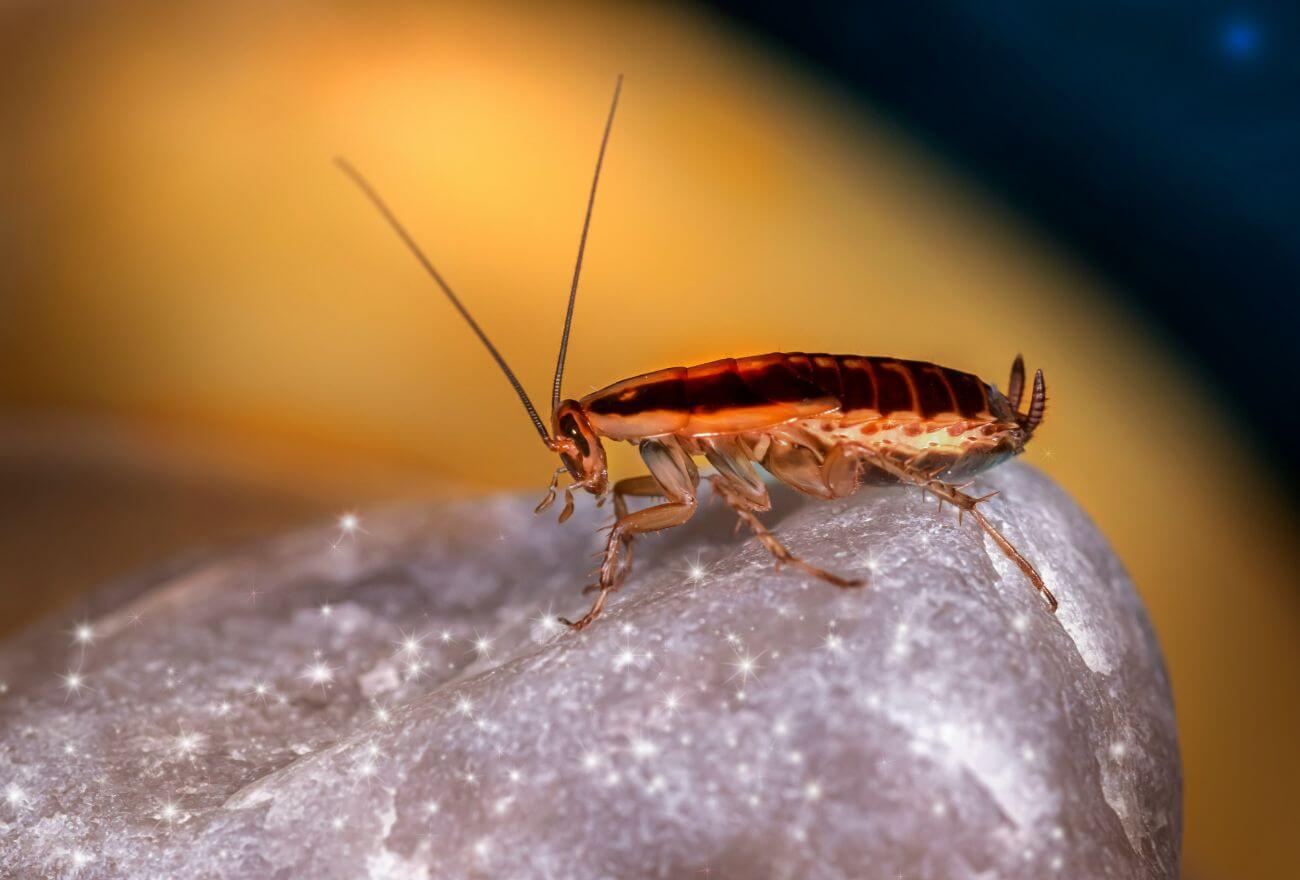
How to Identify a German Cockroach & A Few Facts
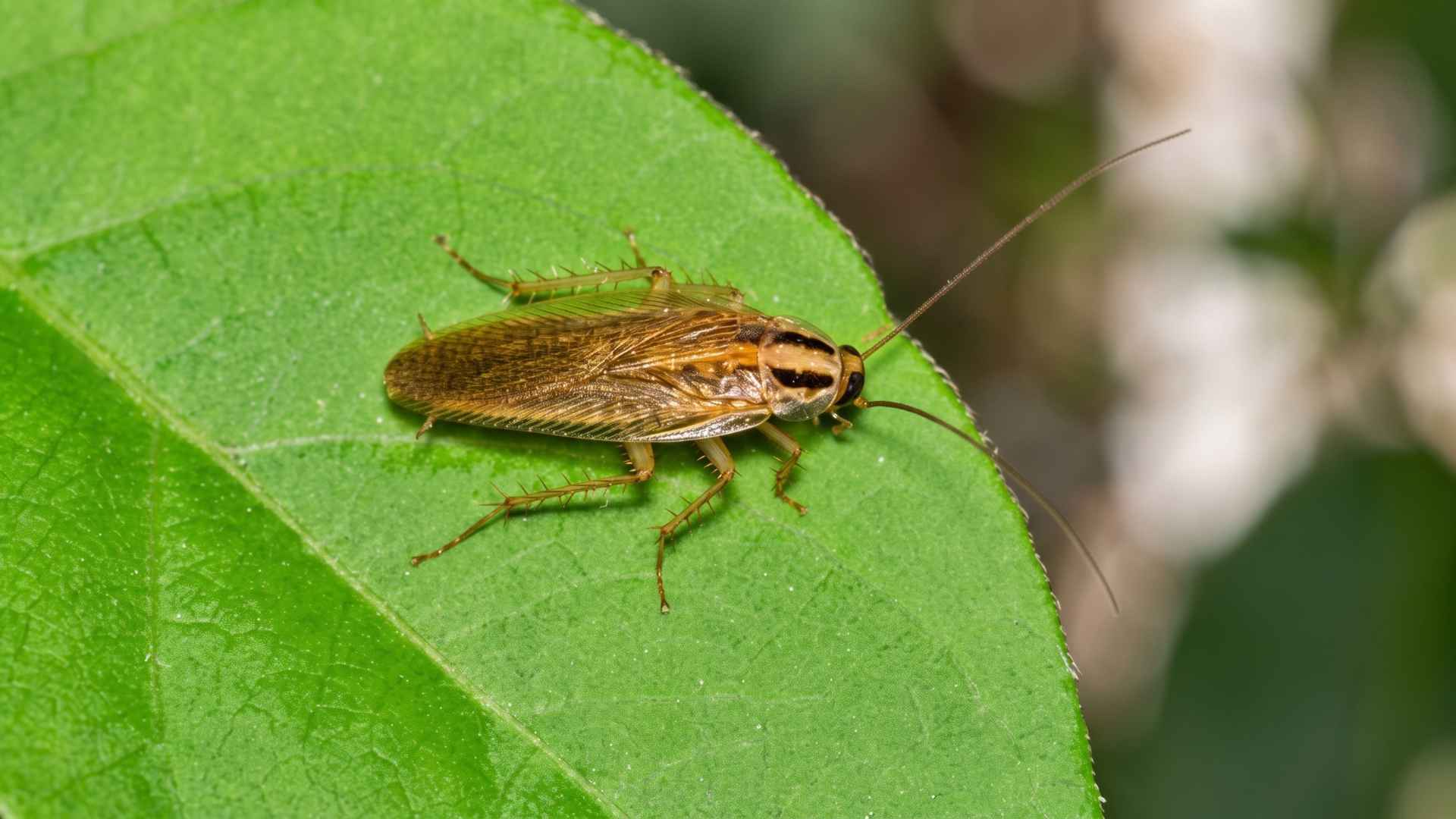
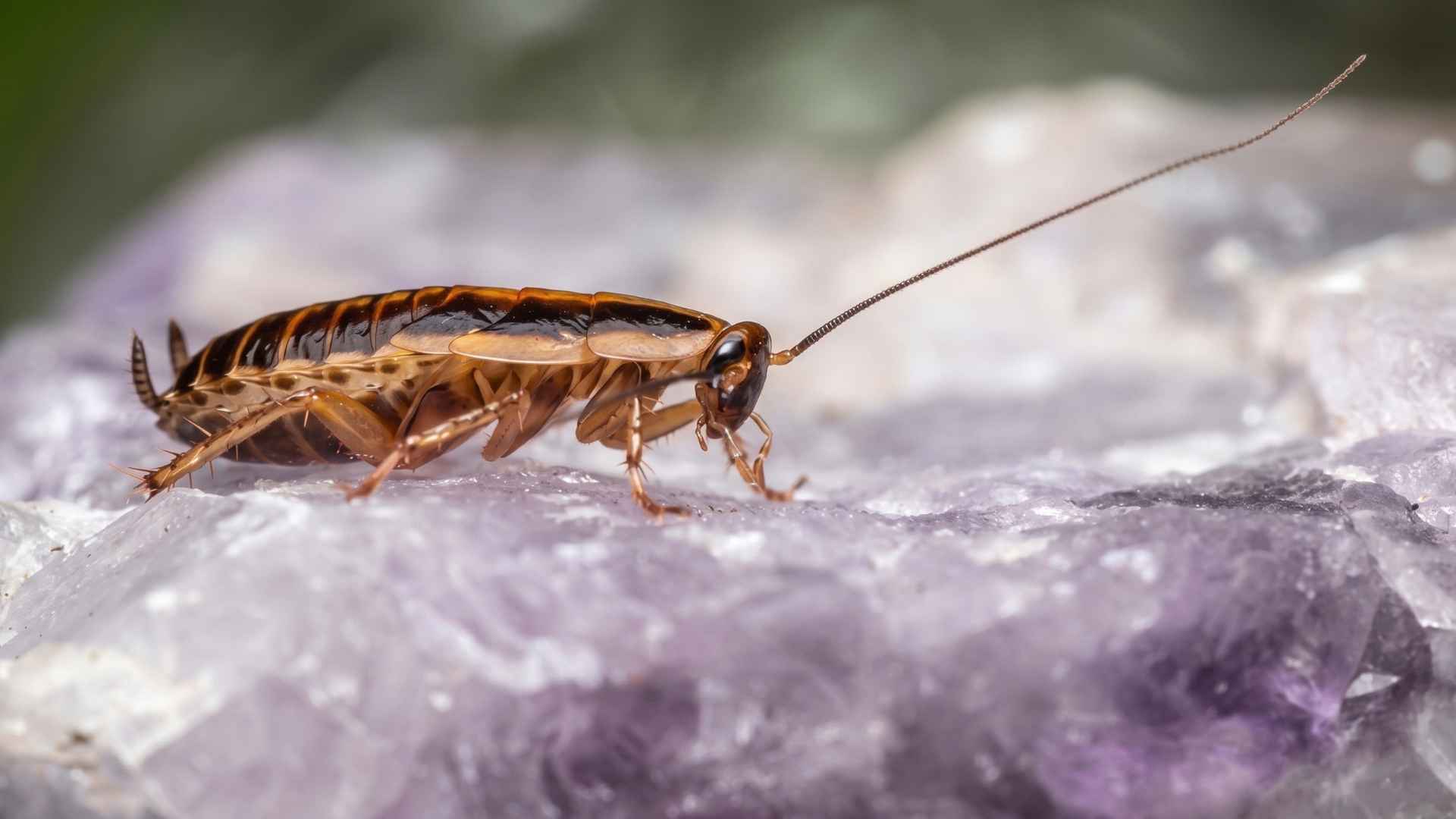
- Size: About 1/2 to 5/8 inch long as an adult
- Shape: Flattened, oval body built for squeezing into tight cracks
- Color: Light brown to tan, with two dark parallel stripes running along the pronotum just behind the head
- Legs: Six spiny legs built for fast movement across floors and counters
- Antennae: Long, thin, and constantly moving while the roach navigates
- Life Span: Adults typically live several months (roughly 100 to 200 days depending on conditions), with multiple generations produced per year
- Diet: Scavengers that eat almost anything, food crumbs, grease, cardboard, even soap residue
Common Ways German Cockroaches Get Into Your House
Figuring out exactly how German roaches get in is critical to the type of prevention you’ll have to do. Sure you should seal the cracks, but that doesn’t stop the other half of the infestation that’s walking in off the street disguised as a deliveryman.
1. Cardboard Boxes and Packages
German roaches are most likely to enter home through Cardboard Boxes and Packages. They are attracted to it because it is a perfect material to build their nests and to find the food source inside the box or bag.
Cardboard is warm, dark, and contains paper, which the german roaches eat. Warehouses, delivery trucks, and storage facilities all provide exactly the conditions German cockroaches thrive in. Turns out, a box that has been in a warehouse for a few weeks can already have an egg case when you unpack it near your television.
- Break down and throw away boxes
- Look at the box seams and folds before bringing it into the house
- Do not save flattened cardboard boxes in the garage or basement
2. Grocery Bags and Food Deliveries

Grocery Bags move roaches into a home almost as often as boxes do, particularly paper bags stored near loading docks or delivery vehicles before reaching a store shelf.
Produce boxes, especially ones holding potatoes, onions, or bottled goods, have a documented history of transporting German roaches between locations, since these items often sit in warm storage rooms roaches already favor.
Cockroaches in groceries typically ride in as egg cases tucked into box seams rather than as visible adults, making them nearly impossible to spot during a normal shopping trip.
- Move groceries into sealed containers once you get home
- Get paper bags and cardboard boxes out of the kitchen after unloading
- Check box seams and bottoms before placing them on counters
- Watch for roaches or egg cases tucked into folds and corners
3. Used Appliances and Electronics
Used Appliances carry a surprisingly high roaches infestation risk, since the warm, dark interior of a refrigerator motor housing or a used microwave provides ideal cover.
Secondhand stoves and dishwashers deserve particularly close inspection, given how often german roaches nest inside insulation panels or near wiring harnesses where warmth collects.
A German cockroaches infestation traced back to a single used appliance is a common enough scenario that pest control technicians flag it as a leading cause during initial home inspections.
4. Used Furniture and Household Items
Upholstered furniture, particularly anything stored in a warehouse or a previous owner’s garage, offers the same dark, undisturbed cover german roaches favor in cardboard.
Check seams, cushion undersides, and drawer joints closely before bringing secondhand furniture indoors.
5. Luggage, Backpacks, and Personal Belongings
Travel introduces its own risk entirely. Hotels, even reputable ones, occasionally deal with roach activity, and a bag left open on a hotel room floor overnight offers an easy way for a hitchhiking roach or egg case to end up back home with you.
6. Neighboring Apartments and Shared Walls
Apartment living introduces a factor single family homes rarely deal with, shared walls and connected plumbing.
German roaches in apartment buildings move between units through wall voids, shared utility lines, and gaps around electrical outlets on adjoining walls.
Treating one unit while a neighboring apartment stays infested rarely solves the problem long term, since roaches simply migrate back once conditions allow.
7. Cracks Around Pipes and Utility Lines
Gaps around plumbing that come in through a house from outside, or from one floor to the next in a multi unit building, provide a direct route between a wet, protected area (the pipes) and the living space. Gaps around utility lines that penetrate exterior walls are similar, and sealing these will close off a potential route that the care of grocery bags cannot address.
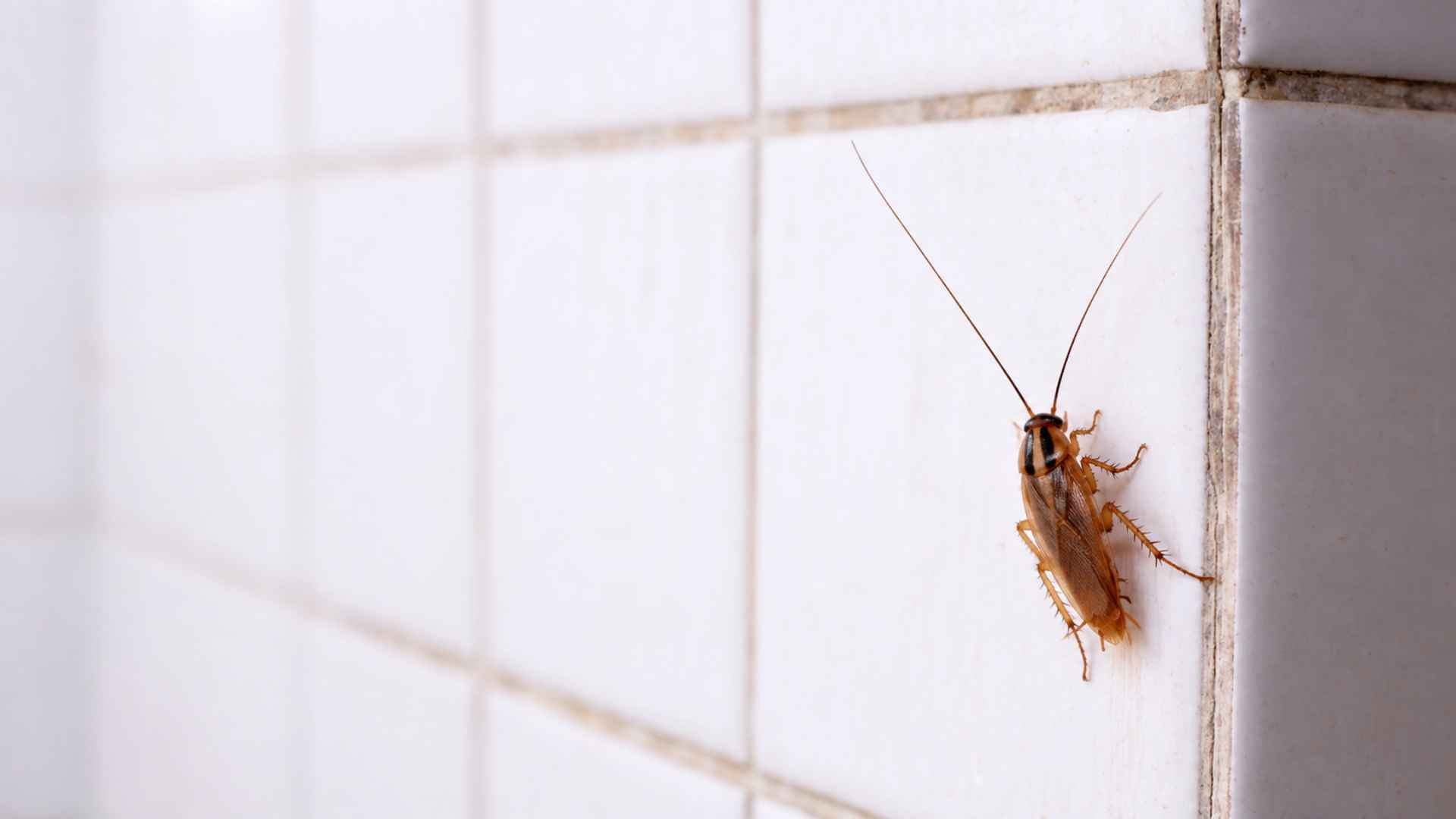
Signs of German Cockroaches In House
- Garbage and food remnants in an open space
- Food crumbs on the floor, counter, or table
- Activity in cracks and crevices
- The movement around wiring and electronics
- Presence under sinks
- Activity inside wall voids
- Movement in ceiling pipe
- Nesting under such appliances as the stove, dishwasher, and refrigerator
- Activity in basements or crawl spaces
- Presence between baseboards
- Nesting in door and cabinetry hinges
- Activity in door and bed frames
How to Keep German Cockroaches From Getting Inside

Keep cereal, flour, snacks, pet food, and other pantry items in sealed containers with tight fitting lids. Original boxes and bags are much easier for german roaches to get into once they are already inside the house.
This one habit cuts off a major food source and makes it harder for a small German roach problem to keep growing.
Pair that with checking boxes, bags, deliveries, and used items before they come inside, and prevent German cockroaches starts to come down to what you do every day, not one big cleaning session.

If a few roaches still make it through, sticky traps can help you see where activity is happening. You can also use a labeled cockroach gel bait or sprays in those areas to get rid of them safely.
Can German Cockroaches Come in From Outside?
They can, but that is not the usual way German cockroaches end up inside a home. This species is strongly tied to indoor spaces and is far more likely to arrive hidden inside boxes, bags, luggage, or other belongings.
That is why we would pay more attention to what comes through the door than worry about every roach possibly walking in from the yard. Checking cardboard, grocery bags, deliveries, and used items can do a lot more for prevention with this species.
Sealing cracks still helps, especially around kitchens and plumbing areas, though. When it comes to German cockroaches, it’s important to stop them from coming along for the ride in packages, bags, suitcases, etc.
When To Call a Pro
DIY steps can go a long way when the problem is still small. Sticky traps help you track activity, sealed storage cuts off food, and inspecting boxes or used items can stop more roaches from coming in.
The situation changes once a German cockroaches infestation spreads beyond one area. Roaches can hide behind appliances, inside narrow wall cracks, under counters, and around motors or plumbing where normal household treatment barely reaches.
Professional pest control gives you a more targeted plan for those harder spots. Orkin notes that technicians may use glue boards, baits, residual products, and crack or crevice treatments based on what the inspection finds.
If you are still seeing steady activity after a few weeks, or german roaches have started turning up in multiple rooms, that is when you should call a pro.
Frequently Asked Questions (FAQs)
Why would I have German cockroaches in my house?
Most often, they came in hidden inside something you brought home. Cardboard boxes, grocery bags, luggage, and items moved from another building can all carry German cockroaches inside. A clean home can still get them this way.
Can one German cockroach start an infestation?
Yes, particularly if it’s a pregnant female. A single German female roach can produce up to eight egg cases over her lifetime, each holding around 40 eggs. Turns out, one overlooked roach can realistically lead to well over 280 offspring.
What to do if I see one German cockroach in my house?
Put out some sticky traps immediately to monitor activity, and inspect nearby cabinets, appliances, and boxes for signs of a larger population before assuming it was an isolated visitor. You could also use roach bait and sprays to kill off the ones you visibly spot across your home.
Do German cockroaches come through drains?
They can move around plumbing gaps inside a building, but German roaches are more commonly carried in through boxes, bags, or nearby infested units. Roaches coming directly from sewers and drains are more commonly associated with species like American cockroaches.
What Attracts German Cockroaches to a Home?
Food debris, grease buildup, warm hiding spots near appliances, and standing moisture under sinks all draw them in and keep a population fed once established.
How long does it take German cockroaches to infest a house?
Given ideal warmth and a steady food source, a small german roaches population can grow into a genuine infestation within a couple of months since egg sacs take about 21 to 28 days (roughly 3 to 4 weeks) to hatch.
Wrapping Up…
Sealing exterior cracks only solves part of the puzzle. German cockroaches are indoor hitchhikers that rarely wander in from outdoors. Instead, they enter hidden inside cardboard boxes, paper grocery bags, electronics, and secondhand appliances. In multi-family buildings, they also travel internally through shared plumbing pipes and common wall voids. Inspecting incoming items closely and shifting food to sealed containers intercepts them early.