
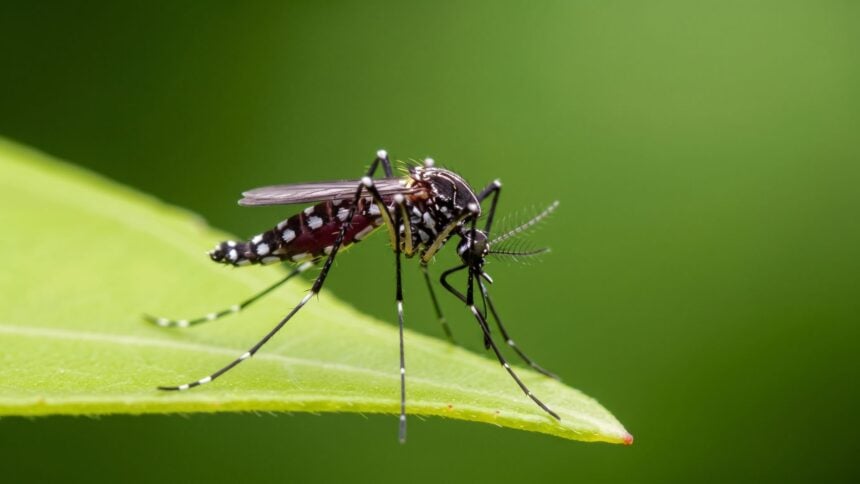
Almost everyone hates mosquitoes buzzing around their ears. It’s annoying, and once they start showing up around your yard, you naturally wonder where they’re coming from. Sometimes the breeding site is close by, perhaps in a bucket, clogged gutter, or birdbath.
Other times, mosquitoes may have flown in from a site much farther away. Some species stay within a few hundred feet of where they develop, while mosquito species can travel several miles in search of a blood meal. So, how far can mosquitoes fly from their breeding site, and how can you use that information to find and control the source?
Table of Contents
How Far Do Mosquitoes Travel?
Mosquitoes don’t all travel the same distance. Some species that breed around homes stay relatively close to their breeding sites, often within about 300 feet. Others can travel one to three miles in search of a blood meal.
A 2014 research review published in Limnologica found that the average maximum flight distance ranged from about 50 meters to 50 kilometers, depending on the species. However, those longer distances are unusual, and most mosquitoes don’t travel anywhere near that far.
For normal, day-to-day “nuisance” flights (when they are actively buzzing around looking for a meal), they typically cover much shorter distances ranging from 25 meters to 6 kilometers. How far they go depends on several factors, including species, access to food and hosts, habitat, weather, and wind.
How High Can a Mosquito Fly?

Mosquitoes are tiny, and smaller species found around houses commonly weigh about 2.5 milligrams. Turns out even a mild breeze could push them around. Most mosquitos stay low, between 3 and 25 feet above the ground, where they find shade, humidity, and hosts.
A person sitting in a garden or on a patio sits right inside that band. Height is not a barrier to getting upstairs, though. They can hitch a ride up stairwells, elevators, or wind drafts to reach upper building floors, and some rest and breed in rooftop planters and clogged gutters. A balcony ten floors up is still a possible target, especially when plant saucers hold water.
Mosquitoes Travel Distance by Species
To truly understand how mosquitoes travel, you have to look at them by group. They are not a monolith, and their flight capabilities vary wildly.
Aedes Mosquitoes
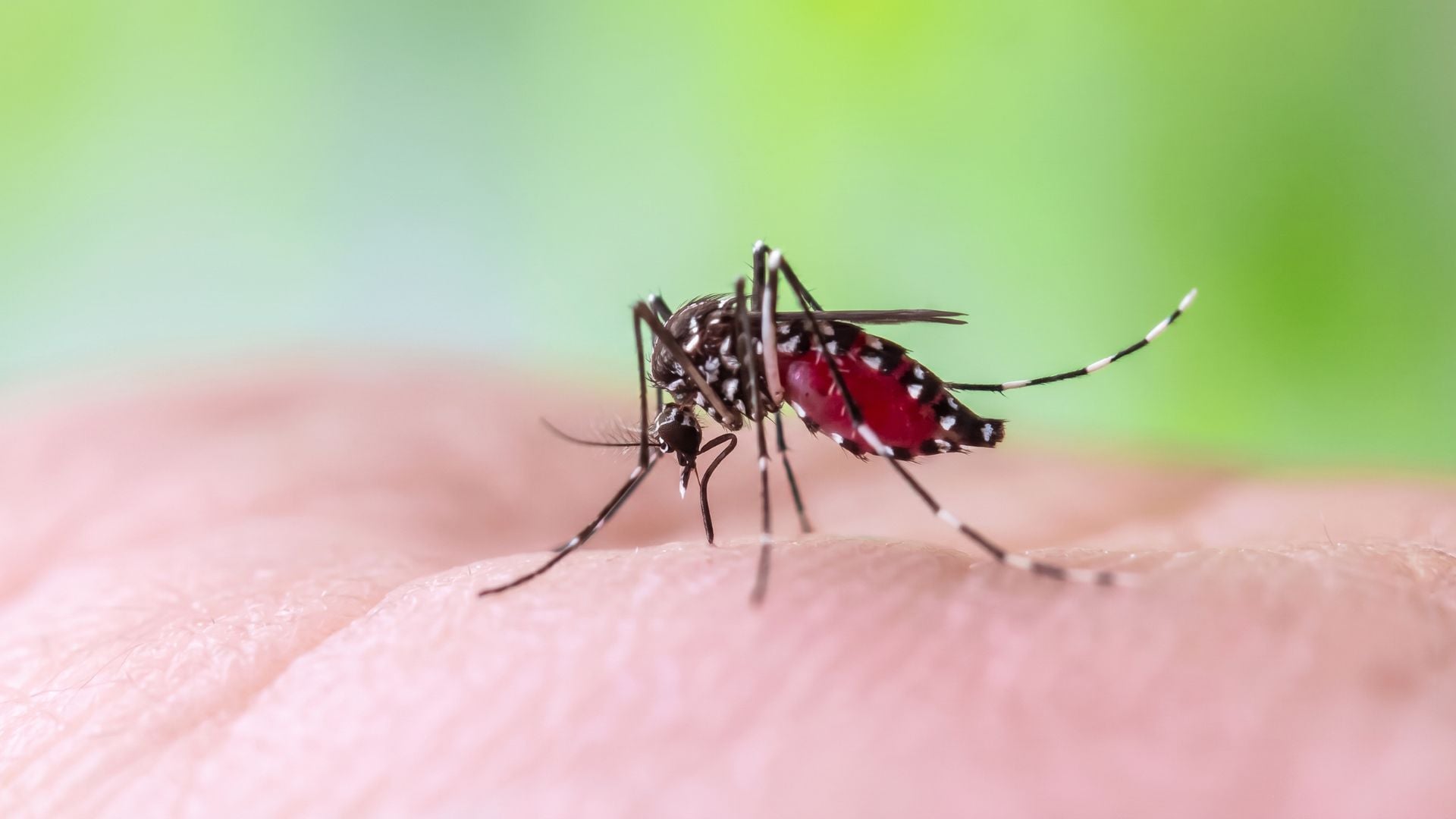
Aedes species, such as the Asian tiger mosquito and Aedes aegypti, bite aggressively during the day. They stay very close to home and usually travel only 100 to 300 feet, about the length of a city block. They breed around the house in tiny containers and do not like to leave the property where they hatched.
Culex Mosquitoes
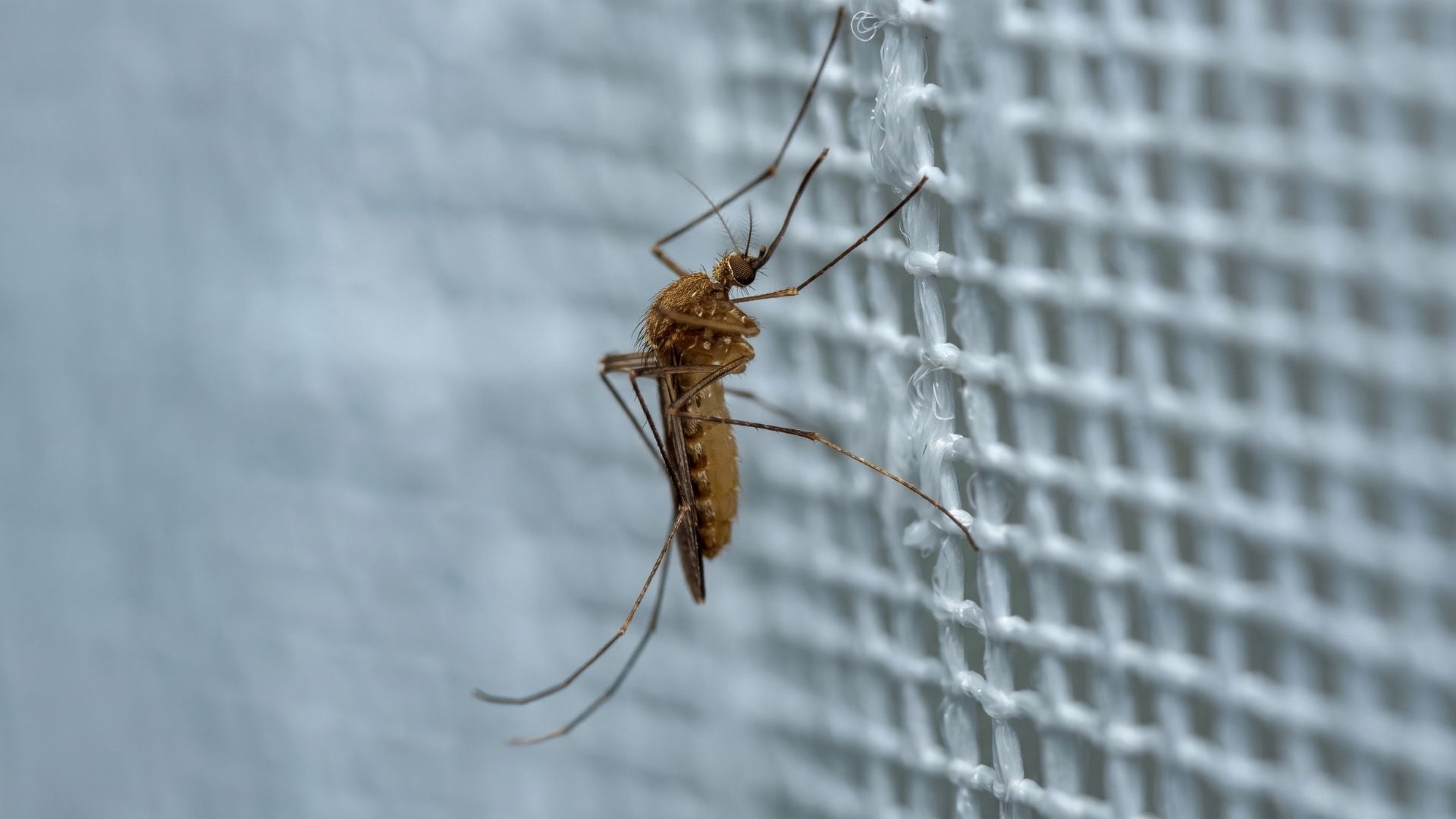
Culex mosquitoes are often active at dawn and dusk. They have a wider range and typically fly 1 to 2 miles from their breeding site. A neglected pool or a storm drain across the neighborhood can supply the ones that find you.
Salt Marsh and Floodwater Mosquitoes
Saltmarsh mosquitoes or large floodwater species can migrate 10 to 40 miles, or even further in rare wind-carried conditions .The Saltmarsh mosquito breeder is a very hardy species, having been known to migrate up to 100 miles in exceptional circumstances, although 20 to 40 miles are much more common when hosts are scarce. Additionally, certain large pool breeders in the Midwest are often found up to 7 miles from known breeding spots, showing just how tough floodwater mosquitoes can be.
How Fast Can Mosquitoes Fly?
Mosquitoes are slow flyers and most species cruise at about 1 to 1.5 miles per hour, and their wings beat roughly 300 to 600 times a second, and that rapid beat creates the whine you hear.
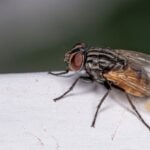
A house fly moves about three times faster. A steady 1 mph pace covers a mile in an hour, but female mosquitos rarely fly nonstop. They hop between rest spots, drink nectar, and wait for evening.
Wind can change the whole scenario as a strong tailwind can carry them well beyond their own flying speed, and that is how salt marsh swarms reach inland towns overnight.
What Makes Mosquitoes Fly Farther?
- Species: Some mosquitoes naturally stay close to their development sites. Others have a much wider travel range.
- Wind Currents: Strong breeze lines can carry lightweight mosquitoes over miles of territory they could never cross using their own wing power.
- Food availability: Female mosquitoes seek blood meals to develop their eggs. If suitable hosts are scarce nearby, they may travel farther to find people or animals.
- Breeding opportunities: Female mosquitoes also need suitable places to lay eggs. The availability of water sources can influence where they move.
- Temperature and humidity: Weather affects mosquito activity and survival. Warm, humid conditions often support greater activity, while strong winds or unfavorable temperatures can limit flight.
- Local habitat: Trees, shrubs, shaded areas, and damp vegetation provide resting places. These features can influence where mosquitoes settle between flights.
Can Mosquitoes From a Pond or Wetland Reach My House?
It depends on the species, but if you have Culex or Anopheles mosquitoes hatching from a pond, they can fly up to 3 miles, so if your pond is within a mile or two of your home they can be biting around your porch in the evening.
Wetlands and flooded areas can give off mosquitoes that travel further, if the water has flooded. However, if your garden is only 300ft away from the pond and you are getting bites during the day then it is unlikely to be coming from there, as most of these mosquitoes won’t fly that far. In this scenario, check your own gutters and containers as well to locate their breeding source and then treat accordingly.
How to Find the Mosquito Breeding Site and Get Rid of Them Near Your Home
- Walk your property: Look for standing water in gutters, flower pot saucers, buckets, tarps, bird baths, and low spots in the lawn.
- Dump and scrub weekly: Empty containers every week and scrub the sides, because eggs stick to surfaces and survive.
- Kill mosquito larvae: Drop mosquito dunks containing Bti into water you cannot drain, such as a rain barrel or a pond. Bti targets mosquito larvae and is safe for pets and wildlife when used as labeled.

- Fix drainage: Clear gutters, level low spots, and screen rain barrels with fine mesh.
- Maintain your yard: Keep outdoor containers covered, trim dense vegetation where practical, and clear objects that collect rainwater.
- Cover up for bites: For mosquito bite prevention, wear long sleeves at dusk, use an EPA registered mosquito repellent, and run a fan on the patio.

Frequently Asked Questions (FAQs)
If mosquitoes bite me in my yard, are they breeding nearby?
Yes, in the vast majority of residential cases, the ones biting you hatched very close by. Because common backyard species have such short flight ranges, you can usually find their water source within a 300 foot radius of your back door.
Can mosquitoes travel overseas?
Mosquitoes do not normally fly across oceans under their own power. However, they can be transported between countries in aircraft, ships, vehicles, and cargo. Eggs can also travel in containers that hold water.
Do mosquitoes fly faster than flies?
Mosquitoes cruise at about 1 to 1.5 miles per hour, and a house fly moves around 4.5 to 5 miles per hour, roughly three times faster.
Do I face more mosquitoes if I have a pond nearby?
You generally will face a higher population if the pond has stagnant edges. However, if the pond supports fish, dragonflies, and frogs, these natural predators will eat a massive amount of the mosquito larvae before they ever take flight.
Wrapping Up…
Mosquitoes can travel anywhere from a few hundred feet to several miles, depending on the species. Some salt marsh varieties can cover 20 to 40 miles, and exceptional journeys may reach 100 miles with favorable conditions.
Turns out, if mosquitoes keep showing up in your yard, do not assume they are breeding right beside your house. Check containers, gutters, drains, and nearby water sources first. Remove what you can, treat water that cannot be drained with an appropriate larvicide, and protect your doors and windows. Those steps can make a noticeable difference, even when the original source is beyond your property.